.jpg)
Gum recession is a growing concern in oral health, often attributed to factors like aggressive brushing or periodontal disease. However, recent user feedback and clinical observations point to an overlooked culprit: pulse inconsistency in electric oral care devices, especially water flossers and sonic toothbrushes. For manufacturers in the B2B market, understanding and mitigating this issue is vital to product safety, user trust, and long-term brand reputation. What Is Pulse Inconsistency and Why Does It Matter? Pulse inconsistency refers to irregular or fluctuating pressure and frequency in electric toothbrushes and water flossers. Instead of delivering a stable, rhythmic action, the device may spike or dip unpredictably. This can occur due to: Inadequate motor regulation Inconsistent power supply Poor-quality control in pulse generator circuits Software glitches in smart devices While seemingly minor, such irregularity can have a significant cumulative effect on gum tissue. How Pulse Inconsistency Leads to Gum Recession Gums are highly sensitive to mechanical force. Consistent, gentle stimulation can promote circulation and health, but unpredictable pulses act like micro-traumas. Over time, the repeated application of uneven pressure may cause the gum line to shrink or detach from the tooth, leading to gum recession. Clinical professionals have begun to associate irregular…
In today's smart personal care devices, features like the travel lock are designed to enhance user safety and convenience. However, recent engineering reports and field failures have exposed a surprising vulnerability: travel lock failure may inadvertently trigger a power surge, leading to electronic malfunctions, battery degradation, or even fire hazards. For B2B manufacturers, this risk demands urgent attention—not only to uphold product reliability but also to maintain compliance and market trust. What Is a Travel Lock and How Does It Work? The travel lock is a safety function built into electric toothbrushes and grooming devices to prevent accidental activation during transport. It’s typically engaged by holding a button for a few seconds, disabling the power function until manually released. However, when poorly implemented or damaged during manufacturing or transit, this lock can fail—causing the device to activate unexpectedly while packed in a confined space, such as luggage. How Travel Lock Failure Leads to Power Surges Unexpected activation of a device inside a sealed environment causes the motor to run without ventilation or resistance, potentially leading to: Internal component overheating Prolonged, unmonitored power draw Battery stress and swelling Faulty circuit load distribution This excessive, irregular power consumption can result in a…
As water flossers gain popularity for daily oral care routines, concerns around battery leakage and overheating risks have started surfacing across consumer platforms and return reports. For B2B manufacturers, these issues are more than isolated defects—they represent systemic challenges tied to design, assembly, and quality control. This blog explores the engineering and safety implications behind battery-related failures and what proactive steps can be taken to mitigate them. Why Battery Safety Matters in Compact Oral Devices Water flossers rely on rechargeable lithium-ion or NiMH batteries for portability and power. However, due to the compact, moisture-prone environments these devices operate in, battery integrity becomes highly vulnerable. Unlike larger electronics, there's limited room for heat dissipation, and inadequate sealing can directly contribute to battery leakage and overheating risks, often simultaneously. Root Causes of Battery Leakage in Water Flossers Battery leakage typically results from: Poor sealing or waterproof failure in the internal housing Low-quality cell materials that degrade over cycles Exposure to high humidity inside the tank compartment Improper charging behavior not safeguarded by BMS (Battery Management System) Once a battery starts leaking, it not only reduces device performance but may also corrode circuit boards, damage surrounding components, and cause unpleasant odors—leading to a…
Material degradation in oral care devices, such as electric toothbrushes and water flossers, is an often-overlooked issue. Yet, it can quietly lead to the release of harmful chemical residue into the user’s mouth, raising significant health concerns. For B2B manufacturers, this is not just a matter of consumer trust but also a critical compliance and product lifecycle issue. This blog will dissect the causes, risks, and prevention strategies related to material breakdown and chemical contamination in oral hygiene devices. What Is Material Degradation in Oral Devices? Material degradation refers to the physical or chemical breakdown of components over time due to factors like: Repeated exposure to moisture, heat, and friction Reaction with active ingredients in whitening gels or toothpaste Poor-quality plastics or elastomers that are not food-grade compliant As the material degrades, microscopic particles or chemical residue may leach from brush heads, water tanks, seals, or internal tubing—especially in low-cost devices or poorly stored stock. How Chemical Residue Poses Safety Risks When chemical residue enters the mouth, it may: Cause allergic reactions or mucosal irritation Alter oral pH and contribute to enamel erosion Be ingested, leading to potential systemic toxicity Affect taste or lead to bad odor, impacting user experience…
Hose cracks in water flosser devices are an often underestimated issue that can silently lead to water pressure instability, user dissatisfaction, and even safety concerns. For manufacturers and OEM/ODM suppliers, understanding and preventing this problem is essential to maintaining product performance, quality reputation, and customer trust. What Causes Hose Cracks in Water Flossers? Hose cracks typically result from a combination of mechanical stress and environmental degradation. Common contributing factors include: Repeated bending and torsion from daily usage Poor-quality thermoplastic elastomers or PVC materials Exposure to high water temperatures or disinfectants Aging and material fatigue in long-term storage conditions Over time, these cracks may begin microscopically, eventually leading to visible rupture or sudden hose failure under pressure. How Do Hose Cracks Lead to Water Pressure Instability? Once hose integrity is compromised, water pressure instability becomes inevitable. The internal pressure becomes uneven, resulting in: Interrupted or weak water pulses, affecting flossing efficiency Backflow or leakage around cracked areas Fluctuating spray that fails to reach target zones in the mouth Increased motor strain, potentially reducing device lifespan This undermines the core functionality of the device and leads to higher customer complaints or returns.Company web: :https://www.powsmart.com/product/electric-toothbrush/ Early Warning Signs Manufacturers Should Not Ignore Detecting…
Post-surgery risks in dental and oral care are highly sensitive issues, and unexpected jaw discomfort caused by oral care devices can significantly complicate recovery. This is a growing concern for medical professionals and device manufacturers alike, as seemingly minor discomfort may exacerbate healing complications or delay tissue regeneration. Understanding this link is crucial for designing safer, surgery-compatible oral hygiene products. Why Jaw Discomfort Matters More in Post-Operative Recovery After oral or maxillofacial surgery—whether wisdom tooth extraction, implant placement, or jaw alignment—patients are in a delicate healing phase. Devices that apply unnecessary pressure to the jaw, such as electric toothbrushes with aggressive vibration, can: Aggravate inflammation at surgical sites Trigger TMJ (temporomandibular joint) flare-ups Cause bruxism-like pain or cramping during brushing Extend the patient’s recovery timeline Therefore, even light jaw discomfort becomes a serious contributor to post-surgery risk profiles. Design Features That May Intensify Jaw Pressure Many post-operative patients report that certain electric toothbrushes and oral irrigators inadvertently worsen their condition. Key design flaws include: High amplitude vibration motors that create side pressure Heavy or non-ergonomic brush handles that require extra grip force Large brush heads that require wider mouth opening Poorly balanced weight distribution, increasing strain on jaw joints Manufacturers…
In the increasingly competitive smart oral care market, reliability and consistency are expected as the baseline. However, users and industry auditors alike are raising concerns about simultaneous mode confusion and timer malfunction in some electric toothbrush models. These issues not only disrupt user experience but can severely impact brand trust and compliance in clinical and export markets. Understanding the Dual Problem: Mode Confusion + Timer Malfunction Most high-end electric toothbrushes offer multiple brushing modes—whitening, sensitive, gum care, etc.—alongside built-in timers to guide users toward optimal brushing time. Yet, when brushing modes switch erratically or timers fail to signal accurately, the entire brushing session becomes ineffective or even uncomfortable. This dual malfunction often goes unnoticed in early QC but becomes highly visible during consumer use, leading to frequent complaints and high return rates. Root Causes Behind Mode Confusion Mode confusion refers to inconsistent behavior in brushing patterns: skipping modes, randomly switching intensity levels, or failing to respond to user input. The common technical triggers include: Unstable PCB logic or firmware conflicts Cross-interference in button circuits due to poor internal layout Low-quality tactile switches that trigger unintended inputs Incomplete mode memory logic, causing resets after each use These malfunctions not only disrupt…
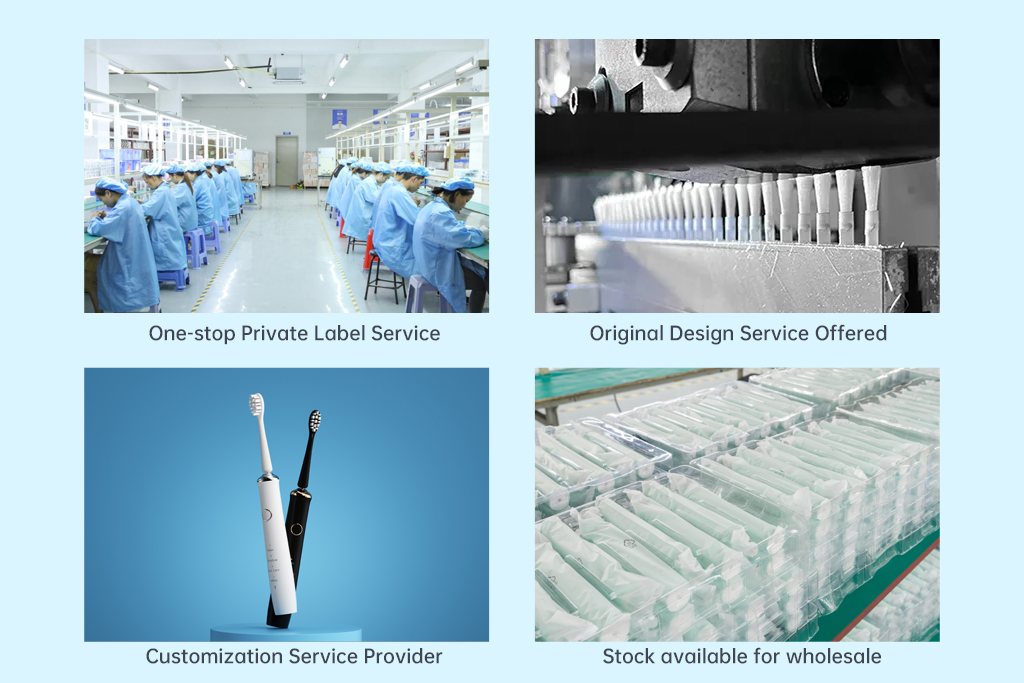
In today’s rapidly evolving market, consumers are no longer satisfied with “basic” functionality in personal care products. The personal care industry upgrade is evident, with consumers demanding smarter, safer, and more aesthetically pleasing solutions. At the same time, inflationary pressures and competitive markets push brands to pay close attention to Consumption Upgrade and Cost control. The question becomes: How can oral care product brands deliver upgraded products while still maintaining healthy margins? This blog explores practical strategies from an Oral Care Products Factory Perspective to help brands navigate this dual objective. The Rise of Consumption Upgrade in the Oral Care Market The consumption of oral care is upgrading. Consumers now prioritize features such as: Sonic and ultrasonic cleaning technologies in electric toothbrushes Water pressure customization in oral irrigators Smart connectivity (Bluetooth tracking, AI brushing guidance) Eco-friendly and sustainable materials This consumption upgrade is not limited to high-end markets—mid-range and even entry-level consumers are showing willingness to pay for better value. For brands, this creates both opportunity and pressure to evolve their oral care product options. The Cost Control Dilemma While investing in better features and materials is critical to meeting upgraded demand, it also brings higher production costs. Brands need to manage: R&D…

With the continuous oral care industry upgrade, global consumers are becoming more health-conscious and tech-savvy. This shift is accelerating demand for innovative, reliable, and personalized oral care product options such as electric toothbrushes and oral irrigators. For oral care brands, finding the right manufacturing partner—especially high-quality electric toothbrush factories—is critical to staying competitive in this fast-changing market. Understand the Current Trends in Oral Care Consumption Before seeking cooperation, it’s important to understand trends in oral care consumption. Today’s consumers demand more than just functionality—they expect intelligent features, sleek designs, and sustainable materials. The rise of smart devices, travel-ready designs, and kid-friendly oral care tools has redefined what successful oral care OEM partnerships should deliver. A factory that understands these trends can offer better product insight and adaptability, ultimately supporting your brand’s long-term growth. Define Your Product Needs: Standard vs. Customized Electric Toothbrush Not all factories offer the same level of flexibility. Do you need a basic, ready-to-ship model, or are you developing a customized electric toothbrush with unique branding, smart features, or special materials? Standard Products: Quicker turnaround and lower cost. Customized OEM/ODM: Requires more R&D capability but offers brand differentiation. Clarity in product direction helps you filter suppliers early and align with…
In the rapidly evolving oral care industry, ultraviolet sterilizing water flosser is emerging as the next big trend. Combining the cleaning power of traditional water flossers with UV sterilization technology, these devices appeal to hygiene-conscious consumers seeking more advanced and sanitary solutions. For oral care brands, the question is no longer whether to offer this type of product, but how to find the right water flosser factory to bring their ideas to market. This blog will explore current trends and provide brand owners with a practical guide on how to select water flosser factories that meet their quality, innovation, and customization needs. The Rise of Ultraviolet Sterilizing Water Flossers Consumer awareness of personal hygiene has reached new heights, especially post-pandemic. The demand for high-performance oral devices that go beyond basic cleaning is driving growth in the ultraviolet sterilizing water flosser segment. Unlike standard models, these flossers use built-in UV-C light to sterilize the nozzle or water tank, effectively reducing bacterial growth and ensuring safer daily use. This makes them highly attractive for premium product lines, positioning them as a must-have in modern oral care manufacturing portfolios. What Brand Owners Should Look For in a Water Flosser Factory Choosing the right water flosser factory is critical to product success. Brand…
In the world of oral irrigators, compatibility confusion during nozzle replacement is emerging as a silent quality pitfall. While end-users may perceive this as a minor inconvenience, B2B buyers understand its serious implications: customer dissatisfaction, increased return rates, and product line inconsistencies. Understanding the root causes behind mismatched parts and irregular nozzle replacement frequency is key for both manufacturers and brand owners to avoid long-term losses. The Hidden Risks Behind Compatibility Confusion At first glance, nozzle replacement should be a straightforward process. However, incompatibility between new nozzles and existing devices—especially across SKUs or production batches—has led to a surge in user complaints. Key contributing factors include: Inconsistent nozzle locking mechanisms Varying diameters across models Lack of standardization in fitting design Absence of clear labeling or identification codes This type of compatibility confusion often results in users forcing the wrong parts, damaging internal pump mechanisms, or abandoning the device altogether. Nozzle Replacement Frequency: A Quality Control Indicator The nozzle replacement frequency also acts as a proxy for quality assurance. Ideally, a nozzle should maintain its performance (spray pattern, flow rate, seal integrity) for at least 3 months. However, early wear due to substandard materials, poor ultrasonic bonding, or structural fatigue can:…
In the competitive landscape of oral care devices, user adaptation has become a critical metric of product success. Surprisingly, one of the most overlooked factors hindering smooth adaptation is improper angle use. When devices are not ergonomically aligned with user behavior, even advanced technologies may fail to deliver intended results—leading to frustration, poor compliance, and product abandonment. The Angle Problem: Where Design and Usability Collide While many assume that users will instinctively adopt the correct brushing or flossing angle, clinical data shows otherwise. Improper angle use, especially with power toothbrushes and water flossers, often leads to: Incomplete plaque removal Gum line irritation Discomfort in wrist or jaw movement This, in turn, delays user adaptation, especially for first-time electric brush or flosser users. Products that demand awkward wrist positioning or lack clear angling cues increase the cognitive load during daily use. Why Improper Angle Use Persists Across Demographics Improper angle use isn’t limited to elderly or pediatric users—it spans across all consumer groups. Common contributing factors include: Poor handle ergonomics Lack of user education or unclear user manuals Overly slim or thick brush necks Non-intuitive brush head orientation Without thoughtful design intervention, users must rely on trial-and-error, prolonging adaptation time and…
For any oral hygiene product manufacturer or distributor, educating your customers about water flosser maintenance is more than just value-add content—it’s a key step in enhancing product lifespan, performance, and brand loyalty. While water flossers are known for their effective plaque removal and gum health benefits, few users realize that regular care is essential. Without proper maintenance, even the best-engineered water flosser can suffer from performance drops, mold buildup, and early failure. Why Maintenance is Critical for Water Flossers First and foremost, water flossers operate with pressurized water and micro-tubing systems—environments where mineral buildup, bacterial contamination, and mechanical wear can develop silently. Over time, neglected flossers may: Lose water pressure Develop unpleasant odors Exhibit nozzle clogging or motor strain Create a breeding ground for mold and bacteria For OEMs, this reinforces the need to provide clear aftercare guidance with every unit shipped. Key Maintenance Zones: Where and Why to Clean There are several components of a water flosser that require periodic cleaning: Water Reservoir: Standing water breeds bacteria. Rinse daily and deep-clean weekly. Nozzle Tips: These come in contact with oral fluids. They should be rinsed after each use and replaced every 3–6 months. Pump System: Mineral deposits can build…
Waterproof failure is more than just a structural issue in water flosser design—it is a critical performance hazard that directly leads to pressure fluctuation, inconsistent water delivery, and ultimately, customer dissatisfaction. For OEM manufacturers and B2B distributors, understanding this chain reaction is essential for product optimization and market competitiveness. The Core Relationship: Waterproof Integrity and Internal Pressure Stability Water flossers rely on a closed-loop system to maintain stable water flow. When waterproof failure occurs—often due to weak seals, degraded adhesives, or poor housing integration—it compromises the vacuum and pressurization environment inside the device. The result? Rapid and unpredictable pressure fluctuation. Such instability not only disrupts cleaning effectiveness but can also confuse or frustrate users, especially those with sensitive gums or dental work. Root Causes of Waterproof Failure in Water Flossers Understanding the causes of waterproofing breakdown helps manufacturers prevent them at the source. Common contributors include: Low-grade sealing rings or gaskets Poor ultrasonic welding or adhesive bonding Overexposure to hot water or alcohol-based cleaners Micro-cracks from impact or drop tests Over time, even minor leaks allow air or moisture intrusion, destabilizing internal pump pressure and affecting spray consistency. How Pressure Fluctuation Affects User Experience When pressure fluctuation occurs, the user…
In today’s highly competitive market, find the right electric toothbrush manufacturers is critical for oral care brands aiming to scale efficiently. Whether you are a startup entering the market or an established company seeking product diversification, partnering with a trustworthy oral care supplier is the foundation of quality, innovation, and long-term brand influence. This article offers a comprehensive roadmap for selecting a manufacturer that aligns with your business goals, supports OEM electric toothbrush production, and drives your oral care brand expansion strategy. Define Your Product and Brand Requirements First Before contacting any factory or supplier, clearly define your product specifications and brand positioning. Ask yourself: What type of branded toothbrush production do you require (e.g., sonic, oscillating, kids’ brushes)? Do you need full OEM electric toothbrush solutions or white-label production? What certifications (e.g., CE, FDA, ISO) must the products comply with? What are your expected order quantities, price range, and delivery timelines? Having a solid product brief helps you find suitable electric toothbrush manufacturers early and avoid costly mismatches. Where and How to Source Reliable Manufacturers Finding a reliable oral care supplier goes beyond a simple online search. Here are proven sourcing strategies: Trade shows: Events like IDS (Germany), Dental South China, and Cosmoprof Asia are great for…
When users rely on overpressure cleaning to boost their perceived “deep clean,” they often overlook that excessive brushing force actually aggravates interdental stains. Over time, too much pressure not only harms gum tissue but also drives pigment deeper into interdental spaces, creating a dual threat to oral health and aesthetics. Below, we explore six dimensions of this hidden risk and offer B2B manufacturers actionable solutions. What Is Overpressure Cleaning—and Why It Happens First, define “overpressure cleaning” and its causes: Misguided Belief: Some users think “the harder the better,” ignoring the tolerance of gums and enamel. Poor Feedback: Smooth or slippery handles provide no tactile cues, making it hard to gauge safe pressure. Mode Misuse: High-frequency vibration modes without proper warnings often prompt users to grip harder. Recognizing these root causes is the first step toward safer brushing. How Excessive Force Damages Gums and Enamel Next, excessive brushing pressure harms oral tissues in three key ways: Gum Recession: Constant high force compresses gingival tissue, leading to shrinkage and exposure. Enamel Microfractures: Intense abrasion creates microcracks in enamel, compromising its integrity. Increased Sensitivity: Damaged enamel and exposed dentin lead to heightened thermal and tactile sensitivity. These injuries set the stage for deeper…
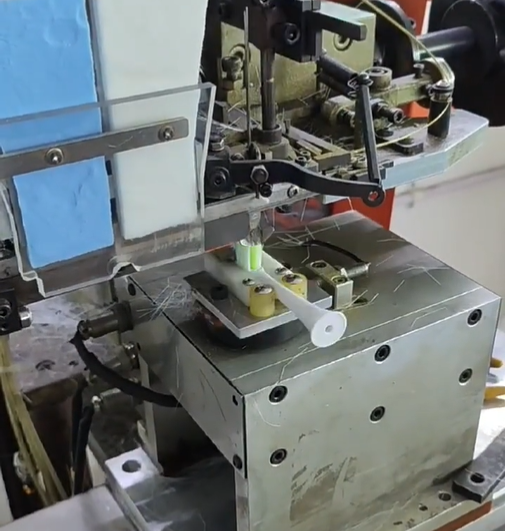
In the evolving world of oral care, the electric toothbrush has become a cornerstone product for deep and efficient cleaning. However, one often overlooked factor behind a toothbrush’s success is its Electric Toothbrush Bristle layout. Different bristle arrangements—such as cross-pattern, wave-pattern, and multi-height configurations—not only influence comfort and reach but significantly impact toothbrush cleaning efficiency. In this blog, we explore how manufacturers can leverage customized Electric Toothbrush Bristle layout to deliver better user outcomes and differentiate in a competitive market. Bristle Patterns and Their Functional Role Cross-pattern A cross-pattern layout features angled bristles pointing in different directions. This design is particularly effective at loosening plaque and reaching into the interdental spaces. Benefit: Enhanced rotational cleaning motion. Target Users: Those with plaque build-up and tight interdental spaces. Design Insight: Works well when combined with dynamic brush heads that rotate or oscillate. Wave-pattern Wave-pattern bristles follow a sinusoidal curve across the brush head, adapting to the natural contours of teeth. Benefit: Consistent contact with curved tooth surfaces. Target Users: People with irregular or sensitive dental topography. Design Insight: Improves surface coverage and provides gentle cleaning on enamel and gum lines. Height-Difference Design This layout alternates bristle heights to increase vertical reach. It’s commonly…
.jpg)
In the electric toothbrush industry, design details matter — especially when it comes to gum protection design. One often-overlooked feature is the cross-sectional shape of the bristle tips. The shape of electric toothbrush bristles— diamond, round, and cone — influence both cleaning performance and how gentle the brush is on gums. Understanding the differences is essential not only for end-user comfort but also for brands and manufacturers focused on innovation and product differentiation. This blog explores how bristle tip treatment and shape impact oral care performance, especially in the context of gum protection. The Role of Bristle Tip Treatment in Oral Hygiene Before diving into shapes, it’s important to understand the purpose of bristle tip treatment. High-quality electric toothbrushes undergo specialized processes like end-rounding or polishing to smoothen the tips. These treatments reduce the risk of micro-abrasions to enamel and soft tissue. Inadequately treated bristle tips — regardless of shape — can irritate gums, leading to discomfort or even recession over time. Proper bristle tip treatment ensures consistent smoothness, which complements the shape in achieving safe and effective cleaning. Round Bristles: The Industry Standard for Safety Round bristles are the most common and widely accepted design in electric toothbrushes. Their main advantages include:…


.jpg)
.jpg)
.jpg)
.jpg)
.jpg)



.jpg)