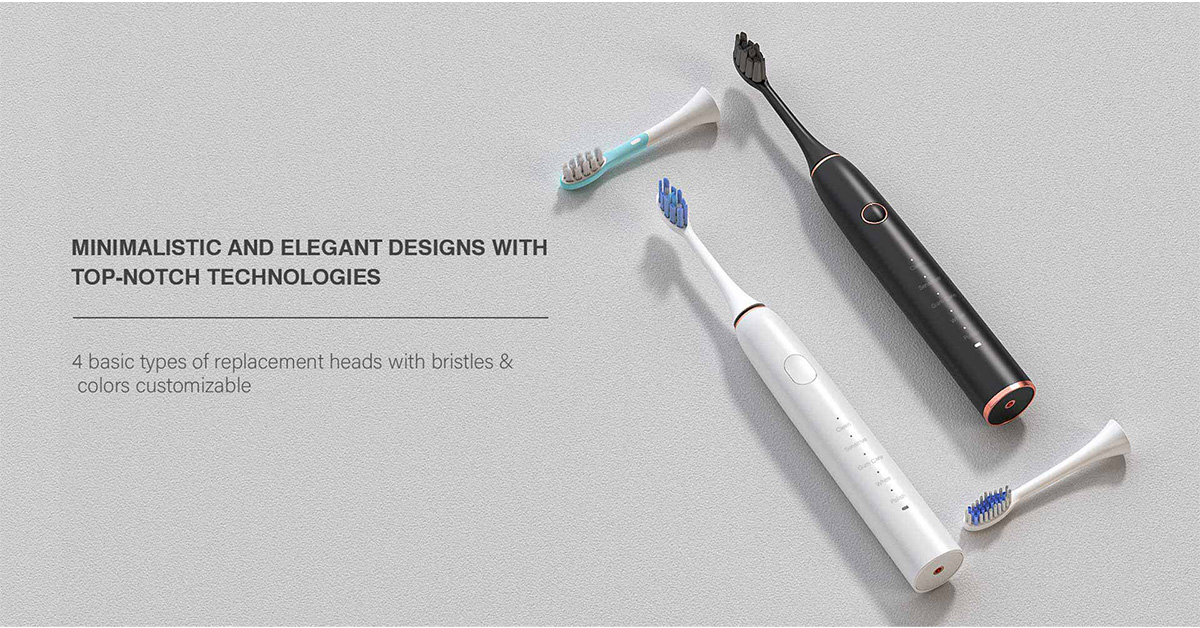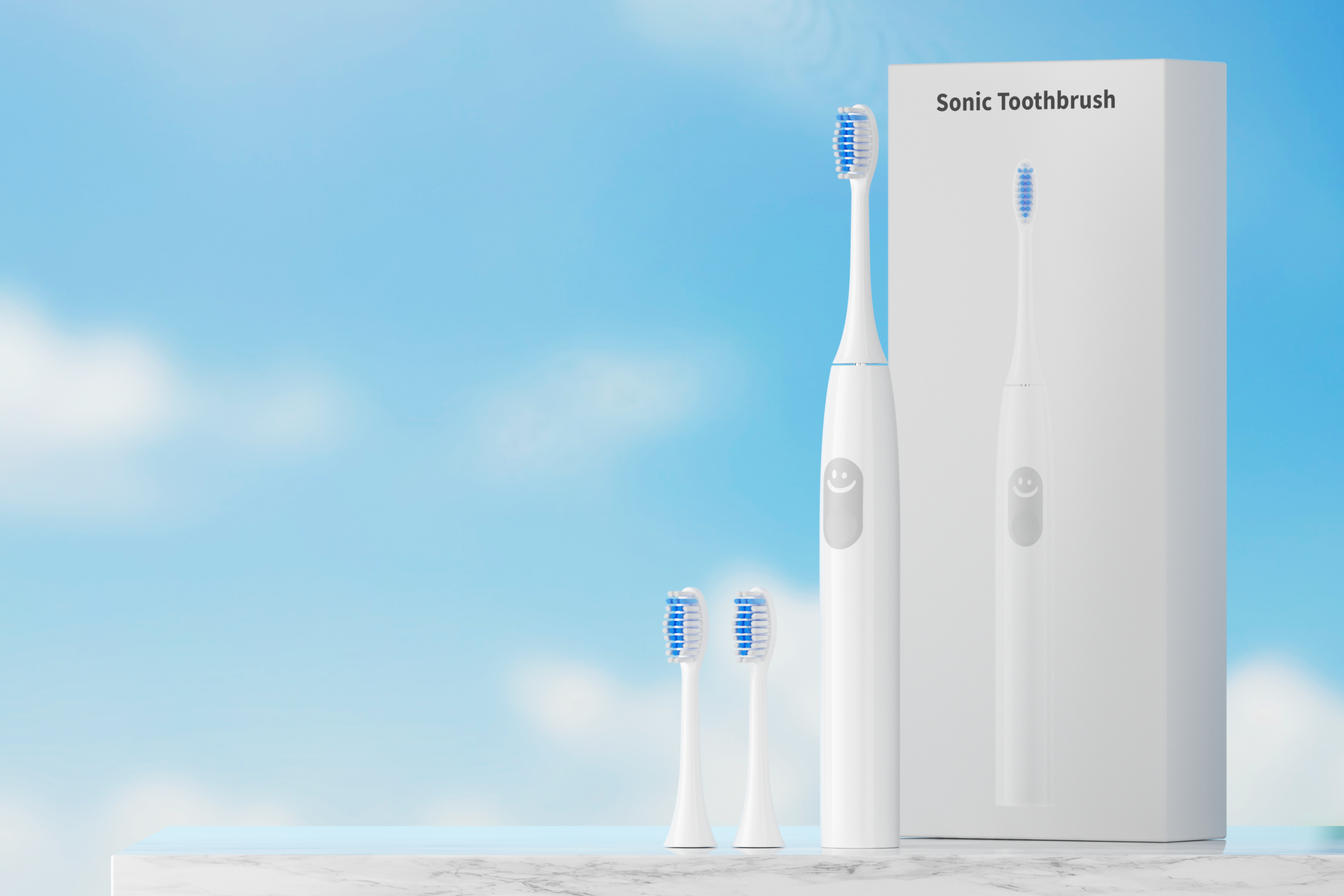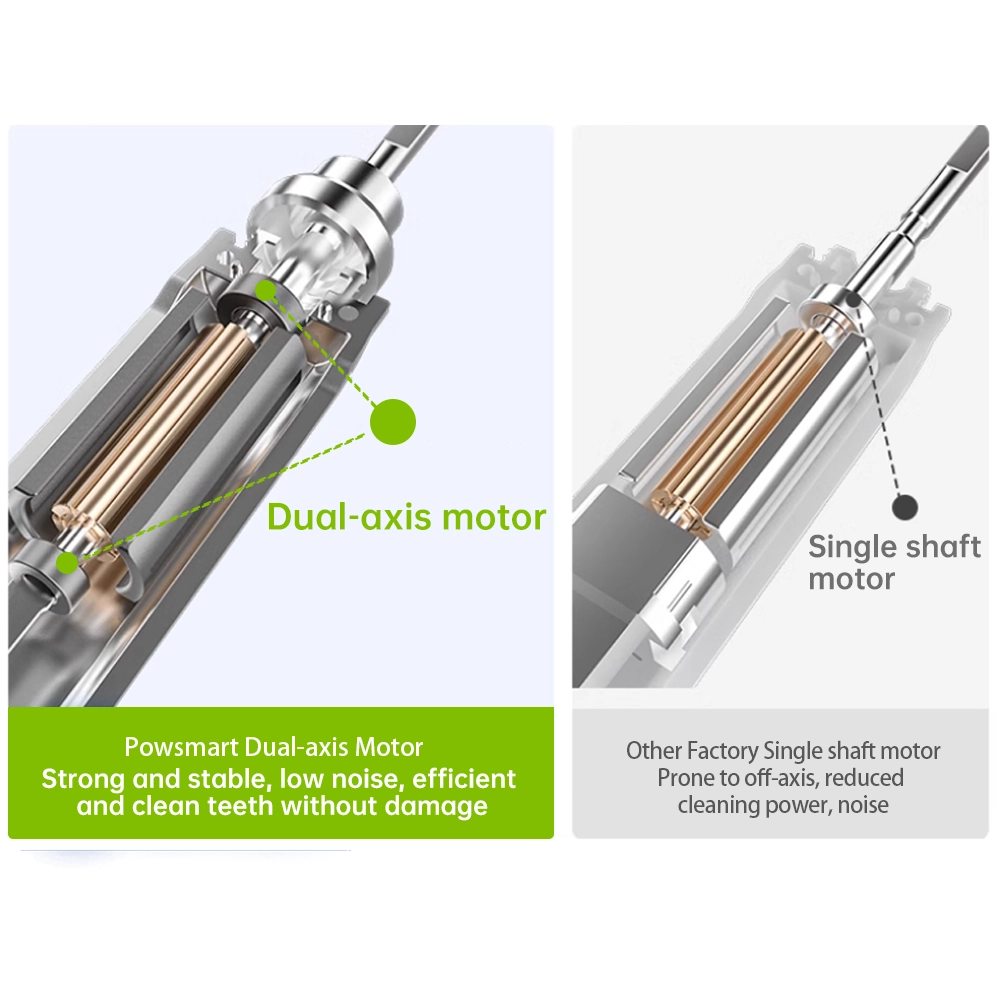
When it comes to the performance of an electric toothbrush, the motor is arguably the most important component. The motor's design and functionality directly impact factors such as vibrational frequency, torque stability, and overall user experience. In this blog, we’ll explore how the motor of an electric toothbrush affects product performance, with a particular focus on key elements like noise control, power efficiency, and durability. https://www.powsmart.com/about-powsmart/ Vibrational Frequency: How It Impacts Cleaning Efficiency One of the primary factors influenced by the motor is the vibrational frequency. The motor determines the speed at which the brush head oscillates or rotates, and this directly impacts cleaning effectiveness. Higher vibrational frequencies: Lead to more effective plaque removal and deeper cleaning, particularly in hard-to-reach areas of the mouth. Lower vibrational frequencies: Can provide a gentler brushing experience, which is beneficial for users with sensitive gums or teeth. The ability to fine-tune the vibrational frequency allows manufacturers to cater to different user needs while maintaining optimal cleaning efficiency. Torque Stability: Ensuring Consistent Performance Over Time Another important factor influenced by the motor is torque stability. Torque refers to the rotational force the motor generates to drive the brush head. The stability of this torque is critical…
.jpg)
In today’s era of intelligent oral care, mere motor vibration or simple brush‑head replacement reminders are no longer sufficient. A truly “smart brush” must leverage Smart App Integration for seamless data exchange and employ Hygiene Monitoring to assess users’ oral health in real time. In the following six sections, we’ll explore how an electric toothbrush can be hardcore upgraded to meet B2B partners’ dual demands for “smarts” and “health.” Seamless Connectivity: Building Smart App Integration First, the way the brush handle connects to phones or tablets defines the user experience: Low‑Energy Bluetooth (BLE) Stability: Ensures a reliable link even in humid bathroom environments. Cross‑Platform Support: Provides SDKs for iOS, Android, and specialized devices, so you can tailor the experience to different markets. Bidirectional Data Exchange: Not only uploads brushing duration, frequency, and pressure data, but also receives firmware updates and personalized cleaning routines from the cloud. This is true Smart App Integration, turning your brush into an endpoint in the user’s overall oral‑health ecosystem. Real‑World Hygiene Monitoring Features Next, Hygiene Monitoring goes far beyond counting brushing sessions, using multi‑sensor analysis to deliver meaningful insights: Pressure Sensors detect overzealous brushing, preventing enamel erosion. Accelerometers track brush‑head motion patterns, alerting users to…
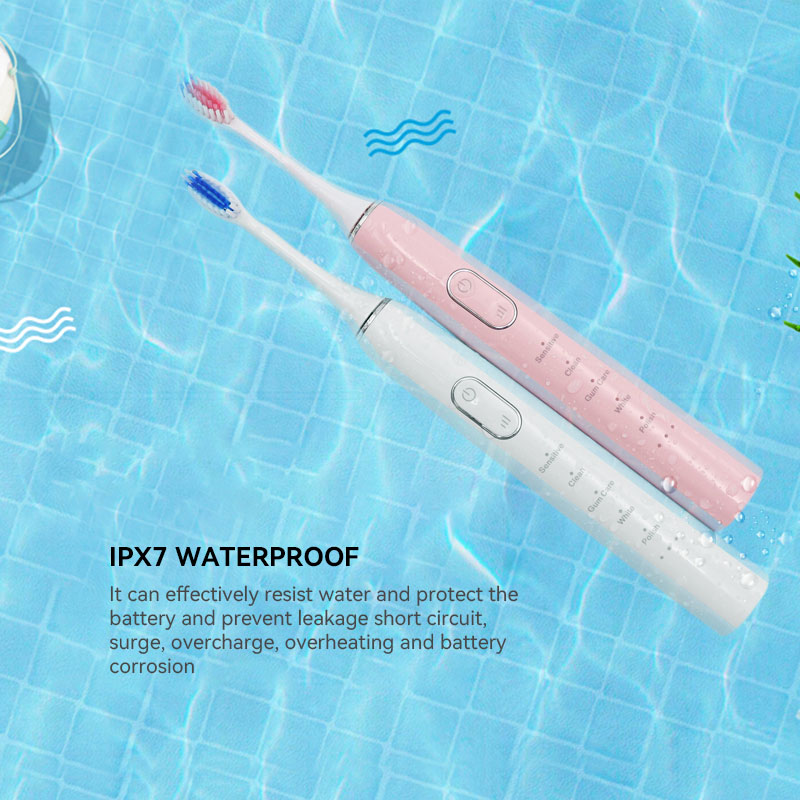
Waterproofing is a crucial feature for electric toothbrushes, especially considering their regular exposure to water. As these devices are used in wet environments like bathrooms, ensuring waterproof levels is vital to both their performance and longevity. In this blog, we’ll explore the different waterproof level of electric toothbrushes, specifically focusing on IPX6 waterproof, IPX7 waterproof, and IPX8 waterproof ratings, and discuss how these ratings impact the user experience and the manufacturing process. https://www.powsmart.com/product/electric-toothbrush/ Understanding the Waterproof Rating System: What Do IPX Numbers Mean? The waterproof level of electric toothbrushes is usually determined using the IP (Ingress Protection) rating system, which measures the device’s resistance to water and dust. The IP code consists of two digits: the first digit represents protection against solids (like dust), while the second digit represents protection against liquids. For electric toothbrushes, the key focus is typically the second digit. Below is an overview of the waterproof levels: IPX6 Waterproof: Protection against powerful water jets. IPX7 Waterproof: Protection against immersion in water up to 1 meter for 30 minutes. IPX8 Waterproof: Protection against continuous immersion in water, typically at depths greater than 1 meter, depending on the manufacturer’s specifications. Understanding these levels helps manufacturers and consumers determine the most suitable waterproof…
In orthodontic use, patients wearing braces face extra challenges: brackets and wires create tight spaces where food debris and plaque accumulate. At the same time, different nozzle types can make or break cleaning effectiveness. For B2B partners, offering a water flosser specifically optimized for braces is essential to meet both professional and end-user needs. Why Braces Demand Special Water Flossers Braces introduce complex hardware behind which toothbrush bristles can’t reach. A water flosser designed for orthodontic use must: Boost fluid penetration to reach beneath brackets and wires. Use finer nozzles that focus jet streams into narrow gaps. Provide gentle pressure modes to clean effectively without irritating sensitive gums around brackets. Meeting these requirements ensures thorough cleaning without compromising comfort. Exploring Different Nozzle Types Common nozzle options include: Standard Straight Nozzles: Broad jets for general interdental cleaning—but less precise under braces. Orthodontic-Style Nozzles: Slim, angled tips that target plaque beneath brackets. Brush-Hybrid Nozzles: Combine a soft brush head with a water jet for both mechanical and hydrodynamic cleaning. Tongue-Cleaner Nozzles: Focus on overall oral hygiene but are not ideal for braces. Providing a range of interchangeable nozzles lets users tailor their routine to specific needs. Company web: https://www.powsmart.com/product/electric-toothbrush/ Comparing Cleaning Performance…
In today’s environment-conscious market, a truly eco-friendly brush must not only use BPA-Free Materials but also participate in comprehensive Recycling Programs to ensure a green lifecycle—from raw materials through end-of-life disposal. Here are six dimensions to consider when designing and evaluating a genuinely sustainable brush. Market Trends and Green Expectations First, global consumers are demanding “greener” products more than ever: Regulatory Drivers: Governments worldwide are enacting plastic-use restrictions and Extended Producer Responsibility (EPR) mandates. Retailer Standards: Major chains and online marketplaces now feature dedicated eco-product sections, favoring items with third-party sustainability certifications. End-User Preferences: Shoppers expect both health-safe and recyclable designs when choosing daily-use brushes. Meeting both regulatory and consumer priorities is essential to stand out in tomorrow’s marketplace. Material Selection: BPA-Free and Biodegradable Polymers Next, raw materials form the foundation of any eco-friendly product. Leading practices include: BPA-Free Materials: Use food-grade polypropylene (PP) or polycarbonate (PC) that is free of bisphenol A, eliminating endocrine-disruptor risks. Biodegradable Polymers: Incorporate PLA, PHA, or other bio-based, compostable resins that break down naturally in the environment. Post-Consumer Recycled (PCR) Resin: Blend in certified recycled plastics to close the loop on existing material streams. Rigorous third-party testing ensures each batch is toxin-free while retaining…
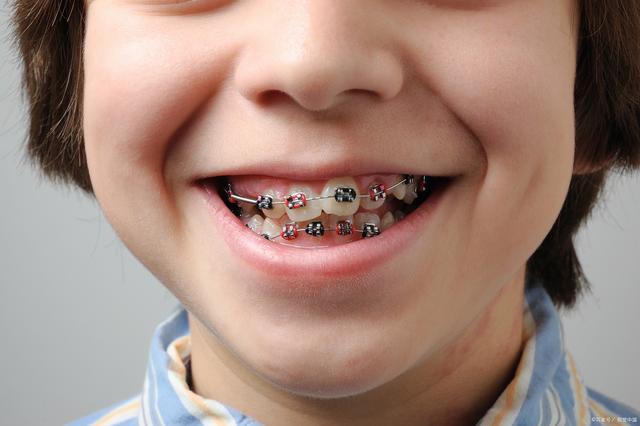
Water flossers are becoming increasingly popular for their ability to provide a deep and effective clean between teeth, offering a gentler alternative to traditional string flossing. However, for first-time users, it's not uncommon to experience some discomfort or even bleeding gums during the initial use.This blog aims to address whether this is a normal occurrence and offers insights when first using a water flosser can use a water flosser properly. We’ll also share usage tips from water flosser manufacturers to ensure the best possible experience. Why Do My Gums Bleed or Feel Uncomfortable When I First Use a Water Flosser? For individuals who are new to using a water flosser, gum discomfort or mild bleeding can occur, especially if the gums are not used to regular cleaning or if there is an underlying issue like gingivitis. Here are some reasons why this might happen: Sensitive Gums: If your gums are inflamed or not accustomed to daily flossing, the water pressure can cause temporary irritation, leading to bleeding gums. Buildup of Plaque: Over time, plaque accumulates along the gumline and between teeth. A water flosser can dislodge this buildup, and while this is beneficial for oral health, it may cause some initial discomfort or mild…
In today’s on-the-go lifestyle, professionals and travelers alike demand a water flosser with true Cordless Efficiency and ample Reservoir Capacity so they can maintain optimal oral hygiene for a full week without constant recharging or refilling. But achieving that balance requires careful attention to power management, tank design, and user convenience—elements that B2B partners must prioritize when specifying a next-generation device. Meeting the Week-Long Usage Challenge First and foremost, end users expect a single charge and refill to last through seven days of twice-daily use. Consequently, B2B customers look for: Reliable Performance: Consistent pressure and pulse settings over dozens of uses. Minimal Downtime: Seamless operation without mid-week interruptions. User Confidence: Clear indicators of battery life and water level to avoid surprises. Understanding these expectations is the first step toward delivering a flosser that truly endures. Maximizing Cordless Efficiency Moreover, Cordless Efficiency isn’t just about a big battery—it’s about intelligent power management: Low-Power Pump Design: High-efficiency motors and optimized impeller geometries reduce current draw per burst. Adaptive Drive Modes: Automatic down-scaling of pulse frequency when reservoir nears empty extends runtime without user intervention. Standby Optimization: Ultra-low quiescent current in idle mode preserves battery between brushing sessions. Battery Chemistry: Selecting high-energy-density Li-ion…
While a low sticker price may look attractive from a price-performance standpoint, cheap brush heads often suffer from premature bristle splaying, uneven wear, and diminished cleaning efficacy. In this blog, we’ll examine the hidden costs and trade-offs of budget brush heads, helping B2B buyers and product managers make informed decisions. Material Quality vs. Initial Cost Firstly, the raw materials used in brush heads directly impact both manufacturing cost and end-user performance: Monofilament Type: Premium nylon or PBT bristles hold their shape far longer than generic low-grade fibers. Stem & Tuft Base: Injection-molded polypropylene with reinforced ribs costs more upfront but resists cracking under stress. Adhesives & Bonding: High-strength epoxy bonding prevents tuft loss; cheaper glues can degrade in warm, humid environments. Thus, low initial cost often correlates with material compromises that manifest quickly in the field. The Mechanics of Bristle Splaying Moreover, bristle splaying is the most visible sign of wear—and a direct measure of cleaning performance: Early Flare: Cheap bristles tend to flare outward after just a few weeks, reducing contact force and scrubbing action. Micro-abrasion Impact: Over-splayed bristles can trap debris and scratch tooth enamel or soft tissue. Longevity Metrics: Industry standards measure splay width over time; premium…
In modern oral care, simply removing interdental debris isn’t enough—effective Tongue Cleaning combined with optimized Pulse Frequency can dramatically reduce volatile sulfur compounds and leave users with truly fresh breath. In this article, we’ll explore six critical factors that B2B partners should consider when specifying a water flosser designed to tackle halitosis and elevate daily oral hygiene. Addressing the Root Cause of Bad Breath Bad breath often originates on the tongue and between teeth, where bacteria flourish. Microbial Colonies on the Tongue: A rough dorsal surface traps food particles, fostering odor-causing microbes. Interdental Plaque: Leftover debris between teeth releases foul odors as bacteria break it down. Salivary Flow and pH: Stagnant or acidic saliva can exacerbate bacterial growth and malodor. By targeting both interdental spaces and the tongue’s surface, a well-engineered flosser lays the foundation for lasting breath freshness. The Power of Dedicated Tongue Cleaning Moreover, integrating a specialized tongue-cleaning tip transforms a standard flosser into a breath-refreshing tool: Angled Nozzle Design: Slim, flat-profile tips reach the posterior tongue without gagging. Gentle Bristle Inserts: Soft polymer bristles dislodge biofilm while conforming to tongue contours. Combined Water-Brush Action: Pulsed water jets flush away loosened debris and microbes. This multi-action approach ensures…
In today's competitive manufacturing landscape, ensuring the operational reliability of industrial equipment and consumer devices is paramount. However, challenges such as Temperature Spikes and Handle Slippage can disrupt performance and compromise user safety. When components experience sudden thermal fluctuations, they often expand and contract, potentially weakening grip mechanisms and leading to unexpected slippage during operation. In this blog, we explore the root causes of these issues and provide actionable strategies to mitigate them. Understanding the Challenges Effective system performance relies on both proper thermal management and secure physical interfaces. Temperature Spikes—rapid increases in operating temperature—can alter material properties and adversely affect components. Simultaneously, Handle Slippage occurs when the gripping mechanism fails to hold securely, often due to material degradation or changes in dimensions triggered by heat. Understanding these challenges is the first step in developing robust design and maintenance strategies. The Impact of Temperature Spikes Temperature spikes can be caused by various factors such as inefficient cooling, unexpected power surges, or environmental fluctuations. When a component experiences a sudden rise in temperature, it may lead to: Material Expansion: Rapid heating can cause parts to expand unevenly, potentially loosening critical attachments or diminishing friction in handle interfaces. Degradation of Adhesives: Elevated…
In today’s high-tech products, intermittent LCD Glitches and recurring Sensor Errors can undermine user confidence and lead to costly returns. Whether you’re producing medical devices, industrial controllers, or consumer electronics, understanding how these faults arise and how to remedy them quickly is essential. This post walks you through the root causes, diagnostic techniques, repair steps, and preventive measures to tackle LCD glitches and sensor errors effectively. Why LCD Glitches and Sensor Errors Matter Firstly, LCD displays and onboard sensors often serve as the primary interface between machine and operator. LCD Glitches—such as flickering segments, ghost images, or unresponsive pixels—can obscure critical data readouts. Similarly, Sensor Errors—including spurious readings, calibration drift, or complete signal loss—can disrupt feedback loops, trigger false alarms, or halt automated processes. Together, these issues not only degrade product performance but also raise maintenance costs and damage your brand reputation. Understanding Common Causes of LCD Glitches Moreover, LCD Glitches typically stem from one or more of the following factors: Poor Signal Integrity: Noisy or attenuated video lines create intermittent artifacts on the display. Voltage Instability: Fluctuations in backlight or logic supply voltages cause flicker or blanking. Connector Wear: Mechanical stress on flex cables or board-to-board connectors results in…
In many industrial systems, Dirty Ports and Seal Deterioration often occur together, compromising both performance and safety. If left unaddressed, port contamination can restrict flow and increase pressure, while seal deterioration leads to leaks, downtime, and safety hazards. This article explores the root causes, diagnosis, cleaning and repair procedures, plus preventive and improvement strategies in six parts. The Dangers of Port Contamination and Seal Deterioration Dirty ports block fluid or gas passages, causing reduced flow rates, pressure spikes, and system instability. Meanwhile, worn seals lose elasticity and surface integrity, leading to leaks and pressure drops. These two problems feed on each other: clogged ports raise back‑pressure and accelerate seal fatigue; failing seals allow contaminants into the system, making ports dirtier. Recognizing the combined risks is vital to restoring reliable operation. Causes and Diagnosis of Port Contamination Port contamination typically stems from: Ingress of Particulates: Dust, fibers, and debris drawn in with air or fluids. Fluid Aging and Scaling: Sediment and mineral deposits build up over time in lubricants, water, or chemicals. Poor Maintenance: Infrequent filter changes or pipeline cleaning allows debris to accumulate unchecked. To diagnose contamination, periodically inspect ports with a borescope or ultrasound probe, and monitor differential pressure…
In high‑performance spray systems, unstable spray patterns often translate directly into user discomfort, whether due to uneven coating, inconsistent cleaning pressure, or sudden pressure spikes. Moreover, an erratic jet can accelerate component wear and damage end‑use surfaces. In this blog, we explore why jet instability occurs, how it contributes to user discomfort, and offer practical strategies to diagnose and resolve these challenges for a smoother, more reliable operation. Identifying the Causes of Unstable Spray First, it’s essential to understand the root causes behind unstable spray: Pressure Fluctuations: Variations in upstream pressure—often caused by pump pulsation or supply inconsistencies—directly affect jet coherence. Nozzle Wear and Damage: Over time, abrasive fluids erode nozzle orifices, creating irregular flow paths and spray patterns. Flow Turbulence: Sharp bends, sudden diameter changes, or rough pipe interiors can introduce vortices that disrupt laminar flow. Air Entrapment: Entrained air bubbles in the fluid line lead to intermittent blockages and pulsed output. By isolating which of these factors predominates in your system, you can focus optimization efforts more effectively. How Unstable Spray Leads to User Discomfort Furthermore, user discomfort often stems from uneven jet behavior: Inconsistent Coverage: Operators must compensate with extra passes, increasing fatigue and reducing throughput. Abrupt…
With the rise of smart oral care devices, battery life has become a top priority for users. However, Brush Head Wear and Battery Degradation often combine to shorten run time—many brushes struggle to last the advertised two‑week charge. In this article, we analyze six key factors behind rapid power loss and recommend practical design improvements and maintenance tips to keep your toothbrush running longer. Market Expectations and Power Challenges First, today’s consumers expect a single charge to cover at least two weeks of twice‑daily brushing. At the same time, manufacturers are pressured to deliver smaller, sleeker designs, which limit battery size. Consequently, devices must balance compact form factors with the demands of Brush Head Wear and inevitable Battery Degradation over time—both of which sap run time if left unaddressed. How Brush Head Wear Increases Motor Load Next, worn bristles directly drive up energy consumption. As brush heads age: Increased Friction: Frayed or splayed bristles no longer glide smoothly, forcing the motor to work harder. Higher Current Draw: To maintain vibration amplitude against greater resistance, the drive electronics deliver more current per cycle. Heat Build‑Up: Elevated motor load generates extra heat, which accelerates the chemical reactions that cause Battery Degradation. In…
Aggressive brushing techniques combined with improper Bristle Hardness can contribute to Gum Recession, even when users think they’re improving oral hygiene. In fact, a toothbrush that’s too stiff or poorly designed may abrade the delicate gum margin over time. Consequently, manufacturers must understand the interplay between brush design, materials, and brushing behavior to safeguard patients’ periodontal health. The Growing Demand for Gentle Yet Effective Cleaning First and foremost, today’s dental professionals and end users expect electric toothbrushes to deliver superior plaque removal without harming soft tissues. As gum health gains prominence in preventative care, the market demands brush heads that balance cleaning power with gentleness. Therefore, selecting the correct Bristle Hardness and head pattern is critical to prevent inadvertent abrasion while still achieving clinically proven results. Anatomy of the Gingival Margin and Damage Mechanisms Moreover, the gingival margin—the tiny band of tissue at the tooth‑gum interface—is particularly susceptible to mechanical trauma. Repeated scratching or compression can disrupt the epithelial attachment, leading to Gum Recession. In addition, exposed dentin increases sensitivity and caries risk. Understanding this anatomy helps designers engineer toothbrushes that minimize lateral forces against the sulcus. How Bristle Hardness Influences Gingival Abrasion Furthermore, studies show that medium‑ or hard‑bristled…
In oral care, overzealous brushing can lead to Pressure Sensitivity and accelerate Enamel Erosion, harming both gums and tooth structure over time. As manufacturers of electric toothbrushes, understanding how brushing force affects oral tissues is critical to designing products that clean effectively without causing damage. The Hidden Hazards of Over‑Brushing First, many users believe that pressing harder means a deeper clean. In reality, excessive force can abrade the gum line, causing irritation and inflammation over repeated use. Moreover, splayed or frayed bristles increase drag, forcing the motor to work harder and generating more heat—factors that only compound oral tissue trauma and reduce overall device efficiency. From Pressure Sensitivity to Enamel Erosion Furthermore, Pressure Sensitivity—the pain or discomfort felt when brushing—often signals the onset of Enamel Erosion: Micro‑abrasions: Heavy pressure creates tiny scratches in the enamel surface, making it more vulnerable to acid attack. Mineral Loss: Mechanical stress accelerates the leaching of calcium and phosphate from enamel. Heightened Sensitivity: As enamel thins, the underlying dentin becomes exposed, intensifying sensitivity to hot, cold, or sweet stimuli. This cascade illustrates why moderating brush pressure is essential for long‑term dental health. Precisely Measuring and Diagnosing Brushing Force To optimize design and user feedback, employ…
In children’s oral care, an excessive noise level can startle little ones, undermine brushing habits, and even pose risks to child safety by affecting delicate hearing. Therefore, as B2B manufacturers, we must understand noise sources, comply with pediatric hearing guidelines, and optimize designs to deliver brushes that are both quiet and safe. Why Noise Control Is Crucial for Kids High noise levels can lead to: Fear and Resistance: Harsh buzzing discourages children from brushing, disrupting healthy routines. Hearing Disturbance: Prolonged exposure to elevated decibels in close proximity may affect a child’s auditory development. Shortened Brushing Time: Kids rush through brushing to escape the noise, compromising cleaning effectiveness. Balancing quiet operation with effective cleaning is key to both user comfort and child safety. Pinpointing Noise Sources: Motor to Housing Major contributors to a noisy kids’ toothbrush include: Drive Motor: Rotor resonance and gear meshing generate mechanical noise. Gears & Bearings: Inexpensive plastic gears or unlubricated bearings amplify squeaks and grinding sounds. Brush Head Vibration: Bristle contact with teeth produces additional sound. Housing Resonance: A thin plastic or metal shell can amplify internal vibrations if not properly damped. Effective noise reduction must address each of these areas.Company web:https://www.powsmart.com/product/electric-toothbrush/ Measuring & Evaluating Decibel…
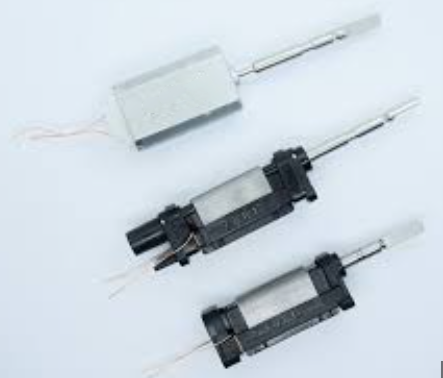
When it comes to the performance of sonic toothbrushes, the motor is arguably the most critical component. The motor determines the brushing efficiency, the feel of the brushing experience, and even the durability of the toothbrush. Among the most common motor technologies used today are Magnetic Levitation Motors and Traditional Motors. This article delves into the key differences between Magnetic Levitation Motors and Traditional Motors, and how they impact the overall performance of electric toothbrushes. https://www.powsmart.com/ Magnetic Levitation Motors: The Future of Sonic Toothbrushes Magnetic Levitation Motors have emerged as a cutting-edge technology in the sonic toothbrush industry, offering several advantages over traditional motor designs: Higher Efficiency: The absence of physical contact between moving parts reduces friction, leading to lower energy consumption and longer battery life. Quieter Operation: Magnetic levitation reduces vibrations, making the motor run more quietly, which is a key feature for consumers who prefer a quieter brushing experience. Increased Durability: With fewer moving parts, magnetic levitation motors are less prone to wear and tear, extending the lifespan of the toothbrush. Smoother Brushing Motion: The levitation effect enables a more consistent and powerful brushing motion, delivering superior plaque removal. As electric toothbrush private label services increasingly focus on innovation and premium performance, integrating…


.jpg)
.jpg)
.jpg)
.jpg)
.jpg)
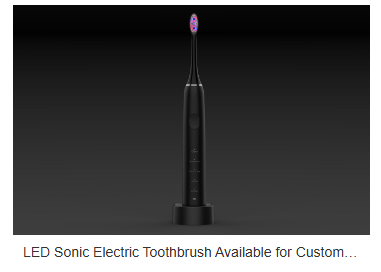
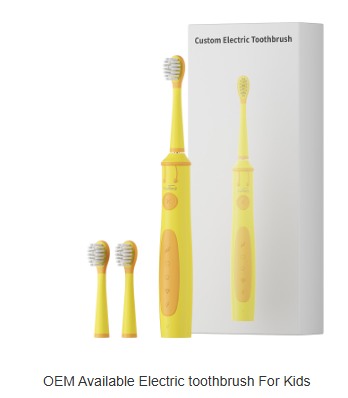



.jpg)

.jpg)