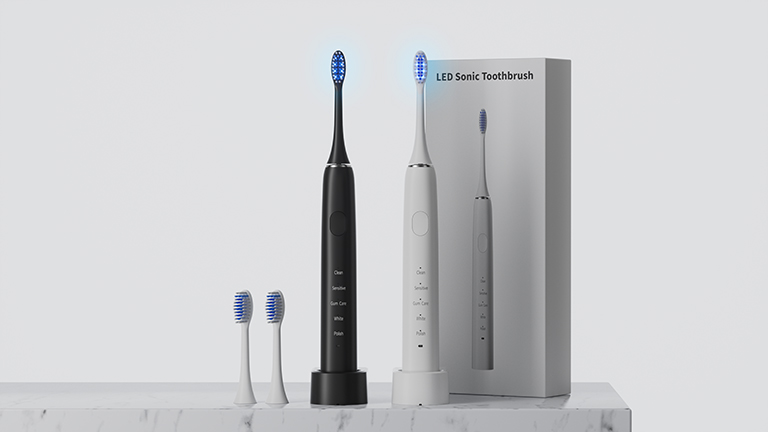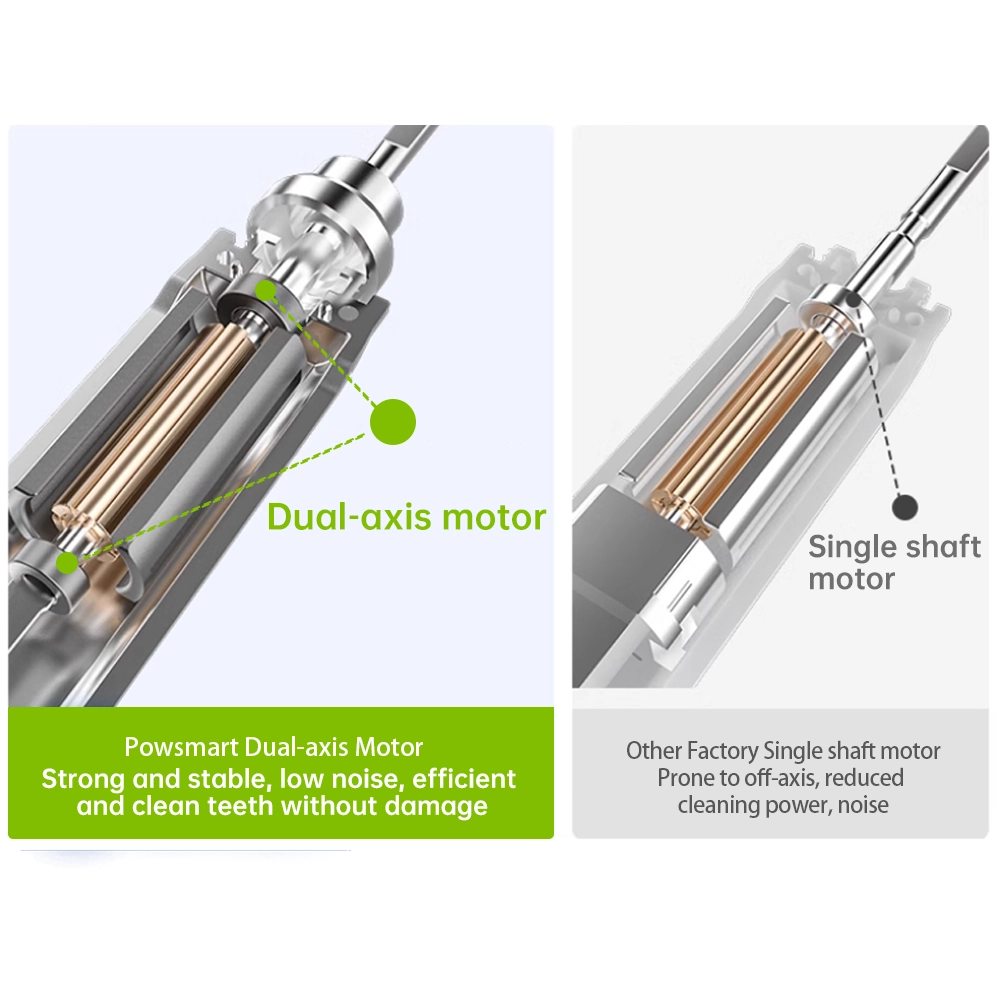
In the world of oral care, sonic toothbrushes have become a game-changer. With their ability to produce between 31,000 and 40,000 vibrations per minute, they promise deeper and more effective cleaning than traditional manual brushing. But what makes these sonic toothbrush motors so powerful? In this blog, we’ll explore the science behind sonic toothbrush vibrations and how they work to improve oral hygiene. The Role of Sonic Toothbrush Motors in Cleaning Effectiveness At the core of any sonic toothbrush is its motor, which drives the high-frequency vibrations essential for deep cleaning. Here’s how the motor functions: Motor Design: The motor inside a sonic toothbrush uses either a magnetic or linear actuator to create rapid back-and-forth motion. Vibration Frequency: Depending on the design, sonic toothbrush motors can produce anywhere from 31,000 to 40,000 vibrations per minute, significantly enhancing cleaning efficiency. Brush Head Movement: This rapid vibration translates into a high-frequency brushing motion that helps disrupt plaque and bacteria on the teeth and gums. The high vibration frequency ensures that the sonic toothbrush vibrations can reach areas traditional brushes can’t, such as between teeth and along the gumline. The Science Behind the High-Frequency Vibrations The effectiveness of sonic toothbrushes lies in the…
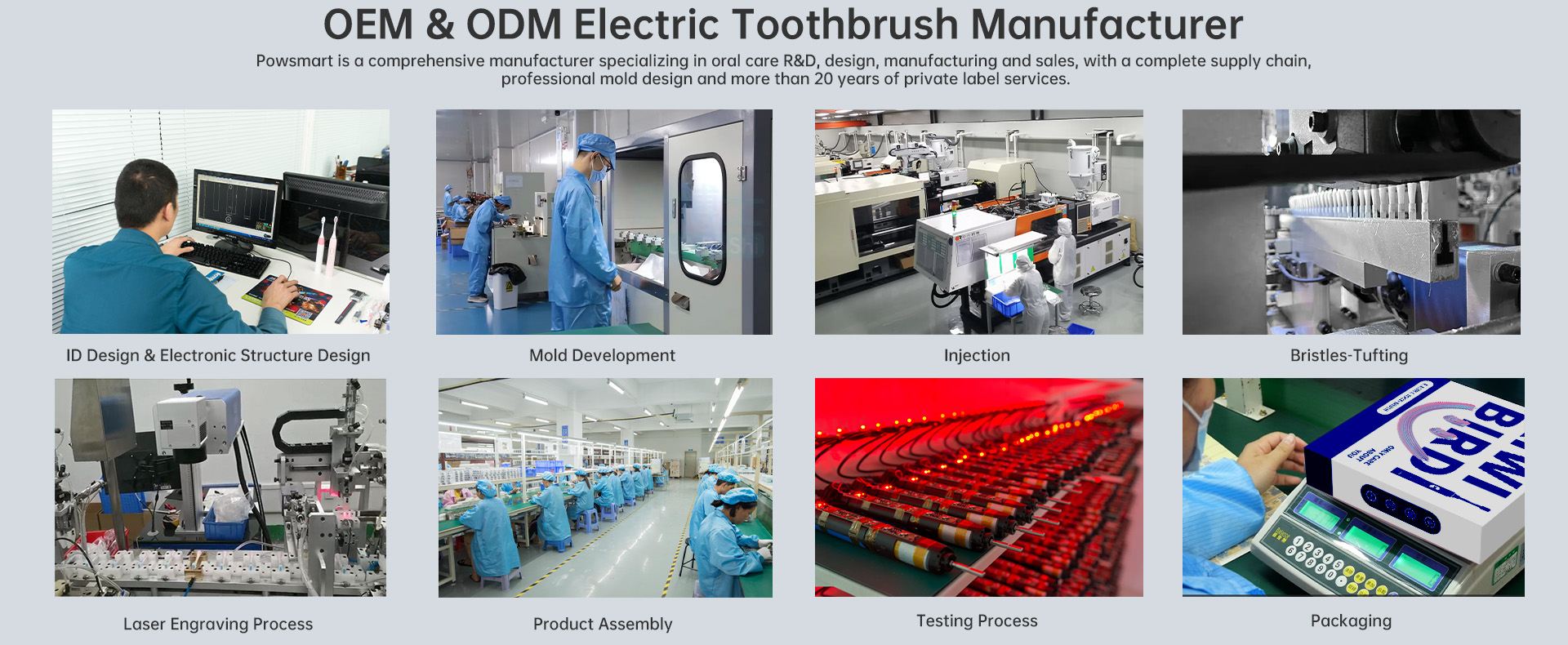
When it comes to choosing an electric toothbrush, consumers prioritize features like cleaning efficiency, comfort, and design. However, one crucial element that often goes overlooked is motor lifespan. The motor lifespan directly influences the overall electric toothbrush durability, making it a vital factor in determining the long-term value of a product. In this blog, we explore why motor lifespan matters so much in premium electric toothbrushes and how manufacturers can ensure superior durability, giving consumers products they can trust for the long haul. The Role of the Motor in Electric Toothbrush Performance The motor in an electric toothbrush is the heart of the device. It drives the oscillation or rotation of the brush head, enabling the brushing action that provides a more effective clean than manual brushing. The durability of this motor is essential for: Continuous performance: A long-lasting motor ensures that the toothbrush can deliver consistent power without degradation. Efficiency: A well-built motor operates at optimal performance throughout its lifespan, maintaining strong brushing power with fewer breakdowns. Ensuring the motor lifespan is extended means that users can rely on their electric toothbrush for years, improving both the user experience and overall satisfaction. Impact of Motor Lifespan on Overall Durability…
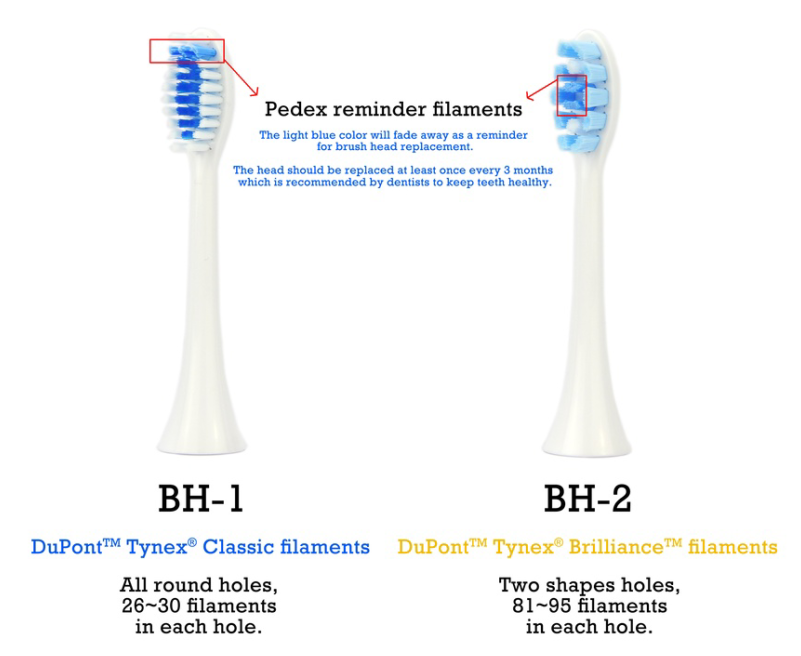
As the demand for effective and hygienic oral care solutions continues to rise, consumers are becoming more conscious of the safety and quality of the products they use. For manufacturers in the oral care industry, offering FDA-approved antibacterial bristles is not only a matter of compliance but also an essential part of providing safe and reliable products. This blog serves as a Safety Guide for Oral Care, offering insights into the benefits of antibacterial bristles in electric toothbrushes and how they contribute to maintaining optimal oral health. https://www.powsmart.com/contact-us/ Understanding FDA-Approved Antibacterial Bristles The FDA-approved antibacterial filaments in electric toothbrushes ensures a more hygienic brushing experience. These bristles typically feature: Antimicrobial properties that prevent the accumulation of harmful microorganisms Long-lasting protection against the buildup of bacteria between brushings A special coating that doesn’t affect the bristles' softness or brushing effectiveness For oral care products manufacturers, incorporating these FDA-approved antibacterial bristles is an important step in providing a safe and hygienic solution to consumers. Why Antibacterial Filaments Matter in Electric Toothbrushes Traditional toothbrush bristles, especially when wet or stored improperly, can be breeding grounds for bacteria and germs. The benefits of FDA-approved antibacterial bristles include: Enhanced Hygiene: The bristles stay cleaner for longer, reducing the risk of reintroducing harmful bacteria…
.jpg)
In today’s fast-paced electronics market, issues such as Battery Corrosion and Charger Incompatibility are increasingly becoming a critical concern for manufacturers and end users alike. These problems not only compromise device performance but also affect reliability and safety, prompting manufacturers to reexamine their materials and design strategies. In this blog, we explore the causes behind battery corrosion and charger incompatibility, analyze their impact on product lifecycle, and propose actionable strategies to mitigate these challenges. Market Demands and the Challenges of Reliability As consumers demand longer battery life and seamless charging experiences, ensuring reliable performance has never been more important. Modern devices rely on robust battery technology, yet issues like Battery Corrosion can severely impair energy storage capabilities. Simultaneously, Charger Incompatibility—where chargers fail to match the technical specifications of the battery or device—can lead to inefficient charging and potential safety hazards. Together, these challenges threaten not only product efficiency but also brand reputation, urging manufacturers to seek innovative and resilient solutions. Understanding Battery Corrosion: Causes and Consequences Battery Corrosion typically occurs when chemical reactions degrade the battery's internal or external components. Common causes include: Environmental Exposure: Humidity, temperature fluctuations, and exposure to corrosive substances can accelerate corrosion. Electrolyte Leakage: Internal failures,…
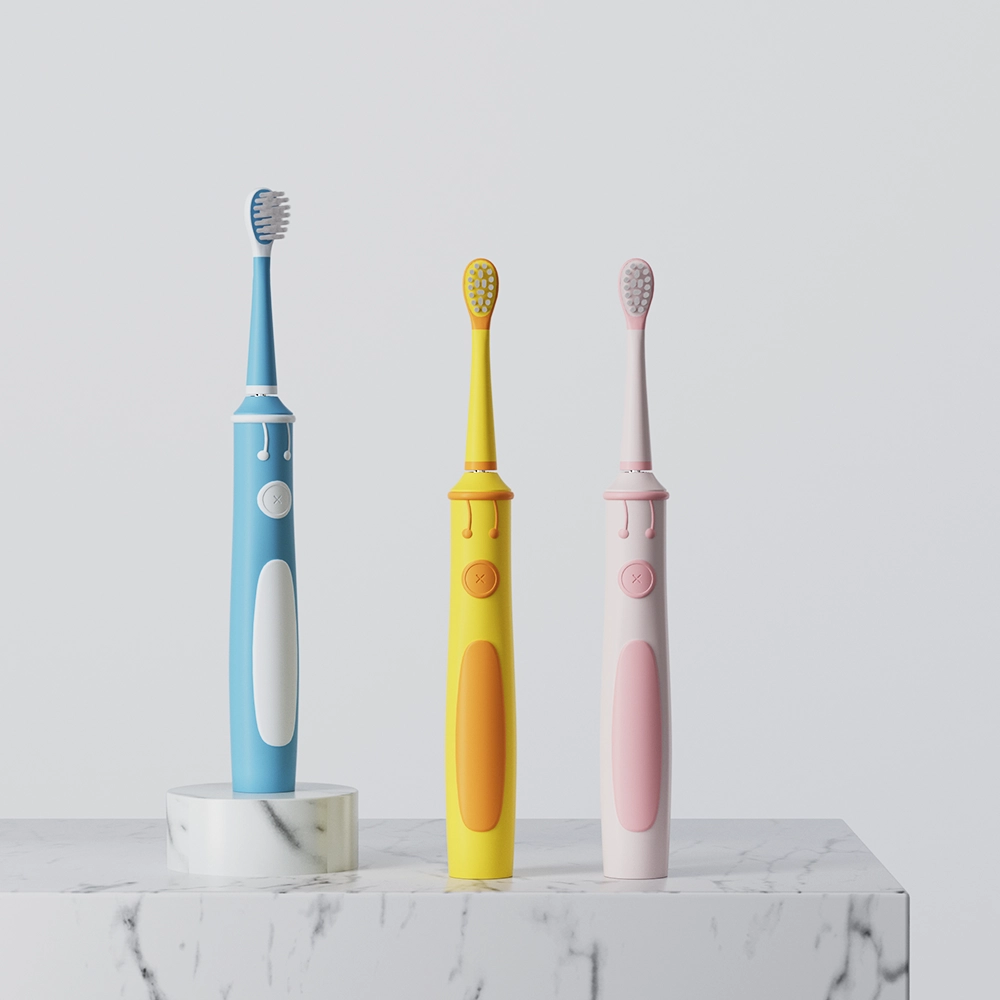
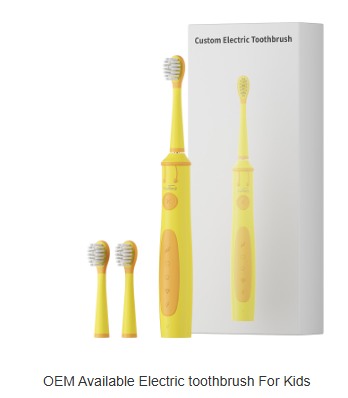
As parents become increasingly aware of the importance of oral health for their children, the demand for kids' electric toothbrushes continues to rise. It not only for effective cleaning but also for making brushing more fun and engaging for children. However, an often overlooked feature in the design of these devices is the use of antibacterial materials. In this blog, we will explore why incorporating antibacterial materials into kids' electric toothbrushes is essential for their hygiene, safety, and durability.https://www.powsmart.com/ Why Antibacterial Materials Are Crucial for Kids' Electric Toothbrushes Children's toothbrushes are subject to frequent contamination, especially in a shared bathroom environment where germs and bacteria can easily transfer. The inclusion of antibacterial materials in kids' electric toothbrushes offers several key benefits: Preventing Bacterial Growth: Kids are more likely to forget to clean their toothbrushes properly, and an antibacterial material can help inhibit the growth of bacteria and mold on the toothbrush handle and bristles. Reducing the Risk of Illness: Antibacterial properties help prevent the buildup of harmful bacteria, which is especially important for children who have weaker immune systems. Maintaining Hygiene: As kids often leave their toothbrushes wet or stored improperly, antibacterial materials help ensure that their toothbrush remains hygienic…
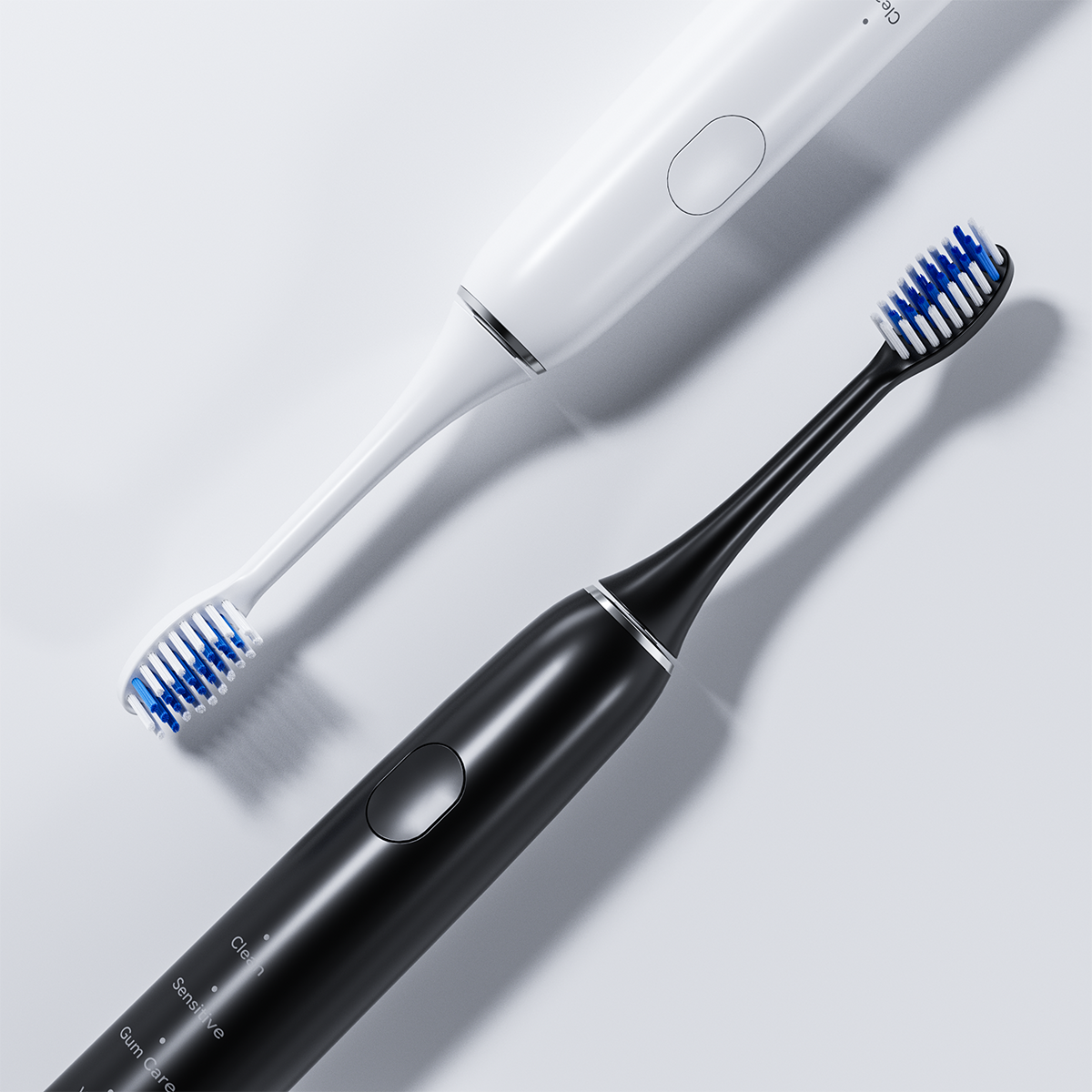
As more consumers embrace high-end electric toothbrush, manufacturers are faced with the challenge of delivering not just advanced cleaning technology but also seamless user experiences. One key component of this experience is the toothbrush charging station. For premium electric toothbrushes, charging stations need to offer a combination of waterproof functionality, fast charging capabilities, and sleek, practical designs. In this blog, we’ll take a closer look at the innovative features of high-end toothbrush charging stations from the point of an OEM electric toothbrush manufacturer. The Importance of Waterproof Features in High-End Toothbrush Charging Stations A waterproof charging station is essential for high-end electric toothbrushes. Without adequate water resistance, charging stations can suffer from short circuits or damage, affecting both the safety and durability of the device. Key waterproof features include: Sealed Charging Ports: Prevent water from entering the charging mechanism. IP Rating (Ingress Protection): High-end stations are IPX7 or higher ratings, ensuring they can withstand splashes or brief submersion. Durable Materials: Use of corrosion-resistant metals and plastics to protect internal components. For manufacturers looking to provide a waterproof & fast charging experience, investing in quality sealing technology is crucial. The Need for Fast Charging in Premium Toothbrushes In today’s fast-paced world, consumers expect their high-end electric toothbrushes to…
In modern electronic devices, even minor issues can lead to significant performance disruptions. Recently, many manufacturers have raised concerns about recurring Button Malfunctions and potential Circuit Shorts occurring within their products. Such issues not only cause erratic behavior in user interfaces but can also lead to serious internal failures. In this blog, we will explore the possible connection between button failures and circuit shorts, analyze their underlying causes, and suggest effective strategies to diagnose and resolve these challenges. Overview: The Impact of Button Malfunctions and Circuit Shorts Reliable operation of control buttons is a key factor in ensuring that devices perform as expected. When Button Malfunctions occur, users may experience unresponsiveness, erratic behavior, or complete failure of critical functions. Moreover, these malfunctions can sometimes be symptomatic of deeper issues, such as Circuit Shorts, which occur when unintended electrical connections cause current to bypass the normal path. Both issues can lead to premature system failure, increased maintenance costs, and potential safety hazards. Understanding the extent of these problems is the first step toward developing robust solutions. Understanding Button Malfunctions Button Malfunctions in electronic devices can manifest as delayed response times, intermittent operation, or total non-functionality. Several factors contribute to these malfunctions:…
In many industrial systems, issues such as O-ring failure and pump malfunctions are common and can disrupt operations significantly. Two critical factors frequently at play are Seal Aging, which gradually deteriorates o-ring performance, and Pump Failure, which may result from compromised sealing, among other causes. In this blog, we explore the relationship between seal degradation and pump failures, examine their root causes, and provide actionable strategies to fix these issues together for a more reliable and durable system. Assessing the Impact on Overall System Performance Reliable pumping systems are essential for many industrial processes, from fluid transfer to chemical processing. When o-rings fail, often due to Seal Aging, the pumps they serve become vulnerable to leaks and mechanical stress, leading to Pump Failure. Such failures not only interrupt production but also increase maintenance costs and risk environmental hazards. Understanding how seal degradation and pump malfunctions interact is the first step toward developing a comprehensive repair and prevention strategy. Identifying the Causes of Seal Aging Seal Aging is a gradual process that affects o-rings over time. Several factors contribute to this deterioration: Environmental Exposure: Constant exposure to chemicals, temperature fluctuations, and ultraviolet light can cause the material to break down. Mechanical…
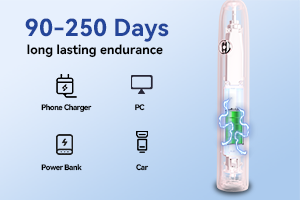
The electric toothbrush market is growing rapidly, with innovations not only in brushing technology but also in charging methods. As manufacturers, understanding the different electric toothbrush charging methods is crucial, particularly the debate between wireless charging vs contact charging. This blog explores the advantages and challenges of both methods, providing insights into which option is best for your OEM electric toothbrush products and how to choose the right charging system for your customer base. Understanding Wireless Charging for Electric Toothbrushes Wireless charging, also known as inductive charging, has become a popular choice in consumer electronics, including electric toothbrushes. This method works by transferring power through an electromagnetic field between the toothbrush and its charging base. Advantages of Wireless Charging Convenience: No need to plug in the toothbrush directly, reducing wear and tear on connectors. Waterproof and Durable: Since there are no exposed charging pins, wireless charging systems are more resistant to water damage, a critical factor for electric toothbrushes. Sleek Design: Wireless chargers allow for cleaner, more minimalist designs, appealing to modern consumers who value aesthetics. Disadvantages of Wireless Charging Longer Charging Times: Compared to contact charging, wireless charging may take longer to fully charge the toothbrush. Higher Cost: The technology behind wireless…
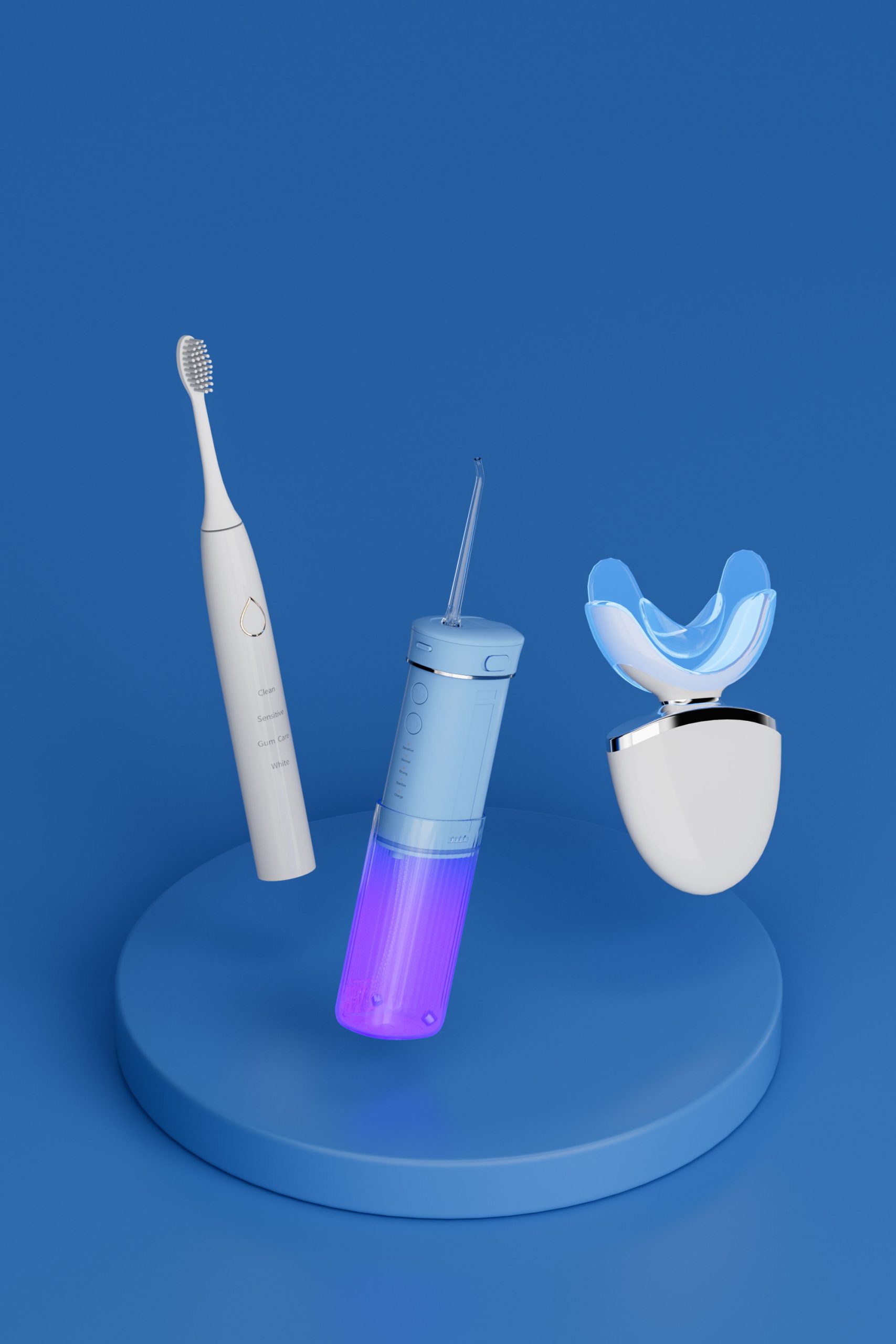
At PowSmart, we don't just manufacture oral care products - we engineer smiles. Our unwavering dedication to quality and innovation has positioned us as a trusted partner for dental professionals and retailers worldwide. Here's what makes our products truly exceptional. 1. Innovation Through Our Own R&D Team Unlike many manufacturers who outsource product development: We maintain a full-time own R&D team of dental engineers and material scientists Our 3,000 sq ft innovation lab develops proprietary technologies We hold 200 patents for brush head designs and motor technologies Every product undergoes at least 18 months of development before launch 2. Rigorous Quality Assurance Protocols Our Quality Assurance process is unmatched in the industry: We conduct 38 reliability tests on every product batch Each electric toothbrush undergoes individual performance testing Our factory maintains ISO9001:2015 andI SO9001:14001 Third-party lab verification for all safety claims 3. Substance Over Style: Our Engineering Philosophy While competitors focus on flashy designs, we focus on substance: Motor performance prioritized over aesthetic gimmicks Clinically-proven cleaning efficacy in every product Ergonomic designs based on dental professional input Transparent specifications - no exaggerated claims 4. Continuous Improvement Process Our Continuous Improvement program ensures we never stagnate: Monthly dental professional feedback sessions Quarterly product performance reviews Annual technology upgrades Real-world usage data collection from…
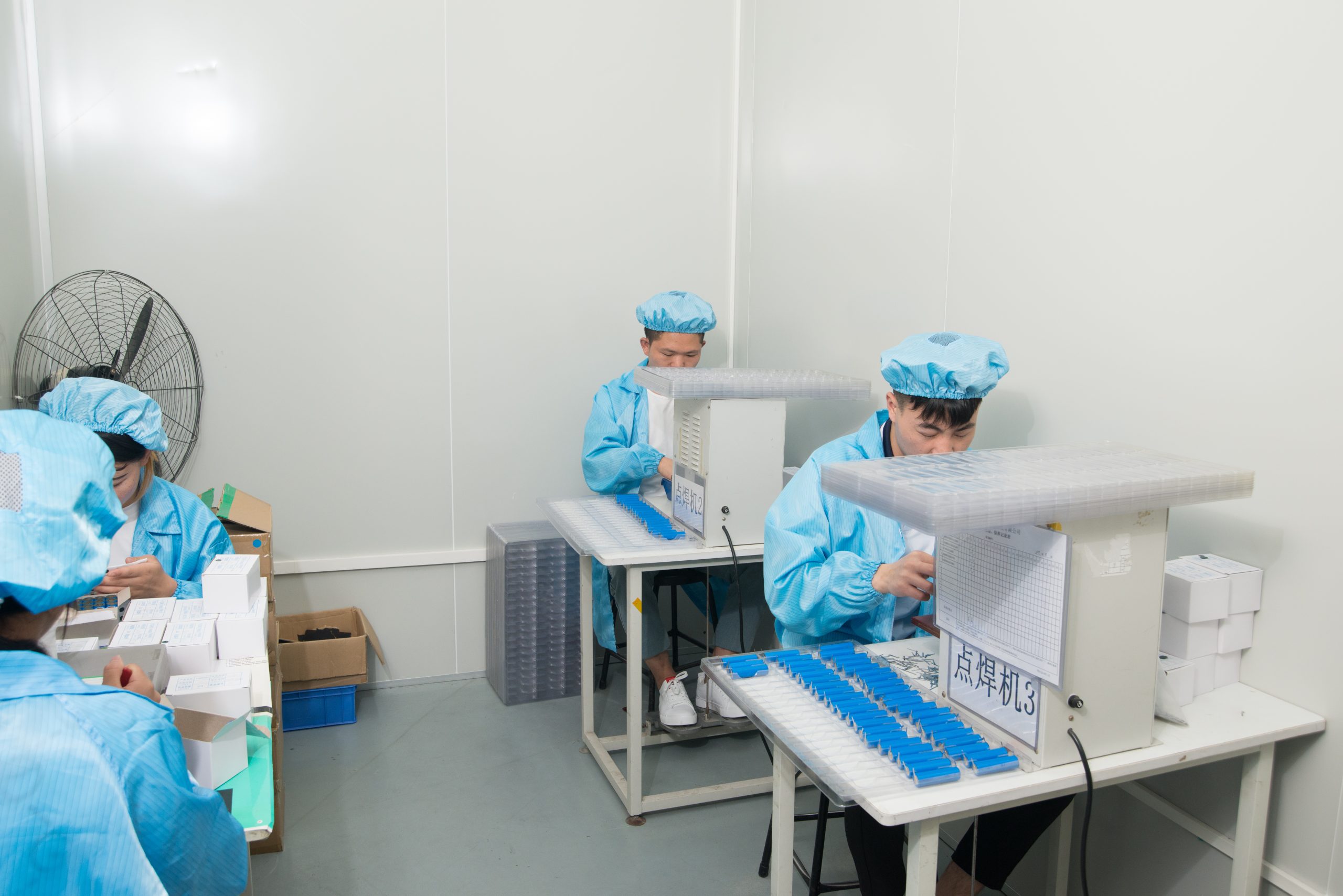
As the global demand for high-quality electric toothbrush continues to grow, brands and distributors are increasingly selective about the manufacturing partners they choose. The quality, reliability, and scalability of your supply chain begins with choosing the right factory. But what truly defines a trustworthy manufacturer in this space? In this blog, we outline the five essential characteristics of a high-quality electric toothbrush factory — the kind of partner that ensures product consistency, innovation, and long-term cooperation. Proven Manufacturing Experience – Over 20 Years in the Industry Experience matters, especially in precision manufacturing. A factory with over 20 years of manufacturing experience has: Refined production workflows Deep understanding of motor control and ultrasonic cleaning technology Proven ability to handle volume orders with consistent quality Such a factory is more than just a supplier — it is a strategic partner who understands market trends, end-user preferences, and regulatory challenges. Strict Quality Control Systems The production of high-quality electric toothbrushes depends on robust quality assurance procedures. Leading factories will have: QC checkpoints across every stage of production Automated testing equipment for vibration, battery life, and waterproofing Final product audits before packaging These practices ensure that every toothbrush delivered meets international standards and brand…
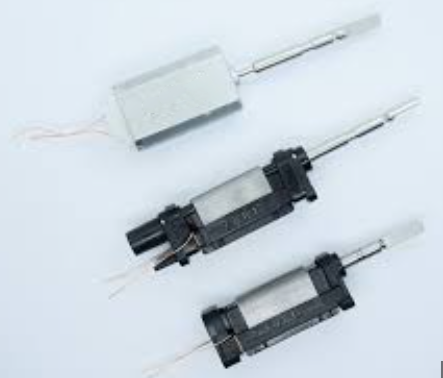
The Motor—The Heart of Every Electric Toothbrush In the rapidly evolving oral care industry, performance and user experience are everything. While brush head design and battery life are essential, it is ultimately the electric toothbrush motor that determines how effective the product truly is.This blog dives deep into the technical aspects of how do motors improve cleaning efficiency, especially the rise of magnetic levitation motors and sonic technology, and explains how these innovations contribute to better cleaning results. We also highlight how OEM customized solutions empower brands to differentiate in a competitive market. Types of Motors Used in Electric Toothbrushes Understanding the different motor types is key to selecting the right technology for your target market: Conventional DC motors: Affordable, widely used in entry-level toothbrushes, but limited in vibration stability and lifespan. Magnetic levitation motors: The new industry standard for premium models. They offer smoother operation, higher vibration frequency, and lower noise. The choice of electric toothbrush motor affects everything from brushing effectiveness to product durability and comfort. Advantages of Magnetic Levitation Motor Technology Magnetic levitation motors use magnetic fields to suspend and move the internal rotor, reducing friction and improving control. Key advantages include: High vibration frequency (up to…

As oral care specialists, we're often asked about proper toothbrush replacement protocols after illness. The answer isn't one-size-fits-all - it depends on the type of infection and your oral care products. Here's what manufacturers and dental professionals need to know. 1. The Golden Rule: Bacterial vs. Viral Infections "Bacterial infection requires immediate replacement of toothbrush" - this is non-negotiable. Pathogens like strep can survive on brush heads and potentially cause reinfection. However, "don't have to change your toothbrush immediately if you are infected with the virus" like the common cold, as most viruses don't survive long on brush surfaces. 2. Common Cold Considerations After a "Common cold": Viruses typically remain viable on toothbrushes for <24 hours The immune system develops antibodies making reinfection unlikely Proper storage (upright, dry location) minimizes risksReplacement is more about personal preference than medical necessity. 3. High-Risk Oral Diseases Demand Replacement For certain "Oral Diseases": Oral thrush (fungal) - replace immediately Herpes outbreaks - replace after healing Periodontal infections - replace after treatmentThese pathogens can persist and potentially spread to others. 4. Maintaining Good Care of Oral Hygiene Regardless of illness, "good care of oral hygiene" includes: Replacing manual brushes every 3 months Changing electric toothbrush heads every 2-3 months Weekly deep cleaning…
In the field of dental care and oral hygiene, product performance and safety are of paramount importance. Recent concerns have emerged regarding how Device Discoloration in dental tools or oral care devices could potentially be linked to Gum Recession Triggers. Discoloration, often overlooked, may be an early indicator of material degradation, which can cause harmful effects to users' gums and overall oral health. This blog explores the potential connection between these two phenomena, highlights the underlying causes, and provides recommendations for manufacturers to mitigate the risks associated with product degradation. Understanding the Impact of Device Discoloration Device Discoloration often signals the degradation of the materials used in the product, which can affect both its functionality and safety. In many oral care devices, such as toothbrushes or teeth-whitening tools, discoloration may occur due to prolonged exposure to moisture, cleaning agents, or wear and tear. While discoloration alone may not always suggest a malfunction, it can be an early sign of weakened materials that could potentially lead to gum irritation or, in more severe cases, Gum Recession Triggers. As materials break down, they may become more abrasive or prone to releasing chemicals that could irritate sensitive gum tissue, leading to inflammation or…
In the rapidly evolving market of personal care devices, manufacturers face numerous challenges in ensuring consistent performance and user satisfaction. One overlooked factor contributing to suboptimal results is Charging Base Instability, which can directly influence device performance and effectiveness. Specifically, Whitening Inefficacy in products like teeth whitening devices can be worsened when the charging base fails to maintain a stable connection. In this blog, we explore the relationship between charging base instability and whitening performance, as well as strategies to address these issues for optimal product efficacy. Understanding the Role of Charging Bases in Device Performance For electric toothbrushes/whitening pens, charging bases ensure full-capacity operation. A stable charging connection powers the battery sufficiently, crucial for high-performance devices to achieve optimal whitening. However, Charging Base Instability—such as loose connections, improper voltage regulation, or wear and tear on charging components—can significantly impact the device’s operation, leading to Whitening Inefficacy. If the device is not charged properly or is constantly losing power, it will fail to deliver the required intensity for effective whitening. The Impact of Charging Base Instability on Whitening Devices Unstable charging base power causes uneven whitening pen light or erratic electric toothbrush motions. These malfunctions can result in the device…
In daily industrial operations, Hose Blockages and Motor Overheating often emerge as major challenges that can lead to equipment failures. In systems such as hydraulic or cooling systems, a blockage in the hose can restrict the smooth circulation of fluids, while an overheated motor may suffer from inadequate cooling and diminished longevity. This blog explores the root causes behind these issues, explains how they interact with each other, and provides a range of strategies for quickly diagnosing and resolving these problems to enhance equipment stability and prolong its operational life. Overview and Market Impact When hose blockages occur alongside motor overheating, device performance takes a significant hit. Blocked hoses impede the flow of cooling or lubricating fluids, which in turn leads to rapid temperature rises in the motor. This can trigger a cycle where the motor, already compromised by heat, further accelerates wear on the hose. The combined effect disrupts production, increases maintenance costs, and can negatively impact a brand's reputation if left unresolved. Causes and Manifestations of Hose Blockages Hose blockages can result from several factors: Accumulation of Contaminants: Dust, debris, or sediment in the fluid can build up inside hoses, restricting fluid flow. Material Degradation: Over time, hoses…
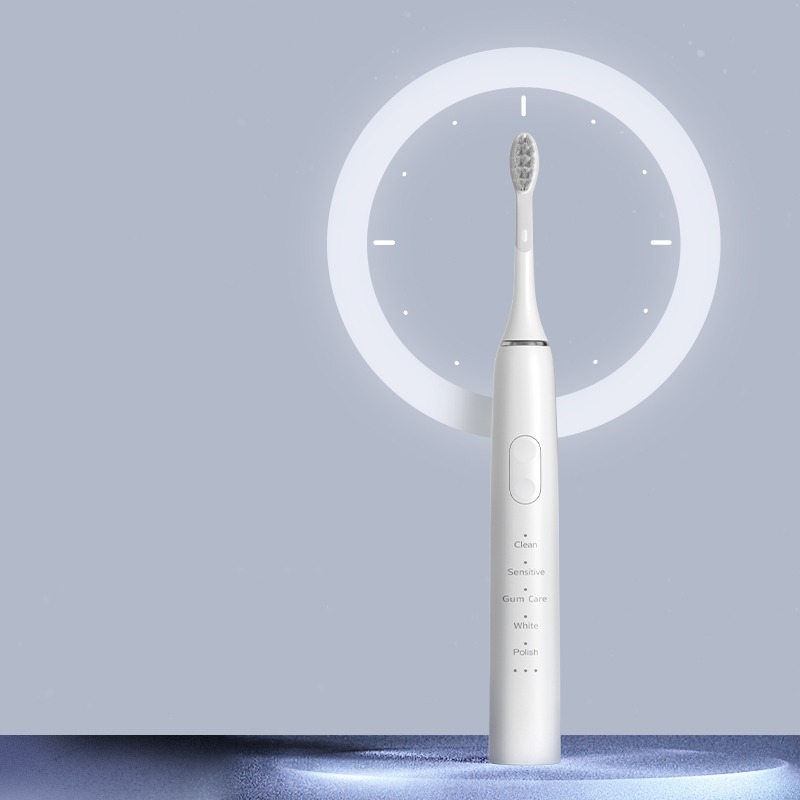
Introduction: The Competitive Edge of Self-Developed Motor Technology In the rapidly evolving oral care market, manufacturers are constantly seeking ways to differentiate their products. One key area of innovation lies in self-developed motor technology, particularly in electric toothbrushes. By designing and producing their own magnetic suspension sonic motors, manufacturers can achieve superior performance, reliability, and cost efficiency—giving them a significant advantage in the B2B marketplace. 1. Enhanced Cleaning Performance with High-Intensity Vibration Frequency A self-developed motor allows manufacturers to fine-tune the high-intensity vibration frequency to optimize cleaning efficiency. Unlike generic motors, custom-engineered solutions can deliver precise oscillations that effectively clean oral food residues and plaque, even in hard-to-reach areas. This level of performance ensures end-users receive a superior brushing experience, fostering brand loyalty. 2. Low Noise Operation for a Premium User Experience Noise levels can make or break a consumer’s perception of an electric toothbrush. With an in-house magnetic suspension sonic motor, manufacturers can minimize mechanical friction, resulting in low noise operation. This refinement enhances user comfort, making the product more appealing in both home and travel settings. 3. Long-Lasting Power for Reliability and Durability Battery life is a critical factor in consumer satisfaction. A self-developed motor can be optimized for energy efficiency, ensuring long-lasting power without compromising performance. This reduces…
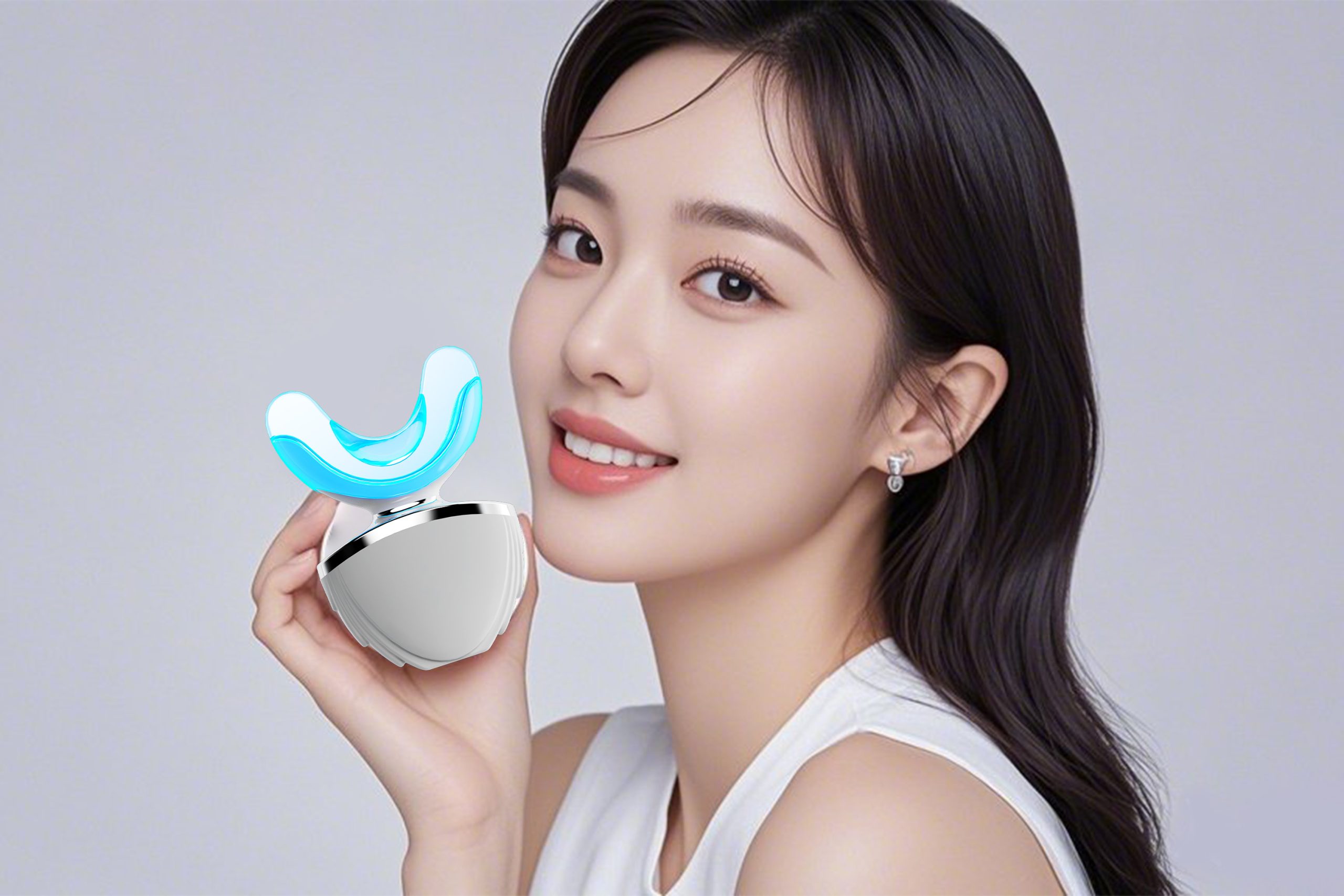
In the competitive electric toothbrush market, battery selection plays a vital role in user experience, product lifespan, and cost control. Whether you're launching an entry-level product or a premium smart toothbrush, understanding different electric toothbrush battery types is essential to align performance with your brand positioning. This blog explores the key differences between lithium battery vs. NiMH battery, the importance of battery life optimization, and how to match the right solution through OEM customization. Overview of Electric Toothbrush Battery Types There are two primary battery technologies used in electric toothbrushes today: Nickel-Metal Hydride (NiMH) Batteries Widely used in mass-market toothbrushes Lower cost, environmentally safer than older NiCd batteries Average cycle life: ~300–500 charges Longer charging times and moderate energy density Lithium-ion (Li-ion) Batteries Common in mid-to-high-end models Higher energy density, lightweight, and fast charging Longer cycle life: ~500–1000 charges Supports modern features like Bluetooth connectivity and smart sensors Understanding the pros and cons of each helps brands make informed decisions based on their market segment and performance goals. Lithium Battery vs. NiMH Battery: Which Is Right for Your Product? Here’s a direct comparison of lithium battery vs. NiMH battery in the context of electric toothbrush applications: FeatureNiMH BatteryLithium BatteryEnergy DensityModerateHighCharging…


.jpg)
.jpg)
.jpg)
.jpg)
.jpg)



.jpg)