.jpg)
After completing a tooth-whitening treatment, maintaining results relies not only on using a waterproof seal in your bleaching trays to block pigments but also on rigorous allergen testing to select safe post-treatment foods. Any dietary allergen or cross-contamination can trigger gum inflammation, accelerate stain redeposition, or undermine whitening effects. Therefore, testing every recommended ingredient for allergens is essential for B2B partners to ensure product safety and user satisfaction. The Physiological “High-Sensitivity Window” Post-Bleaching First, bleach leaves dentinal tubules open and enamel slightly demineralized for about 48–72 hours: Enamel Micro-Abrasion: Minor mineral loss makes the surface more prone to pigment uptake. Gingival Reactivity: Residual bleaching agents can inflame gums, heightening sensitivity to new irritants. Weakened Salivary Barrier: Saliva’s buffering capacity is still recovering, leaving acids unchecked. During this “high-sensitivity window,” consuming allergenic foods risks discomfort or color relapse. Allergen Testing: The Foundation of Safe Menus Consequently, allergen testing of common post-whitening ingredients is crucial: Multi-Panel Screening: Test for peanuts, shellfish, dairy proteins, gluten, and other high-risk allergens. Cross-Contact Assessment: Verify processing, storage, and transport chains to rule out hidden contamination. Threshold Determination: Establish safe residue levels based on clinical guidelines to inform menu formulations. Only data-driven testing provides B2B clients with…
In practice, a tooth’s enamel vulnerability is closely tied to persistent staining residuals. Meanwhile, smart mode switching—allowing a device to adapt its cleaning stages—can effectively reduce pigment buildup and prevent secondary enamel erosion. In the following six sections, we’ll analyze their interconnection and offer optimization strategies. How Pigment Residues Amplify Enamel Vulnerability First, even minute pigment residues on enamel can: Clog Micro-Porosities: Chromogens from foods and drinks infiltrate micro-pores, forming a stubborn stain layer. Trap Acidic Metabolites: Pigments feed bacteria that produce acids, chemically attacking enamel minerals. Abrade Micro-Cracks: Bristle or polishing head friction against pigmented spots worsens tiny enamel fissures. Thus, residual staining not only mars appearance but undermines enamel strength at the microscopic level. pH Cycling and Enamel Loss Mechanisms Next, pigment residues interact with the mouth’s acid–base balance: Local pH Drops: Stain-laden areas remain more acidic, overwhelming saliva’s buffering capacity and accelerating demineralization. Mineral Leaching: Acidic conditions repeatedly dissolve calcium and phosphate, loosening enamel structure. Uneven Remineralization: Salivary minerals struggle to refill deep pores, creating weak “voids” that heighten enamel vulnerability. Controlling residual stains is therefore critical to preserving intact enamel.Company web:https://www.powsmart.com/product/electric-toothbrush/ Smart Mode Switching Strategies To tailor cleaning intensity and protect enamel, devices should implement smart…
In modern smart oral-care devices, built-in pressure sensors not only monitor brushing force but also provide early alerts for gum recession risk. Yet more sensors and complex upkeep can raise the barrier to use and increase maintenance steps. Below, we explore six facets of how gum recession relates to device maintenance complexity, and offer optimization strategies. Routine Maintenance & Recession Risk Assessment First, regular cleaning and calibration are essential for sensor accuracy: Brush-Head Replacement: Replace heads every three months; worn bristles can splinter, irritating gums. Sensor Calibration: Uncalibrated pressure sensors may misread force and allow excessive pressure, heightening recession risk. Nozzle & Seal Inspection: Blockages or aged seals disrupt fluid flow, leading users to compensate with extra force that can damage tissue. A streamlined maintenance regimen helps keep recession alerts reliable without overburdening users. The Role of Pressure Sensors in Oral Care Moreover, pressure sensors play a pivotal role in preventing gum recession: Real-Time Feedback: Handle vibrations or app notifications warn when brushing force exceeds safe thresholds. Data Logging & Reporting: Longitudinal pressure data guides dental professionals in advising patients on gentler techniques. Adjustable Sensitivity Levels: Different thresholds for “sensitive,” “standard,” or “deep-clean” modes accommodate varied gum health. However, a…
In whitening devices, whitening cycle variations—differences in treatment duration and frequency—directly affect final shade improvement. Meanwhile, frequent low-battery alerts interrupt the process, leading users to question what constitutes an “effective cycle.” The root causes span chemistry, device power, user behavior, and battery management. Sources of Whitening Cycle Variations Whitening cycle variations encompass both single-session length (e.g., 10 vs. 20 minutes) and overall frequency (daily vs. every other day). Manufacturers differ in formula strength, light wavelength, and heat assistance, so claims like “results in 7 days” versus “10 days needed” are common. Interruption by Low-Battery Alerts Devices often trigger low-battery alerts, auto-pausing or throttling power to protect battery life. While this safeguards the battery, it can prevent completion of the intended whitening cycle—undermining results. For B2B partners, balancing fast charging and stable runtime is critical to minimize such disruptions. User Compliance with Cycle Protocols Users frequently restart interrupted treatments, losing adherence to standardized cycles. Both excessively long and overly brief sessions can lead to under-activated formulas or over-oxidation—causing sensitivity or color rebound. Chemistry vs. Exposure Time Trade-Off The relationship between active ingredient concentration and exposure time can be: High Concentration + Short Cycle: Rapid stain breakdown but higher sensitivity risk. Low…
For restricted user groups, avoiding stain residuals is critical—not only because leftover pigments mar appearance, but also because these users often have heightened vulnerability. Meanwhile, optimizing bristle roundness in brush-head design helps ensure gentle yet thorough stain removal. In the following six sections, we explore why stain residues pose special risks, and how to address them safely and effectively. Oral Characteristics of Restricted User Groups Restricted user groups include: Post-operative Patients: Gum and implant sites are still healing and prone to irritation. High-Sensitivity Individuals: Those with thin enamel or dentin hypersensitivity require extra care. Chronic Health Conditions: Diabetics or immunocompromised patients face greater infection risks from residual biofilm. These groups react more strongly to any remaining debris or pigments, making complete stain removal essential. Health Hazards of Stain Residuals Beyond aesthetics, retained pigments can: Promote Bacterial Growth: Chromogens combine with proteins to form biofilms that feed anaerobic pathogens. Cause Chemical Erosion: Some food pigments are mildly acidic and can accelerate enamel micro-abrasion. Trigger Immune Overreactions: Chronic exposure to residual agents can inflame gingival tissues and worsen swelling or pain. For vulnerable users, even trace residues can spark significant oral health issues. Contact us :https://www.powsmart.com/product/electric-toothbrush/ Bristle Roundness and Cleaning Efficiency Effective…
In next-generation portable testing devices, not only must you finely tune the oscillation angle to maximize sample collection, but true travel portability lets testing instruments go wherever they’re needed—closer to users and real-world scenarios. In this article, we examine six ways portability boosts allergen detection, helping B2B partners design solutions that are both flexible and reliable. On-Site Testing for Immediate Decisions First, travel portability frees allergen testers from the lab: Rapid Response: Instantly collect and analyze samples on-site at restaurants, factories, or schools after a suspected allergy incident. Reduced Transport Error: Eliminates cross-contamination or degradation risks from shipping samples to a central lab. Improved Client Experience: B2B customers can offer “on-site testing + immediate reporting” as a one-stop service. Portable devices therefore directly enhance testing speed and decision-making. Optimized Sampling with Tuned Oscillation Angles Next, fine control of the oscillation angle in the sampling module is essential: Directed Vibration: Using ±15°–±30° angles covers varied surface materials, ensuring trace peanut proteins or lactose are dislodged. Deep Extraction: Automatically adjust the angle based on surface roughness to capture representative micro-samples. Minimal Damage: Precise angle control prevents excessive wear on food contact or dental tray surfaces. Hardware-level angle tuning is key to efficient,…
When home‐care devices suffer from battery degradation, users often postpone charging and skip essential upkeep—highlighting how maintenance complexity can cascade into enamel‐wear issues. In this post, we’ll examine six ways that complicated care routines and neglected device upkeep exacerbate enamel vulnerability, and offer practical recommendations for B2B manufacturers. Worn Brush Heads & Uneven Abrasion First, complex replacement procedures lead users to overstay brush‐head lifespans: Frayed Bristles: After three months, bristles splay unevenly, concentrating force on small enamel areas. Micro‐scratches: Hardened or misaligned filaments create microscopic grooves, accelerating demineralization. Variable Contact Pressure: Skipping timely head swaps forces users to press harder for perceived cleaning, increasing enamel stress. Thus, simplifying head‐exchange steps is critical to maintain uniform abrasion and protect enamel integrity. Plaque Buildup from Skipped Cleanings Moreover, when devices require time‐consuming disassembly for deep cleaning, many users defer: Residual Debris: Food particles lodged in nozzles or brush mounts feed acidogenic bacteria. Biofilm Formation: Plaque accumulation lowers oral pH, promoting enamel softening and early caries. Ineffective Rinse Cycles: Clogged channels disrupt spray patterns, leaving untreated zones where enamel degrades. To counteract this, devices should offer self‐cleansing cycles or tool‐less access to minimize deferred cleanings.Company web:https://www.powsmart.com/product/electric-toothbrush/ Reduced Torque due to Battery Degradation Furthermore,…

Relieve Tooth sensitivity is a widespread oral health issue that affects millions globally, often triggered by cold, heat, sweetness, or even brushing. Many consumers don’t realize that using the wrong toothbrush can worsen the problem. In fact, manual brushing with excessive force is one of the most common causes of enamel wear and gum recession—two major contributors to tooth sensitivity. As a professional electric toothbrush factory, we often receive inquiries about whether an electric toothbrush can help relieve tooth sensitivity. The answer is yes—if the right design and technology are applied. How Can Electric Toothbrushes Help Relieve Tooth Sensitivity? Modern electric toothbrushes are equipped with features that specifically aim to address sensitive teeth: Pressure SensorsBuilt-in sensors automatically reduce brushing intensity when too much force is applied, helping protect delicate enamel and gums. Soft Bristle OptionsElectric toothbrushes designed for sensitive teeth use ultra-soft bristles that clean effectively without abrasion, reducing discomfort during brushing. Gentle Cleaning ModesMany models include modes such as “Sensitive” or “Gum Care,” providing low-frequency vibrations to ensure a soothing yet thorough clean. Consistent Brushing PerformanceUnlike manual brushes that vary with user technique, electric toothbrushes offer consistent cleaning action that minimizes the risk of over-brushing. These combined features demonstrate…
In the era of intelligent oral care, users expect more than just mechanical brushing—the core measures of a truly smart plaque-fighting brush are Cavity Prevention features and seamless Smart App Integration. In the following six sections, we’ll dive into how an advanced electric toothbrush combines hardware, software, and data to deliver precise, efficient plaque removal. Intelligent Drive: Precision Plaque Removal via Multi-Sensor Feedback Traditional brushing patterns can miss “blind spots,” but an intelligent drive system uses multiple sensors to guide cleaning: Pressure Sensors monitor bristle force against teeth, preventing enamel damage from over-brushing. Angle Sensors detect brush-head tilt to ensure consistent coverage of interdental and posterior surfaces. Acoustic Sensors analyze vibration frequencies and dynamically adjust pulse intensity for more effective plaque disruption. This multi-sensor feedback ensures the brush targets and removes plaque “pinpointedly,” boosting overall cleaning performance. Smart Connectivity: Engaging Users with Smart App Integration Next, Smart App Integration bridges the brush and mobile device for an enhanced experience: Real-Time Brushing Data: Duration, pressure, and coverage metrics are synced to the app in visual reports. Personalized Alerts: If you brush too long in one spot or skip an area, the app issues haptic or audio reminders. Remote Coaching: Dental professionals…
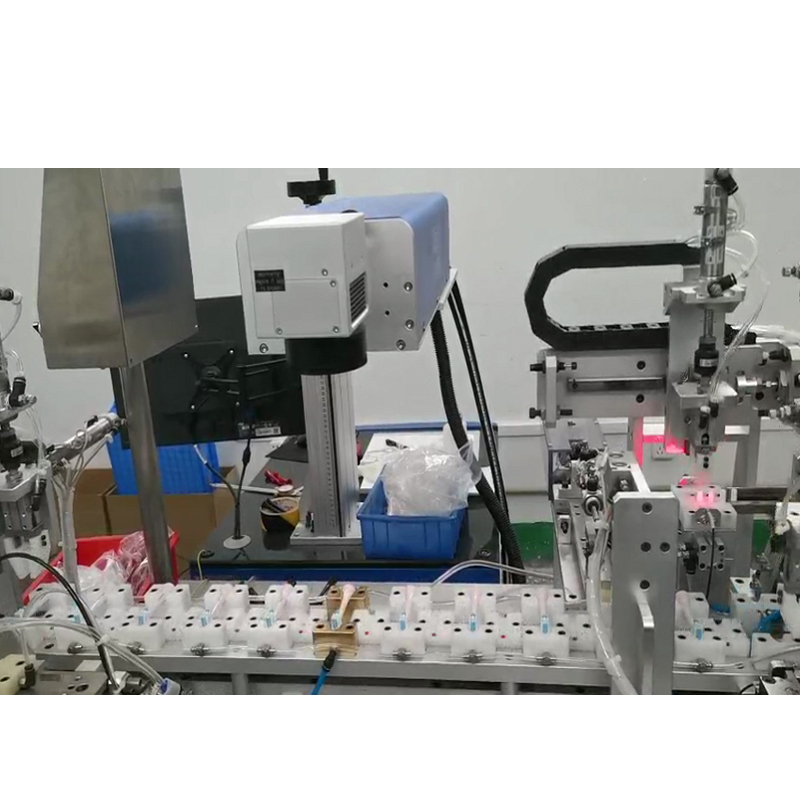
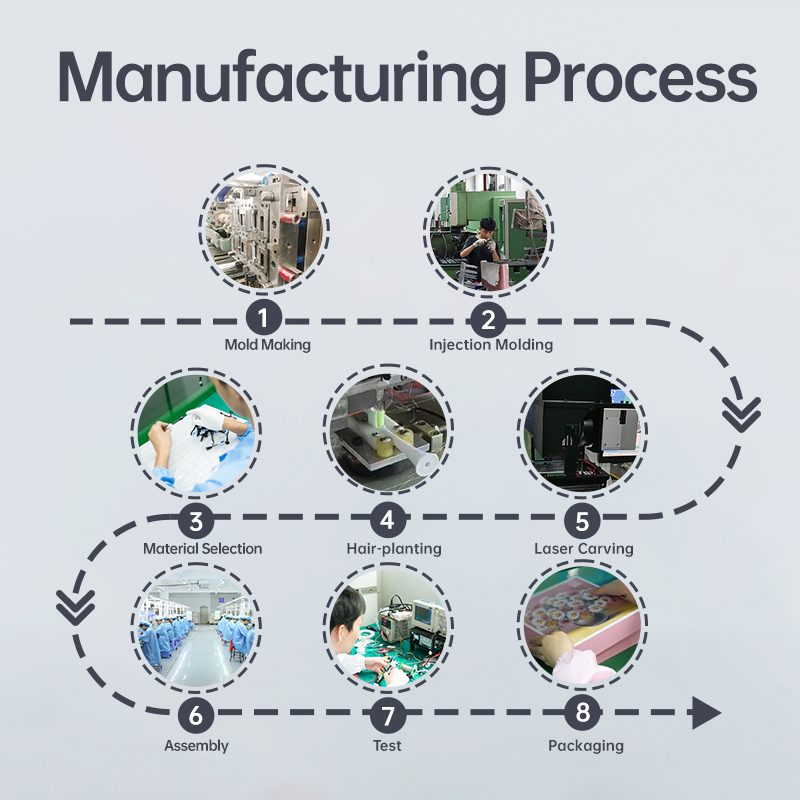
In today’s competitive oral care market, manufacturers must ensure that every electric toothbrush production process is standardized, efficient, and meets high-quality requirements. This article presents a full overview of the production process diagram, from injection molding to final assembly, highlighting injection molding process standards, assembly process specifications, and the key points for quality inspection necessary to guarantee superior product performance. Injection Molding – The Foundation of Precision The first critical step in the electric toothbrush production process is injection molding. High-quality shell and component manufacturing rely on strict injection molding process standards, including: Precise temperature and pressure control to prevent defects like shrinkage or warping Material selection (commonly medical-grade ABS, PP, or TPE) for durability and aesthetics Mold maintenance and polishing to ensure smooth finishes Adhering to consistent injection molding process standards is vital for ensuring a strong and attractive product base. Component Preparation – Quality Starts from Parts After molding, key components including motor units, battery packs, PCBs, and sealing gaskets. Every component must: Pass functional pre-tests (e.g., battery charging cycles, motor rotation tests) Be cleaned and anti-static protected before entering the assembly area Match design tolerances exactly to fit into the production line seamlessly Meticulous preparation at this stage helps maintain consistency throughout…
When toothbrush battery life dwindles, brush performance can become inconsistent—and consequently users may press harder or scrub longer, inadvertently increasing gum recession risk. In this article, we explore how declining battery power affects cleaning efficacy, user behavior, and ultimately soft-tissue health, and we offer actionable recommendations for B2B partners designing the next generation of oral-care devices. Consistent Power and Bristle Amplitude First and foremost, a full battery ensures the motor delivers its rated amplitude and frequency throughout each brushing session. Stable bristle motion is critical to: Effective plaque removal: Sufficient oscillation breaks up biofilm without excessive force. Uniform cleaning: Consistent torque prevents stalling in high-resistance areas (e.g., back molars). User confidence: Knowing the brush will perform at full power encourages proper technique. By contrast, voltage sag towards end-of-charge can reduce bristle amplitude, undermining these benefits. User Compensation and Technique Drift Moreover, when users sense a drop in vibration—due to low battery—they often compensate by increasing pressure or brushing time. This behavior leads to: Excessive force application: To “feel” the brush working, users press harder against their gums. Extended sessions: Trying to make up for weaker scrubbing, users brush longer, fatiguing soft tissue. Irregular motion patterns: Inconsistent feedback can disrupt the…
As manufacturers innovate with high-speed brush head rotation, questions arise about its impact on long-term tooth health—specifically, whether aggressive motion might accelerate enamel erosion. In this article, we’ll examine the mechanics behind rotational brushing, explore how design and user behavior interplay, and offer evidence-based guidelines to minimize enamel wear while maximizing cleaning efficacy. Mechanics of Brush Head Rotation First, it’s essential to understand how rotational systems work: Angular Velocity: Many oscillating-rotating brushes spin at 5,000–10,000 RPM, converting motor torque into rapid bristle movement. Oscillation Amplitude: Small arc angles (e.g., ±15°) translate into effective sweep across tooth surfaces without excessive lateral force. Contact Dynamics: Bristles contact enamel at varying angles, creating both shear and normal forces that dislodge plaque. Thus, the combination of speed and amplitude defines the fundamental cleaning action—and its potential to stress enamel. Rotational Forces vs. Enamel Wear Moreover, enamel wear isn’t solely a function of speed: Shear Stress: High-speed rotation increases tangential force, potentially abrading enamel prisms if pressure is uncontrolled. Micro-pitting: Repeated contact at high frequency can create microscopic pits on the enamel surface, which over time contribute to erosion. Frictional Heat: Although minimal, frictional heating at bristle–enamel interfaces may soften tooth minerals, making them more…
Integrating UV sterilization into oral-care devices offers powerful antimicrobial action—but without careful design, UV light risks can aggravate dentin exposure risk by weakening enamel and altering surface chemistry. In this blog, we’ll explore the interplay between UV disinfection and tooth integrity, identify root causes, and propose engineering and usage strategies to harness UV benefits safely. The Balance Between Sterility and Tooth Health First and foremost, UV light is prized for eliminating pathogens quickly without chemicals. However, excessive exposure—even at low wavelengths—can produce micro-abrasions in enamel’s crystalline structure. Consequently, enamel thinning accelerates, raising dentin exposure risk and patient sensitivity. Therefore, any UV-equipped toothbrush or flosser must balance microbial kill rates with enamel preservation. Understanding Dentin Exposure Risk Moreover, exposed dentin occurs when enamel is compromised, either mechanically or chemically. Key factors include: Acidic erosion: Overuse of bleaching or acidic rinses softens enamel. Abrasive micro-wear: High-speed bristle action without sufficient lubrication can create microscopic fissures. Photo-oxidative stress: UV photons can generate free radicals in the enamel matrix, promoting demineralization. These combined stresses converge to thin enamel, uncovering the sensitive dentin layer beneath. UV Light Risks in Oral-Care Devices Furthermore, UV wavelengths (typically 265–285 nm) are chosen for germicidal efficacy. Yet, potential hazards…
In the competitive oral care market, electric toothbrush manufacturers must deliver consistent product quality while managing potential risks effectively. One of the most crucial ways to ensure product reliability is through a robust traceability of electric toothbrushes. Especially for key components like motors and the waterproof casing, strict control through motor calibration standards and a detailed waterproof test process is vital. Together with proper quality inspection record archiving, these measures help maintain brand reputation and significantly contribute to product recall prevention. Motor Calibration: Setting and Managing High Standards The motor is the heart of any electric toothbrush, directly impacting performance, user experience, and product life. Adhering to precise motor calibration standards ensures that each unit operates within specified parameters, including: Rotational speed (RPM) consistency Vibration strength within optimal ranges Noise level control to enhance comfort During production, every motor undergoes calibration using specialized testing equipment. Detailed calibration data are recorded in the production traceability system, linking each motor to its corresponding toothbrush serial number. This practice guarantees that any deviation can be traced back instantly. Waterproof Testing: Safeguarding Daily Use Reliability Daily exposure to water makes the waterproof test process critical for electric toothbrushes. The standard testing procedures typically include: IPX7 or IPX8 level testing (depending on product…
In modern high-end oral hygiene devices, hydrogen peroxide concentration not only determines disinfection effectiveness but can also correlate with motor durability issues: excessive peroxide levels accelerate component wear, while declining motor performance undermines consistent sterilization cycles. In the following six sections, we explore how these factors interact and provide design and formulation guidance for B2B partners. Challenges of High Peroxide Concentrations on Materials High concentrations of hydrogen peroxide pose significant oxidative stresses on device components: Seal Degradation: Strong oxidizers attack O-rings and gaskets, increasing leak risk. Internal Corrosion: Metal valves and pump housings exposed to ≥6% peroxide develop micro-cracks over time. Polymer Embrittlement: ABS and polypropylene parts can develop surface crazing and loss of mechanical strength when in prolonged contact with concentrated peroxide. Thus, selecting compatible materials is crucial when specifying peroxide concentration ranges. How Corrosion Drives Motor Durability Issues Material breakdown and leaks increase pump and motor loads, leading to chronic motor durability issues: Dry-Run Conditions: Leaks and air locks starve the pump, causing the motor to run without fluid and overheat. Bearing Wear: Peroxide-induced lubricant degradation raises friction in ball bearings. Stall and Restart Cycles: Blockages or pressure spikes cause the motor to stall and repeatedly restart, shortening…
In today’s competitive whitening market, bold whitening effectiveness claims often lead consumers to use higher peroxide levels or more frequent treatments—unfortunately increasing the risk of over-bleaching effects, such as enamel demineralization, heightened tooth sensitivity, and uneven shade changes. Below, we explore six key considerations to balance powerful whitening with patient safety for B2B partners. Consumer Expectations vs. Safety Margins Firstly, users demand rapid results: High‐Strength Formulas: Many products boast up to 20% hydrogen peroxide to deliver dramatic shade shifts in days. Accelerated Protocols: Two to three sessions per week instead of the standard one to minimize treatment time. Influencer Endorsements: Social media drives “instant whitening” trends, encouraging overuse. However, exceeding clinically proven concentrations or durations can push enamel beyond its safe bleaching threshold. Biological Mechanisms of Over-Bleaching Moreover, aggressive bleaching regimens trigger a cascade of adverse effects: Enamel Demineralization: Excess peroxide strips calcium and phosphate from the crystal matrix. Dentin Sensitivity: Thinning enamel exposes underlying dentin tubules, leading to thermal and chemical hyper-sensitivity. Micro-Surface Cracks: Repeated bleaching cycles enlarge microscopic fissures, accelerating future wear. Shade Irregularities: Non-uniform peroxide penetration creates patchy color and “halo” effects around the gumline. Understanding these mechanisms is essential to formulate safer whitening solutions.Company web: https://www.powsmart.com/product/electric-toothbrush/…

In the electric toothbrush OEM business, controlling production costs is crucial to staying competitive. Among various expenses, mold cost is often one of the highest upfront investments. Many manufacturers have developed an electric toothbrush mold library, offering ready-made solutions that significantly shorten the mold opening cycle and reduce costs. But exactly how much money can be saved by using an existing mold? Let's dive deeper. What is an Electric Toothbrush Mold Library? An electric toothbrush mold library is a collection of pre-existing injection molds covering various designs of toothbrush handles, brush heads, and chargers. These molds are production-ready and meet common industry standards. By leveraging these existing resources, OEM clients can: Avoid the lengthy and costly mold development process Accelerate time-to-market Reduce risks associated with new product tooling Mold Opening Cycle vs. Ready-Made Mold Modification Typically, creating a new mold (from design to production) involves a mold opening cycle of 45 to 90 days, depending on complexity. This timeline includes: Industrial design and structural optimization Mold fabrication and testing Correction and final approval In contrast, using ready-made mold modification (such as minor logo engraving, color changes, or slight structure adjustments) can be completed within 2 to 4 weeks — drastically reducing project lead time. Cost Savings Breakdown:…
When designing and marketing oral-care and medical devices for expectant mothers, pregnancy contraindications and noise level concerns are two often-overlooked yet critical factors. In this article, we explore six key areas to ensure devices perform effectively while protecting maternal and fetal health. Understanding Physiological Changes and Contraindications First, pregnancy brings significant changes in hormones, blood flow, and sensory sensitivity: Increased Auditory Sensitivity: Expectant mothers often become more sensitive to both high and low frequencies. Elevated Blood Flow: Vasodilation can heighten cardiovascular responses to stressors. Heightened Stress Response: Excessive noise can trigger anxiety and insomnia, potentially affecting fetal development. Thus, any device targeting pregnant users must first eliminate contraindicated features. Potential Impacts of Noise on Mother and Baby Next, both chronic and acute exposure to elevated noise levels poses risks: Fetal Hearing Development: Studies show that sustained noise above 50 dB during mid-to-late pregnancy may affect cochlear formation. Uterine Contractions: Sounds over 65 dB can elicit a stress response in the mother, increasing preterm labor risk. Maternal Nervous System: Loud environments can overstimulate the sympathetic system, causing blood pressure spikes and sleep disturbances. Strictly controlling noise level concerns is therefore essential for maternal and fetal safety.Company web:https://www.powsmart.com/product/electric-toothbrush/ Relevant Standards and Testing…


.jpg)
.jpg)
.jpg)
.jpg)
.jpg)



.jpg)