Introduction
First responder oral care is a critical yet often overlooked priority for professional firefighters, whose daily exposure to toxic fire smoke, soot, and combustion residues inflicts significant damage on tooth enamel and gum tissue. Irregular shift schedules and limited access to hygiene tools make consistent cleaning challenging, so durable, heavy-duty electric toothbrushes are essential to reliable first responder oral care routines.
How Fire Smoke Harms Firefighters’ Oral Health
- Soot and chemical particles stick tightly to tooth surfaces and gumlines, accelerating plaque buildup and bad breath.
- Chronic dry mouth from smoke exposure reduces natural saliva’s antibacterial protection, raising cavity risk.
- On-call work shifts disrupt fixed brushing schedules, leaving debris to breed bacteria overnight.
- Long-term exposure gradually stains enamel and irritates gums, leading to gingivitis and sensitivity.
Must-Have Features for Firehouse-Ready Electric Toothbrushes
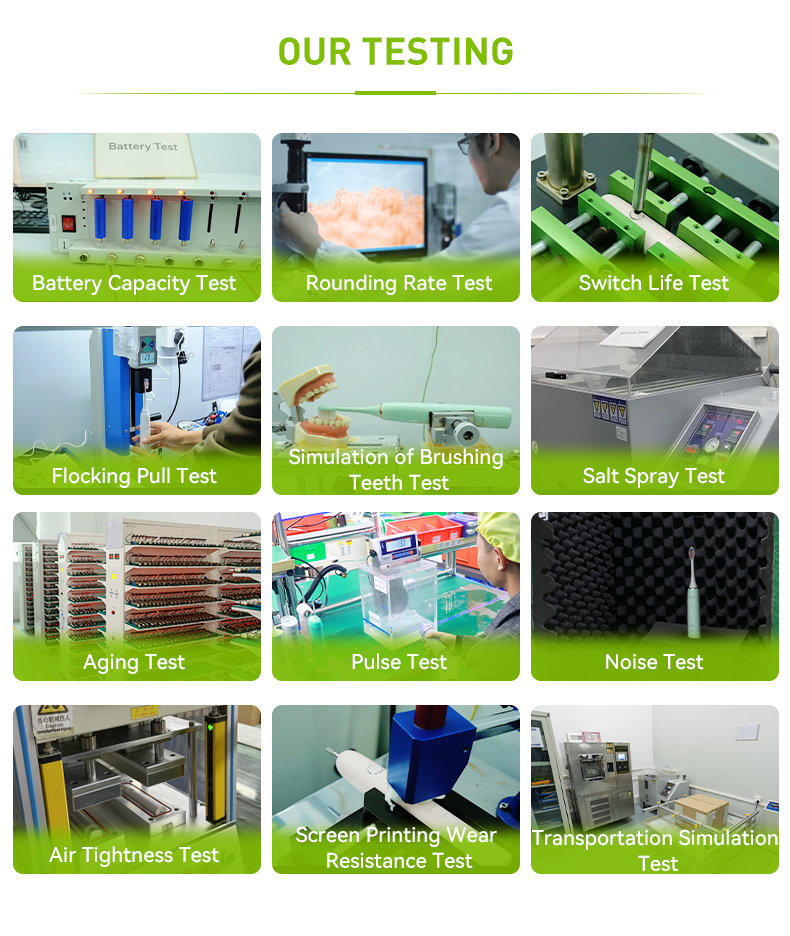
- Dust/splash-resistant casing: Withstands rough storage and occasional moisture in fire station environments.
- Long-lasting battery: Eliminates frequent charging amid irregular shift cycles.
- Ultra-soft brush heads: Gentle on smoke-irritated, sensitive oral mucosa.
- Compact, locker-friendly design: Easy to stow in turnout gear lockers for quick between-call cleaning.
Shift-Based Tips
- Do a quick 40-second brush immediately after each fire call to remove surface soot residue.
- Keep travel-sized mouthwash in gear bags for refreshment during long standby shifts.
- Complete a full two-minute deep brush at the end of every workday.
Shop firefighter durable electric toothbrushes: https://www.powsmart.com/
ADA first responder workplace oral health guide: https://www.ada.org/resources/consumer/oral-health/workplace/
Conclusion
Incorporating purpose-built rugged brushes into standardized first responder oral care reduces long-term smoke-induced dental damage for active-duty firefighters, protecting their oral health amid high-stress work conditions.