
In recent years, wireless tech has reshaped multiple consumer electronics industries — and oral care devices are no exception. From smart electric toothbrushes to wireless teeth whitening devices, the industry is moving rapidly toward a cordless, more seamless user experience. For oral care brands, this shift represents a significant opportunity to differentiate through design, functionality, and performance. Understanding how wireless technology is redefining the space is crucial — especially for companies exploring at-home whitening products manufacturing or seeking a manufacturing partner for their next-gen product line.
The integration of wireless tech has allowed for smarter, sleeker, and more portable oral hygiene products. Here’s how:
Bluetooth and App Integration: Devices can now track brushing habits, offer feedback, and even sync with health monitoring platforms.
Cordless Operation: No more tangled cords or reliance on charging docks that limit bathroom layout flexibility.
Aesthetic and Functional Freedom: Wireless designs allow manufacturers to create compact, ergonomic, and travel-friendly devices without compromising performance.
This evolution enhances user convenience—a key driver for consumer satisfaction and loyalty.
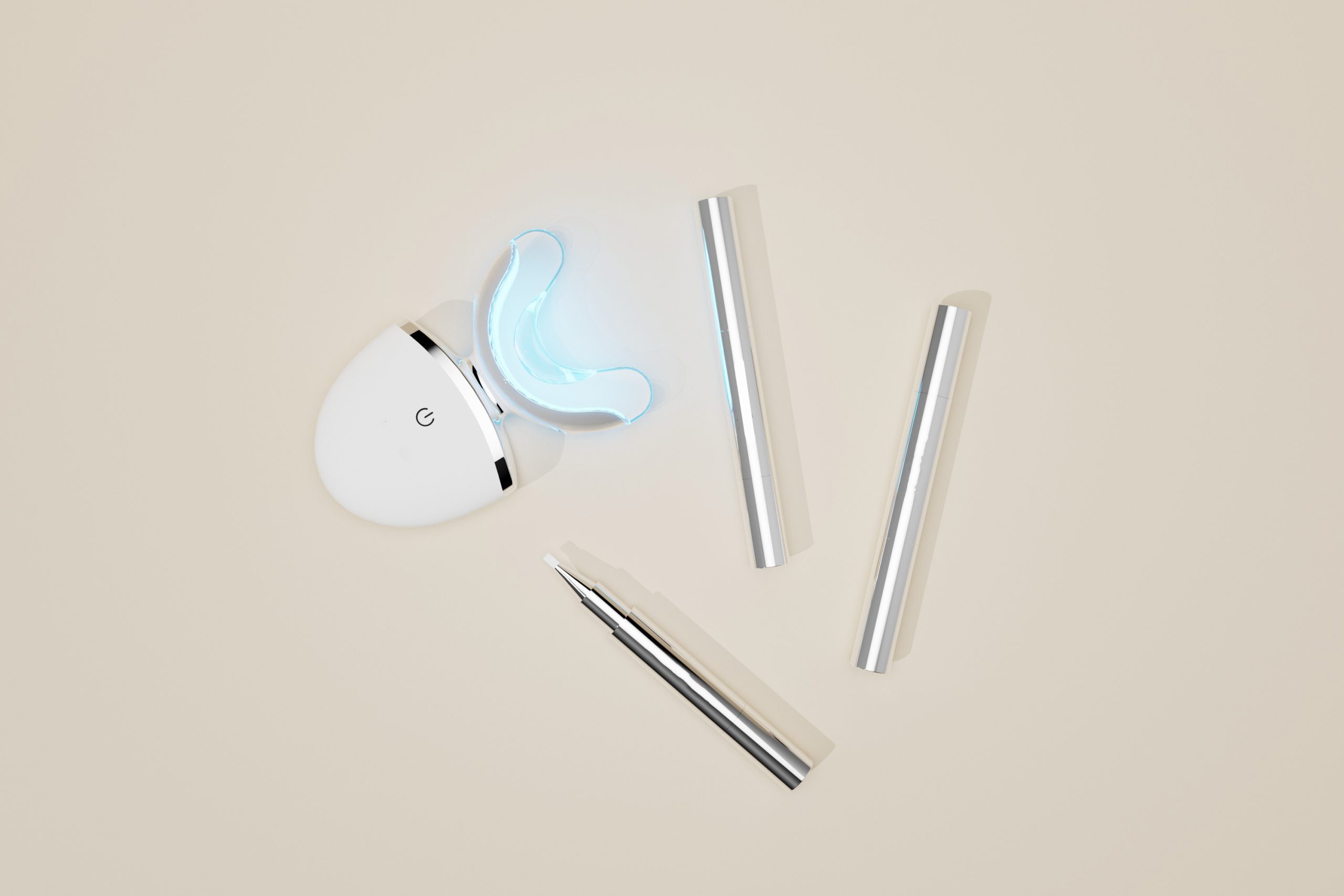
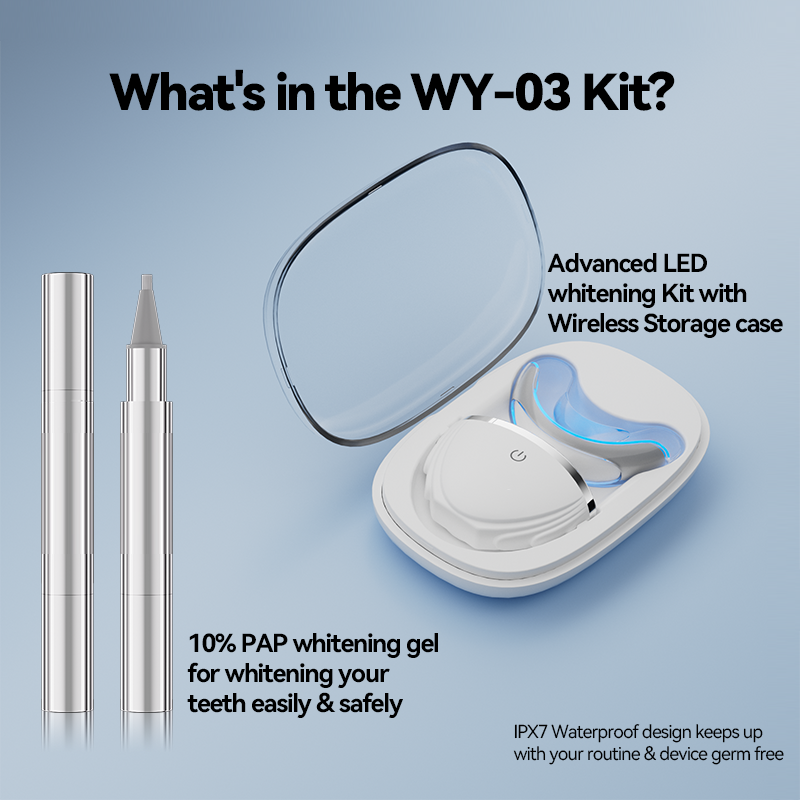
Among the most significant developments in recent oral tech is the wireless teeth whitening device. Consumers are increasingly turning to at-home whitening products, expecting results comparable to clinical treatments with the comfort of home use.
Wireless whitening systems offer several advantages:
Hands-free application while multitasking.
Rechargeable designs that eliminate waste and increase longevity.
App-based control, allowing users to monitor usage time, battery level, and whitening cycles.
For brands, investing in at-home whitening products manufacturing with wireless capability adds significant value to product lines and meets growing market demand.
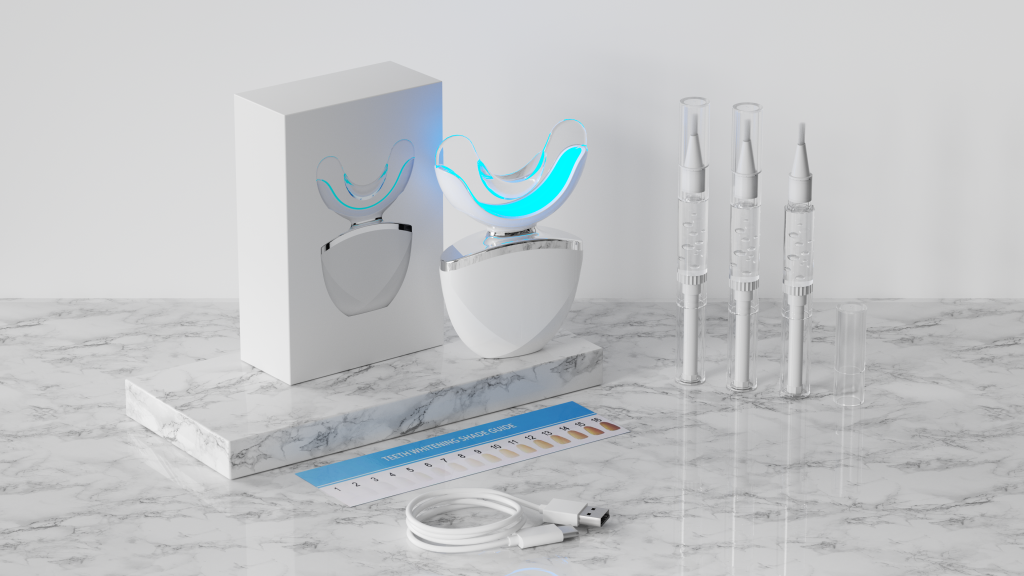
1-1024x683.jpg)
When it comes to wireless devices, charging technology becomes a defining feature. Below is a product comparison analysis of the most common wireless charging methods and their respective advantages:
| Charging Method | Advantages | Challenges |
| Magnetic Charging | Stable connection, waterproof, user-friendly | Slightly higher production cost |
| Qi Wireless Charging | Fully sealed, no exposed ports, high-end user perception | Requires precise alignment |
| USB-C Fast Charging | Widely compatible, affordable, faster charging | Not truly “wireless”; port still needed |
Understanding the differences in the advantages of various charging methods is essential for product designers and brand decision-makers when consulting with a factory or ODM.
User convenience has become the cornerstone of successful oral care product design. Wireless technology supports convenience in multiple ways:
No cables, making products easy to use, clean, and store.
Travel-friendly: Ideal for on-the-go professionals and travelers.
Simple interfaces: Minimal buttons, often controlled via apps or smart sensors.
By focusing on wireless tech-enabled oral care devices, manufacturers can help brands deliver premium experiences that build long-term customer relationships.
For brands looking to stay ahead, choosing a manufacturing partner that specializes in wireless oral care innovations is critical. Ideal partners should offer:
Expertise in at-home whitening products manufacturing
Experience in integrating multiple charging solutions
Flexible production capabilities for both low and high-volume orders
Compliance with international health and electronics certifications
Working with a capable factory not only ensures production quality but also accelerates your go-to-market strategy in a competitive, fast-evolving space.
As wireless tech continues to redefine the standards for oral care devices, now is the time for brands to align with experienced manufacturers that can bring their product vision to life. Whether you’re developing a wireless teeth whitening device, a smart toothbrush, or a full suite of at-home oral care products, success starts with understanding user needs — and matching them with the right technology and production support.
Looking to innovate your oral care lineup with wireless solutions? Contact our team to explore custom manufacturing partnerships today.https://www.powsmart.com/product/teeth-whitening-gel/
Wavelength of Whitening Teeth Device Blue Light (460–490nm) and Red Light (620–660nm)Configuration Guide
.jpg)
Blue Light Whitening Device OEM Solutions for Global Brands

How to Choose the Right Manufacturer Before Expanding Whitening Products
Red vs Blue Light Teeth Whitening: Choosing the Right OEM Technology for Your Brand
How Long Should I Use Blue Light on My Teeth? OEM Manufacturer’s Guide
Teeth whitening device OEM: In-Depth Cooperation Model from LOGO to Light Wave Customization
Enamel Transparency Plus Taste Loss – Permanent Damage?
How to Choose a High-Quality LED Light Source for teeth Whitening Device? Factory Material Selection and Testing Standards
How Long Does It Typically Take to See Results in Teeth Whitening When Using Electrical Oral Care Products?
Red and Blue Light Teeth Whitening Device Aging Test Standard: 500 Hours of Continuous Working Reliability Verification
Benefits of Red & Blue Light Technology in Professional Teeth Whitening Kits
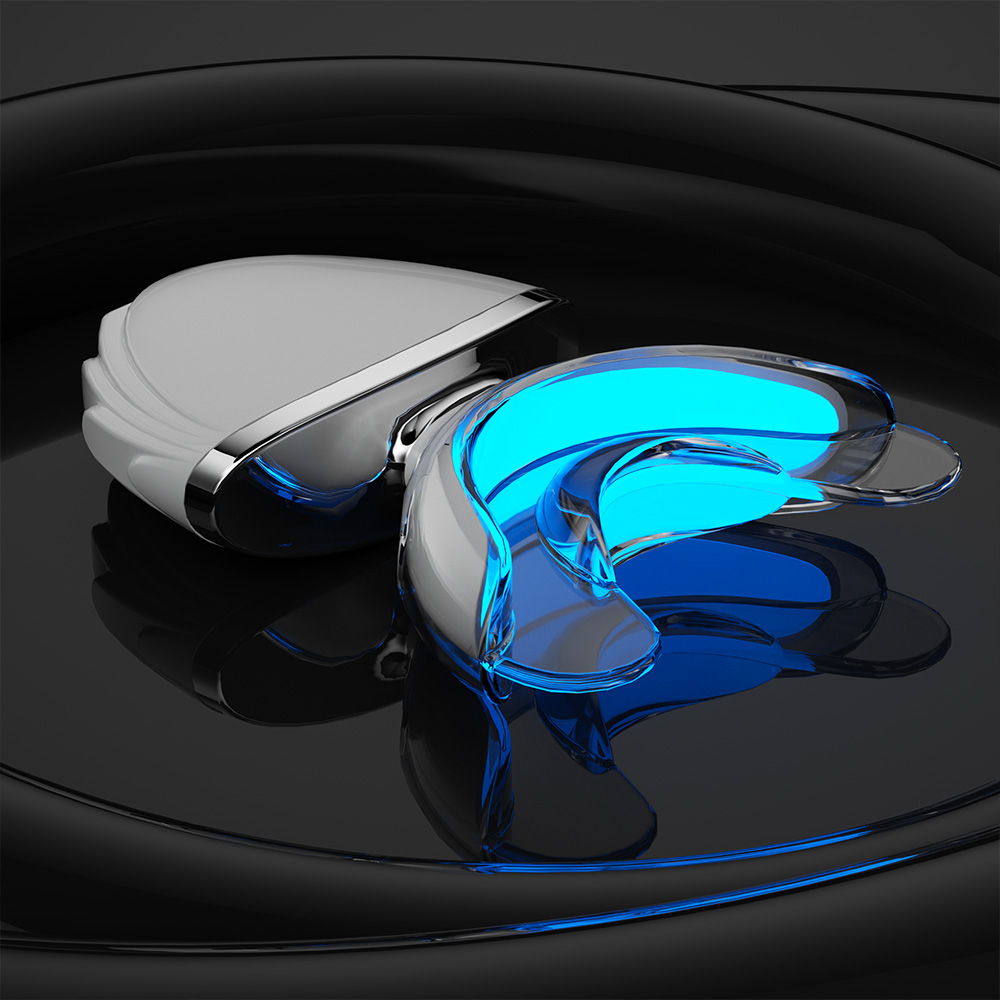
Teeth whitening kit: For Healthier, Whiter Teeth
Clinical Results: Effectiveness of Home Teeth Whitening Device results
-3-scaled-1.jpg)
Teeth Whitening Tech: Is LED Scientifically Superior to UV for OEM Applications?
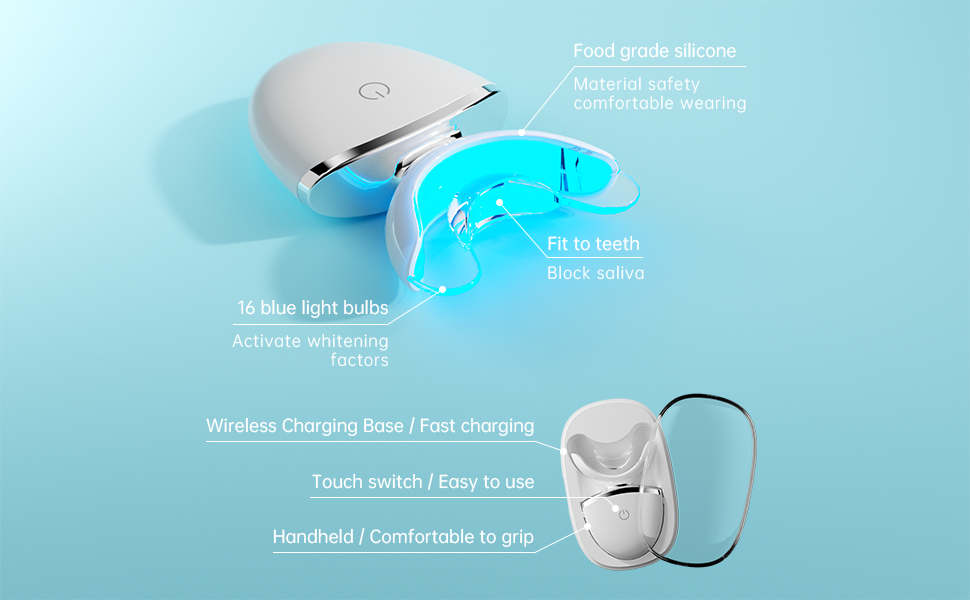
How Long Should You Leave Blue Light on Your Teeth? OEM Manufacturer’s Guide
Does Cold-Light Teeth Whitening Aggravate Enamel Wear?


.jpg)
.jpg)
.jpg)
.jpg)
.jpg)






.jpg)