In today’s rapidly growing oral care market, light-based whitening technologies have become a key differentiator for brands aiming to stand out. Consumers are now familiar with at-home LED whitening kits, but few truly understand the difference between red vs blue light teeth whitening. For brands, understanding these technologies—and selecting the right OEM technology—is critical for success in a competitive teeth whitening market. This article will guide you through the science, benefits, and strategic considerations of OEM technology selection, helping you craft a powerful teeth whitening strategy that enhances your brand identity and drives customer trust.
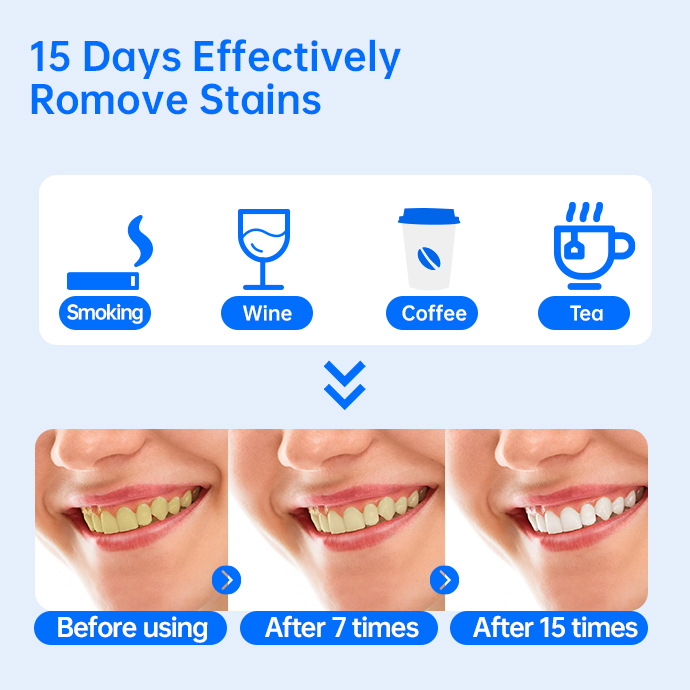
Blue light whitening is the more traditional and widely used technology. It works by activating peroxide-based whitening gels, accelerating stain removal on tooth enamel. This method delivers fast, visible results and is ideal for consumers seeking instant brightness.
Red light whitening, on the other hand, is a newer innovation. Rather than focusing solely on whitening, it penetrates deeper into gum tissues, offering anti-inflammatory and antibacterial benefits. This technology supports oral health while whitening teeth, appealing to consumers who prefer a holistic and gentle whitening experience.
For brands, understanding red vs blue light teeth whitening isn’t just about science—it’s about aligning technology with target consumer needs.
Choosing the right OEM technology partner is one of the most strategic decisions a brand can make. The best manufacturers not only provide technical expertise but also flexibility in customization—helping you tailor light wavelengths, design aesthetics, and user experience to your target market.
When evaluating OEMs for teeth whitening devices, consider:
Technology Capabilities: Do they offer both red and blue light options—or even hybrid systems combining both?
Compliance and Certification: Are they compliant with international quality standards (ISO, CE, FDA)?
Customization Options: Can the OEM adjust power levels, LED arrays, and gel formulations for your product differentiation needs?
A strong OEM partnership ensures your brand remains competitive and credible in a crowded marketplace.
Your teeth whitening strategy should balance scientific credibility with an appealing brand experience.
Blue light systems can position your brand as performance-driven, focusing on speed and visible results.
Red light systems can highlight wellness, comfort, and oral health benefits.
Dual-light (red + blue) solutions can offer a premium edge—combining fast whitening with gum protection, appealing to both performance seekers and health-conscious users.
Align your strategy with your brand message: are you selling “instant beauty,” “gentle wellness,” or “smart innovation”?
The global whitening market is saturated with similar-looking devices and formulas. Real product differentiation comes from offering unique functionality, credible science, and superior user experience.
By leveraging red vs blue light whitening and innovative OEM technology, brands can introduce features like:
Dual-light therapy with adjustable modes
Smartphone-connected whitening tracking
Personalized gel formulations for sensitive teeth
Sleek, ergonomic device design for premium positioning
Differentiation is not just about looking different—it’s about performing differently and delivering value that resonates with your audience.
In the evolving landscape of oral beauty and health, OEM technology selection plays a decisive role in shaping your teeth whitening strategy. Whether you choose red, blue, or dual-light systems, the goal is the same—to create a product that reflects your brand’s identity, meets consumer needs, and stands out in a competitive market.
Choosing the right manufacturing partner is more than a business transaction; it’s a long-term collaboration that empowers your brand to innovate and lead.
Now is the time to embrace the science of light and unlock new opportunities for product differentiation in the world of teeth whitening.
.jpg)
Electric Toothbrush Parts & Accessories Supplier
Travel Size Electric Toothbrush Wholesale

Does your Sonic Vibration Mechanism require a specialized PCB Assembly Service for stable performance?
What is the Most Sanitary Way to Keep a Toothbrush? OEM Solutions for Modern Oral Care
Valve Jamming Causing Salivary Alteration – Fixable?
5 Signs You Need to Replace Your Electric Toothbrush: Insights from an OEM Factory
fast delivery electric toothbrush supplier | Short Lead Time OEM
Corporate Gift Electric Toothbrush Wholesale | Premium Business Gifts

Identifying Chinese Electric Toothbrush Manufacturers That Listen and Improve With Your Feedback
.jpg)
Powsmart Electric toothbrush Factory Birmingham Alabama
How Does Supply Chain Logistics Affect the Integration of a Battery Management System?
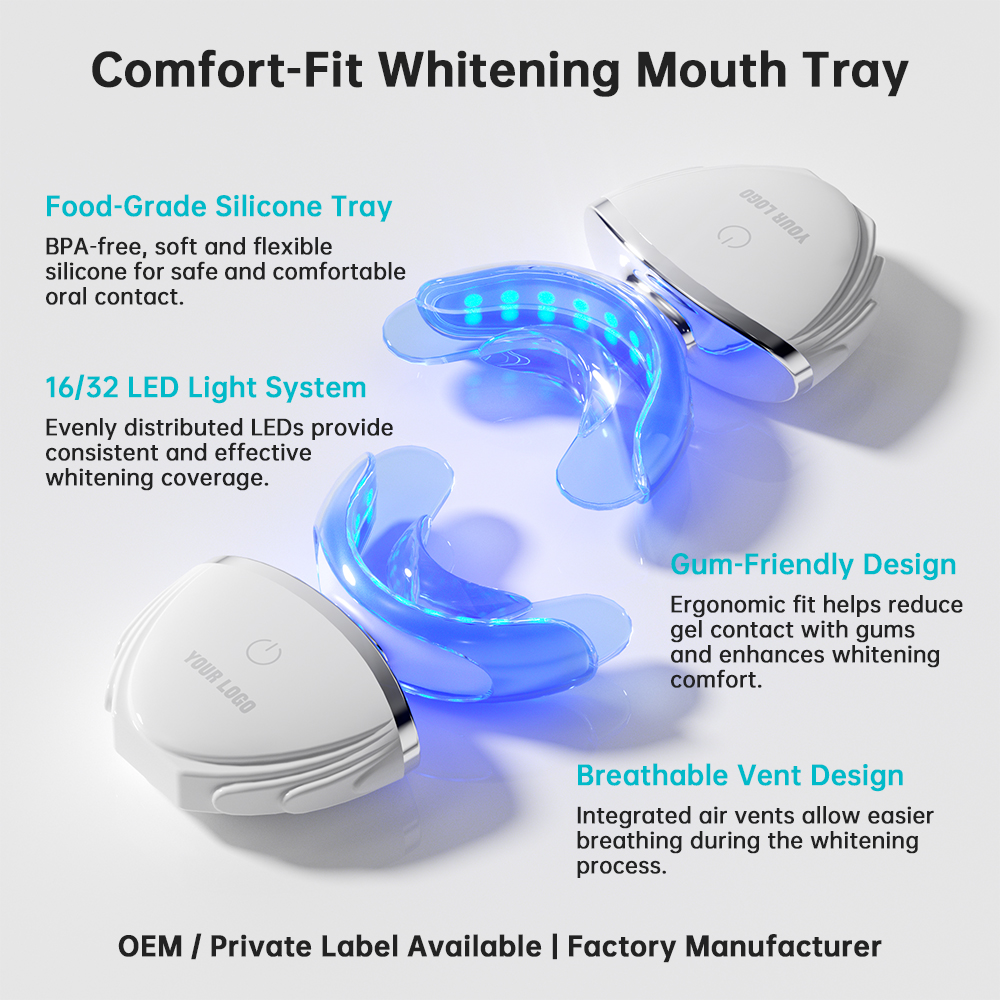
Need a Custom Whitening Tray for a Gentle Sensitive Teeth Formula?
Can a Rechargeable Battery Solution Efficiently Power an LED Display Module?
Frequent Allergy Reactions to Whitening Kits: Is Cold-Light Technology to Blame?
Application of Water Transfer Printing and Thermal Transfer Printing on Electric Toothbrush Shell: 3D Texture and Wear Resistance Test
electric toothbrush private label supplier | Custom Sonic Toothbrush Manufacturing


.jpg)
.jpg)
.jpg)
.jpg)
.jpg)