As more consumers turn to at-home teeth whitening and oral care devices, reports of enamel transparency and unexpected taste loss are raising alarms among manufacturers. These issues not only affect product effectiveness but also pose serious concerns about long-term oral health. Is this damage permanent—or can B2B suppliers mitigate the risks before products reach the market?
Enamel transparency occurs when the protective enamel layer on teeth thins or demineralizes, making the underlying dentin more visible. This results in teeth that appear grayish, bluish, or translucent at the edges—an aesthetic flaw that consumers immediately notice.
The causes of enamel transparency in whitening products may include:
Left unaddressed, this condition weakens teeth, increasing sensitivity and making them prone to chipping or erosion.Company web:https://www.powsmart.com/product/electric-toothbrush/
Taste loss is a less visible but equally damaging side effect. Users report diminished ability to sense sweet, salty, or sour flavors after using whitening kits or strong mouth rinses. This can result from:
For OEM/ODM manufacturers, such risks threaten not only user satisfaction but also regulatory compliance and market credibility.
These two problems—enamel transparency and taste loss—are more closely connected than many realize:
This overlap means that a single design flaw can result in multiple, compounding user complaints.
Common B2B production errors leading to these outcomes include:
These problems are avoidable—but only if quality control processes are robust and material selection is meticulous.
OEM manufacturers can adopt several practices to prevent enamel transparency and taste loss:
These measures ensure both product safety and superior user experience.
Innovations that could eliminate these problems include:
Such solutions not only address enamel transparency and taste loss but also offer a strong competitive advantage for brands focused on safety and quality.
In summary, while enamel transparency and taste loss present serious concerns, they are not inevitable. Through thoughtful design, careful material selection, and rigorous quality control, manufacturers can prevent these long-term damages. For B2B brands, proactively managing these risks ensures product safety, builds market trust, and secures long-term success in the competitive oral care sector. Contact us
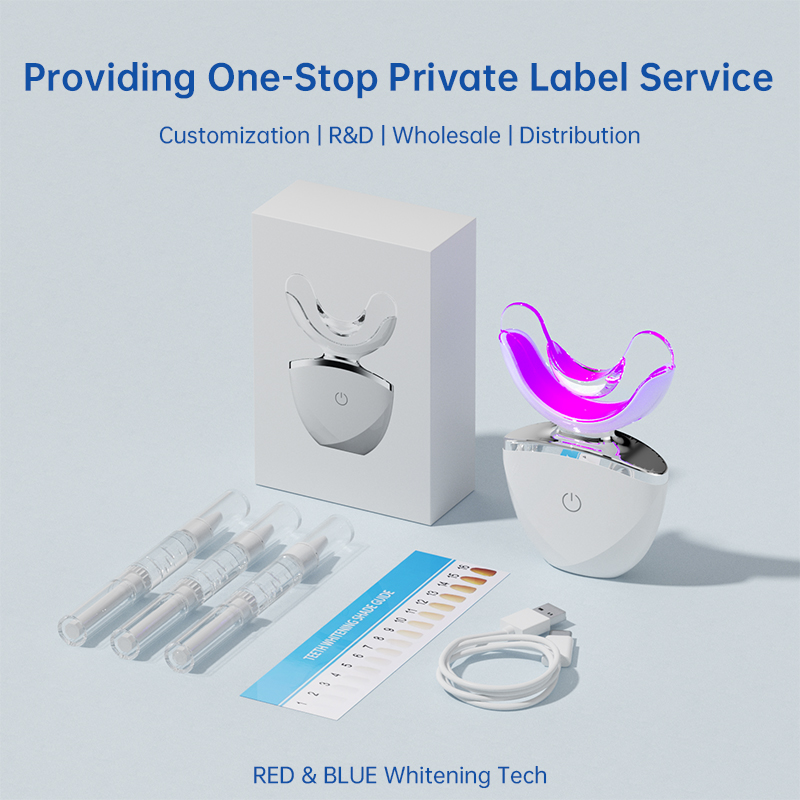
Impact of Using Teeth Whitening Equipment and Gel Together – OEM System Design
.jpg)
Blue Light Whitening Device OEM Solutions for Global Brands
Explaining the Teeth Whitening Device and How to Use It?

Wavelength of Whitening Teeth Device Blue Light (460–490nm) and Red Light (620–660nm)Configuration Guide
New Technical Possibilities for Wireless Teeth Whitening Devices

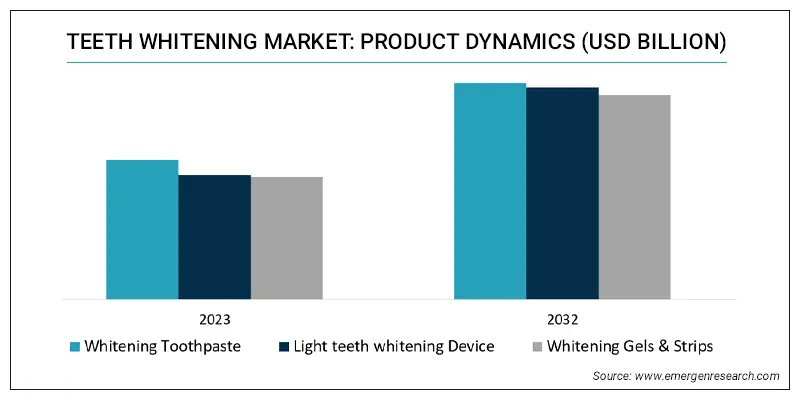
The Rising Market Potential of At-Home Teeth Whitening Devices
Oral care beauty trend :How Oral Care Became Beauty’s Sexiest New Category
Teeth whitening device OEM: In-Depth Cooperation Model from LOGO to Light Wave Customization

As Young People Pay More Attention to Their Teeth, What New Trends Are Emerging in Oral Care?
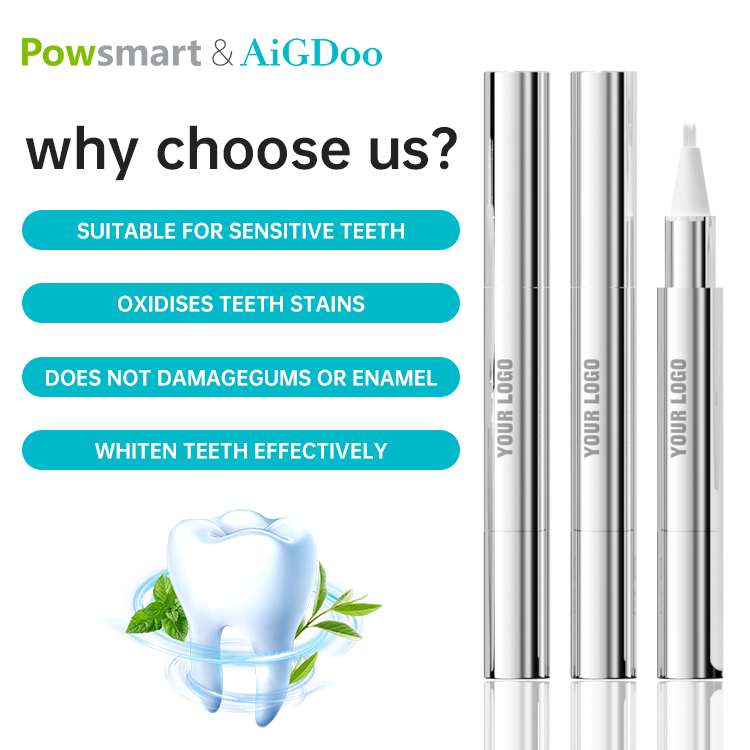
How Does Advanced Whitening Gel Formulation Cater to Sensitive Teeth Whitening Needs?

Private mold development of Red and Blue Light Teeth Whitening Device: Shell Material Selection and Ergonomic Design Points
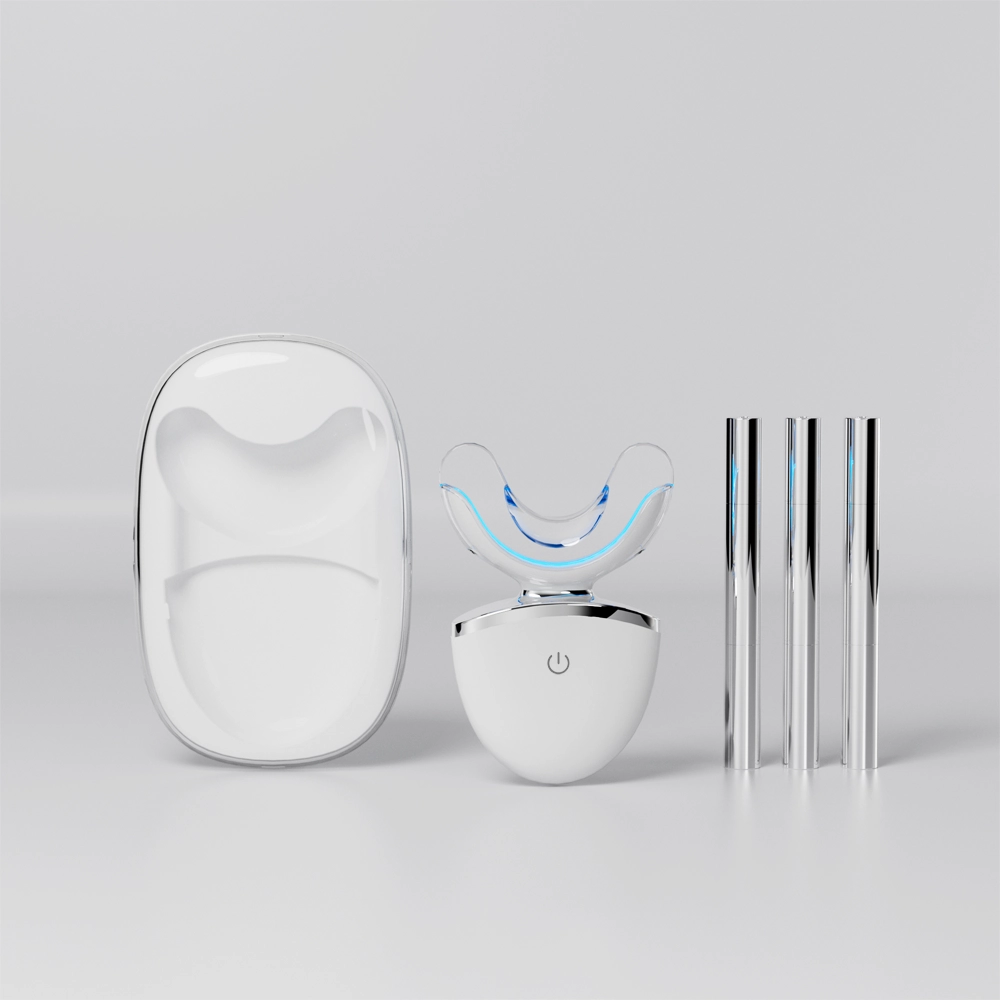
How Teeth Whitening Devices Protect Dental Health and Enhance Smile Confidence
-2-scaled.png)
How to Source the Best Teeth Whitening Device Manufacturers for Your Brand
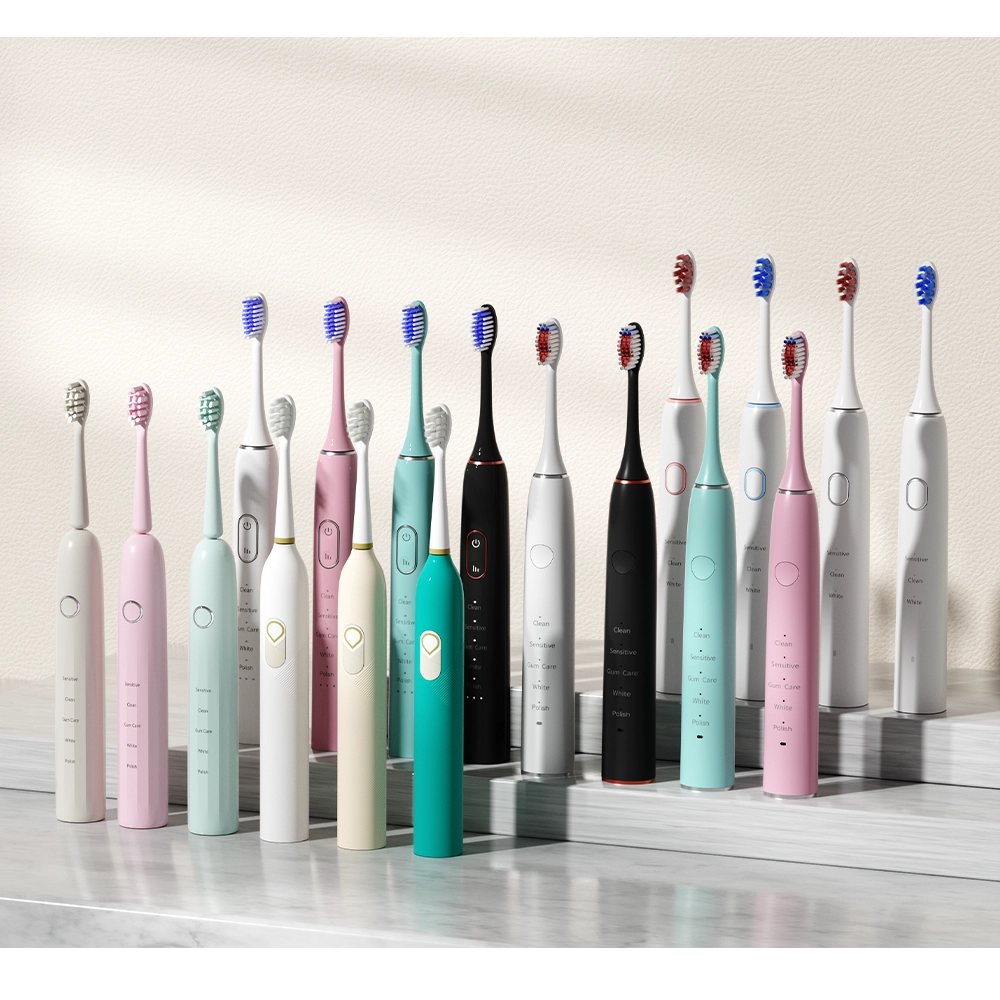
The Advantages of Teeth Whitening Devices: How to Enjoy Professional-Level Teeth Whitening Results at Home
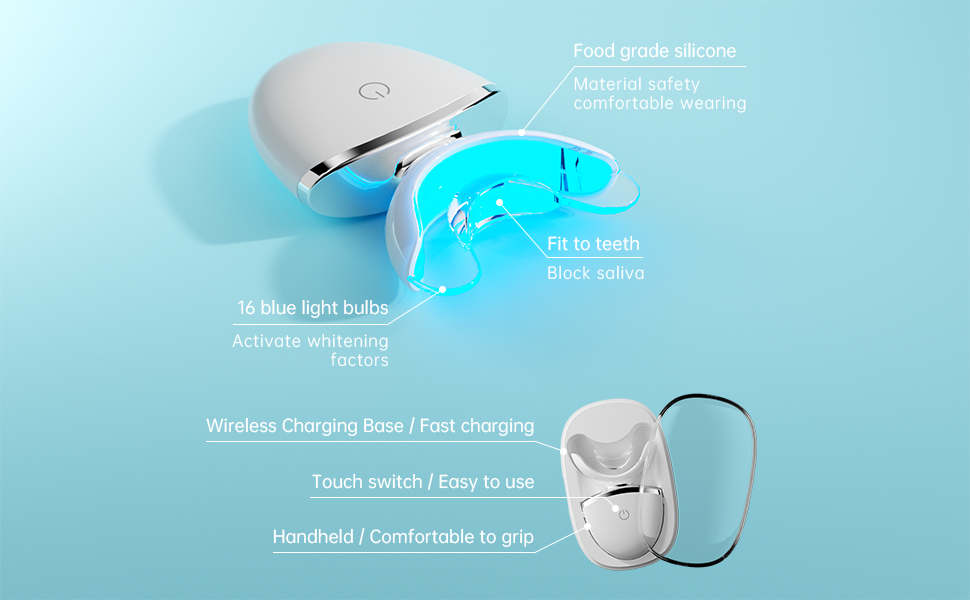
How Long Should You Leave Blue Light on Your Teeth? OEM Manufacturer’s Guide
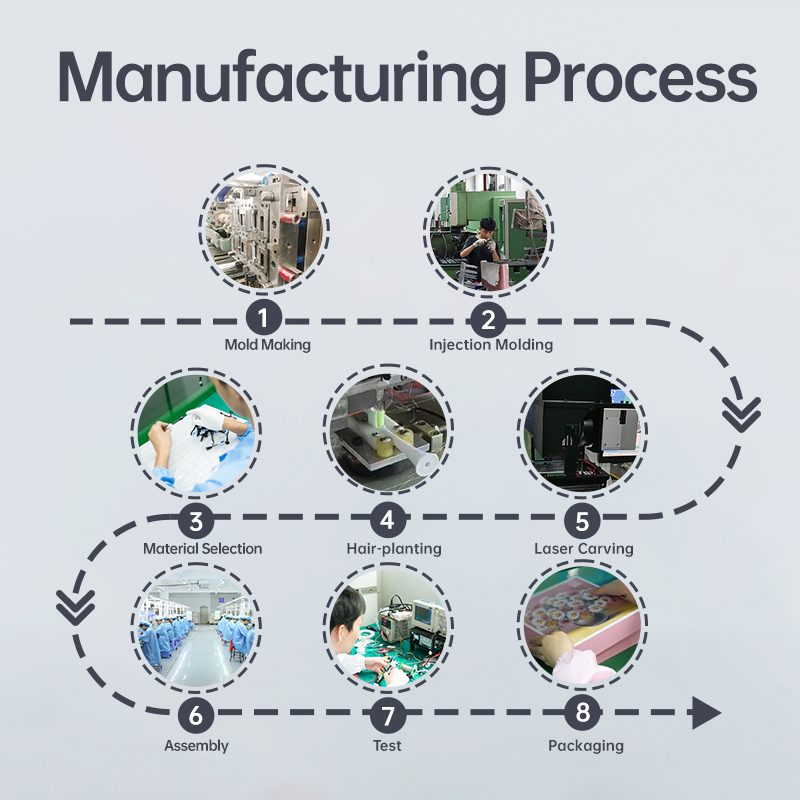
A Guide to the Entire Process of OEM Teeth Whitening Device: Detailed Explanation of Every Step from Design to Mass Production


.jpg)
.jpg)
.jpg)
.jpg)
.jpg)




.jpg)