As blue light whitening devices become mainstream in both professional and at-home use, attention is shifting toward light wavelength accuracy and its impact on both whitening efficacy and oral safety. For OEM/ODM manufacturers, selecting the right wavelength of whitening teeth devices is a key differentiator in product performance, especially when dual light wave mode switching (blue + red) is involved. This guide will explain the function of each wavelength range, explore red light assisted treatment, and provide recommendations for wavelength configuration within a scientifically backed spectral safety range.
The blue light wavelength range of 460–490nm is widely used to accelerate the chemical reaction between hydrogen peroxide and tooth stains. Its benefits include:
Efficient stain breakdown by energizing the peroxide molecules
Reduced treatment time for both professional and home users
Minimal heat emission, reducing discomfort during use
Choosing a wavelength in this band ensures a balance between whitening effectiveness and user comfort. Devices configured within this range have proven compatibility with most whitening gels.
Incorporating red light assisted treatment (620–660nm) into whitening devices is an advanced feature aimed at post-whitening care. Red light offers:
Improved blood circulation in gum tissues
Cell regeneration support, helping with micro-inflammation
Enamel protection, particularly useful for sensitive teeth or post-treatment healing
By configuring red light at this therapeutic wavelength, manufacturers add a valuable differentiator—enhancing both functionality and user experience.
Modern whitening devices are increasingly being designed with dual light wave mode switching, allowing users to toggle between blue and red light depending on the treatment phase. Benefits include:
Multi-functional treatment options in a single device
Flexible usage scenarios (e.g., pre-whitening and post-care modes)
Brand differentiation through smart design and UI integration
OEM/ODM manufacturers can implement this feature through circuit board control systems and LED module customization, enhancing product versatility.
When selecting LED light wavelengths, staying within the scientifically recommended spectral safety range is essential to avoid risks such as:
Overheating of soft tissues
Phototoxicity from UV or extreme blue light (<450nm)
Irritation to enamel or gums
Both 460–490nm (blue) and 620–660nm (red) fall safely within optimal therapeutic and cosmetic light ranges, offering maximum efficacy with minimum risk when properly applied.
Manufacturers must also ensure compliance with FDA, CE, or local light-emission safety regulations when designing wavelength configurations.
A carefully configured wavelength of whitening teeth device is not just a technical detail—it’s a key element of product safety, performance, and market competitiveness. By integrating:
460–490nm blue light for fast whitening
620–660nm red light for enamel protection and recovery
Dual light wave mode switching for multi-purpose treatments
Strict adherence to spectral safety range
…manufacturers can deliver a premium whitening solution that meets professional standards and consumer expectations alike.
If you’re an OEM/ODM brand looking to configure your next-generation whitening device with scientifically tuned light wavelengths, contact us for expert customization and compliance-ready solutions. https://www.powsmart.com/contact-us/
.jpg)
How Does Cold Light Wavelength Affect Bleach Decomposition?
Enamel Transparency Plus Taste Loss – Permanent Damage?
Blue vs Red Light for Teeth Whitening: Choosing the Right OEM Technology
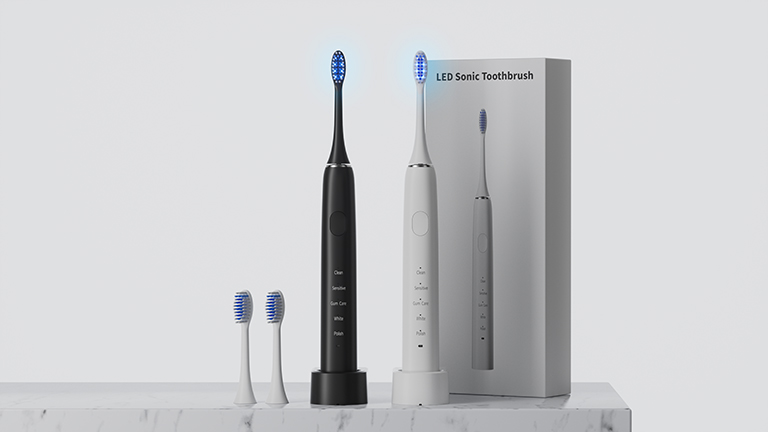
How Long Does It Typically Take to See Results in Teeth Whitening When Using Electrical Oral Care Products?
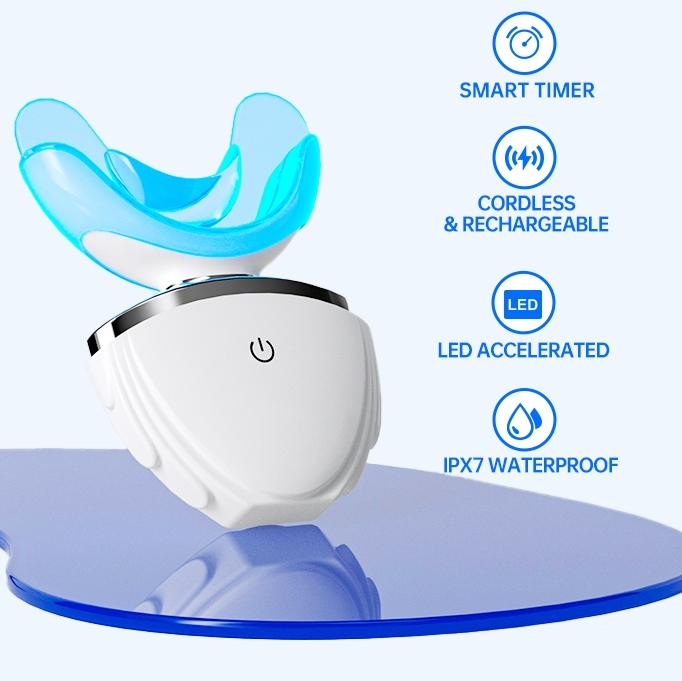
Analysis of the Core Technology of Teeth Whitening Devices: The Difference and Application of Blue Light Whitening and Cold Light Technology
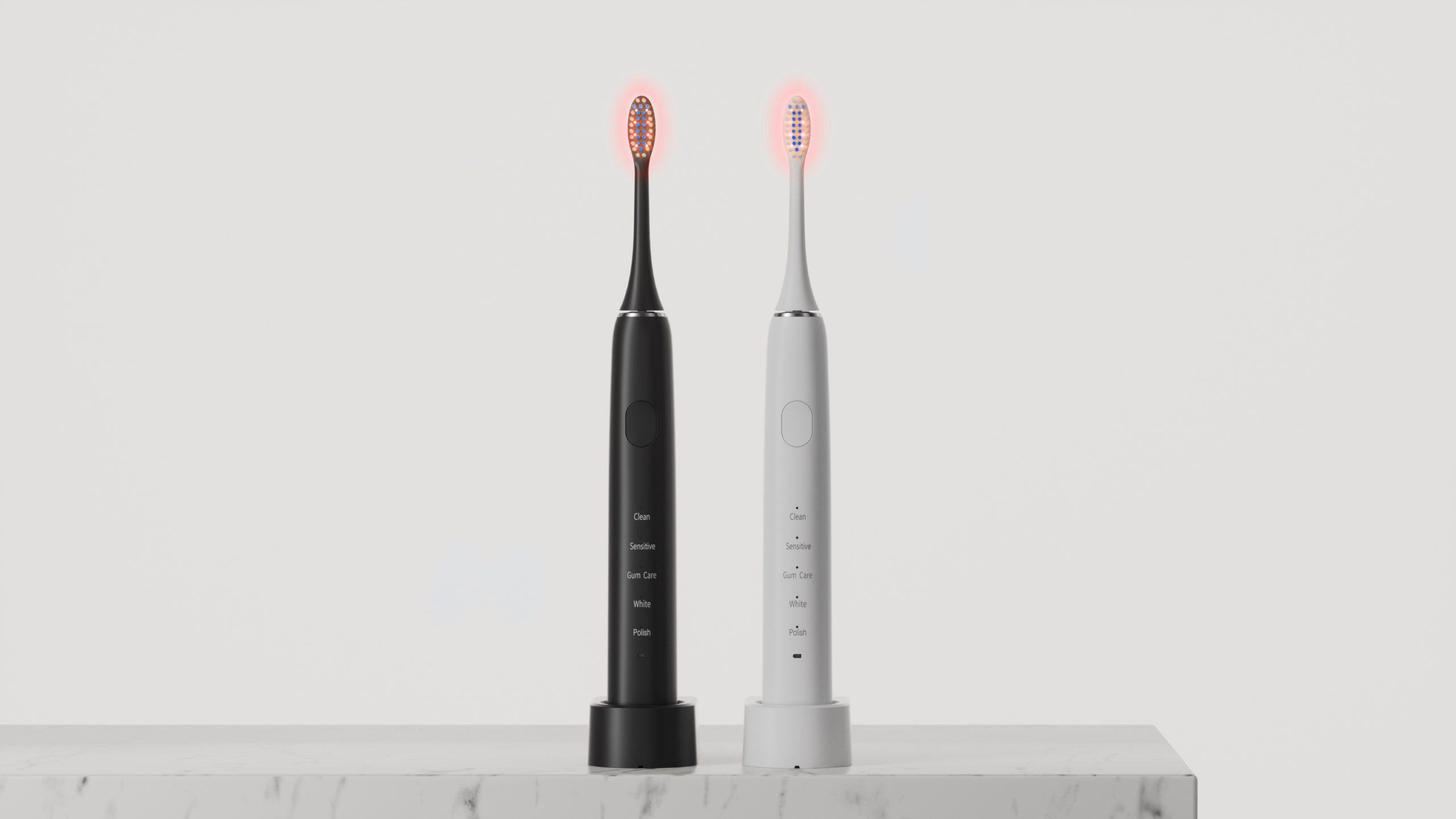
The Science of Light: How Red & Blue LED Technology Enhances Modern Oral Care
-2-scaled.png)
The Scientific Principle of Red and Blue Light Teeth Whitening Device: How Can 460nm Blue Light and 630nm Red Light Safely Whiten Teeth?
Small Batch Purchase of Red and Blue Light Teeth Whitening Devices and OEM Factory Sourcing Strategy
Case Study of Intelligent Upgrading of Dental Instrument Factory
What Gives Some Teeth Whitening Devices Competitive advantage?
Teeth whitening device OEM: In-Depth Cooperation Model from LOGO to Light Wave Customization
R&D innovation and technological upgrading of dental appliances
How Long Should I Use Blue Light on My Teeth? OEM Manufacturer’s Guide
Portable LED Teeth Whitening Kit OEM
-3-scaled.png)
Portable Teeth Whitening Device: How to Make It the Size of travel friendly but Maintain 100% Effectiveness?
.jpg)
Wireless Inductive Charging Polishing Electric Toothbrush manufacturers


.jpg)
.jpg)
.jpg)
.jpg)
.jpg)






.jpg)