
As irrigator technology advances, manufacturers are increasingly evaluating how Bristle Configuration Design influences long-term Saline Solution Compatibility. Because saline solutions have higher ionic concentrations than pure water, their interaction with brush heads and peripheral cleaning attachments must be carefully engineered to ensure durability, flow efficiency, and user safety.
Different bristle materials—such as PBT, nylon, or silicone—react differently to saline exposure. Proper Bristle Configuration Design ensures material selection, filament spacing, and surface treatments that prevent degradation or brittleness when used with saline-based irrigators.
Saline’s viscosity and surface tension differ slightly from water, making bristle density and clustering essential. When the configuration is optimized, the system maintains Saline Solution Compatibility by allowing fluid to pass evenly without turbulence or clog formation.
Tapered, rounded, or micro-textured bristle tips each behave differently when exposed to saline flow. An engineered filament pattern enhances directional control of saline streams, improving interdental penetration and reducing aerosolization.
With repeated saline use, salt residues can accumulate near the bristle base. A well-developed Bristle Configuration Design incorporates drainage gaps, hydrophobic channel surfaces, and optimized root geometry to reduce crystallization and maintain hygienic performance.
Saline solution adds slight mechanical drag during high-pressure or pulsation modes. Bristle bundles must withstand repeated oscillation and fluid impact without splaying, ensuring the brush head remains fully compatible with saline-based protocols.
Manufacturers can customize the bristle array for orthodontic care, periodontal pockets, or general irrigator nozzles. Proper configuration reinforces Saline Solution Compatibility, allowing brands to differentiate their products with tailored clinical functions.
Optimizing Bristle Configuration Design is essential for ensuring the structural reliability, hygiene, and performance of irrigator systems intended for saline use. For OEM brands, the right design choices enhance product longevity, reduce user risk, and elevate the overall cleaning experience. Contact us
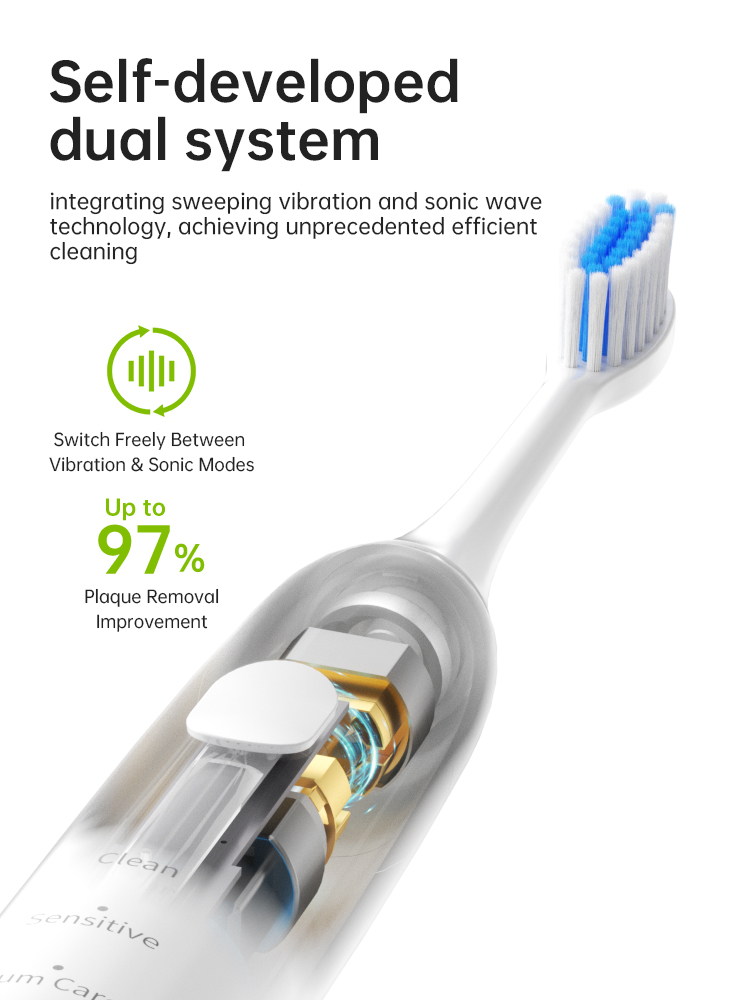
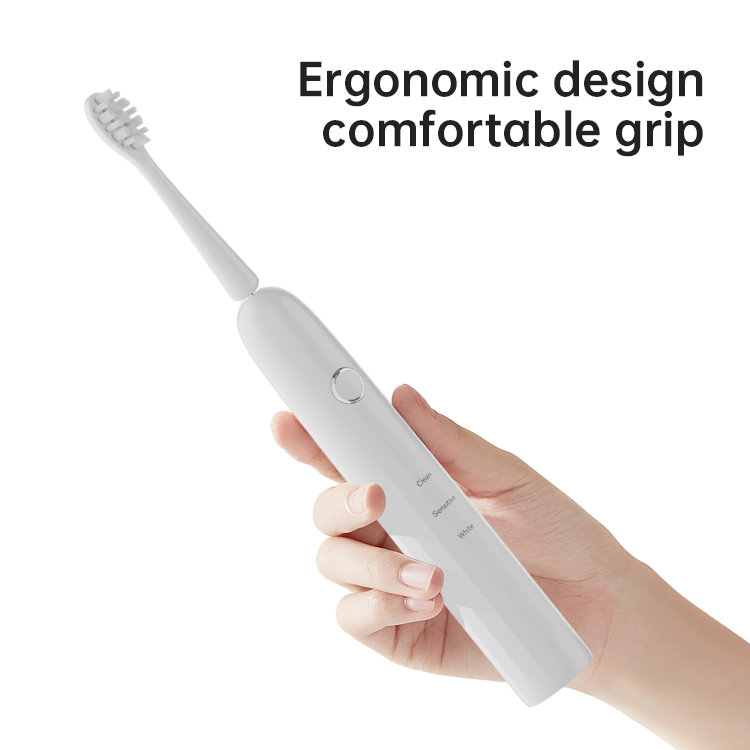
Optimizing Electric Toothbrush Shape: An OEM Guide to Grip and Maneuverability
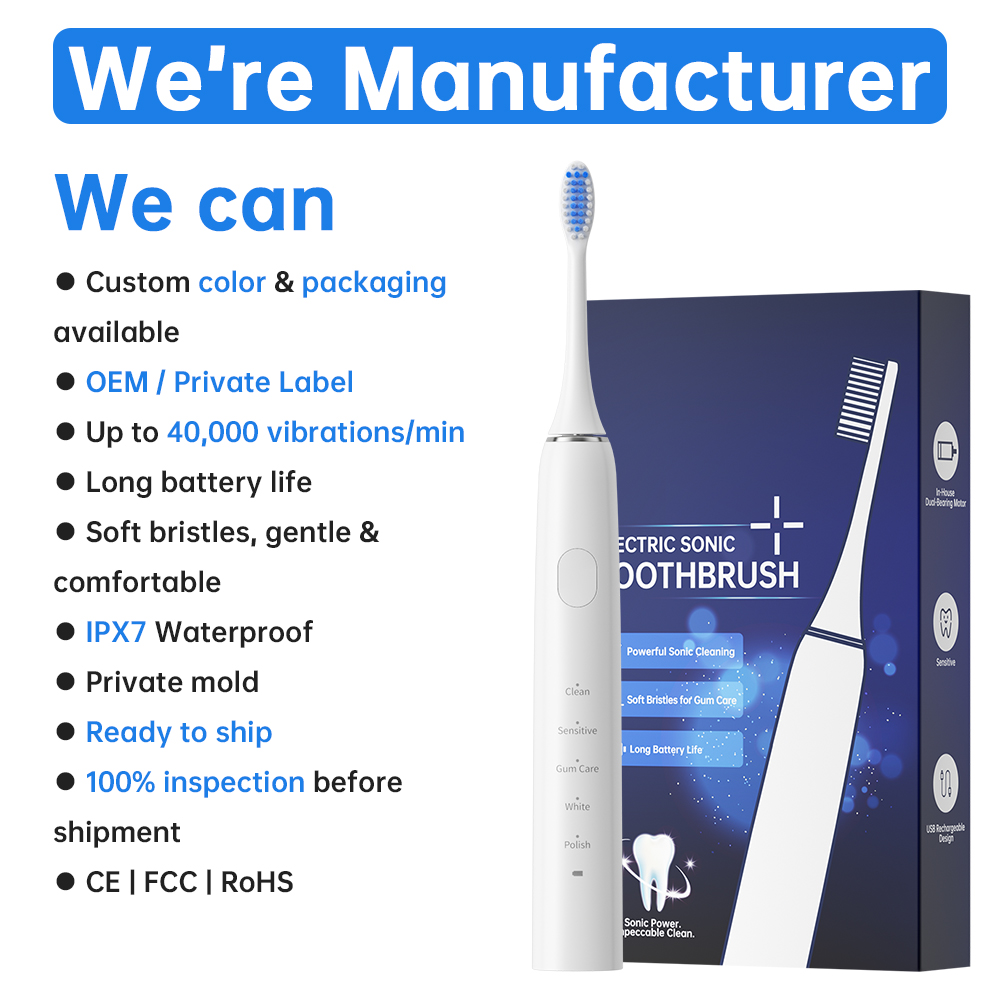
How Can a Reliable Brush Head Supply Chain Support a Subscription Business Model?
.jpg)
ADA Compliant Electric Toothbrush Supplier | Certified Oral Care Solutions

Interested in Private Label Oral Care? Ask About Our Volume Discount Available!
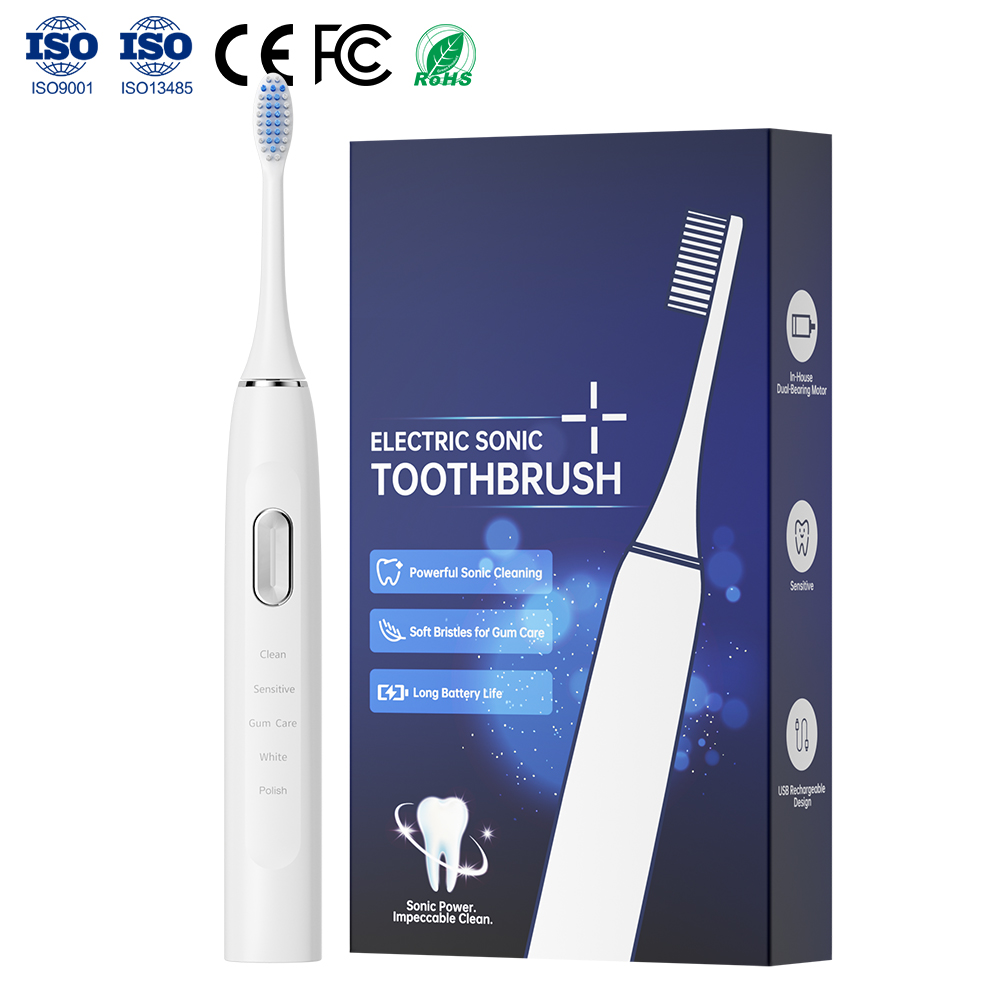
Why Market Orthodontic Oral Care Products Through a Dental Clinic Partnership Program?
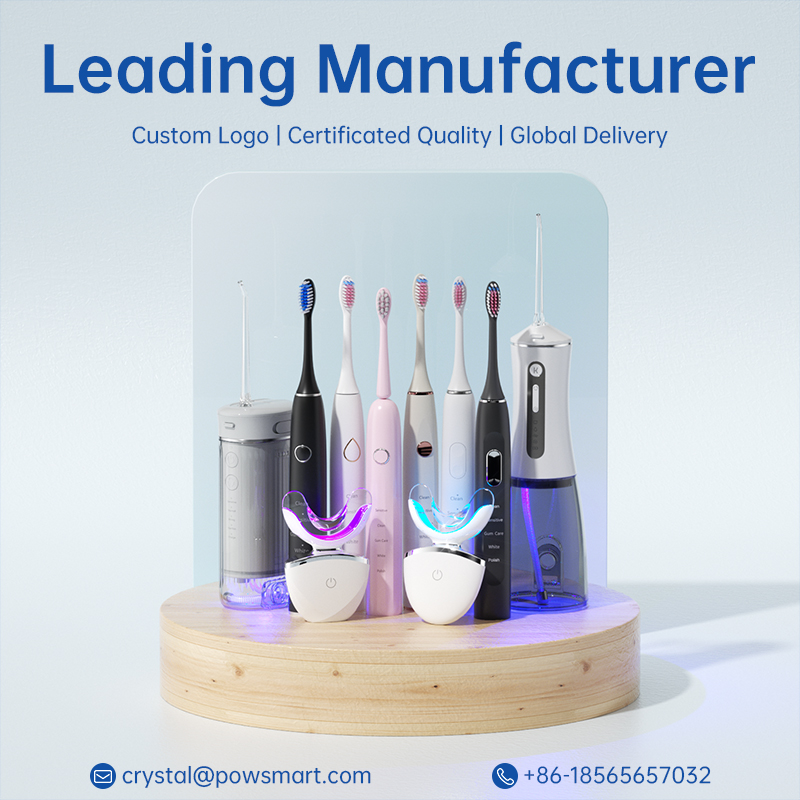
Do U-shaped Toothbrushes Actually Work? An OEM Manufacturer’s Analysis

Magnetic vs USB-C Charging Analysis for Oral Care Products OEM Decision Makers
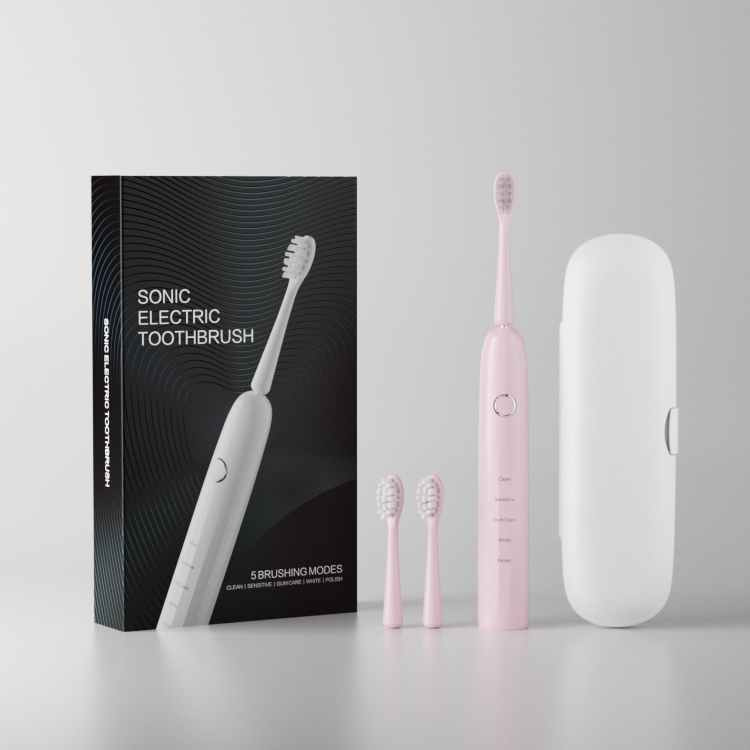
Electric Toothbrush Manufacturing: Key Resources and Supply Chain Insights for Brands
Electric Toothbrush for E-commerce Sellers Wholesale Manufacturing Solutions
Electric Toothbrush for Daily Use Wholesale Solutions for Global Brands
.jpg)
sonic electric toothbrush San Francisco
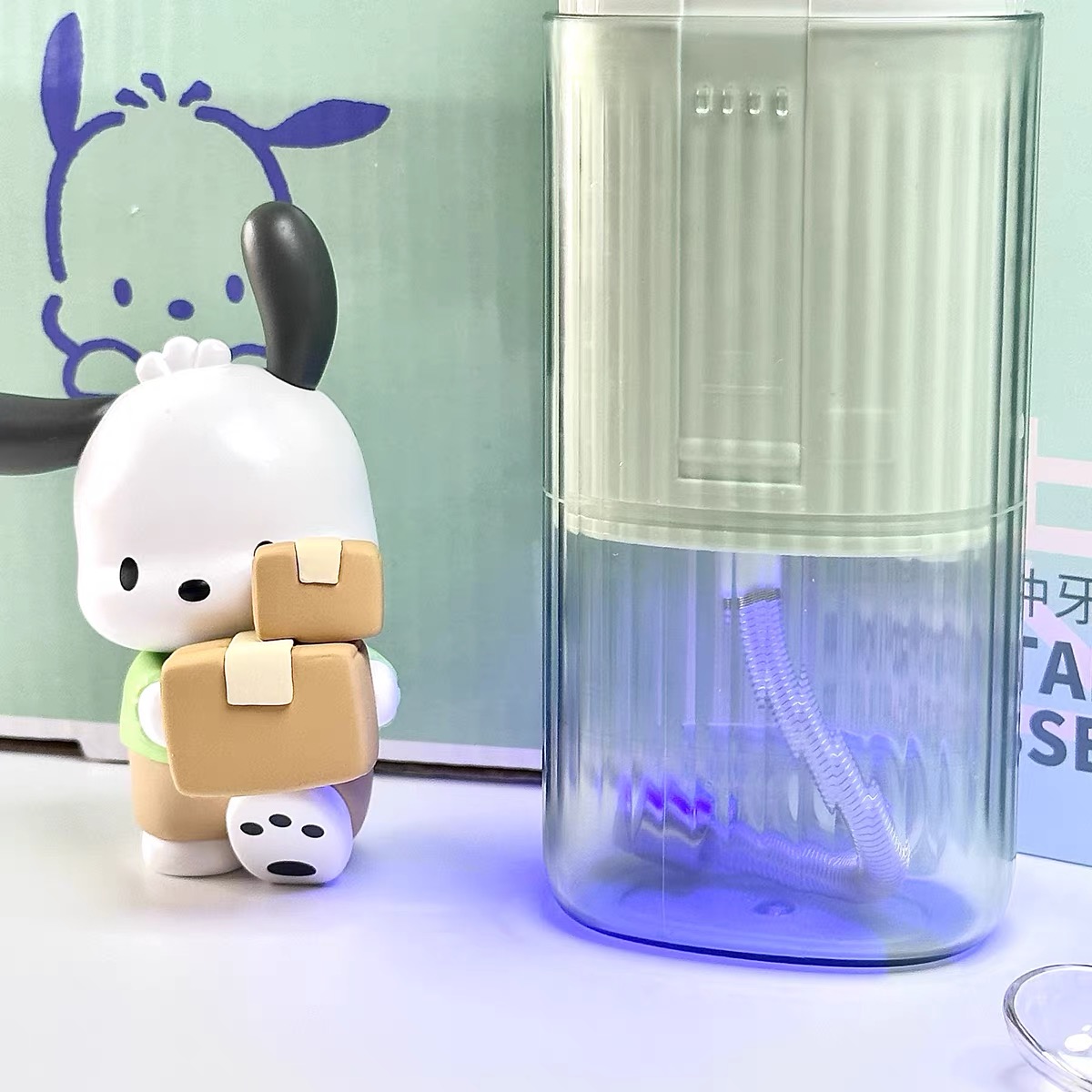
Water Flosser with UV Sanitizer ODM | Smart Oral Care Solutions
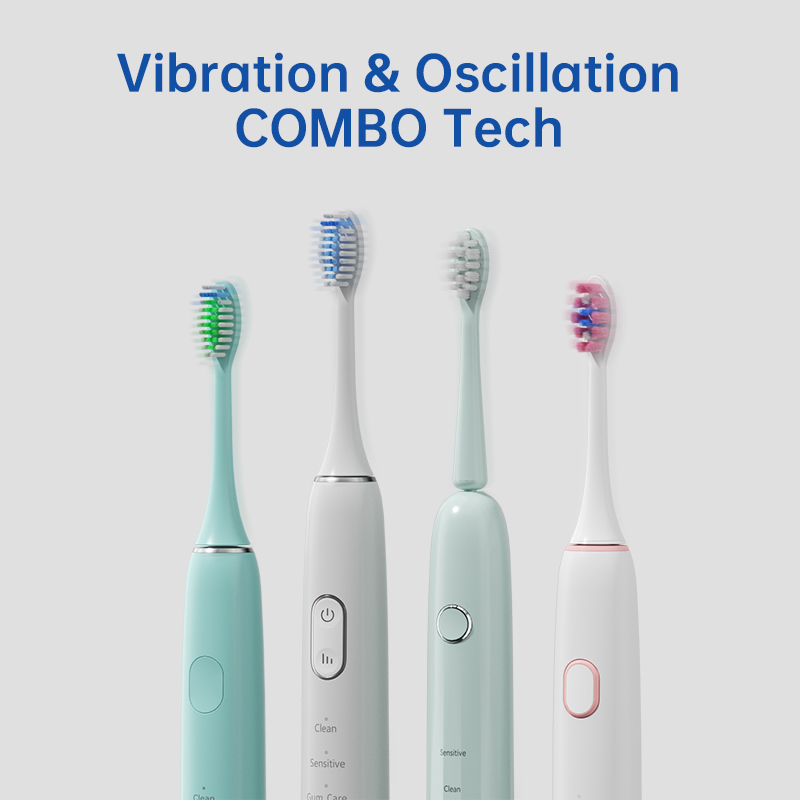
How Can a Sonic Toothbrush Manufacturer Collaborate on Portable Water Flosser Designs for Travel-Friendly Oral Care?
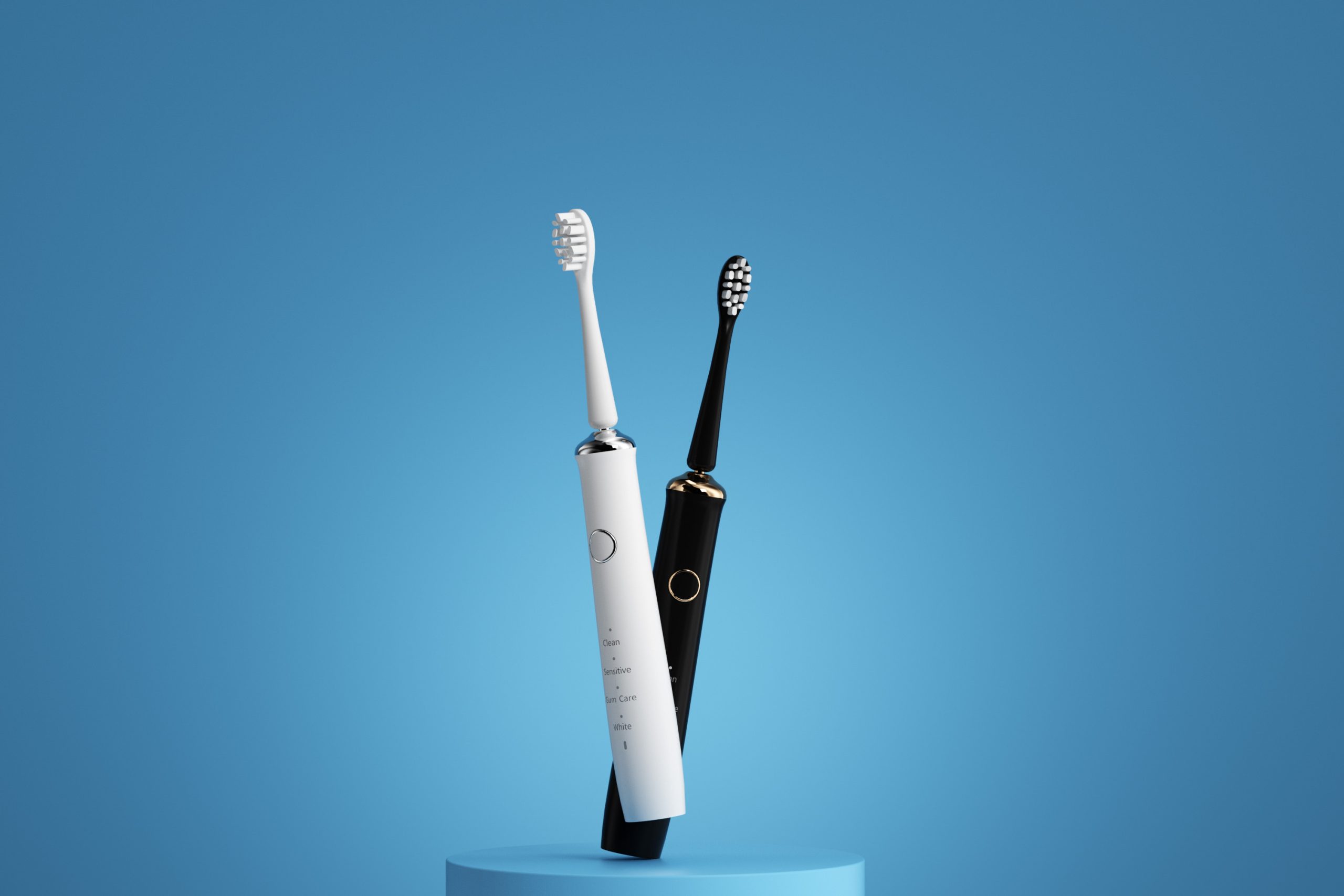
Premium Electric Toothbrush for OEM | High-End Sonic Performance & Custom Luxury Design
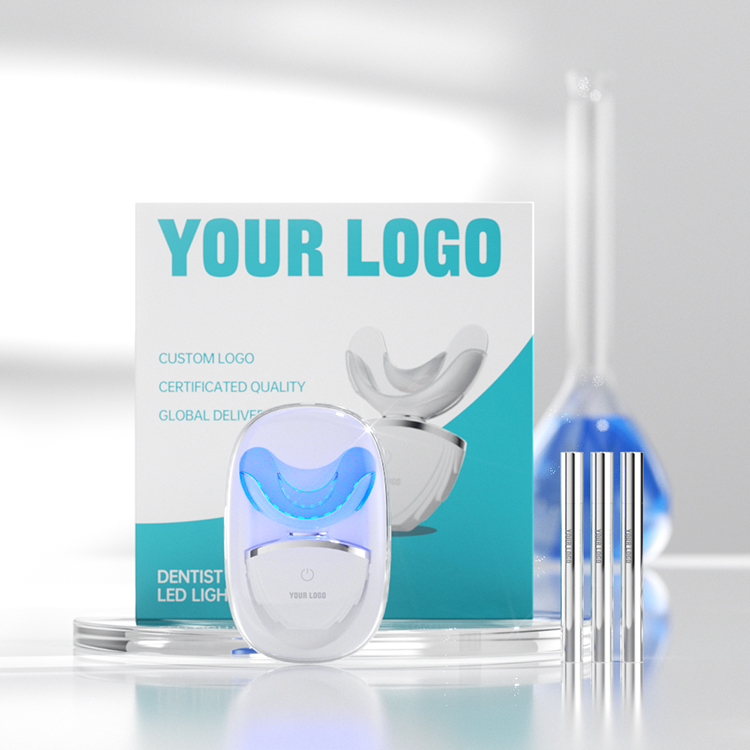
Why Include a Teeth Shade Guide with a Professional Salon Whitening Device?
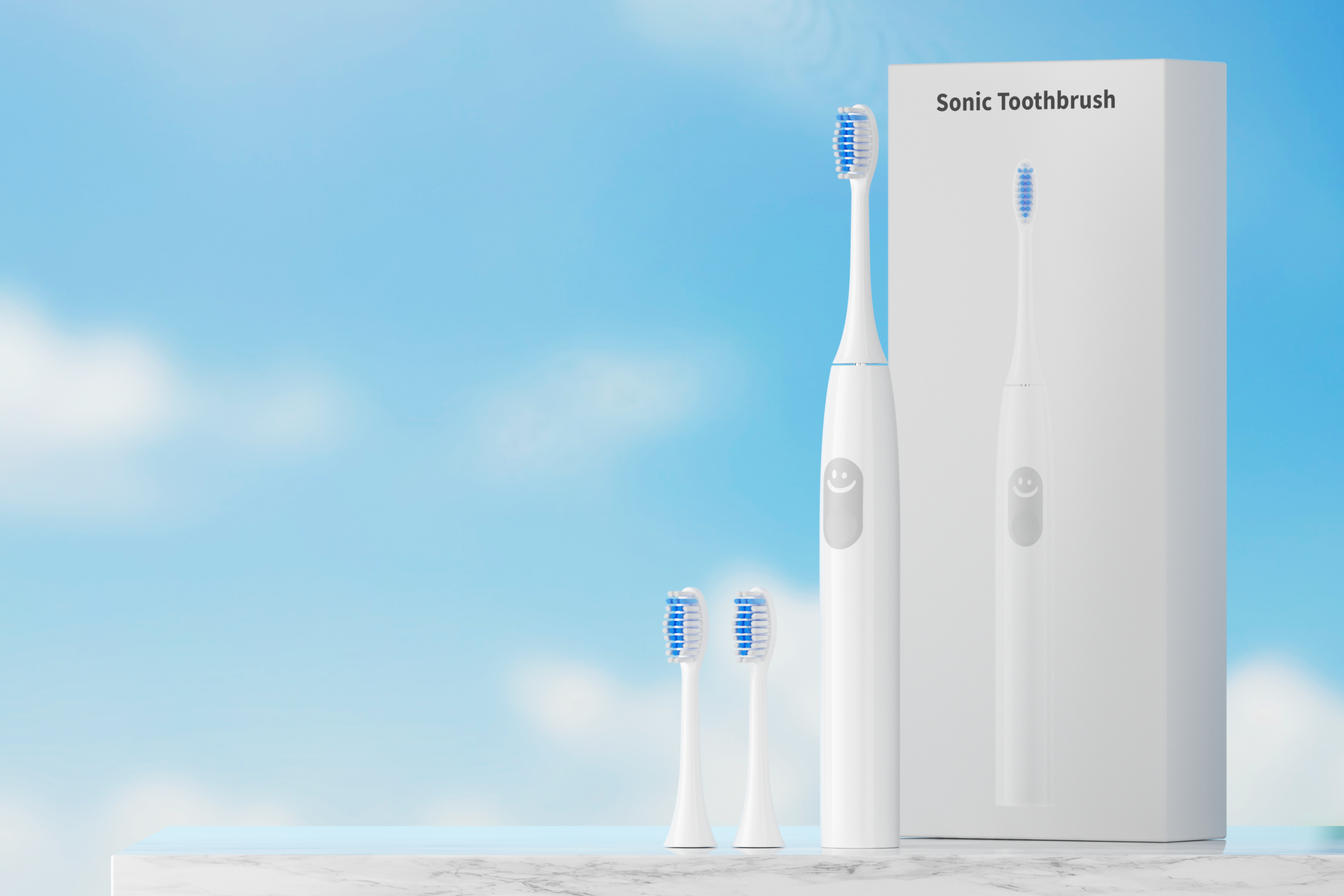
Why Partner with Water Flosser Nozzle Production Experts and Water Flosser Pump Suppliers?


.jpg)
.jpg)
.jpg)
.jpg)
.jpg)





.jpg)
.jpg)
-1-scaled.png)