When chemical burns occur during whitening treatments, they not only damage soft tissues but can also contribute to crown discoloration, especially if overuse effects are ignored. Below, we examine this link across six dimensions and offer actionable recommendations for B2B manufacturers and channel partners.
First, identify the common causes of whitening-agent burns:
Controlling both bleaching-agent strength and exposure duration is the first step in preventing tissue burns.
Next, recognize how different restoration materials respond to bleaching agents:
Understanding these material vulnerabilities guides tailored protection and cleaning protocols.Company web:https://www.powsmart.com/product/electric-toothbrush/
Moreover, overuse effects magnify both tissue and crown damage:
Unchecked overuse not only jeopardizes gum health but also accelerates restoration aging and discoloration.
To mitigate risks, manufacturers should integrate formula and hardware improvements:
A combined approach ensures effective whitening with minimal chemical burn and material damage.
Equally important is robust user guidance and channel education:
Ensuring all users follow standardized protocols reduces misuse and related complications.
Finally, establish a comprehensive quality and feedback system:
By aligning formulation, device design, training, and feedback loops, you eliminate both chemical burns and crown discoloration risks.
Conclusion
Chemical burns and subsequent crown discoloration often stem from compounded overuse effects. B2B manufacturers must address formula strength, device controls, procedural standards, training, and quality monitoring across these six areas to deliver whitening solutions that are both effective and safe. Contact us to co-develop industry-leading, clinically validated bleaching systems and support services! Contact us.

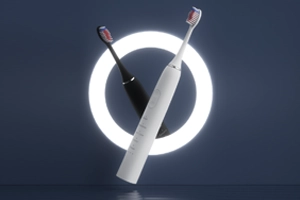
Boost Your OEM Sales: Top Complementary Electric Toothbrush Products for Every User Need
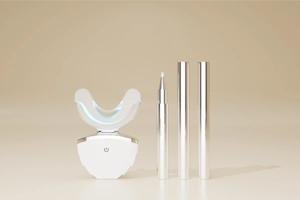
Guide to Winning in Teeth Whitening business
Want Hollywood smiles? Dental veneers via cosmetic dentistry — worth it?
What are the benefits of wireless teeth whitening kit?
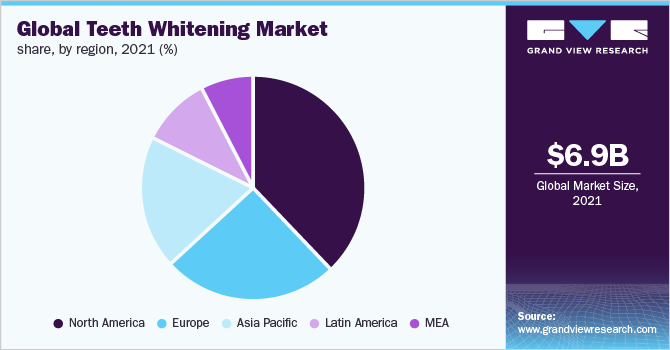
Analysis of Differences in Preferences for Teeth Whitening Devices in the European and American Markets vs. Asian Markets

Professional Teeth Whitening Business Starter Kit – High-Profit OEM Kit
The Competitiveness of LED Teeth Whitening Kit
.jpg)
Enamel Transparency Plus Taste Loss – Permanent Damage?
Red and Blue Light Teeth Whitening Device Aging Test Standard: 500 Hours of Continuous Working Reliability Verification

As Young People Pay More Attention to Their Teeth, What New Trends Are Emerging in Oral Care?

Analyze the real profit you can make in teeth whitening
Analysis of the Core Technology of Teeth Whitening Devices: The Difference and Application of Blue Light Whitening and Cold Light Technology
The Healthy Oral Care Routine Suggested by Oral Care Products Factory
The process of brand owners customizing OEM whitening teeth Kit
Introduction of 5 Important Teeth Whitening Products in Oral Care and Their Pros and Cons
-2-scaled.png)
The Scientific Principle of Red and Blue Light Teeth Whitening Device: How Can 460nm Blue Light and 630nm Red Light Safely Whiten Teeth?


.jpg)
.jpg)
.jpg)
.jpg)
.jpg)