High noise levels in electric toothbrushes can signal mechanical inefficiencies that not only annoy users but may also compromise cleaning efficacy, especially if the device’s water resistance features are compromised by vibration-induced seal fatigue. In this post, we explore six factors linking sound output to actual plaque removal and offer guidance for B2B manufacturers to design quieter, more effective products.
First, louder handles often indicate excessive motor vibration:
By analyzing acoustic spectra during R&D, engineers can balance rotor mass to maximize bristle-to-enamel force, not noise.
Moreover, users react to loud devices in ways that impair brushing technique:
Designing handles with lower decibel output improves user adherence to correct duration and pressure, boosting overall cleaning efficacy.Company web: https://www.powsmart.com/product/electric-toothbrush/
Beyond annoyance, high-amplitude vibrations accelerate seal wear:
Robust seal design and elastomer damping preserve water resistance and quiet operation over device lifetime.
Next, lab testing reveals that:
Optimizing motor windings and cooling paths reduces both noise and power drain, sustaining cleaning efficacy.
Manufacturers can integrate smart controls to mitigate noise without sacrificing performance:
These software-driven techniques complement mechanical damping for a perceptibly quieter, more effective brush.
Finally, B2B manufacturers and channel partners should:
By positioning quiet operation as a proxy for long-term cleaning efficacy and reliable water resistance, partners can drive higher adoption and satisfaction.
Conclusion
Excessive noise levels in electric toothbrushes are more than a nuisance—they often herald reduced cleaning efficacy and accelerated seal wear that compromise water resistance. Through acoustic optimization, user-centric smart modes, and clear B2B positioning, manufacturers can deliver products that clean better, last longer, and delight users quietly. Contact us to explore integrated noise-reduction and performance-testing solutions for your next-generation lineup.
.jpg)
Electric Toothbrush OEM Packaging Customization Solutions
.jpg)
Why Combine Custom Logo Electric Toothbrush Services with Toothbrush Head Replacement OEM for Recurring Revenue?
Father’s Day Gift Electric Toothbrush for Texas Dad
How Can I Charge My UK Electric Toothbrush in the USA? Universal Charging Solutions from an OEM Factory
Why Does Gene Expression Monitoring Data Require Quantum-Safe Data Transmission?
Tips for choosing a High-Quality Electric Toothbrush Factory for Your Oral Care Brand
Analyze the Future Development Trend of the Oral Irrigator Market
Is a Pune senior toothbrush truly a one-button toothbrush?
Rechargeable Oral Care Kit Supplier | Complete OEM/ODM Solutions
Hospital Use Electric Toothbrush Bulk Supply | Professional Dental Hygiene Solution
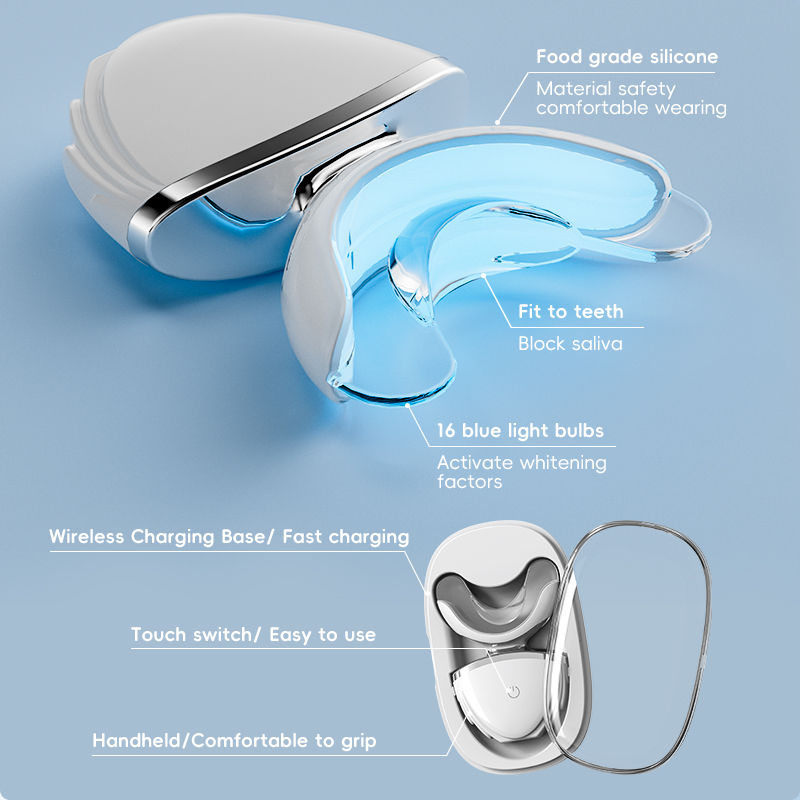
There Are Different Ways to Whiten Your Teeth, Which One Is Best for You?
Shaft Fracture with Indicator Failure – Linked?
Corporate Wellness Toothbrush Gifts Bulk Supplier
premium metal body electric toothbrush OEM | Luxury Design Manufacturer
Adapter Overheating Causing Sinus Discomfort?
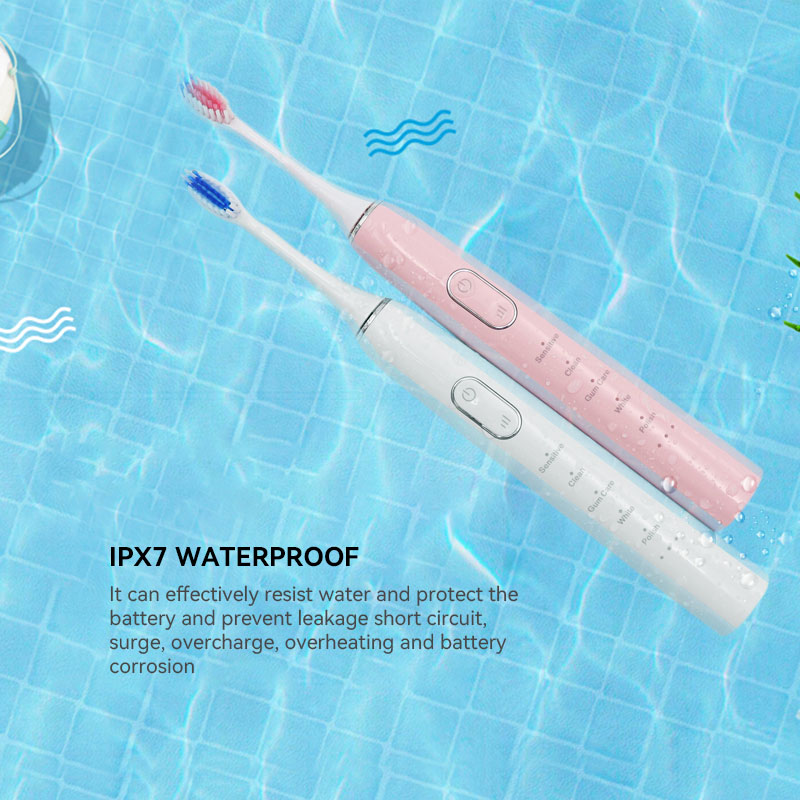
What is the Impact of the Waterproof Level of Electric Toothbrushes?


.jpg)
.jpg)
.jpg)
.jpg)
.jpg)






.jpg)