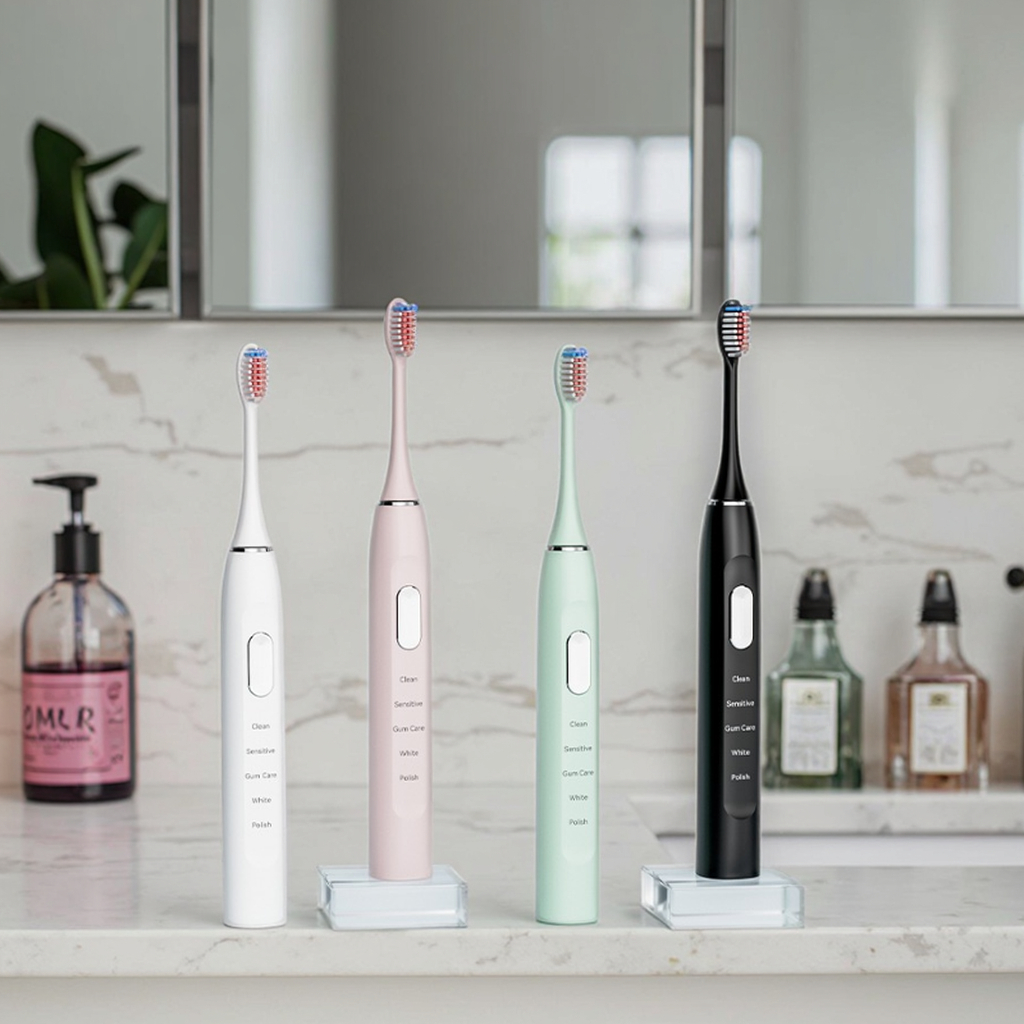
When slippery handle grip lead users to tighten their hold, their altered brushing force can trip sensitive pressure sensitivity circuits—exposing hidden compatibility issues between mechanics and electronics. In this article, we explore six areas where grip design and sensor calibration intersect, and provide actionable solutions for B2B manufacturers to ensure secure handling and reliable performance.
First, recognize how a user’s grip affects sensor readings:
Therefore, aligning grip ergonomics with sensor thresholds is the first step in resolving these compatibility issues.
Next, choosing the right materials can dramatically improve slip resistance:
By specifying high‐traction materials only in critical areas, manufacturers maintain a sleek look while securing the user’s hold. Company web:: https://www.powsmart.com/product/electric-toothbrush
Moreover, pressure sensors must accommodate realistic grip variability:
Calibrating sensors with these techniques reduces false positives and smooths the user experience.
To fully address the interplay, adopt a co‐design approach:
These hardware harmonizations keep mechanical inputs and electronic outputs in sync.
Reliable performance demands thorough validation:
Incorporate these protocols into your QMS to catch compatibility issues before mass production.
Finally, empower distributors and service teams with knowledge:
Equipping your B2B channel with these resources ensures end users enjoy both secure handling and consistent pressure‐controlled cleaning.
Conclusion
By synchronizing handle grip design, pressure sensitivity calibration, and rigorous co‐design testing, B2B manufacturers can eliminate the compatibility issues that arise when slippery handles meet oversensitive sensors. Through material innovation, adaptive firmware, and comprehensive channel support, you’ll deliver electric toothbrushes that feel secure in hand and function flawlessly every time. Contact us to co-develop the next generation of robust, user‐centric oral‐care devices!
.jpg)
Ergonomic Discomfort Worsening Grip Fatigue – A Design Flaw or a Fixable Flaw?
How Can a Whitening Gel Formula Supplier Enable Subscription Box Business Solutions?
How is Finite Element Analysis Utilized within a Joint Development Agreement for a New Motor?
What Is the Role of Blue Light LED Module in LED Mouthpiece Design for Teeth Whitening?
Do Your Toothbrush OEM ODM Services Include Smart Toothbrush App Development?
Frequency and Tips for Using Your At-Home Mouthpiece Recommended by Your Dentist
Red Blue Light Teeth Whitening Kit OEM Manufacturing

5 Characteristics of a High-Quality Electric Toothbrush Factory
Why Measure Whitening Results Using the CIE Whiteness Index and Hue Saturation Lightness Metrics?
Need Electric Toothbrush Replacement Heads Bulk and Electric Toothbrush Charger OEM Parts?
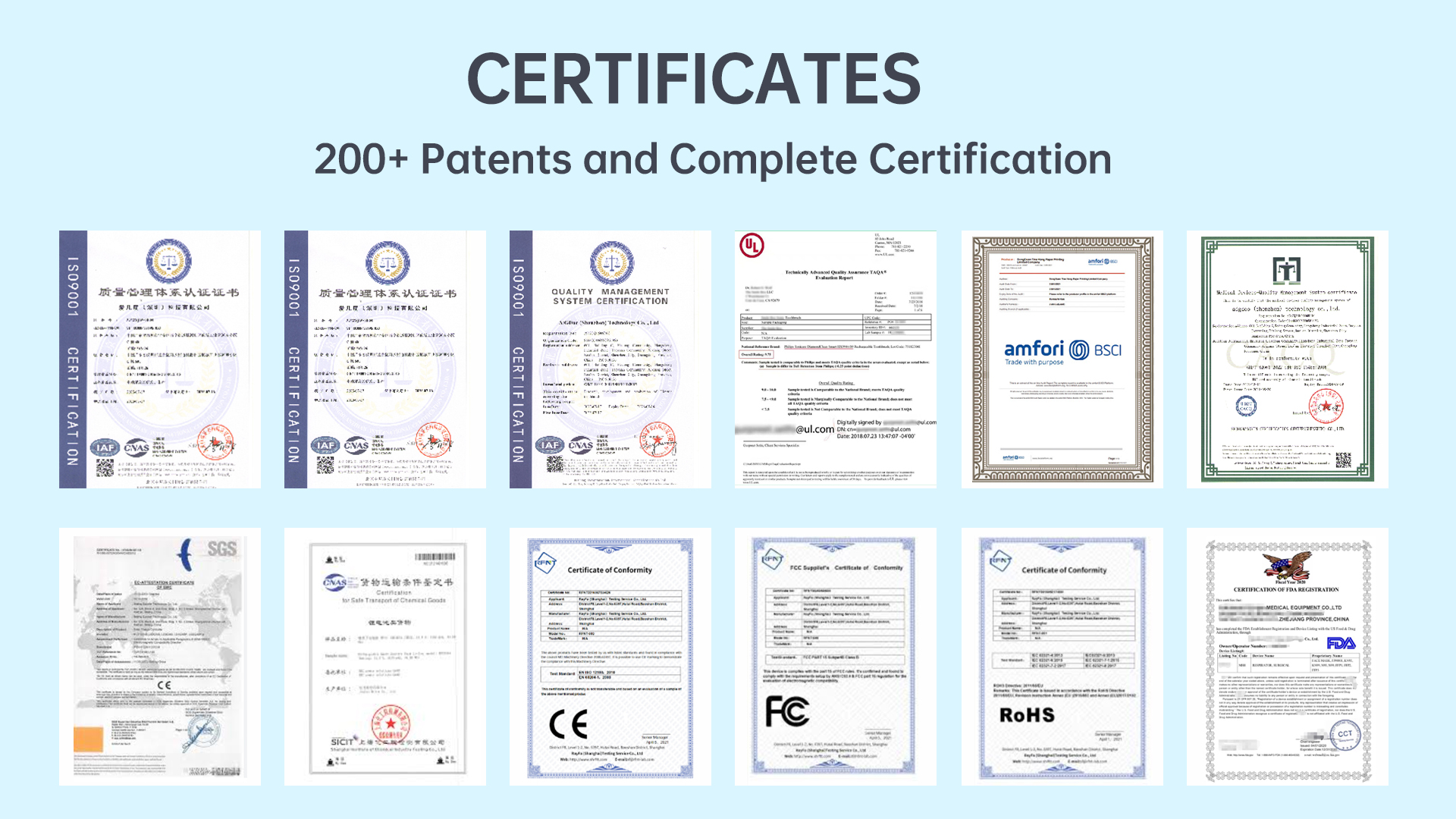
What Are the Advantages of Cooperating with FDA certificated factories?
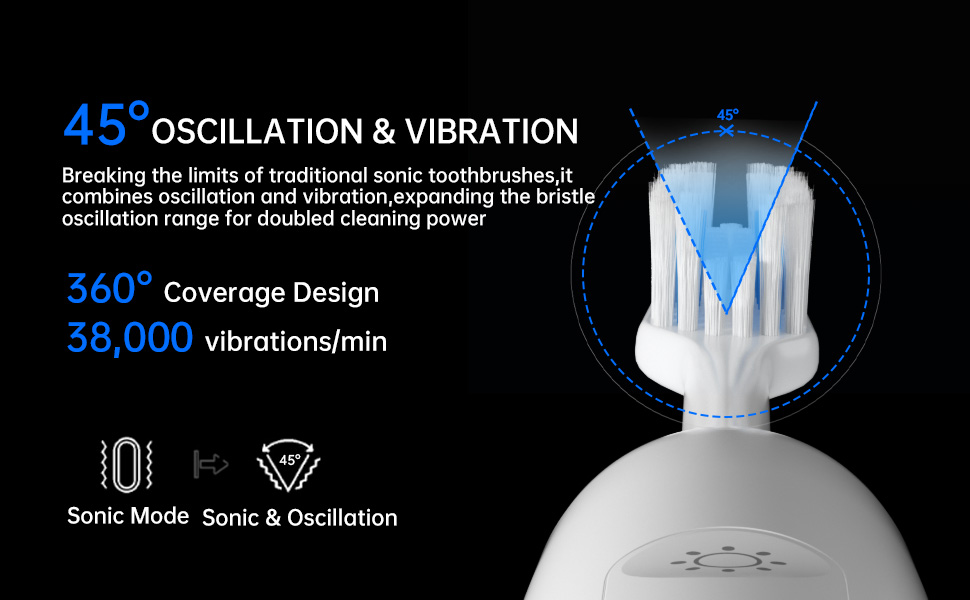
The 45-Degree Angle Rule: Optimizing Electric Toothbrush Angles Through OEM Engineering
.jpg)
Can Electric Toothbrush Subscription B2B Models Integrate Electric Toothbrush with App OEM Tech?
Electric Toothbrush for Lip Ties

The Market Prospect of LED Teeth Whitening Kit
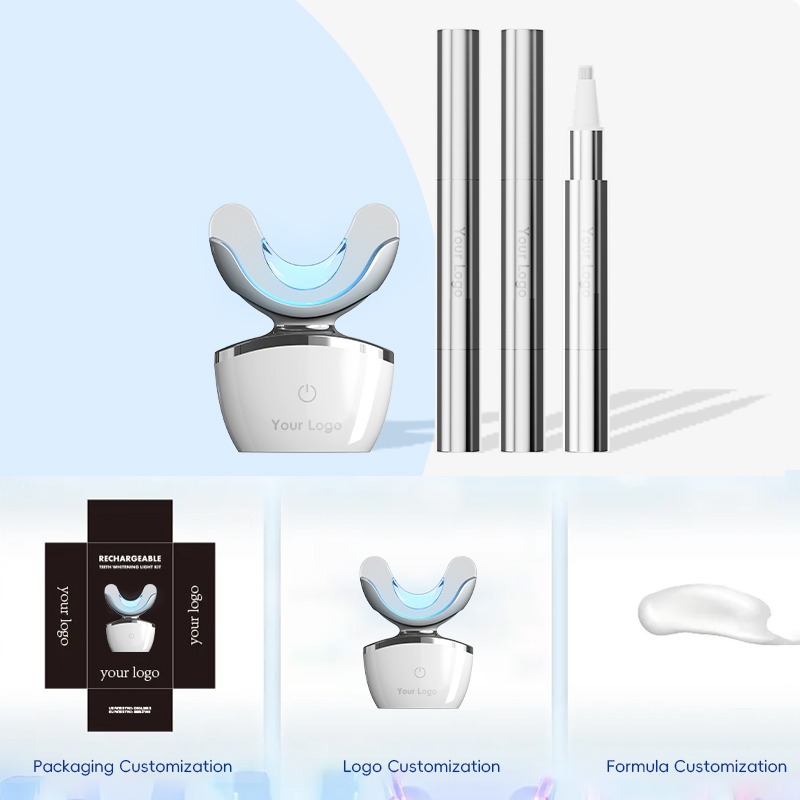
How Long Do Teeth Whitening Gel and Trays Last?


.jpg)
.jpg)
.jpg)
.jpg)
.jpg)






.jpg)