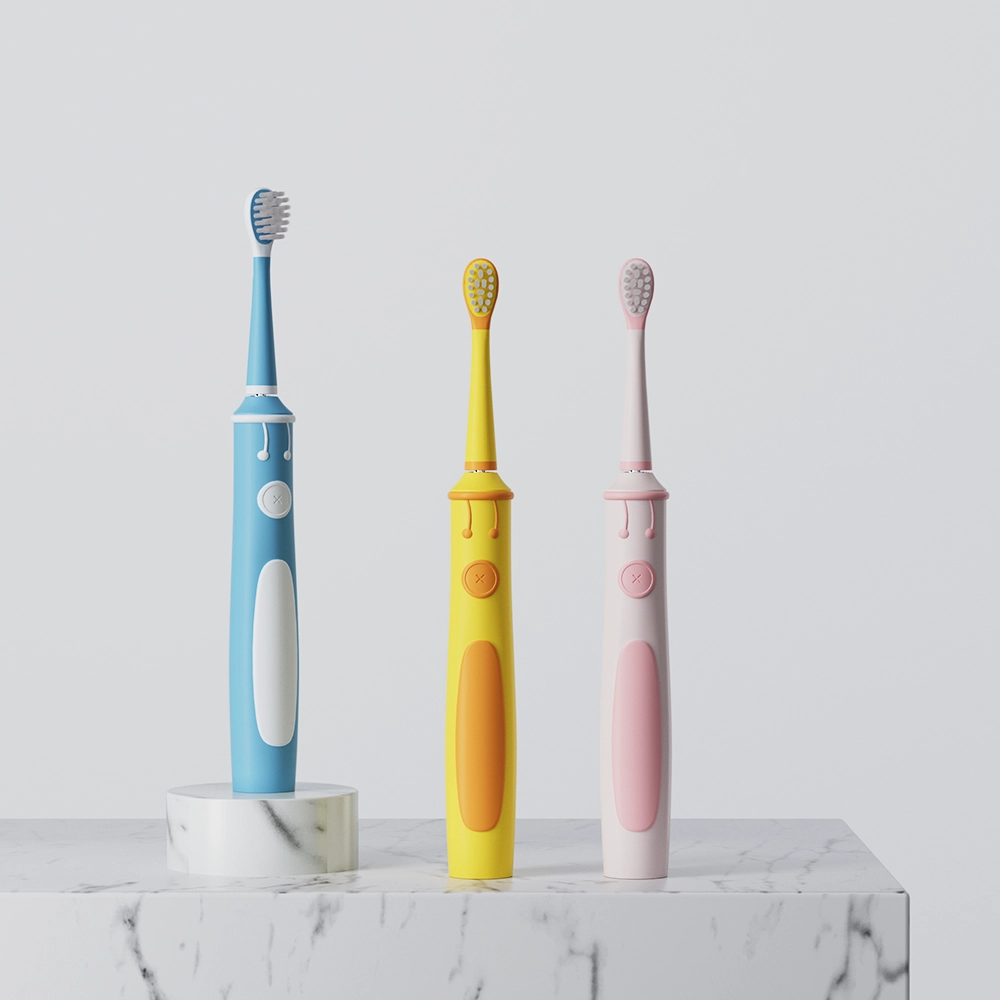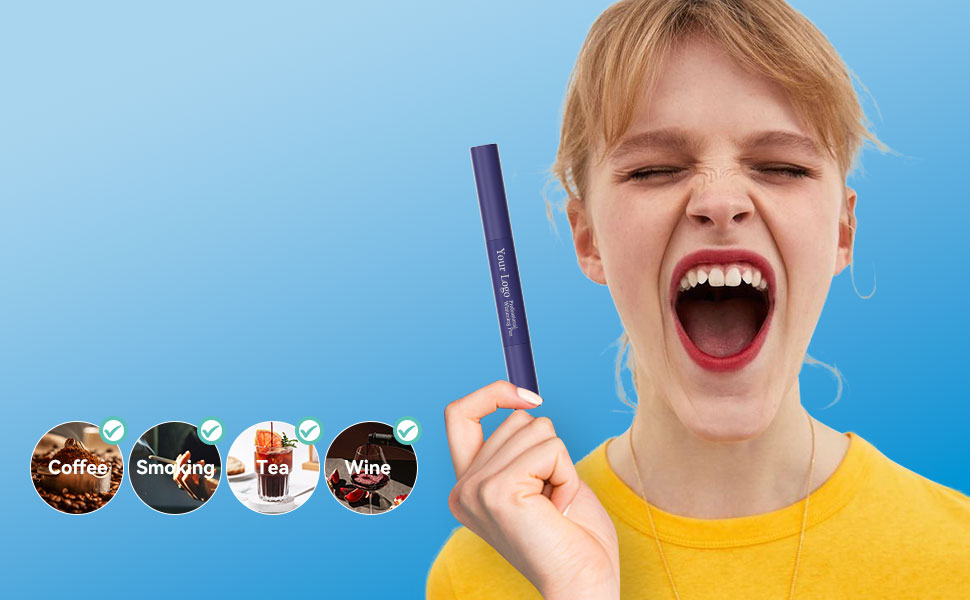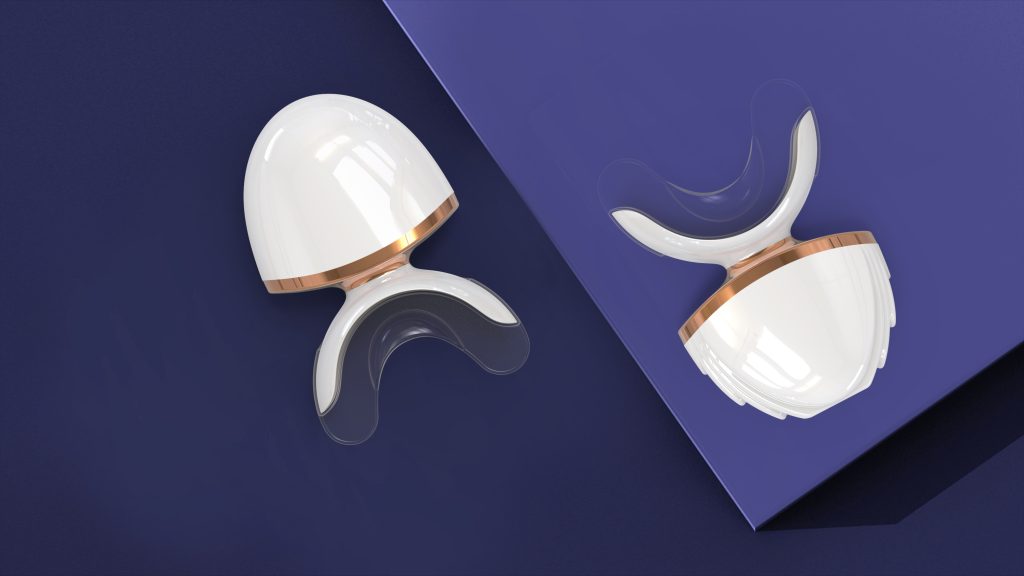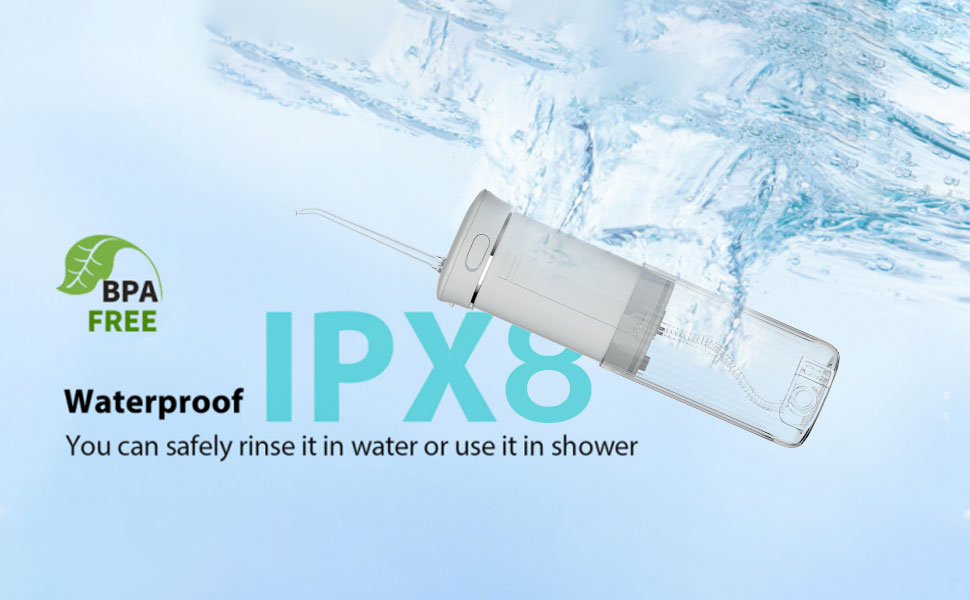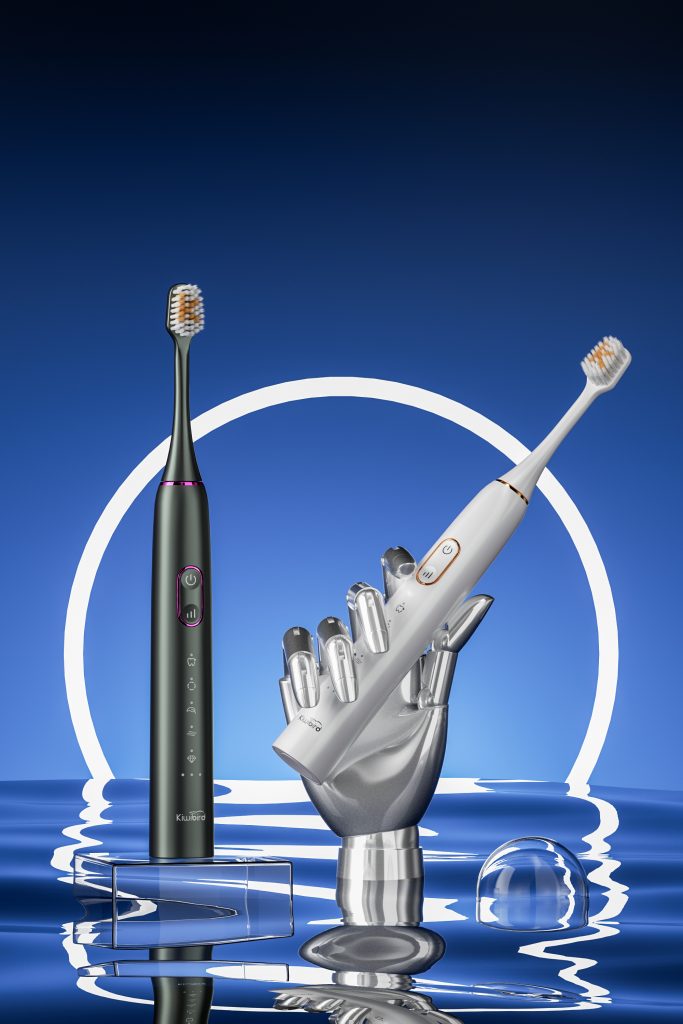
As consumer lifestyles become increasingly dynamic, the demand for shower-safe dental care solutions is rising globally. Brands seeking to enter or expand in international markets must offer products that combine innovation, reliability, and user convenience. Among them, the IPX7 waterproof electric toothbrush has become a key product category, offering users peace of mind during wet-environment usage. In this blog, we explore how electric toothbrush customization for global markets, when paired with IPX7 waterproof certification, can help brands stay ahead of market trends and consumer expectations. Understanding the IPX7 Waterproof Standard The IPX7 waterproof rating means that a device can withstand immersion in up to 1 meter of water for 30 minutes without suffering damage. For electric toothbrushes, this translates to: Safe usage in showers and wet environments Enhanced durability and corrosion resistance Improved product lifespan and customer satisfaction By offering a waterproof electric toothbrush, brands can provide users with shower-safe dental care solutions that align with modern hygiene routines. Customization Opportunities for Global Brands Electric toothbrush customization for global markets involves more than just logo printing. Manufacturers must offer flexible and scalable solutions, such as: Custom handle designs and ergonomic features tailored to target demographics Multi-mode brushing functions (clean, sensitive, polish, etc.) Custom packaging and branding to suit different…
Introduction:The Growing Demand for Smart Electric Toothbrushes The oral care market is evolving rapidly. In fact, consumers are increasingly choosing high-tech solutions for their daily hygiene needs. Consequently, smart electric toothbrushes have become essential for modern dental care. These toothbrushes offer advanced modes, real-time feedback, and app connectivity. For brand owners, this growing trend presents numerous opportunities. Therefore, if you're considering entering the market or expanding your product range, partnering with PowSmart, a leading manufacturer of smart electric toothbrushes, is an excellent first step. Why Choose Private Label Customization for Your Brand? Private labeling offers several advantages. First, it allows you to build your unique brand identity. Moreover, it enables you to outsource production while focusing on other key aspects like marketing. As a result, this option is particularly beneficial for brands looking to enter the oral care market without making a significant investment in manufacturing. With intelligent electric toothbrush private label customization, you can easily tailor the product to your customers’ specific needs. For instance, you can choose the design, color, and packaging, thereby giving your brand a distinctive presence in the market. The Benefits of Working with an Experienced Manufacturer When selecting a manufacturer, experience matters. A seasoned…
Introduction: Addressing Chemical Residue in POWSMART Ultrasonic Toothbrush Manufacturing As the demand for advanced oral care technology grows, the POWSMART Ultrasonic Toothbrush has gained attention for its precision cleaning and ergonomic design. However, concerns have surfaced within certain procurement and compliance circles about chemical residue levels in these devices. Are the materials used during manufacturing or post-processing leaving behind residue levels that surpass regulatory limits? This article examines whether these concerns are substantiated and how B2B clients can evaluate material safety with confidence. Understanding Chemical Residue in Oral Care Products Chemical residue refers to trace amounts of solvents, adhesives, coatings, or cleaning agents that may remain on product surfaces after production. In the context of the POWSMART Ultrasonic Toothbrush, this could potentially involve: Mold release agents used in plastic injection Surface coatings for waterproofing or anti-slip finishes Disinfectants or ultrasonic bath chemicals used during final assembly While these materials are essential for product functionality, improper processing or insufficient rinsing can lead to residual buildup. Regulatory Thresholds: What Is “Over the Limit”? In most major markets—including the U.S., EU, and parts of Asia—oral hygiene products are subject to strict material safety standards. Regulations typically cover: BPA content in plastics Volatile Organic…
Introduction: Can a Gum Health Sonic Toothbrush Cause Unexpected Jaw Discomfort? The Gum Health Sonic Toothbrush is widely marketed as a solution for users with sensitive gums and periodontal concerns. Designed to offer gentle, effective plaque removal with high-frequency vibration, it seems like an ideal fit for oral care routines focused on long-term gum maintenance. However, some users have raised concerns about increased jaw discomfort after switching to this type of toothbrush. This blog explores the design implications, usage patterns, and OEM considerations behind this growing user feedback. Sonic Frequency vs. Muscular Response: Where Is the Link? One of the hallmarks of a Gum Health Sonic Toothbrush is its ability to deliver micro-vibrations at 30,000–40,000 strokes per minute. While these frequencies effectively dislodge plaque along the gumline, they can also result in subtle muscle activation in the temporomandibular region during prolonged use. For individuals with pre-existing TMJ sensitivity, this may lead to: Muscle tension buildup during brushing Post-use soreness in the lower jaw Potential aggravation of underlying jaw disorders The issue doesn’t lie in the brush's performance, but rather in how users interact with it based on grip strength, brushing duration, and head pressure. Company web: https://www.powsmart.com/product/electric-toothbrush/ Ergonomics and Jaw…
As the oral care market continues to shift toward digital and health-tech integration, smart toothbrushes are becoming a must-have in premium oral hygiene lines. For oral care brands, retailers, or distributors planning large-volume purchases, understanding the best smart toothbrush features is essential for product positioning, customer satisfaction, and long-term market success. This bulk order guide offers key insights into what features to prioritize, with B2B supplier tips and advice on how to find a reliable electric toothbrushes manufacturer. Market Demand for Smart Toothbrushes Is Growing Smart toothbrushes are no longer niche products. Consumers now expect devices that go beyond basic brushing. From Bluetooth connectivity to app integration, the right features can elevate a product’s value—and its price point. Bulk buyers should align their purchase decisions with current and future consumer expectations. Investing in smart features not only makes the product more attractive but also helps brands stay competitive in a fast-evolving market. Top Smart Features to Look for in Bulk Orders When planning to source or develop smart electric toothbrushes, the following features are essential: a. Bluetooth Connectivity & Mobile App Integration Allows users to track brushing habits, set goals, and get performance feedback. A must-have for tech-savvy consumers. b. Pressure Sensor Warns users if…
In recent years, the demand for wireless charging electric toothbrush products has grown significantly due to their sleek design, safety, and user convenience. As the market evolves, brands are shifting from traditional plug-in models to advanced contact charging technology electric toothbrush solutions. For brands aiming to stay competitive, finding the right electric toothbrushes manufacturer capable of delivering high-quality, OEM-friendly designs is essential. This article outlines the key features of contact charging, benefits of OEM manufacturing, and what to consider when partnering with a supplier for your next product line. Understanding Contact Charging Technology for Electric Toothbrushes Contact charging technology OEM is based on conductive charging systems, where the electric toothbrush charges via direct contact with a metallic base or magnetic charger—without the need for visible charging ports. This not only improves water resistance but also enhances the product’s aesthetic appeal. Key features of contact technology in electric toothbrushes: Waterproof & sealed design (typically IPX7+ rated) Magnetic alignment for safe, efficient docking Reduced mechanical wear, increasing product lifespan Compatible with wireless bathroom accessories or multi-device stations As a growing trend in premium oral care, this charging method is now a must-have for next-generation models. Benefits of OEM/ODM Manufacturing for Oral Care Brands Partnering with a reliable electric…
In the rapidly evolving market of oral care devices, particularly electric toothbrushes and whitening applicators, cases of brush discoloration combined with hydrogen peroxide burns are becoming a concern for both users and manufacturers. While these issues may appear superficial at first glance, ignoring them could expose end-users to safety risks and damage the brand's reputation. But is this truly something manufacturers can afford to overlook? What Causes Brush Discoloration? Brush discoloration often results from repeated exposure to whitening gels containing hydrogen peroxide. Factors contributing to this include: High concentrations of peroxide that degrade bristle materials; Heat generated during device operation, accelerating chemical breakdown; Poor-quality bristle polymers that react easily with oxidizing agents. Over time, this leads to noticeable yellowing, fading, or spotting on the brush head—clear signs that chemical damage is taking place. How Hydrogen Peroxide Burns Occur In parallel, hydrogen peroxide burns can affect the user’s soft tissues—particularly gums and lips—when whitening agents leak or are improperly applied. Such burns typically arise from: Overfilled whitening trays or misaligned applicators; Gel seepage caused by poorly fitting devices; Excessive peroxide concentration without proper neutralizing agents. These burns manifest as irritation, whitening of the mucosa, or even pain—and in severe cases, tissue…
As the demand for at-home cosmetic dental solutions continues to rise, the home teeth whitening device has become one of the most sought-after tools in oral care. For oral care product brand owners, ensuring consumer satisfaction doesn't stop at manufacturing quality — it also depends heavily on how well end-users understand proper use. Therefore, communicating the correct precautions during use and guidance on how to maximize the effectiveness of the home teeth whitening device becomes a vital brand responsibility. This article provides a strategic overview for brand managers looking to ensure customer satisfaction and product performance through proper usage education. Understand the Core Mechanism Before Use Before consumers begin whitening treatments, it's essential they understand how the device works — whether it uses LED light activation, peroxide gel, or blue light technology. Without this knowledge, incorrect handling may reduce the effectiveness of the home teeth whitening device. Brand owners should work closely with manufacturers to include simple, multilingual instructions and intuitive visuals. Key Precaution: Avoid using the device without reading the product manual in full. Misuse can lead to tooth sensitivity, gum irritation, or unsatisfactory results. Timing and Frequency: Follow Guidelines Strictly Many users mistakenly assume that longer or more frequent use leads…
In the field of sonic toothbrush manufacturing, button malfunction and uneven bristles might seem like unrelated issues at first glance. However, increasing customer feedback indicates that these two flaws can interact, resulting in product failure, reduced brushing efficiency, and poor user experience. Is this truly an overlooked disaster in oral care design—or a preventable manufacturing defect? How Button Malfunction Triggers Bristle Deformation A button malfunction, such as a stuck or delayed power button, can unintentionally cause the motor to operate erratically. This leads to: Over-vibration during rest periods; Unplanned sudden start/stop cycles; Extended high-speed running without load. Such irregular operation strains the brush head, causing uneven bristles over time as the fibers wear at different rates due to inconsistent pressure and motion. The Role of Uneven Bristles in Brushing Inefficiency Uneven bristles are not merely a cosmetic problem—they seriously undermine brushing quality. They cause: Incomplete plaque removal in certain areas; Over-scrubbing of gum tissue, raising the risk of irritation or recession; Imbalanced motor load, increasing the chance of future button malfunction due to feedback strain on internal electronics. In B2B production, such flaws can damage the brand’s reputation and result in costly product returns. Company web: https://www.powsmart.com/product/electric-toothbrush/ Root Causes Behind Button…
In recent years, the market for home teeth whitening devices has grown rapidly, driven by consumer demand for accessible, convenient, and affordable dental aesthetics. For oral care product brands looking to enter or expand in this category, understanding the characteristics of the target audience is essential for effective product design, marketing, and partnership with the right manufacturing partner. This article explores the key demographics, preferences, and selling points that users care about, while also analyzing the market potential of home teeth whitening devices from a B2B perspective. Demographic Profile of the Target Audience The primary target audience for home teeth whitening devices falls within the following demographic groups: Age Group: 18–45 years old. Younger adults, particularly Millennials and Gen Z, are highly image-conscious and often influenced by social media trends. Gender: While both genders show interest, women typically make up a slightly higher proportion of the user base, especially in beauty and self-care product segments. Location: Urban dwellers in developed and emerging markets with access to e-commerce platforms. Income Level: Middle-income to upper-middle-income consumers who seek salon-level results without the cost of professional treatments. Understanding the characteristics of the target audience at this level helps brands align product features and price points with user…
In recent years, the market potential of water flossers has grown significantly, driven by increasing global awareness of oral hygiene and the demand for convenient, effective dental tools. However, to fully capitalize on this potential, oral care brands must adopt targeted strategies to differentiate their offerings and drive market penetration. This blog outlines key methods to increase product sales of water flossers, supporting the long-term development of water flosser brands and helping brand owners identify manufacturing partners aligned with their vision. https://www.powsmart.com/product/water-flosser/ Market Education: Inform to Convert One of the most effective tips for increasing the sales of water flossers is consumer education. Many consumers are still unaware of how water flossers differ from traditional floss or their specific benefits, such as improved gum health, deeper interdental cleaning, and suitability for people with braces or implants. Brands should consider: Creating educational content (videos, blog posts, infographics) Collaborating with dental professionals for testimonials or co-branded campaigns Emphasizing clinical benefits in packaging and online listings By building consumer understanding, brands can enhance trust and justify premium pricing—laying the foundation for increased product demand. Product Differentiation and Innovation To stand out in a competitive market, innovation is critical. Whether through improved functionality, smarter features, or sleek…
As consumers become increasingly health-conscious, the demand for sophisticated oral hygiene solutions continues to grow. In particular, high-end product lines in the oral care market are gaining popularity, with water flossers emerging as a must-have in premium dental routines. For brand owners looking to capture this segment, the partnership with experienced water flosser factories plays a pivotal role. This blog explores how factories can support water flosser brand upgrades and contribute to the long-term success of oral care brands. The Importance of High-Quality Products in Brand Development To compete in the premium market, quality is non-negotiable. The importance of high-quality products cannot be overstated — they form the backbone of a brand’s reputation and customer loyalty. Working with well-established water flosser manufacturers ensures:\n- Strict quality control standards during production\n- Use of certified and durable materials\n- Reliable product performance that meets global safety regulations\n\nThese elements are fundamental factors for the long-term development of a brand, especially in a competitive, health-focused industry. How Water Flosser Factories Support High-End Product Lines Leading water flosser factories do more than manufacture — they are strategic partners in innovation and differentiation. They help brand owners create standout high-end product lines by offering Advanced R&D capabilities to design modern, functional, and aesthetically appealing products\n- Customization services for branding,…
In the competitive market of teeth whitening products, balancing aesthetic effectiveness with oral health safety is crucial. But manufacturers and brands must ask: is the promise of dazzling white teeth worth the potential overbleaching risk and the threat of gum recession? As OEM and ODM suppliers, recognizing the fine line between performance and user safety is vital to product design and long-term market success. What Is Overbleaching and Why Is It a Risk? Overbleaching risk refers to the excessive use or strength of whitening agents—typically hydrogen peroxide or carbamide peroxide—that penetrate beyond the enamel surface. While this may yield rapid whitening results, it can also: Cause enamel thinning; Increase tooth sensitivity; Lead to long-term structural damage. The risk becomes greater with poorly formulated gels, incorrect user guidance, or malfunctioning application devices, such as overactive LED trays or poorly timed delivery systems. How Overbleaching Contributes to Gum Recession More alarming is the connection between overbleaching risk and gum recession. Aggressive whitening agents can: Irritate gingival tissues if gel leaks onto the gums; Trigger inflammation that weakens gum attachment; Lead to gradual shrinkage of the gum line, exposing the tooth root. This not only results in discomfort and sensitivity but also opens…
As more consumers turn to at-home teeth whitening and oral care devices, reports of enamel transparency and unexpected taste loss are raising alarms among manufacturers. These issues not only affect product effectiveness but also pose serious concerns about long-term oral health. Is this damage permanent—or can B2B suppliers mitigate the risks before products reach the market? What Is Enamel Transparency and Why Does It Matter? Enamel transparency occurs when the protective enamel layer on teeth thins or demineralizes, making the underlying dentin more visible. This results in teeth that appear grayish, bluish, or translucent at the edges—an aesthetic flaw that consumers immediately notice. The causes of enamel transparency in whitening products may include: Excessive peroxide concentration; Prolonged exposure to whitening agents; Poor pH balance in gel formulations; Abrasive additives in toothpastes or strips. Left unaddressed, this condition weakens teeth, increasing sensitivity and making them prone to chipping or erosion.Company web:https://www.powsmart.com/product/electric-toothbrush/ How Taste Loss Is Linked to Oral Care Devices Taste loss is a less visible but equally damaging side effect. Users report diminished ability to sense sweet, salty, or sour flavors after using whitening kits or strong mouth rinses. This can result from: Overexposure of oral soft tissues to peroxide…
In the world of oral care product manufacturing, especially for whitening kits, water flossers, and electric toothbrushes, consumer complaints about gum irritation or throat irritation are increasingly common. These discomforts can stem from various product design, material, or formulation flaws. For OEM and ODM suppliers, understanding the root causes is vital—not only for ensuring end-user safety but also for safeguarding brand reputation and regulatory compliance. Understanding Gum Irritation and Its Triggers Gum irritation usually presents as redness, swelling, or soreness along the gum line. In many cases, this discomfort is the result of: Overly aggressive bristle design in electric toothbrushes; Excessive bleaching agent concentration in whitening gels; Improper tray or flosser tip alignment, causing mechanical trauma to soft tissue. If ignored during the design phase, these issues can lead to chronic gum sensitivity and potential periodontal damage, forcing dissatisfied customers to abandon the product early. What Causes Throat Irritation in Oral Care Devices? Throat irritation, while less discussed, is equally problematic. This typically arises from: Gel leakage from whitening trays, allowing peroxide or carbamide compounds to run down the throat; Aerosolized water mist from flossers, irritating sensitive throat tissues; Use of strong flavoring or additives in pastes and gels that…
In modern personal care and dental devices, battery degradation and LED dimming are two frequently encountered yet underestimated issues that affect both performance and user satisfaction. Over time, as the battery’s health declines, it directly contributes to LED brightness reduction, which can undermine whitening effectiveness, operation visibility, or aesthetic appeal. But is this process truly unavoidable—or can manufacturers design products that resist this twin challenge? Why Battery Degradation Leads to LED Dimming The relationship between battery degradation and LED dimming is rooted in power delivery. As batteries age—due to charge cycles, temperature exposure, and material fatigue—their internal resistance increases, reducing their ability to deliver consistent voltage and current. For LEDs, which rely on stable power input to maintain brightness, this fluctuation results in visible dimming. In oral care devices such as whitening trays or LED-based toothbrushes, this reduced light output can compromise treatment efficacy or user confidence in the device's performance. The Impact of LED Dimming on Product Functionality LED dimming triggered by battery degradation is not merely a cosmetic flaw. It has deeper implications: Reduced bleaching or sterilization efficiency in light-assisted products; Weakened user interface signals (e.g., indicator lights for status or errors); Perceived decline in product quality, reducing…
For whitening device manufacturers and OEM suppliers, product performance consistency is key to customer satisfaction. However, a hidden risk may be undermining all these efforts: Timer Malfunction resulting in Whitening Reversal. When devices fail to time treatment sessions correctly, the whitening process may not only become ineffective but may also reverse, wasting consumer effort and diminishing brand credibility. Could this flaw be costing your product line more than you think? What Is Timer Malfunction in Whitening Devices? A Timer Malfunction occurs when the embedded timing system of a whitening tray, pen, or lamp does not accurately regulate treatment duration. This can result from: Software glitches in programmable devices; Faulty circuit boards; Battery voltage fluctuations affecting timing accuracy. If treatment is cut short or extended beyond the optimal time frame, the bleaching agent may underperform—or worse, cause enamel stress leading to unwanted discoloration. How Timer Malfunction Causes Whitening Reversal Proper whitening requires precise exposure time. A Timer Malfunction disrupts this balance, causing: Under-treatment, where stains are not fully removed; Over-treatment, which can weaken enamel and allow stains to set in deeper layers; Enamel dehydration, temporarily causing teeth to appear duller. As a result, users may experience Whitening Reversal—where instead of improving,…
In an increasingly saturated market, oral care brands are under pressure to stand out. Generic products no longer attract long-term customer loyalty. To increase brand core competitiveness, companies must create differentiated products that offer true innovation and added value. A key strategy for achieving this differentiation is to collaborate with factories with technological barriers—those that have advanced capabilities, unique R&D strengths, and manufacturing know-how that are difficult to replicate. This blog provides actionable tips for oral care brands on how to identify the right manufacturing partners with strong oral care technological barriers to fuel brand innovation and market distinction. What Are Technological Barriers in Oral Care Manufacturing? Technological barriers refer to proprietary knowledge, advanced equipment, patented processes, or high-level R&D expertise that prevent easy replication by competitors. In the context of oral care manufacturing, this might include: High-frequency motor design for electric toothbrushes Precision injection molding for ergonomic brush heads Ultra-fine nozzle engineering for water flossers Smart sensor integration and mobile app ecosystems Sustainable material development and biocompatibility testing Partnering with factories with technological barriers gives brands access to these cutting-edge capabilities, enabling them to launch premium, innovative, and high-performing oral care products. Benefits of Working with Technologically Advanced Factories Choosing the right factory isn’t…
The global demand for oral care devices is surging, with water flossers becoming one of the most sought-after products in the personal care category. As more consumers prioritize gum health and interdental cleaning, the benefits of promoting water flossers for brand owners have never been clearer. This article outlines the major advantages of investing in this category and provides strategies on how to meet marketing needs of water flossers in order to increase sales effectively. Why Water Flossers? Understanding the Core Selling Points To create compelling campaigns, brand owners must understand the selling points of water flossers that appeal most to consumers: Advanced Cleaning Efficiency: Removes debris and plaque from areas traditional brushing can’t reach. Gum Health Benefits: Reduces bleeding and inflammation, especially for people with braces or implants. Ease of Use: Intuitive operation for all age groups, including seniors and individuals with limited dexterity. Modern Design: Many water flossers now feature portable designs, rechargeable batteries, and multiple pressure modes. These features form the foundation of the oral care marketing message and allow brands to differentiate themselves in a competitive landscape. Benefits of Promoting Water Flossers for Brand Owners For brand owners looking to expand their product portfolio, the benefits of promoting water flossers are both…
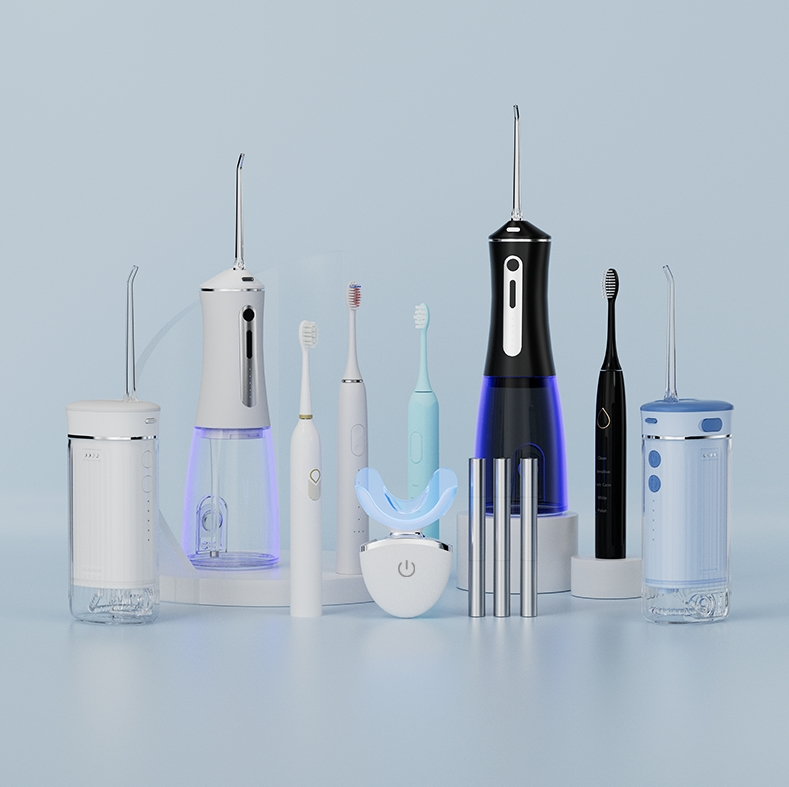
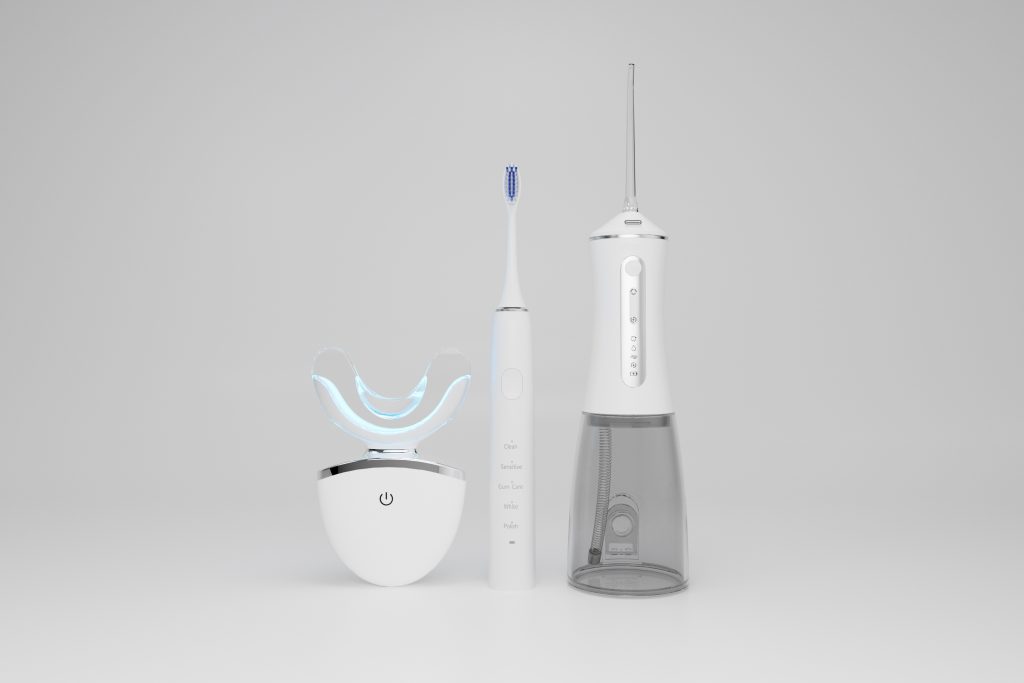
In today’s competitive oral care market, offering combinations of oral care products in well-thought-out sets has become a strategic tool for increasing brand visibility and boosting customer loyalty. Whether you're a DTC startup or a growing distributor, knowing how to structure effective bundles can be a game-changer. This article explores different sets of oral care products you can manufacture and package together, along with practical tips for promoting sales and growing your brand footprint. Why Product Combinations Drive Growth Consumers are increasingly drawn to comprehensive oral care routines. Rather than purchasing single items, they are looking for convenient, value-added sets. For brand owners, this offers a golden opportunity: Higher average order value (AOV) Increased perceived value Cross-selling and up-selling opportunities Enhanced customer retention By offering combinations of oral care products that meet diverse user needs (e.g., cleaning, whitening, gum health), brands can expand their product ecosystem and increase customer lifetime value. Popular Oral Care Product Sets to Consider Here are some proven different sets of oral care products that appeal to a broad range of consumers: A. Starter Kits Perfect for first-time buyers or gift packs. Usually include: Electric toothbrush x1 Travel toothpaste x1 Tongue cleaner x1 Optional: Mouthwash sachet x1 B. Whitening Focused Sets…