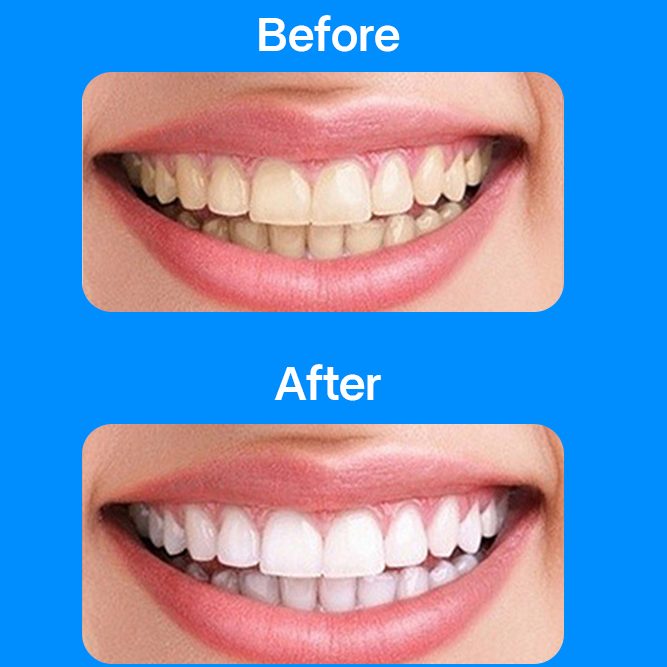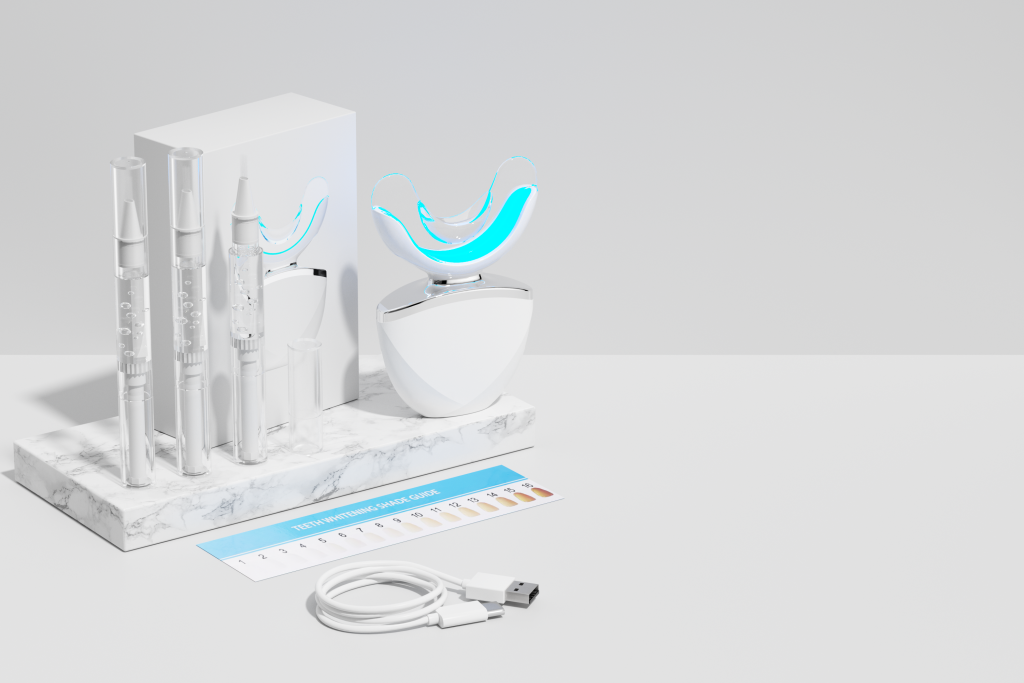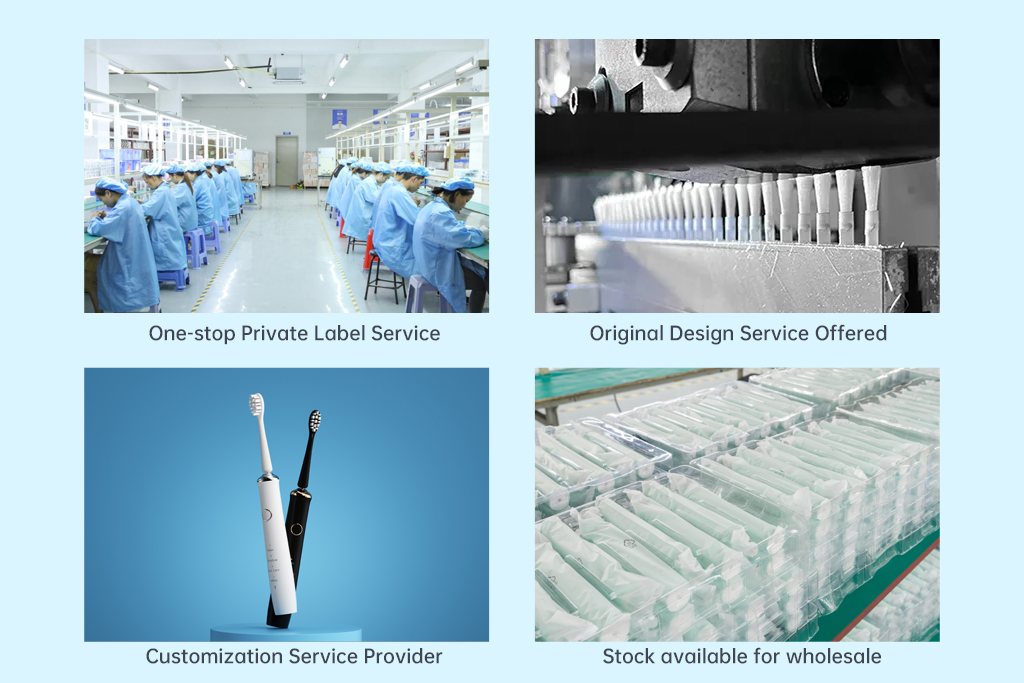
In the fast-evolving oral care industry, particularly in the teeth whitening sector, the right manufacturing partnership can make or break a brand. For ambitious businesses looking to scale, cooperating with competitive factories is no longer optional—it’s a strategic necessity. Whether you're entering the market with a new teeth whitening device or looking to upgrade an existing product line with cold light whitening technology, finding the right factory is key to ensuring product quality, speed to market, and long-term success. Access to Advanced Whitening Technologies Leading teeth whitening device factories often invest heavily in R&D, giving brand owners access to the latest cold light whitening technology and innovations in safe, effective at-home treatments. By partnering with such factories, you gain: Faster adoption of trending features (e.g., blue LED light acceleration, USB charging) Professional-grade effectiveness at consumer price points Regulatory-compliant designs and formulas for different markets This positions your brand ahead of competitors still relying on outdated or generic manufacturing methods. Enhanced Product Customization and Differentiation When cooperating with competitive factories, customization becomes a core advantage. These manufacturers typically offer: Private labeling and custom packaging OEM/ODM services tailored to brand positioning Unique formulations and design adjustments Whether you’re launching a premium whitening line or targeting entry-level…
In the development and supply of dental whitening trays and orthodontic appliances, two critical concerns have surfaced repeatedly: tray misalignment and its contribution to jaw pain. These issues not only impact user comfort but can also compromise product performance and brand reputation. As manufacturers, understanding and addressing this correlation is vital to creating superior, market-leading products. What Is Tray Misalignment and Why Does It Occur? Tray misalignment refers to the improper fitting or positioning of dental trays on the user’s teeth. This can result from: Inaccurate molding during tray fabrication; Poor quality control during manufacturing; Deformation of trays during transport or storage; Design flaws that do not accommodate dental arch variations. When trays do not align correctly, they exert uneven pressure on teeth and surrounding jaw muscles, setting the stage for discomfort or more severe complications. The Link Between Tray Misalignment and Jaw Pain A direct outcome of tray misalignment is the onset or worsening of jaw pain. This happens because misaligned trays can: Cause uneven bite forces; Disrupt the natural position of the jaw; Strain the temporomandibular joint (TMJ). For users, this discomfort may manifest as stiffness, soreness, or even headaches. For brands, it results in dissatisfied customers, negative…
When consumers use teeth whitening products or oral hygiene devices that release bleaching agents such as hydrogen peroxide, they may unexpectedly experience tongue numbness due to hydrogen peroxide burns. Is this sensation a typical and temporary side effect, or a signal of underlying product design flaws? For manufacturers and OEM suppliers, understanding this connection is essential to ensure product safety, user comfort, and market trust. The Cause of Hydrogen Peroxide Burns in Oral Care Products Hydrogen peroxide is widely used for its strong antibacterial and whitening properties. However, if its concentration exceeds safe limits or if the delivery system malfunctions—such as improper gel release or faulty applicator tips—hydrogen peroxide burns can occur. These burns damage the soft tissues of the mouth, including the tongue, leading to discomfort and possible tissue irritation. Inadequate control over hydrogen peroxide exposure, often due to poor formulation or defective applicators, significantly raises this risk. Why Does Tongue Numbness Follow Hydrogen Peroxide Burns? Following a hydrogen peroxide burn, users frequently report tongue numbness, which can last from a few hours to several days depending on exposure severity. This numbness results from the chemical’s aggressive interaction with nerve endings on the tongue's surface. Manufacturers must note that…
In precision devices such as oral care appliances, high-performance sensors play a critical role in ensuring safe operation. But what happens when Sensor Failure occurs simultaneously with Overpressure Damage? This rare yet dangerous combination can lead to unpredictable product behavior, shortened lifespan, and even user safety concerns. Ignoring this “double trouble” is no longer an option for manufacturers focused on quality and reliability. Understanding Sensor Failure in the Context of Overpressure Sensors monitor crucial parameters—such as pressure, temperature, and vibration—in water flossers and electric toothbrushes. However, when Overpressure Damage occurs due to blocked nozzles, faulty pumps, or misuse, sensors can become overloaded or misread data. In this state of Sensor Failure, the device loses its ability to regulate performance or trigger safety shutdowns, compounding the original problem. For B2B OEM suppliers, robust sensor design and placement are key to prevent this vicious cycle from occurring. The Hidden Risks of Overpressure Damage When Overpressure Damage strikes—whether from pump malfunction, valve blockage, or tank defect—the internal system undergoes stress far beyond its design limits. Without functional sensors to detect and respond, the damage can escalate: Plastic or metal parts may crack; Internal seals may rupture; Motor components may overwork, leading to burnout.…
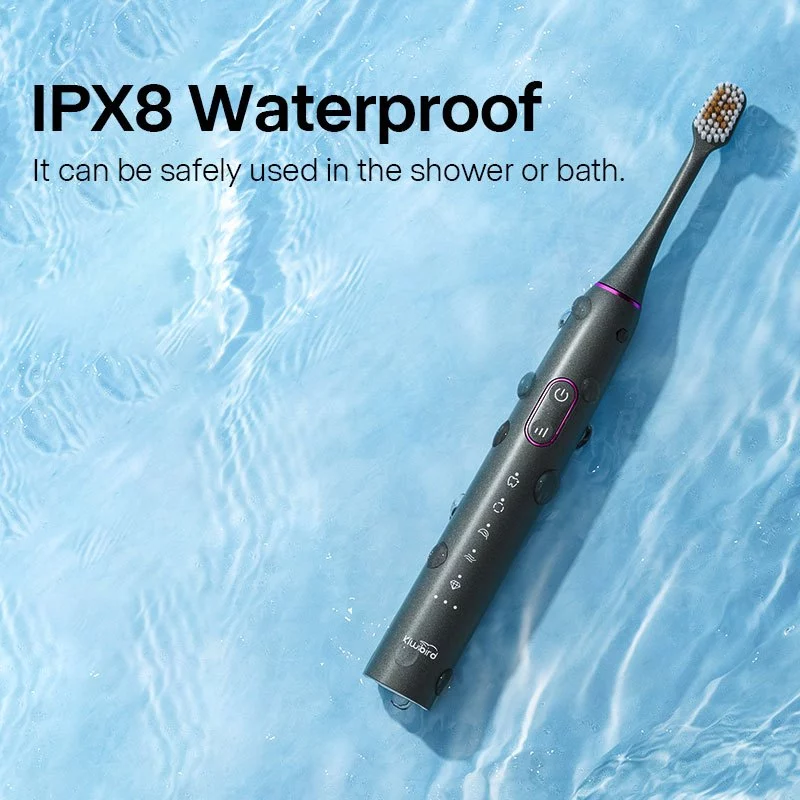
In the world of electronic appliances, especially those designed for personal care such as electric toothbrushes and oral irrigators, two critical risks demand serious attention: Short Circuit and Water Leakage. When these two issues occur simultaneously, the potential hazards multiply—not only threatening device performance but also putting user safety at considerable risk. Are manufacturers unknowingly playing with fire if they overlook this dangerous combination? Understanding the Relationship Between Short Circuit and Water Leakage Water and electricity are natural enemies. A Water Leakage—whether from a poorly sealed tank, damaged O-rings, or cracked casings—can directly result in moisture reaching sensitive electronic components. Once inside, this moisture can lead to a Short Circuit, where electrical pathways are unintentionally bridged. This not only causes the device to malfunction but also increases the chance of overheating or sparking. For OEM suppliers, ensuring IPX7 or higher waterproof standards during design and testing is the first step to prevent this chain reaction. Why the Double Risk Is More Dangerous Than It Seems While either Water Leakage or a Short Circuit is harmful on its own, their combination represents an amplified threat. A Short Circuit caused by internal moisture does not only lead to product failure—it can result…
For oral care brands, the reliability of their manufacturing partners directly impacts customer satisfaction, product reputation, and long-term business success. When it comes to complex devices like water flossers, ensuring dependable performance is only part of the equation. Equally critical is the factory’s after-sales service—particularly their ability to resolve product issues quickly and professionally. This blog outlines common faults of water flossers, the importance of water flosser quality control, and how brands can verify a factory’s ability to deliver effective after-sales service and malfunction repair solutions. Identifying Common Faults of Water Flossers Understanding the typical problems end-users face is the first step toward proactive product and service strategies. Common faults include: Power or Charging Failures: Devices not turning on or holding a charge. Water Leakage: Water leaking from the tank, nozzle base, or internal tubing. Weak Water Pressure: Reduced performance due to pump degradation or blockages. Nozzle Connection Issues: Loose or improperly fitting nozzles causing leakage or failure to operate. Motor Noise or Failure: Excessive sound or complete malfunction of the pump motor. These are the most reported common faults of water flossers, and resolving them efficiently requires both sound manufacturing processes and dependable service frameworks. The Role of Water Flosser Quality…
When toothbrush manufacturers emphasize durability and cleaning efficiency, one overlooked but critical problem can emerge: Bristle Hardening leading to Gum Recession. While consumers seek long-lasting brushes, stiffening bristles can pose serious risks to oral health, transforming the daily habit of brushing into a potential cause of gum damage. But how does this happen—and what can manufacturers do to prevent it? Why Bristle Hardening Occurs Over Time Toothbrush bristles are designed to maintain elasticity and flexibility for gentle cleaning. However, after prolonged use or exposure to moisture, heat, and chemical agents (like toothpaste abrasives), the bristles may undergo Bristle Hardening. This process reduces their ability to flex properly, causing them to behave like stiff, abrasive tools rather than gentle cleaning filaments. For B2B manufacturers, understanding the material fatigue of nylon or other synthetic bristle types is crucial in preventing premature hardening. How Hardened Bristles Trigger Gum Recession Once Bristle Hardening occurs, the brush’s interaction with the gums changes drastically. Instead of massaging and cleaning gently, the hardened bristles scrape the gingival margin, leading to microtrauma. Repeated trauma causes the gums to retract—a condition known as Gum Recession. This not only exposes the tooth roots, increasing sensitivity but also raises the risk…
In today’s highly competitive personal care market, consumer expectations are evolving rapidly. Hygiene, technology, and convenience have become top priorities in product selection. Among oral care devices, the Ultraviolet sterilizing oral irrigator has emerged as a new category leader, combining traditional water flossing functions with advanced sterilization technology. This article explores why this innovation is gaining traction and what opportunities it presents for oral care brands looking for a reliable water flosser factory or OEM manufacturer. Why Ultraviolet Sterilization is a Game-Changer The integration of UV-C light into water flossers addresses a growing consumer concern: device hygiene. Unlike traditional water flossers, which may harbor bacteria in the nozzle or water tank over time, the ultraviolet sterilizing water flosser can automatically sanitize components after each use. Key Benefits: Enhanced user confidence in cleanliness and safety Extended product lifecycle by reducing microbial buildup Strong differentiation in a saturated product category As a result, UV sterilization has become one of the most popular innovative features of the water flosser, pushing brands to seek factories capable of delivering this level of technology integration. The Role of OEMs and Water Flosser Factories in Supporting Innovation For brands aiming to enter or expand in this growing segment, working with the right water…
The transformation of oral care is happening at unprecedented speed. With consumers demanding smarter, more effective, and more personalized solutions, brands are under pressure to innovate fast and scale efficiently. For both emerging startups and established players in the oral health market, one key to growth lies in a strategic partnership with experienced manufacturers. By fully utilizing factory resources, oral care enterprises can significantly accelerate product development, optimize operations, and enhance brand competitiveness. Accelerating Innovation through Manufacturer Collaboration Today’s competitive oral care market requires continuous innovation—especially in high-demand categories such as electric toothbrushes and water flossers. Factories with strong R&D and OEM/ODM capabilities allow brands to rapidly introduce new technologies and product variations without the overhead of in-house engineering. Key advantages of working with experienced manufacturers include: Access to mature R&D teams and industrial designers Ready-to-adapt solutions for AI-enabled electric toothbrushes Customization capabilities for features, packaging, and branding This model reduces time-to-market and ensures brands stay ahead of trends during the transformation of oral care. Strengthening the Supply Chain of Oral Care Products A robust and flexible supply chain of oral care products is crucial to long-term growth. By leveraging factory relationships, brands can benefit from: Transparent production scheduling and inventory forecasting Scalability…
In today’s competitive oral care market, user confidence is a decisive factor in brand loyalty and long-term growth. With consumers becoming increasingly educated and selective about health and hygiene products, oral care brands must go beyond basic offerings. Strategic brand Product Upgrades and Expansion, well-planned oral care products combinations, and strong manufacturing partnerships are key to delivering quality and innovation that build trust. This article explores how oral care brands can enhance consumer confidence by leveraging OEM cooperation, innovating product portfolios, and cooperating with reliable factories for sustainable growth. Upgrade to Compete: Why Brand Product Upgrades Matter A stagnant product lineup can erode consumer interest. Modern users look for innovation—be it smarter electric toothbrushes, more efficient oral irrigators, or integrated care solutions. Regular brand Product Upgrades and Expansion signal that the brand is evolving with user needs. Smart features like pressure sensors or Bluetooth connectivity add value. Aesthetic improvements such as minimalist design or sustainable packaging can influence perception. Functionality upgrades like quieter motors or improved battery life directly impact user experience. By consistently improving performance and design, brands can significantly enhance user confidence and distinguish themselves in a saturated market. Expand Strategically: Combining Oral Care Products for Complete Solutions Consumers no longer want isolated products;…
As teeth whitening devices and products become increasingly popular among global consumers, a less-discussed but critical concern emerges—Allergic Reactions and Taste Alteration associated with their use. These potential side effects, often underestimated during design or formulation phases, can significantly impact user satisfaction and product perception. Are these merely occasional inconveniences, or hidden costs manufacturers must proactively address? The Overlooked Impact of Chemical Sensitivities A primary cause of Allergic Reactions in whitening treatments stems from the active ingredients, typically hydrogen peroxide or carbamide peroxide. While effective in removing stains, these chemicals can trigger adverse responses in sensitive users, such as gum irritation, lip swelling, or mucosal discomfort. For manufacturers, understanding allergenic triggers and offering low-sensitivity alternatives is essential to reducing consumer risk while preserving whitening efficacy. Device Materials Can Be Hidden Culprits Beyond gel formulations, materials used in whitening trays or applicators can also cause Allergic Reactions. Low-quality plastics, softeners, or silicone additives may release substances that irritate oral tissues. This raises the bar for B2B suppliers to select hypoallergenic, medical-grade materials to minimize such risks and build end-user trust. Material certification and biocompatibility testing should therefore be integral to product development. Taste Alteration: A Subtle but Serious Problem Many users…
In the world of professional and consumer teeth whitening devices, consistent performance is crucial for user satisfaction. However, many complaints arise from Light Failure, which directly leads to Uneven Whitening results. But is this phenomenon acceptable from a manufacturing perspective—or is it a sign of underlying design or quality flaws that must be addressed? For B2B producers, the answer to this question determines product credibility and market competitiveness. The Importance of Stable Light Output Teeth whitening effectiveness depends heavily on stable, uniform light emission. Any instance of Light Failure—whether due to LED malfunction, inconsistent power delivery, or degraded light source—can result in patchy exposure of whitening gel to tooth surfaces, causing Uneven Whitening. This not only undermines whitening performance but also leads to customer dissatisfaction and increased product returns. Manufacturers must ensure strict quality control in LED selection, light distribution design, and electrical reliability to minimize this risk. Causes Behind Light Failure in Whitening Devices Several factors contribute to Light Failure in oral whitening products: Poor Soldering Quality: Weak electrical connections cause intermittent LED activity. Inadequate Heat Dissipation: Overheating damages light components, reducing brightness. Battery Instability: Power fluctuation can prevent LEDs from maintaining consistent output. Each of these issues, if…
In today’s global oral care market, product safety, quality, and regulatory compliance are top priorities for brands looking to establish long-term consumer trust. One critical factor in identifying the right manufacturing partner is evaluating whether the factory holds FDA certification. Understanding the importance of FDA certification can help oral care brands mitigate compliance risks, ensure product quality, and build a competitive advantage in regulated markets like the U.S. In this blog, we explore the top advantages of cooperating with FDA certificated factories, and how this strategic decision can drive product success and brand credibility. Ensured Product Safety and Regulatory Compliance The importance of FDA certification lies in its role as a global benchmark for health and safety. Factories with FDA certification comply with the U.S. Food and Drug Administration’s rigorous standards for manufacturing practices, facility cleanliness, material traceability, and product testing. This means: Products are manufactured in a hygienic, controlled environment. Materials used are verified to be safe and non-toxic. Processes are traceable and accountable, reducing the risk of recalls or non-compliance. When partnering with an FDA certificated oral care factory, brands can confidently market products in the U.S. and other regulatory-intensive markets without the fear of legal complications or quality failures.…
As oral care becomes increasingly premium and technology-driven, water flossers have rapidly gained traction as an essential part of modern oral hygiene routines. For brand owners, choosing competitive water flossers goes beyond aesthetics—it directly impacts market positioning, consumer trust, and long-term brand success. With numerous suppliers available, it’s crucial to understand the critical factors that differentiate a high-end oral irrigator from a low-performing alternative. This blog provides a clear framework for evaluating your options, guiding you through four core factors every brand should consider when selecting an oral irrigator manufacturer. Product Quality: The Foundation of Market Competitiveness The first and most important factor is product quality. The quality differences of water flossers at different prices are often stark. High-end models typically offer: Consistent water pressure and precision pulsing Durable pump components and leak-proof design Medical-grade materials (BPA-free, FDA-approved plastics) Waterproof certifications (e.g., IPX7) Consumers in the premium segment expect not only efficacy but also longevity and safety. To stay competitive, brand owners must demand rigorous QC procedures, certifications, and component traceability from their manufacturing partners. Differentiated Design and Features: Stand Out with Unique Selling Points A saturated market demands differentiation. When evaluating suppliers, consider whether they can offer flexible customization and advanced…
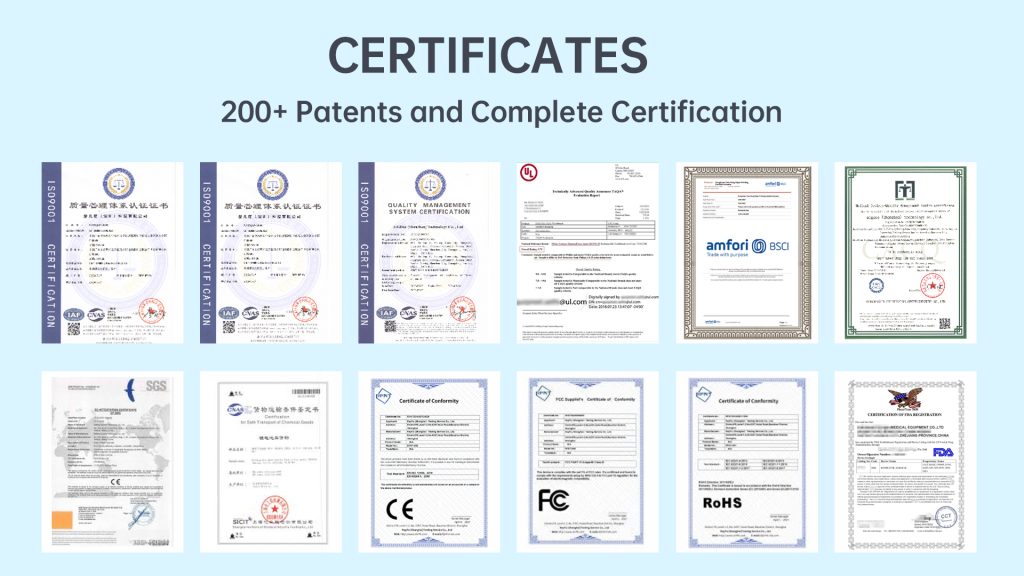
For oral care brands seeking long-term growth and product credibility, finding the right electric toothbrush factory is critical. In today’s competitive market, quality, consistency, and regulatory compliance are essential. This blog serves as a practical guide for brand owners to conduct a structured electric toothbrush factory evaluation, covering the key factors that ensure your product meets both market expectations and global toothbrush production standards. Below are 5 must-read criteria to help you identify a reliable manufacturing partner. Manufacturing Capabilities & Facility Infrastructure When evaluating a potential partner in oral care manufacturing, begin by examining their production scale and technical infrastructure. Key areas to consider include: In-house mold development for brush heads and motor components Automated production lines to ensure precision and consistency Capacity to handle large OEM/ODM orders without quality compromise A high-quality electric toothbrush factory will be able to demonstrate robust capabilities across all production stages, from injection molding to final assembly and packaging. Compliance with Toothbrush Production Standards Global markets demand strict adherence to safety and quality regulations. A factory’s ability to comply with international toothbrush production standards is a non-negotiable factor. Look for compliance with: ISO 13485 (for medical-grade manufacturing) CE, FCC, FDA certifications depending on target markets RoHS and REACH environmental…
In the oral care industry, user experience is as important as technical effectiveness. However, a frequent concern voiced by whitening tray users is Tray Discomfort that unexpectedly results in Mouth Ulcers. Is this just a coincidence—or does the design and material of the tray play a direct role in oral tissue irritation? For manufacturers, understanding this potential link is crucial to ensure product safety, comfort, and market competitiveness. How Tray Design Influences Oral Comfort The root cause of Tray Discomfort often lies in poor ergonomic design or unsuitable material selection. Ill-fitting trays—whether too tight, loose, or uneven—create friction against the delicate mucosal lining of the cheeks and gums. This constant mechanical irritation can weaken tissue resilience, paving the way for micro-abrasions that evolve into Mouth Ulcers. For B2B producers, tray customization is no longer optional; it is a key value proposition demanded by dental professionals and end users alike.Company web:https://www.powsmart.com/product/electric-toothbrush/ The Role of Material Hardness and Flexibility Another critical factor is tray material. Excessively rigid plastics may press sharply against soft tissues, while trays made from overly soft materials may collapse, leading to instability and chafing. Both extremes can increase Tray Discomfort and elevate the chance of Mouth Ulcers formation.…
The global oral care market is evolving rapidly, driven by rising consumer awareness and growing demand for advanced hygiene solutions. For brands looking to stay ahead, oral care product expansion is no longer optional—it's essential. Whether you're launching your first electric toothbrush line or expanding into water flossers, a strong manufacturing foundation is critical. This guide provides a roadmap for oral care brands looking to scale smartly through factory partnerships and strategic product development. Assessing Readiness for Brand Upgrade and Expansion Before jumping into production or new product categories, it's important to evaluate your brand’s current market position. Ask yourself: Is your product portfolio meeting modern oral hygiene trends? Do you have the infrastructure to manage supply chain and logistics on a larger scale? Are your current manufacturing partners able to support scale, speed, and quality? A successful brand upgrade and expansion guide starts with clear objectives, market differentiation, and an aligned vision with production partners. Finding the Right Electric Toothbrush Factory The electric toothbrush segment is a cornerstone of innovation in oral care. Selecting the right electric toothbrush factory can make or break your product success. When evaluating factories, consider: R&D capabilities: Can they develop unique brush heads, smart features, or app…
For many consumers, teeth whitening promises brighter smiles—but for manufacturers, Tooth Sensitivity and Enamel Erosion are potential side effects that require serious attention. As more users report discomfort or sensitivity after using whitening products, industry players must consider: is enamel damage an inevitable cost of whitening technology, or can smarter design and formulation reduce these risks? Why Whitening Treatments May Trigger Tooth Sensitivity A common complaint among whitening product users is Tooth Sensitivity, especially after repeated or intensive use. This reaction often stems from the action of peroxide-based gels, which penetrate the enamel layer to bleach intrinsic stains. While effective, this process can temporarily expose dentin tubules—the microscopic channels that connect to the tooth nerve—causing discomfort when exposed to heat, cold, or pressure. For manufacturers, understanding this mechanism is crucial. Over-concentration or prolonged application times heighten sensitivity risks, making precise formulation and user instruction essential to product safety. The Role of Enamel Erosion in Whitening Side Effects Enamel Erosion exacerbates the problem of Tooth Sensitivity. Enamel, the hardest substance in the human body, acts as the tooth's protective shield. However, excessive exposure to acidic gels or abrasive whitening agents gradually wears this barrier away, reducing its thickness and strength. Once…
In the production and design of personal care devices such as whitening pens, electric toothbrushes, or beauty tools, Gel Leakage and the resulting Chemical Burns have become concerns that manufacturers can no longer afford to ignore. While such issues may seem minor during the design or assembly stage, they carry significant risks for end-users—posing not only personal injury hazards but also potential damage to brand reputation and after-sales costs. What is Gel Leakage and Why Does It Matter? Gel Leakage refers to the unintended escape of liquid or semi-liquid substances from sealed compartments inside a device, such as whitening gel pens or battery-powered beauty applicators. This leakage often occurs due to seal failure, material degradation, or poor design of the containment chamber. When gel leaks from its intended path, it comes into direct contact with surrounding components or even the user’s skin or gums. In worst-case scenarios, this leads to Chemical Burns, especially if the gel formulation includes peroxide, acid, or alcohol-based ingredients intended for controlled application only. Causes Behind Gel Leakage in Devices Several critical factors contribute to Gel Leakage: Seal Deterioration: Over time or due to poor material selection, the sealing components (like O-rings or gaskets) may crack…
In the world of small electrical appliances, especially oral care devices like electric toothbrushes and water flossers, Motor Overheating and Device Overheating are two critical risks that often go hand in hand. While these issues may seem like isolated technical failures, their combined presence can pose a "double danger" that affects not only product performance but also user safety and brand reputation. So how are these two overheating phenomena related, and why should manufacturers be on high alert? The Fundamental Difference Between Motor Overheating and Device Overheating To begin, it is essential to distinguish between Motor Overheating and Device Overheating. Motor Overheating refers to the excessive temperature rise in the motor core due to prolonged use, high resistance, or mechanical friction. On the other hand, Device Overheating includes not only the motor's heat but also the accumulation of heat in the battery, circuit board, and housing. Although separate in origin, these two forms of overheating frequently influence each other. For example, a poorly ventilated housing may trap the heat generated by the motor, leading to widespread Device Overheating. Causes Behind Motor Overheating Common causes of Motor Overheating include: Overloading: When the motor is subjected to excessive resistance (e.g., pressing the…