When it comes to oral care products, safety and compliance are paramount. Whether you're developing an electric toothbrush, a water flosser, or an LED teeth whitening device, ensuring your products adhere to Cosmetic Product Safety Report (CPSR) guidelines is essential for meeting regulatory standards and building consumer trust. This blog explores the CPSR material list and its importance in oral care product development. What Is a CPSR Material List? The CPSR material list is a comprehensive document that outlines all ingredients, materials, and components used in a product. For oral care products, this list ensures that every component meets the required safety standards for consumer use. By compiling this list, manufacturers can verify the safety and regulatory compliance of their products, minimizing risks and enhancing customer confidence. Why Is a CPSR Material List Important for Oral Care Products? Oral care products are in direct contact with sensitive areas, such as teeth, gums, and oral mucosa. Any unsafe materials can lead to health risks. The CPSR material list helps: Ensure ingredients are non-toxic and safe for oral use. Validate compliance with international and regional safety regulations. Provide a foundation for product certification and market approval. From the bristles of an electric…
Maintaining a bright and confident smile is essential for many individuals, and teeth whitening products play a crucial role in achieving that goal. However, one question that often arises is: Does teeth whitening gel expire? As a professional teeth whitening gel manufacturer, we aim to provide clarity on this topic to help you make informed decisions about your whitening routine. Understanding Teeth Whitening Gel Expiration Dates Every teeth whitening gel comes with a specified expiration date, which is crucial to note. This date indicates the period during which the gel is most effective and safe to use. Over time, the active ingredients, such as hydrogen peroxide or carbamide peroxide, may lose their potency, diminishing the product's whitening efficacy. Why Does Teeth Whitening Gel Expire? Teeth whitening gel expiration is primarily due to the natural breakdown of its active components. Here are the main reasons: Chemical Degradation: Over time, the active ingredients in the gel gradually break down into water and oxygen, reducing their ability to whiten teeth effectively. Storage Conditions: Exposure to heat, direct sunlight, or air can accelerate the degradation process, making it essential to store the gel in a cool and dark place. How to Check If Your Teeth…
The teeth whitening products business is booming, with teeth whitening pens emerging as a top choice for consumers seeking quick and effective results. To become the top seller in this competitive market, you need a well-crafted strategy that encompasses product quality, marketing, customer service, and market understanding. Here are six essential steps to guide you to success. https://www.powsmart.com/ Understand Your Target Market The first step in dominating the teeth whitening pens market is understanding your target audience. Conduct thorough market research to identify: Demographics: Age, gender, and income levels of potential customers. Preferences: What features or benefits customers value most in teeth whitening pens. Pain Points: Common challenges they face when selecting teeth whitening products. With this knowledge, you can tailor your product and marketing strategies to address their needs effectively. Offer Superior Product Quality In a market flooded with options, product quality can set you apart. Ensure your teeth whitening pens are: Effective: Deliver noticeable whitening results quickly and safely. Convenient: Easy to use, with portable designs that suit busy lifestyles. Safe: Made with high-quality, non-toxic ingredients that comply with regulatory standards. Investing in R&D to continuously improve your products will not only attract customers but also foster loyalty. Build a Strong Brand Identity Your…
When it comes to personal oral care devices like electric toothbrushes and oral irrigators, understanding their average service life is crucial for ensuring optimal performance and hygiene. Both of these devices are essential in maintaining oral health, but how long do they last before needing replacement? We're going to explore the service life of electric toothbrushes and service life of oral irrigators from the perspective of oral care manufacturer, helping you know when it’s time to replace your device for the best results. Understanding the Factors Affecting Service Life The service life of electric toothbrushes and oral irrigators depends on several key factors, including the quality of the device, frequency of use, and maintenance. Higher-end models generally offer a longer lifespan due to superior build quality and more durable components. For example, premium toothbrushes with more advanced motors or high-quality water-resistant features tend to last longer than entry-level models. Similarly, oral irrigators that feature sturdy pumps and durable battery systems often outlast their cheaper counterparts. Average Service Life of Electric Toothbrushes On average, an electric toothbrush will last between 3 to 5 years. However, this varies depending on usage patterns and how well the brush is maintained. The most common reason for replacing an electric…
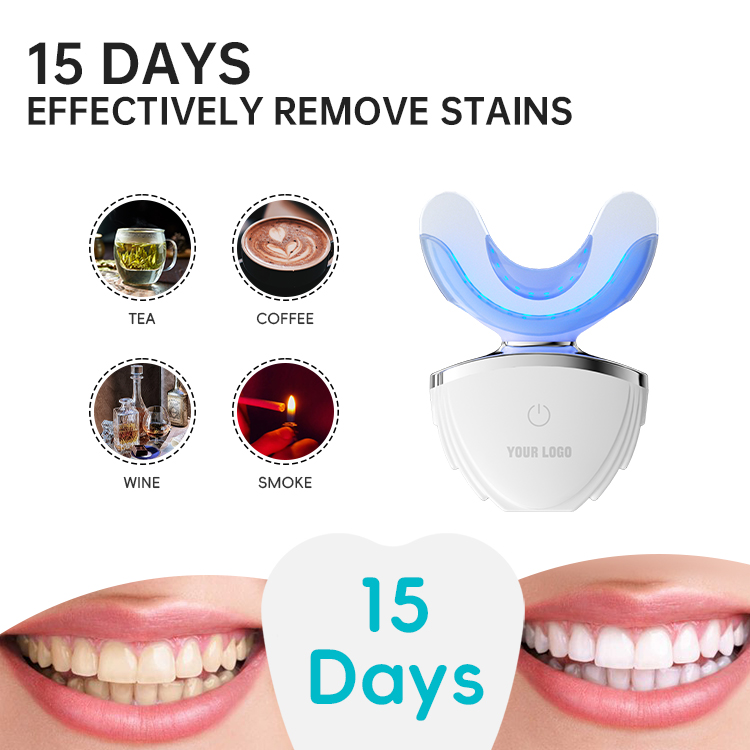
When it comes to teeth whitening, many consumers turn to advanced solutions like LED teeth whitening device and whitening gel. The combination of these two technologies promises faster and more effective results, but there are key points to note when using them together. In this blog post, we’ll guide you through the most important considerations to ensure you achieve the best possible whitening results safely and effectively. https://www.powsmart.com/product/teeth-whitening-kit-device/ Choose the Right Whitening Gel for Your LED Teeth Whitening Device One of the key points to note is to ensure that the whitening gel you’re using is designed to work with LED technology. Some gels are formulated specifically for use with LED lights, containing ingredients like hydrogen peroxide or carbamide peroxide that are activated by the light for faster results. Always check the manufacturer’s recommendations to make sure the gel you select is suitable for your device. Follow the Instructions on Both the Whitening Gel and LED Device Using the LED teeth whitening device and whitening gel together can offer outstanding results, but only if you follow the instructions carefully. Overuse of the whitening gel or excessive exposure to the LED light can lead to tooth sensitivity or gum irritation. The…
As an oral irrigator manufacturer, we understand that selecting the right nozzle is a crucial decision for users to get the most out of their device. The nozzle can significantly influence the effectiveness and comfort of the oral irrigation process. Whether you are looking to maintain healthy gums, clean around braces, or remove plaque, Choose the most suitable nozzle of the oral irrigator is essential. In this blog, we’ll explore the key factors to consider from the perspective of an oral irrigator manufacturer to help you make an informed decision. Consider Your Specific Oral Care Needs Different users have different oral care requirements, and the nozzle selection should align with those needs. From the perspective of an oral irrigator manufacturer, we recommend evaluating your unique oral health conditions before selecting a nozzle. For example, if you have sensitive gums, you might want a nozzle that provides a gentler water flow. On the other hand, if you have braces, a specialized orthodontic nozzle with a tapered design and high-pressure water stream may be more suitable for cleaning around brackets and wires effectively. Type of Water Flow: Pulsating vs. Steady Stream When choosing the most suitable nozzle of the oral irrigator, it's…
In the ever-expanding market of dental aesthetics, finding reliable teeth whitening device suppliers can significantly impact your business’s success. Choosing the right supplier not only ensures product quality but also fosters long-term growth. Here are the necessary conditions to consider when selecting a professional teeth whitening products manufacturer. Compliance with Industry Standards The first and foremost requirement for a supplier is adherence to local and international regulatory standards. Teeth whitening device suppliers must demonstrate compliance with certifications such as ISO, CE, or FDA (depending on the market). These certifications guarantee that the devices are safe, effective, and meet quality requirements. By choosing a supplier with certified products, you not only enhance your brand’s reputation but also avoid legal complications that can arise from non-compliance. Focus on Innovation and Technology The teeth whitening industry is driven by advancements in technology. Professional teeth whitening device suppliers should consistently invest in research and development to offer innovative products. Look for suppliers who provide cutting-edge devices, such as LED-based whitening systems or portable solutions, which cater to modern consumer demands. A supplier’s ability to offer advanced technologies will ensure your business stays ahead of competitors in the teeth whitening products manufacturer space. Customized Solutions…
When it comes to LED teeth whitening devices, choosing the right product can feel overwhelming, especially with so many materials and manufacturers available in the market. As a professional teeth whitening products manufacturer, we understand the importance of material quality in delivering a superior whitening experience. Let’s explore the factors that determine the quality difference between different materials of LED teeth whitening devices. Material Composition and Durability The materials used in LED teeth whitening devices play a crucial role in their performance and longevity. High-quality devices often use medical-grade silicone or high-durability ABS plastic. These materials are non-toxic, resistant to wear, and provide a safe user experience. Cheaper alternatives may use low-grade plastics that can crack or degrade over time, compromising both safety and efficacy. LED Light Integration Not all LED teeth whitening devices are created equal when it comes to the integration of LED light. Devices made from superior materials often feature enhanced LED chip placement, ensuring even light distribution. Inferior materials may interfere with light transmission or allow heat buildup, reducing the effectiveness of the whitening process. Safety Standards Compliance Devices manufactured using high-grade materials are more likely to meet international safety standards. These devices undergo rigorous testing…
Waterproof performance is a critical factor in the design and production of electric toothbrushes. As manufacturers, We, Powsmart ensure that our products are resistant to water damage not only enhances durability but also boosts consumer trust. In this blog, we will explore practical strategies to optimize the waterproof performance of electric toothbrushes from the perspective of suppliers. Material Selection The foundation of waterproof performance lies in the selection of appropriate materials. Manufacturers should prioritize materials that are inherently resistant to water, such as high-grade polymers or specialized coatings. Collaborating with suppliers who can provide innovative material solutions is key to achieving better results. For instance, suppliers might offer advanced hydrophobic materials that prevent water ingress even under prolonged exposure. Precision in Design Design plays a pivotal role in ensuring a device’s water resistance. Electric toothbrush manufacturers should work closely with their suppliers to refine product designs. Features such as seamless joints, rounded edges, and well-engineered seals can significantly enhance waterproof performance. Additionally, incorporating design elements like labyrinth seals can provide an extra layer of protection against water penetration. Adopting Advanced Sealing Technologies Effective sealing is the backbone of waterproof performance. Suppliers specializing in adhesives and sealing materials can provide manufacturers…
Electric toothbrushes offer advanced cleaning technology and convenience. However, one persistent issue continues to frustrate both manufacturers and users: the water ingress problem. In this blog, we will explore the underlying causes of electric toothbrush water ingress, its impacts, and potential solutions to address this challenge effectively. Understanding the Water Ingress Problem Water ingress occurs when water penetrates the internal components of an electric toothbrush. This problem often arises due to prolonged exposure to moisture during use or storage in damp environments, such as bathrooms. The seals and protective layers designed to keep water out can degrade over time, leading to compromised device functionality and a shorter lifespan. Why Is It a Critical Issue? Damage to Internal Electronics: The internal circuits and battery are highly susceptible to water damage. Even small amounts of moisture can cause corrosion, resulting in device failure or erratic behavior. Health Risks: Water ingress can create a breeding ground for bacteria and mold within the toothbrush, posing potential hygiene risks. Customer Dissatisfaction: Users expect durability and reliability. Water ingress issues can lead to negative reviews and returns, impacting a manufacturer’s reputation and bottom line. Key Factors Contributing to Electric Toothbrush Water Ingress Material Quality: Low-grade seals…
Like any electronic device,water flossers can sometimes encounter issues. One of the most common problems users report is when their water flosser can't be charged. If you’re facing this issue, don’t worry! Below, Powsmart will explore the possible causes and guide you on how to fix charging problems effectively from the perspective of manufacturer. Check the Power Source The first step in diagnosing charging issues is ensuring the power source is working correctly. Plug another device into the same outlet to confirm it’s functioning. If you’re using a USB adapter, try switching to a different one or plugging it directly into a computer’s USB port. Inspect the Charging Cable and Adapter A faulty or damaged charging cable is a common reason why a water flosser cannot be charged. Carefully examine the cable for signs of wear, fraying, or bent connectors. If the cable or adapter appears damaged, replace it with a compatible and certified alternative. Similarly, inspect the adapter for any visible issues. Some water flossers do not support fast charging, you’d better check it with the after sales or the manufacturer first and then using the adapter with correct specifications . Clean the Charging Port Debris, dust, or moisture can accumulate in the charging port,…
As a water flosser manufacturer, understanding the intricacies of pulse frequency is essential to delivering optimal oral care solutions. In this blog, as a water flosser manufacturer, Powsmart will delve into the key factors to consider when selecting the appropriate water flosser pulse frequency and why these choices matter. Understanding Pulse Frequency and Its Importance Pulse frequency refers to the number of pulses a water flosser generates per minute. It directly affects the device’s cleaning efficiency and user experience. Low frequencies offer gentle cleaning, ideal for sensitive gums, while higher frequencies provide deep and thorough plaque removal. Matching Pulse Frequency with Target Audience Needs Not all users have the same oral health requirements. For brand owners or businesses, you should work with manufacturers to develop products tailored to specific demographics: Children: Devices with lower pulse frequencies to prevent gum irritation. Adults: Mid-to-high frequencies for everyday cleaning and gum stimulation. Orthodontic Patients: Higher frequencies to navigate braces and dental appliances effectively. Testing and Compliance with Safety Standards Safety is paramount. As a professional manufacturer, we must ensure that the pulse frequency range of water flossers complies with international health and safety standards. Consistent testing not only guarantees product reliability but also builds trust among consumers. Technological…
When examining the design of an electric toothbrush, one may notice a curious detail: the gap between the toothbrush head and the handle. While it might seem like a flaw or oversight, this small but intentional design feature serves critical purposes. In this article, we’ll delve into the reasons behind the gap, its role in the electric toothbrush structure, and why it benefits both functionality and hygiene.https://www.powsmart.com/product/electric-toothbrush/ Facilitating Optimal Movement The primary reason for the gap is to accommodate the dynamic movement of the toothbrush head. Unlike manual toothbrushes, electric toothbrushes rely on motorized mechanisms to provide oscillations, vibrations, or rotations. The gap between the toothbrush head and the handle allows the head to move freely without obstruction, ensuring maximum efficiency in cleaning teeth. Without this space, the head’s motion could be hindered, reducing the brush’s overall performance. Reducing Wear and Tear High-frequency motion during use is one of the greatest features for electric toothbrush. The gap acts as a buffer zone, preventing excessive friction between the head and the handle. This design prolongs the lifespan of the device by minimizing the wear and tear on both components, ensuring users get the most value out of their investment. Enhancing Hygiene…
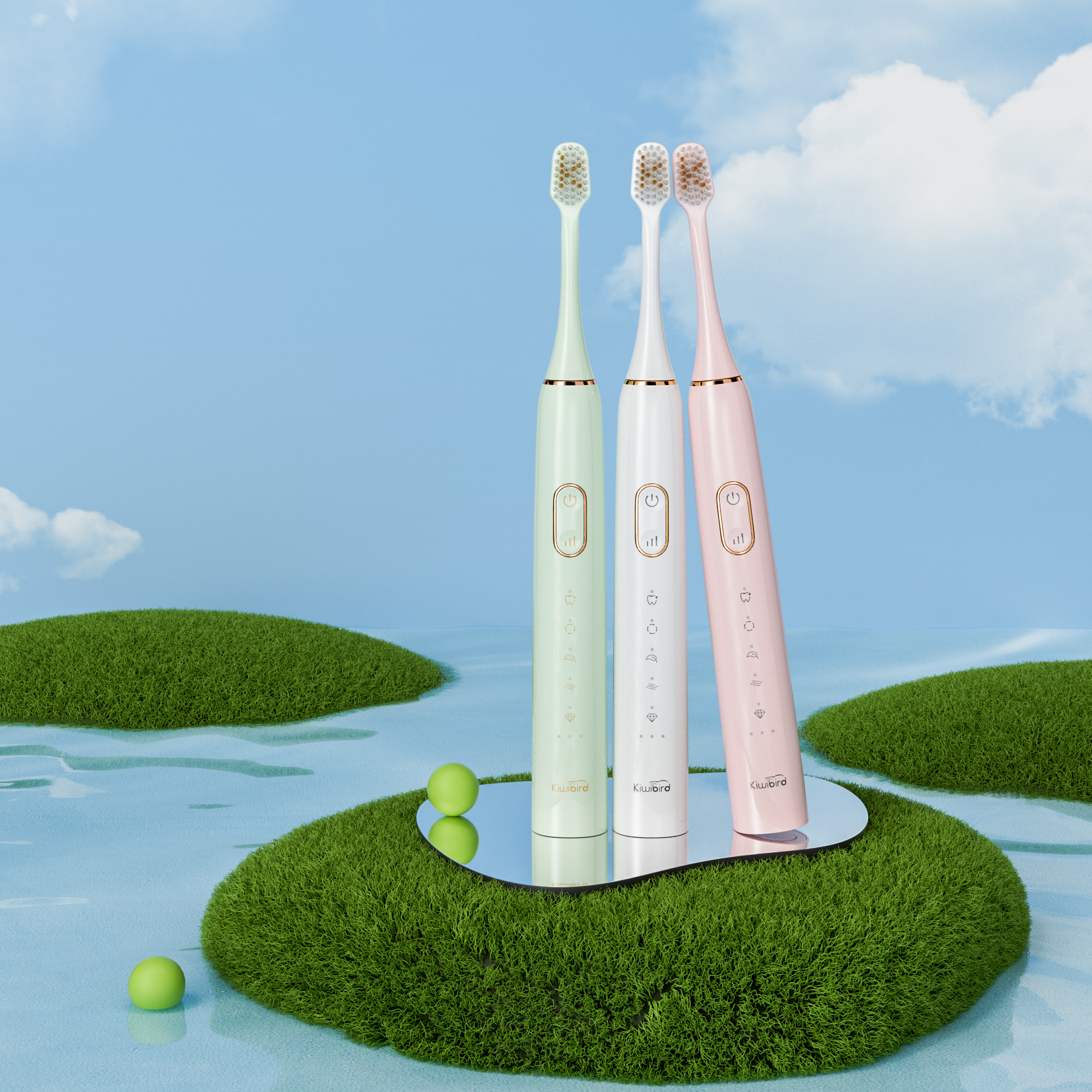
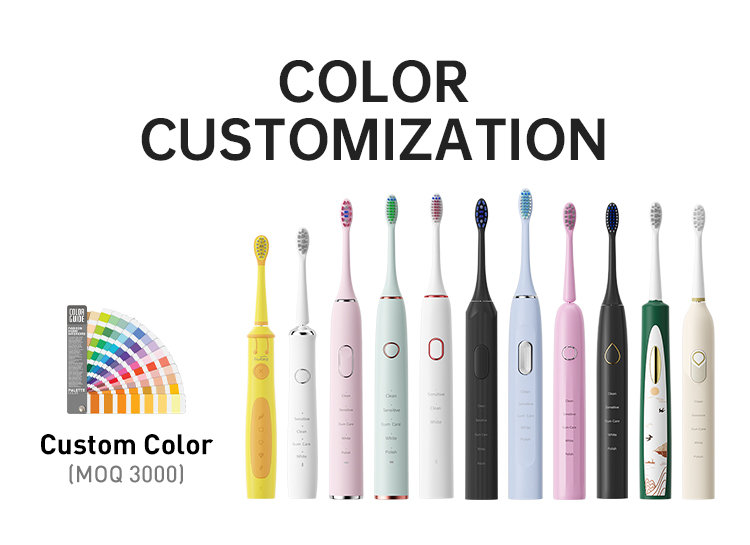
When selecting an electric toothbrush, most of us focus on features such as battery life, brush head movement, or smart technology. However, one often overlooked but critical factor is the material used to construct the toothbrush. As one of the professional electric toothbrush manufacturers in China, Powsmart is going to explore the impact of different materials on the quality, performance, and durability of electric toothbrushes.https://www.powsmart.com/ Plastic: The Most Common Choice Most electric toothbrushes are made of durable plastics such as ABS (Acrylonitrile Butadiene Styrene). This material is lightweight, cost-effective, and resistant to impact. High-quality plastic contributes to a robust build and longevity, while lower-grade plastics may crack or degrade over time, affecting the toothbrush’s lifespan and performance. Key consideration: Always opt for brushes made of BPA-free plastics to ensure safety and durability. Silicone: Softness and Hygiene Silicone is increasingly popular for electric toothbrush components, particularly the brush head. This material is gentle on gums, hypoallergenic, and easy to clean, reducing bacterial buildup. Silicone toothbrushes are a great choice for users with sensitive teeth and gums. Key consideration: High-quality silicone is more durable, but low-grade versions may tear or wear out quickly. Metal Components: Strength and Stability Some electric toothbrushes incorporate metal parts,…
Electric toothbrushes have become an integral part of our daily oral hygiene routines, offering convenience and effective cleaning. However, one common issue that arises with prolonged use or improper handling is water ingress. This problem can lead to unexpected automatic booting of the device and other related electric toothbrush quality issues. In this blog, we will delve into the specific performances after water ingress and how they can impact the functionality of an electric toothbrush. Unexpected Activation of the Automatic Boot Feature Water ingress is a leading cause of unintended activation, where the electric toothbrush automatically boots without user input. This issue is not only inconvenient but can also drain the battery prematurely, leaving the toothbrush unusable when it’s needed most. Such behavior compromises the reliability of the device and underscores the need for robust waterproofing measures. Erratic Motor Performance When water penetrates the internal circuits, it can disrupt the motor’s operation. Specific performances after water ingress like intermittent vibrations or reduced brushing power are common signs of this issue. These erratic behaviors affect the effectiveness of cleaning and diminish the user experience. Shortened Battery Life One of the most noticeable electric toothbrush quality issues caused by water ingress is…
As the oral care industry evolves, dental irrigators and electric toothbrushes have emerged as essential products for consumers seeking enhanced dental hygiene. While these products serve different purposes—one focusing on interdental cleaning and the other on surface brushing—their production processes share remarkable similarities. In this blog, Powsmart is going to explore the shared aspects of manufacturing these products, from design to quality assurance, shedding light on what makes them reliable and effective as a manufacturer. Design and Prototyping Both dental irrigators and electric toothbrushes start with meticulous design and prototyping. Engineers focus on ergonomics, functionality, and aesthetics to ensure the products are user-friendly and appealing. Advanced 3D modeling software is used to create prototypes, enabling manufacturers to visualize the final product and make iterative improvements. For example, the compact design of a dental irrigator and the ergonomic grip of an electric toothbrush undergo similar validation steps during this phase. Component Selection A critical common point in the production process is selecting high-quality components. Both devices rely on motors for vibration or water propulsion, rechargeable batteries for portability, and durable plastic or silicone casings for hygiene and longevity. Ensuring that these components meet stringent industry standards is crucial for both product…
When traveling, maintaining good oral hygiene is just as important as enjoying your journey. Travel size electric toothbrushes have become a favorite for frequent flyers and adventurers alike, thanks to their compact design and convenience. However, like any product, they come with their own set of pros and cons. This article delves into the advantages and disadvantages of these handy dental tools to help you make an informed choice. Pros of Travel Size Electric Toothbrushes Portability One of the most significant advantages of travel size electric toothbrushes is their compact design. They are lightweight and easy to pack, fitting seamlessly into your luggage or carry-on bag without taking up much space. This portability makes them perfect for short trips or long vacations. Powsmart is also offering different types of light weight models for travel size electric toothbrush option. Below S1 model is one of the popular travel-size model, which is available for private labeling. Effective Cleaning Despite their smaller size, travel size electric toothbrushes often deliver powerful cleaning. Many models use oscillating or sonic technology to remove plaque effectively, ensuring you maintain optimal oral hygiene even on the go. Built-In Convenience Many travel toothbrushes come with built-in features like timers,…
The oral care industry has witnessed transformative advancements over the years, with new technologies and consumer preferences shaping its trajectory. As oral health becomes increasingly linked to overall well-being, companies and innovators have been doubling down on developing promising oral care products that cater to evolving demands. Below, we explore some of the most exciting and impactful products poised to redefine the oral care landscape. Smart Toothbrushes with AI Integration Gone are the days of simple manual brushing. Smart toothbrushes equipped with Artificial Intelligence (AI) have become a game-changer in the oral care industry. These devices provide real-time feedback on brushing techniques, track habits through mobile apps, and even offer personalized brushing plans. By ensuring optimal dental hygiene, they make oral care more engaging and effective for users of all ages. Natural and Sustainable Oral Care Products As sustainability becomes a focal point across industries, the oral care sector is no exception. Consumers are increasingly gravitating towards eco-friendly options such as biodegradable toothbrushes, toothpaste tablets, and zero-waste packaging. Promising oral care products in this category not only align with environmentally conscious values but also prioritize natural ingredients, making them safe and appealing to a broader audience. Probiotic-Based Oral Care Solutions…
If you’ve recently invested in a dental irrigator for your oral care routine, you might be wondering: is it normal for it to make a lot of noise? Dental irrigators are highly effective tools for cleaning between teeth and along the gumline, but their operation can sometimes raise concerns. Let’s explore why these devices make noise, what’s normal, and how to minimize it. Understanding the Source of the Noise Dental irrigators, often referred to as water flossers, rely on powerful pumps to generate water pressure. This pressure is what allows the device to dislodge food particles and plaque effectively. The noise you hear comes primarily from the motor and pump working together. Depending on the model and brand, the sound level can vary, but a moderate humming or buzzing is generally considered normal. The pump of Powsmart's water flosser is designed and developed by ourselves. It can not only make cleaning more efficient and gentle, but also its noise during operation is also acceptable. Comparing Different Models Not all dental irrigators are created equal when it comes to noise levels. Compact, travel-sized models tend to be quieter due to their smaller motors, while countertop versions with more powerful pumps may…
When it comes to achieving a brighter smile, teeth whitening gel is a convenient and effective option. But can it be used alone to whiten teeth? In this blog, Powsmart will explore how teeth whitening gel works. Its limitations, and the best practices for using it effectively.https://www.powsmart.com/about-powsmart/ What Is Teeth Whitening Gel? Teeth whitening gel is a peroxide-based product, which removes stains and discoloration from teeth. Commonly containing hydrogen peroxide or carbamide peroxide, these gels work by breaking down the molecules that cause stains, resulting in a whiter smile. They are often in professional whitening treatments or at-home kits. How Does Teeth Whitening Gel Work? The active ingredients in teeth whitening gel penetrate the enamel and target the discoloration in the dentin layer beneath. This chemical reaction lightens the teeth’s natural color. While the gel is highly effective at targeting surface-level and some deeper stains, the results depend on proper application and consistency. Can Teeth Whitening Gel Be Used Alone? While teeth whitening gel is a powerful tool, using it alone may not always deliver optimal results. Here are a few reasons why: Application Challenges: Without tools like custom-fit trays, it can be difficult to ensure the gel stays evenly distributed…