In today’s increasingly competitive market, even the smallest changes in product performance—such as Bristle Splaying Rapidly in devices like electric toothbrushes and advanced cleaning tools—can significantly disrupt user experience. Research indicates that bristle instability directly correlates with Uneven Cleaning Patterns, where accelerated splaying reduces surface contact precision, compromising cleaning effectiveness. This phenomenon, observed in clinical trials, demonstrates how structural fatigue in bristle clusters creates fragmented pressure distribution, prioritizing certain zones while neglecting others. Manufacturers now prioritize addressing these dual challenges: mitigating rapid bristle degradation through material innovation and recalibrating brush-head dynamics to counteract pattern irregularity. By integrating biomechanical insights and stress-distribution modeling, next-gen designs aim to harmonize durability with consistent cleaning performance. Market Environment and Customer Expectations As consumers increasingly demand superior cleaning performance and long-lasting product durability, every design detail becomes critical. Customers expect a device to deliver uniform cleaning across all areas. However, when issues like bristle splaying occur, the result is an uneven distribution of cleaning power, resulting in noticeable areas that are either over-cleaned or under-cleaned. This raises concerns over the product’s quality and can negatively impact brand reputation. Understanding these market dynamics is the first step toward finding a lasting solution. Understanding Bristle Splaying Rapidly…
As a B2B electric toothbrush manufacturer, we understand that battery performance is one of the most critical factors affecting product satisfaction. Through extensive testing and customer feedback, we've identified the key factors that impact battery longevity. Let's examine the technical reasons behind poor battery life. 1. Insufficient Battery Capacity The most obvious factor is battery capacity. Many budget models cut costs by using: Lower-grade lithium-ion cells Smaller battery sizes (under 600mAh) Non-branded battery suppliers Solution: Opt for premium 800mAh+ batteries from reputable suppliers. 2. Motherboard Power Management Issues The motherboard plays a crucial role in power efficiency. Common problems include: Poor voltage regulation circuits Inefficient charging ICs Lack of sleep mode optimization Solution: Implement advanced power management chips with: Low quiescent current (<5μA) Smart charging algorithms Over-discharge protection 3. Motor Efficiency Matters The motor accounts for 70% of power consumption. Key considerations: Brushed vs brushless motors (20% efficiency difference) Optimal frequency settings (250-300Hz ideal) Quality of bearings and mechanical parts Pro Tip: Japanese-made brushless motors typically offer best performance. 4. Quality of Charging System Charging components significantly impact battery health: Poor quality charging coils cause energy loss Incorrect charging voltage damages cells Lack of temperature monitoring Recommendation: Use Qi-standard wireless charging with: Foreign object detection…
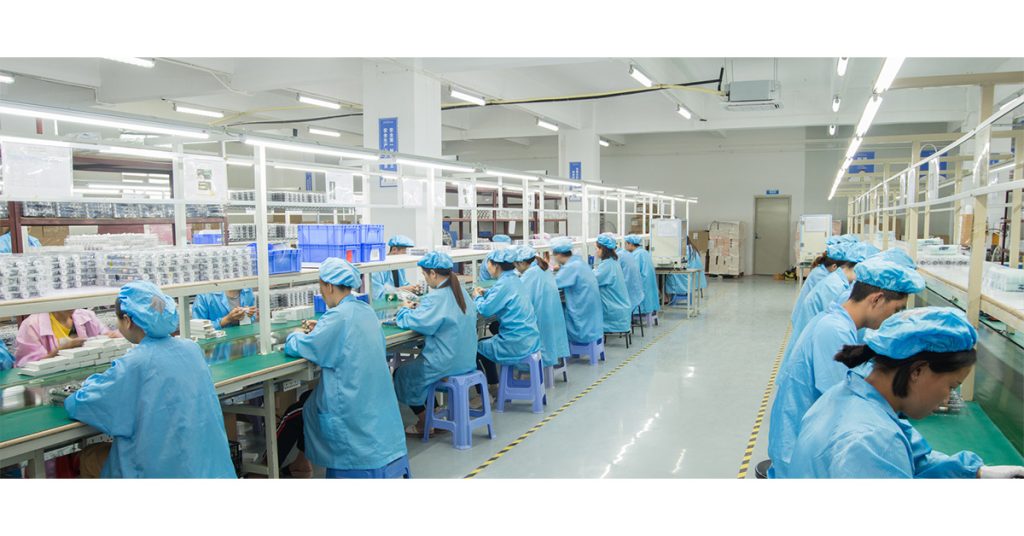
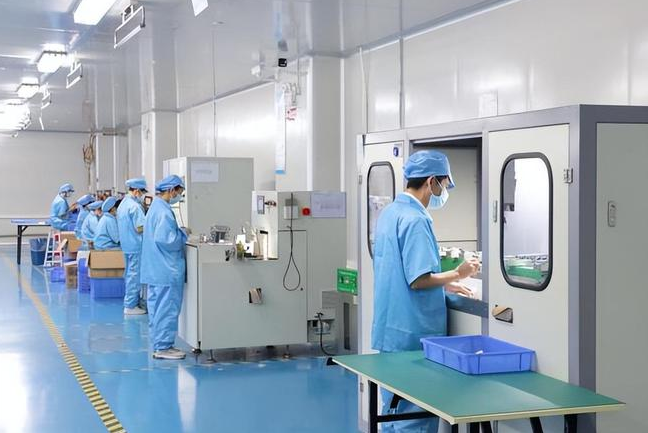
As electric toothbrushes become a standard in personal oral care, consumers are expecting more than just effective cleaning—they demand reliability, safety, and durability. For B2B buyers, this makes electric toothbrush quality control a non-negotiable factor when selecting a manufacturer. In this blog, we walk through the full quality control process, from incoming materials to final product shipment, with a focus on essential checkpoints like waterproof testing, motor reliability, and functional performance. Raw Material Inspection: The First Line of Defense Quality begins at the very beginning. Every batch of components, such as ABS/PP plastics, PCB boards, batteries, and motor parts, undergoes rigorous incoming quality inspection (IQC). Plastic shell parts are checked for uniformity, color consistency, and impact resistance Electronic components are verified against BOM and tested for compliance Motors are pre-tested for torque, speed, and noise before assembly By filtering out defects at the start, we lay a solid foundation for reliable production. In-Process Quality Control (IPQC): Spot Checks During Assembly During assembly, in-process quality control ensures that each production step meets required standards. Our trained QC technicians perform inspections at every major stage: Circuit board mounting Battery welding and installation Motor integration into the toothbrush body Initial functional testing (on/off switch, LED indicators, vibration…
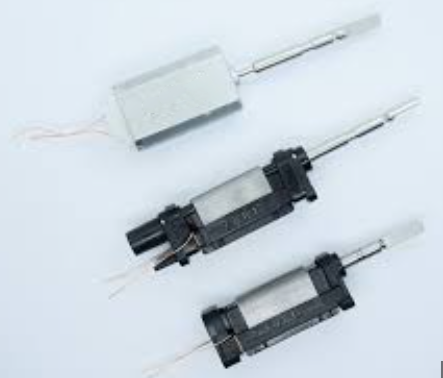
As electric toothbrushes continue to gain popularity, consumers are placing greater emphasis on cleaning power, comfort, and overall user experience. Core components of electric toothbrush — the electric toothbrush motor.This blog explores how high-performance motors, especially magnetic levitation motors powered by sonic technology, significantly enhance brushing efficiency. We’ll also cover how manufacturers can offer OEM customized solutions to help brands tailor performance for different user needs. Understanding the Electric Toothbrush Motor: The Core Driver of Cleaning Action The electric toothbrush motor is the core component of electric toothbrush that drives brush head movement, converting electrical energy into high-frequency mechanical oscillation. Its precision and power directly affect: Brushing speed (vibrations per minute) Stroke amplitude User comfort and noise level A well-designed motor ensures consistent motion and optimized vibration, delivering thorough plaque removal while protecting gum tissue. Magnetic Levitation Motor: Elevating Vibration Efficiency and Stability Among motor types, the magnetic levitation motor stands out due to its efficiency and low noise profile. It suspends the moving parts with magnetic force, reducing mechanical friction. Key benefits include: High-frequency oscillation (up to 42,000 times/min) Minimal energy loss and smoother vibration transfer Quiet operation compared to traditional motors Longer lifespan due to reduced wear For manufacturers, integrating magnetic levitation motors into electric toothbrush designs…
As the demand for smart and stylish oral care products rises, manufacturers of electric toothbrushes face a dual challenge: how to ensure long-term durability while also delivering a visually appealing design. At the heart of this lies the quality of the electric toothbrush precision mold shell, the choice of materials, and the strength of design-engineering collaboration. This article outlines the six key strategies manufacturers use to create electric toothbrush shells that are both durable and attractive, naturally incorporating the keywords "Electric toothbrush mold", "shell customization", "ABS/PP material", and "industrial design support". Precision Mold Design: The Foundation of a Reliable Shell The first step in producing a high-quality toothbrush precision mold shell is developing a high-precision electric toothbrush mold. A well-designed mold ensures: Consistent dimensions and tight tolerances Seamless fit with internal components A smooth, refined surface ready for finishing touches By investing in precision mold technology, manufacturers lay the groundwork for both durability and visual appeal right from the tooling stage. Smart Material Selection: ABS/PP for Optimal Performance Choosing the right materials is critical for performance. The most common choices for toothbrush shells are ABS (Acrylonitrile Butadiene Styrene) and PP (Polypropylene): ABS material: Offers high impact resistance, excellent dimensional stability, and…
A water flosser is only as effective as the nozzle you use with it. With various specialized tips available, selecting the right one can significantly enhance your oral hygiene routine. Whether you're a dental professional recommending products to clients or a manufacturer educating buyers, understanding nozzle options is key. Here's your professional guide to choosing the perfect water flosser nozzle. 1. Standard Nozzle - The Foundation of Daily Care The Standard nozzle serves as the workhorse of water flossing, designed for routine daily use. Its balanced water pressure effectively removes up to 99.9% of plaque from treated areas, making it ideal for general maintenance. For B2B buyers, this should be your baseline offering - the essential tip that meets most users' everyday needs while maintaining excellent gum health. 2. Sensitive Nozzle - Gentle Yet Effective Cleaning Recognized by its softer spray pattern, the Sensitive nozzle is specifically engineered for patients with gingivitis, recent dental work, or those new to water flossing. Clinical studies show this tip reduces gum bleeding by up to 50% compared to standard flossing. For dental practices sourcing equipment, this nozzle demonstrates your commitment to patient comfort and care. 3. Tongue Scraper Nozzle - Comprehensive Oral Hygiene The Tongue Scraper attachment addresses a…
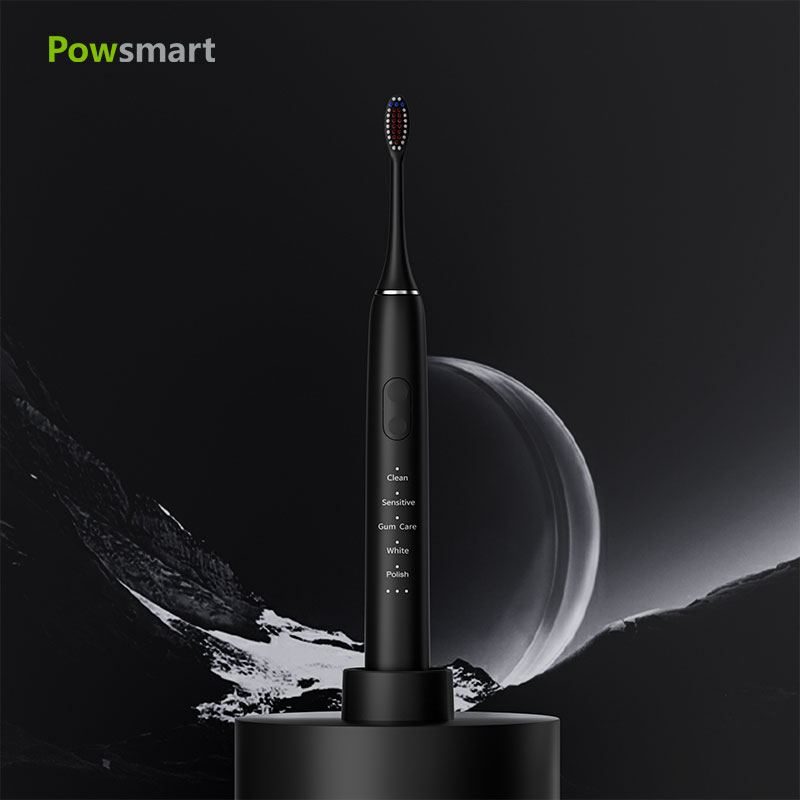
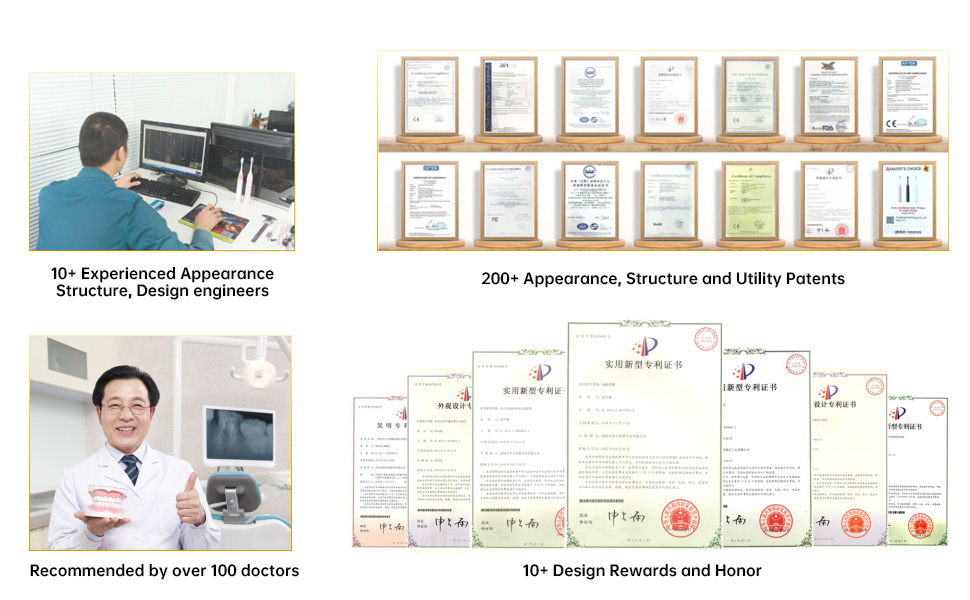
When selecting an electric toothbrush, most consumers focus primarily on technical specifications like brushing modes and battery life. However, as a professional manufacturer, we know that appearance design plays an equally crucial role in product success. Here's why appearance matters more than you might think in the electric toothbrush market. 1. First Impressions Matter: Beautiful Design Sells A beautiful electric toothbrush creates immediate visual appeal on retail shelves and online stores. Our market research shows that 68% of consumers will pick up a toothbrush based on its aesthetics before even checking the specifications. The sleek curves and modern finishes of our premium models consistently outperform plainer competitors in sales. 2. Ergonomic Design for Comfortable Daily Use Beyond looks, good appearance design means creating a comfortable grip that fits naturally in the hand. Our patented contoured handles reduce muscle strain during brushing, with textured surfaces that provide secure hold even when wet. This combination of form and function leads to better brushing habits and improved oral health outcomes. 3. The Perfect Fit Between Design and Functionality The best electric toothbrushes achieve a perfect fit between aesthetic appeal and practical features. Our design team works closely with dental professionals to create brushes where every curve serves a purpose - from the angled…
Maintaining oral hygiene is essential, and traditional flossing often leaves room for improvement. Home Water Flossers have emerged as a popular and effective alternative, offering convenience and superior cleaning. This blog explores the people who can benefit most from these devices and key precautions for using home water flossers to ensure safety and effectiveness. Who Are Home Water Flossers Suitable For? People with Braces or Dental ImplantsTraditional flossing can be challenging for individuals with braces, bridges, or dental implants. Home Water Flossers can navigate around these fixtures easily, removing food particles and plaque without risking damage. Individuals with Gum SensitivityPeople prone to gum bleeding or sensitivity often find traditional flossing painful. Water flossers provide a gentler yet thorough cleaning method, reducing discomfort and protecting gum health. Elderly Individuals or Those with Limited DexterityFor seniors or individuals with arthritis, managing dental floss can be tricky. Water flossers offer a simple, ergonomic solution, allowing them to maintain oral hygiene independently. Benefits of Using Home Water Flossers Improved Plaque RemovalStudies show that water flossers can remove up to 99.9% of plaque in treated areas, outperforming traditional floss in certain cases. Enhanced Gum HealthConsistent use has been linked to reduced gingivitis and improved gum strength, making water…
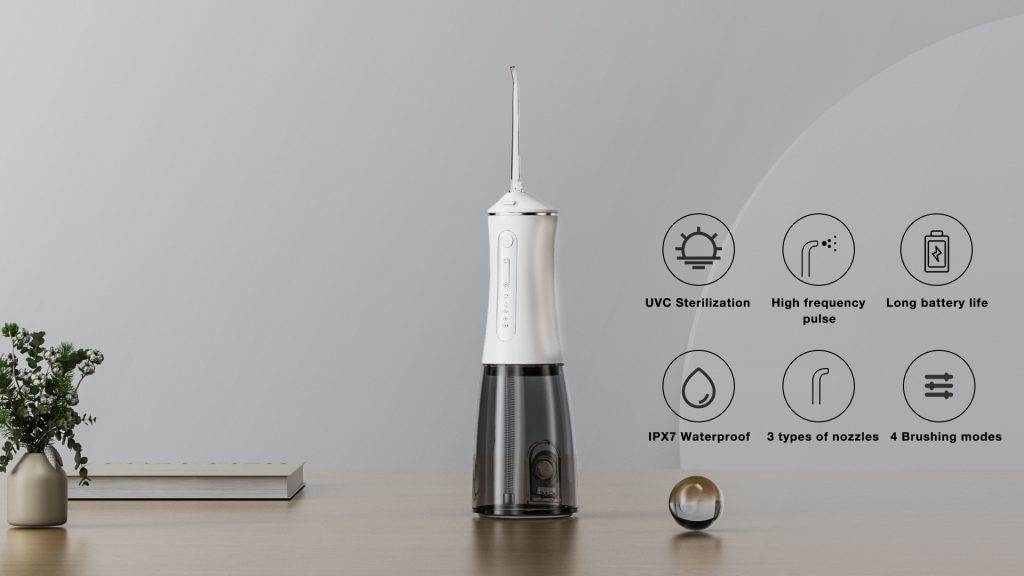
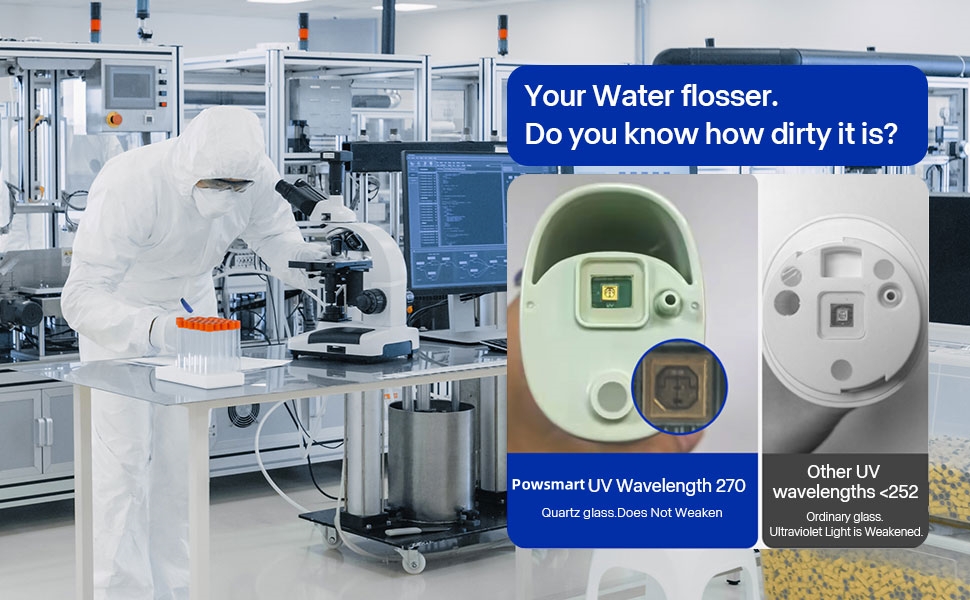
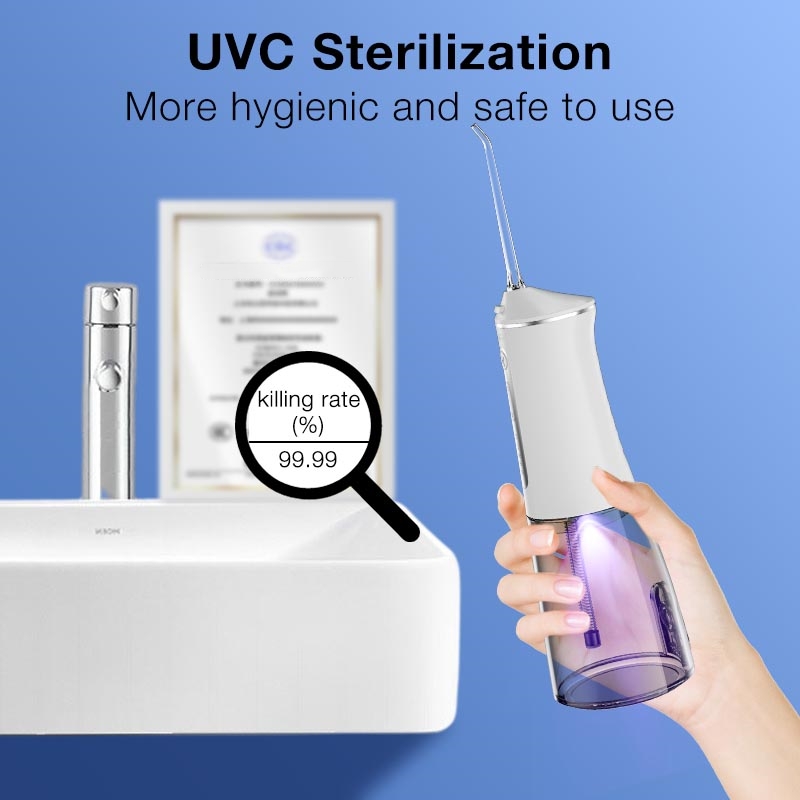
Proper oral hygiene is essential for maintaining healthy teeth and gums. While brushing is a cornerstone of dental care, many dentists emphasize that it alone is not enough to thoroughly clean the mouth. This is why dentists recommend dental irrigators as an effective addition to daily oral care routines. Dental irrigators use a stream of water to clean areas that traditional brushing and flossing might miss, making them an essential tool for maintaining optimal oral health. Dental Irrigators: Recommended Reasons Dentists recommend dental irrigators for several compelling reasons: Thorough Cleaning: Dental irrigators can effectively remove food particles and plaque from hard-to-reach areas, such as between teeth and along the gumline. This feature is especially beneficial for individuals with braces, bridges, or dental implants. Gentle on Gums: Unlike traditional floss, which can sometimes cause irritation or bleeding, dental irrigators provide a gentle yet effective cleaning method, making them suitable for people with sensitive gums or gum diseases. Prevention of Oral Health Issues: Regular use of dental irrigators can help prevent common problems such as cavities, bad breath, and gum inflammation by ensuring a cleaner oral environment. Powsmart’s water flossers also have UVC sterilization function and available for customization. https://www.powsmart.com/simples/customizable-water-flosser-big-tank-uvc-sterilization/These dental irrigators recommended…
Water flossers have become a popular tool for maintaining oral hygiene. Their ability to effectively remove plaque and food particles makes them a favorite among users. However, not everyone is an ideal candidate for this device. Understanding the water flosser usage precautions is essential to ensure safety and optimal results. This blog will discuss who might not be suitable for using water flossers and the reasons behind it. People with Severe Gum Diseases Individuals with advanced gum diseases, such as periodontitis, should consult their dentist before using water flossers. While these devices can help with mild gum issues, high-pressure water streams may exacerbate inflammation or bleeding in severe cases. Following the advice of a dental professional is a critical water flosser usage precaution. Those with Oral Surgeries or Wounds If you have recently undergone oral surgery or have open wounds in your mouth, using a water flosser could delay healing or cause discomfort. The water pressure might interfere with stitches or irritate the wound. In such cases, it's better to wait until your mouth has fully healed before resuming the use of water flossers. Individuals with Sensitive Teeth or Gums People with highly sensitive teeth or gums may find water flossers uncomfortable,…
Oral health has become a priority for consumers worldwide. And oral irrigators are emerging as essential tools for maintaining hygiene beyond traditional brushing. But what drives their effectiveness? Understanding the core technology of the oral irrigator is crucial for businesses aiming to innovate in this competitive market. This article delves into the fundamental technologies that power oral irrigators, offering insights into their unique functionalities and market potential. Core Technology of the Oral Irrigator At the heart of an oral irrigator lies its ability to clean effectively by using high-pressure water jets. The core technology of the oral irrigator combines the following key elements: Water Pressure Control: Adjustable water pressure systems allow users to customize the intensity to suit their gum sensitivity, ensuring effective cleaning without causing discomfort. Advanced models feature precision control to enhance usability. Pulsation Technology: Pulsating water streams are designed to break up plaque and remove debris between teeth and below the gumline. This feature mimics professional dental tools, making oral irrigators a preferred choice for deep cleaning. Rotational Nozzles: Many oral irrigators include 360-degree rotating nozzles for accessing hard-to-reach areas. This feature ensures comprehensive cleaning, particularly for users with braces, implants, or other dental appliances. UV Sterilization and Filtration: Some…
Oral irrigators have gained popularity as an effective alternative to traditional dental floss. These devices, also known as water flossers, use a targeted stream of water to clean between teeth and along the gumline. While many people find them easy to use and highly efficient, there are still common misunderstandings of oral irrigators that may prevent users from fully leveraging their benefits. In this blog, we’ll debunk five misconceptions about oral irrigators and explain how they can complement or even replace dental floss in daily oral hygiene routines. Misunderstanding 1: Oral Irrigators Completely Replace Dental Floss Many users assume that oral irrigators render dental floss unnecessary. While oral irrigators are excellent for removing debris and plaque from hard-to-reach areas, they may not entirely replace dental floss for everyone. Traditional floss can still be useful for scraping stubborn plaque off tooth surfaces. A combination of both methods can often provide the best results for maintaining oral health. Misunderstanding 2: Oral Irrigators Are Only for People with Braces or Implants Another common belief is that oral irrigators are only beneficial for individuals with braces, implants, or other dental work. In reality, they are a fantastic tool for anyone seeking improved oral hygiene. Studies have shown that…
The battery life of an electric toothbrush is a crucial factor for consumers, especially for those who travel frequently or use their toothbrush multiple times daily. With advancements in technology, the battery life of electric toothbrushes has significantly improved, but there are still notable differences across different electric toothbrush manufacturers. In this blog, we will explore the average battery life, factors that contribute to variations, and how to choose a toothbrush that best meets consumer needs. Average Battery Life of Electric Toothbrushes Most electric toothbrushes on the market offer a battery life ranging from 7 days to 6 weeks on a single charge, depending on the model and usage patterns. Basic models typically last around 7–14 days, while premium models with advanced features can last up to 9 weeks. Powsmart, as a high-end electric toothbrush factory with lithium-ion batteries built-in the electric toothbrush tend to perform better in terms of longevity compared to those using nickel-metal hydride (NiMH) batteries. Factors Influencing Battery Life Differences The electric toothbrush battery life difference can be attributed to several factors: Battery Type: Lithium-ion batteries, commonly used in modern toothbrushes, are lighter, more efficient, and last longer than NiMH batteries. Most of the time, the battery type is also a key factor…
Understanding Your Needs When choosing a dental irrigator, the first step is to evaluate your personal or professional requirements. Are you selecting it for home use, travel, or a dental clinic? For example, families may prefer countertop models with large reservoirs, while frequent travelers might opt for compact, portable devices. By identifying your primary usage scenario, you can better answer the question: “How to select a suitable dental irrigator?” Water Pressure and Modes The effectiveness of a dental irrigator lies in its ability to clean thoroughly. Look for models that offer adjustable water pressure settings and multiple modes, such as pulse or massage. These features are especially helpful for users with sensitive gums or specific dental concerns. One of the key tips for selecting suitable water flosser models is ensuring it provides sufficient flexibility to cater to various oral care needs. Powsmart ‘s water flosser offers 3 different flossing modes for options. Consider the Reservoir Size Reservoir size directly impacts convenience. A larger tank allows for longer cleaning sessions without frequent refilling, making it ideal for home use. On the other hand, compact water flossers with smaller reservoirs are perfect for travelers who prioritize portability. When determining “How to select a suitable…
This blog explores the materials and processes of electric toothbrush handle shell used in production, providing insights into how factories maintain high standards. In an electric toothbrush factory, the handle shell plays a vital role in ensuring the product’s durability, aesthetics, and functionality. As an experienced electric toothbrush manufacturer, Powsmart is focusing on innovative materials and efficient production processes to meet market needs. Common Materials for Electric Toothbrush Shells The handle shell of an electric toothbrush must be robust, lightweight, and resistant to moisture. Factories commonly use the following materials: ABS Plastic: A widely used material, ABS plastic provides excellent strength and impact resistance. Its lightweight nature makes it ideal for comfortable handling. Polycarbonate (PC): Known for its transparency and toughness, PC is often for premium models where aesthetics are prioritized. Silicone Coating: Applied over plastic shells, silicone enhances grip and provides a soft-touch finish, increasing user comfort. Generally, material selection often depends on the product’s target market and desired features. For instance, premium designs may incorporate recycled plastics to align with sustainability goals. Powsmart focuses on producing high-end Key Manufacturing Processes The materials and processes of electric toothbrush handle shell are closely linked to ensure a seamless production cycle. Common processes include: Injection…
Sonic electric toothbrushes have revolutionized oral care with their advanced cleaning technology. They offer a significant upgrade from manual toothbrushes, providing superior plaque removal and a deeper clean. But what exactly is the working principle of sonic electric toothbrushes? In this blog, we’ll break down how these devices function and why they are so effective in maintaining oral hygiene. How Sonic Electric Toothbrushes Work At the core of a sonic electric toothbrush lies its ability to produce high-frequency vibrations. These vibrations typically range between 24,000 and 48,000 strokes per minute. This rapid movement enables the bristles to agitate toothpaste, water, and saliva into a dynamic fluid motion, which helps dislodge plaque and debris even in hard-to-reach areas. The unique feature of sonic toothbrushes is their ability to create microbubbles that reach areas beyond the bristles, ensuring comprehensive cleaning. This fluid dynamic action explains how sonic electric toothbrushes work effectively to clean teeth and improve gum health. Key Components of Sonic Technology The working principle of sonic electric toothbrushes relies on three primary components: Motor: The motor generates high-speed vibrations, which are transmitted to the bristle head. Bristle Design: Sonic toothbrushes often feature densely packed, specially designed bristles to enhance cleaning performance. Amplitude…
Many users notice that their electric toothbrushes produce significant noise during operation, raising questions about the cause and possible solutions. While these devices are praised for their efficiency in oral care, the sound can sometimes be disruptive. In this article, we'll explore why electric toothbrushes make noise, the factors contributing to this issue, and solutions for solving the noisy problem from the electric toothbrush manufacturer aspect. Why Do Electric Toothbrushes Make Noise? Electric toothbrushes operate using a motor that generates vibrations to clean teeth effectively. These vibrations, combined with the oscillation or rotation of the brush head, naturally produce sound. However, excessive noise can occur due to: Low-Quality Motors: Cheaper motors often produce louder vibrations due to less precision in design. Brush Head Design: Some brush heads create more friction or turbulence during use, amplifying noise. Loose Components: If the brush head or other parts are not securely fitted, they can create additional rattling sounds. Factors Contributing to Noise Levels The design and materials of an electric toothbrush play a significant role in noise levels: Material Selection: Harder plastics and cheaper components may vibrate more, leading to louder noise. Motor Technology: Sonic and ultrasonic toothbrushes generally produce higher-frequency vibrations that…
Electric toothbrushes have become a staple in oral hygiene, and the motor is the heart of their functionality. However, the difference between different manufacturers of electric toothbrush motors can significantly impact the toothbrush’s performance, durability, and cost. This blog explores how electric toothbrush manufacturers vary in technology, quality, and innovation, helping B2B buyers make informed decisions. Motor Technology and Performance One key difference between different manufacturers of electric toothbrush motors lies in the motor technology they use. High-end manufacturers often employ advanced sonic or oscillating motors, offering superior cleaning efficiency. In contrast, budget-friendly manufacturers might use basic rotary motors that are less powerful but more affordable. For instance, different electric toothbrush manufacturers targeting premium markets prioritize vibration frequency and noise reduction, while others focus on cost-efficiency for mass production. Quality and Material Standards Another factor that differentiates manufacturers is their commitment to quality and material standards. High-quality motors ensure longevity and consistent performance. Manufacturers who source robust materials and implement stringent quality control processes are often more reliable. On the other hand, some low-cost manufacturers might compromise on motor durability to reduce production costs, which can lead to a higher rate of product failure. Understanding this difference between different manufacturers of electric toothbrush…
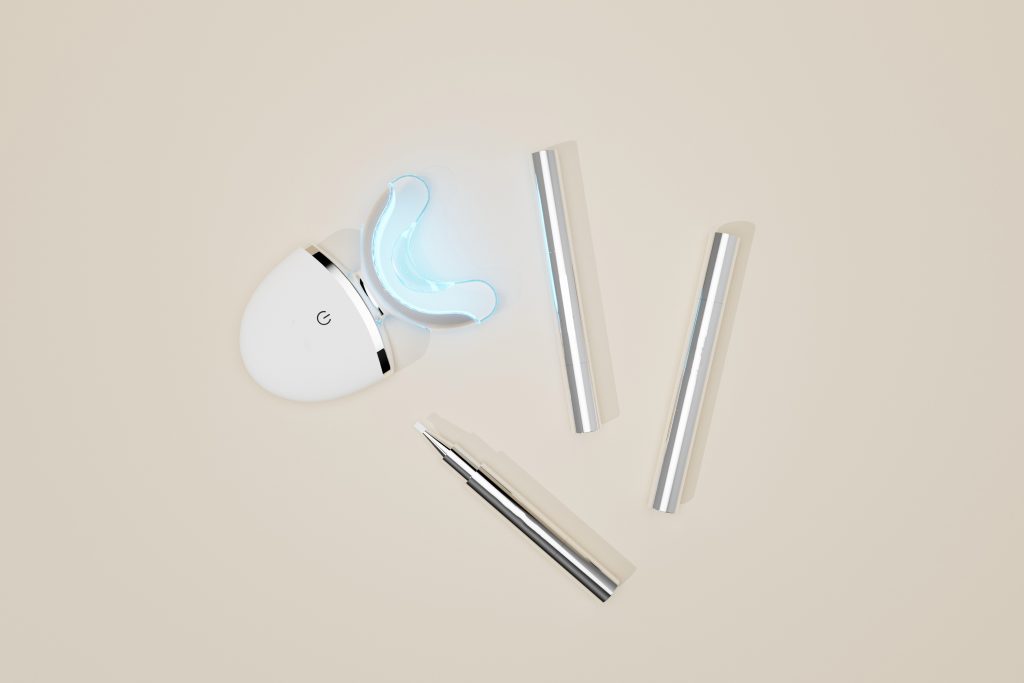
The OEM process for whitening gel allows businesses to produce high-quality, branded teeth whitening products tailored to their specifications. By partnering with professional manufacturers, companies like Powsmart can customize formulas, packaging, and branding to create unique products. This article provides a comprehensive overview of the OEM process, highlighting key steps and the benefits of offering customizable teeth whitening gel products. Key Steps in the OEM Process a. Requirement Analysis:The process begins with discussing your specific requirements, such as the formula, active ingredients, and concentration levels. At this stage, you can also decide on packaging design and whether you need a custom logo whitening gel to represent your brand effectively. b. Formula Development:Based on your preferences, the manufacturer develops a whitening gel formula. This can include selecting organic or clinically tested ingredients and ensuring that the product meets safety regulations in target markets. c. Prototyping and Testing:Before full-scale production, a prototype batch is for testing. This step ensures that the customizable teeth whitening gel meets quality standards, provides desired results, and aligns with the brand’s expectations. d. Branding and Packaging:Once finalizing the formula, the focus shifts to branding. Custom packaging designs, labels, and logos are aim to align with your target audience. A custom logo…
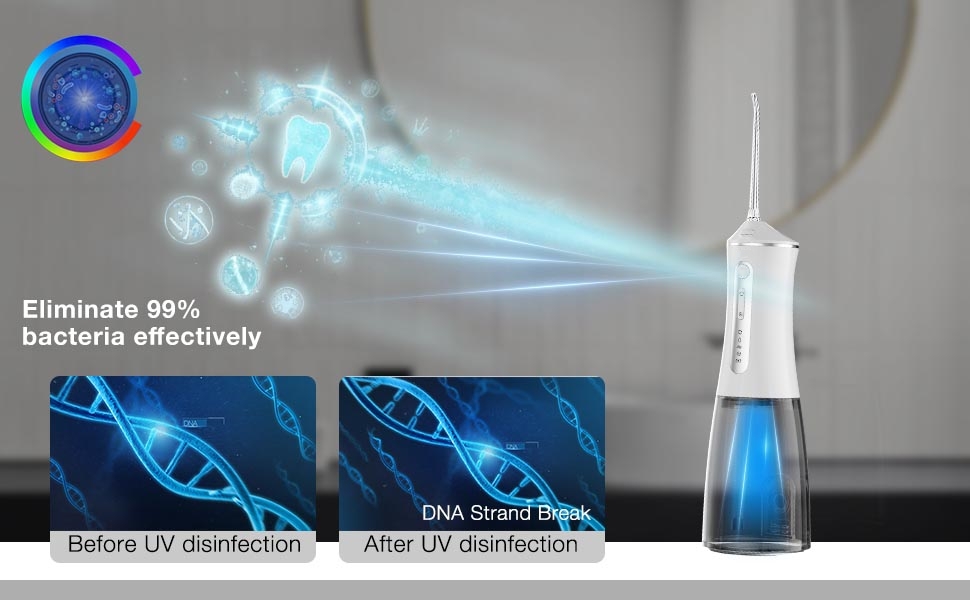
Introduction In the world of oral hygiene, innovation is key to ensuring effective and safe cleaning practices. One feature gaining traction is the sterilizing function of the dental flosser. This advanced technology enhances the efficiency of dental flossers by incorporating UVC sterilization, ensuring users achieve a cleaner and safer experience. Let’s explore this revolutionary feature, how it works, and why collaborating with a trusted oral irrigator factory is vital for businesses. Why Sterilization Matters in Oral Care Oral health devices, including dental flossers, are susceptible to bacterial buildup when stored improperly or exposed to moisture. Incorporating a sterilizing function of the dental flosser significantly reduces the risk of bacteria and germ accumulation, ensuring that every use is as hygienic as the first. Studies have shown that UVC technology can eliminate up to 99.9% of bacteria, making it a game-changer for oral care products. How UVC Sterilization Works in Dental Flossers UVC sterilization utilizes ultraviolet light in a specific wavelength to destroy bacteria and viruses by targeting their DNA. In dental flossers, this function is typically integrated into the water tank or nozzle, ensuring that the water used during cleaning is free from harmful microbes. Many advanced models automatically activate the…