As electric toothbrushes become more advanced and widely adopted, ensuring durability and safety in every component—especially the charging port—has become a priority for both users and manufacturers. If the charging port is burned out, it not only affects product functionality but can also damage the brand’s reputation and increase returns. For brand owners, understanding the root causes and possible solutions for electric toothbrush charging issues is critical—not just for customer support but for improving upstream electric toothbrush manufacturing decisions.https://www.powsmart.com/about-powsmart/ In this article, we’ll explore what may cause a burned-out charging port, how to handle the situation, and what steps brand owners can take to improve product quality through better supplier partnerships. Identify the Problem: How Do You Know the Charging Port Is Burned Out? The first step is recognizing whether the electric toothbrush is burned out due to charging issues, or if the problem lies elsewhere. Common symptoms include: The device won’t charge despite using a working cable or base. Burn marks or a melted appearance around the charging port A burning smell from the charging area. The toothbrush heats up when plugged in. If these signs are present, it’s likely the charging port burned out, possibly due to voltage instability, water ingress,…
.jpg)
For many oral care device manufacturers, button decay has quietly emerged as an underestimated contributor to unexpected sensitivity spikes in end users. While it is tempting to assume that incorrect operation is to blame, in reality, deteriorating button components often trigger irregular performance that no amount of user diligence can prevent. In this article, we explore how these failures arise, why they create unexpected discomfort, and what manufacturers can do to eliminate the risk at the design level. What Is Button Decay? Button decay refers to the gradual degradation of mechanical or capacitive switch components. Over time, exposure to moisture, toothpaste residue, and repeated pressure can lead to: Internal corrosion of conductive layers Loss of tactile responsiveness Intermittent contact triggering random signals When buttons decay, they may fail to engage properly or, worse, generate unintended commands that activate higher-intensity settings without the user realizing it. How Sensitivity Spikes Develop Sensitivity spikes are sudden, pronounced sensations of discomfort during brushing or treatment cycles. They typically stem from: Unexpected mode changes to high-power or massage functions Prolonged exposure to intense vibrations or pressure Interrupted cycles that restart at full strength As button decay progresses, these random shifts in intensity become more frequent,…
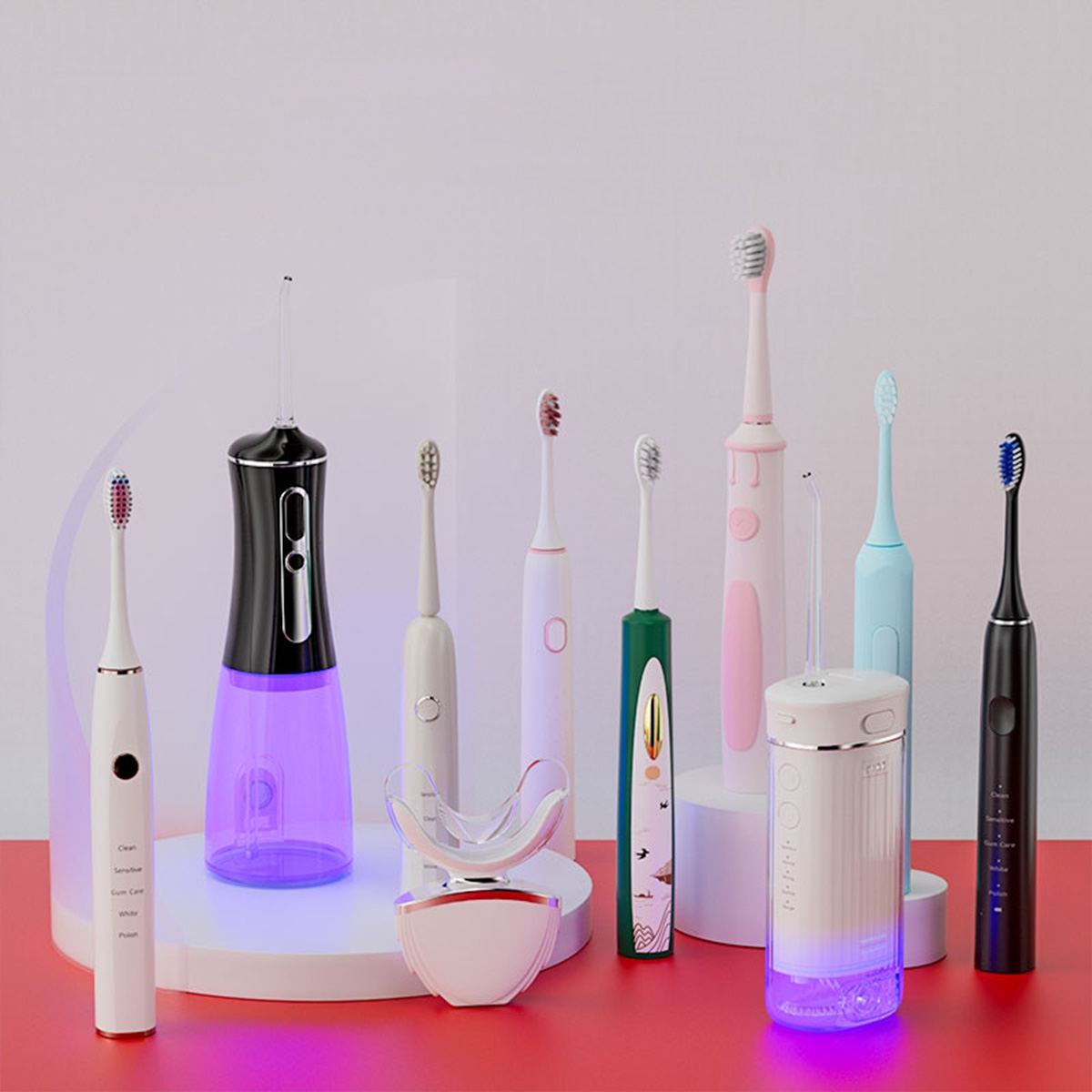
In recent years, consumers have increasingly moved away from single-product solutions and begun seeking comprehensive oral care solutions that provide ease, efficiency, and long-term dental benefits. For oral care product brands, this consumer behavior presents a significant opportunity: offering oral care product sets that address multiple needs in one package. This blog explores why complete solutions are trending, and how brands can align with reliable manufacturers to deliver comprehensive oral care systems that meet rising consumer expectations. What Is a Complete Oral Care Routine? A complete oral care routine goes beyond just brushing. It typically includes an electric toothbrush, an oral irrigator (water flosser), mouthwash, floss, and tongue cleaner—sometimes even travel cases or smart app integrations. Consumers are increasingly drawn to curated product bundles that save time and eliminate guesswork. For product brands, positioning a comprehensive oral care approach allows for upselling, brand loyalty, and differentiation in a saturated market. The Convenience Factor: Why Sets Win Consumer Attention One of the primary drivers behind the preference for bundled products is the convenience factor. In a fast-paced world, consumers value time-saving, ready-to-use solutions. Oral care product sets eliminate the need for separate purchases and decision-making. Instead of researching multiple products across brands, consumers trust a complete system designed…
As demand for smart, high-performance oral care devices continues to grow, electric toothbrush brands are investing more in design, marketing, and features. Yet, one often-overlooked issue continues to affect customer satisfaction and warranty rates—electric toothbrush charging issues. Have you ever received customer complaints that their electric toothbrush burned out during charging? It's more common than you think—and often stems from poor charging design, incorrect usage instructions, or manufacturing flaws. In this blog, we’ll explore the root causes, share expert toothbrush charging cautions, and offer suggestions from factory insights to help your brand deliver reliable, long-lasting products. Common Reasons Why Electric Toothbrushes Burn Out Understanding the causes of toothbrush burnout helps both brands and OEM partners design safer, longer-lasting devices. Below are the main culprits: Over-voltage or incompatible charging adapters: Using a high-wattage phone charger or non-approved adapter can overload the circuit. Lack of overcharge protection: If the toothbrush’s PCB or battery lacks protective components, continuous charging can overheat and damage internal parts. Exposure to moisture during charging: Improper sealing design allows water ingress into the charging port or base, short-circuiting the internal system. Poor-quality components: Low-grade batteries or control boards, often used by unqualified manufacturers, can cause premature failure. Each of these reflects…
.jpg)
As global demand for smart and high-quality oral care products continues to grow, many brands are turning to OEM (Original Equipment Manufacturer) solutions to bring their electric toothbrush lines to market. Choosing the right OEM partner is critical—not only for meeting consumer expectations but also for ensuring Electric toothbrush quality manufacturing. This blog outlines the core OEM essentials every brand should consider before launching an electric toothbrush product through a manufacturing partner. Understanding the Basics: Electric Toothbrush Production Workflow Before entering into a partnership, it’s important for brands to understand the full electric toothbrush production lifecycle. From concept design to packaging, a typical OEM process involves: Product design and engineering: Including brush head ergonomics, vibration/motion systems, and waterproofing solutions. Prototype development: Function and safety testing using international standards. Mass production: Using automated lines and precision injection molding for consistency. Packaging and branding: Tailored to client requirements and regulatory labeling. Working with a manufacturer who can manage all stages efficiently ensures a seamless development cycle and reliable time-to-market delivery. Electric Toothbrush Manufacturing Essentials: What to Look for When assessing potential suppliers, these electric toothbrush manufacturing essentials should be at the top of your checklist: ISO-certified production facilitiesEnsure your partner complies with global standards (e.g., ISO…

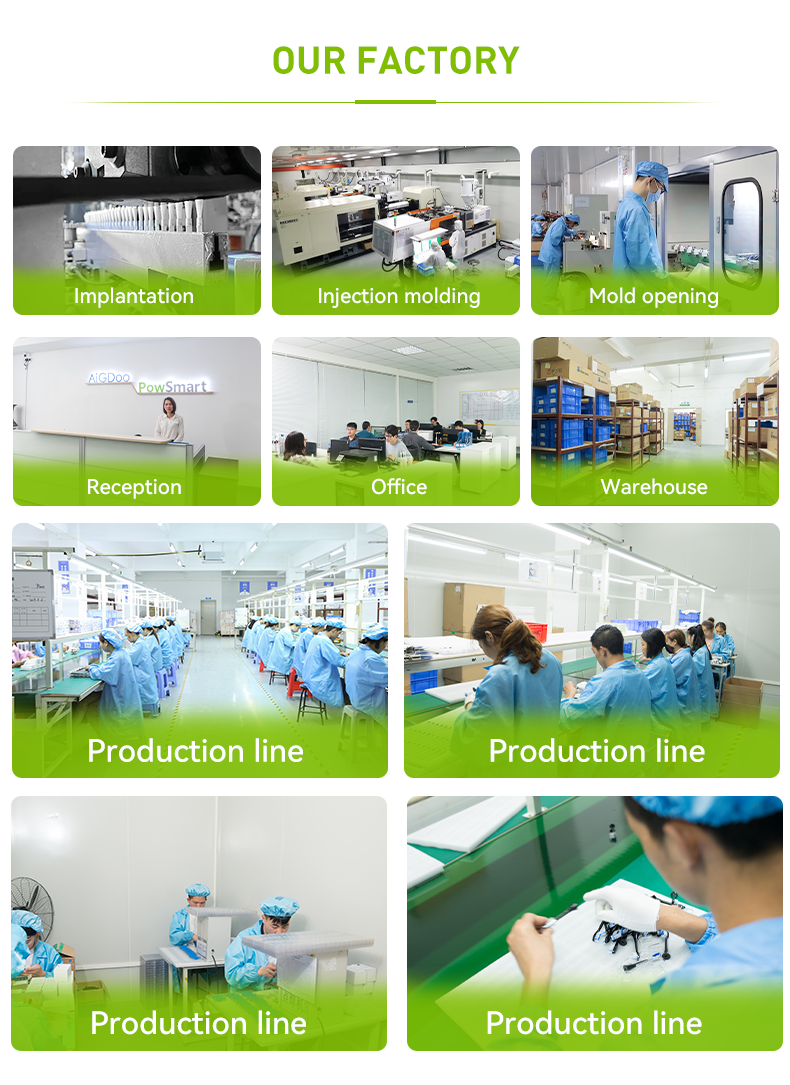
In the fast-growing oral care market, choosing the right electric toothbrush factory can be the difference between product success and failure. For brand owners and sourcing managers, understanding how to properly evaluate an electric toothbrush factory is essential to ensure product consistency, timely delivery, and long-term partnership success. This article outlines a six-part evaluation framework to help you assess a factory's comprehensive capabilities, including their OEM capabilities, manufacturing standards, and commitment to Electric Toothbrush Quality Manufacturing. Assessing the Factory’s Core Manufacturing Capabilities The first step in evaluating an electric toothbrush supplier is to investigate its core production competencies. A capable electric toothbrush factory should have: In-house facilities for plastic injection molding, PCB assembly, and motor integration. Experience with multiple product lines (oscillating, sonic, kids’ models). Scalable production capacity that aligns with your demand projections. This baseline assessment ensures the factory has the technical resources to meet your product specifications under various volumes. Reviewing OEM & ODM Capabilities Many oral care brands seek manufacturers that can provide OEM capabilities and even ODM (Original Design Manufacturing) services. During the evaluation, ask: Can the factory customize molds, packaging, and firmware? Do they offer product design support or only manufacturing? Are there R&D engineers on-site for product development or…
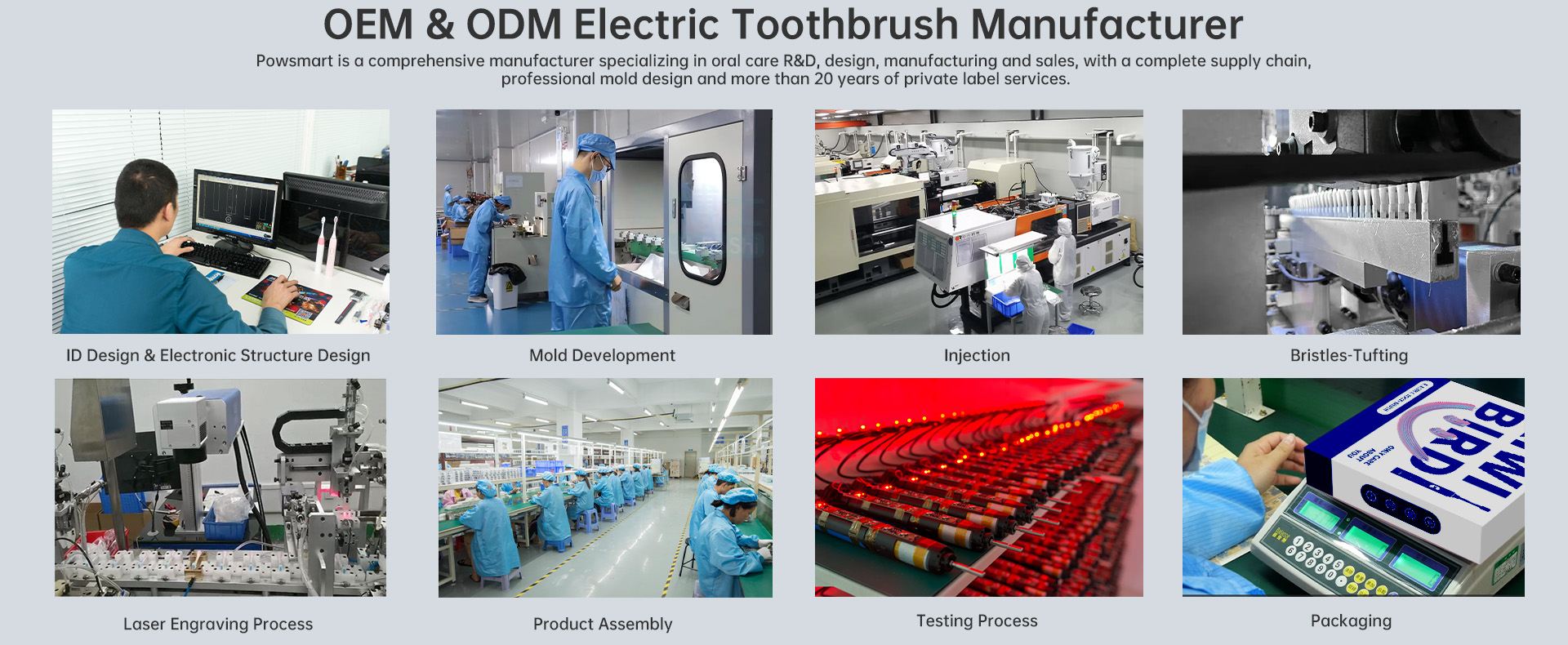
The demand for electric toothbrushes continues to rise globally, with both startups and established oral care brands seeking to expand their portfolios. One of the most effective ways to enter this market quickly and efficiently is through Electric Toothbrush OEM projects. Partnering with an experienced manufacturer allows brands to offer high-quality, customizable products under their own label. However, successful OEM cooperation requires careful planning. In this article, we highlight the essential considerations that any brand should evaluate before starting an electric toothbrush private label or OEM project. Defining Your Product Vision and Brand Goals Before contacting potential manufacturers, it’s critical to define your product vision. What kind of electric toothbrush are you looking to offer — basic entry-level models or high-end smart toothbrushes with Bluetooth and app connectivity? Key Considerations: Target market segment (budget, mid-range, premium) Core features and innovations desired Packaging and branding requirements Clear direction from the brand side helps streamline the electric toothbrush OEM process and avoids unnecessary revisions later in production. Evaluating Manufacturer Capabilities and OEM Experience Not all suppliers are equipped to handle the complexity of Electric Toothbrush OEM projects. Brands should look for manufacturers with proven expertise in oral care device production and the ability to handle…
As device miniaturization and multi-functionality evolve, the relationship between filter clogging and slow charging has become an unexpected but critical concern in the design and manufacturing of consumer electronics, especially in portable and rechargeable devices like electric toothbrushes, water flossers, and personal grooming tools. But how exactly does a clogged filter impact the charging efficiency of such devices, and what measures should manufacturers adopt to avoid this problem? How Does Filter Clogging Occur in Rechargeable Devices? Filter clogging typically refers to the obstruction of air, moisture, or dust filters within electronic devices. These filters are designed to: Block debris, moisture, or dust from entering the internal circuits; Ensure proper ventilation for battery and component cooling; Maintain clean contact points between charging ports and battery systems. However, when these filters are neglected or poorly designed, accumulated contaminants restrict airflow or moisture control, creating conditions that interfere with charging speed and performance. Why Is Filter Clogging Linked to Slow Charging? Though rarely considered, filter clogging can indirectly result in slow charging due to several technical reasons: Clogged filters may cause overheating of internal battery components as proper ventilation is reduced, forcing the device’s battery management system (BMS) to lower charging current to…
.jpg)
In today's competitive oral care market, cleaning performance is a key differentiator for any electric toothbrush brand. Whether you’re launching a new line or improving your current offering, choosing the right electric toothbrush factory can make or break product performance. Key factors such as sonic technology, brush head design, and quality OEM manufacturing standards all influence the outcome. This blog explores how different factories vary and what to consider when selecting the right partner. The Role of Sonic Technology in Deep Cleaning Toothbrushes One of the primary factors impacting cleaning efficiency is the type of motor technology used. Advanced sonic technology enables toothbrushes to deliver up to 40,000 strokes per minute, creating microbubbles that reach deep between teeth and along the gum line. However, not all electric toothbrush factories implement this technology equally. Top-tier factories invest in high-frequency, stable sonic motors. Lower-end suppliers may compromise on vibration strength and consistency. When selecting a supplier, always evaluate their motor sourcing and engineering capabilities to ensure your brand offers a true deep cleaning toothbrush experience. Brush Head Design: The Unsung Hero of Cleaning Performance Another critical but often overlooked component is the brush head design. Factors such as bristle material, tufting density, and head shape directly impact how…
In the world of electronic personal care devices such as electric toothbrushes and water flossers, two hidden yet severe risks often go unnoticed by end users—battery leakage and subsequent circuit corrosion. While each problem alone can compromise product performance, their combination poses a much greater threat to both device lifespan and user safety. Are these two failures merely coincidental, or are they intrinsically linked in a dangerous cycle that manufacturers cannot afford to ignore? What Is Battery Leakage and Why Does It Occur? Battery leakage occurs when the internal chemical contents of a battery escape from its sealed casing. This usually happens due to: Overcharging or improper charging practices; Use of low-quality or aged battery cells; Physical damage to the battery structure during assembly or usage; Extreme storage conditions such as high humidity or temperature fluctuations. When leakage happens, the corrosive electrolyte materials can spread inside the device, setting the stage for further internal damage. How Does Battery Leakage Lead to Circuit Corrosion? The leaked electrolyte is highly conductive and chemically aggressive. Upon contact with the device’s inner components, especially the circuitry, the following chain reaction occurs: Metal traces and solder points on the circuit board oxidize; Insulation barriers weaken,…
In the world of electronic appliances, especially those designed for personal care such as electric toothbrushes and oral irrigators, two critical risks demand serious attention: Short Circuit and Water Leakage. When these two issues occur simultaneously, the potential hazards multiply—not only threatening device performance but also putting user safety at considerable risk. Are manufacturers unknowingly playing with fire if they overlook this dangerous combination? Understanding the Relationship Between Short Circuit and Water Leakage Water and electricity are natural enemies. A Water Leakage—whether from a poorly sealed tank, damaged O-rings, or cracked casings—can directly result in moisture reaching sensitive electronic components. Once inside, this moisture can lead to a Short Circuit, where electrical pathways are unintentionally bridged. This not only causes the device to malfunction but also increases the chance of overheating or sparking. For OEM suppliers, ensuring IPX7 or higher waterproof standards during design and testing is the first step to prevent this chain reaction. Why the Double Risk Is More Dangerous Than It Seems While either Water Leakage or a Short Circuit is harmful on its own, their combination represents an amplified threat. A Short Circuit caused by internal moisture does not only lead to product failure—it can result…
In the manufacturing and supply of electric personal care devices, two frequently overlooked but critical issues are Charging Failure and Handle Cracking. These problems not only impact the product’s functionality but also jeopardize its lifespan and user satisfaction. When these two issues occur simultaneously, the risk of total device failure significantly increases. This article explores why these faults arise and provides practical guidance for B2B manufacturers on how to identify and resolve them efficiently. Understanding the Root Causes of Charging Failure Charging Failure in electric devices, such as toothbrushes and water flossers, can originate from various points in the system: Damaged Charging Ports: Repeated use, contamination, or oxidation of the charging contacts can prevent effective power transfer. Circuit Malfunction: Poor-quality PCBs or faulty battery management systems (BMS) disrupt the charging cycle. Battery Degradation: Aged or inferior batteries may no longer accept or retain charge, leading to performance drops. Detecting the true source of Charging Failure is critical before proceeding with corrective actions to avoid misdiagnosis and unnecessary component replacement. The Hidden Threat of Handle Cracking Simultaneously, Handle Cracking is another issue that can silently develop during the product’s lifecycle: Material Fatigue: Prolonged exposure to moisture, temperature shifts, and mechanical stress…
In the manufacturing of consumer electronics and precision appliances, problems such as Handle Cracking and Connector Corrosion are often underestimated, yet they play a critical role in determining the overall lifespan and reliability of the device. For OEM and ODM partners, understanding how these two failure modes impact product durability is essential to optimizing design, reducing warranty claims, and maintaining market competitiveness. What is Handle Cracking? Handle Cracking refers to the development of visible or internal fractures in the plastic, rubber, or composite material used in the handle of a device. This issue is common in products that are subjected to repeated mechanical stress, exposure to moisture, UV radiation, or temperature cycling. When cracks form in the handle structure, they compromise both the mechanical strength and the sealing capability of the device. Over time, handle cracking can lead to water ingress, contamination of internal components, or a loss of structural integrity—all factors that contribute to premature product failure. The Risks of Connector Corrosion Connector Corrosion occurs when metal contacts in electrical connectors are exposed to moisture, salts, or corrosive environments. This leads to oxidation or material degradation that increases electrical resistance, causes intermittent connections, or even total circuit failure. Connector…
In the manufacturing of modern electronic and electro-mechanical devices, unexpected failures such as Charging Overheat and Joint Leakage can greatly reduce product reliability and shorten service life. Although these two issues appear to belong to different system domains—thermal management versus sealing integrity—they are in fact closely interrelated. For OEM and ODM manufacturers, understanding this hidden connection is critical to preventing costly after-sales failures and maintaining customer satisfaction. What is Charging Overheat? Charging Overheat occurs when a device's battery or charging circuit generates excessive heat during the charging process. This heat can be the result of design inefficiencies, poor component quality, or misuse by the end-user—such as charging in a high-temperature environment or using incompatible chargers. Excessive heat during charging not only threatens battery safety but also impacts surrounding structural components, especially plastic joints, seals, and adhesives that are sensitive to temperature rise. Understanding Joint Leakage Joint Leakage refers to the loss of sealing effectiveness at the device's assembly seams, gaskets, or bonded areas. Leakage points often allow moisture, dust, or other contaminants to enter the device interior, potentially damaging sensitive electronics or reducing mechanical performance. For devices like electric toothbrushes, grooming appliances, or medical instruments, maintaining watertight or airtight joints…
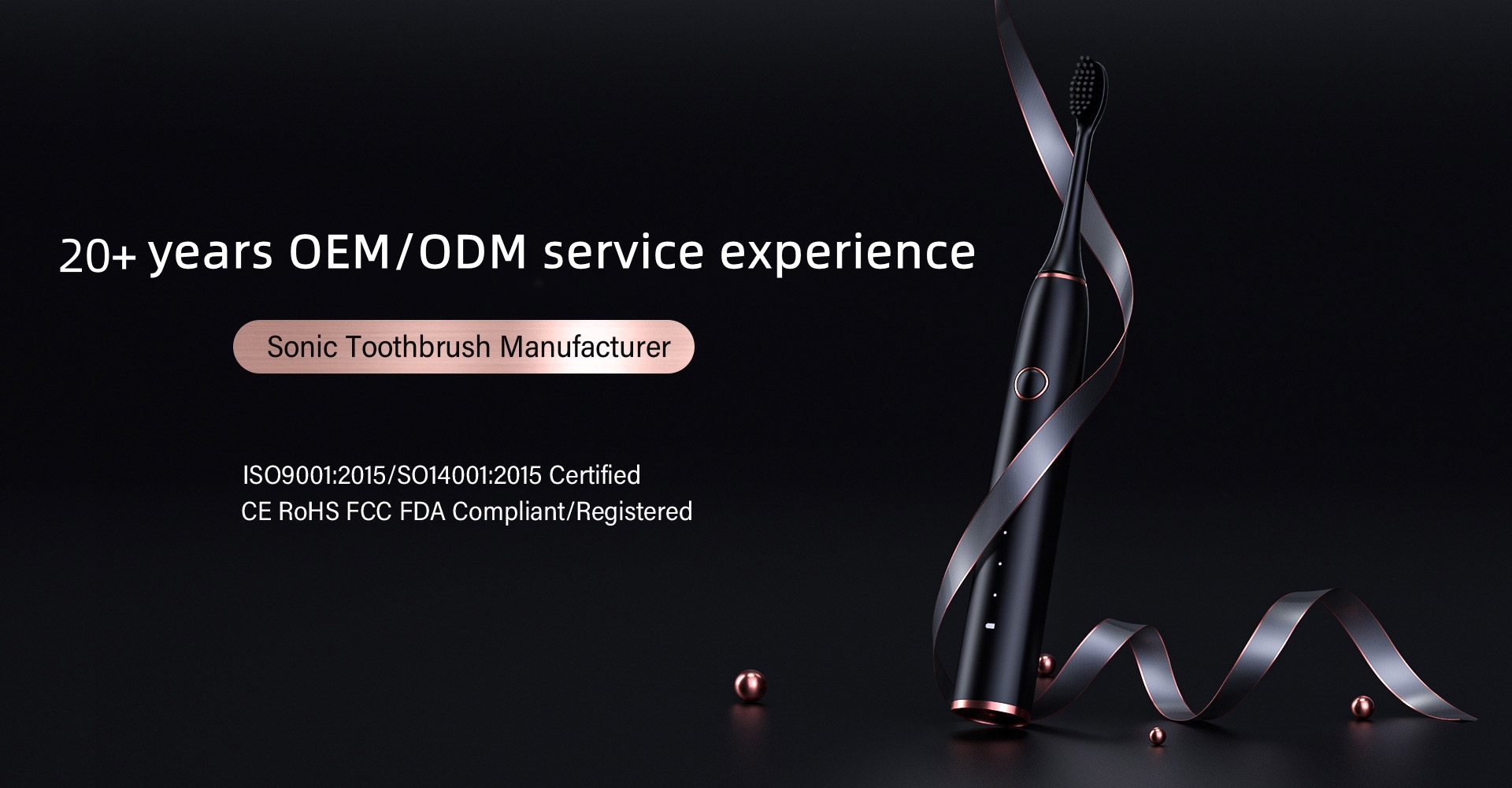
As demand for smart and innovative oral care products continues to rise, many brands are turning to electric toothbrush OEM cooperation to speed up production and enhance competitiveness. However, engaging in OEM partnerships without a proper risk assessment and preventive measures can lead to serious legal consequences, including quality risk and intellectual property risk. In this blog, Powsmart offer a comprehensive guide to help brands identify and avoid legal risks in the OEM process and share best practices to mitigate them. Clarify Contractual Obligations from the Beginning One of the most common legal pitfalls in OEM cooperation stems from vague or incomplete contracts. All terms—including product specifications, pricing, delivery timelines, quality standards, and penalties for non-compliance—should be explicitly defined. Key preventive measures: Use bilingual contracts if working with overseas factories. Specify testing standards and inspection responsibilities. Include confidentiality and exclusivity clauses when necessary. Clear contracts serve as the foundation for legal protection and reduce the possibility of disputes later in the manufacturing process. Conduct a Thorough Risk Assessment of the Manufacturer Before entering into a partnership, brands must perform due diligence to identify and avoid Legal Risks associated with the chosen OEM factory. A surface-level evaluation is not enough. Factors to assess include: Legal registration and…
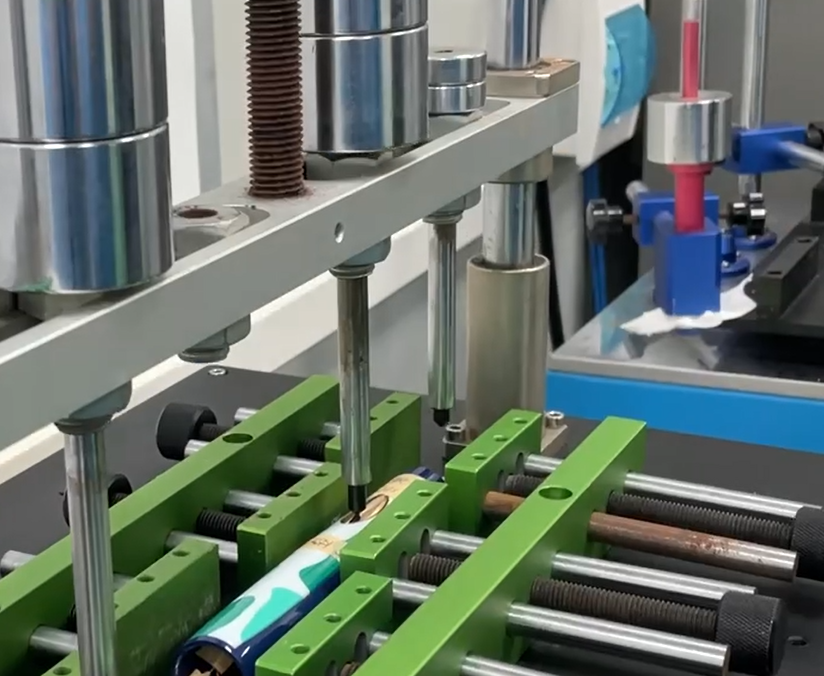
In today’s competitive oral care market, brand success often hinges on product quality, innovation, and speed to market. For brands looking to expand their presence with a Smart Electric Toothbrush line, choosing a high-quality Electric Toothbrush Factory is a crucial decision. The right partner doesn’t just manufacture your products—they help shape your brand’s reputation and future. This article offers a step-by-step guide for oral care brands to identify the right tech-driven oral care supplier for their business, with insights into what makes an innovative toothbrush factory manufacturer stand out. Define Your Product and Market Needs Before contacting any factory, you need a clear understanding of your own brand’s needs: Are you launching a premium Smart Electric Toothbrush with app connectivity? Do you need a simple yet reliable OEM electric toothbrush model for entry-level markets? What certifications (FDA, CE, ISO) must the factory support? Knowing your positioning and technical requirements ensures better communication with potential partners and helps in user-targeted oral care manufacturing planning. Key Qualities of a High-Quality Electric Toothbrush Factory When evaluating potential manufacturers, prioritize these attributes: Strong R&D Capabilities: An innovative toothbrush factory manufacturer should have in-house product development, circuit design, and firmware capabilities to support smart features. Production Precision: Look for factories with automated assembly…
In the world of high-precision electronic and mechanical devices, unexpected problems such as Contact Oxidation and Weak Pressure can severely impact overall product performance and end-user satisfaction. Many OEM and ODM partners are beginning to realize that these two seemingly unrelated issues may, in fact, be closely connected. Understanding how electrical contact quality can influence mechanical output like pressure stability is critical for improving the durability and reliability of modern devices. What is Contact Oxidation? Contact Oxidation refers to the formation of an insulating oxide layer on metallic contact surfaces, typically resulting from exposure to oxygen, humidity, or contaminants over time. In battery-powered or electrically actuated devices, contact oxidation can occur at the battery terminals, PCB connectors, motor brushes, or micro-switches. As oxidation builds up, the electrical conductivity at these points decreases, leading to increased resistance and inconsistent power delivery. This seemingly minor issue in the electrical system can ripple through the device’s operation—ultimately affecting mechanical systems that depend on stable electrical input to function correctly. Defining Weak Pressure in Powered Devices Weak Pressure occurs when a device fails to generate or maintain its intended mechanical force—such as air pressure, water pressure, or hydraulic pressure. In consumer appliances like water…
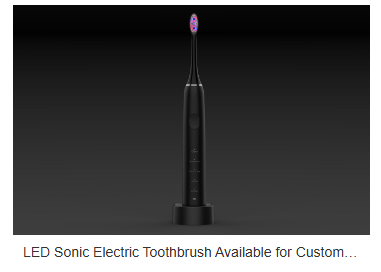
In the fast-evolving personal care market, standing out with a differentiated product is critical—especially in the electric oral care category. Whether you're launching a new brand or upgrading your existing product line, understanding what defines truly innovative electric toothbrush features is key to creating a product that resonates with today’s tech-savvy consumers. In this blog, we’ll explore six Electric Toothbrush Innovative Features that can make your electric toothbrush stand out, while helping you choose the right sonic toothbrush factory partner to bring your vision to life. Smart Brushing Tech for Personalized Oral Care Today’s users expect more than just vibration—they expect intelligence. Integrating smart brushing tech is one of the most effective ways to elevate your product’s value. Features such as: Pressure sensors to prevent overbrushing, AI-based brushing feedback via mobile apps, Real-time brushing coverage tracking,are not only technologically impressive but also reinforce oral hygiene habits. These features represent the new standard in oral care innovation, appealing to both health-conscious users and gadget lovers alike. Sonic Technology with Advanced Motion Control Partnering with a reliable sonic toothbrush factory ensures your product offers not just powerful but also precise cleaning. Advanced sonic motors deliver up to 40,000 vibrations per minute, but that’s only part of the…


.jpg)
.jpg)
.jpg)
.jpg)
.jpg)



.jpg)