As more consumers embrace high-end electric toothbrush, manufacturers are faced with the challenge of delivering not just advanced cleaning technology but also seamless user experiences. One key component of this experience is the toothbrush charging station. For premium electric toothbrushes, charging stations need to offer a combination of waterproof functionality, fast charging capabilities, and sleek, practical designs. In this blog, we’ll take a closer look at the innovative features of high-end toothbrush charging stations from the point of an OEM electric toothbrush manufacturer. The Importance of Waterproof Features in High-End Toothbrush Charging Stations A waterproof charging station is essential for high-end electric toothbrushes. Without adequate water resistance, charging stations can suffer from short circuits or damage, affecting both the safety and durability of the device. Key waterproof features include: Sealed Charging Ports: Prevent water from entering the charging mechanism. IP Rating (Ingress Protection): High-end stations are IPX7 or higher ratings, ensuring they can withstand splashes or brief submersion. Durable Materials: Use of corrosion-resistant metals and plastics to protect internal components. For manufacturers looking to provide a waterproof & fast charging experience, investing in quality sealing technology is crucial. The Need for Fast Charging in Premium Toothbrushes In today’s fast-paced world, consumers expect their high-end electric toothbrushes to…
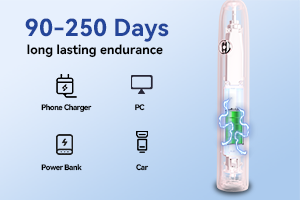
The electric toothbrush market is growing rapidly, with innovations not only in brushing technology but also in charging methods. As manufacturers, understanding the different electric toothbrush charging methods is crucial, particularly the debate between wireless charging vs contact charging. This blog explores the advantages and challenges of both methods, providing insights into which option is best for your OEM electric toothbrush products and how to choose the right charging system for your customer base. Understanding Wireless Charging for Electric Toothbrushes Wireless charging, also known as inductive charging, has become a popular choice in consumer electronics, including electric toothbrushes. This method works by transferring power through an electromagnetic field between the toothbrush and its charging base. Advantages of Wireless Charging Convenience: No need to plug in the toothbrush directly, reducing wear and tear on connectors. Waterproof and Durable: Since there are no exposed charging pins, wireless charging systems are more resistant to water damage, a critical factor for electric toothbrushes. Sleek Design: Wireless chargers allow for cleaner, more minimalist designs, appealing to modern consumers who value aesthetics. Disadvantages of Wireless Charging Longer Charging Times: Compared to contact charging, wireless charging may take longer to fully charge the toothbrush. Higher Cost: The technology behind wireless…
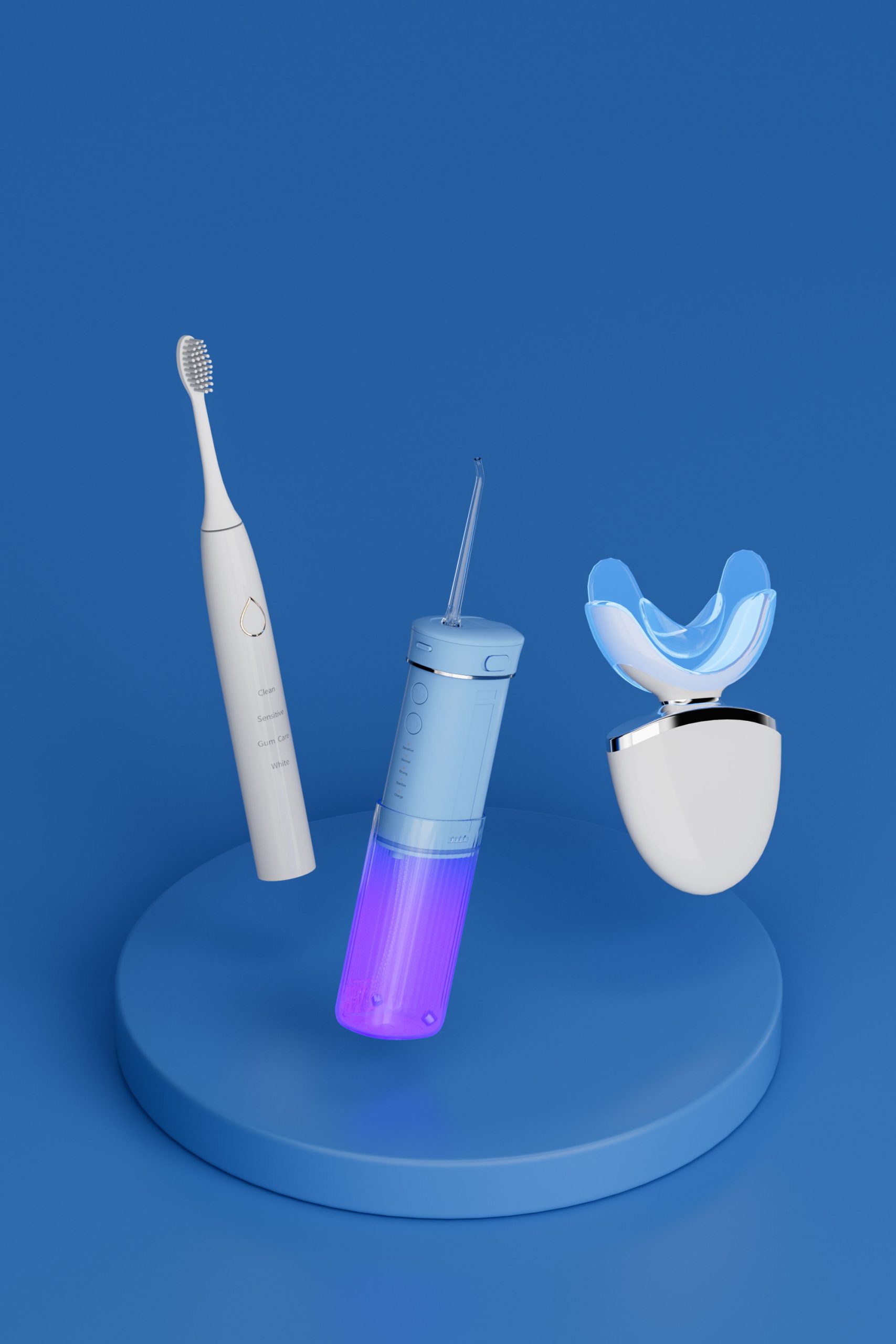
At PowSmart, we don't just manufacture oral care products - we engineer smiles. Our unwavering dedication to quality and innovation has positioned us as a trusted partner for dental professionals and retailers worldwide. Here's what makes our products truly exceptional. 1. Innovation Through Our Own R&D Team Unlike many manufacturers who outsource product development: We maintain a full-time own R&D team of dental engineers and material scientists Our 3,000 sq ft innovation lab develops proprietary technologies We hold 200 patents for brush head designs and motor technologies Every product undergoes at least 18 months of development before launch 2. Rigorous Quality Assurance Protocols Our Quality Assurance process is unmatched in the industry: We conduct 38 reliability tests on every product batch Each electric toothbrush undergoes individual performance testing Our factory maintains ISO9001:2015 andI SO9001:14001 Third-party lab verification for all safety claims 3. Substance Over Style: Our Engineering Philosophy While competitors focus on flashy designs, we focus on substance: Motor performance prioritized over aesthetic gimmicks Clinically-proven cleaning efficacy in every product Ergonomic designs based on dental professional input Transparent specifications - no exaggerated claims 4. Continuous Improvement Process Our Continuous Improvement program ensures we never stagnate: Monthly dental professional feedback sessions Quarterly product performance reviews Annual technology upgrades Real-world usage data collection from…
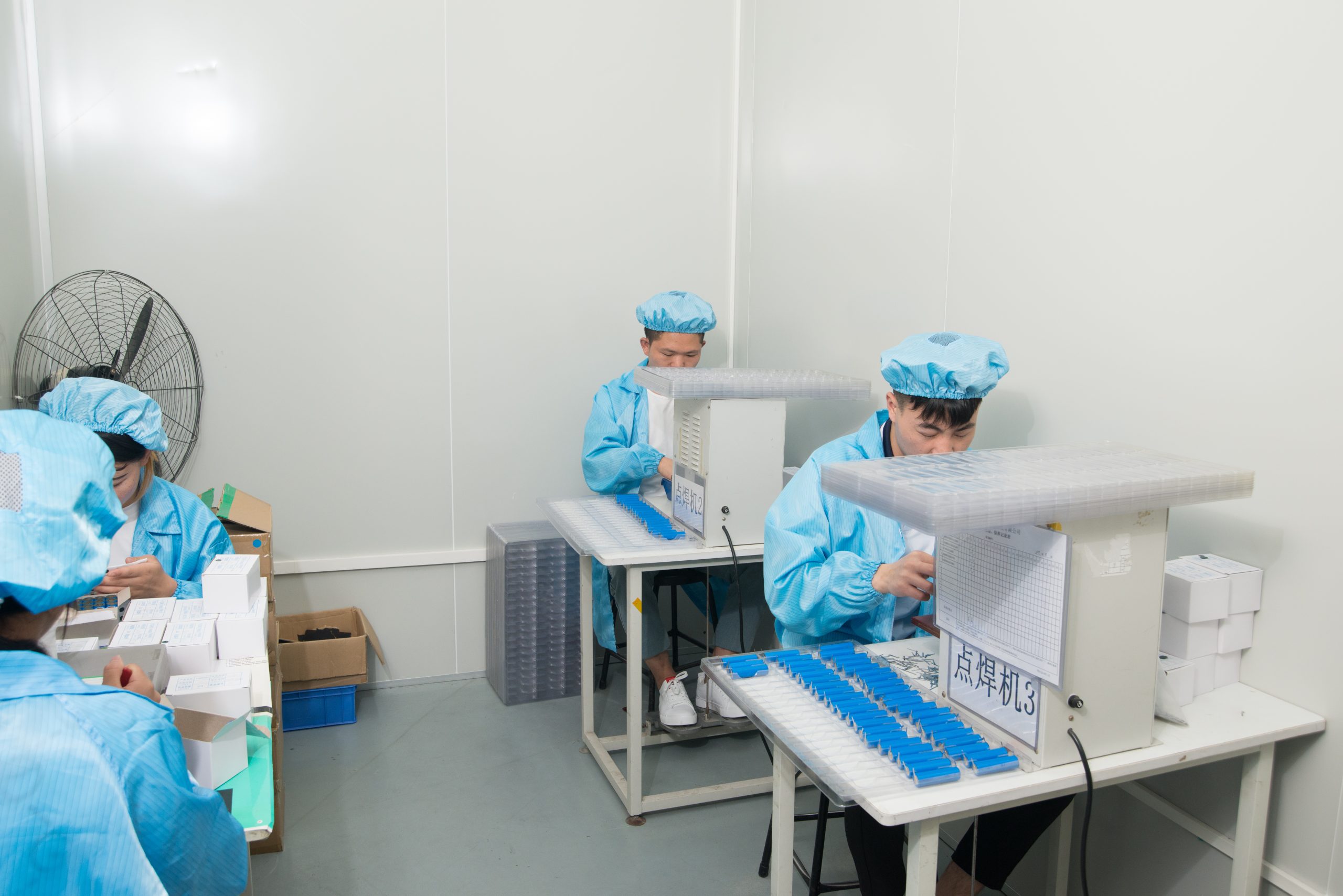
As the global demand for high-quality electric toothbrush continues to grow, brands and distributors are increasingly selective about the manufacturing partners they choose. The quality, reliability, and scalability of your supply chain begins with choosing the right factory. But what truly defines a trustworthy manufacturer in this space? In this blog, we outline the five essential characteristics of a high-quality electric toothbrush factory — the kind of partner that ensures product consistency, innovation, and long-term cooperation. Proven Manufacturing Experience – Over 20 Years in the Industry Experience matters, especially in precision manufacturing. A factory with over 20 years of manufacturing experience has: Refined production workflows Deep understanding of motor control and ultrasonic cleaning technology Proven ability to handle volume orders with consistent quality Such a factory is more than just a supplier — it is a strategic partner who understands market trends, end-user preferences, and regulatory challenges. Strict Quality Control Systems The production of high-quality electric toothbrushes depends on robust quality assurance procedures. Leading factories will have: QC checkpoints across every stage of production Automated testing equipment for vibration, battery life, and waterproofing Final product audits before packaging These practices ensure that every toothbrush delivered meets international standards and brand…
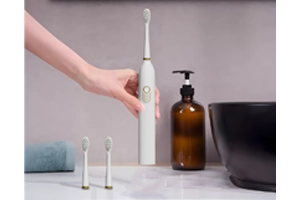
Introduction: Innovation That Sets Us Apart At PowSmart, we take electric toothbrush design to the next level with our patented structural engineering. Unlike generic models, our brushes combine high precision molds, genuine IPX7 waterproofing, and rigorous durability testing to deliver unmatched performance and reliability. So this blog explores the key advantages of our proprietary design for B2B partners. 1. Superior Durability Through High-Precision Molding Our manufacturing process begins with using high precision molds, then ensuring every component fits perfectly for long-term reliability. Tight tolerances prevent wobbling or loose parts Consistent quality across mass production Reduced failure rates and warranty claimsBy designing our own mold/tooling, the Powsmart team maintains strict control over production quality. 2. Unmatched Waterproof Performance (IPX7 Certified) Many brands claim waterproofing - we prove it. So our genuine IPX7 waterproof design: Withstands 1-meter depth immersion test for 30 min without leakage Features triple-sealed motor compartments Uses ultrasonic welding for permanent seamsThen this makes our brushes ideal for shower use and prevents damage from accidental drops in water. 3. Ergonomic Grip for Enhanced User Experience Patented shape isn't just about looks - it's scientifically designed to: Reduce hand fatigue during brushing Improve control for better plaque removal Accommodate users of all hand sizesThen the contoured body is only…
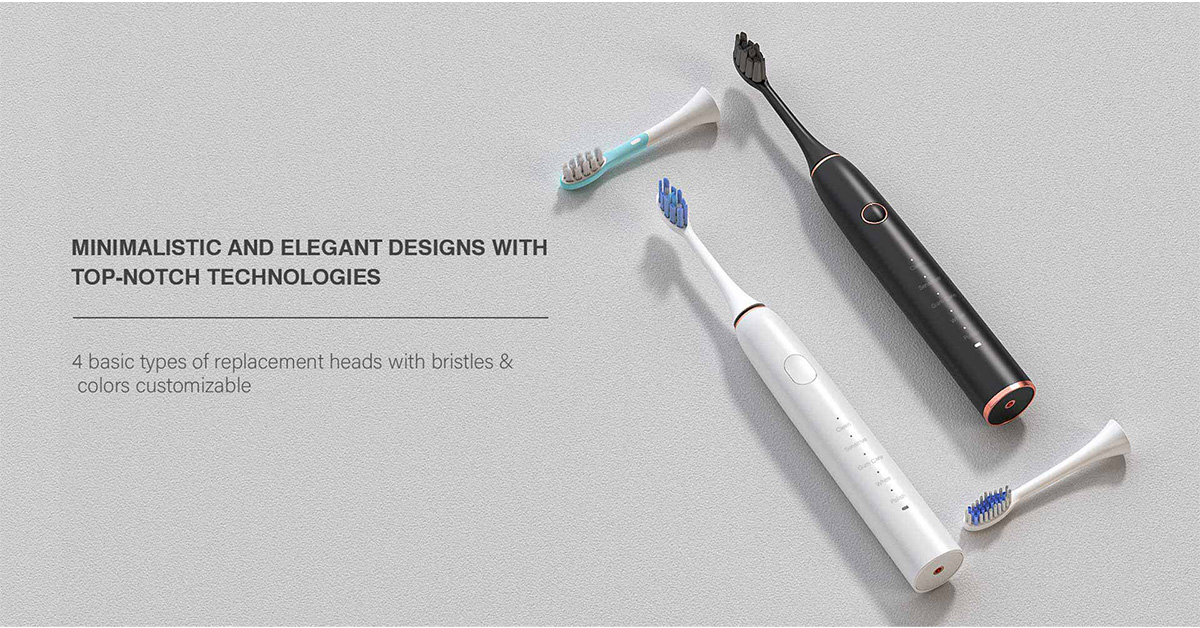
As a B2B electric toothbrush manufacturer, we understand that battery performance is one of the most critical factors affecting product satisfaction. Through extensive testing and customer feedback, we've identified the key factors that impact battery longevity. Let's examine the technical reasons behind poor battery life. 1. Insufficient Battery Capacity The most obvious factor is battery capacity. Many budget models cut costs by using: Lower-grade lithium-ion cells Smaller battery sizes (under 600mAh) Non-branded battery suppliers Solution: Opt for premium 800mAh+ batteries from reputable suppliers. 2. Motherboard Power Management Issues The motherboard plays a crucial role in power efficiency. Common problems include: Poor voltage regulation circuits Inefficient charging ICs Lack of sleep mode optimization Solution: Implement advanced power management chips with: Low quiescent current (<5μA) Smart charging algorithms Over-discharge protection 3. Motor Efficiency Matters The motor accounts for 70% of power consumption. Key considerations: Brushed vs brushless motors (20% efficiency difference) Optimal frequency settings (250-300Hz ideal) Quality of bearings and mechanical parts Pro Tip: Japanese-made brushless motors typically offer best performance. 4. Quality of Charging System Charging components significantly impact battery health: Poor quality charging coils cause energy loss Incorrect charging voltage damages cells Lack of temperature monitoring Recommendation: Use Qi-standard wireless charging with: Foreign object detection…
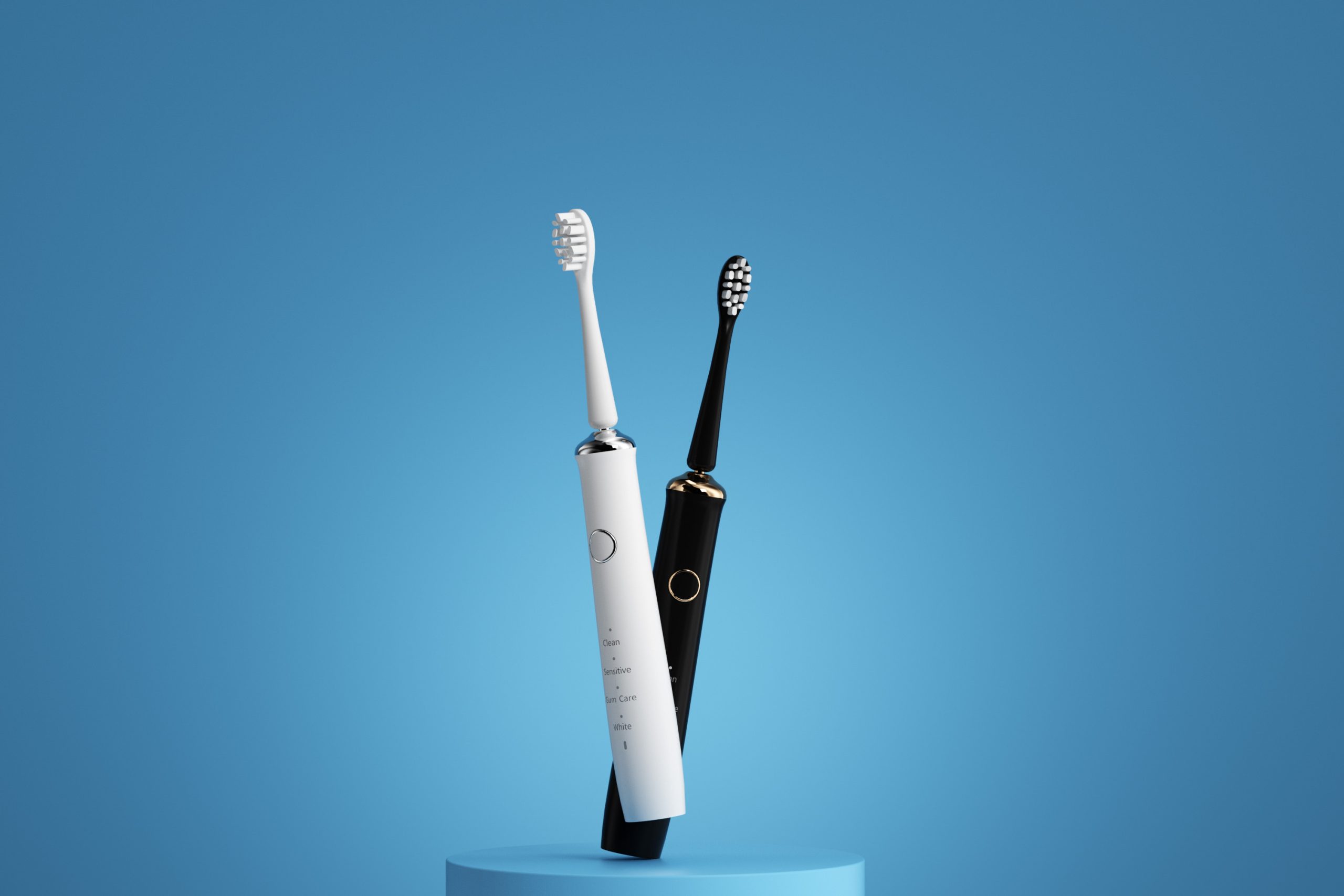
As electric toothbrushes become a standard in personal oral care, consumers are expecting more than just effective cleaning—they demand reliability, safety, and durability. For B2B buyers, this makes electric toothbrush quality control a non-negotiable factor when selecting a manufacturer. In this blog, we walk through the full quality control process, from incoming materials to final product shipment, with a focus on essential checkpoints like waterproof testing, motor reliability, and functional performance. Raw Material Inspection: The First Line of Defense Quality begins at the very beginning. Every batch of components, such as ABS/PP plastics, PCB boards, batteries, and motor parts, undergoes rigorous incoming quality inspection (IQC). Plastic shell parts are checked for uniformity, color consistency, and impact resistance Electronic components are verified against BOM and tested for compliance Motors are pre-tested for torque, speed, and noise before assembly By filtering out defects at the start, we lay a solid foundation for reliable production. In-Process Quality Control (IPQC): Spot Checks During Assembly During assembly, in-process quality control ensures that each production step meets required standards. Our trained QC technicians perform inspections at every major stage: Circuit board mounting Battery welding and installation Motor integration into the toothbrush body Initial functional testing (on/off switch, LED indicators, vibration…
.jpg)
In today’s competitive market, ensuring product durability and reliability is crucial. However, even minor defects, such as Waterproof Seal Cracks, can have a cascading effect on overall device performance. One emerging concern is the potential for these seal cracks to contribute to Charging Port Corrosion. This article delves into the root causes, impacts, and practical solutions to help manufacturers safeguard product quality and maintain customer trust. Rising Market Demands and Quality Expectations In an era where consumers demand both aesthetics and reliability, products must not only look good but also withstand daily wear and tear. Manufacturers are increasingly pressured to meet stringent quality standards, particularly for devices exposed to variable environmental conditions. When Waterproof Seal Cracks occur, they not only compromise the product's water-resistant capabilities but also open the door to further issues such as Charging Port Corrosion. This deterioration can lead to decreased performance, increased maintenance costs, and ultimately, a tarnished brand reputation. Uncovering the Causes of Waterproof Seal Cracks Waterproof seals are essential for protecting internal components from moisture and dust. However, several factors may lead to Waterproof Seal Cracks: Material Fatigue: Continuous exposure to environmental stressors like UV light, temperature fluctuations, and physical pressure can weaken sealants…
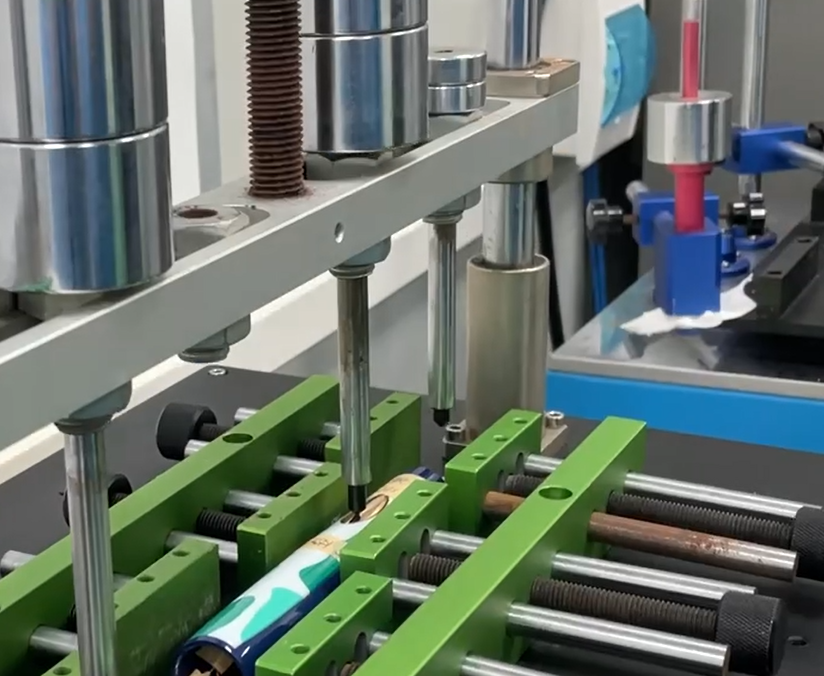
Ensuring high-quality electric toothbrushes is crucial for both manufacturers and consumers. A well-manufactured toothbrush not only enhances the user experience but also plays a vital role in maintaining oral health. For an ISO-certified manufacturer, adhering to strict electric toothbrush quality control processes is essential to meet global safety and performance standards. This blog will explore the manufacturer quality control process and highlight five essential testing standards that every oral care quality control program should follow. Material Safety and Compliance Testing The first step in quality control is ensuring that all materials used in electric toothbrush production are safe, non-toxic, and compliant with international regulations. Key factors include: BPA-Free and FDA-Approved Materials: The plastic components, bristles, and rubber elements must be free from harmful substances. RoHS and REACH Compliance: Ensuring that the product is free from hazardous substances like lead, mercury, and cadmium. ISO 10993 Biocompatibility Testing: This standard ensures that materials in contact with the human body do not cause irritation or allergic reactions. Mechanical Durability and Life Cycle Testing A high-quality electric toothbrush should withstand long-term use without mechanical failure. Manufacturer quality control processes should include: Motor Performance Testing: Verifying that the brush maintains consistent power and vibration levels over its lifespan. Drop…
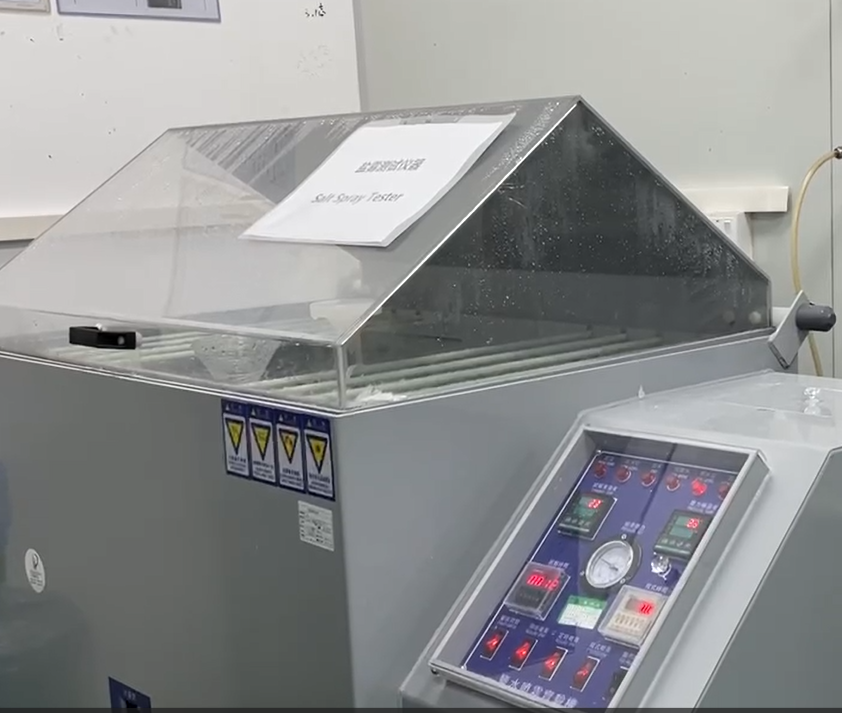
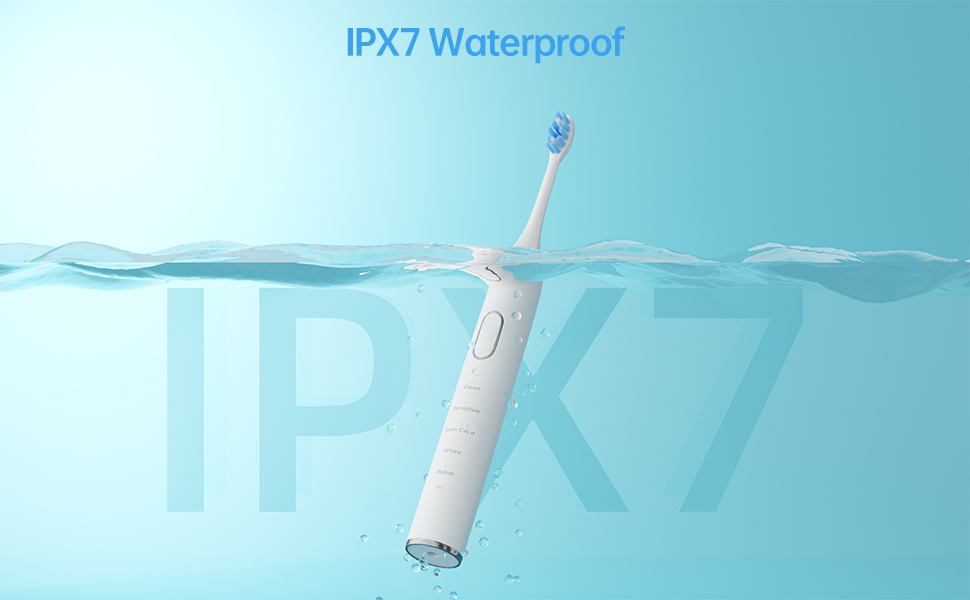
With the increasing demand for high-performance and long-lasting oral care products, waterproof technology has become a crucial factor in the competitiveness of electric toothbrushes and water flossers. Electric Toothbrush Waterproof Patents play a key role in ensuring product durability, preventing water damage, and improving user experience. This article explores how IPX7 Waterproof Technology and patented innovations help overcome the water ingress problem of water flossers, ensuring reliable quality and enhancing brand value. https://www.powsmart.com/about-powsmart/ The Role of IPX7 Waterproof Technology in Electric Toothbrushes One of the most widely adopted waterproof standards in the industry is IPX7 Waterproof Technology. This standard ensures that electric toothbrushes can withstand immersion in water up to 1 meter deep for 30 minutes. Key benefits of incorporating IPX7 waterproofing include: Extended Product Lifespan: Prevents internal circuits from being damaged by water, ensuring long-term reliability. Enhanced User Experience: Allows users to safely use the device in the shower or rinse it under running water without concerns. Improved Market Competitiveness: Products with certified waterproof ratings are more appealing to consumers, driving sales and brand recognition. How Waterproof Patents Provide Competitive Advantages? Patented waterproof technologies give manufacturers a significant edge in the market by offering unique solutions that competitors cannot easily replicate. The benefits…
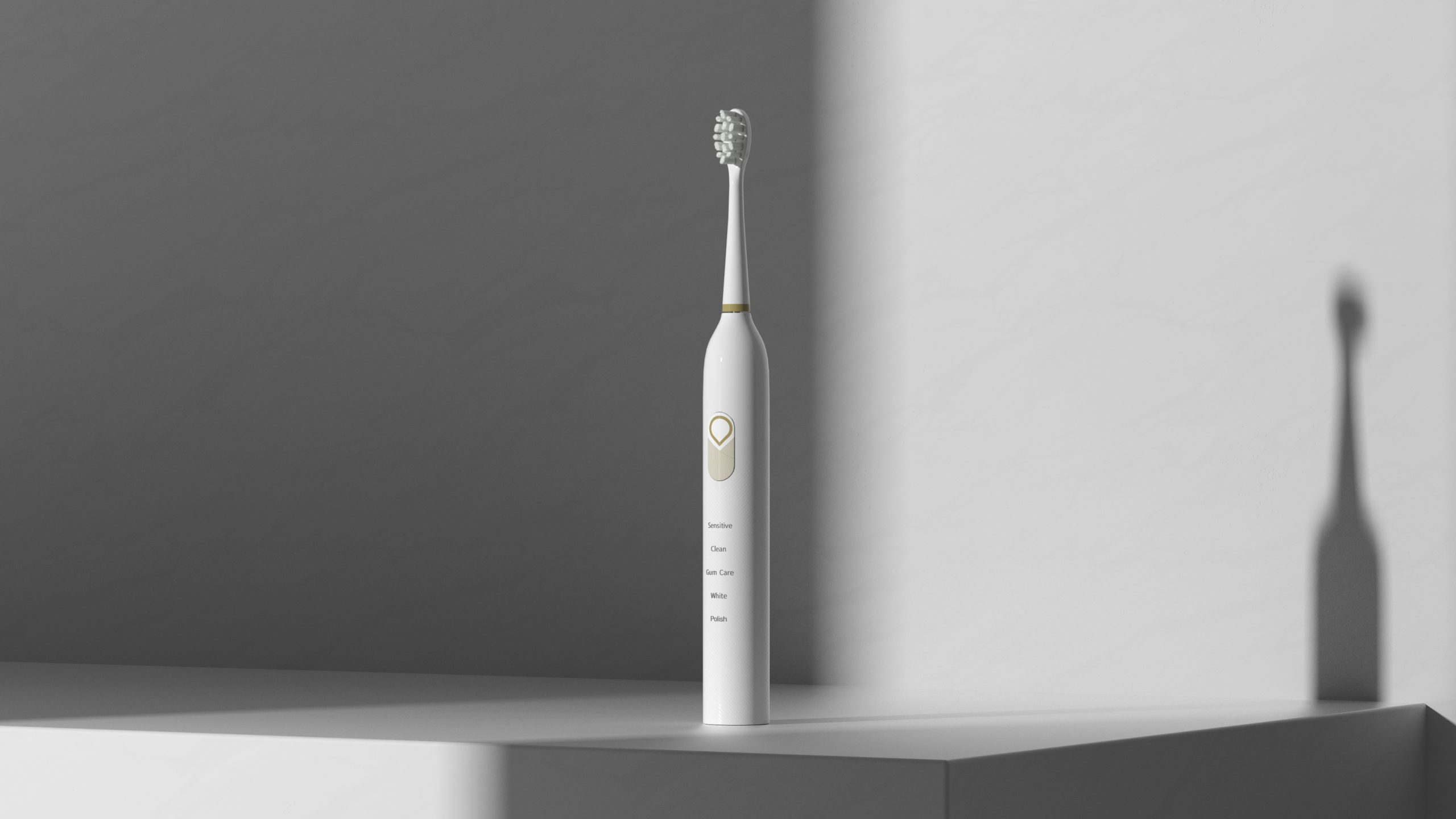
The electric toothbrush market is growing rapidly, and consumers are demanding not only high-performance devices but also aesthetically pleasing and durable designs. As manufacturers, finding the right balance between aesthetics and durability in electric toothbrush precision mold manufacturing is crucial. This blog explores how to achieve high-quality electric toothbrush handle shell customization, the best material choices like ABS/PP material, and how industrial design support plays a key role in developing innovative, durable, and visually appealing products. Material Selection: ABS vs. PP for Electric Toothbrush Shells Choosing the right material is the foundation of manufacturing durable and aesthetically pleasing toothbrush shells. ABS (Acrylonitrile Butadiene Styrene): High impact resistance and durability Smooth surface finish, ideal for premium design Excellent mechanical strength for long-term use PP (Polypropylene): Lightweight and resistant to moisture High flexibility and chemical resistance Cost-effective for large-scale production By selecting the appropriate ABS/PP material, manufacturers can ensure that the electric toothbrush shell meets both design and durability requirements. Precision Molding: Ensuring Consistency and Quality Electric toothbrush precision mold technology is essential for achieving high-quality production. The precision molding process ensures: Consistency in design: Every toothbrush handle shell must have a uniform shape and finish. Minimized defects: Advanced molding techniques reduce warping, shrinkage, and surface…
One of the most common concerns in electric toothbrush manufacturing is electric toothbrush auto power-on failure—when the device turns on unintentionally due to accidental touches, design flaws, or assembly inconsistencies. For manufacturers, reducing this failure rate is critical to maintaining product reliability, improving customer satisfaction, and reducing warranty claims. This blog explores a 3-fold guarantee that ensures a reliable electric toothbrush from design to assembly, incorporating anti-touch design, rigorous reliability testing, and comprehensive manufacturer's solutions. https://www.powsmart.com/contact-us/ Smart Design: Implementing an Effective Anti-Touch Mechanism An essential step in preventing electric toothbrush auto power-on failure is optimizing the button and sensor design. Manufacturers can integrate: Recessed or shielded power buttons – Reducing accidental activation from storage or handlingTouch-sensitivity calibration – Ensuring the device only responds to intentional user inputMulti-step activation mechanisms – Such as requiring a long press or double-tap to turn on This anti-touch design approach minimizes the risk of accidental activation while maintaining a smooth user experience. Component Selection: Enhancing Switch and Circuit Stability High-quality components ensure long-term reliability. Manufacturers must focus on: Durable switches – Using high-quality mechanical or capacitive buttons with precise activation forceStable PCBA layout – Preventing signal interference that could cause unintended power-on eventsWaterproof and dustproof protection – Shielding circuits from moisture-related malfunctions Careful component…
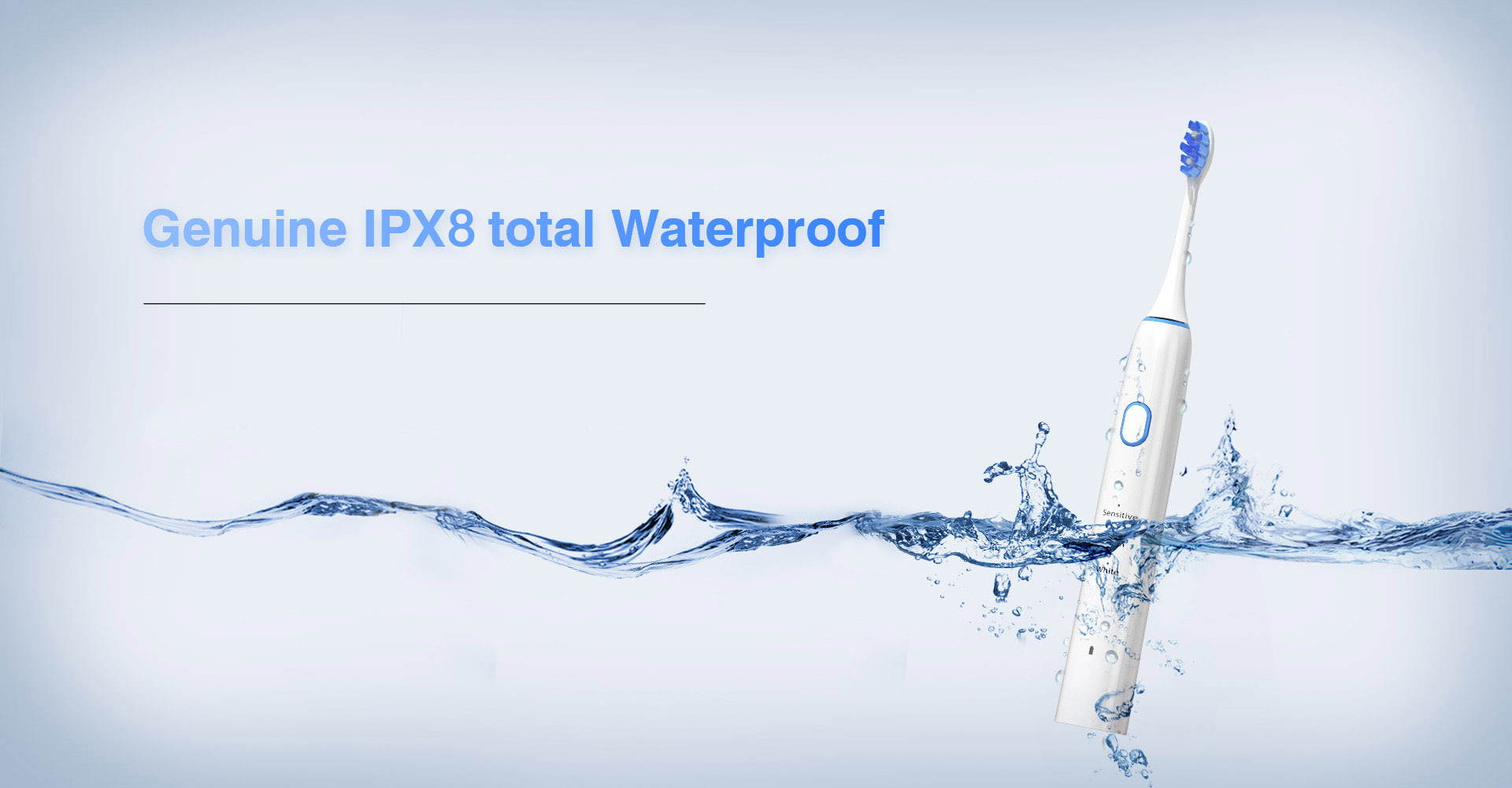
Electric toothbrushes are essential tools for maintaining oral hygiene, but their performance and longevity can be compromised if water enter the handle. Moisture intrusion may lead to malfunctions, reduced battery life, or even permanent damage. To help you avoid prevent water enter the handle, here are some practical tips to keep your electric toothbrush handle dry and functioning optimally. 1. Understand the Fault Manifestation of Water Damage Before diving into prevention methods, it’s important to recognize the signs of water damage in an electric toothbrush. Common fault manifestations include: Reduced vibration or power Intermittent operation Failure to charge Unresponsive buttons Visible condensation inside the handle If you notice any of these issues, moisture may already have entered the handle. Taking preventive measures early can save your device from irreversible damage. 2. Avoid Contact of Hot Water with Electric Toothbrushes Many users rinse their electric toothbrushes under hot water, but this can be harmful. Thermal expansion and contraction caused by hot water may weaken the seals and gaskets designed to keep water out. Over time, repeated exposure to high temperatures can degrade the waterproofing materials, allowing water to penetrate. Instead, use lukewarm or cold water for cleaning. 3. Shake the Handle Dry After Use A…
Electric toothbrushes have become an essential tool for maintaining oral hygiene, but one often overlooked feature is their waterproof rating. As a leading B2B manufacturer of dental care products, we understand the critical role waterproofing plays in the durability and safety of electric toothbrushes. In this blog, we’ll explore why waterproof ratings matter, focusing on their impact on the internal structure, including the motor, motherboard, and battery, as well as their relevance to the usage environment. 1. Protecting the Internal Structure The internal structure of an electric toothbrush is complex, housing critical components like the motor, motherboard, and battery. Without proper waterproofing, water can seep into these components, causing corrosion, short circuits, or even permanent damage. A high waterproof rating ensures that the internal structure remains intact, extending the lifespan of the toothbrush and maintaining its performance over time. 2. Safeguarding the Motor The motor is the heart of an electric toothbrush, responsible for generating the vibrations or rotations that clean your teeth. However, motors are highly sensitive to moisture. Even a small amount of water infiltration can disrupt the motor’s functionality, leading to reduced performance or complete failure. A strong waterproof rating protects the motor from water damage, ensuring consistent and reliable operation. 3. Preserving the Motherboard The motherboard is the brain of the electric toothbrush, controlling its…
When selecting an electric toothbrush, one often overlooked yet crucial factor is the charging method. Different charging options for electric toothbrushes impact convenience, durability, and overall user experience. The most common types include wireless charging, magnetic charging, and USB charging. Each of these methods has its advantages and potential drawbacks. This blog will provide an in-depth comparison of charging options for electric toothbrushes, helping manufacturers and consumers choose the most suitable option. Different Charging Options for Electric Toothbrushes Wireless Charging Wireless charging uses inductive technology to transfer power from a charging base to the toothbrush without the need for physical connectors. Pros: Convenience: Simply place the toothbrush on the charging dock without plugging in cables. Waterproof Design: Since no ports are needed, it enhances water resistance, reducing the risk of damage. Aesthetic Appeal: A clean, minimalistic look without exposed charging points. Cons: Slower Charging Speed: Compared to wired options, wireless charging may take longer. Requires a Dedicated Charger: Users cannot use a universal charger, limiting portability. Magnetic Charging Magnetic charging involves using a magnetically attached charging cable to transfer power efficiently. It is often used in high-end electric toothbrush models. Pros: Secure and Stable Connection: The magnetic attachment ensures that the charging cable stays in place without easily…
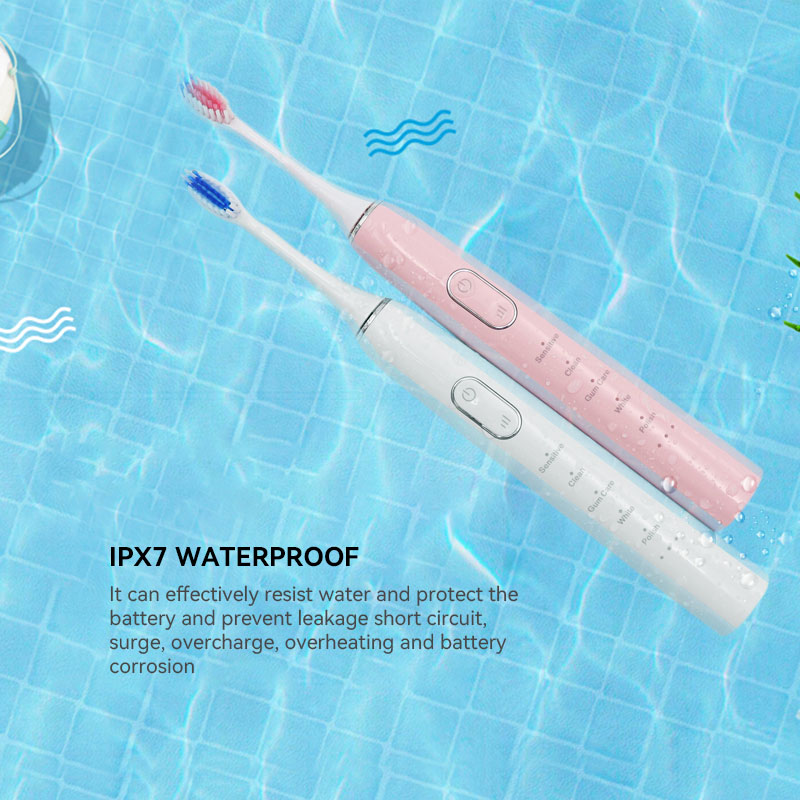
With the increasing popularity of electric toothbrushes, ensuring their durability and longevity has become a key concern for both manufacturers and consumers. One of the most common issues affecting product performance is the water ingress problem in electric toothbrush charging ports. When water seeps into the charging port, it can cause short circuits, corrosion, and device failure. From a manufacturing perspective, preventing water damage requires careful engineering, material selection, and production techniques. In this article, we will analyze the causes of water ingress, explore effective prevention tips for water ingress problems, and discuss advanced solutions to enhance the reliability of charging ports. Understanding the Water Ingress Problem in Charging Ports The charging port of an electric toothbrush is exposed to a high-moisture environment due to regular use in bathrooms. Water ingress can occur due to: Condensation: Steam from hot water can accumulate inside the device. Direct exposure: Splashes from rinsing or accidental submersion in water. Capillary effect: Water creeping into small gaps in the charging port design. If not addressed properly, water ingress can lead to:Electrical failure – Short circuits and malfunctions.Corrosion – Internal components degrade over time.Reduced lifespan – Frequent replacements and increased warranty claims. Common Weaknesses in Charging Port Designs Manufacturers need to be…
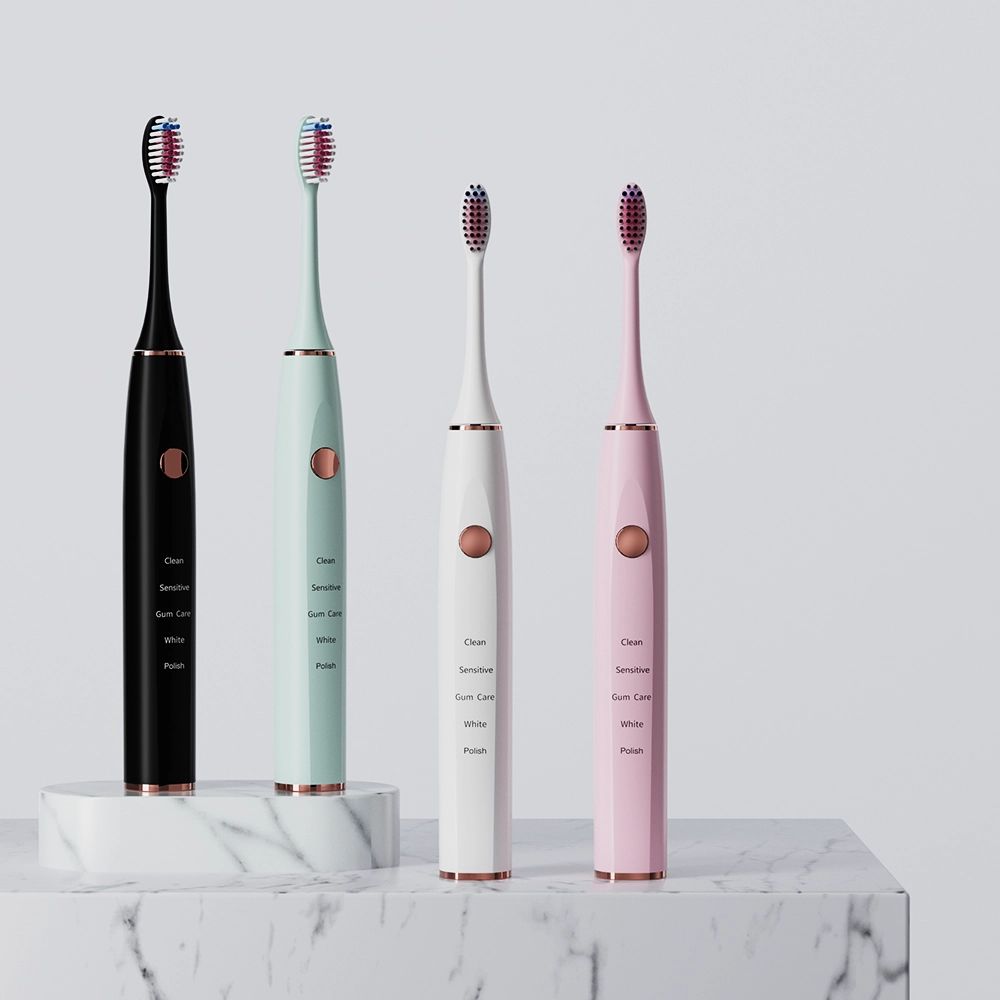
While motor performance and brush head quality are key, an often-overlooked feature is the button types in electric toothbrushes. The switch button's tactile feedback can greatly influence user experience, usability, and even product longevity. In this blog, as an electric toothbrush manufacturer in shenzhen with over 20 years OEM/ODM service experience, Powsmart will compare different button types, discuss their pros and cons, and explore design innovations that can enhance functionality in this blog.https://www.powsmart.com/ Common Button Types in Electric Toothbrushes When selecting the ideal button type for an electric toothbrush, manufacturers must consider factors such as ergonomics, durability, and ease of use. The three most common button types include: Mechanical Push Buttons How it works: Traditional push buttons operate through a physical switch mechanism. Pros: Strong tactile feedback, durable, and easy to manufacture. Cons: Requires a firmer press, which may not be ideal for users with limited hand strength. 2) Soft-Touch Silicone Buttons How it works: Uses a silicone membrane with embedded contacts for a softer press. Pros: Water-resistant, smooth to press, and aesthetically appealing. Cons: Can wear out faster over time compared to mechanical buttons. Capacitive Touch Buttons How it works: Utilizes touch-sensitive technology to activate the toothbrush without physical pressure. Pros:…
In electric toothbrush design, the switch button may seem like a small component, but it plays a crucial role in both electric toothbrush durability and user experience. A high-quality switch button not only ensures smooth operation but also contributes to the product’s long-term reliability. This article explores the role of switch buttons, its structure and types, and how it affects user experience and overall product durability from the perspective of an electric toothbrush manufacturer. Switch Button Structure and Type: Key Factors in Product Durability 2.1 Switch Button Structure The switch button of an electric toothbrush typically consists of the following key components: Button cover (usually made of silicone or plastic) Contact mechanism (made of conductive metal or other materials) Spring or silicone pad (to provide pressing feedback) Waterproof sealing layer (to prevent moisture from entering the internal circuits) A well-designed switch button must have excellent waterproofing to prevent moisture damage, which is essential for maintaining electric toothbrush durability. 2.2 Common Types of Switch Buttons Switch buttons in electric toothbrushes can be classified into different types based on their functionality and feedback mechanism: Mechanical press button: A commonly used type in mid-range and budget-friendly models. It offers tactile feedback but is more susceptible to water damage. Touch-sensitive…


.jpg)
.jpg)
.jpg)
.jpg)
.jpg)



.jpg)
.jpg)