.jpg)
As water flossers gain popularity for daily oral care routines, concerns around battery leakage and overheating risks have started surfacing across consumer platforms and return reports. For B2B manufacturers, these issues are more than isolated defects—they represent systemic challenges tied to design, assembly, and quality control. This blog explores the engineering and safety implications behind battery-related failures and what proactive steps can be taken to mitigate them. Why Battery Safety Matters in Compact Oral Devices Water flossers rely on rechargeable lithium-ion or NiMH batteries for portability and power. However, due to the compact, moisture-prone environments these devices operate in, battery integrity becomes highly vulnerable. Unlike larger electronics, there's limited room for heat dissipation, and inadequate sealing can directly contribute to battery leakage and overheating risks, often simultaneously. Root Causes of Battery Leakage in Water Flossers Battery leakage typically results from: Poor sealing or waterproof failure in the internal housing Low-quality cell materials that degrade over cycles Exposure to high humidity inside the tank compartment Improper charging behavior not safeguarded by BMS (Battery Management System) Once a battery starts leaking, it not only reduces device performance but may also corrode circuit boards, damage surrounding components, and cause unpleasant odors—leading to a…
Waterproof failure is more than just a structural issue in water flosser design—it is a critical performance hazard that directly leads to pressure fluctuation, inconsistent water delivery, and ultimately, customer dissatisfaction. For OEM manufacturers and B2B distributors, understanding this chain reaction is essential for product optimization and market competitiveness. The Core Relationship: Waterproof Integrity and Internal Pressure Stability Water flossers rely on a closed-loop system to maintain stable water flow. When waterproof failure occurs—often due to weak seals, degraded adhesives, or poor housing integration—it compromises the vacuum and pressurization environment inside the device. The result? Rapid and unpredictable pressure fluctuation. Such instability not only disrupts cleaning effectiveness but can also confuse or frustrate users, especially those with sensitive gums or dental work. Root Causes of Waterproof Failure in Water Flossers Understanding the causes of waterproofing breakdown helps manufacturers prevent them at the source. Common contributors include: Low-grade sealing rings or gaskets Poor ultrasonic welding or adhesive bonding Overexposure to hot water or alcohol-based cleaners Micro-cracks from impact or drop tests Over time, even minor leaks allow air or moisture intrusion, destabilizing internal pump pressure and affecting spray consistency. How Pressure Fluctuation Affects User Experience When pressure fluctuation occurs, the user…
When end users complain about short battery lifespan and frequent motor overheating, it signals a broader product durability issue. To address these challenges at their core, B2B manufacturers must optimize across six dimensions: battery systems, motor cooling, component selection, firmware control, holistic thermal management, and rigorous quality assurance. Battery System Optimization: Extend Battery Lifespan First, to improve battery lifespan, consider: High-Capacity Cells: Specify lithium-polymer cells with energy densities above 300 Wh/kg and cycle lives exceeding 1,000 charge/discharge cycles. Battery Management IC (BMS): Integrate over-charge, over-discharge, and temperature protections to prevent premature aging under extreme conditions. Low-Power Sleep Modes: Use firmware to detect idle periods and enter deep-sleep, minimizing parasitic drain when not in active use. By aligning cell selection with intelligent power management, you ensure sustained runtime across typical brushing routines. Motor Cooling Design: Prevent Motor Overheating Next, tackling motor overheating requires structural measures: Internal Air Channels: Mold circumferential vents in the handle to channel airflow generated by brushing motions, dissipating heat away from the motor. Thermal Interface Materials: Place thermally conductive silicone and graphite sheets around the motor housing to accelerate heat transfer to the shell. Over-Temperature Safeguards: Embed thermal sensors that throttle motor speed or shut down operation…
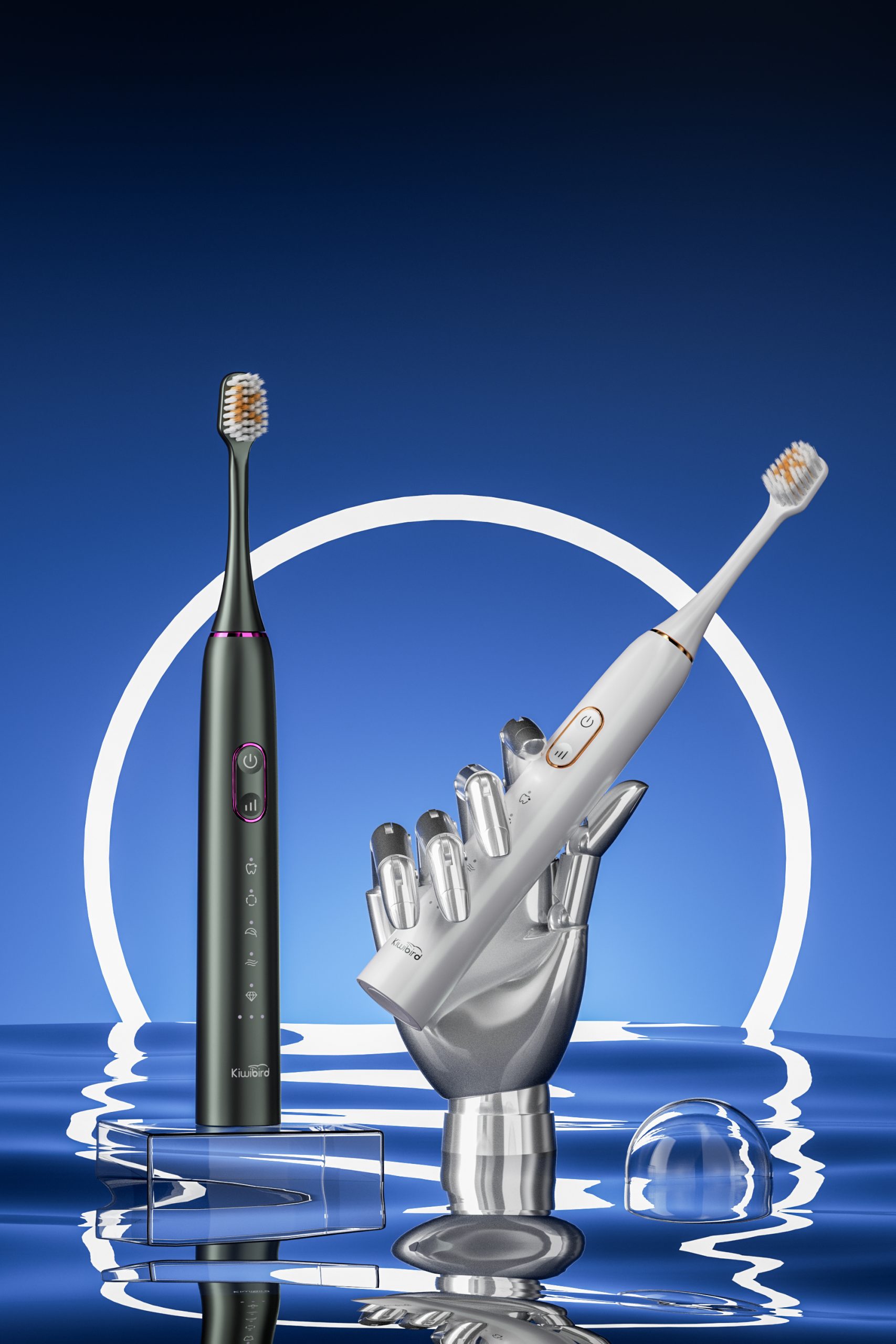
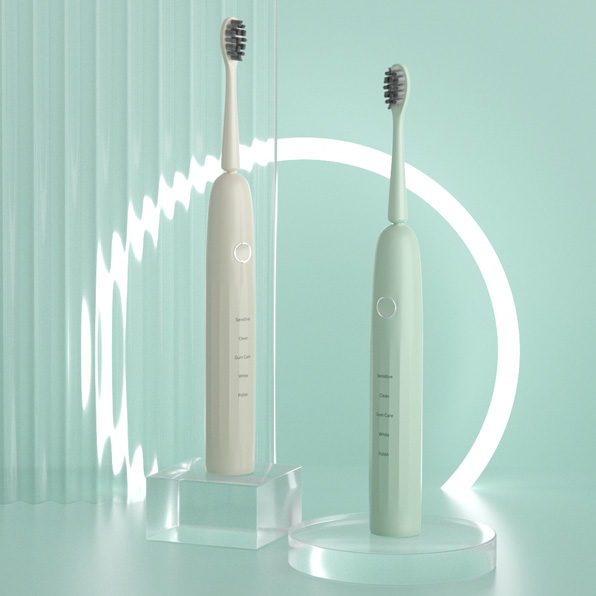
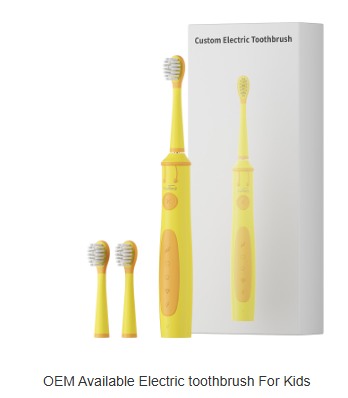
In the highly competitive personal care device market, the after-sales return rate is more than just a customer service issue — it directly impacts brand reputation, profitability, and long-term customer loyalty. For manufacturers and brand owners, minimizing the return rate of electric toothbrushes is a critical component of product lifecycle management. In this blog, we’ll explore six effective strategies to reduce the after-sales return rate of electric toothbrushes, from design and production improvements to customer education and support. Improve Product Quality from the Start The most direct way to reduce returns is by ensuring superior product quality at every stage of development and manufacturing. Use high-quality raw materials and components (e.g., long-life lithium batteries, durable ABS plastics). Conduct stringent quality checks during incoming material inspection and final assembly. Implement precision injection molding for shell components to reduce mechanical failures. By eliminating quality-related defects, manufacturers can significantly lower the return rate of electric toothbrushes caused by technical malfunctions or early product failure. Optimize Waterproof and Sealing Design One of the most common causes for electric toothbrush returns is water damage. Invest in advanced sealing technologies (such as ultrasonic welding or rubber overmolding). Design battery compartments and charging ports to be IPX7 or higher waterproof-rated.…
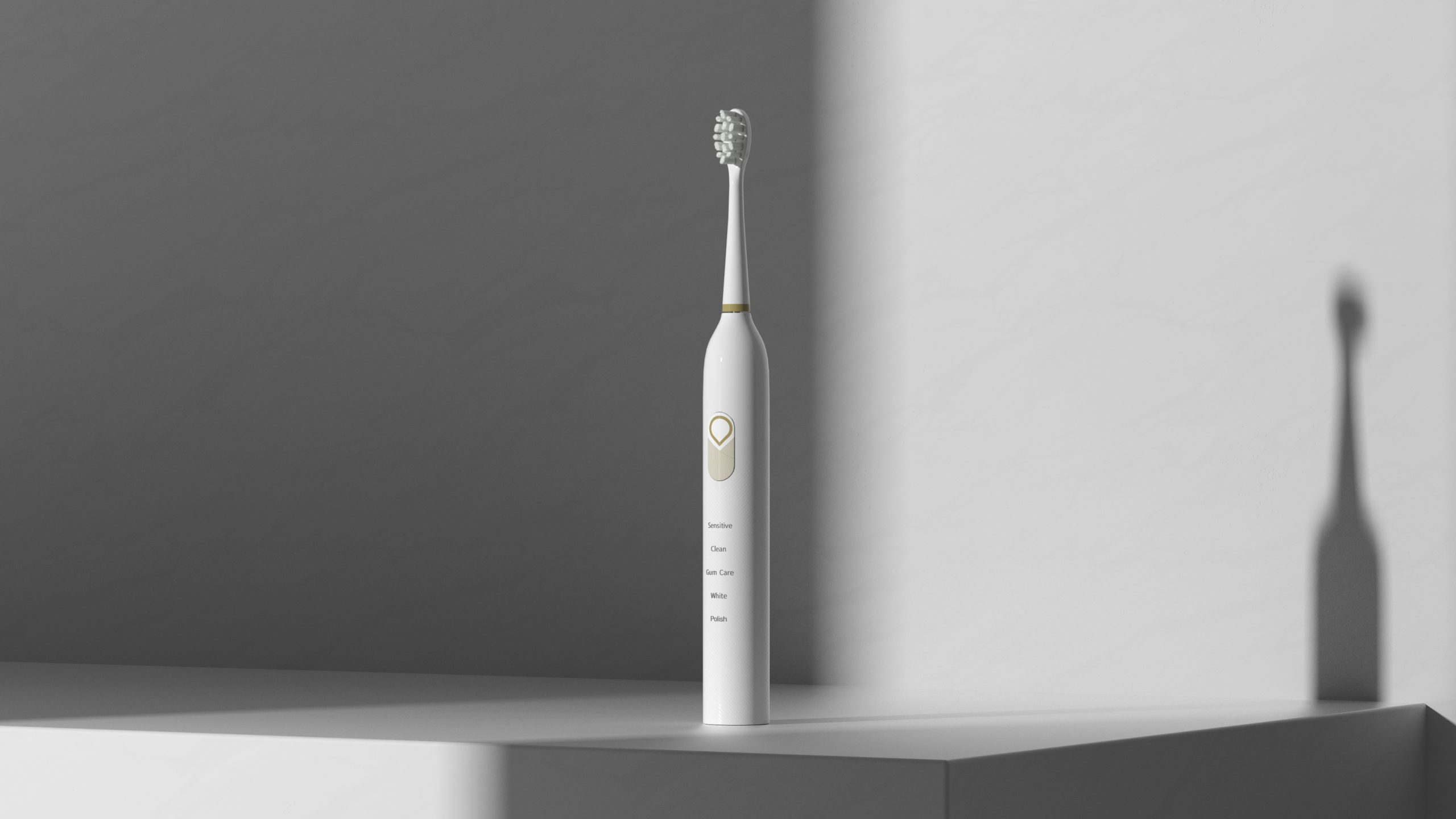
From a manufacturing perspective, achieving both aesthetics and functionality in toothbrush components is no small task. Electric toothbrush injection molding process requires precision and deep understanding to ensure consistent quality. In this blog, we will explore the core challenges in the precision injection molding customization of electric toothbrush parts, especially focusing on how to avoid common defects such as shrinkage marks and flash. We’ll also highlight crucial considerations in toothbrush mold design, material selection, and manufacturing techniques that electric toothbrush factories should pay close attention to. Understanding the Electric Toothbrush Injection Molding Process The electric toothbrush injection molding process involves injecting molten plastic into specially designed molds under high pressure. This process must be tightly controlled to meet aesthetic standards and mechanical strength requirements. For toothbrush manufacturers, achieving consistent dimensions, smooth surfaces, and reliable structural integrity is key. Any deviation, such as shrinkage or flash, not only affects appearance but can lead to assembly issues or user discomfort. Toothbrush Mold Design: The Foundation of Precision A high-quality toothbrush mold design is critical to success. Poorly designed parting lines, inadequate venting, or incorrect runner placement can lead to flash and shrinkage issues. Best practices in mold design include: Optimized gate placement to ensure uniform material…
While manufacturers scramble to fix gum massage inconsistency in smart oral-care devices, they often overlook equally critical battery recycling challenges, undermining brand reputation and contradicting sustainable manufacturing goals. To address both user experience and environmental responsibility, B2B companies must rethink design, supply chains, and end-of-life strategies across six dimensions. Short-Term Feature Focus vs. Long-Term Recycling Needs Many teams pour resources into tuning massage modes to eliminate uneven gum stimulation, but then: Rely on disposable lithium cells, increasing hazardous waste. Lack an established battery take-back network, so spent packs end up in landfills. Shy away from bearing recycling costs, leaving end users and channels unprepared. Balancing immediate performance gains with lifecycle considerations is essential. Seamless Designs Threaten Disassembly To achieve sleek, waterproof enclosures, products often use permanently bonded battery modules: Non-serviceable Packs: No quick-release latches or removable trays. Heat- and Water-Proof Seals: Robust gaskets and potting compounds that complicate safe battery extraction. Structural Bonding: Adhesives and welded joints turn end-of-life disassembly into destructive surgery. These choices intensify battery recycling challenges by making recovery prohibitively difficult Company web: ction approach ensures even hard-to-reach areas contribute to fresher breath. Company web: https://www.powsmart.com/product/electric-toothbrush/ Regulatory Pressure and Compliance Costs Globally, electronic-waste regulations are tightening: The EU…
.jpg)
In today’s consumer-driven market, oral care devices are no longer just functional tools—they’re lifestyle statements. A new generation of users, especially younger demographics, value both design and smart features. As a result, manufacturers must rethink the appearance design of electric toothbrushes to balance beauty, functionality, and tech integration. This article explores how the fusion of Macaron colors electric toothbrush designs and APP interconnectivity creates a winning premium strategy for smart toothbrush brands—while still offering affordable oral care options. The Role of Color in Product Differentiation: Why Macaron Colors Work Traditional electric toothbrushes often stick to clinical whites and silvers. However, this trend is shifting. The Macaron color electric toothbrush palette—pastel pinks, mint greens, sky blues, and lavender purples—evokes a sense of freshness, style, and personalization. Why this matters: Visual differentiation on shelves and e-commerce platforms Emotional connection with users, especially Gen Z and Millennials Increased shareability and “Instagrammability”, boosting organic brand exposure Adopting trendy colors is a cost-effective way to enhance perceived product value and appeal, an important element in today’s premium strategy for smart toothbrush offerings. APP Interconnection: Elevating Functionality Through Smart Design Modern consumers are increasingly looking for intelligent features in their personal care tools. APP connectivity is no longer a luxury—it’s becoming a…
When waterproof seal degradation occurs, moisture ingress not only risks motor short-circuits but also accelerates corrosion and loosening at the brush-head base—leading to premature bristle splaying. To help B2B manufacturers understand and solve this interaction, we analyze six key factors and offer targeted countermeasures. How Seals Fail and Allow Water Ingress First, aging seals or gaskets develop tiny gaps: Silicone Hardening or Cracking: Prolonged exposure to humidity causes seals to lose elasticity and no longer conform. Adhesive Fatigue: Bonded joints between injected parts weaken over time, creating seepage paths. Frequent Assembly/Disassembly: Repeated brush-head removal and charger docking wear seal surfaces. Once gaps form, water easily tracks down into the brush-head interface. Moisture Erosion of the Bristle Base Next, water trapped at the bristle root causes: Binder Degradation: Resin that holds filaments hydrolyzes, losing adhesion strength. Crack Propagation: Micro-cracks in the resin expand under moisture, loosening bristles. Corroded Metal Fasteners: Any metal clips or pins also oxidize, further weakening retention. These effects combine to make splaying far more likely under vibration. Microbial Growth Compounds the Damage Additionally, trapped moisture fosters microbial colonies: Mold Spore Attachment: Fungi and bacteria adhere to damp bristle bases. Enzymatic Breakdown: Microbial enzymes attack resin polymer chains.…
In smart oral-care devices like electric toothbrushes, app connectivity loss and battery swelling often appear together—eroding user trust and posing safety risks. To solve both issues, B2B manufacturers must address four major domains: waterproof sealing, thermal management, firmware logic, and structural design. Below are six key insights and action steps. A Common Root Cause: Moisture Ingress and Seal Failure First, aging waterproof seals allow moisture to penetrate: Silicone Hardening or Cracking: Prolonged exposure to humidity stiffens gaskets, breaking the seal. Adhesive Fatigue: Bonding glue between molded parts weakens, creating micro-leaks. Repeated Assembly/Disassembly: Docking and brush-head removal wear seal surfaces over time. Once water seeps in, it both swells the battery pouch and corrodes Bluetooth modules—triggering battery swelling and app connectivity loss simultaneously. Thermal Runaway and RF Signal Interference Next, a swelling battery worsens heat dissipation issues: Increased Internal Resistance: As cells swell, resistance rises, generating more heat during charge/discharge. Enclosure Deformation: Heat-distorted housing panels can clamp or shift the antenna, degrading RF performance. High-Temperature Noise: Elevated temperatures introduce electronic noise that disrupts Bluetooth communication. Improving heat management is therefore essential to stabilize both the battery and wireless link. Conflicting Firmware Protection Logic Moreover, firmware safety routines can inadvertently cut off…
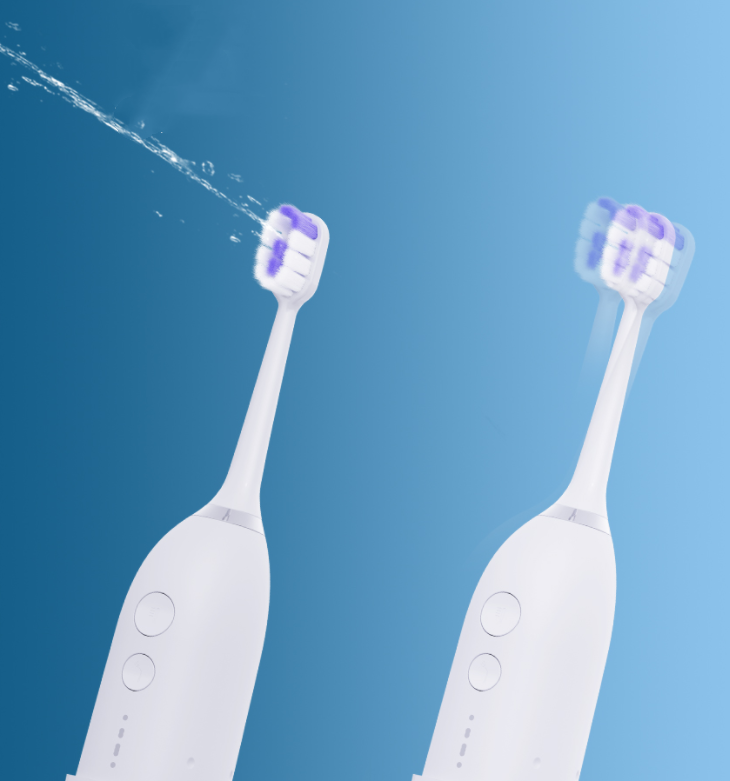
As consumer expectations evolve, the demand for multi-function oral care solutions has surged. Among the most innovative developments are two-in-one electric toothbrushes and oral irrigators—devices that combine brushing and water flossing in one compact unit. But are these hybrid devices truly the best option? In this guide, we provide a balanced analysis of the pros and cons of two-in-one electric toothbrushes and oral irrigators, offering insights for brands and manufacturers considering this category. https://www.powsmart.com/ Market Demand: Why Consumers Love Multi-Function Oral Care The modern consumer seeks efficiency, convenience, and space-saving design. A two-in-one electric toothbrush and oral irrigator caters perfectly to: Urban dwellers with limited bathroom space Travelers seeking compact oral care solutions Users desiring a simplified daily routine without compromising dental hygiene These trends drive growing interest from distributors and OEM partners to expand their product lines with multi-function oral care solutions. Advantages of Two-in-One Devices Let’s break down the key benefits of these hybrid solutions: Space Efficiency Combining two essential devices into one saves counter space and reduces clutter—ideal for modern, minimalist bathrooms. Cost-Effectiveness From a consumer perspective, buying one device instead of two can lower upfront costs. For brands, bundling features into a single SKU simplifies logistics. Travel Convenience Most…
In today’s review-driven marketplace, common negative reviews of electric toothbrushes can directly affect brand reputation and sales performance. For any OEM or ODM electric toothbrush manufacturer, understanding the root causes of customer complaints and proactively solving them is not just important—it's essential. This article explores common quality issues, the most frequent negative feedback from end users, and how suppliers can implement effective solutions to quality issues of electric toothbrushes during product design and manufacturing stages. Weak Battery Life and Charging Failures User Complaint:“Battery dies too quickly” or “Won’t charge after a few weeks.” Common Quality Issue:Low-grade lithium batteries, poor charging port designs, or inadequate battery management systems. Supplier-Side Solution: Use high-quality, certified lithium batteries with tested charge cycles. Integrate intelligent battery management systems to prevent overcharging or deep discharge. Perform aging tests on power units during QC inspections. As a reliable electric toothbrush manufacturer, it’s critical to test battery systems under simulated daily use to avoid early failures. Motor Malfunction or Insufficient Vibration User Complaint:“Motor stopped working” or “Not strong enough to clean properly.” Common Quality Issue:Substandard motor components or poor assembly leading to motor disconnection or weak performance. Supplier-Side Solution: Source high-performance, durable micro motors from trusted suppliers. Reinforce internal motor…
At PowSmart, our dedication to crafting best-in-class Oral Care Products—from advanced electric toothbrush systems to smart water flossers—drives everything we do. By combining rigorous R&D, premium materials, and industry-leading quality controls, we ensure that every device we deliver meets the highest standards of performance, safety, and reliability for our B2B partners. World-Class R&D and Engineering Excellence First and foremost, our innovation begins in the lab: Dedicated Innovation Center: We invest in a state-of-the-art R&D facility staffed with mechanical, electrical, and materials engineers focused exclusively on oral-care technology. User-Centered Design: Through extensive user-profile analysis and human-factors testing, we optimize handle ergonomics, bristle configurations, and interface workflows. Proprietary Drive Algorithms: Our in-house motor control firmware delivers precise oscillation patterns and power management, balancing cleaning efficacy with battery life. These efforts translate into devices that outperform generic offerings and impress end users. Premium Materials and Manufacturing Processes Moreover, quality starts with the right inputs: Medical-Grade Components: All parts in contact with the mouth—bristles, mouthpieces, silicone seals—adhere to FDA and EU food-contact and biocompatibility standards. Automated Precision Assembly: Our ISO 13485-certified factories employ robotics and vision systems to ensure consistent tolerances, perfect seal integrity, and zero human error in critical steps. Lean Production Controls:…
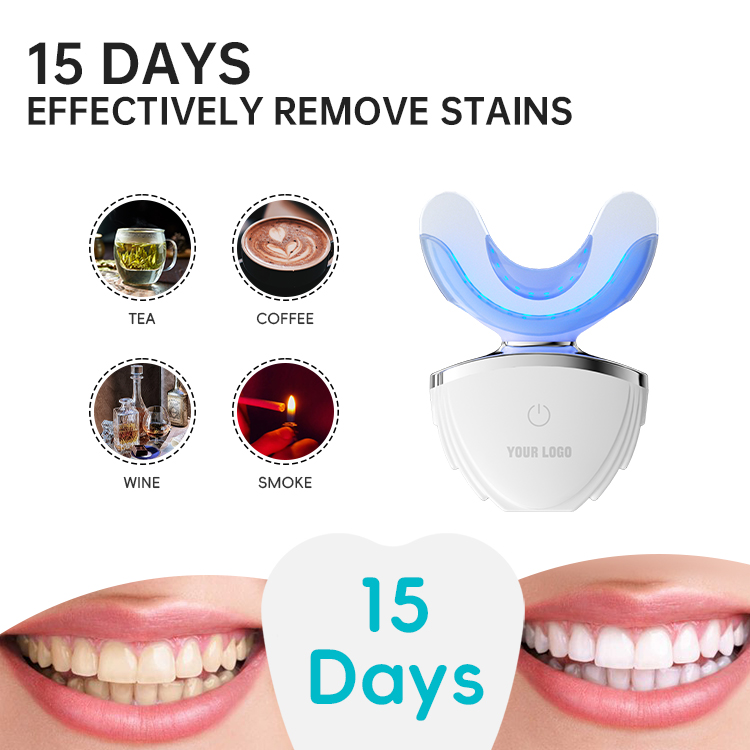
After completing a tooth-whitening treatment, maintaining results relies not only on using a waterproof seal in your bleaching trays to block pigments but also on rigorous allergen testing to select safe post-treatment foods. Any dietary allergen or cross-contamination can trigger gum inflammation, accelerate stain redeposition, or undermine whitening effects. Therefore, testing every recommended ingredient for allergens is essential for B2B partners to ensure product safety and user satisfaction. The Physiological “High-Sensitivity Window” Post-Bleaching First, bleach leaves dentinal tubules open and enamel slightly demineralized for about 48–72 hours: Enamel Micro-Abrasion: Minor mineral loss makes the surface more prone to pigment uptake. Gingival Reactivity: Residual bleaching agents can inflame gums, heightening sensitivity to new irritants. Weakened Salivary Barrier: Saliva’s buffering capacity is still recovering, leaving acids unchecked. During this “high-sensitivity window,” consuming allergenic foods risks discomfort or color relapse. Allergen Testing: The Foundation of Safe Menus Consequently, allergen testing of common post-whitening ingredients is crucial: Multi-Panel Screening: Test for peanuts, shellfish, dairy proteins, gluten, and other high-risk allergens. Cross-Contact Assessment: Verify processing, storage, and transport chains to rule out hidden contamination. Threshold Determination: Establish safe residue levels based on clinical guidelines to inform menu formulations. Only data-driven testing provides B2B clients with…
For restricted user groups, avoiding stain residuals is critical—not only because leftover pigments mar appearance, but also because these users often have heightened vulnerability. Meanwhile, optimizing bristle roundness in brush-head design helps ensure gentle yet thorough stain removal. In the following six sections, we explore why stain residues pose special risks, and how to address them safely and effectively. Oral Characteristics of Restricted User Groups Restricted user groups include: Post-operative Patients: Gum and implant sites are still healing and prone to irritation. High-Sensitivity Individuals: Those with thin enamel or dentin hypersensitivity require extra care. Chronic Health Conditions: Diabetics or immunocompromised patients face greater infection risks from residual biofilm. These groups react more strongly to any remaining debris or pigments, making complete stain removal essential. Health Hazards of Stain Residuals Beyond aesthetics, retained pigments can: Promote Bacterial Growth: Chromogens combine with proteins to form biofilms that feed anaerobic pathogens. Cause Chemical Erosion: Some food pigments are mildly acidic and can accelerate enamel micro-abrasion. Trigger Immune Overreactions: Chronic exposure to residual agents can inflame gingival tissues and worsen swelling or pain. For vulnerable users, even trace residues can spark significant oral health issues. Contact us :https://www.powsmart.com/product/electric-toothbrush/ Bristle Roundness and Cleaning Efficiency Effective…
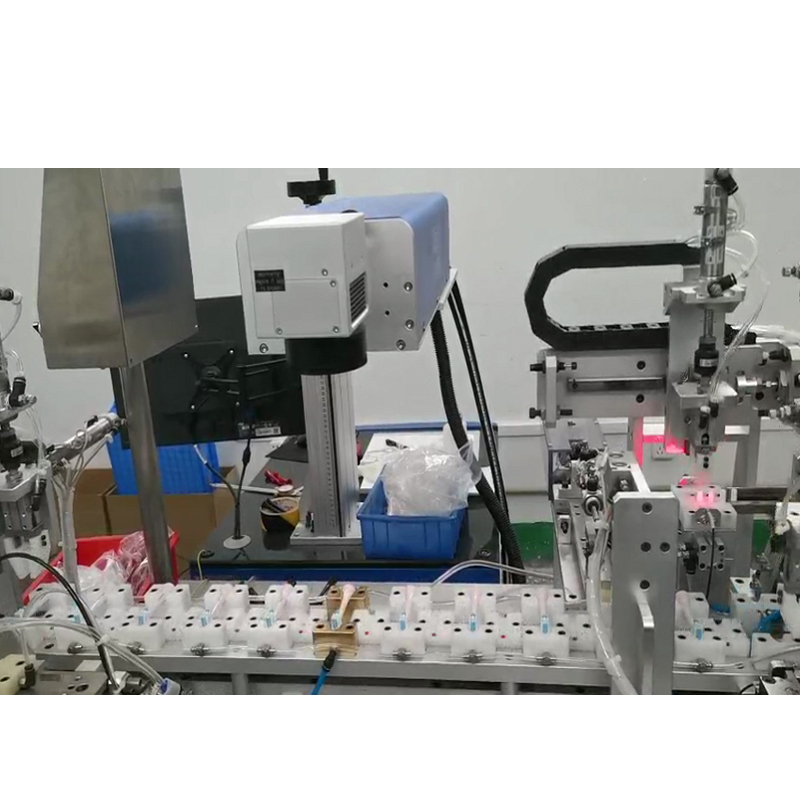
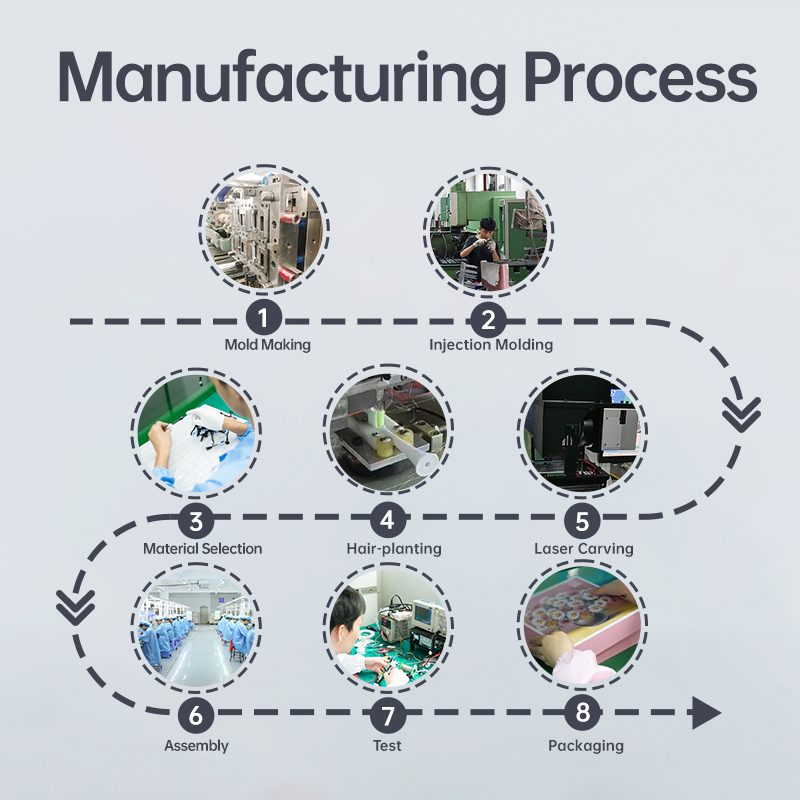
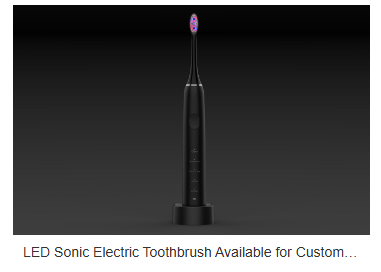
In today’s competitive oral care market, manufacturers must ensure that every electric toothbrush production process is standardized, efficient, and meets high-quality requirements. This article presents a full overview of the production process diagram, from injection molding to final assembly, highlighting injection molding process standards, assembly process specifications, and the key points for quality inspection necessary to guarantee superior product performance. Injection Molding – The Foundation of Precision The first critical step in the electric toothbrush production process is injection molding. High-quality shell and component manufacturing rely on strict injection molding process standards, including: Precise temperature and pressure control to prevent defects like shrinkage or warping Material selection (commonly medical-grade ABS, PP, or TPE) for durability and aesthetics Mold maintenance and polishing to ensure smooth finishes Adhering to consistent injection molding process standards is vital for ensuring a strong and attractive product base. Component Preparation – Quality Starts from Parts After molding, key components including motor units, battery packs, PCBs, and sealing gaskets. Every component must: Pass functional pre-tests (e.g., battery charging cycles, motor rotation tests) Be cleaned and anti-static protected before entering the assembly area Match design tolerances exactly to fit into the production line seamlessly Meticulous preparation at this stage helps maintain consistency throughout…
In the competitive oral care market, electric toothbrush manufacturers must deliver consistent product quality while managing potential risks effectively. One of the most crucial ways to ensure product reliability is through a robust traceability of electric toothbrushes. Especially for key components like motors and the waterproof casing, strict control through motor calibration standards and a detailed waterproof test process is vital. Together with proper quality inspection record archiving, these measures help maintain brand reputation and significantly contribute to product recall prevention. Motor Calibration: Setting and Managing High Standards The motor is the heart of any electric toothbrush, directly impacting performance, user experience, and product life. Adhering to precise motor calibration standards ensures that each unit operates within specified parameters, including: Rotational speed (RPM) consistency Vibration strength within optimal ranges Noise level control to enhance comfort During production, every motor undergoes calibration using specialized testing equipment. Detailed calibration data are recorded in the production traceability system, linking each motor to its corresponding toothbrush serial number. This practice guarantees that any deviation can be traced back instantly. Waterproof Testing: Safeguarding Daily Use Reliability Daily exposure to water makes the waterproof test process critical for electric toothbrushes. The standard testing procedures typically include: IPX7 or IPX8 level testing (depending on product…
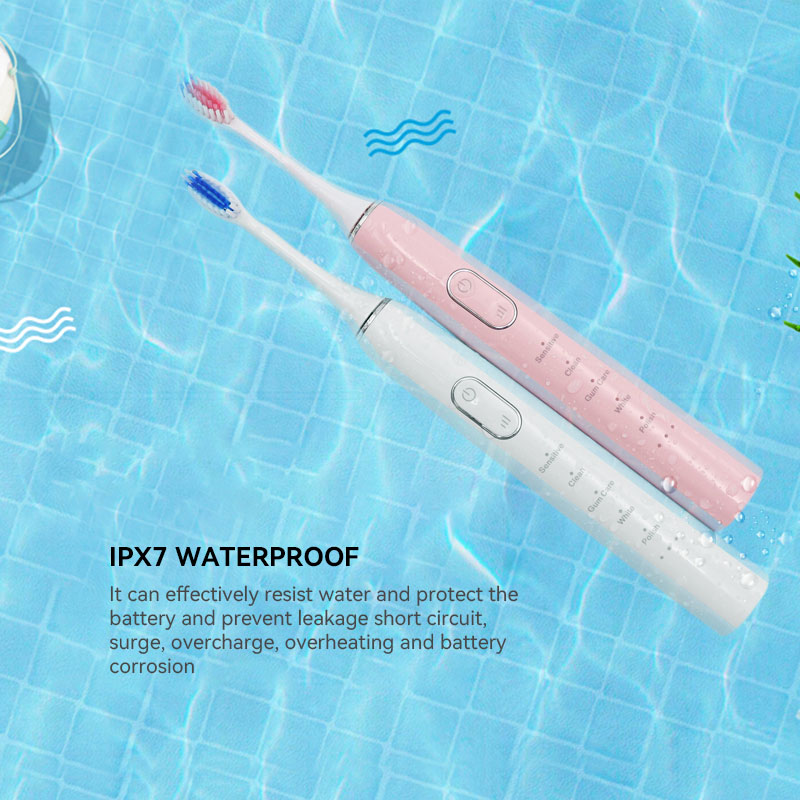
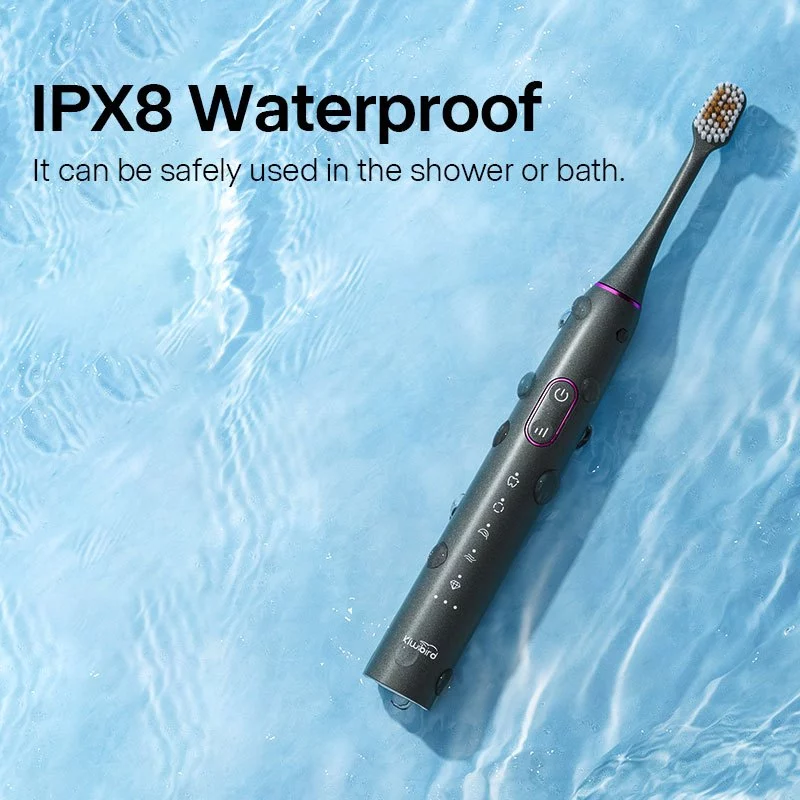
Waterproofing is a crucial feature for electric toothbrushes, especially considering their regular exposure to water. As these devices are used in wet environments like bathrooms, ensuring waterproof levels is vital to both their performance and longevity. In this blog, we’ll explore the different waterproof level of electric toothbrushes, specifically focusing on IPX6 waterproof, IPX7 waterproof, and IPX8 waterproof ratings, and discuss how these ratings impact the user experience and the manufacturing process. https://www.powsmart.com/product/electric-toothbrush/ Understanding the Waterproof Rating System: What Do IPX Numbers Mean? The waterproof level of electric toothbrushes is usually determined using the IP (Ingress Protection) rating system, which measures the device’s resistance to water and dust. The IP code consists of two digits: the first digit represents protection against solids (like dust), while the second digit represents protection against liquids. For electric toothbrushes, the key focus is typically the second digit. Below is an overview of the waterproof levels: IPX6 Waterproof: Protection against powerful water jets. IPX7 Waterproof: Protection against immersion in water up to 1 meter for 30 minutes. IPX8 Waterproof: Protection against continuous immersion in water, typically at depths greater than 1 meter, depending on the manufacturer’s specifications. Understanding these levels helps manufacturers and consumers determine the most suitable waterproof…
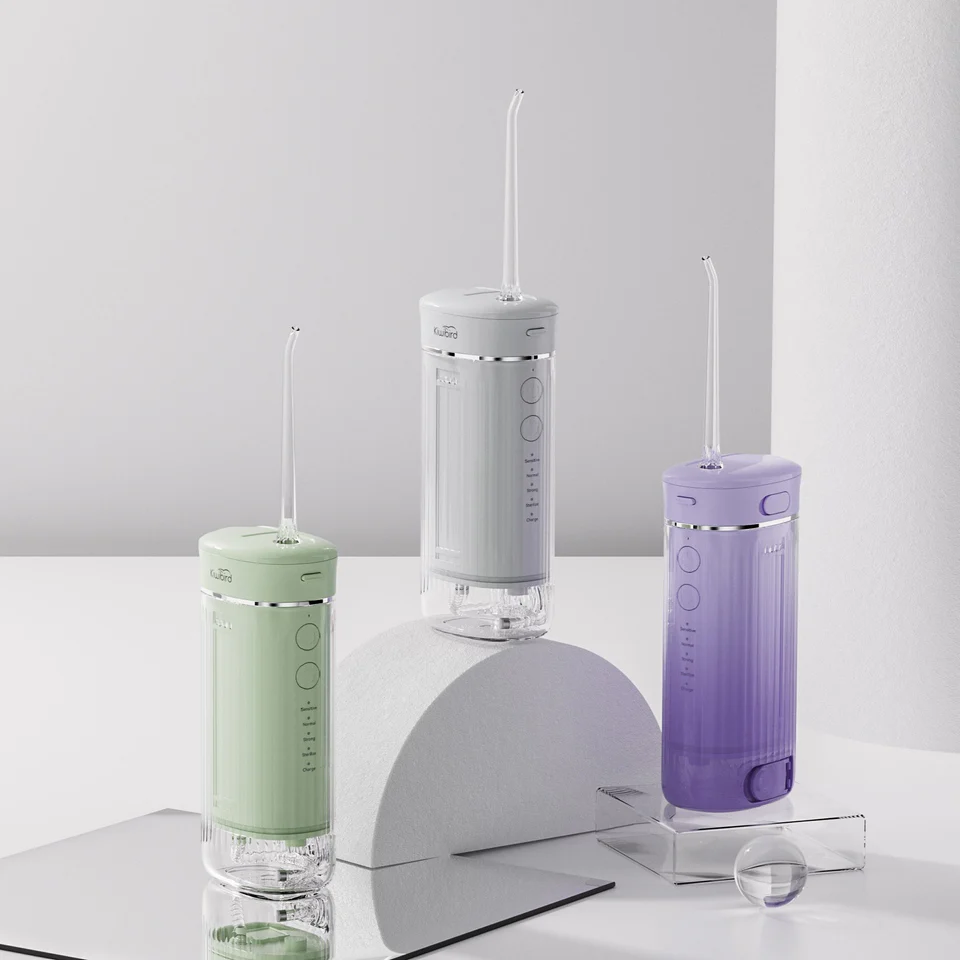
In orthodontic use, patients wearing braces face extra challenges: brackets and wires create tight spaces where food debris and plaque accumulate. At the same time, different nozzle types can make or break cleaning effectiveness. For B2B partners, offering a water flosser specifically optimized for braces is essential to meet both professional and end-user needs. Why Braces Demand Special Water Flossers Braces introduce complex hardware behind which toothbrush bristles can’t reach. A water flosser designed for orthodontic use must: Boost fluid penetration to reach beneath brackets and wires. Use finer nozzles that focus jet streams into narrow gaps. Provide gentle pressure modes to clean effectively without irritating sensitive gums around brackets. Meeting these requirements ensures thorough cleaning without compromising comfort. Exploring Different Nozzle Types Common nozzle options include: Standard Straight Nozzles: Broad jets for general interdental cleaning—but less precise under braces. Orthodontic-Style Nozzles: Slim, angled tips that target plaque beneath brackets. Brush-Hybrid Nozzles: Combine a soft brush head with a water jet for both mechanical and hydrodynamic cleaning. Tongue-Cleaner Nozzles: Focus on overall oral hygiene but are not ideal for braces. Providing a range of interchangeable nozzles lets users tailor their routine to specific needs. Company web: https://www.powsmart.com/product/electric-toothbrush/ Comparing Cleaning Performance…


.jpg)
.jpg)
.jpg)
.jpg)
.jpg)



.jpg)
.jpg)