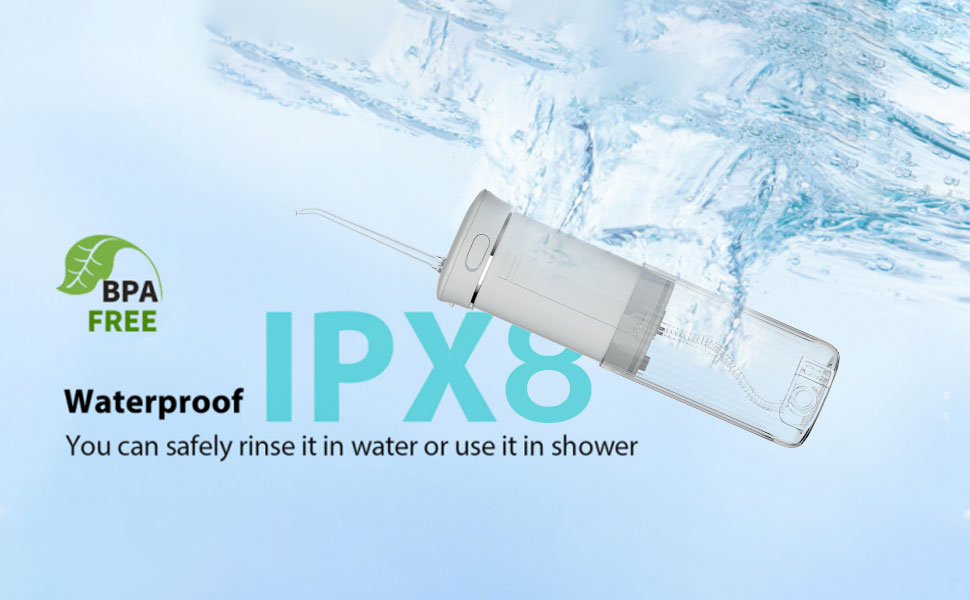
Waterproof rating is a critical factor when choosing an electric toothbrush. Knowing the waterproof rating of an electric toothbrush can ensure its durability and safety, especially in a bathroom environment where it will inevitably come into contact with water. In this article, we will explore how to identify the waterproof rating of an electric toothbrush by looking at several key factors: IP rating, design features, and manufacturer specifications. Understanding IP Ratings What are IP ratings? The IP (Ingress Protection) rating is a standardized measurement that indicates how well a device is protected against solid objects and liquids. This rating is particularly important for electric toothbrushes because it determines how well the device can withstand exposure to water and dust. How to read an IP rating? The IP rating consists of two digits: The first digit indicates the level of protection against solid objects (such as dust). The second digit indicates the level of protection against liquids (such as water). For example, an IP67 rating means that the toothbrush is completely dust proof (6) and can withstand being submerged in water at a depth of 1 meter for 30 minutes (7). For electric toothbrushes, common IP ratings include IPX7 and IPX8, where…
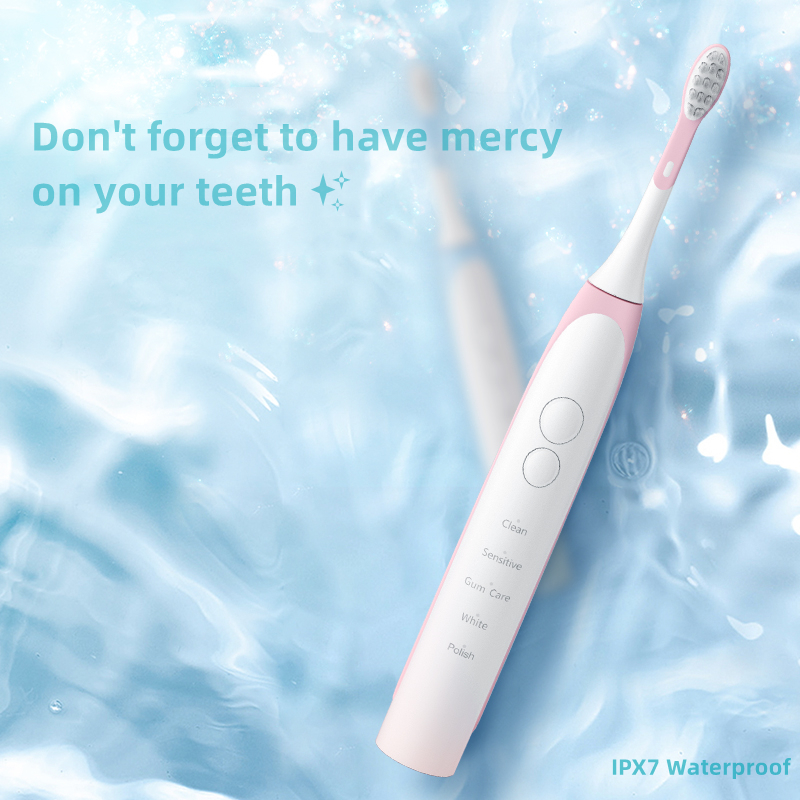
Electric toothbrushes have become an essential part of our daily oral hygiene routines, offering superior cleaning compared to manual brushing. However, many users encounter a frustrating issue: their electric toothbrush keeps turning itself on unexpectedly. This blog explores the possible reasons behind this problem and provides some practical solutions to help you maintain a hassle-free brushing experience. 1. Battery Issues One of the most common reasons for an electric toothbrush to turn itself on is battery malfunction. Over time, the battery may deteriorate, leading to erratic behavior. Here are some battery-related issues to consider: Low Battery: A low battery might cause the toothbrush to turn on sporadically. Ensure your toothbrush is fully charged. Battery Contacts: Check the battery contacts for corrosion or dirt. Clean them with a dry cloth to ensure a good connection. Battery Replacement: If the battery is old, it might be time to replace it. Most electric toothbrushes have replaceable batteries, and switching to a new one can solve the problem. 2. Water Ingress Water ingress is another culprit that can cause an electric toothbrush to malfunction. Even though electric toothbrushes are designed to be water-resistant, prolonged exposure to water can cause issues. Especially if you buy a cheap…
.jpg)
When an electric toothbrush suffers a waterproof failure, moisture can penetrate the handle and trigger battery leakage—a hazardous condition that risks device shorting, corrosion, and even user injury. In this deep‐dive article, we’ll examine six critical dimensions of this defect and show B2B manufacturers how to eliminate it at the source. Common Modes of Waterproof Failure First, it’s essential to identify how seals break down: Gasket Compression Fatigue: Repeated brush‐head changes or cleaning cycles gradually deform O-rings, compromising their seal. Assembly Misalignment: Even minor tolerance slips during production can leave micro‐channels at seams. Material Degradation: Harsh disinfectants or UV‐sterilization steps can embrittle plastics and elastomers, leading to cracks. Recognizing these failure modes helps target the weakest points in your water-resistance design. How Battery Leakage Manifests and Why It’s Dangerous Moreover, once water breaches the housing, battery compartments suffer: Electrolyte Seepage: Lithium‐ion cells leak corrosive electrolytes that erode internal circuitry. Short Circuits: Conductive fluid bridges battery terminals, leading to sudden device shutdowns or thermal runaway. User Hazard: Leaked chemicals can escape through vents or cracks, posing skin irritation or ingestion risks. Understanding these hazards underscores why waterproof integrity is non‐negotiable.Company web:https://www.powsmart.com/product/electric-toothbrush/ Design Flaws That Amplify Risk In addition, specific design shortcuts…


.jpg)
.jpg)
.jpg)
.jpg)
.jpg)





.jpg)
.jpg)