
.jpg)
In recent years, the oral care market has shifted rapidly toward digital health and personal wellness. Smart toothbrushes—equipped with Bluetooth, sensors, app integration, and brushing analytics—have become one of the fastest-growing product categories in personal care. For brand owners, private label retailers, and e-commerce sellers, finding the right wholesale smart toothbrushes provider is essential to staying competitive. This blog will guide you through the process of sourcing bulk electric toothbrushes from trusted B2B suppliers, ensuring you get top-tier products at the best price—and customized to suit your brand. Benefits of Buying Smart Toothbrushes in Bulk Purchasing bulk electric toothbrushes offers multiple advantages for retailers and oral care brands: Cost Efficiency: Wholesale pricing significantly lowers the per-unit cost, increasing your profit margins. Consistent Quality: Buying in bulk from a qualified B2B supplier ensures product consistency and fewer defects. Faster Fulfillment: Partnering with an experienced manufacturer often means access to better logistics and inventory management. For retailers planning to scale or launch a new product line, bulk ordering is not just economical—it's essential. What Makes a High-Quality Smart Toothbrush? As demand grows, so does competition. To stand out, your product needs to offer advanced features and long-term reliability. Look for these features in high-quality smart toothbrushes:…
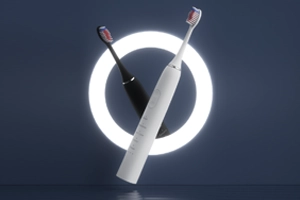
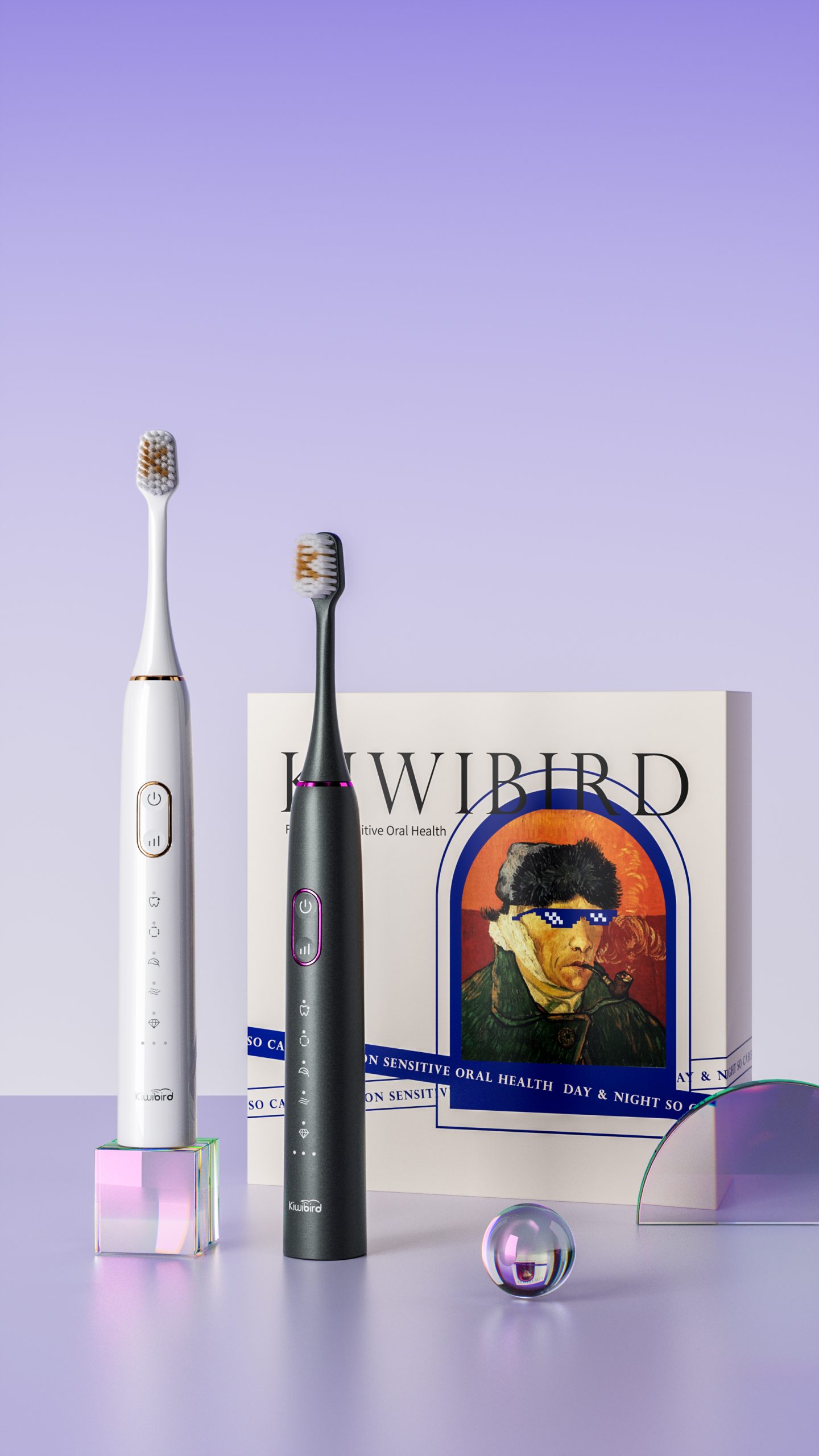
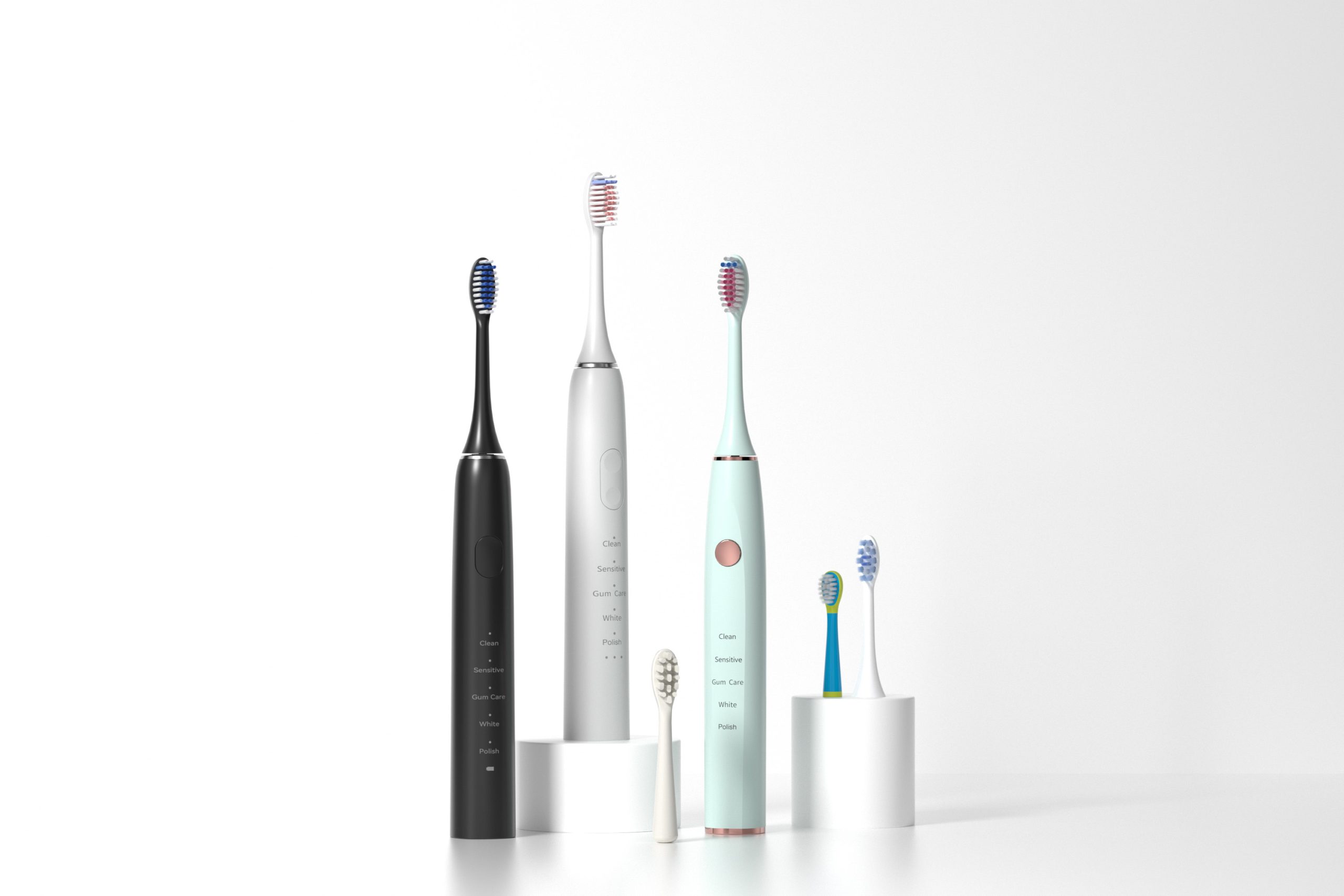
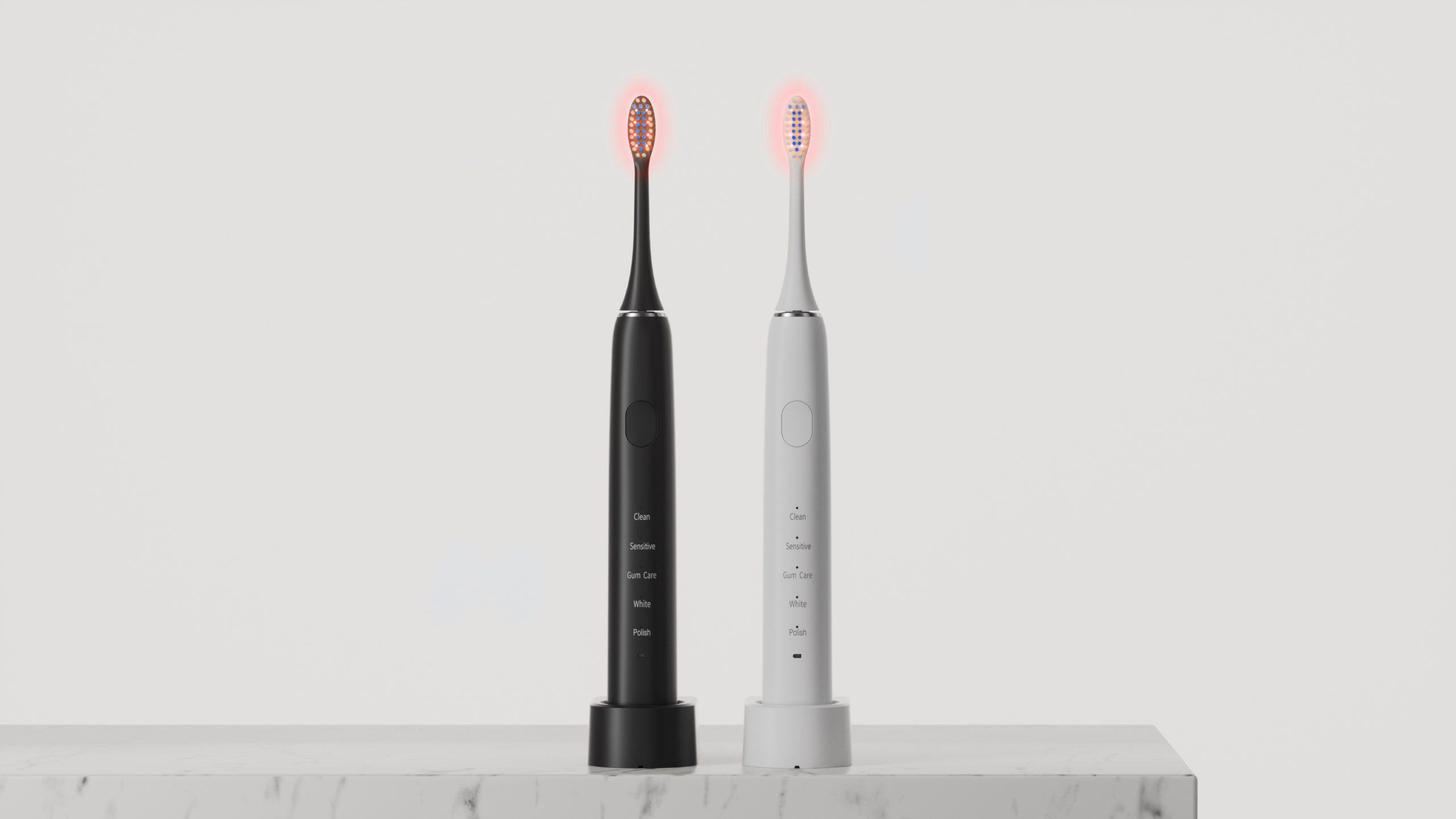
In recent years, consumers have increasingly gravitated toward sleek, modern personal care products. In the oral care space, this trend has given rise to a new standard: minimalist design oral care products. Among these, the matte black electric toothbrush and white smart toothbrush have emerged as the go-to choices for style-conscious users. For brand owners and distributors, this presents a clear opportunity. bulk ordering smart toothbrushes with minimalist design elements can help meet current market demands while differentiating your product line. Why Black & White Smart Toothbrushes Are Winning the Market Today’s consumers prefer functionally advanced devices that also fit into their aesthetic lifestyle. The white smart toothbrush represents cleanliness, modern tech, and compatibility with luxury bathroom decor. While the matte black electric toothbrush conveys a bold, premium, and gender-neutral appeal. Both align perfectly with the broader trend toward minimalist dental tech. These color options are not just about looks. They signal product quality and refined design, making them a popular option for private label brands, e-commerce sellers, and boutique dental retailers looking to expand their offerings. Design Meets Function: Features That Matter Minimalism doesn’t mean sacrificing performance. On the contrary, the best minimalist design oral care products combine elegance with innovation.…
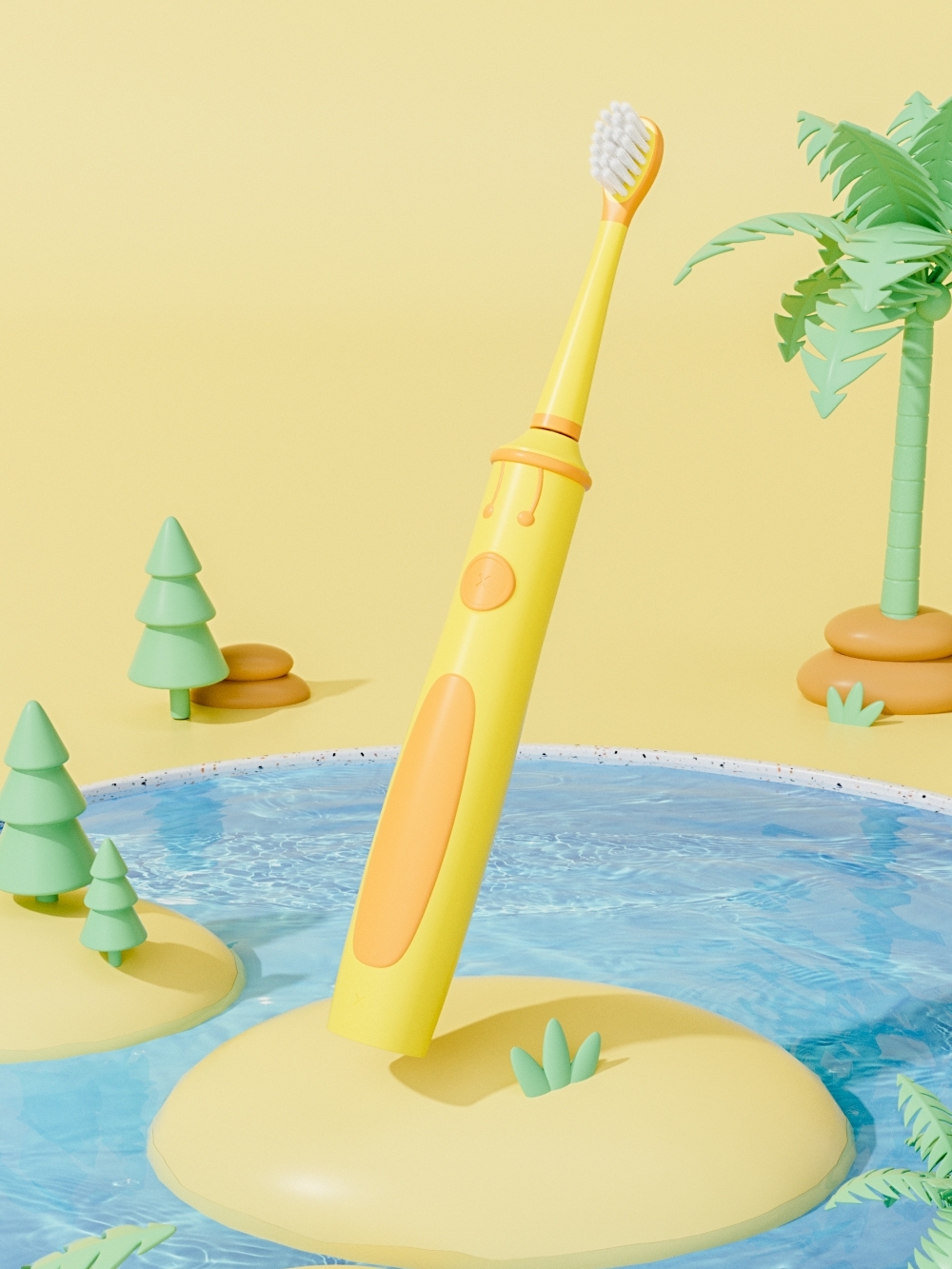
In today’s oral care market, children's hygiene routines are no longer just about function—they're about engagement, safety, and personalization. As demand rises for children’s smart toothbrush solutions that combine effective cleaning with interactive features, retailers and brand owners must explore how to offer custom kid-friendly smart toothbrushes. This blog explores the latest trends and manufacturing possibilities in Kids’ Smart Toothbrush Customization, offering insights for electric toothbrush retailers & distributors looking to partner with the right suppliers. Why Kids Need Smart Toothbrushes: Safety Meets Engagement Children require specialized brushing tools not just in size but in function and experience. A children’s smart toothbrush must balance three core needs: Gentle but effective cleaning for developing teeth and gums Fun, game-like experiences to encourage brushing routines Built-in safety features such as pressure sensors and timers Fun & Safe Brushing Solutions have become a critical selling point for parents, making product differentiation essential for brands. The Rise of Custom Kid-Friendly Smart Toothbrushes As smart technologies evolve, brands now have the opportunity to offer custom kid-friendly smart toothbrushes with tailored designs. Customization options include: App integration with brushing games or reward systems Animated LED displays, music playback, and storytelling modes Soft brush heads, ergonomic grips, and silicone-based safety coatings Brand-specific…
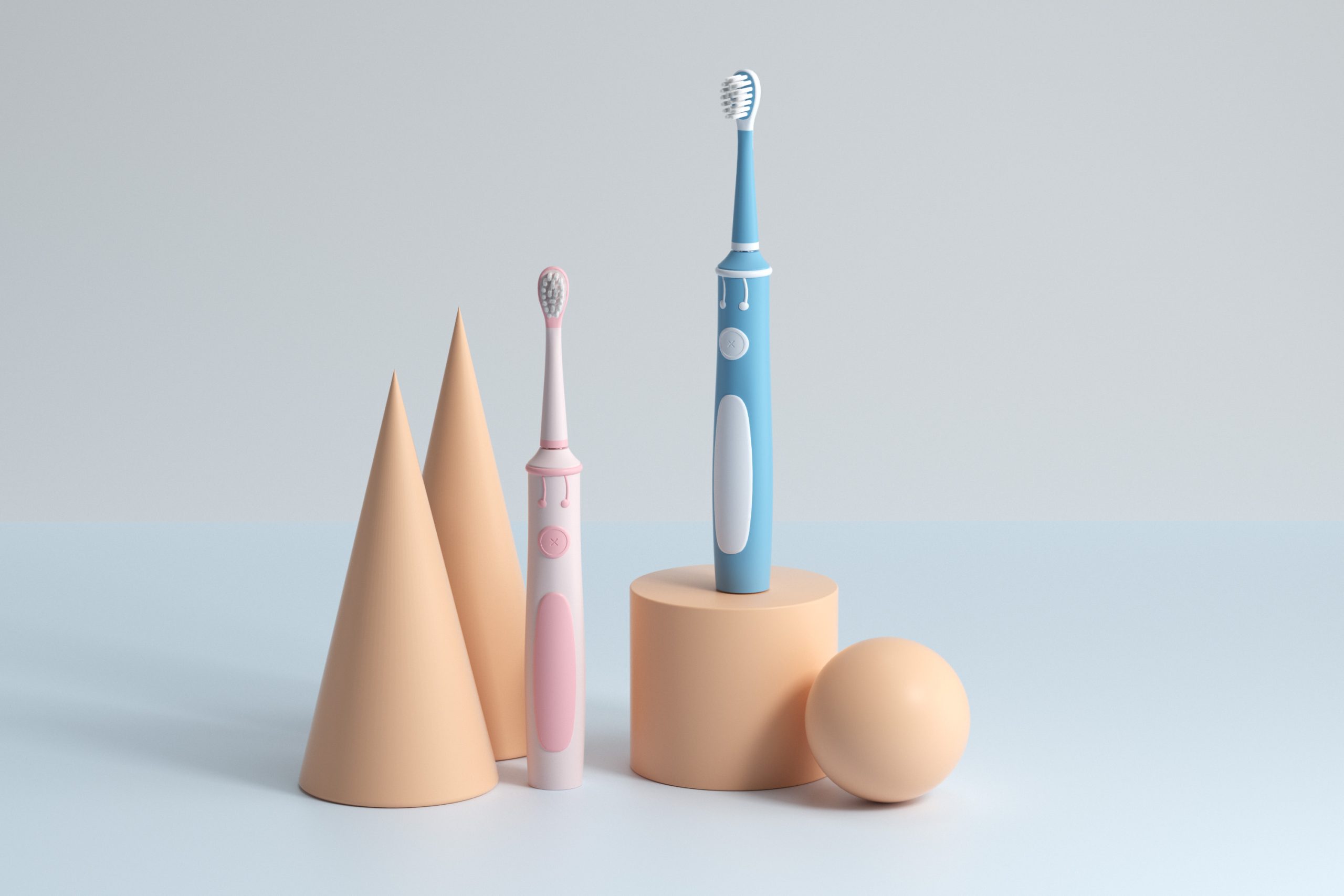
In the evolving personal care market, travel-friendly smart toothbrushes are gaining traction among global consumers—particularly travelers, professionals, and digital nomads. These sleek, compact, and intelligent devices are not just about brushing on the go; they combine portability, smart features, and design-forward aesthetics. For oral care brands aiming to capture this growing segment, partnering with the right OEM supplier becomes crucial. This article explores why portable smart toothbrushes are a rising trend and how to seize the opportunity through optimized electric toothbrush manufacturing strategies. Market Demand for Compact & Rechargeable Options Modern consumers prioritize convenience, especially when traveling. Compact & rechargeable options offer key advantages: Portability: Slim profiles and lightweight materials make these toothbrushes easy to carry in handbags or travel kits. Long-lasting battery: USB-C or wireless charging options with extended battery life (7–30 days) meet the needs of frequent travelers. Smart features: Bluetooth connectivity, travel lock, and app-based brushing reports elevate user experience. This surge in demand presents an opportunity for brands to innovate and fill the market gap with high-performance, travel-ready designs. What Makes a Portable Smart Toothbrush Truly Travel-Friendly? To qualify as a travel-friendly smart toothbrush, a product should meet the following criteria: Compact design: Foldable handles, detachable heads, or slim cylindrical cases.…
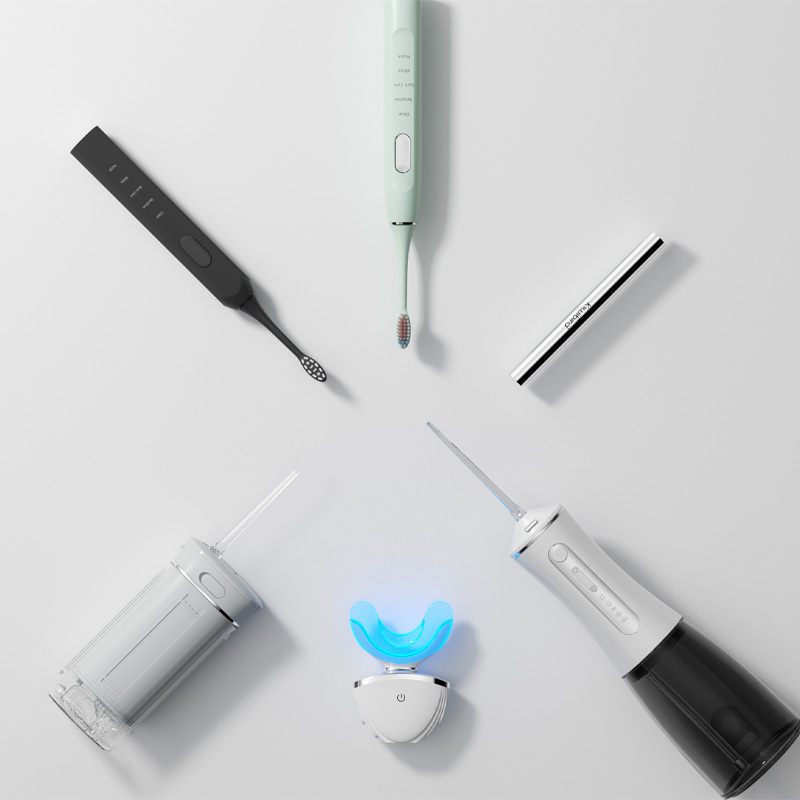
Introduction: Wholesale Volume vs Long-Term Integrity With increasing demand for scalable oral care solutions, the POWSMART Toothbrush Wholesale model has gained popularity among distributors, retailers, and institutional buyers. However, a critical concern has emerged in recent client feedback: does large-scale procurement increase the risk of material degradation over time? In this blog, we explore how bulk ordering interacts with material integrity, what risk factors contribute to performance decline, and how B2B buyers can safeguard their investment in quality electric toothbrushes. Understanding the Supply Chain of POWSMART Toothbrush Wholesale The POWSMART Toothbrush Wholesale model is designed to accommodate customized bulk production—ranging from 5,000 to 100,000 units per batch—with options for: OEM/ODM branding Variable bristle hardness and materials Battery type and waterproofing grade Packaging configurations With this high-volume production model, consistent quality across batches becomes a core concern, especially when toothbrushes are shipped globally and stored under varying conditions before reaching end users. What Is Material Degradation in Oral Care Products? Material degradation refers to the physical or chemical deterioration of product components over time or under stress. In the context of electric toothbrushes, this may involve: Bristle fatigue – fraying or stiffening due to subpar filament quality or aging Plastic yellowing…
Introduction: The “Non-Toxic” Label and the Real Question of Child Safety For brands and buyers seeking to expand in the children’s oral care segment, sourcing a Non-Toxic Kids Brush OEM partner seems like a logical and safe starting point. After all, when products are labeled “non-toxic,” it should automatically imply they’re safe for children, right? However, beneath the marketing label lies a more complex reality — one that raises important questions about child safety beyond just material claims. In this article, we explore how “non-toxic” is defined, whether OEM claims are truly validated, and how manufacturers can go further to genuinely ensure child safety in every brush produced. Understanding the Meaning of “Non-Toxic” in OEM Terms In the B2B manufacturing landscape, “non-toxic” is not a universally regulated term. While many Non-Toxic Kids Brush OEM suppliers claim compliance with safety standards, the depth of testing and the breadth of materials involved vary widely: Material declarations may cover only visible plastics and omit internal adhesives or coatings Some certifications (like BPA-free) do not ensure the absence of other harmful agents such as phthalates or lead-based pigments “Non-toxic” might refer solely to ingestion safety, without addressing allergenic or skin contact reactions Thus, OEM…
.jpg)
The global oral care market is rapidly evolving, with smart technology becoming a key differentiator. Bluetooth-enabled electric toothbrushes are no longer niche—they’re a fast-growing category that blends health tech with everyday hygiene. For brands aiming to expand their product line or launch a new oral care venture, tapping into this trend through smart toothbrush customization and bulk manufacturing partnerships offers immense growth potential. This guide is designed to help brand owners and private label companies navigate the process of working with a B2B toothbrush supplier, including steps for customization, quality assurance, and how to secure the right oral care OEM factory for your needs. Understanding the Bluetooth-Enabled Electric Toothbrushes Market Opportunity Smart toothbrushes are transforming the oral care experience. Equipped with real-time feedback, brushing habit tracking, and app integration, Bluetooth-enabled models are especially attractive to tech-savvy consumers and parents alike. Key benefits driving market demand: Growing consumer interest in health-tech integration Subscription model opportunities via app platforms Competitive differentiation through smart features Now is the ideal time to explore Bluetooth-Enabled Electric Toothbrushes wholesale partnerships to stay ahead of market trends. Smart Toothbrush Customization: What Can Be Tailored? When partnering with a manufacturer, brands can go beyond just adding a logo. A capable oral care OEM can help…
.jpg)
In the age of connected health, toothbrushes are no longer just cleaning tools—they're smart health devices. One of the most revolutionary developments in oral care innovation is real-time brushing tracking, a feature now integrated into many high-end smart toothbrushes. This innovation provides users with instant feedback, improves brushing habits, and gives brands a competitive edge. For oral care brands looking to stay ahead in a crowded market, finding the right oral care OEM that understands and delivers smart toothbrush technology is essential. This blog explores the functionality, user benefits, and the manufacturing considerations behind real-time tracking in electric toothbrushes. What is Real-Time Brushing Tracking? Real-time brushing tracking refers to the toothbrush’s ability to monitor brushing patterns, duration, angle, and coverage through embedded sensors and Bluetooth connectivity. Data is transmitted to a companion app that provides immediate feedback and long-term performance insights. This feature has redefined brushing from a passive to a guided, interactive experience, especially for users who struggle with consistent technique. Smart Toothbrush Technology: Core Features Today’s smart toothbrushes offer more than basic cleaning. Key functionalities enabled by smart toothbrush technology include: 3D motion sensors and pressure sensors AI-driven feedback on missed areas Gamification features for children and families Custom brushing modes synced with…
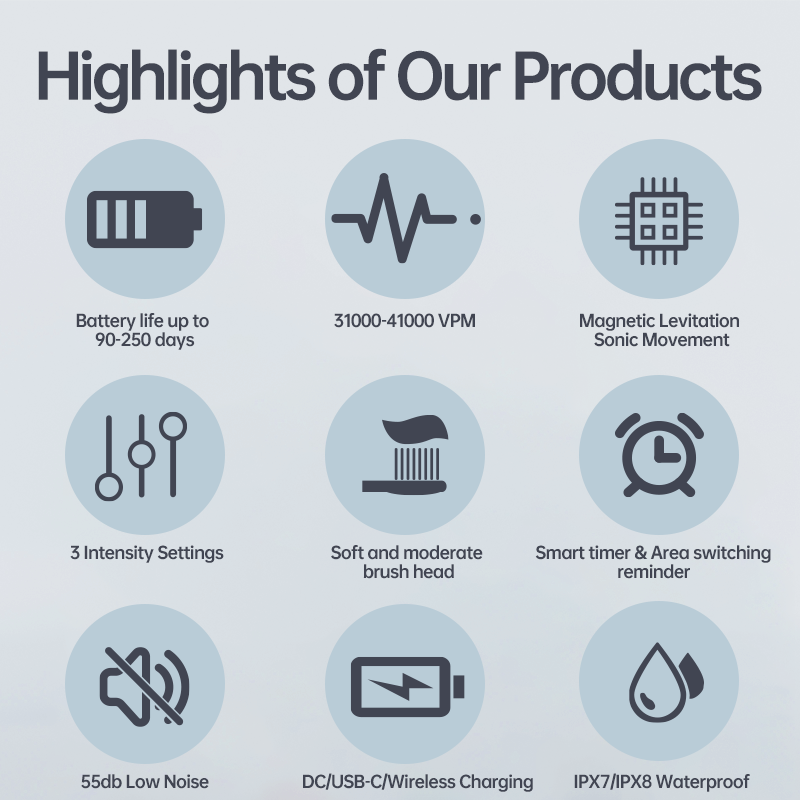
Introduction: A Small Leak, a Big Problem? As portability and convenience become key selling points in oral care, the Travel Electric Toothbrush is seeing a surge in demand across global B2B channels. However, with compact size and mobile usage comes a heightened reliance on waterproof integrity. A frequently overlooked but critical concern is: Can waterproof failure in a travel electric toothbrush lead to internal circuit corrosion? The short answer is yes—and the implications for reliability, safety, and brand credibility are severe. This blog dives deep into how waterproof failure occurs, its direct link to circuit corrosion, and how manufacturers can proactively address the issue. Understanding Travel Electric Toothbrush Construction A Travel Electric Toothbrush typically integrates a compact high-speed motor, lithium-ion rechargeable battery, microcircuit control board, and pressure-sensitive brushing feedback—all within a slim enclosure. Because these components are tightly packed and often exposed to water during brushing, waterproofing becomes not just a cosmetic feature, but a critical functional protection barrier. Failure in this area can compromise the entire device's integrity. Key Materials and Design Elements in Waterproofing To defend against moisture infiltration, quality toothbrush manufacturers employ: IPX7 or higher-rated sealing standards Ultrasonic welding at joint seams Silicone O-rings in charging ports…
.jpg)
In today’s smart oral care devices, real-time status indicators are more than convenience—they are safeguards. However, when indicator failure occurs, it may silently compromise both user experience and clinical outcomes. One overlooked yet serious risk is the potential for periodontal pocket deepening to go undetected due to unresponsive or inaccurate device alerts. This article explores how faulty indicators can mask early signs of gum disease progression—and what manufacturers must do to prevent this silent escalation. Understanding Indicator failure in Oral Care Devices In electric toothbrushes, oral irrigators, or diagnostic tools, indicators often play a critical role. Common indicator functions include: Battery level alerts Pressure sensitivity feedback Operation timing reminders Mode switch status Usage tracking or app sync When these indicators malfunction—whether due to faulty sensors, software bugs, or wear and tear—users may unknowingly operate the device under suboptimal conditions. What Is Periodontal Pocket Deepening? Periodontal pocket deepening refers to the increased space between the tooth and gum, typically caused by chronic inflammation and plaque accumulation. This condition marks the early to intermediate stages of periodontal disease and can lead to: Tooth loosening Gum recession Bone loss Eventual tooth loss if untreated Timely detection is key. Devices designed with periodontal detection…
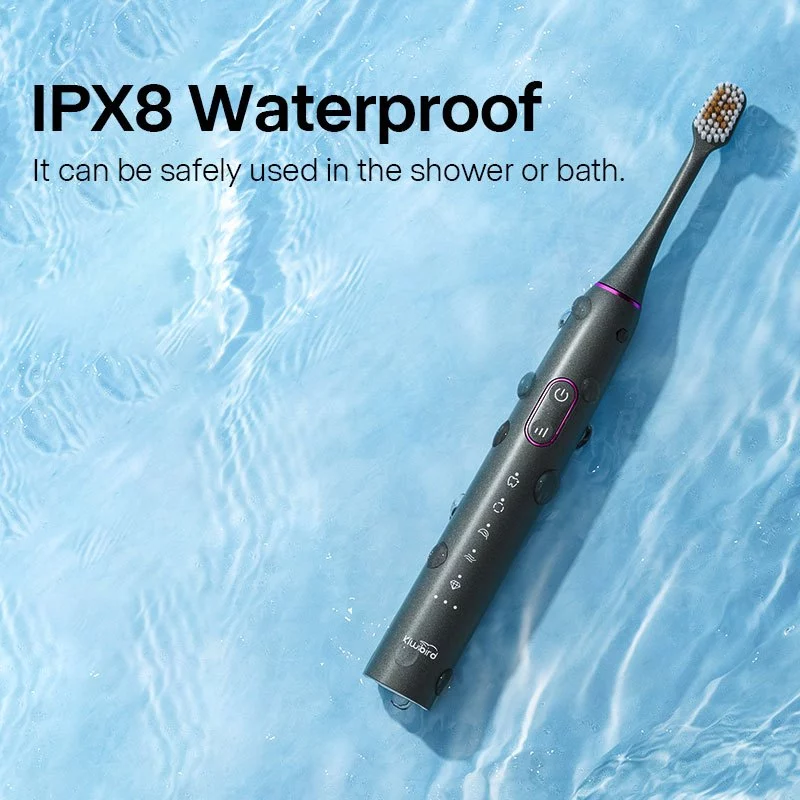
In today’s competitive oral care market, electric toothbrushes come in a wide range—from simple budget models to premium smart designs. For oral care brands seeking to source reliable manufacturers, understanding the core electric toothbrush differences is crucial for developing a product portfolio that aligns with consumer expectations and pricing strategies. This blog offers a toothbrush comparison between cheap electric toothbrushes and high-end electric toothbrushes, highlighting 5 key differences to guide your sourcing and product development decisions. Motor Technology & Performance One of the most fundamental differences lies in the motor system. Cheap electric toothbrushes typically use basic vibration motors with lower RPMs (around 6,000–12,000 strokes/min). These models provide basic plaque removal but limited deep-cleaning capabilities. High-end electric toothbrushes, on the other hand, feature high-frequency sonic or oscillating-rotating motors that can reach up to 40,000 strokes/min. These deliver superior plaque removal and gum stimulation. ? When selecting a manufacturing partner, assess their capability in producing motors with variable frequency or sonic technology—key aspects of oral care technology today. Battery & Charging Options Battery quality directly impacts product usability and consumer satisfaction. Budget models often use AA batteries or low-cost rechargeable cells with short lifespan and limited usage per charge. Premium models typically include long-lasting lithium-ion batteries, fast-charging…
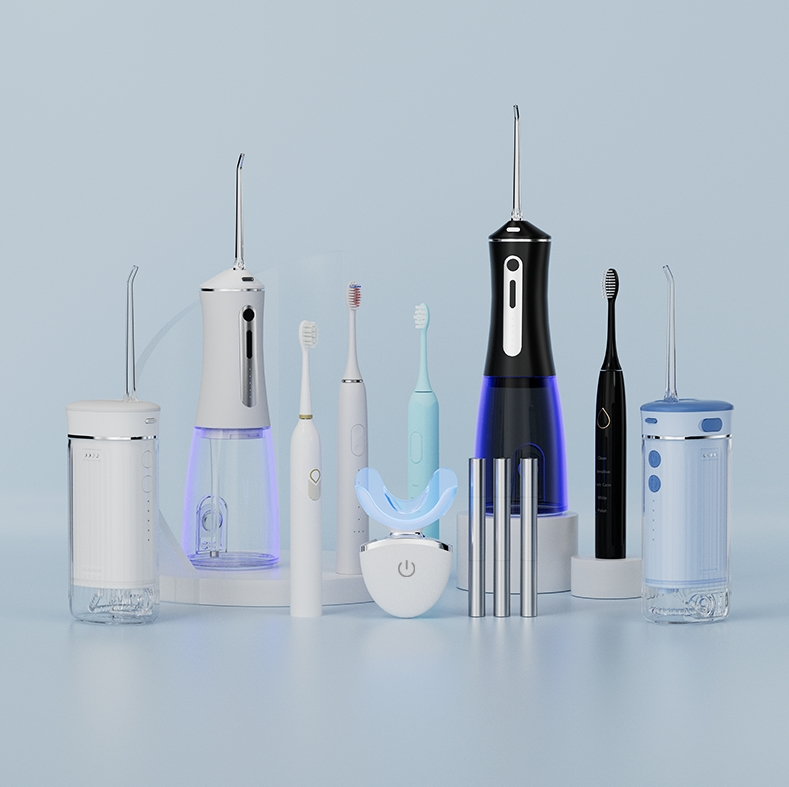
In today’s highly competitive oral care market, many brands are drawn to the promise of low-cost electric toothbrushes and custom water flossers from budget-focused OEM factories. While the upfront price may be attractive, these choices often come with hidden risks that can harm product quality, brand reputation, and long-term growth. This article uncovers five key hidden risks for brands that seek to launch or expand their product lines with budget OEMs, and why quality, not just cost, should be the priority when sourcing OEM oral care products. Quality Control Issues: What You Save Now Could Cost You Later One of the most common and damaging issues with low-cost electric toothbrushes & water flossers is inconsistent or poor quality control. Budget manufacturers often cut corners on materials, components, and assembly processes to meet low pricing expectations. Product failures (e.g., weak battery life, malfunctioning motors, leaks) Non-compliance with regional safety certifications (CE, FDA, etc.) High return rates that damage profit margins and brand image For any brand, sacrificing quality control to save costs can lead to long-term customer distrust and loss of credibility. Limited R&D and Outdated Technology Innovative features like Bluetooth connectivity, smart sensors, or adaptive pressure control are now standard in mid-to-high-end oral care devices.…
When developing a successful electric toothbrush, one critical consideration for oral care brands and manufacturers is the electric toothbrush charging system. The type of charging method used can significantly impact user experience, product lifespan, and ultimately, brand reputation. This article explores various charging technologies — including wireless charging, contact charging, and USB-C charging — and evaluates their pros, cons, and charging failure rate to help brands make informed choices. Contact Charging: Proven but Sensitive to Wear Contact charging is one of the most widely used methods in electric toothbrushes. It involves direct metal-to-metal contact between the brush and the charging base. Pros: Cost-effective and easy to integrate into existing product designs Fast charging with relatively simple electronics Cons: Charging reliability may degrade over time due to corrosion or dirt buildup on the contact points Higher charging failure rate in humid environments or after prolonged use This method is suitable for entry-level or cost-sensitive product lines, but brands seeking long-term durability may prefer alternatives. Wireless Charging: Sleek and Sealed Wireless charging (inductive charging) eliminates metal contacts, using electromagnetic fields to transfer energy through the plastic housing. This technology is becoming increasingly popular in premium models. Pros: Enhanced waterproofing and aesthetic appeal Fewer moving parts and better longevity Lower…
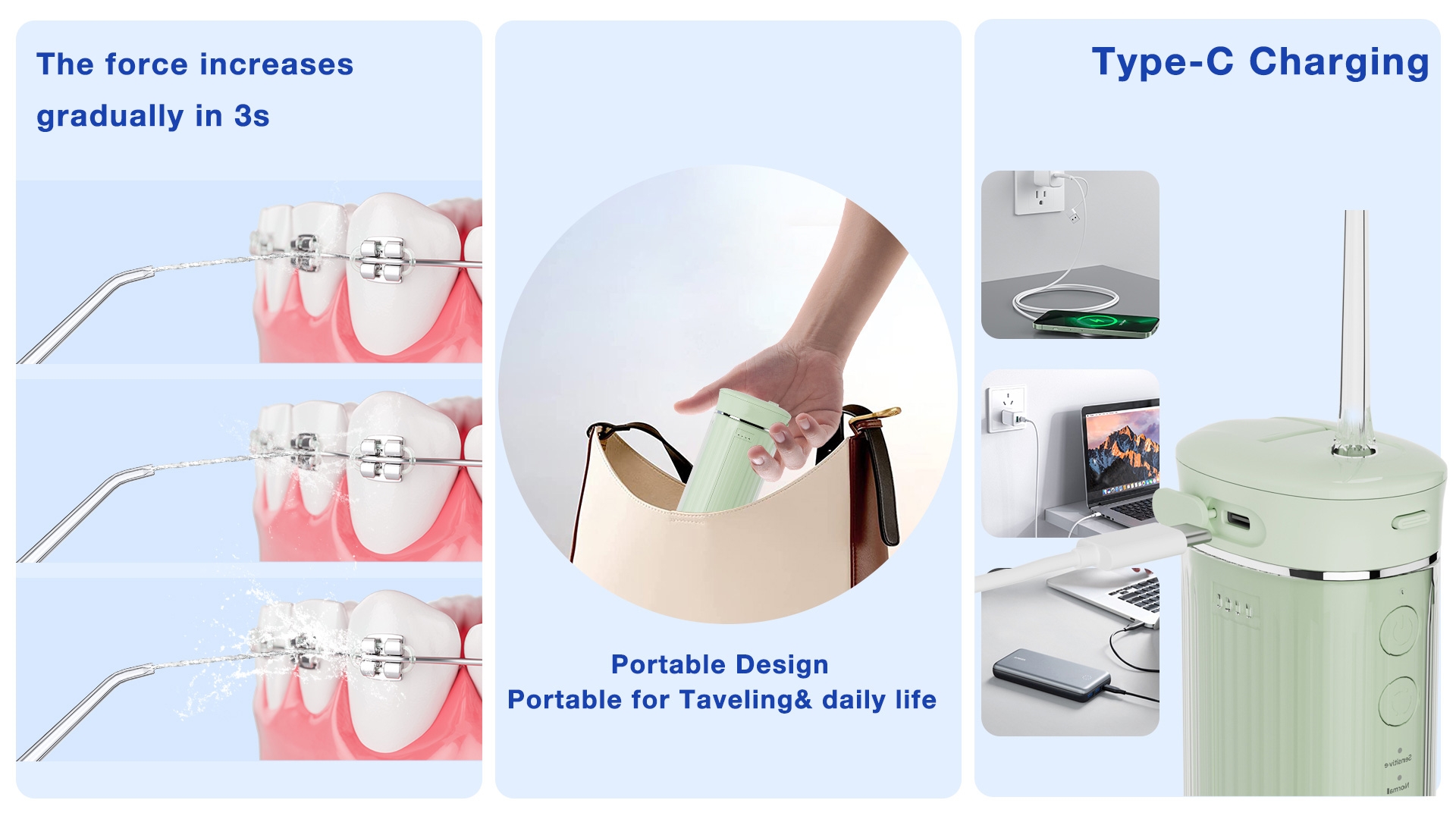
In today’s highly mobile lifestyle, consumers are prioritizing travel dental hygiene more than ever. Whether it's business trips, vacations, or daily commuting, oral care on the go has become an essential part of personal hygiene routines. For oral care product brands, this presents a significant opportunity to expand into the growing portable oral care segment. In this blog, we’ll explore five smart solutions that help travelers maintain fresh breath, clean teeth, and healthy gums — anytime, anywhere. These insights can guide your brand’s next product development strategy or help you identify the right oral care manufacturers for your travel line. Compact, Travel-Friendly Toothbrush: The Essential First Step A travel-friendly toothbrush is the cornerstone of any on-the-go oral hygiene kit. Key features consumers are looking for include: Foldable or cap-covered brush heads USB rechargeable or long battery life Lightweight and minimal design for easy packing From a product development standpoint, offering compact electric toothbrushes with replaceable heads or dual-voltage charging options is a growing trend. Brands looking for OEM solutions should prioritize compact, IPX7-rated designs and manufacturers with experience in ergonomic miniaturization. Mini Water Flosser: Small Size, Deep Clean Bringing a full-sized oral irrigator on a trip is unrealistic. That's where the mini water flosser becomes a…
In the manufacturing of oral care appliances, seal degradation has increasingly been identified as a hidden yet critical factor leading to biofilm regrowth inside devices. When sealing components lose integrity, moisture retention and microleakage create conditions ideal for bacterial colonization. Is this risk unavoidable? Or can manufacturers take strategic steps to prevent it? This blog analyzes root causes and technical solutions. Why Seal Degradation Matters in Oral Care Devices In water flossers, electric toothbrushes, and similar appliances, seal degradation typically involves: Cracking or hardening of rubber or silicone seals Loss of elasticity due to chemical exposure Material fatigue from thermal cycling or mechanical stress Incomplete sealing from poor mold precision Once seals degrade, devices lose their waterproof barriers, allowing microleaks that compromise hygiene and performance. How Seal Degradation Leads to Biofilm Regrowth Biofilm regrowth refers to the resurgence of bacterial colonies adhering to inner surfaces of oral appliances. Seal degradation accelerates this process by: Allowing water ingress into dead spaces Creating moist, oxygen-poor environments ideal for anaerobic bacteria Trapping residual fluids that become nutrient sources for microbes Enabling bacteria to bypass cleaning cycles, forming persistent biofilms This not only affects product hygiene but also risks user health through repeated bacterial…
In the precision world of smart oral care, user expectations hinge on two fundamentals: stable performance and convenience. But what happens when frequent mode malfunctions unexpectedly increase refill frequency, turning routine oral care into a frustrating experience? Recent customer data and manufacturer-side diagnostics suggest these two issues may not be isolated events. In this article, we explore how mode control failures can trigger inefficient water/fluid consumption and what OEMs can do to prevent this from impacting user satisfaction and brand perception. Understanding Mode Malfunction: A Hidden Source of Inefficiency In water flossers, electric toothbrushes with irrigation, or multi-mode oral hygiene devices, mode malfunction typically refers to: Random or unintended switching between pressure or spray modes Failure to hold a selected mode across sessions Inconsistent pulse strength in the same operating mode These malfunctions often stem from: Poorly calibrated PCB logic or firmware instability Faulty mode switch buttons or touch sensors Cross-interference from battery voltage drops or ESD events Though seemingly minor, such issues can deeply affect device efficiency—particularly in fluid-dispensing products. How Malfunctions Impact Refill Frequency When a device’s spray or pulse mode is unstable, the water or solution it uses may be consumed unevenly. For example: Switching to a…
In the world of oral care devices and small consumer electronics, two seemingly separate malfunctions—shaft fracture and indicator failure—can actually be symptoms of a deeper systemic flaw. While each issue alone can disrupt performance, their co-occurrence might point to underlying design or manufacturing challenges that B2B manufacturers must address. What Is a Shaft Fracture and Why Does It Happen? A shaft fracture typically refers to the mechanical breakage of the rotating or oscillating shaft that powers a toothbrush head or drive component. Common causes include: Material fatigue due to substandard alloys or improper heat treatment Overloading from improper torque distribution Misalignment during assembly or long-term wear Shaft integrity is fundamental to device longevity, especially in high-frequency applications like sonic toothbrushes or portable water flossers. Understanding Indicator Failure An indicator failure refers to the malfunction of a visual or tactile feedback component—commonly an LED or vibration alert—that informs users of power status, charging, or mode selection. Possible reasons include: PCB solder point damage from vibration Water ingress affecting signal circuits Faulty firmware or connection instability While these failures seem electronic in nature, they may share mechanical triggers with shaft issues. Company web:https://www.powsmart.com/product/electric-toothbrush/ Are Shaft Fracture and Indicator Failure Connected? Interestingly, evidence…
.jpg)
As electric toothbrushes become an essential part of daily oral care routines, one recurring issue reported by users is that electric toothbrush vibration decreases over time. This can lead to reduced cleaning performance and consumer dissatisfaction—posing risks for both end users and brands. For oral care brands, especially those working with OEM/ODM suppliers, understanding the reasons behind weakened vibration in electric toothbrushes is crucial. This blog will explore common causes, preventive actions, and the importance of choosing an expert in electric toothbrush quality manufacturing. Why Does the Vibration Decrease Over Time? A noticeable drop in brushing performance often stems from several technical or mechanical issues. Here are the main causes: Battery degradation: Lithium-ion batteries can lose capacity after repeated charging cycles, resulting in lower power output and weakened motor performance. Motor wear or imbalance: A worn-out or misaligned motor is a key reason behind weakened vibration in electric toothbrushes. Mechanical obstruction: Dust, toothpaste residue, or water ingress in the motor or drive shaft can restrict movement. Electronic control failure: PCB malfunction or signal delay may cause improper voltage delivery to the motor, impacting vibration intensity. How Poor Manufacturing Affects Vibration Performance While usage habits contribute to performance decline, many cases trace back…


.jpg)
.jpg)
.jpg)
.jpg)
.jpg)



.jpg)

.jpg)