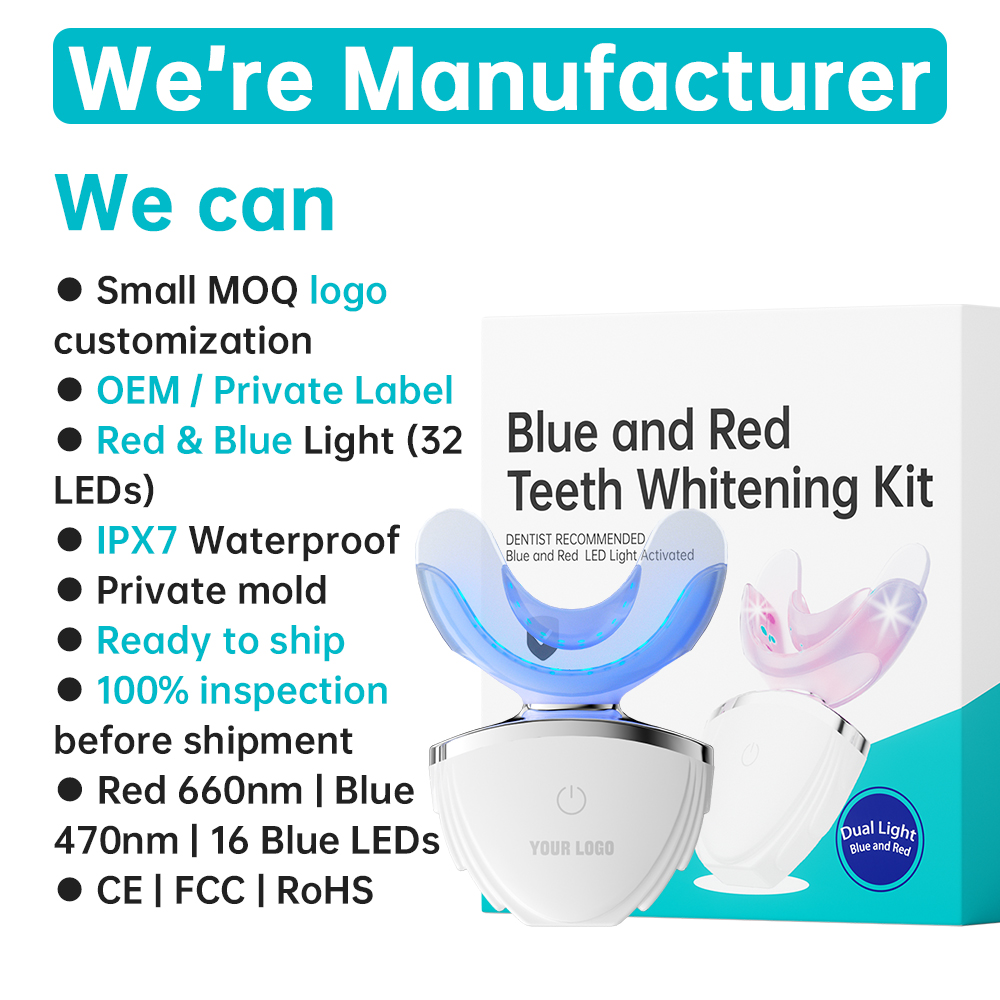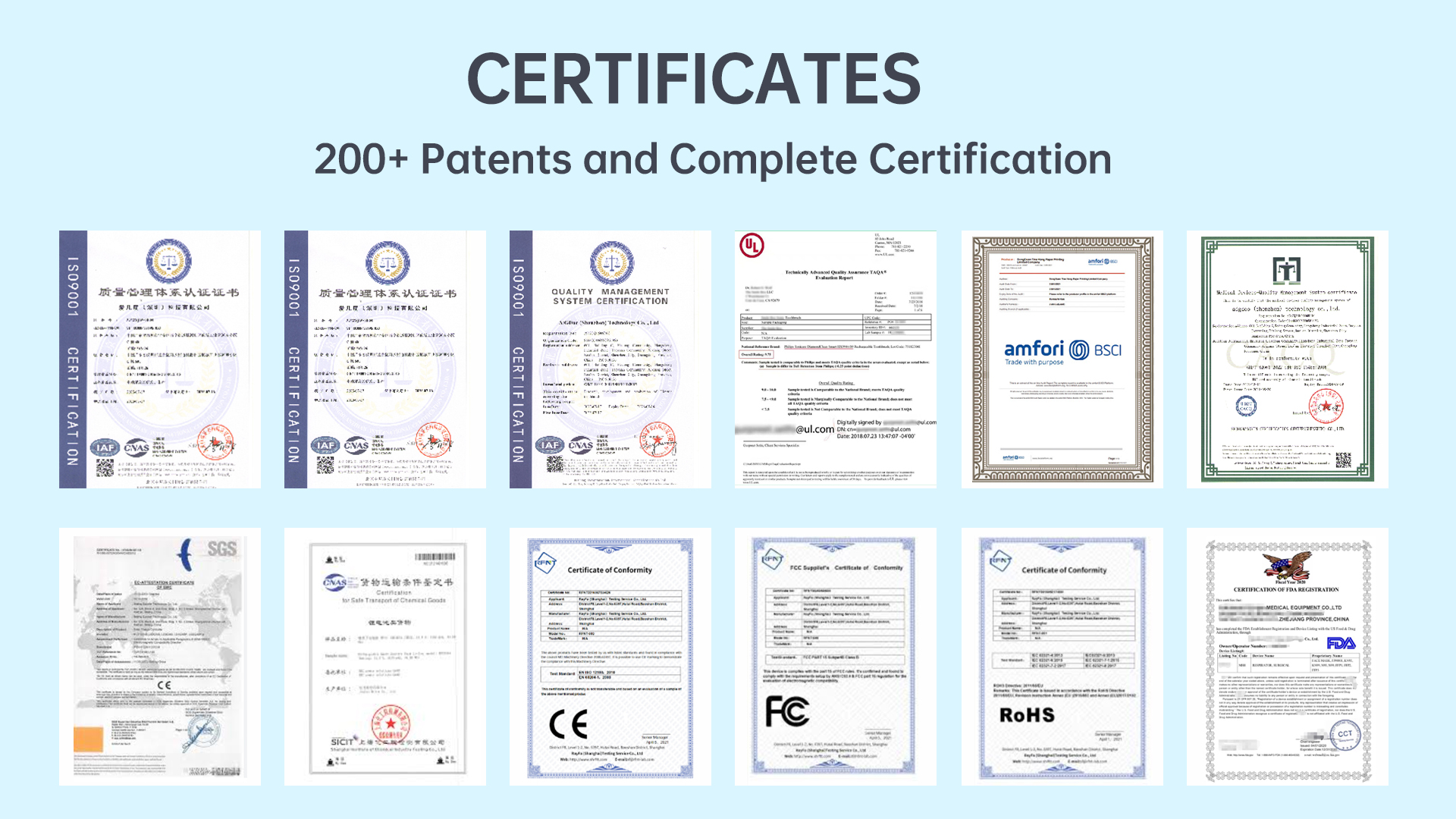
In the competitive oral care market, the quality, performance, and consistency of your products depend heavily on the manufacturing partner you select. For brand owners, knowing how to select toothbrush OEM partners is not just about finding a factory—it’s about securing a long-term relationship that can help you develop innovative, reliable, and profitable product lines. This article serves as both an electric toothbrush OEM factory checklist and a guide for building sustainable collaborations. Identify Core Capabilities of the electric toothbrush OEM factory When evaluating potential OEM factories, start by examining their technical capabilities. A trusted oral care products supplier should be able to handle both large-scale production and smaller custom batches while maintaining strict quality standards. Key points to review: Production capacity and lead time for scaling your business Experience in different brush head designs and electric toothbrush customization options Compliance with international safety certifications (e.g., CE, FDA, ISO) Evaluate Product Quality and Key Technical Specifications Quality should always be the cornerstone of your selection process. Pay close attention to critical performance factors such as: Electric toothbrush motor quality: A high-quality motor ensures consistent vibration speed, durability, and optimal cleaning performance. Toothbrush noise levels: Low operational noise not only improves user experience but also…
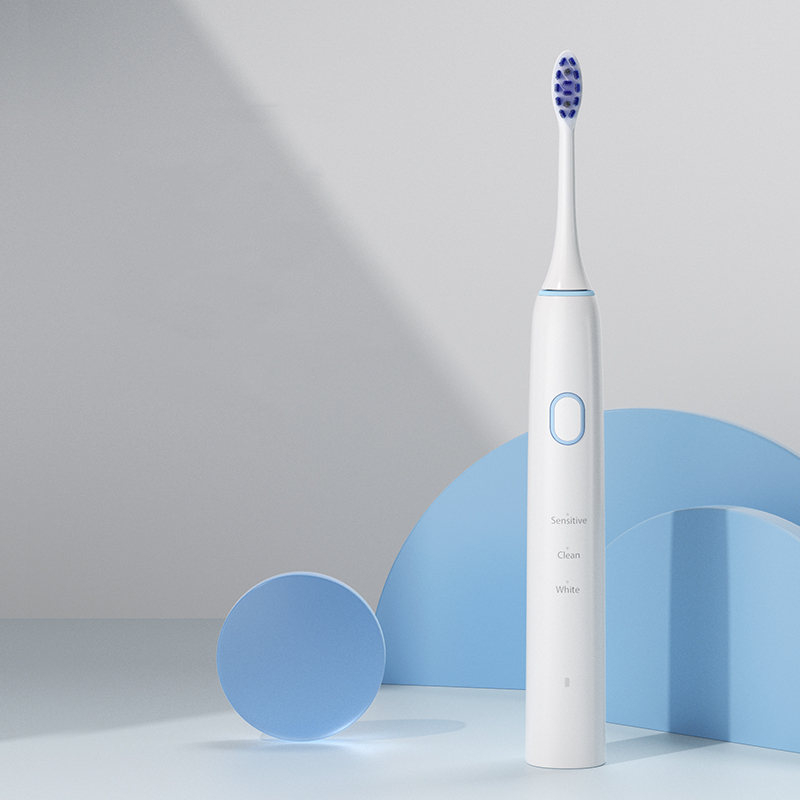
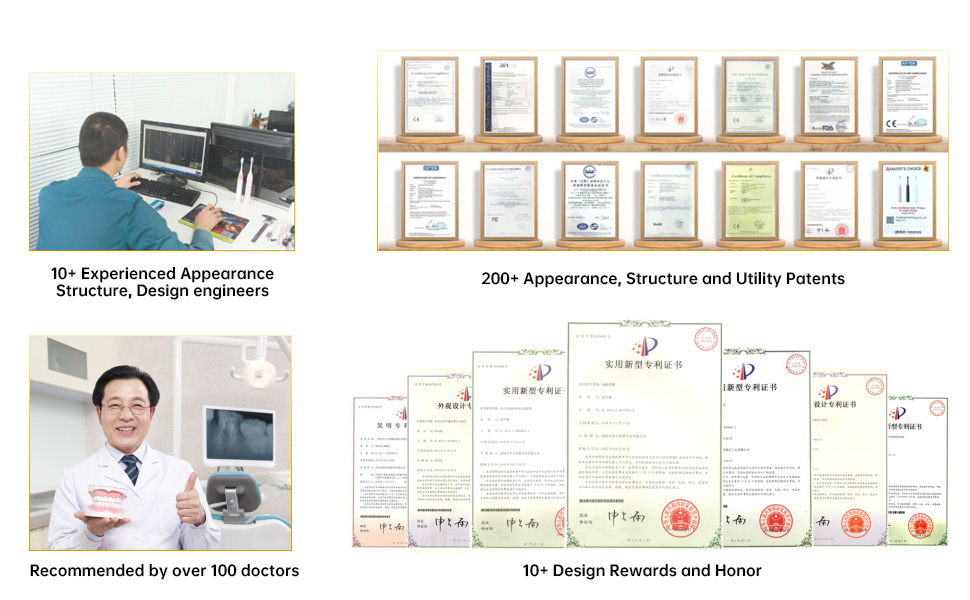
Selecting the right Electric Toothbrush OEM partner is critical to brand success. Whether you’re a startup launching your first product line or an established brand seeking a trusted manufacturer to scale your offerings, aligning with a capable, experienced supplier can make all the difference. In this article, we outline the key reasons why Powsmart stands out as a reliable electric brush supplier, and how we deliver electric toothbrush quality manufacturing that matches the highest global standards. Proven Experience in Electric Toothbrush OEM Services Powsmart has over 20 year of expertise in Electric Toothbrush OEM solutions, serving clients across Europe, North America, and Asia. Our team understands every stage of the product lifecycle—from design concept to final mass production—ensuring that we bring your brand vision to life with precision and professionalism. We don’t just manufacture electric toothbrushes—we partner with you to create solutions tailored to your market needs. Strict Quality Control and Certifications When it comes to electric toothbrush quality manufacturing, Powsmart follows internationally recognized quality systems and safety standards. Our facilities are ISO9001-certified and our products meet CE, FDA, FCC, and RoHS requirements. Every product goes through multiple rounds of quality checks, including: Vibration and noise testing Battery life and charging efficiency Waterproof testing…
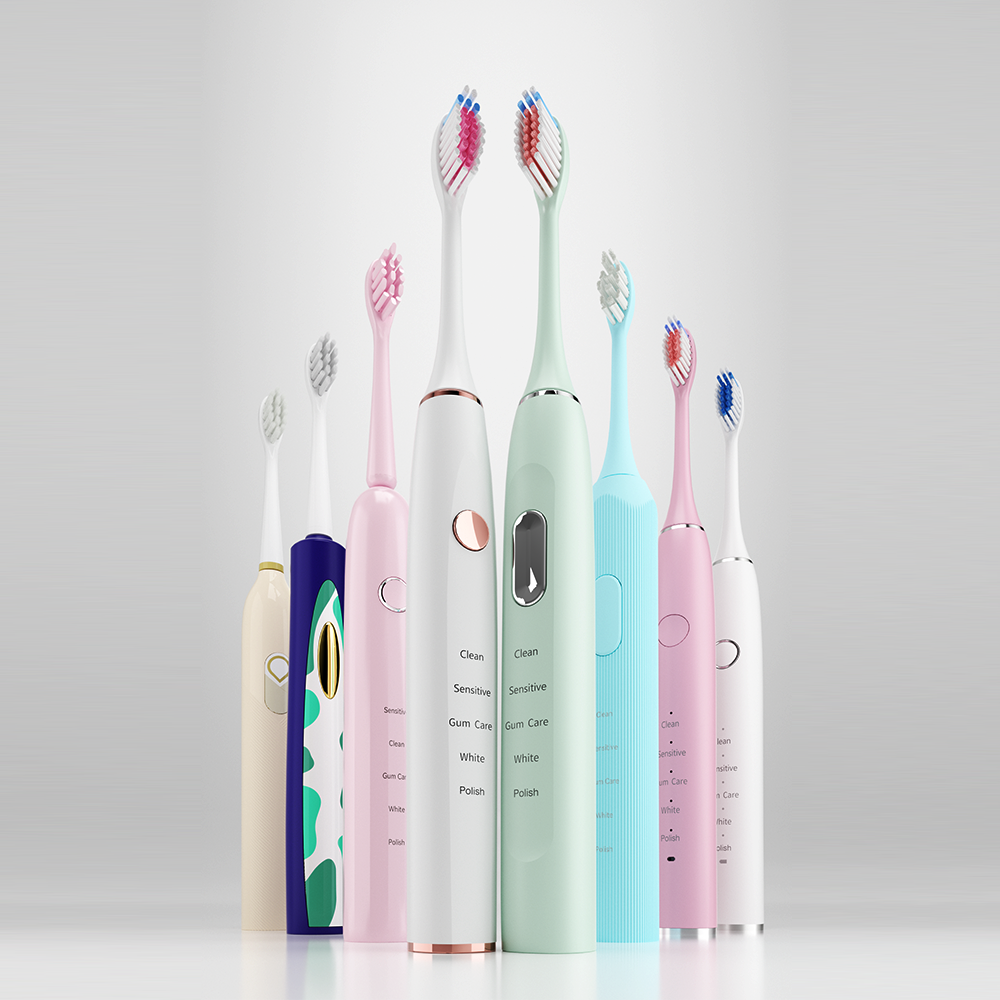
When it comes to outdoor adventures, portability is everything. However, many travelers and campers face a recurring issue: their camping electric brush is too bulky to fit efficiently into limited space. This is where folding toothbrush design steps in, transforming the way oral care products serve on-the-go users without compromising on performance. The Problem: Bulky Brushes in Compact Travel Kits Packing for a camping trip often means minimizing every item to save weight and space. Traditional electric toothbrushes, while efficient in oral cleaning, come with rigid handles and non-collapsible structures that make them difficult to store. Users often resort to manual brushes to save space—sacrificing the convenience of powered cleaning. Why Folding Toothbrush Design Matters A folding toothbrush design solves this issue by reducing the brush’s footprint by up to 50% when folded. It integrates a smart hinge mechanism, allowing the handle to bend or collapse without damaging internal components. For a camping electric brush, this design means: Compact packing for backpacks or travel pouches Enhanced portability without extra cases Maintained motor integrity and waterproof sealing Engineering Behind the Space-Saving Solution Creating a folding toothbrush design for an electric model requires advanced engineering. Key features include: Durable hinge technology: Built…
.jpg)
Introduction: How Cartoon Toothbrush Support Better Kids BrushingEncouraging regular brushing habits in children has always been a struggle. However, integrating cartoon toothbrush designs can turn brushing into a joyful activity. Whether you’re developing a private label solution or working with trusted manufacturers like the Powsmart child toothbrush, choosing a playful yet functional design can boost both oral care engagement and brand success. Understanding Why Kids Resist Brushing Routines Many children dislike brushing due to discomfort, fear, or boredom. Without engaging tools like a cartoon toothbrush, young users often fail to develop consistent brushing habits. To improve kids brushing compliance, brands need toothbrushes designed with child psychology and play-based learning in mind. The Power of Cartoons in Children’s Toothbrush Design Cartoon visuals enhance emotional connection and excitement. A cartoon toothbrush with bright colors, familiar characters, and fun themes can transform a chore into a game. These playful dental care tools also help kids feel more confident and motivated. Some models even include lights, music, or interactive timers to reinforce the 2-minute brushing routine. Why Powsmart Child Toothbrushes Are Loved by Kids and Parents The Powsmart child toothbrush line combines child-friendly aesthetics with professional safety features. Using soft bristles and food-grade silicone…
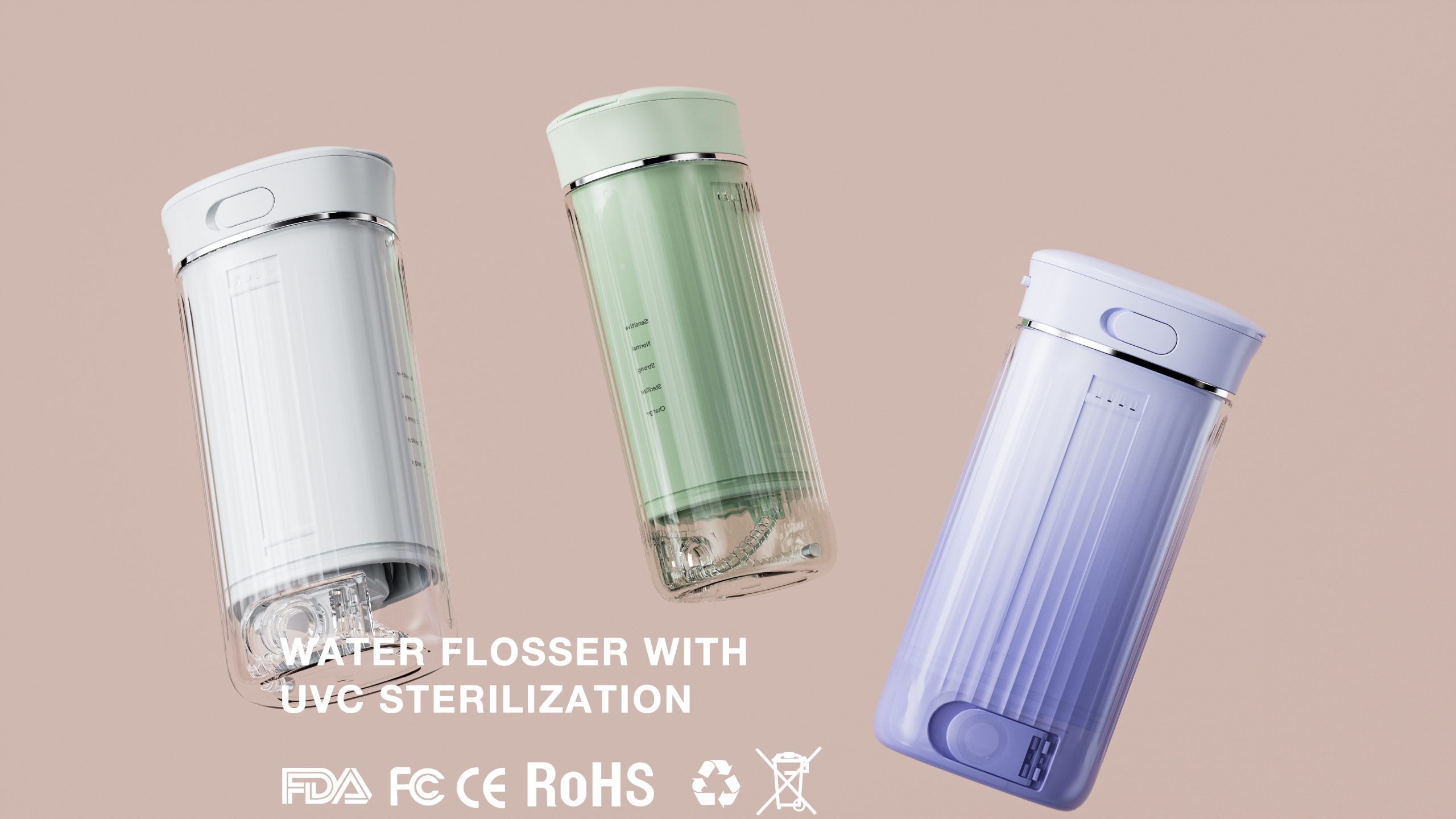
With the rise in demand for compact and portable hygiene tools, the idea of a travel electric toothbrush that fits in a wallet may sound futuristic—but it’s closer to reality than many think. Manufacturers and OEM brands are now exploring advanced folding toothbrush design solutions to maximize portability without compromising on brushing performance. Why Portability Matters in Travel Oral Care Business travelers, minimalists, and digital nomads are increasingly seeking ultra-compact personal care devices. Traditional electric toothbrushes are often bulky and require a dedicated case or bag space. A folding toothbrush design offers a revolutionary answer to this challenge by minimizing dimensions without eliminating core features. Key user demands include: Pocket-sized or wallet-friendly form factor Built-in hygienic bristle protection Lightweight construction without fragile mechanisms This presents an opportunity for B2B innovation in the travel hygiene category. Design Mechanics Behind Folding Toothbrush Technology To make a travel electric toothbrush truly compact, folding technology must go beyond aesthetics. It needs to incorporate: A collapsible handle without compromising grip strength Hinge materials that resist corrosion and wear from moisture Magnetic or secure lock systems to ensure stability during use Advanced prototypes have shown that bristle heads can be flipped into the handle, or that…
.jpg)
As we all know, the rise in conditions such as gingivitis, periodontitis, and, overall gum sensitivity has created strong demand for sensitive gums electric toothbrush products. In response, oral care brands are turning their attention to gum care electric toothbrush OEM opportunities to deliver targeted, effective solutions to their end users. In this blog, we explore the key manufacturing considerations, technology trends, and benefits of partnering with a factory that understands clinically proven oral care requirements for gum-focused electric toothbrushes. And, A periodontal toothbrush differs from standard models in both design and functionality. It’s engineered to deliver a gentle yet effective cleaning experience, ideal for users with inflamed, bleeding, or post-surgical gums. Soft, high-density bristles for less abrasion Low-frequency sonic vibrations to avoid irritation Pressure-sensitive sensors to prevent overbrushing Gum massage modes to stimulate blood circulation OEM manufacturers must be able to incorporate these features, while maintaining consistent quality and performance. What Makes a Gum Care Toothbrush Clinically Proven? To be labeled as a clinically proven oral care device, a gum care toothbrush must undergo rigorous testing. Brand owners looking to establish credibility in the market should prioritize manufacturers who offer: Access to independent clinical trials or in-house testing labs Compliance with international medical device standards (FDA, CE,…
In the world of oral care innovation, the Wireless Charging Toothbrush IPX7 has become a popular offering for its waterproof integrity and user convenience. However, an increasing number of OEM/ODM buyers are raising concerns about material toxicity, especially during long-term use or under high-temperature exposure conditions. Is this a manageable risk—or a hidden compliance issue waiting to surface? Understanding Wireless Charging Toothbrush IPX7 Ratings An IPX7-rated wireless charging toothbrush is designed to withstand immersion in water up to 1 meter for 30 minutes. It offers: Seamless waterproof housing for bathroom safety Wireless charging base integration without metal contact ports Enhanced durability in wet environments While this rating ensures water protection, it doesn't automatically certify chemical safety or material stability under prolonged exposure to moisture and heat. What Is “Material Toxicity” in Toothbrush Manufacturing? Material toxicity refers to the potential release of harmful substances from product components such as: Plastic casings (e.g., BPA, phthalates) Silicone seals (e.g., untested additives, plasticizers) Battery enclosures (leaching of lithium compounds or epoxy sealants) Paint or coatings (heavy metals, volatile compounds) In the context of electric toothbrushes, toxicity concerns rise when these materials degrade under temperature changes, UV exposure, or mechanical stress—conditions frequently present in bathrooms.…
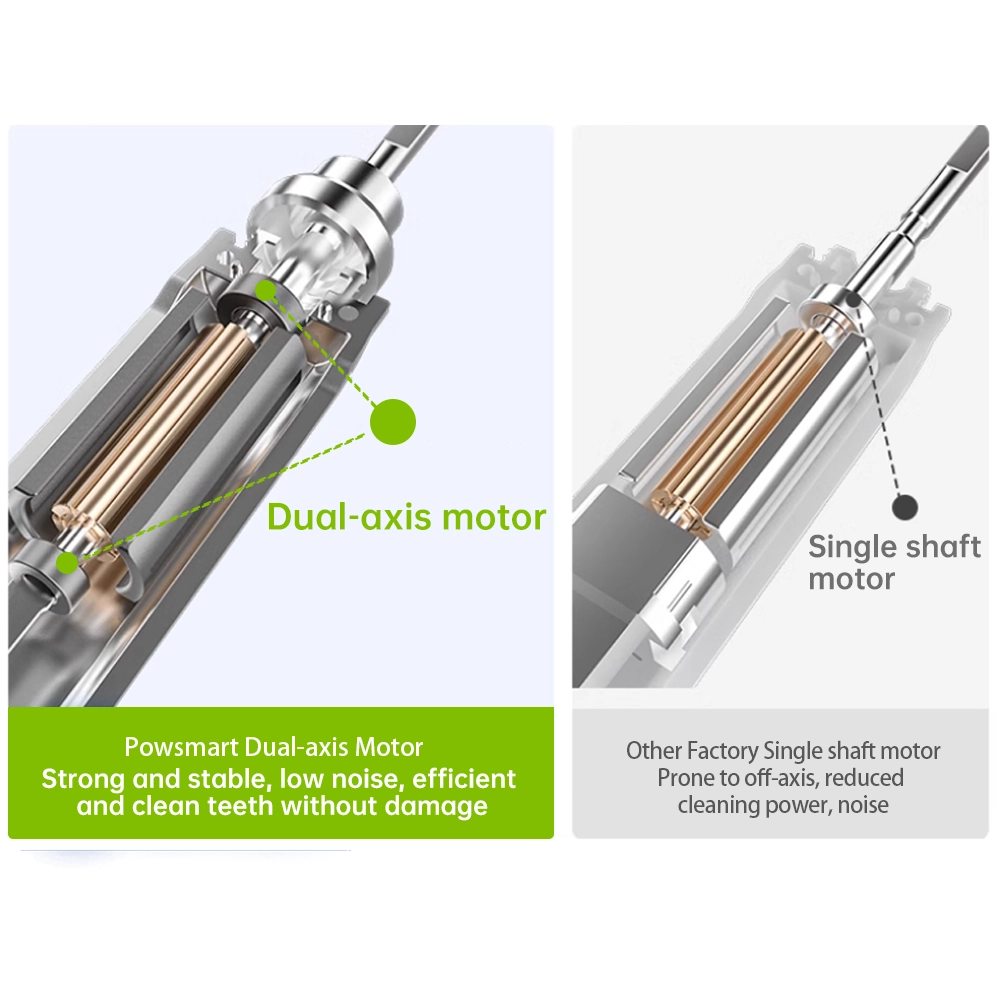
As the demand for smarter, quieter, and more effective oral care devices grows, magnetic levitation motor toothbrushes are emerging as the next big innovation. This advanced dental tech offers high-performance brushing, ultra-low noise, and minimal mechanical wear—key selling points in today’s competitive personal care market. For brands seeking innovative oral care products, understanding this breakthrough technology is essential. Whether you're a startup entering the market or an established brand looking to upgrade your lineup, partnering with an oral care products supplier specializing in levitation motor integration could be the key to staying ahead. What Is a Magnetic Levitation Motor Toothbrush? A magnetic levitation motor toothbrush utilizes a linear magnetic drive system, replacing traditional mechanical components with electromagnetic force to create high-frequency oscillations. Key Advantages: High-speed vibration (31,000–48,000 RPM) for superior plaque removal Quieter operation due to reduced mechanical friction Longer motor lifespan with minimal wear-and-tear Smooth, consistent performance even after prolonged use This cutting-edge magnetic levitation motor toothbrush technology has set new standards for performance and durability in electric oral care devices. Why Magnetic Levitation Motors Outperform Traditional Motors Traditional motors rely on gear systems or rotor-based designs. While effective, they create: More vibration noise Greater energy loss through friction Faster wear on internal parts In contrast, levitation motors use magnetic…

As demand rises for advanced oral care, many OEM/ODM buyers are turning to the Stain Removal Rotating Brush for its enhanced whitening effect and plaque removal. However, some manufacturers are now questioning whether its long-term use could be contributing to an overlooked issue: motor corrosion. Is this a hidden problem lurking behind surface-level cleaning power? The Appeal of Stain Removal Rotating Brushes The Stain Removal Rotating Brush is engineered to rotate at high speeds, often in combination with pressure-based polishing features. It targets: Coffee, tea, and wine stains Plaque accumulation near the gumline Surface discoloration caused by smoking or acidic diets Its robust rotation mechanism delivers noticeable aesthetic results, making it a favorite in whitening-focused product lines. However, this same mechanism introduces moisture and particulate exposure risks for internal components. How Motor Corrosion Begins At the heart of every rotating brush lies a compact electric motor. Over time, especially in high-humidity environments like bathrooms, the following factors can lead to motor corrosion: Seal failure or degradation around the motor housing Condensation build-up during or after use Ingress of toothpaste residue, mouthwash, or saliva Electrochemical reactions between metal components and cleaning agents Once corrosion begins, it weakens electrical conductivity, introduces friction,…
The Powsmart kids toothbrush has redefined the way children engage with oral hygiene by incorporating interactive game-based features. At the heart of this innovation lies the fun timer toothbrush, a concept that merges digital play with effective brushing routines. But how exactly does this playful approach enhance compliance, encourage consistency, and support parental goals in oral care? Bridging Brushing and Playtime: The Concept Behind Gamified Brushing Children are naturally drawn to games, and the Powsmart kids toothbrush leverages this behavioral tendency through a smart brushing app embedded with game logic. The fun timer toothbrush integrates: Visually engaging brushing animations Characters that evolve as brushing progresses Rewards and level-ups based on brushing time consistency Motivational sounds and lights encouraging continued engagement This combination transforms brushing into a challenge children look forward to, rather than resist. How the Fun Timer Toothbrush Works Technically The fun timer toothbrush uses a time-tracking module synchronized with an app or built-in screen. Its system includes: A two-minute countdown timer, segmented into quadrants (30 seconds each for mouth zones) Haptic feedback or lights signaling transitions App sync via Bluetooth for real-time performance tracking Internal memory logging brush durations if offline This structured process ensures children meet recommended…
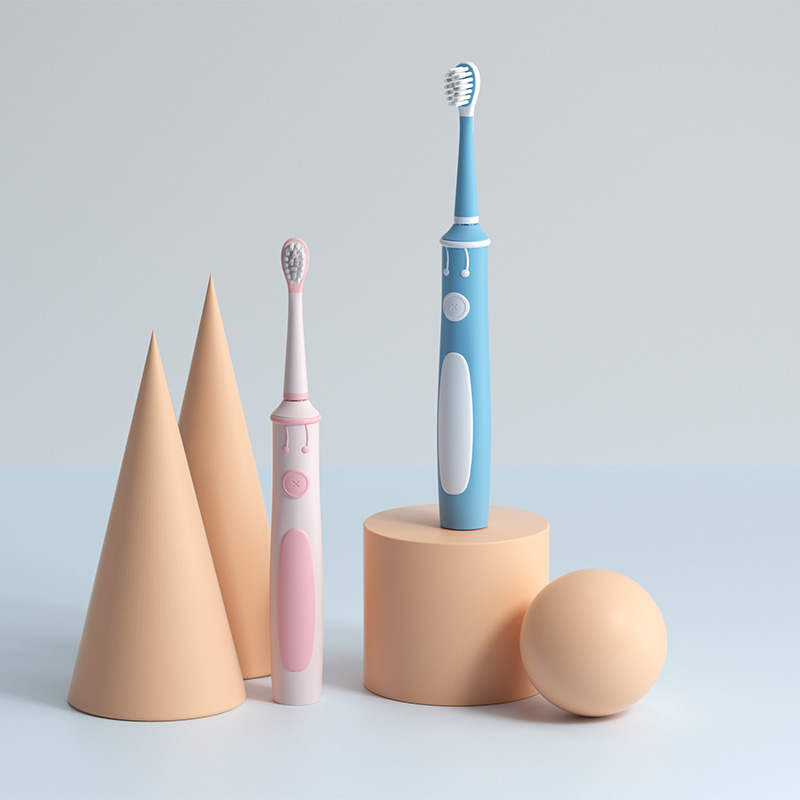
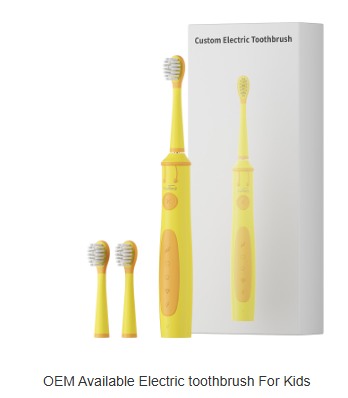
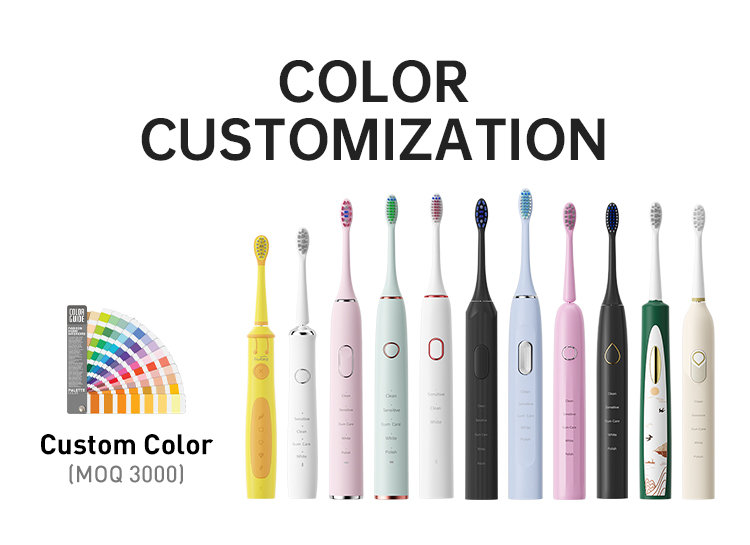
In today’s highly competitive oral care market, offering a high-quality, safe, and attractive electric toothbrush for children is essential for any brand targeting the pediatric segment. However, success in this market depends heavily on choosing the right toothbrush manufacturer for kids—one that understands the specific safety, design, and functional needs of young users. This is where Powsmart stands out as a leading Kids electric toothbrush OEM partner with extensive experience in delivering innovative, child-friendly oral care solutions. Experience and Specialization in Child Toothbrush Manufacturing When it comes to child toothbrush manufacturing, specialization makes all the difference. Powsmart has over a decade of experience in designing and producing electric toothbrushes specifically for children. From ergonomic handle sizes to ultra-soft bristles and colorful, engaging designs, every aspect is tailored to support a fun and safe brushing experience for kids aged 3 to 12. We strictly follow global child safety regulations and offer certifications such as CE, FDA, and RoHS, ensuring that every product meets international standards. Customization Capabilities for Brand Differentiation As a premium custom electric toothbrush supplier, Powsmart understands that brand identity is vital. That’s why we offer full OEM/ODM customization, including: Handle shape and size Vibrating or sonic motor options Brush…
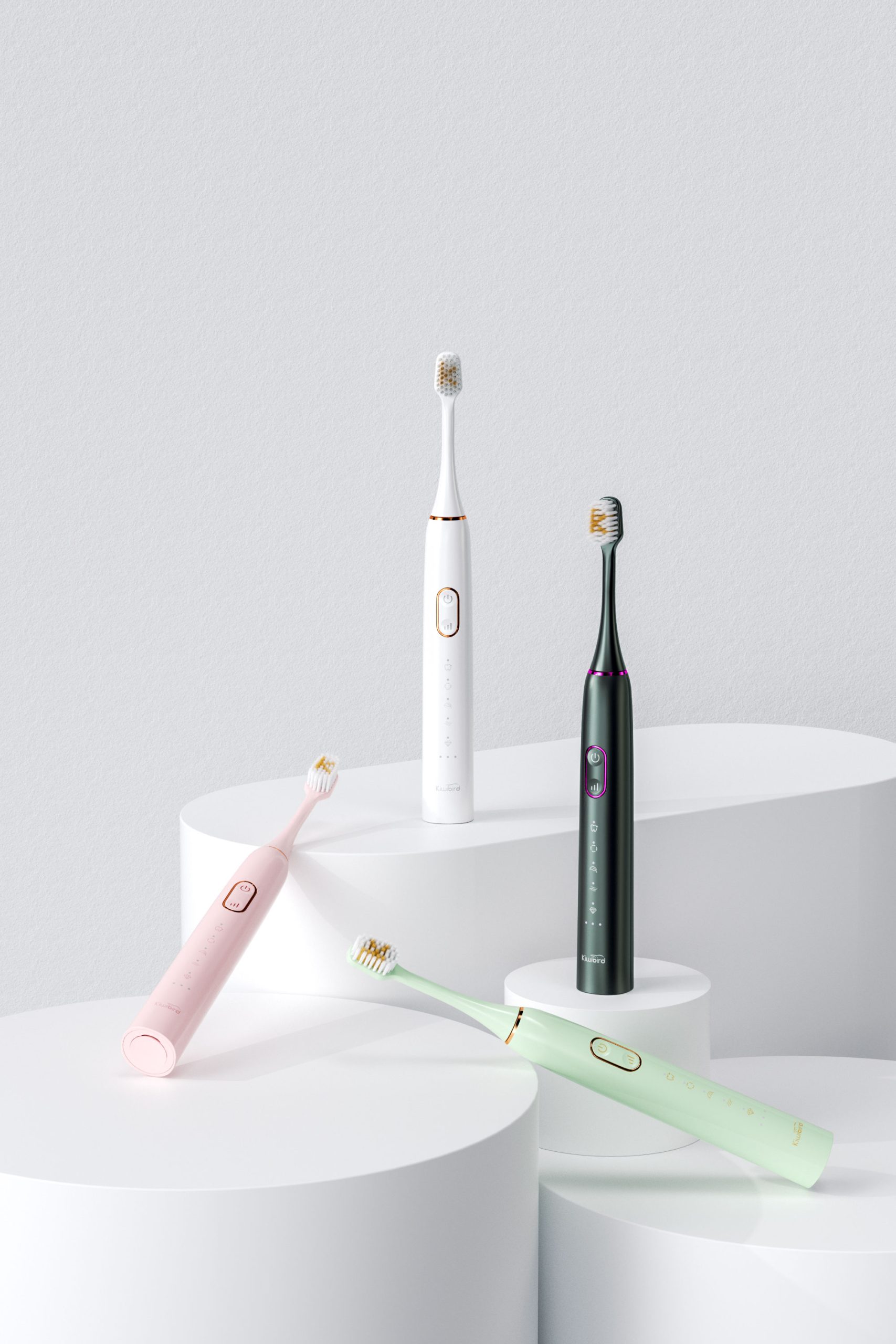
In recent years, the demand for wireless charging electric toothbrush products has grown significantly due to their sleek design, safety, and user convenience. As the market evolves, brands are shifting from traditional plug-in models to advanced contact charging technology electric toothbrush solutions. For brands aiming to stay competitive, finding the right electric toothbrushes manufacturer capable of delivering high-quality, OEM-friendly designs is essential. This article outlines the key features of contact charging, benefits of OEM manufacturing, and what to consider when partnering with a supplier for your next product line. Understanding Contact Charging Technology for Electric Toothbrushes Contact charging technology OEM is based on conductive charging systems, where the electric toothbrush charges via direct contact with a metallic base or magnetic charger—without the need for visible charging ports. This not only improves water resistance but also enhances the product’s aesthetic appeal. Key features of contact technology in electric toothbrushes: Waterproof & sealed design (typically IPX7+ rated) Magnetic alignment for safe, efficient docking Reduced mechanical wear, increasing product lifespan Compatible with wireless bathroom accessories or multi-device stations As a growing trend in premium oral care, this charging method is now a must-have for next-generation models. Benefits of OEM/ODM Manufacturing for Oral Care Brands Partnering with a reliable electric…
Introduction: Addressing Chemical Residue in POWSMART Ultrasonic Toothbrush Manufacturing As the demand for advanced oral care technology grows, the POWSMART Ultrasonic Toothbrush has gained attention for its precision cleaning and ergonomic design. However, concerns have surfaced within certain procurement and compliance circles about chemical residue levels in these devices. Are the materials used during manufacturing or post-processing leaving behind residue levels that surpass regulatory limits? This article examines whether these concerns are substantiated and how B2B clients can evaluate material safety with confidence. Understanding Chemical Residue in Oral Care Products Chemical residue refers to trace amounts of solvents, adhesives, coatings, or cleaning agents that may remain on product surfaces after production. In the context of the POWSMART Ultrasonic Toothbrush, this could potentially involve: Mold release agents used in plastic injection Surface coatings for waterproofing or anti-slip finishes Disinfectants or ultrasonic bath chemicals used during final assembly While these materials are essential for product functionality, improper processing or insufficient rinsing can lead to residual buildup. Regulatory Thresholds: What Is “Over the Limit”? In most major markets—including the U.S., EU, and parts of Asia—oral hygiene products are subject to strict material safety standards. Regulations typically cover: BPA content in plastics Volatile Organic…
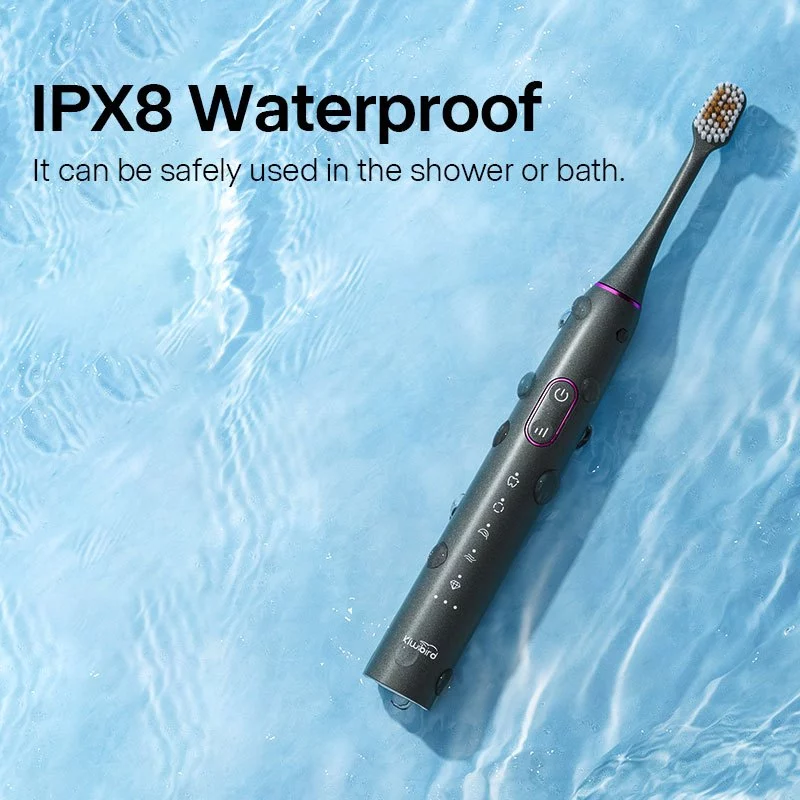
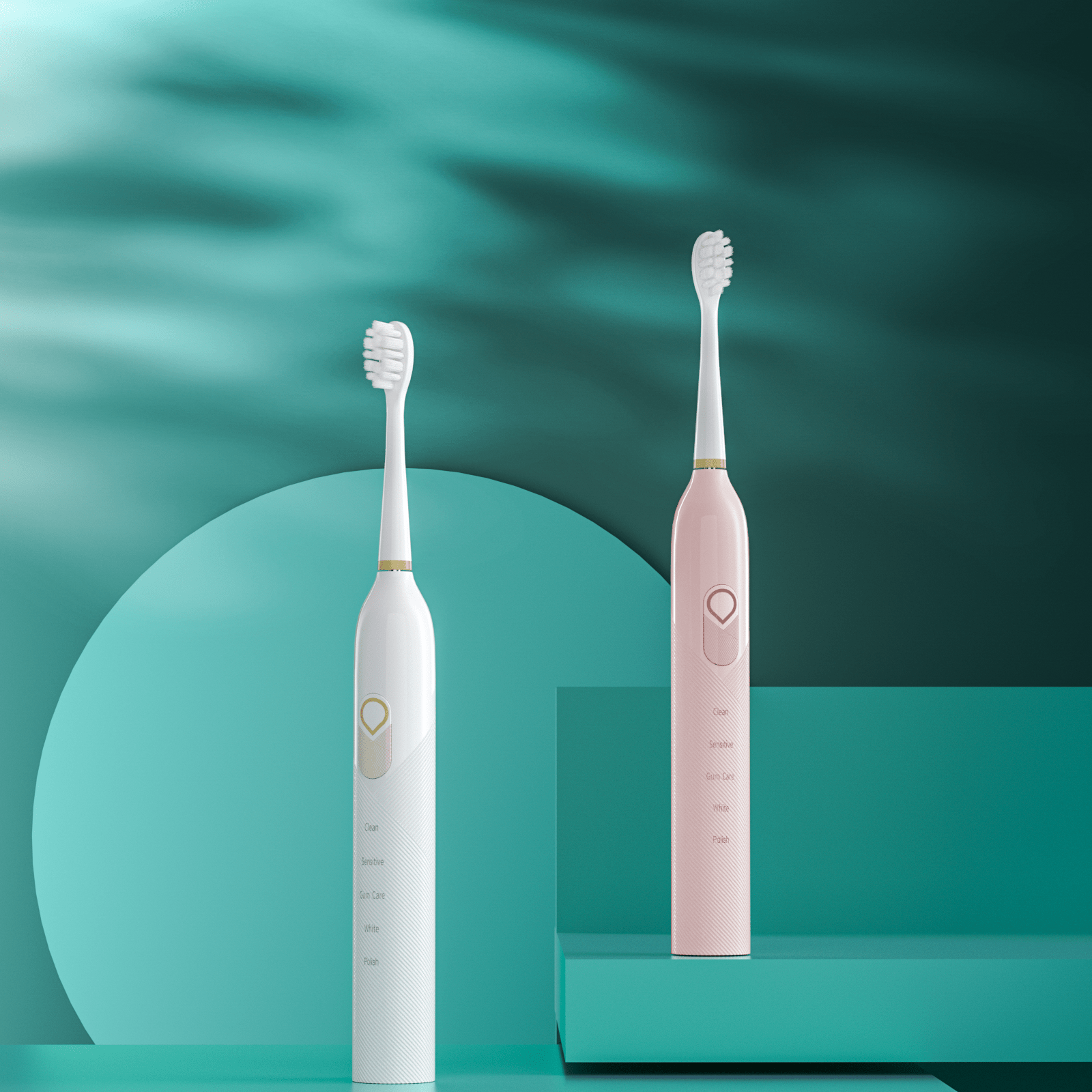
As consumer lifestyles become increasingly dynamic, the demand for shower-safe dental care solutions is rising globally. Brands seeking to enter or expand in international markets must offer products that combine innovation, reliability, and user convenience. Among them, the IPX7 waterproof electric toothbrush has become a key product category, offering users peace of mind during wet-environment usage. In this blog, we explore how electric toothbrush customization for global markets, when paired with IPX7 waterproof certification, can help brands stay ahead of market trends and consumer expectations. Understanding the IPX7 Waterproof Standard The IPX7 waterproof rating means that a device can withstand immersion in up to 1 meter of water for 30 minutes without suffering damage. For electric toothbrushes, this translates to: Safe usage in showers and wet environments Enhanced durability and corrosion resistance Improved product lifespan and customer satisfaction By offering a waterproof electric toothbrush, brands can provide users with shower-safe dental care solutions that align with modern hygiene routines. Customization Opportunities for Global Brands Electric toothbrush customization for global markets involves more than just logo printing. Manufacturers must offer flexible and scalable solutions, such as: Custom handle designs and ergonomic features tailored to target demographics Multi-mode brushing functions (clean, sensitive, polish, etc.) Custom packaging and branding to suit different…
.jpg)
As consumer awareness of oral health continues to grow, the market for sensitive teeth toothbrushes has expanded rapidly. People with gum sensitivity require products that offer effective cleaning while minimizing irritation. In response to this demand, many brands are now seeking trusted partners for electric toothbrush production for sensitive teeth. For businesses aiming to meet this niche market, collaborating with experienced OEMs that specialize in gentle gum care technology is key to success. Understanding the Needs of Users with Sensitive Teeth Sensitive teeth and gums require special care. Aggressive brushing or hard bristles can cause pain, gum recession, or further enamel erosion. This is where the gum care electric brush plays a vital role. These brushes are engineered to deliver a gentle cleaning experience, using soft bristles and low-frequency vibration or sonic technology to protect gum tissue while removing plaque effectively. To meet user expectations, brands need to develop products with features such as: Ultra-soft bristles for minimal abrasion Pressure sensors to prevent over-brushing Multiple cleaning modes, especially “Gentle” or “Sensitive” modes Rounded brush heads for a soothing feel on gums Key Design Considerations for Gentle Cleaning OEM Solutions When selecting a manufacturer for a gentle cleaning OEM solution, it’s important to prioritize factories that…
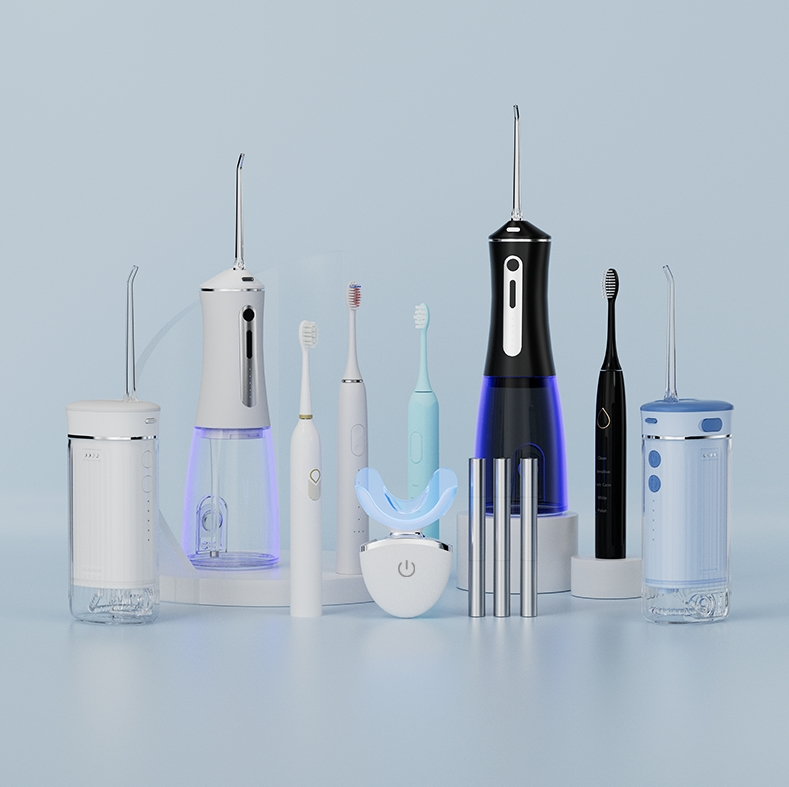
As consumers become increasingly health-conscious and tech-savvy, the demand for high-performance oral care solutions like smart sonic toothbrushes has surged. For dental care brands, entering or expanding in this competitive market requires speed, reliability, and innovation. That’s where working with a trusted sonic toothbrush private label manufacturer comes in. This article explores how brand owners can benefit from complete OEM services, including custom design, manufacturing, and packaging, to successfully launch or scale their smart sonic brush OEM business. Why Choose a Sonic Toothbrush Private Label Partner? Launching your own oral care products OEM line doesn’t mean you have to start from scratch. A reliable private label partner enables you to bring a premium product to market faster, without the complexity of R&D or in-house production. Benefits of partnering with a private label OEM manufacturer include: Fast time-to-market with ready-made or customizable sonic brush models Cost-effective production without compromising on quality Access to the latest custom dental tech innovations Branding freedom with packaging, design, and user experience What to Expect from Complete OEM Services When we talk about complete OEM services, we mean end-to-end support that covers every step from product concept to delivery. A professional sonic toothbrush OEM partner offers: Product Development & Customization: From…
The rise of minimalist personal care products has pushed the Black Electric Toothbrush ODM trend into high demand, especially for brands seeking sleek aesthetics and premium-feel designs. However, as more ODM partners adopt darker anodized or painted finishes, concerns are growing about potential handle corrosion over time—especially in humid bathroom environments. So, is this merely a design oversight or a material-related challenge that deserves serious attention? Why Handle Corrosion Is a Growing Concern Handle corrosion is not merely a cosmetic issue. In the case of black-finished toothbrushes, surface deterioration can expose internal circuits, weaken the structural integrity, and significantly shorten product lifespan. From a branding perspective, premature wear of a product marketed as “premium” can negatively impact customer perception and trust—especially for B2B buyers aiming for retail or subscription markets. Coating Materials Commonly Used in Black Electric Toothbrush ODM Manufacturers often use techniques such as: Anodized aluminum coatings Painted or UV matte plastic finishes Electrophoretic deposition (EPD) While these methods provide rich black appearances, their resistance to corrosion depends heavily on process quality, environmental sealing, and exposure to soaps, water, and skin oils. Factors That Accelerate Handle Corrosion The following issues are frequently linked to handle corrosion in black electric…
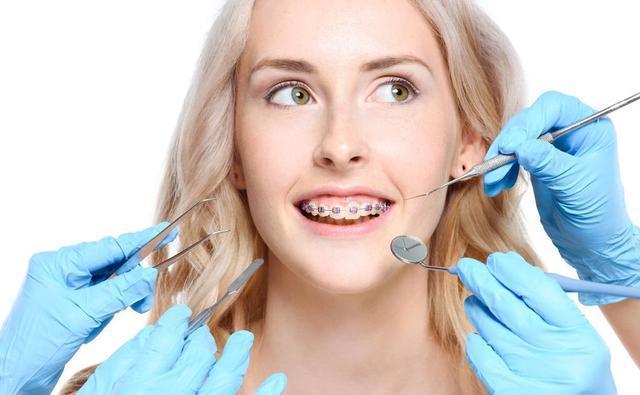
Introduction: Smart Design or Sensor Vulnerability? The rise in popularity of the Braces Cleaning Electric Toothbrush reflects a growing demand for intelligent, orthodontic-friendly oral care. These devices often come equipped with pressure sensors, smart timers, and AI-assisted tracking systems. However, with this advancement comes a pressing question from both users and distributors: Is the interaction between braces and brush triggering unexpected sensor failure? This blog takes a deep dive into the engineering concerns behind the functionality of braces-oriented brushes, and whether design choices are inadvertently compromising sensor integrity. Understanding the Braces Cleaning Electric Toothbrush To meet the unique challenges of orthodontic hygiene, the Braces Cleaning Electric Toothbrush is designed with: Slim, angled brush heads High-frequency oscillation for dislodging food particles Pressure sensors to prevent over-brushing AI-integrated motion tracking (in premium models) These features are invaluable for wearers of braces, where plaque buildup and gingival irritation are common concerns. Yet, this same intricate interaction between hardware and braces metalwork can sometimes result in performance irregularities. How Does Sensor Failure Manifest in These Devices? When sensor failure occurs, users may experience: Inaccurate pressure detection, leading to frequent false alarms or complete inactivity Interrupted operation cycles due to overload misreadings Inconsistent app feedback…


.jpg)
.jpg)
.jpg)
.jpg)
.jpg)



.jpg)
.jpg)