
.jpg)
Professional Blue Light Whitening Solutions for Dental Brands In today’s booming oral care market, blue light whitening device wholesale options have become a game changer for brands and distributors. These innovative tools harness LED-based whitening technology to deliver visibly brighter smiles within days. For businesses seeking reliable OEM and ODM support, our platform provides customizable solutions that combine safety, design precision, and long-term durability. The Science Behind LED Whitening Technology Blue light therapy accelerates the breakdown of stubborn stains on enamel, making the process both fast and non-invasive. Compared with traditional whitening strips, light-based systems ensure deeper and more uniform whitening. Moreover, the materials used are clinically tested for safety and comfort. Visit American Dental Association for more research on LED whitening methods and consumer safety guidelines. Why Choose Our OEM/ODM Service Partnering with a dedicated manufacturer gives brands flexibility to tailor design, color temperature, battery type, and ergonomic shape. At powsmart.com, we specialize in professional whitening device manufacturing, supporting custom branding and global distribution. Our R&D team also focuses on optimizing battery performance and reducing charging time for greater user satisfaction. Product Features That Define Quality Every LED whitening unit integrates food-grade silicone mouth trays, medical-safe plastics, and efficient…

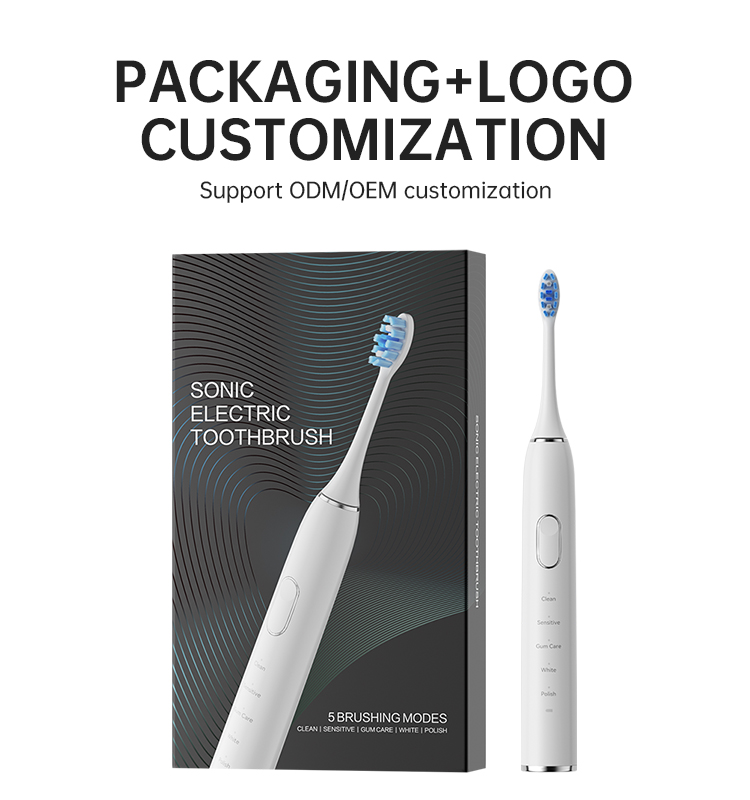
Developing a private electric toothbrush is an exciting opportunity for businesses looking to enter the competitive oral care market. By opting for an ODM (Original Design Manufacturer) model, brands can save time, reduce costs, and achieve a customized product tailored to their target audience. In this blog, we’ll break down the process of developing ODM toothbrush solutions, from initial concept to final production, and highlight why working with an ODM electric toothbrush manufacturer like Powsmart is a smart choice. Research and Market Analysis Before starting development, conducting thorough research and market analysis is essential. Identify your target audience, preferences, and pain points. For example, are you targeting families, travelers, or those seeking high-tech features like sonic vibrations? Analyze competitors to discover gaps in the market, which will guide the design and functionality of your private electric toothbrush. Collaborating with an ODM Electric Toothbrush Manufacturer The next step is selecting an experienced ODM electric toothbrush manufacturer. A reputable partner will provide a range of existing designs and customization options, including brush heads, motor types, and aesthetic features. Working with an ODM manufacturer reduces the development timeline significantly while ensuring compliance with industry standards. Established in 2004, Powsmart Technology Co, Ltd. is a professional manufacturer which carries R&D,…
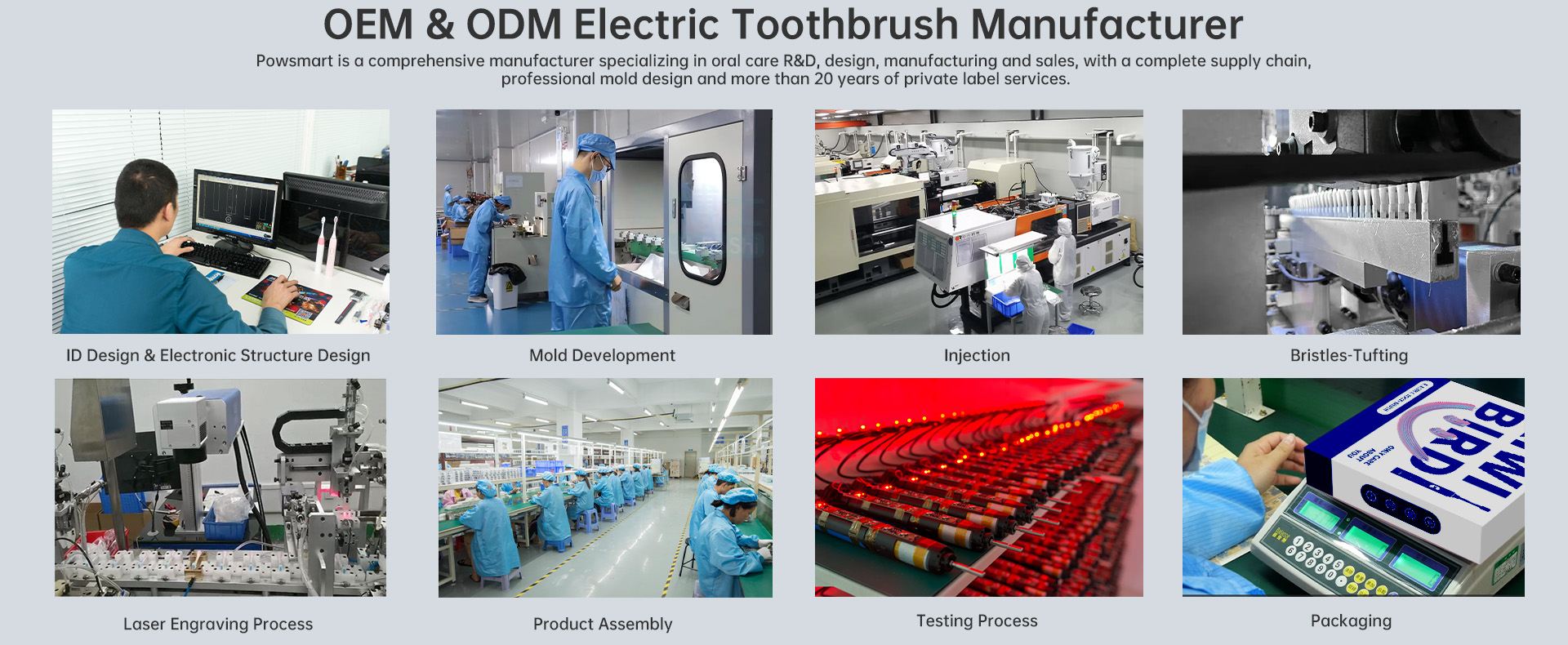
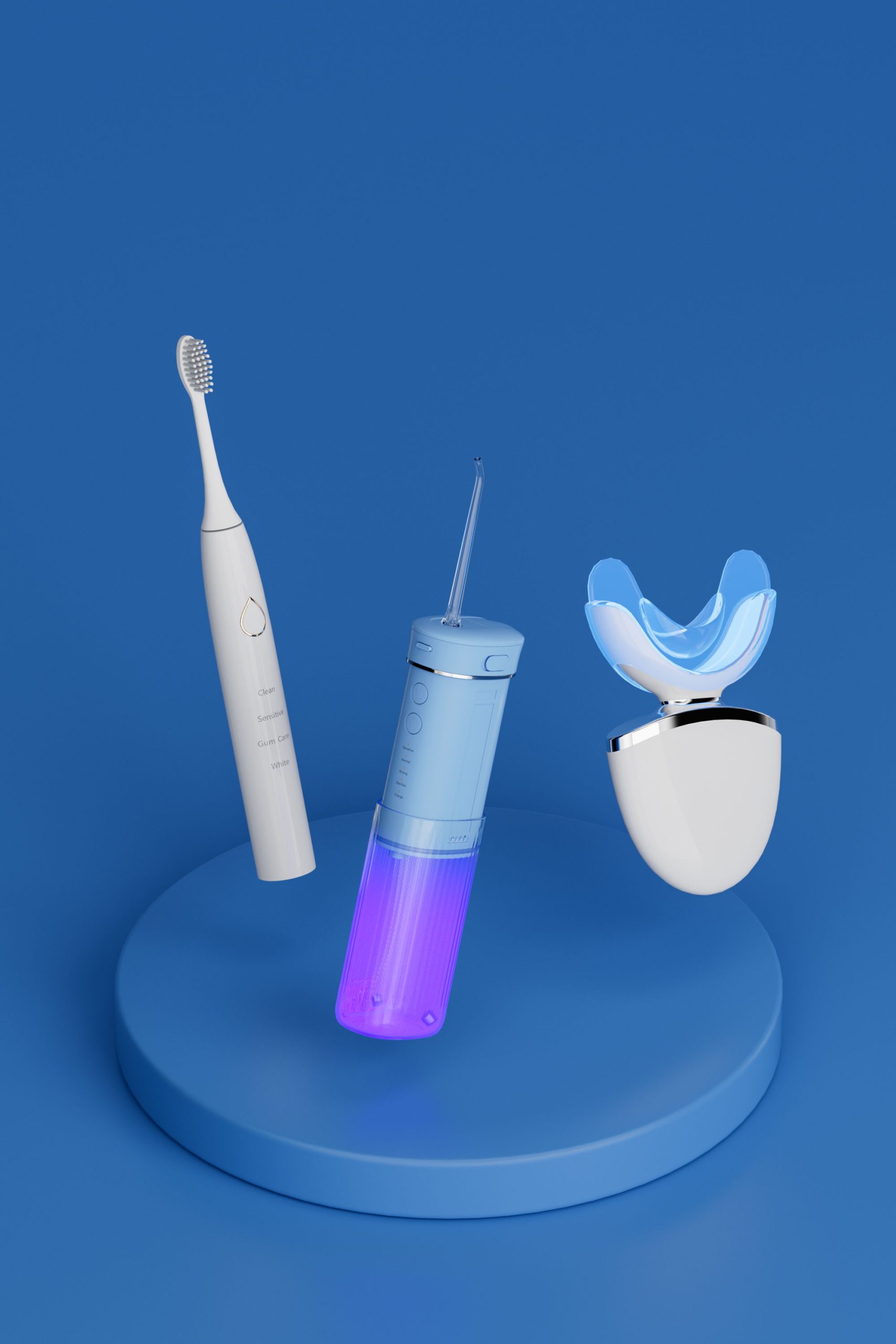
1. Pearl River Delta: The Heart of Global Electric Toothbrush Production As an important manufacturing base in China and even the world, the Pearl River Delta region gathers many Electric toothbrush factories and is one of the main production bases for high-quality electric toothbrushes. Cities such as Shenzhen, Dongguan, and Guangzhou not only have a complete supply chain, but also have advanced manufacturing technology and equipment, providing a steady supply of electric toothbrushes for domestic and foreign brands. The products produced here are widely exported to international markets such as Europe, America, Japan, and South Korea. In 2023, the export volume of electric toothbrushes in Shenzhen alone increased by 15%. Established in 2004, Powsmart Technology Co, Ltd. is a professional manufacturer which carries R&D, production of electric toothbrush, water flosser and teeth whitening device. We had launched various oral care products and stuck to top quality standards. All of our electric oral care products have CE, FCC, ROHS and FDA certification. Covering an area of 5000 ㎡, Powsmart https://www.powsmart.com/ have industry-leading automated equipment and standardized production process. Monthly production capacity reaches 300,000+ pcs. We can not only shorten the delivery time for brand owners but also provide off-the-shelf branded products…
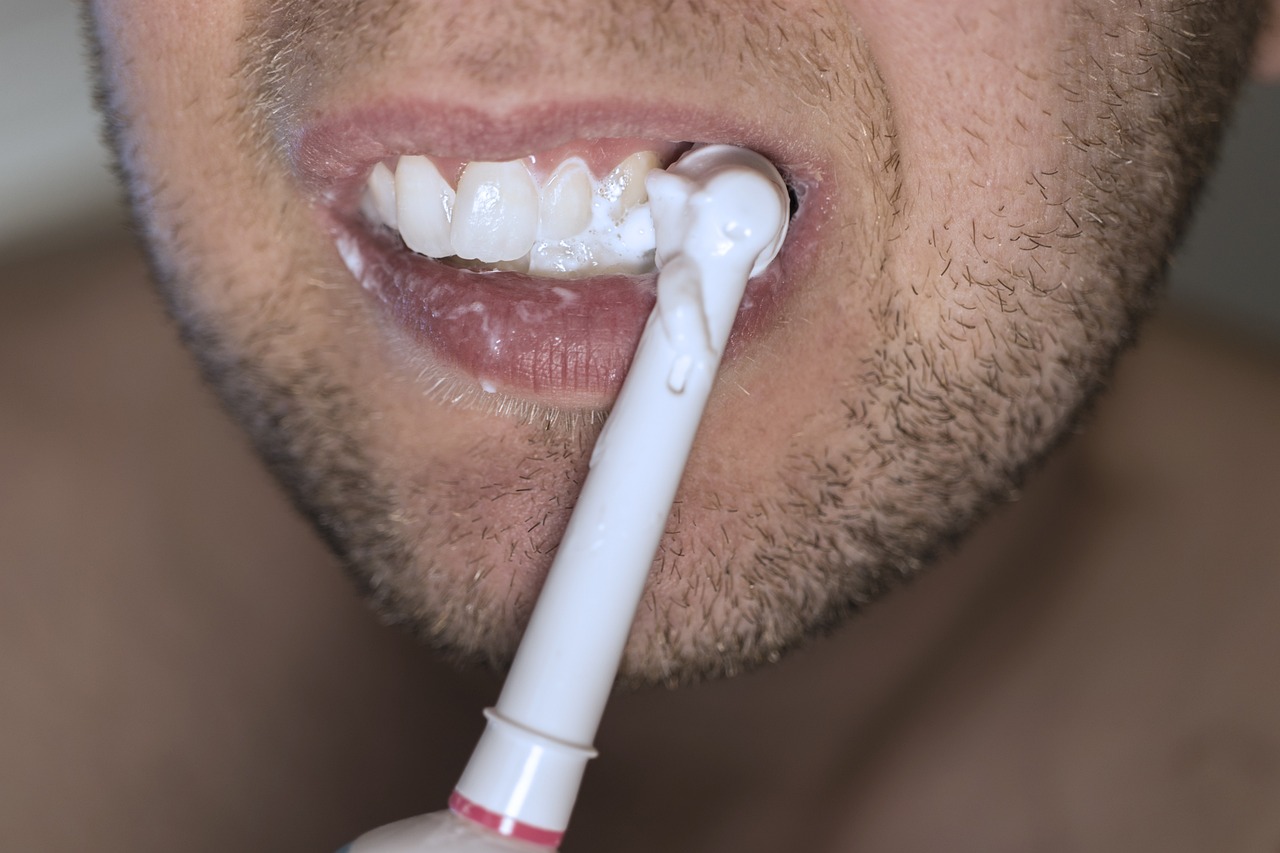
When it comes to dental hygiene, we all know the importance of brushing our teeth regularly. But with the rise of technology, there is a new player in the game - electric toothbrushes. These high-tech devices promise to clean your teeth better and more efficiently than traditional toothbrushes. But is the electric toothbrush market really growing? In this article, we will explore the current state of the electric toothbrush market and discuss the factors that are driving its growth. The Current State of the Electric Toothbrush Market The electric toothbrush market is currently experiencing rapid growth. In fact, according to a recent report by Grand View Research, the global electric toothbrush market size was valued at $2.5 billion in 2020 and is expected to grow at a compound annual growth rate (CAGR) of 7.8% from 2021 to 2028.This growth can be attributed to several factors, including: Increasing Awareness of Oral Health With the rise of social media and the internet, people are becoming more aware of the importance of oral health. This has led to an increase in demand for products that can help maintain good oral hygiene, including electric toothbrushes.Powsmart private label electric toothbrush with a powerful motor and multiple brushing modes, our electric…
In recent user surveys involving oral care devices, particularly toothbrushes and whitening tools, one recurring complaint has drawn attention: tongue irritation after repeated use. Upon deeper investigation, one subtle but critical factor stands out—cleaning residue. Whether from manufacturing, post-assembly processes, or insufficient end-product flushing, leftover surfactants or particulate contaminants may be causing discomfort in the most sensitive areas of the mouth. So, is this issue preventable? And what can manufacturers do to eliminate the risk at the source? What Exactly Is Cleaning Residue? Cleaning residue refers to traces of chemical agents, particles, or detergent-based solutions that remain on product surfaces after manufacturing. These are often the result of: Incomplete rinsing after ultrasonic cleaning Excessive use of alcohol or surfactants in final sanitation Poor drying or packing in humid environments Use of low-purity water in the cleaning phase For oral care products, especially those in direct contact with mucosal tissue (e.g. brush heads, whitening mouthpieces, tongue scrapers), even trace residue can become problematic. Why the Tongue Is So Vulnerable to Irritation The tongue contains thousands of exposed taste buds and nerve endings. It's also in frequent motion and contact with oral care devices, making it especially susceptible to irritants. When cleaning…
In the precision-driven world of oral care devices, user comfort is the ultimate benchmark. Yet, an increasing number of consumers report noise disturbance paired with sudden sensitivity spikes—a combination that transforms what should be a soothing hygiene ritual into an unbearable experience. While each issue alone is problematic, their overlap often points to deeper engineering flaws in sound insulation, vibration control, and motor stability. In this blog, we’ll examine how manufacturers can identify, prevent, and solve these twin pain points—before they impact end-user trust or B2B partner confidence. What Is Noise Disturbance in Oral Care Devices? Noise disturbance refers to the excessive or irregular sound output of devices such as sonic toothbrushes, water flossers, or whitening tools. Unlike steady operational hums, disturbance is usually: High-frequency buzzing Sudden pitch changes during usage Mechanical rattling from inside the casing Harmonics transmitted through brush heads or nozzles These sounds are often amplified when used in confined environments like bathrooms, especially during early mornings or late evenings, compounding the user’s perception of discomfort. Sensitivity Spikes: More Than Just a Minor Sting Sensitivity spikes refer to sudden, sharp discomfort felt on the teeth or gums—typically triggered by abrupt changes in device vibration, fluid pressure, or…
In the field of professional oral care devices, user safety incidents such as gingival burns combined with cervical hypersensitivity are emerging as an urgent concern, especially in the whitening and deep-cleaning product categories. Manufacturers may underestimate the combined impact of thermal, chemical, and mechanical stress on delicate gingival and cervical areas. But when burns and hypersensitivity appear together, they signal a systemic design or process flaw that must be addressed. How urgent is this issue—and how can product design prevent it? What Are Gingival Burns and Cervical Hypersensitivity? Gingival burns refer to tissue damage along the gums, typically caused by: Excessive heat from whitening lights or ultrasonic devices Chemical irritation from concentrated bleaching gels Friction burns from improperly shaped applicators or brush heads Cervical hypersensitivity involves intense sensitivity in the tooth neck region (cementoenamel junction), often triggered by: Exposure of dentin due to over-brushing or chemical erosion Thermal stimulation from overly hot devices Mechanical abrasion near the gumline When these two issues occur simultaneously, user discomfort and potential oral injury escalate rapidly. Why Their Combined Occurrence Is More Than Coincidence Experiencing gingival burns and cervical hypersensitivity together is not random: Devices producing localized heat (LEDs, ultrasonic tips) can damage both…
In the realm of oral care device manufacturing, increasing reports of allergic reactions following pulp irritation during product use have raised concerns. While these two symptoms may appear unrelated—one immunological, the other sensory—closer technical analysis suggests they may not be mere coincidence. Could pulp irritation actually trigger or amplify allergic reactions? Understanding this potential connection is essential for manufacturers aiming to enhance both product safety and user trust. What Exactly Is Pulp Irritation in Oral Care Products? Pulp irritation refers to inflammation or overstimulation of the dental pulp—the soft tissue within teeth containing nerves and blood vessels. In the context of oral care devices, it typically results from: Thermal stress caused by overpowered whitening lights or ultrasonic heads Chemical penetration from peroxide gels, flavoring agents, or cleaning fluids Mechanical over-vibration or aggressive brushing applied too near the pulp chamber Symptoms include sharp tooth pain, prolonged sensitivity, and discomfort when consuming hot or cold substances. What Constitutes an Allergic Reaction in Oral Care Use? Allergic reactions manifest as hypersensitivity responses, potentially including: Localized swelling of gums, lips, or oral tissues Itching or burning sensations in the mouth Generalized rashes, irritation, or even respiratory responses in severe cases Such reactions are typically…
In high-frequency oral care devices, unexplained taste alteration during or after use is an increasing concern. Surprisingly, recent engineering investigations suggest that sync disruption within device control systems might be a hidden driver behind this sensory side effect. Could this be a minor tech glitch, or is it a critical product design oversight? Understanding this connection is key for manufacturers seeking to eliminate customer complaints and enhance product safety. What Is Sync Disruption in Oral Care Devices? Sync disruption refers to the loss of synchronized control between various functional components in electronic oral care devices, including: Motor speed and pulse control systems Fluid delivery and vibration modules LED light emission timing relative to fluid release Typical causes of sync disruption include: Firmware errors or clock drift in control boards Magnetic interference disrupting motor control Low battery voltage triggering unstable pulse frequencies While often overlooked, these disruptions directly alter how energy, fluids, or light are delivered during use. How Does Sync Disruption Lead to Taste Alteration? Though seemingly unrelated, taste alteration can indeed stem from sync disruption, through several pathways: Erratic fluid pulses may concentrate gel residues unevenly on oral tissues, altering perceived taste. Inconsistent LED or thermal output can cause…
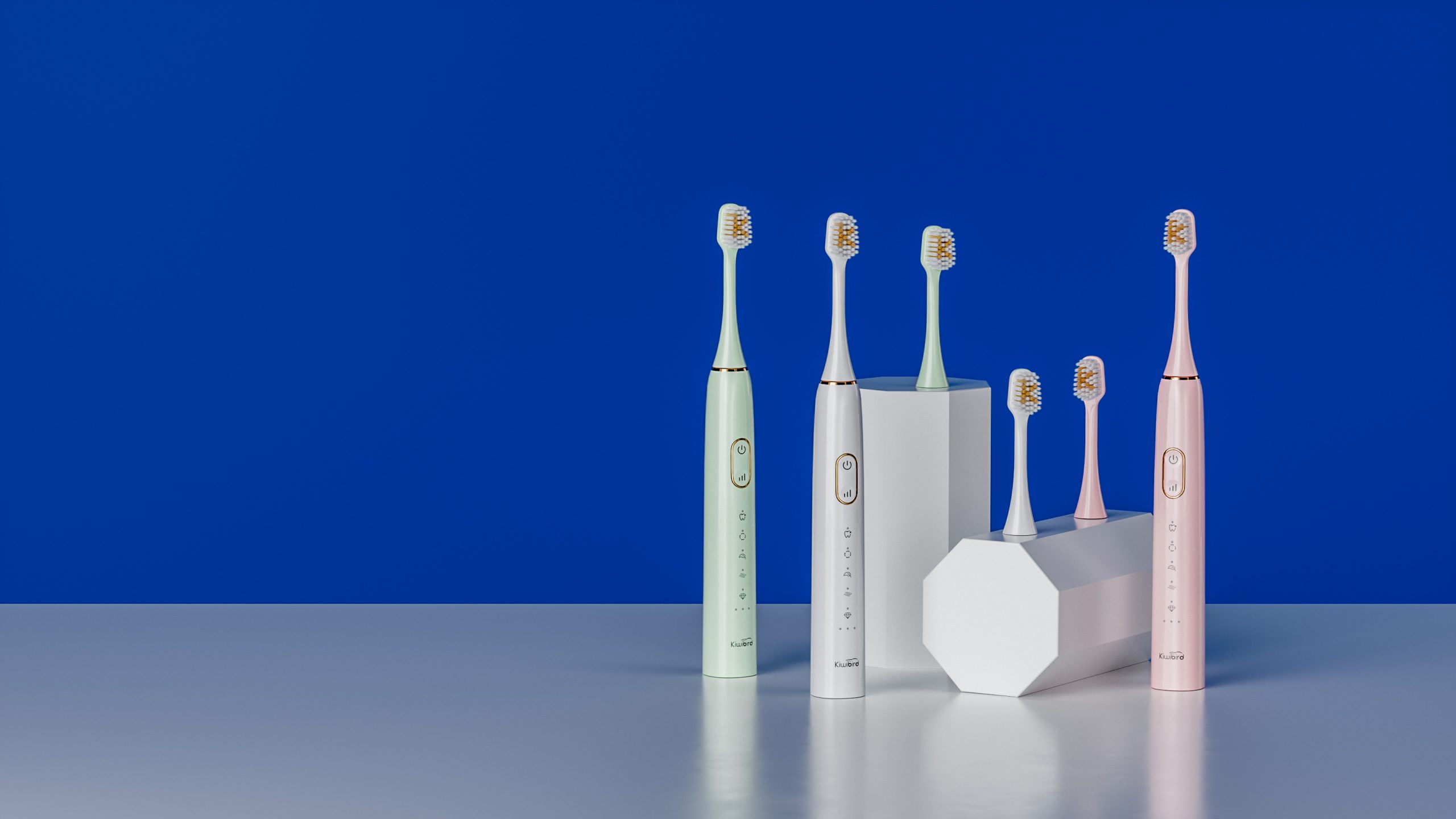
The global oral care market is experiencing rapid growth driven by rising health awareness, aesthetic demands, and the popularity of functional and personalized products. For oral care brands, product stagnation can quickly lead to a loss in market share. To stay relevant and profitable, continuous oral care product expansion is not just an option—it’s a strategic necessity. This blog explores why introducing new products regularly is vital for oral care brands expansion, how partnering with an oral care OEM can accelerate this process, and how innovation directly impacts sales and brand influence. Meeting Consumer Demand and Behavior Shifts Consumer expectations in oral care have moved far beyond basic hygiene. Today’s users are looking for: Whitening and sensitivity-targeted solutions Eco-friendly and natural ingredient formulations Smart and connected devices Compact, travel-friendly kits To keep up with these shifts, brands must proactively update their portfolios. Oral care product expansion—through both device and formulation innovation—is the key to capturing new customer segments and retaining existing users. Failure to innovate often results in loss of shelf space, declining customer loyalty, and reduced engagement. Boosting Brand Competitiveness Through Innovation Consistent innovation fuels brand relevance. Whether through advanced sonic technology in electric toothbrushes or water-saving systems in oral irrigators, innovation…
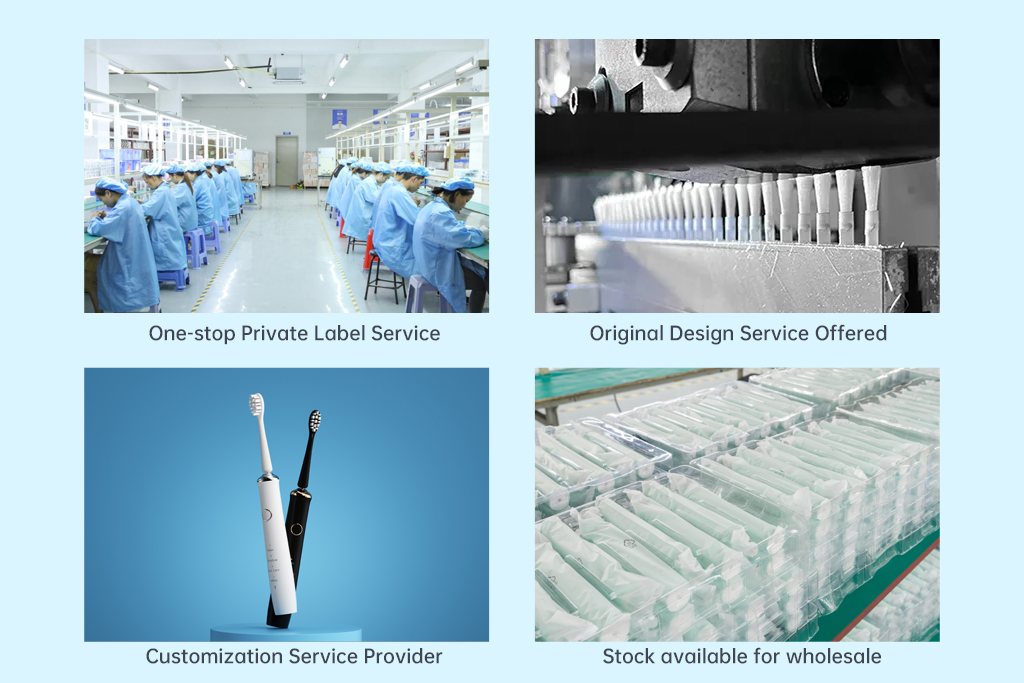
In today’s competitive market, oral care brands must constantly innovate to remain relevant. With increasing consumer demand for comprehensive dental solutions, oral care product expansion is no longer optional—it’s a strategic imperative. From electric toothbrushes to trending oral devices like water flossers, tongue scrapers, and whitening tools, diversification opens the door to new market segments, higher customer retention, and stronger brand positioning. This blog will explore how dental brands can expand product line strategically, supported by smart OEM/ODM collaboration, and align with current market trends for long-term growth. Analyze Market Trends and Consumer Needs Before introducing new products, brands must begin with thorough market trend analysis. The oral care market is shifting rapidly due to factors like: Growing awareness of preventive dental care Rising demand for smart and connected devices Interest in eco-friendly and travel-friendly oral hygiene products Tracking trending oral devices—such as ultrasonic toothbrushes, cordless oral irrigators, and UV sterilizers—can reveal untapped opportunities. Matching these trends with specific consumer pain points ensures your product development is need-driven rather than guesswork. Identify Strategic Gaps in Your Current Product Line Successful dental brand diversification requires more than simply adding more SKUs. Brands should evaluate their current offerings to identify: Missing categories (e.g., floss alternatives…
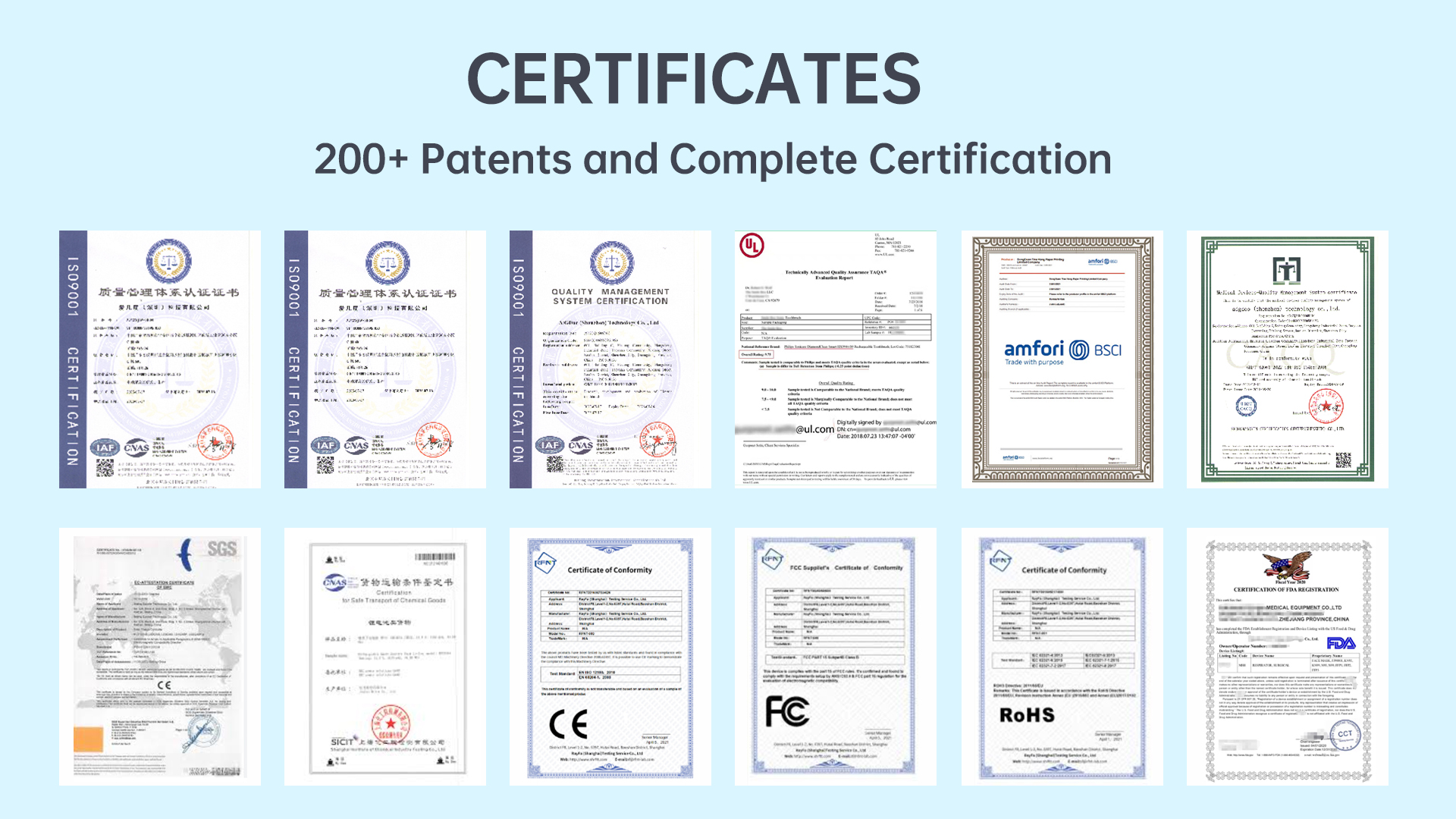
In the highly competitive oral care market, finding the right Oral Care Product Manufacturer is critical for any brand seeking to deliver safe, effective, and market-ready products. Whether you’re launching a new line of electric toothbrushes, oral irrigators, or whitening solutions, the choice of manufacturing partner can determine your product’s success—or failure. To streamline your decision-making process, we’ve created the ultimate checklist for evaluating a manufacturer, helping you identify quality dental suppliers who can act as your reliable OEM partner. Certification and Compliance: Look for an FDA-Certified Factory The first item on your checklist should be regulatory compliance. A reputable manufacturer should operate an FDA-certified factory and adhere to ISO standards relevant to medical or oral care devices (e.g., ISO 13485 for medical-grade production). What to check: FDA registration or certification documentation ISO certifications (especially ISO 13485 or ISO 9001) CE, RoHS, or other region-specific compliance (if targeting global markets) These certifications ensure that the manufacturer meets the legal and hygiene standards required to produce oral care products safely. Manufacturing Capabilities and Specialization Not every factory that makes beauty or healthcare products is optimized for oral care. You need a manufacturer that specializes in producing oral care devices such as electric toothbrushes or oral…
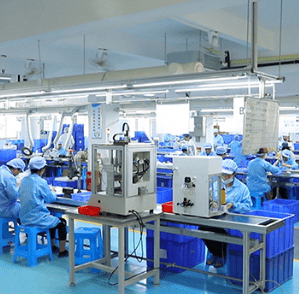
In the rapidly evolving oral care market, the competitiveness of your oral brand is crucial for standing out among competitors. As consumers become more discerning and aware of product quality, your brand must offer more than just good products; it must provide innovative solutions, reliable partnerships, and targeted marketing. Powsmart is an oral care products manufacturer, covering the production of electric toothbrushes, water flossers and teeth whitening devices with over 20 years OEM/ODM service experience. Partner with a Reliable Oral Care Factory One of the most effective ways to improve the competitiveness of your oral brand is to collaborate with a reliable oral care factory. A dependable manufacturing partner ensures consistent product quality, timely delivery, and compliance with safety standards. It also allows you to scale production quickly and efficiently, which is critical in meeting the growing demands of the market. As a factory with proven experience in oral care product manufacturing, Powsmart can help your brand maintain a competitive edge by offering advanced formulations, packaging innovations, and technical support. A brand that partners with a factory known for its cutting-edge research in dental products can bring new and improved solutions to market faster, strengthening its position within the industry. By choosing a…

Home dental beauty products are revolutionizing the way people maintain their oral aesthetics. These products offer convenience, affordability, and professional-grade results, making them increasingly popular among consumers. For businesses, the home dental beauty products business represents a lucrative and growing market. As a teeth whitening products factory, we’d like to share the key advantages of home dental beauty products with you and their role in shaping the oral care industry. Convenience and Accessibility One of the most significant advantages of home dental beauty products is their convenience. With these products, users can achieve whiter teeth, fresher breath, and improved oral aesthetics without frequent visits to dental clinics. Products like teeth whitening kits, LED-powered devices, and sonic brushes are designed for easy, at-home use, saving time and effort for busy individuals. This convenience makes them a compelling choice for today’s fast-paced lifestyles. Powsmart is an experienced oral care products manufacturer with over 20 years OEM/ODM service experience. Our main products available for customization includes sonic electric toothbrush, water flosser and LED teeth whitening device. Cost-Effectiveness Compared to professional dental treatments, home dental beauty products are a more affordable alternative. For instance, a complete at-home whitening kit can deliver results comparable to in-clinic treatments but at…
With increasing consumer awareness about dental health and rapid technological advancements, oral care manufacturers are set to play a pivotal role in shaping the future of the sector. As an experienced manufacturer with over 20 years OEM/ODM experience, let’s explore the key trends that will define the future of oral care industry with Powsmart from innovative products to sustainable practices. Personalized Oral Care Solutions The future of the oral care industry is increasingly leaning toward personalization. Consumers are seeking products tailored to their unique dental needs, such as tooth sensitivity, whitening, or gum health. Advances in technology, including AI and machine learning, allow oral care manufacturers to design customized solutions. For example, smart toothbrushes equipped with sensors can analyze brushing habits and provide real-time feedback, creating a personalized oral care experience. Besides, Powsmart is also offering one type of sweep sonic toothbrush, which is the replica of BASS brushing method. With this technology, cleaning capacity increased by more than 10 times. Sustainability in Oral Care Sustainability is no longer an option but a necessity. As environmental concerns grow, consumers are demanding eco-friendly products and packaging. Oral care manufacturers are responding by introducing biodegradable toothbrushes, toothpaste tablets, and refillable mouthwash containers. The shift toward…
As at-home whitening devices become more widespread, the home treatment risks cannot be overlooked: improper usage, mismatched formulations and devices, and inadequate brush-head design often leave behind stubborn stain residues. Over time, these residual pigments—through repeated brushing friction and chemical exposure—can significantly increase the gum recession risk, posing serious long-term oral health challenges. The Convenience and Pitfalls of DIY Whitening First, home whitening appeals due to its convenience: No Appointments Needed: Users can treat themselves anytime without visiting a clinic. Lack of Professional Assessment: Without a dentist’s evaluation, underlying enamel sensitivity or intrinsic discoloration may go unrecognized. Overextension Temptation: Many believe “longer is better,” ignoring safe limits for chemical concentration and light exposure. Because of these blind spots, surface stains may clear while deeper pigment pockets remain untreated. Improper Technique Creates Coverage Gaps Next, common home treatment risks stem from user technique errors: Uneven Gel Application: Bleaching gel pools unevenly, missing fissures and pits where heavy staining resides. Incorrect Brush Angles: Misaligned brush heads fail to contact interdental areas, leaving food debris and pigments behind. Timing Mismanagement: Without built-in timers, users risk under- or over-treating, resulting in incomplete chemical reactions. These gaps allow residual stains to persist in hard-to-reach areas.Company…
When it comes to electronic personal care devices, especially electric toothbrushes and water flossers, two terms frequently appear in quality failure analysis: seal degradation and circuit corrosion. While they might seem like isolated issues, are they actually interconnected, forming a hidden failure chain? In this blog, we explore how deteriorating seals can directly lead to internal circuit corrosion, threatening product reliability and safety. What Is Seal Degradation? Why Does It Matter? Seal degradation refers to the loss of integrity in sealing components, such as: Silicone or rubber gaskets Ultrasonic weld joints Adhesive or thermal bonds Over time, exposure to heat, humidity, chemical residues, and mechanical stress can cause these seals to harden, crack, or shrink. As a result, once-waterproof enclosures allow moisture ingress—an early sign of potential circuit corrosion. Understanding Circuit Corrosion in Moist Environments Once moisture penetrates the housing, circuit corrosion risk increases: Water vapor condenses inside the device. Metal traces and contact points oxidize or rust. Ionic contaminants accelerate electrochemical reactions. Signal disruptions or electrical shorts eventually occur. Subtle at first, corrosion silently spreads until it triggers performance failures or total breakdown. The Direct Link Between Seal Degradation Seal degradation acts as the gateway event for circuit corrosion:…
Ensuring product quality and durability is essential, especially when it comes to electric toothbrushes. As a factory specializing in the production of these devices, Powsmart understand the critical importance of the waterproofing process of electric toothbrush in ensuring the safety and longevity of our products. Here, Let’s take a closer look at how we approach waterproofing and the key steps involved. https://www.powsmart.com/ Why Waterproofing Is Essential for Electric Toothbrushes Electric toothbrushes are designed to operate in a wet environment, such as bathrooms, where exposure to water is inevitable. Without proper waterproofing, moisture can penetrate the device, leading to electrical malfunctions, reduced lifespan, and potential safety hazards. At our electric toothbrush factory, we prioritize waterproofing to ensure both performance and user safety. Key Waterproofing Standards To meet international quality standards, our factory adheres to industry-recognized waterproofing certifications, such as IPX7 and IPX8 ratings. These certifications guarantee that our electric toothbrushes can withstand water immersion for extended periods without compromising their functionality. The waterproofing process involves rigorous testing to ensure compliance with these standards. Steps in the Waterproofing Process Waterproofing an electric toothbrush is a meticulous process that combines advanced technology and precision manufacturing. Here are the primary steps we follow: Sealing Critical…
In the realm of electric oral care devices and personal grooming tools, waterproof failure is more than a surface-level issue—it can directly result in circuit corrosion, often leading to total device failure. This hidden yet critical risk not only affects product durability but also damages brand credibility and increases after-sales costs. For OEM/ODM manufacturers, understanding how waterproof breaches evolve into irreversible electrical corrosion is vital for ensuring both product safety and long-term customer satisfaction. How Waterproof Failure Happens: The First Breach A device's waterproof design is meant to isolate sensitive internal components—particularly PCBAs, batteries, and motor drives—from moisture exposure. However, waterproof failure can stem from: Improper ultrasonic welding of the housing Defective sealing rings or poorly applied gaskets Microcracks due to drop impacts or thermal stress Assembly misalignment between structural parts Even a minor leak over time can allow vapor or condensation to enter the device’s interior—setting the stage for circuit corrosion. What Is Circuit Corrosion and Why Is It Fatal? Circuit corrosion refers to the gradual oxidation and chemical degradation of PCB traces, solder joints, and metallic components due to moisture, ions, or pH imbalance. Common signs include: Greenish or white buildup on circuit pads Erratic button or sensor…
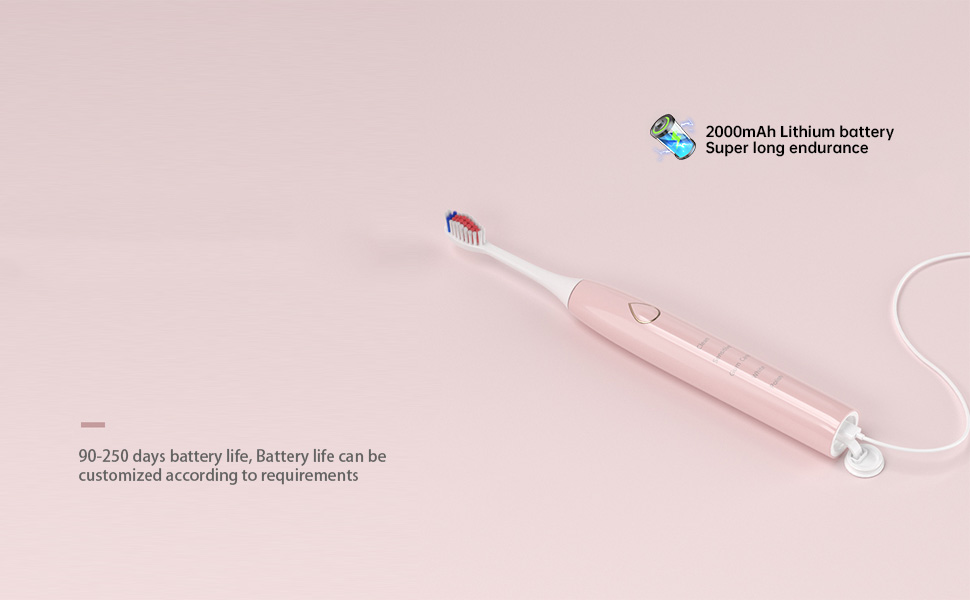
With the increasing demand for high-quality personal care products, electric toothbrushes have become an essential daily necessity. One of the most critical factors in their design is waterproofing, ensuring safe and reliable use in wet environments. The latest advancements in electric toothbrush waterproof technology have enabled manufacturers to achieve IPX7 and IPX8 level waterproof standards, significantly enhancing product durability and user experience. But how exactly is this high-level waterproofing achieved? Let's explore the key technological breakthroughs behind it. Understanding the IPX7 and IPX8 Waterproof Standards Before diving into the technology, it's crucial to understand what IPX7 and IPX8 level waterproof standards mean: IPX7: The device can withstand immersion in water up to 1 meter deep for 30 minutes without water ingress. IPX8: The device can endure continuous submersion in water beyond 1 meter depth, as specified by the manufacturer. These standards ensure that electric toothbrushes remain fully functional even after accidental drops into water or prolonged exposure to humidity. Advanced Sealing Technology One of the key breakthroughs in electric toothbrush waterproof technology is the use of high-precision sealing techniques. This includes: Ultrasonic welding: Fusing plastic parts together without adhesives, creating a seamless waterproof barrier. Silicone gaskets and O-rings: Preventing water ingress around buttons…


.jpg)
.jpg)
.jpg)
.jpg)
.jpg)



.jpg)
.jpg)
.jpg)