
In the competitive oral care device market, pulse instability—fluctuating or irregular jet or vibration output—has often been brushed off as a minor firmware or hardware imperfection. However, recent user reports and clinical observations suggest a potential link between inconsistent pulses and a more serious concern: enamel erosion. Could uneven mechanical output in devices like water flossers or sonic toothbrushes be gradually undermining enamel health? This article explores the connection and outlines how manufacturers can prevent this emerging risk.
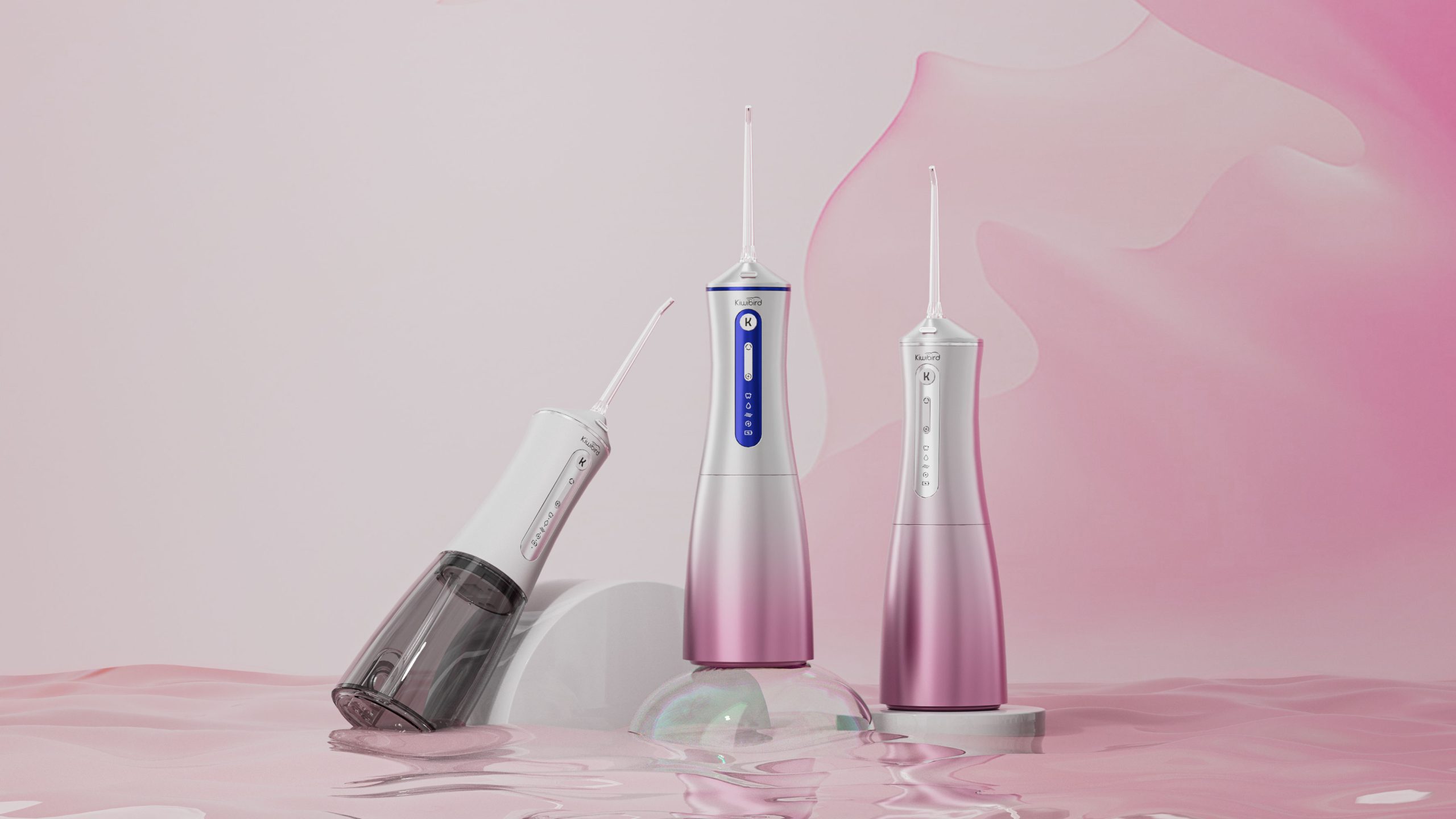
Pulse instability refers to the irregular delivery of energy pulses—either in frequency, amplitude, or duration—during the operation of an oral care device. In products such as:
Pulse irregularities can arise from:
Such instabilities result in unpredictable pressure spikes or drops, which can affect both performance and user comfort.
Enamel erosion refers to the gradual wear of the tooth’s outermost protective layer, caused by physical abrasion or acid attack. Unlike cavities, erosion is non-bacterial and often overlooked until symptoms—such as sensitivity or discoloration—appear. Importantly, once enamel is lost, it cannot regenerate. Risk factors include:
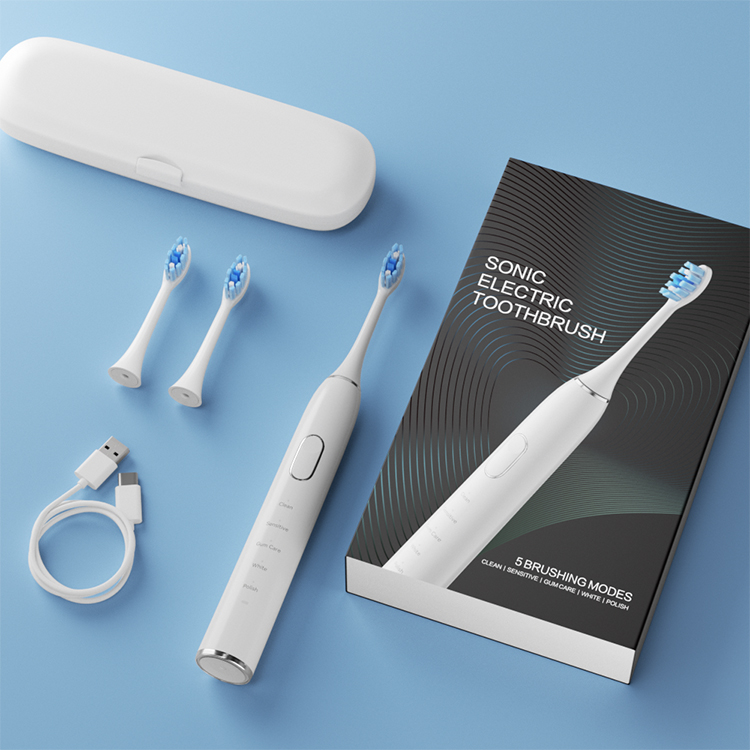
When oral care devices exhibit pulse instability, they can deliver excessive or poorly directed mechanical force, accelerating surface enamel wear. Company web:https://www.powsmart.com/product/electric-toothbrush/
While not a direct cause, pulse instability acts as a mechanical multiplier of existing enamel vulnerabilities. For example:
Over time, these cumulative effects can contribute to early-stage enamel erosion, particularly in users with thinner enamel or a high-acid diet.
Preventing pulse instability starts with robust product engineering. B2B manufacturers should prioritize:
Designing for pulse stability ensures consistent performance and protects user enamel integrity.
To validate pulse consistency and rule out enamel erosion risk, manufacturers should incorporate:
These tests not only support R&D improvements but can also serve as strong selling points during OEM/ODM negotiations.
By proactively addressing pulse instability, manufacturers can turn a potential liability into a product differentiator. Consider:
As awareness of enamel erosion grows, brands that demonstrate control over this variable will win credibility among dentists, end-users, and global partners alike.
While the link between pulse instability and enamel erosion is subtle, it’s no less important. For oral care device manufacturers, overlooking such interactions may lead to long-term user dissatisfaction or even product liability. By investing in pulse stabilization and verifying enamel safety during product development, manufacturers not only protect users—but also enhance product quality, longevity, and brand reputation in a highly competitive global market. Contact us
How Profitable is a Teeth Whitening Business with OEM Teeth Whitening Kit Suppliers?
Why Are Quantum Dot Phosphor Materials Revolutionary for Optoelectronic System Design?
Can an Orthodontic Jet Tip Be Adapted for Use as a Periodontal Pocket Irrigator in Clinical Settings?
.jpg)
Short Circuit Plus Water Leakage – Playing with Fire?
What Are the Advantages of Teeth Whitening Pen Manufacturing for Battery-operated Whitener Devices?
Is waterproof design important for your bathroom essential toothbrush?
Sensitive Teeth Whitening Safe Methods: Brighten Without Pain
How Does Water Flosser Tank Mold Innovation Improve Countertop Dental Water Jet Performance?
Where to Buy Electric Toothbrush in Washington DC | Local Guide
Electric Toothbrush Cost Breakdown for OEM & Wholesale Buyers
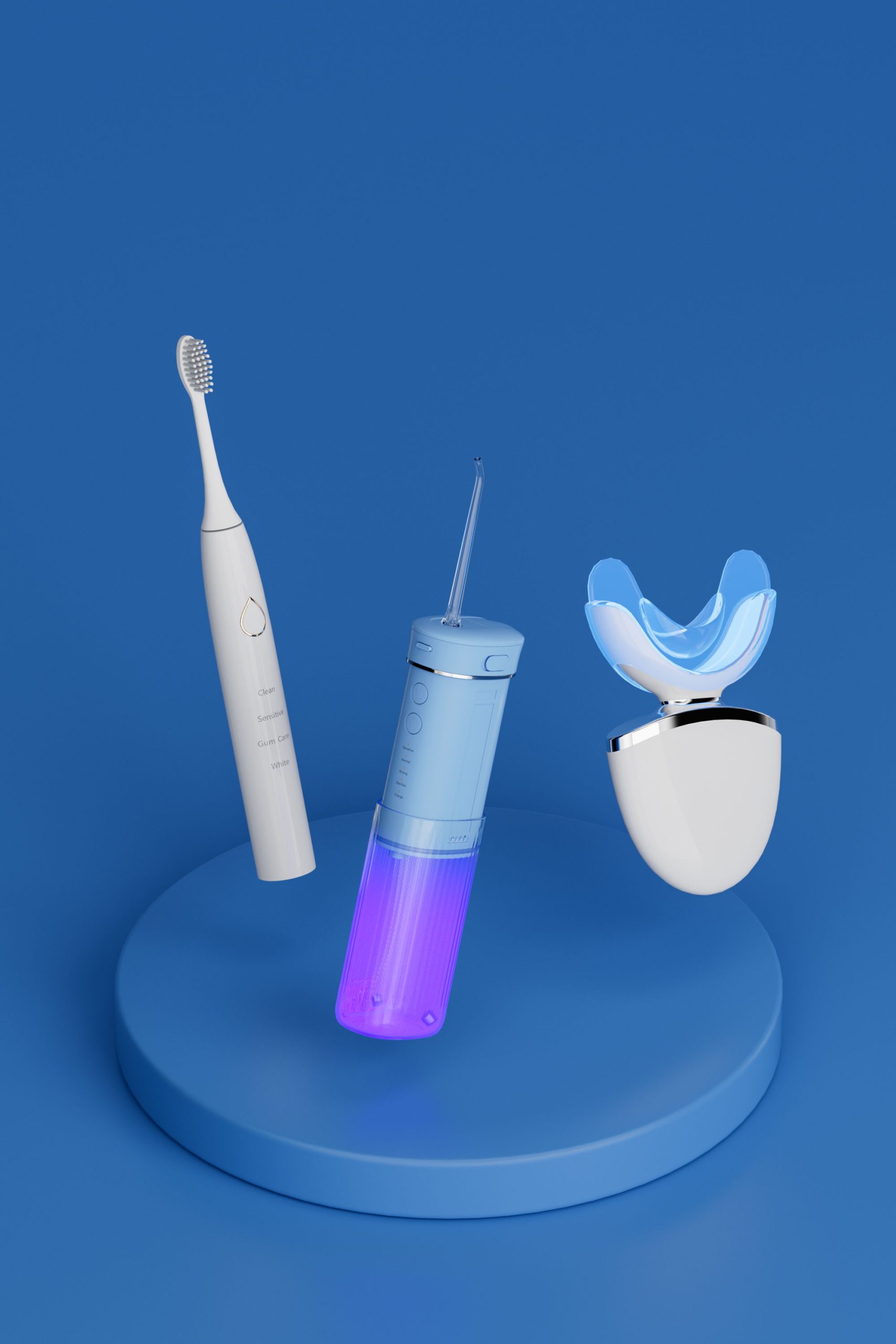
Seeking a Toothbrush Exporter for Toothbrush with Charger Models?
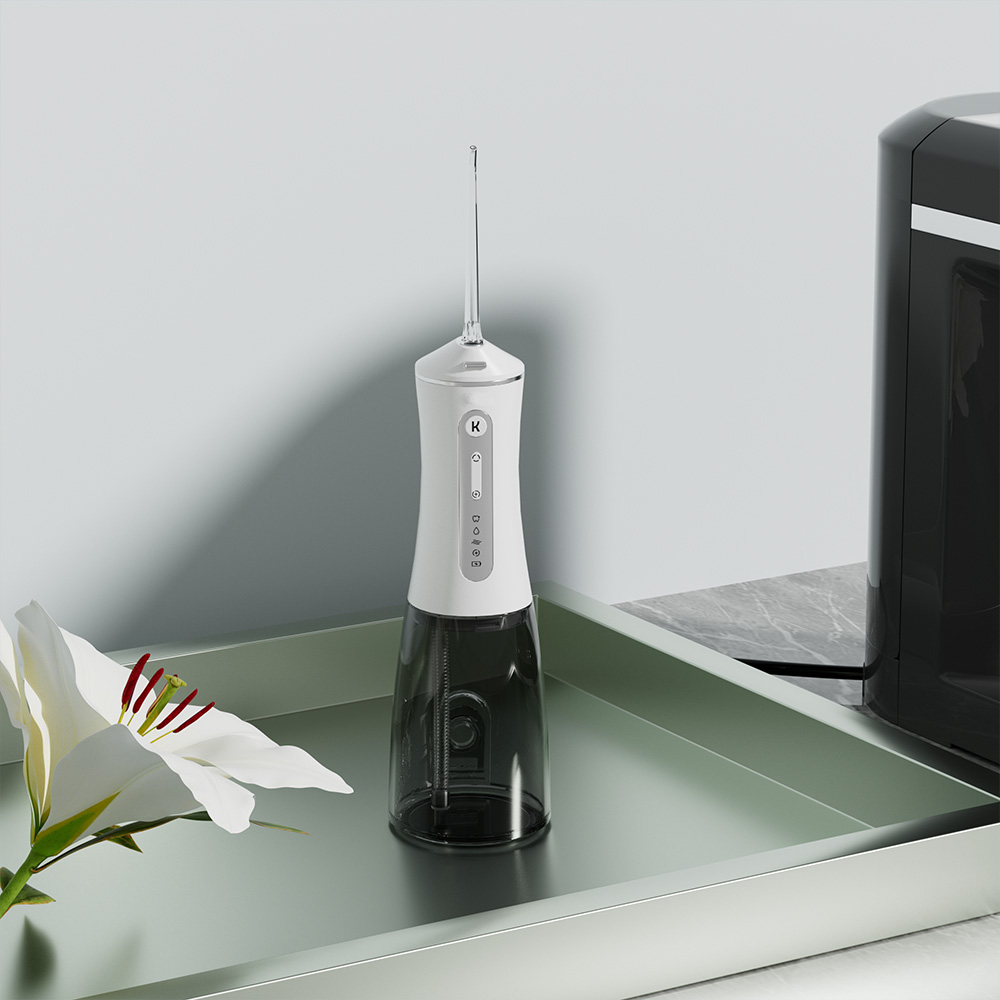
Common Water Flosser Problems and How to Fix Them
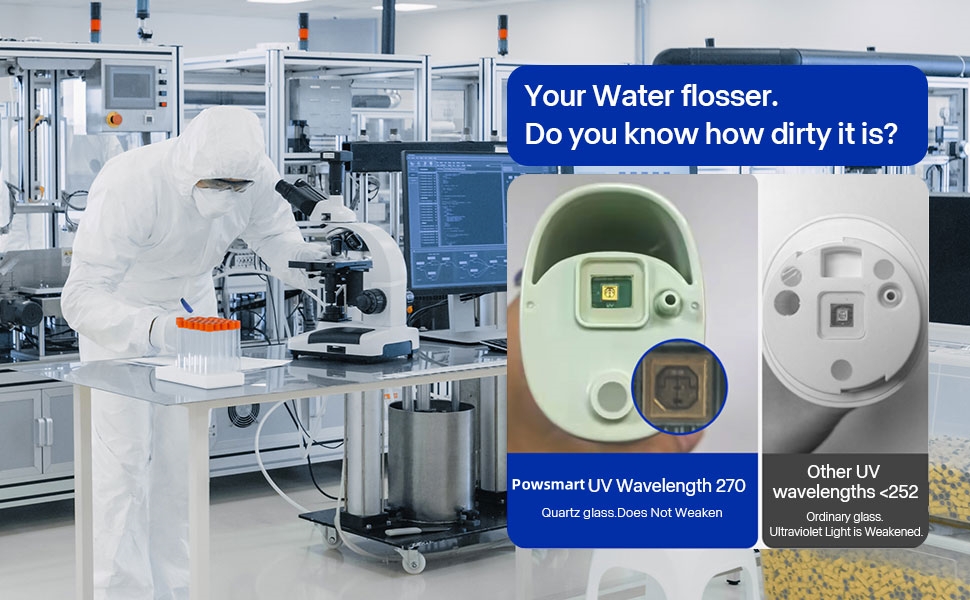
Is the Higher the PSI of the Oral Irrigator the Better?
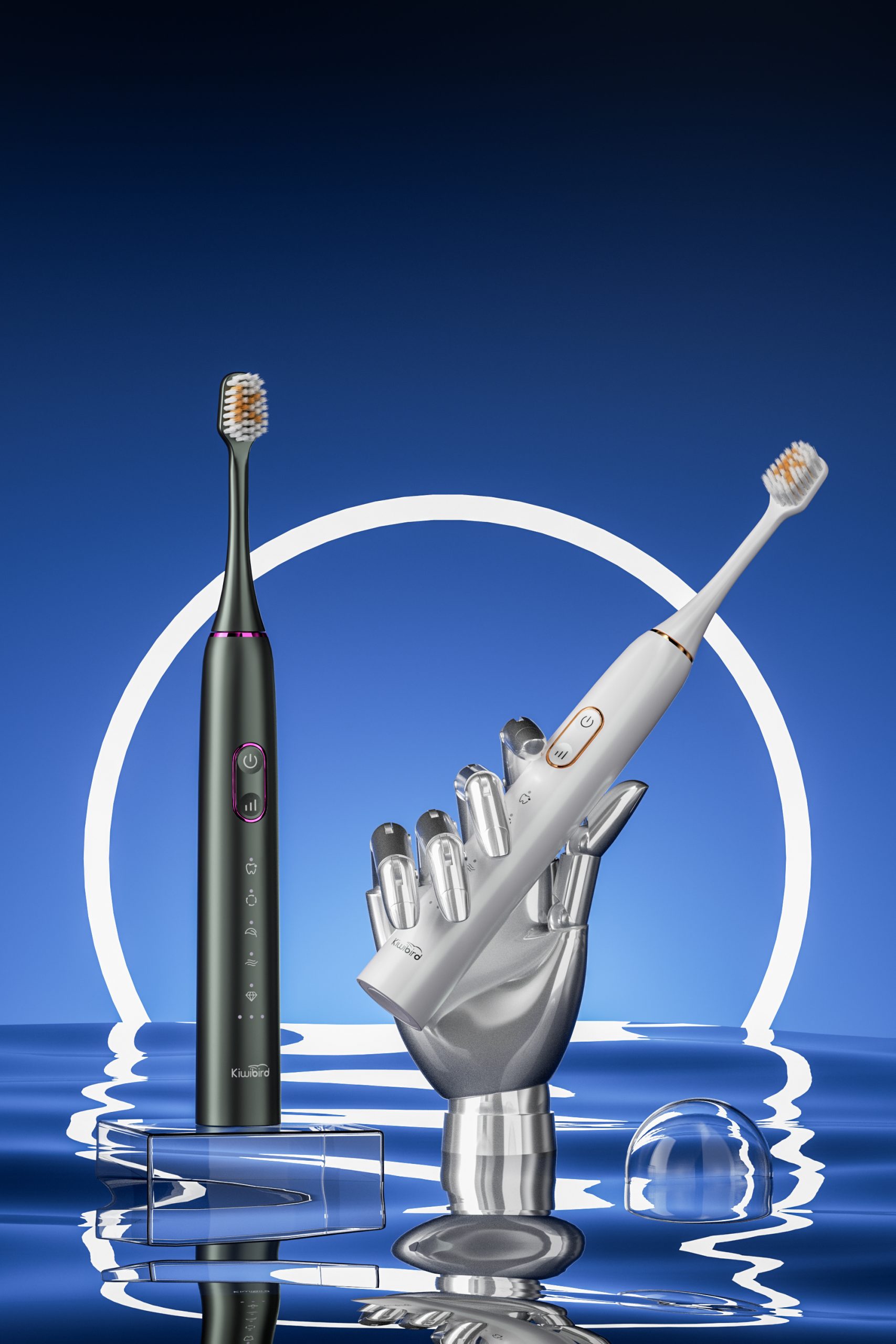
Looking for a cost-effective electric toothbrush? Why not consider Hammer’s budget-friendly option!
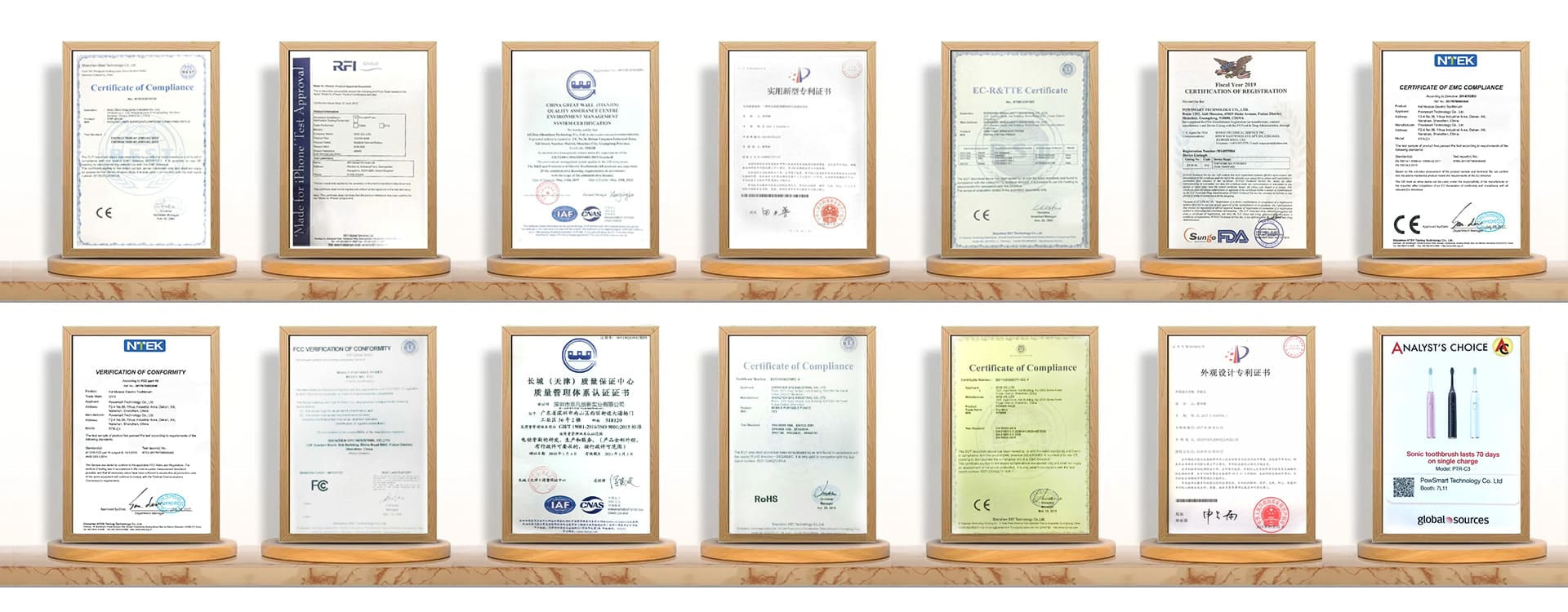
Electric Toothbrush Certificate

Five benefits of using a Wave electric toothbrush


.jpg)
.jpg)
.jpg)
.jpg)
.jpg)






.jpg)
.jpg)
.webp)