
In the development of oral care and medical-grade fluid devices, seal degradation is often an underestimated issue. However, when seal integrity is compromised, it can lead to unintended pressure irregularities, fluid leaks, or component misalignment—conditions that directly contribute to tissue trauma during user interaction. For B2B manufacturers and OEM/ODM partners, exploring this link is critical to reducing user complaints and enhancing product performance.
Seal degradation refers to the gradual breakdown of sealing materials used in devices such as water flossers, irrigators, or other pressurized instruments. This degradation may be caused by:
Once degraded, seals can become brittle, lose elasticity, or even crack, resulting in a partial or complete loss of containment.
When a seal begins to fail, pressure regulation becomes unstable. This often results in:
This unstable delivery system is not only inefficient—it may also direct water or air at unpredictable angles and intensities, inadvertently causing tissue trauma, particularly to delicate oral mucosa. Company web:https://www.powsmart.com/product/electric-toothbrush/
.jpg)
Tissue trauma refers to localized damage such as:
In a water flosser or similar oral hygiene device, such injuries are typically caused by forceful, uncontrolled jets or misdirected fluid due to degraded seals. Users may attribute the problem to the nozzle or motor, when in fact, the root cause lies deep within the internal sealing system.
From a production standpoint, seal degradation is challenging to detect during routine quality checks because:
This disconnect often leads to recurring complaints of pain or discomfort with no obvious cause, undermining product reputation.
To reduce the incidence of tissue trauma linked to seal degradation, manufacturers can consider:
These measures help ensure consistent internal pressure and fluid containment throughout the device’s lifecycle.
Ignoring seal degradation is not just a technical risk—it’s a business risk. For B2B clients, this oversight can lead to:
Proactively addressing seal quality safeguards both user health and product longevity—two key metrics for any brand’s success.
In summary, seal degradation can silently compromise device functionality and user comfort, ultimately leading to tissue trauma. By recognizing this relationship, B2B manufacturers can refine design specifications, enhance QC protocols, and strengthen their position in a competitive market focused on safety and performance. Contact us
.jpg)
Small Order Electric Toothbrush Supplier
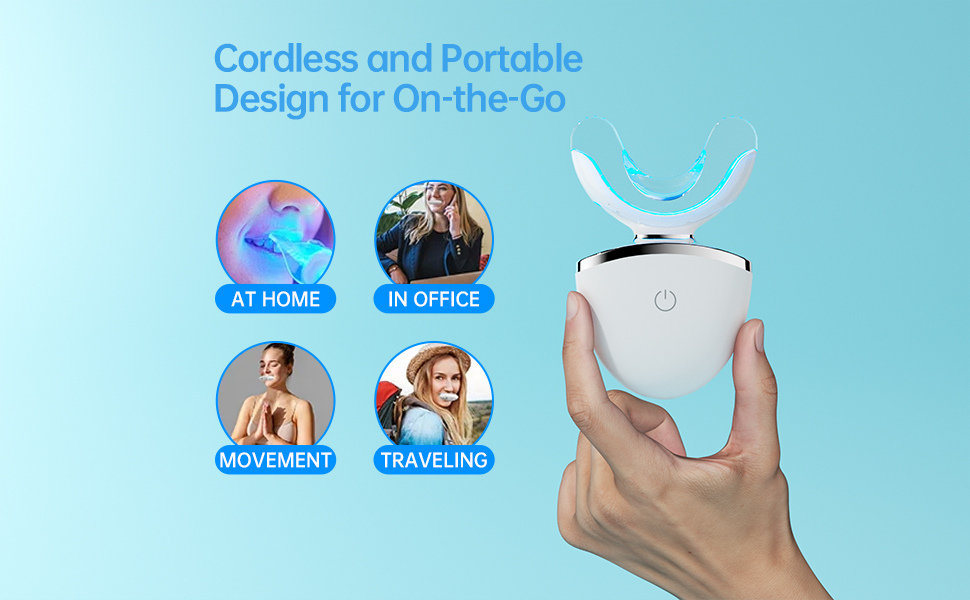
How Often Should I Use a LED Teeth Whitening Light? A Manufacturer’s Guide
Head Detachment with Tank Cracks—Replace All?
Interested in a Market Expansion Joint Venture for Solar-powered Charging Station Kiosks?
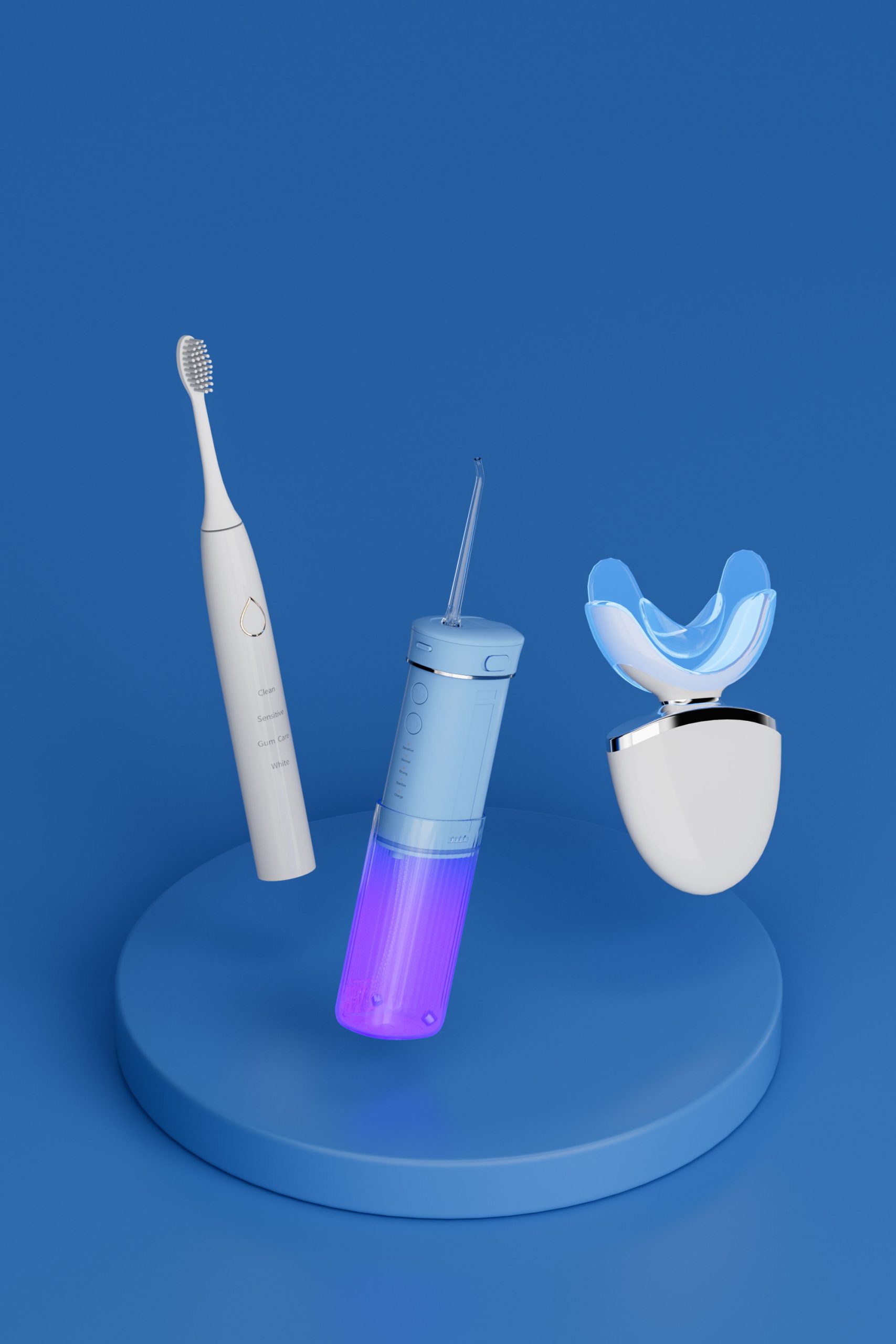
Latest Trends in Waterproof Technology for Electric Toothbrush Future Directions and Application Scenarios

Sustainable Electric Toothbrush OEM: Eco-Friendly Oral Care
Can a Smart Timer Chip Enhance the User Experience Enabled by Pressure Sensor Technology?
Looking for Sonic Toothbrush OEM Manufacturing and Water Flosser Private Label Services?
Electric Toothbrush Supplier China Guide
Light Therapy Electric Toothbrush ODM Development

Should a Co-investment in Market Entry Deal Be Protected by a Mutual Indemnity Agreement?
Enter the Oral Irrigator Factory: Discover the Production Process and Technology Behind Water Flossers
Precancerous Tissue Flosser | Oral Dysplasia
chemotherapy oral care toothbrush: gentle cleaning
.jpg)
Considering Whitening Kit Private Label?
Wholesale Electric Toothbrush Vendor Spokane Gift Shops | Affordable Supply


.jpg)
.jpg)
.jpg)
.jpg)
.jpg)






.jpg)
.jpg)