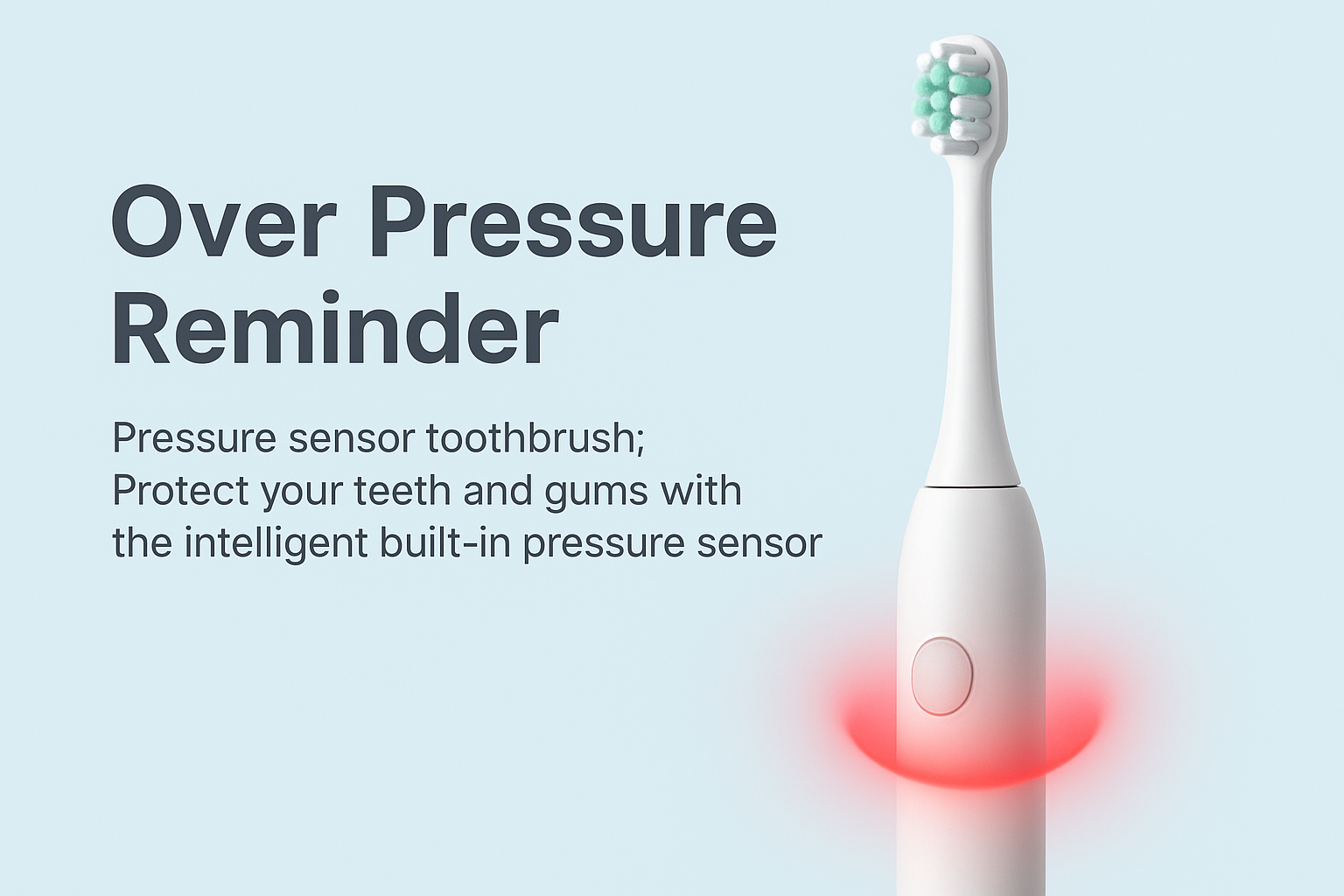
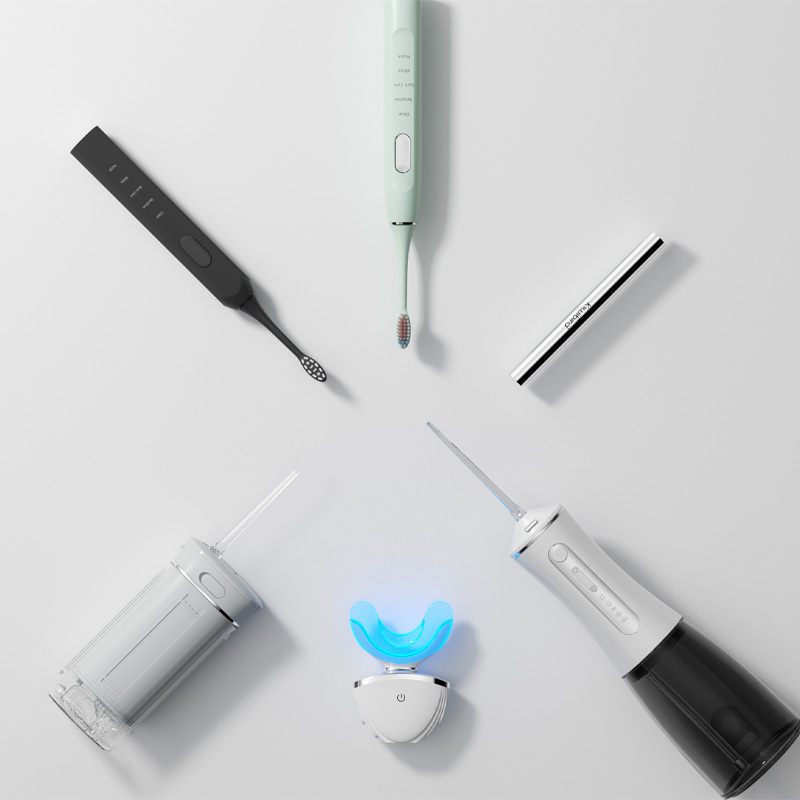
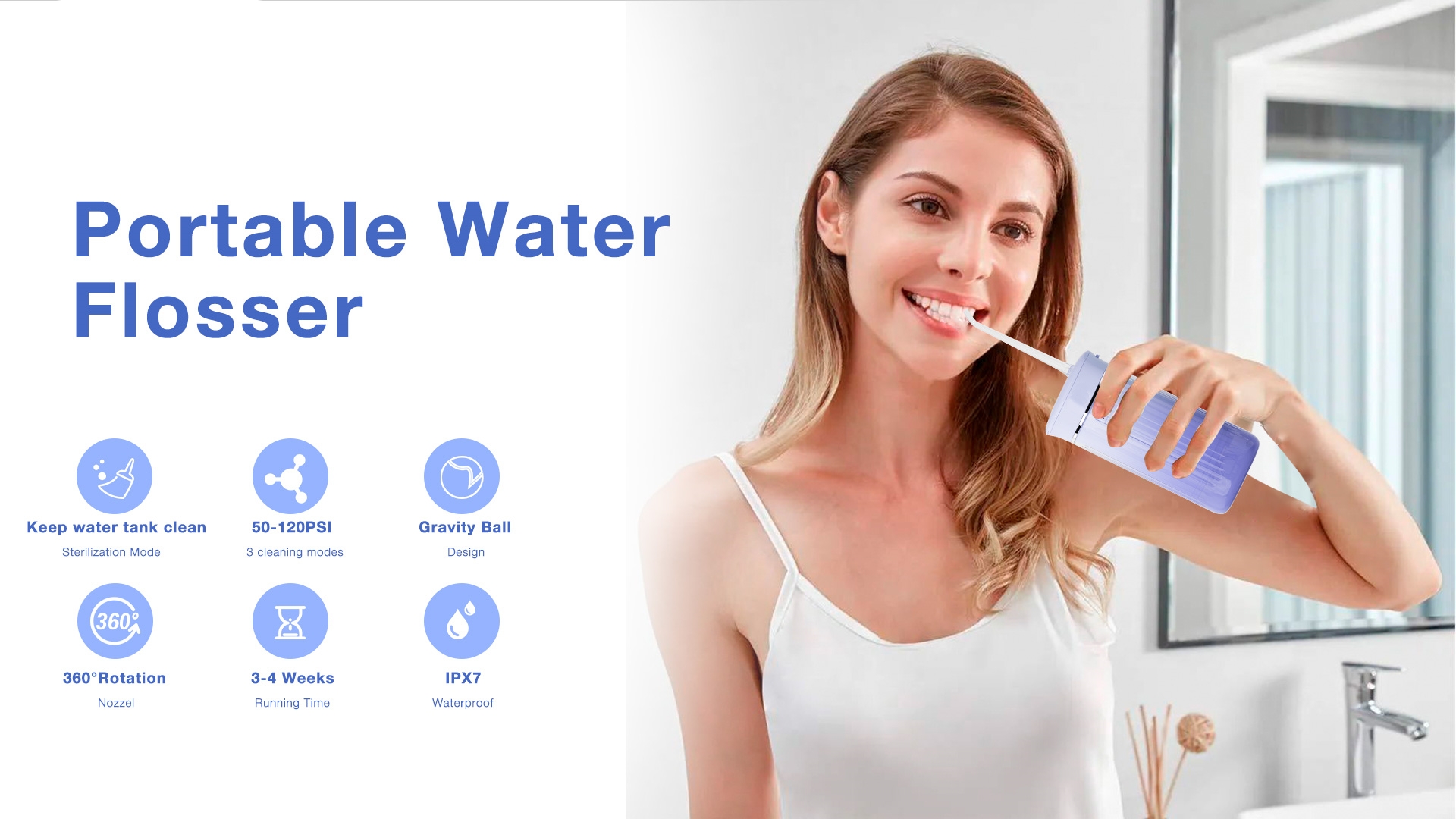
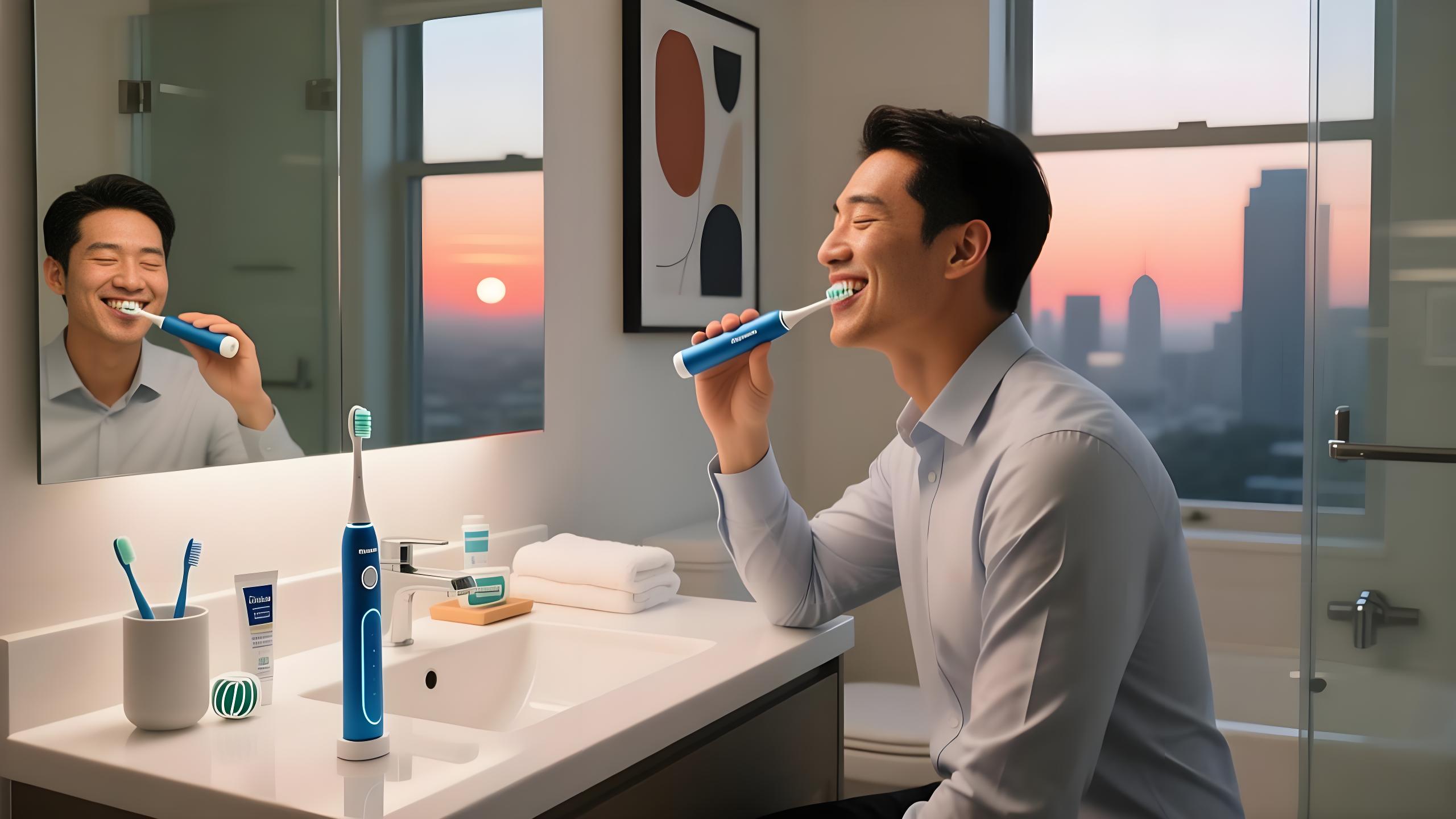
In the competitive landscape of oral care devices, user adaptation has become a critical metric of product success. Surprisingly, one of the most overlooked factors hindering smooth adaptation is improper angle use. When devices are not ergonomically aligned with user behavior, even advanced technologies may fail to deliver intended results—leading to frustration, poor compliance, and product abandonment.
While many assume that users will instinctively adopt the correct brushing or flossing angle, clinical data shows otherwise. Improper angle use, especially with power toothbrushes and water flossers, often leads to:
This, in turn, delays user adaptation, especially for first-time electric brush or flosser users. Products that demand awkward wrist positioning or lack clear angling cues increase the cognitive load during daily use.
Improper angle use isn’t limited to elderly or pediatric users—it spans across all consumer groups. Common contributing factors include:
Without thoughtful design intervention, users must rely on trial-and-error, prolonging adaptation time and diminishing their trust in the product. Company web:https://www.powsmart.com/product/electric-toothbrush/
From a B2B perspective, the consequences of delayed user adaptation are tangible. Products that are perceived as hard to use due to improper angling:
ODM buyers and private label clients should take angle-related UX seriously, as it directly impacts brand retention and lifecycle value.
To address improper angle use, OEM manufacturers should incorporate:
When products “guide the hand,” rather than relying on users to self-correct, user adaptation becomes intuitive and efficient.
Human-centered design testing is essential. At the prototype stage, manufacturers should:
This investment pays off significantly by reducing long-term usability issues and support costs post-launch.
At our facility, we integrate user behavior analytics into every new device iteration. Our design engineers work closely with market insights teams to ensure brush angles, handle grips, and head orientations align with natural human ergonomics. This has resulted in a 38% improvement in first-week user adaptation among our OEM partners’ latest oral care models.
Ultimately, user adaptation struggles from improper angle use are not a user fault—they’re a design responsibility. Manufacturers and brand owners must rethink angle ergonomics as a foundational element of product development. Doing so not only enhances user satisfaction but also futureproofs your product against negative reception in a crowded marketplace.
Looking to improve adaptation rates and reduce learning curves? Contact our engineering team today to explore ergonomic optimization for your next oral care product line.
.jpg)
.jpg)
Small Batch Electric Toothbrush OEM Manufacturing for Emerging Brands
Dental-Grade Whitening Kit | Professional-Level Home Whitening
USB charging toothbrush wholesale supplier | OEM & Private Label Factory
Can a Folding Toothbrush Design Make This Travel Electric Toothbrush Fit in a Wallet?
.jpg)
Customization of Oral Irrigator Pulse Frequency: How to Balance 1400–1800 Times/Minute with Noise Control?
.jpg)
Vestibular Stimulation Worsening Tooth Demineralization?
Wireless Charging Toothbrush Factory | Contactless Power for Modern Hygiene
.jpg)
Bluetooth-Enabled Electric Toothbrushes: Customization & Bulk Order Guide
Professional Dental Care Toothbrush Bulk | Trusted Hygiene for Clinics
Chicago Electric Toothbrush Supplier – Wholesale Quality from Chinese Factory
Dallas Electric Toothbrush Supplier
.jpg)
Does POWSMART Kids Electric Toothbrush Contain Material Toxicity?
Material Degradation Releasing Chemical Residue? Hidden Hazards in Oral Care Devices
.jpg)
Gum Care Electric Toothbrush Manufacturing – Clinically Proven Oral Care
Can Accelerometer-based Feedback contribute to Opalescence Enhancement in whitening systems?
Large Tank Cordless Water Flosser – OEM Powerful Portable Oral Irrigator


.jpg)
.jpg)
.jpg)
.jpg)
.jpg)




.jpg)
.jpg)