As water flossers gain popularity for daily oral care routines, concerns around battery leakage and overheating risks have started surfacing across consumer platforms and return reports. For B2B manufacturers, these issues are more than isolated defects—they represent systemic challenges tied to design, assembly, and quality control. This blog explores the engineering and safety implications behind battery-related failures and what proactive steps can be taken to mitigate them.
Water flossers rely on rechargeable lithium-ion or NiMH batteries for portability and power. However, due to the compact, moisture-prone environments these devices operate in, battery integrity becomes highly vulnerable. Unlike larger electronics, there’s limited room for heat dissipation, and inadequate sealing can directly contribute to battery leakage and overheating risks, often simultaneously.
Battery leakage typically results from:
Once a battery starts leaking, it not only reduces device performance but may also corrode circuit boards, damage surrounding components, and cause unpleasant odors—leading to a spike in consumer complaints.
In many cases, battery leakage is accompanied by overheating risks due to internal short circuits. Factors contributing to this include:
Overheating can lead to swelling, melting of plastic casings, or, in rare but critical cases, thermal runaway. Company web: https://www.powsmart.com/product/electric-toothbrush/
From a B2B standpoint, unresolved battery issues can result in:
Some distributors have reported water flosser failure rates of over 8% when basic thermal safeguards were ignored.
Manufacturers looking to prevent battery leakage and overheating risks should focus on:
These measures not only reduce failure rates but also extend the product’s lifecycle and brand equity.
Ignoring battery-related risks can quickly lead to regulatory red flags, especially under CE, UL, and IEC standards. Furthermore:
Hence, a documented and compliant battery safety plan is essential for large-scale production.
As compact oral care devices evolve, the risk of battery leakage and overheating becomes more pressing. For B2B buyers, OEMs, and private label partners, addressing these safety concerns early in the development process is not optional—it’s a competitive necessity. By investing in superior materials, smarter design, and robust validation protocols, brands can ensure performance without compromising safety. Contact us
.jpg)
Does a Water Flosser Require Regular Maintenance? How Should It Be Cleaned?

Want Electric Toothbrush Industry Insights for a Thorough Electric Toothbrush Competitor Analysis?
Sustainable Electric Toothbrush for Businesses – Eco-Friendly Bulk & OEM Options
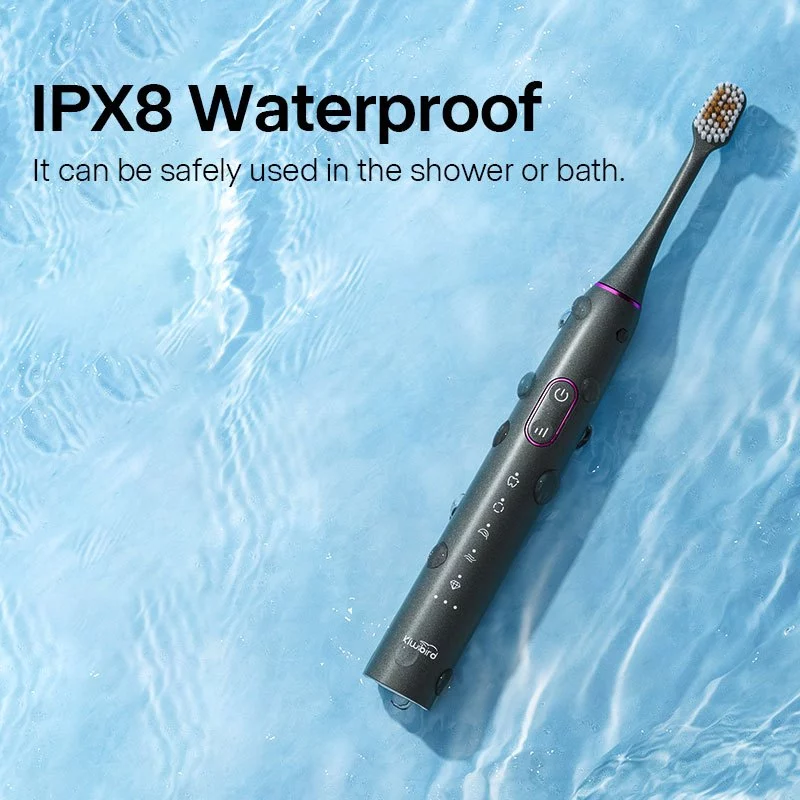
Are IPX7 Kids Brushes Truly Waterproof?
Are Erratic Brushing Mode confusion and Timers Failing Simultaneously?
Gum Recession from Pulse Inconsistency? Uncover the Overlooked Risk in Oral Care Devices
UV Mode in Water Flossers: A Key Feature for Modern OEM Oral Care Products
.jpg)
The Role of UV Light in Water Treatment for Modern Oral Care Products
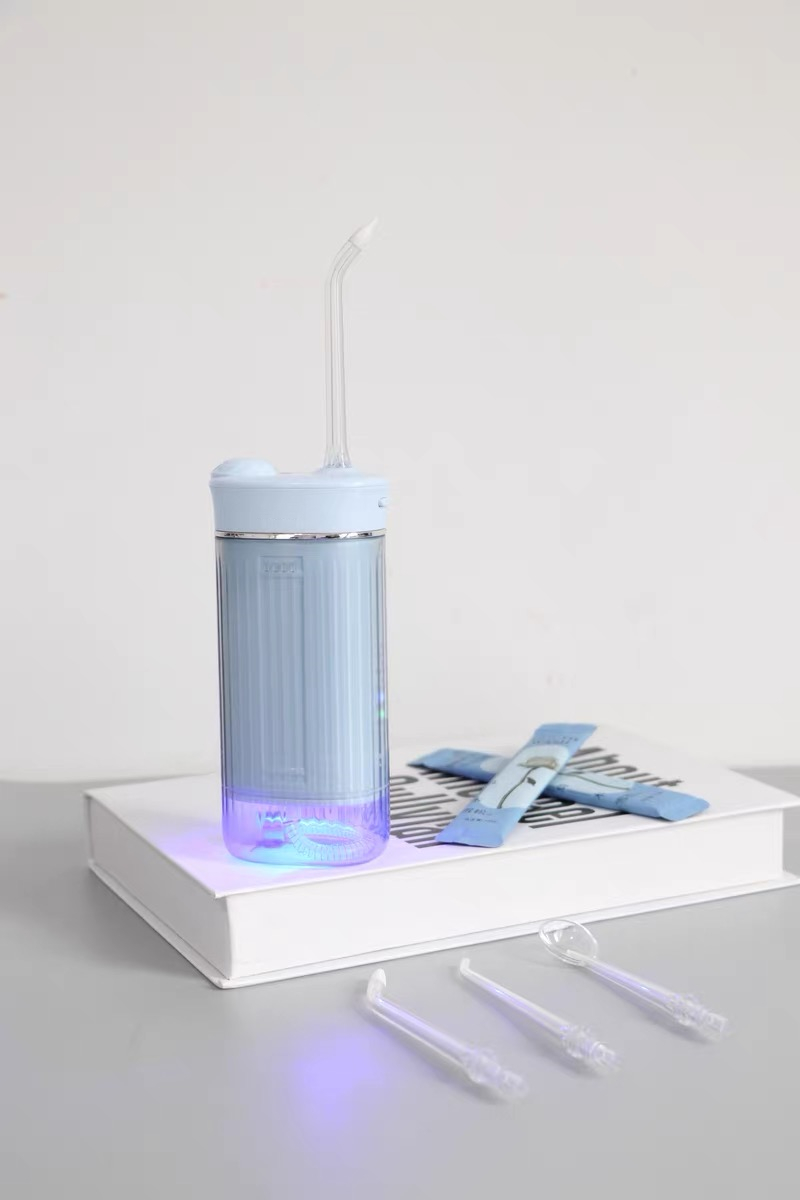
Optimizing Water Flosser Performance: The Science Behind PSI Settings
.jpg)
What’s the Gentlest Brush for Gums?
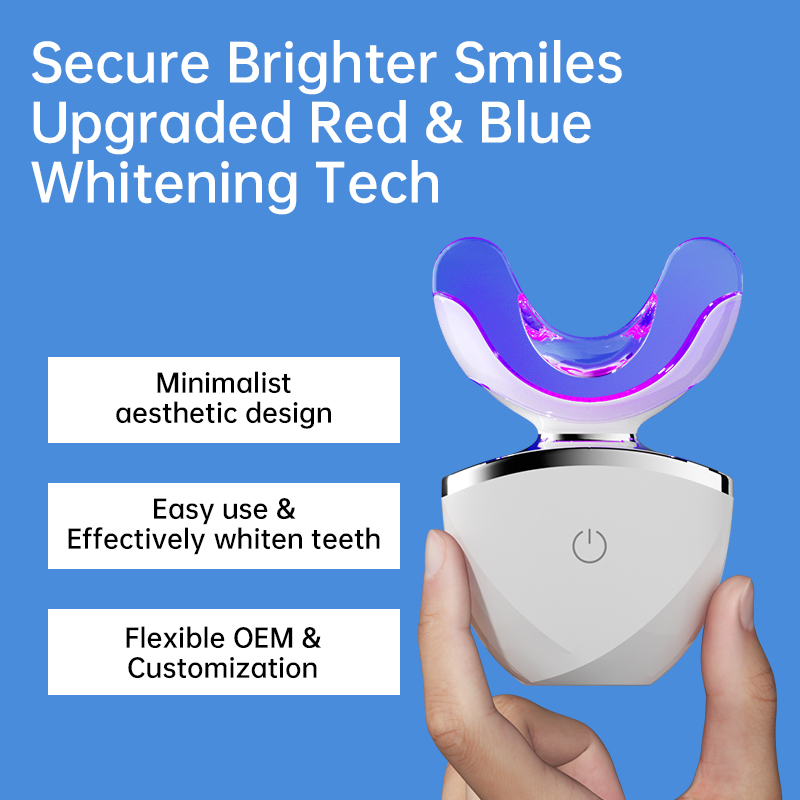
Finding the Optimal Light Therapy for Teeth and Gums in OEM Products
Technique Affecting Periodontal Pocket – How Deep Is the Impact?
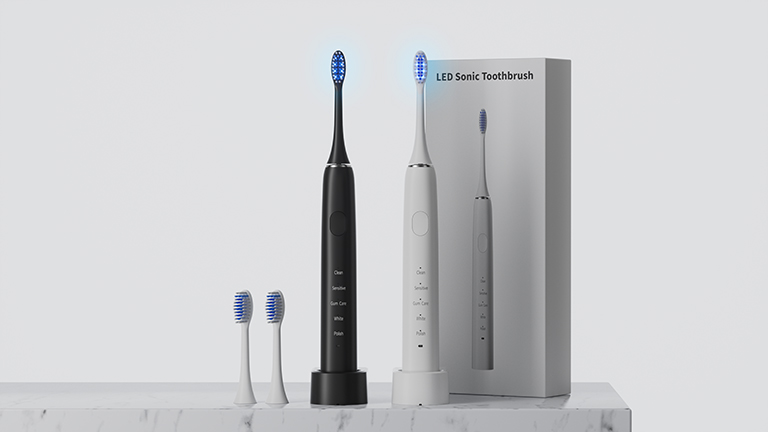
Why Adopt Latest Toothbrush Manufacturing Technology to Meet Toothbrush Production Standards?
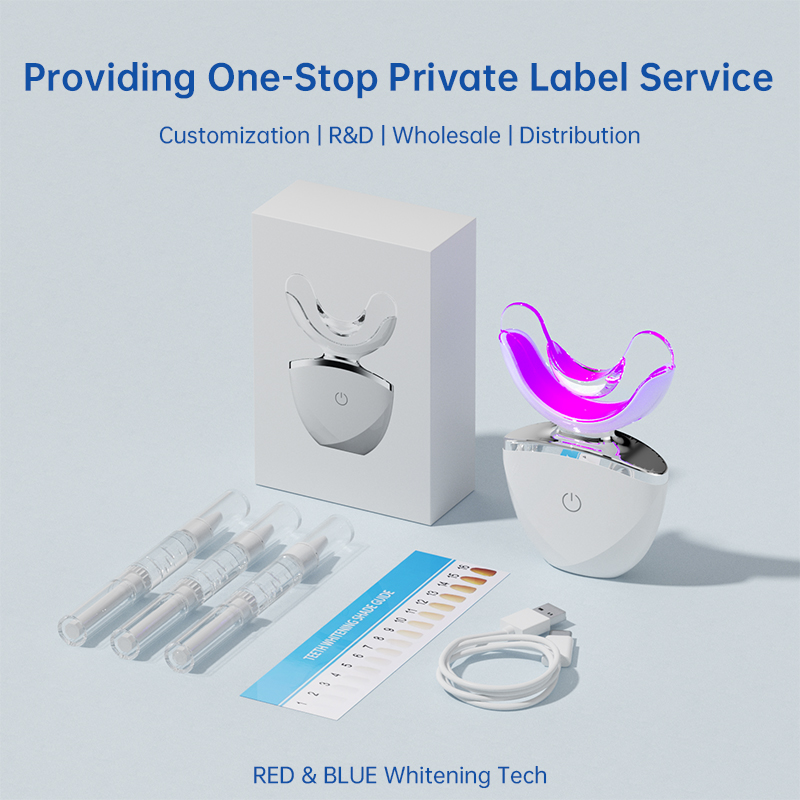
Professional vs. Home Use: Key Technical Differences in Teeth Whitening Blue Lights
Electric Toothbrush ODM Manufacturer China for Global Brand Development
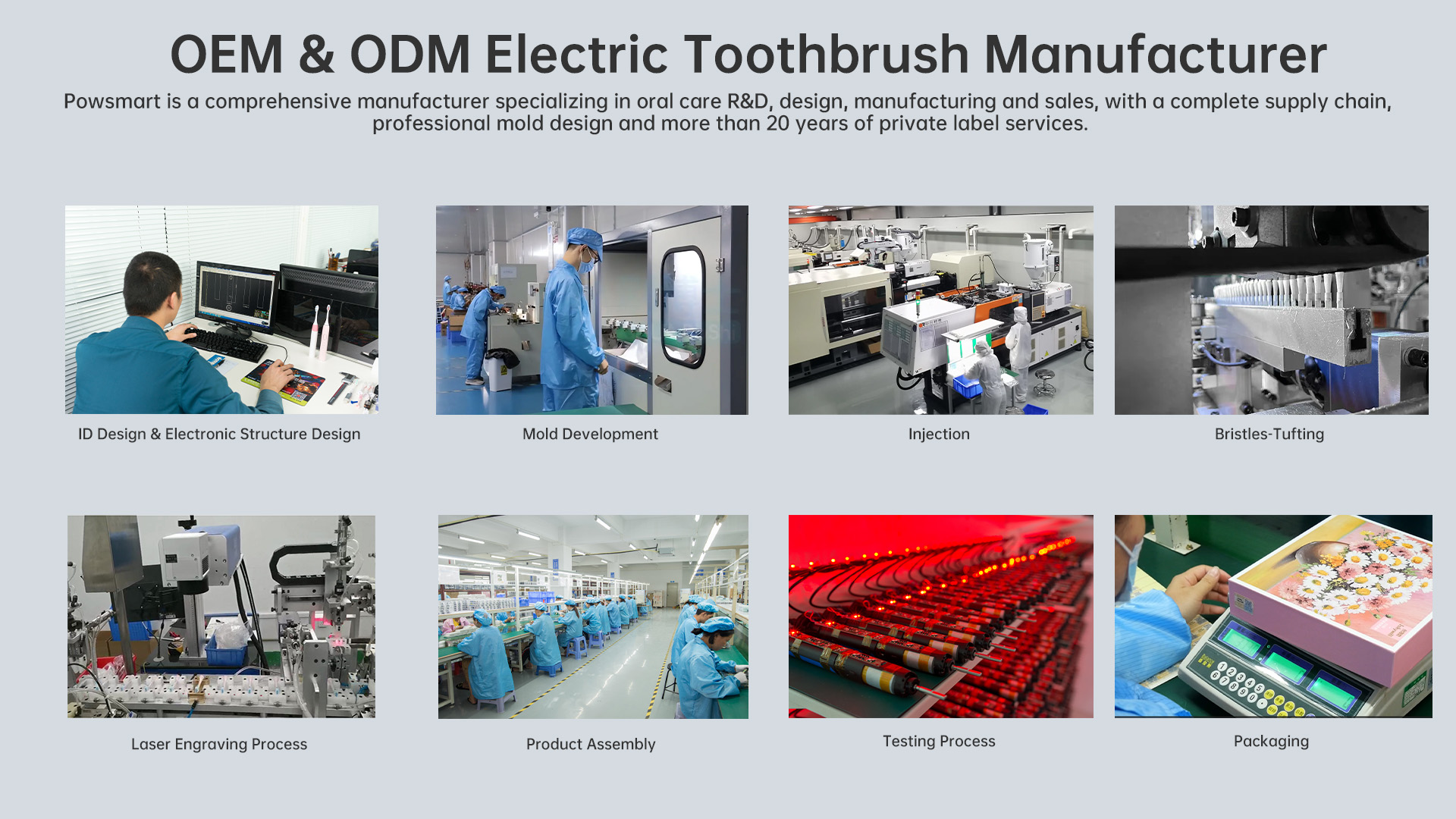
OEM Customization Solution for Water Flossers: Engineering Parameters Such as Water Tank Capacity, Nozzle Type, and Pressure Setting


.jpg)
.jpg)
.jpg)
.jpg)
.jpg)






-1.jpg)
.jpg)