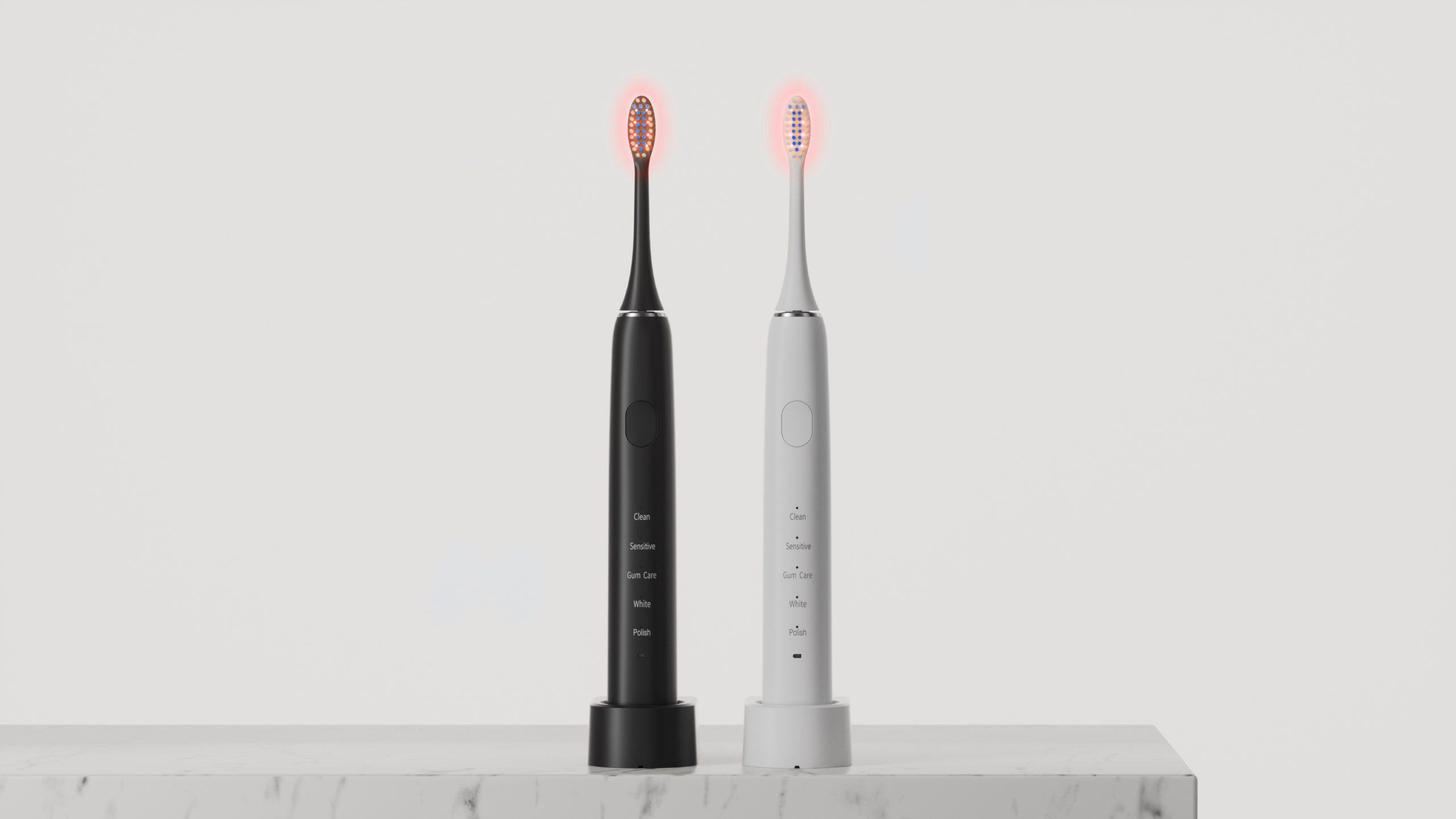
In today’s smart personal care devices, features like the travel lock are designed to enhance user safety and convenience. However, recent engineering reports and field failures have exposed a surprising vulnerability: travel lock failure may inadvertently trigger a power surge, leading to electronic malfunctions, battery degradation, or even fire hazards. For B2B manufacturers, this risk demands urgent attention—not only to uphold product reliability but also to maintain compliance and market trust.
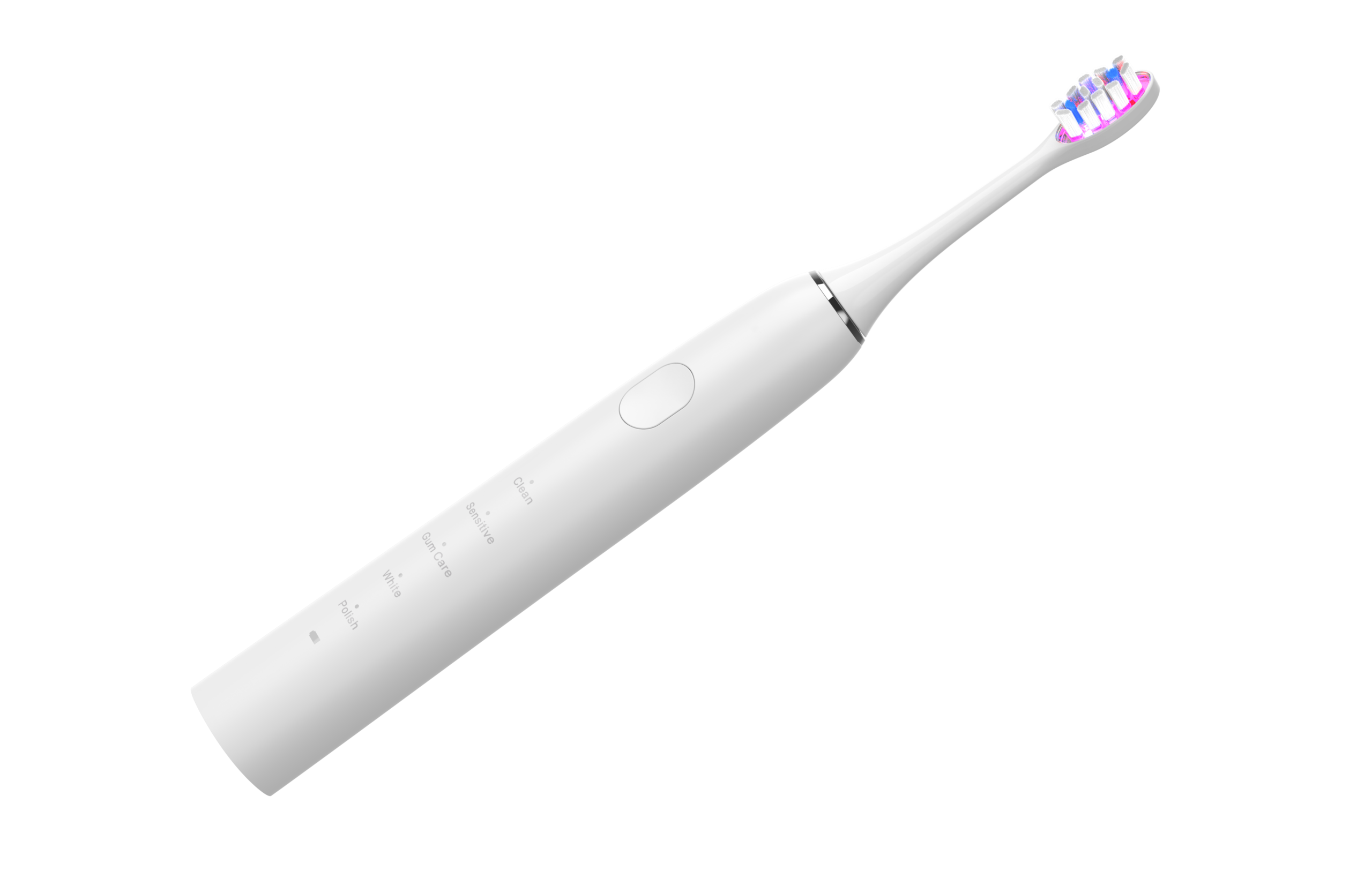
The travel lock is a safety function built into electric toothbrushes and grooming devices to prevent accidental activation during transport. It’s typically engaged by holding a button for a few seconds, disabling the power function until manually released.
However, when poorly implemented or damaged during manufacturing or transit, this lock can fail—causing the device to activate unexpectedly while packed in a confined space, such as luggage.
Unexpected activation of a device inside a sealed environment causes the motor to run without ventilation or resistance, potentially leading to:
This excessive, irregular power consumption can result in a power surge, particularly during charging cycles or when smart chips attempt to auto-correct.
B2B stakeholders should be aware of several field situations where travel lock failure combined with power surge events have resulted in:
These cases underline why both hardware and software safeguards must be redundantly engineered.Company web:https://www.powsmart.com/product/electric-toothbrush/
Common technical faults leading to travel lock failure include:
Especially in devices relying on capacitive sensors, environmental pressure during travel may mimic unlock gestures, nullifying the lock altogether.
To address both travel lock and power surge risks at the root, manufacturers should:
All of these approaches contribute to higher product reliability and safer international transport.
For enterprise buyers and distributors, this issue touches on more than engineering. Devices that suffer from lock or surge failures can:
That’s why proactive risk mitigation during product development—and clear communication in training materials—is essential.
The connection between travel lock failure and power surge is often underestimated until damage is done. For B2B manufacturers and suppliers, addressing this silent hazard through smarter design and robust testing is both a safety imperative and a competitive advantage. In a market where every safety detail matters, refining even the smallest mechanisms can deliver long-term loyalty and lower operational risks.
-1-scaled.png)
.jpg)
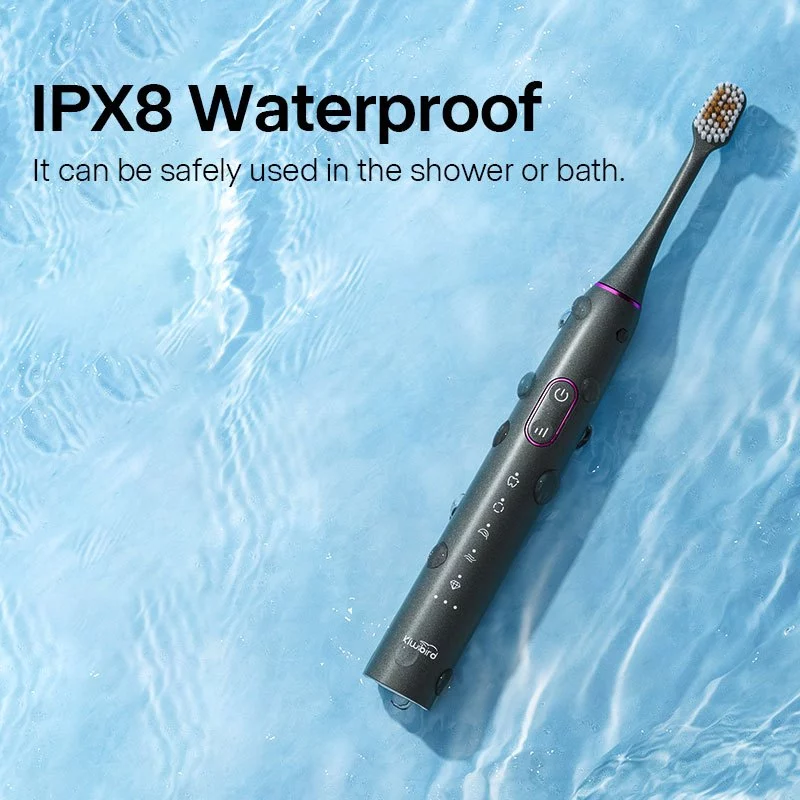
Are IPX7 Kids Brushes Truly Waterproof?
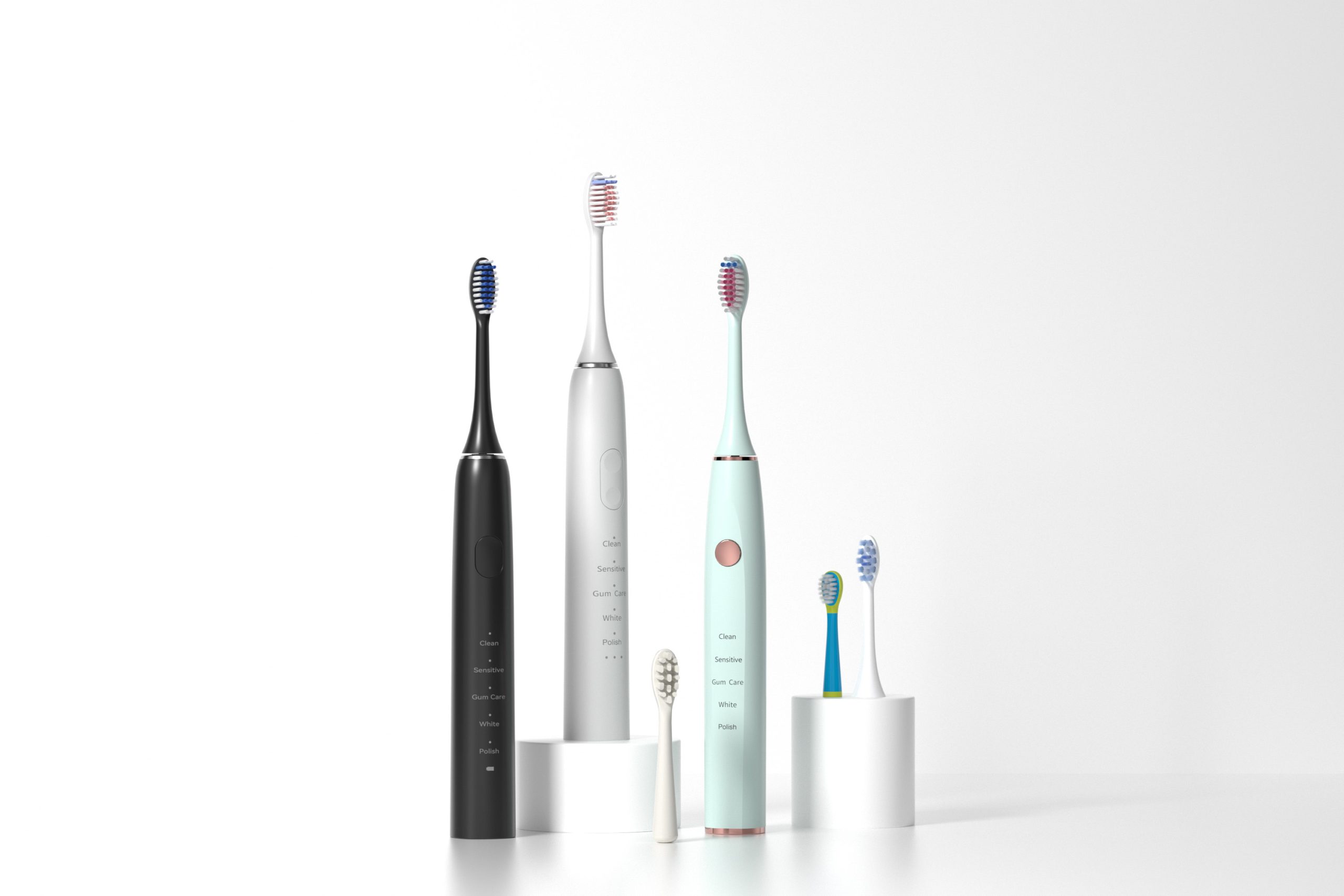
Seeking Electric Toothbrush Innovation Partners Who Are Electric Toothbrush Sustainable Supplier?
.jpg)
Small Batch Electric Toothbrush OEM Manufacturing for Emerging Brands
premium metal body electric toothbrush OEM | Luxury Design Manufacturer
Wireless Charging Toothbrush Factory | Contactless Power for Modern Hygiene
Powsmart Electric toothbrush Factory Montgomery Alabama
Gum-Care Whitening Device | Gentle LED Oral Care OEM Solution
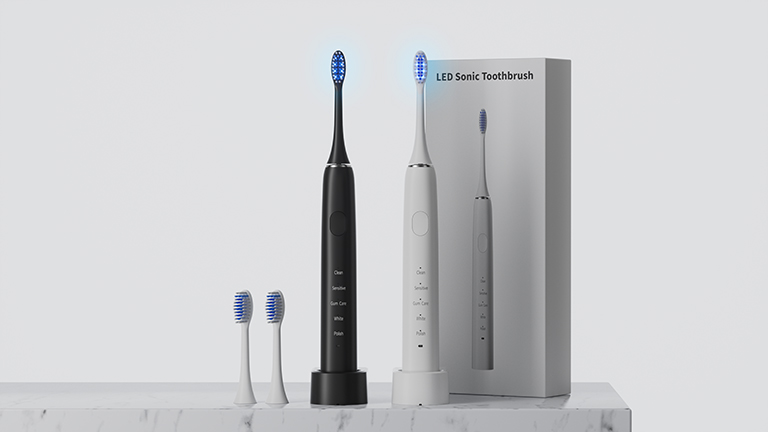
Why Adopt Latest Toothbrush Manufacturing Technology to Meet Toothbrush Production Standards?
Overpressure Cleaning Creates Interdental Stains? Double Crisis!
.jpg)
Bluetooth-Enabled Electric Toothbrushes: Customization & Bulk Order Guide
Custom Electric Toothbrush Factory for B2B Brands | OEM & ODM Solutions
.jpg)
Vestibular Stimulation Worsening Tooth Demineralization?

Electric Toothbrush Head Customization Solution and Range
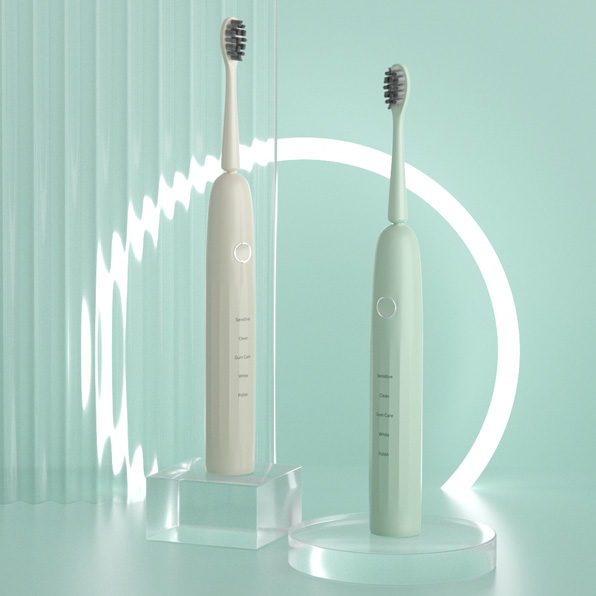
Beyond Aesthetics: How Integrated Design Elevates Your OEM Electric Toothbrush
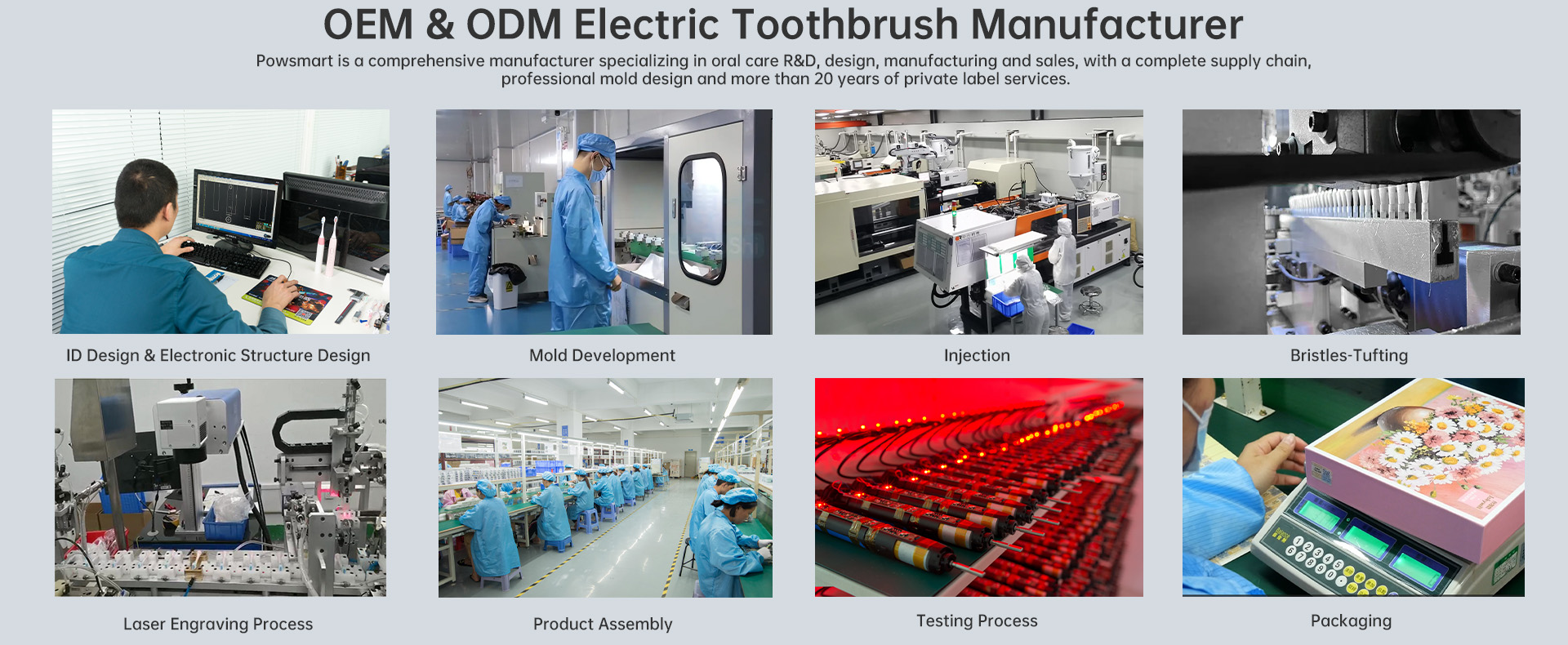
How to Create High-premium Oral Care Products through the Concept of “Treating Yourself Well”?
.jpg)
Smart Electric Toothbrush Manufacturing: How to Choose the Best OEM Partner


.jpg)
.jpg)
.jpg)
.jpg)
.jpg)