As oral care specialists, we’re often asked about proper toothbrush replacement protocols after illness. The answer isn’t one-size-fits-all – it depends on the type of infection and your oral care products. Here’s what manufacturers and dental professionals need to know.
“Bacterial infection requires immediate replacement of toothbrush” – this is non-negotiable. Pathogens like strep can survive on brush heads and potentially cause reinfection. However, “don’t have to change your toothbrush immediately if you are infected with the virus” like the common cold, as most viruses don’t survive long on brush surfaces.
After a “Common cold”:
Viruses typically remain viable on toothbrushes for <24 hours
The immune system develops antibodies making reinfection unlikely
Proper storage (upright, dry location) minimizes risks
Replacement is more about personal preference than medical necessity.
For certain “Oral Diseases”:
Oral thrush (fungal) – replace immediately
Herpes outbreaks – replace after healing
Periodontal infections – replace after treatment
These pathogens can persist and potentially spread to others.
Regardless of illness, “good care of oral hygiene” includes:
Replacing manual brushes every 3 months
Changing electric toothbrush heads every 2-3 months
Weekly deep cleaning of brush heads (soak in antibacterial mouthwash)
Proper air-drying between uses
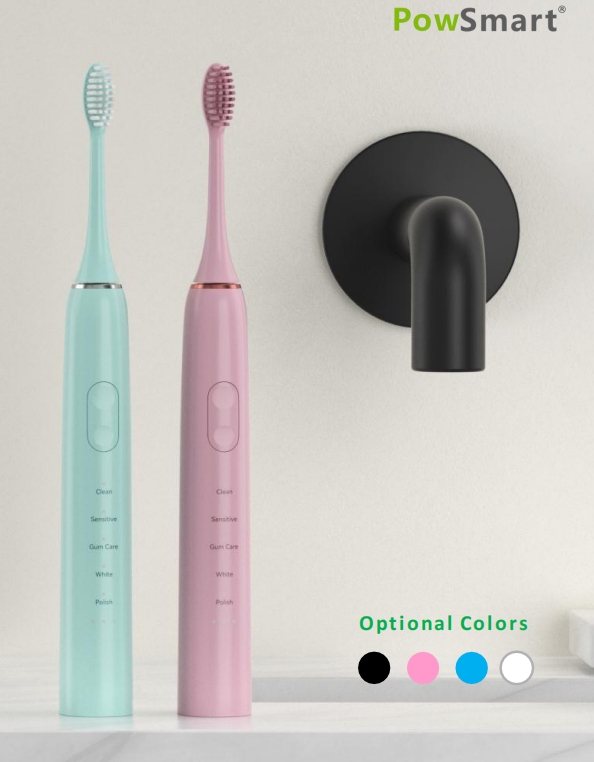
Modern “electric toothbrush” systems offer hygiene benefits:
Many have antimicrobial brush head materials
Easier to clean thoroughly than manual brushes
Some premium models even have replacement reminders based on usage.
We recommend erring on the side of caution:
If brush shows visible wear
After any contagious illness
When immune system is compromised
The small cost of replacement outweighs potential risks.
Professional Recommendation:
For dental practices and manufacturers, we suggest:
Our OEM toothbrush heads feature:
By understanding these distinctions – between “Bacterial infection requires immediate replacement of toothbrush” and situations where you “don’t have to change your toothbrush immediately if you are infected with the virus” – professionals can give better advice and develop superior products. https://www.powsmart.com/
Is waterproof design important for your bathroom essential toothbrush?
.jpg)
water flosser sensitive gum setting: gentle care
Red Light and Blue Light Electric Toothbrush Technology

Do You Offer Both Professional Water Flosser OEM and Smart Water Flosser OEM Services?
Electric Toothbrush for Dental Kit Programs | Custom B2B Oral Care Solutions
Custom Logo Whitening Kit Manufacturer
Hose Cracking with Valve Jamming – Replace All or Repair Strategically?
.jpg)
Bulk Electric Toothbrushes United States
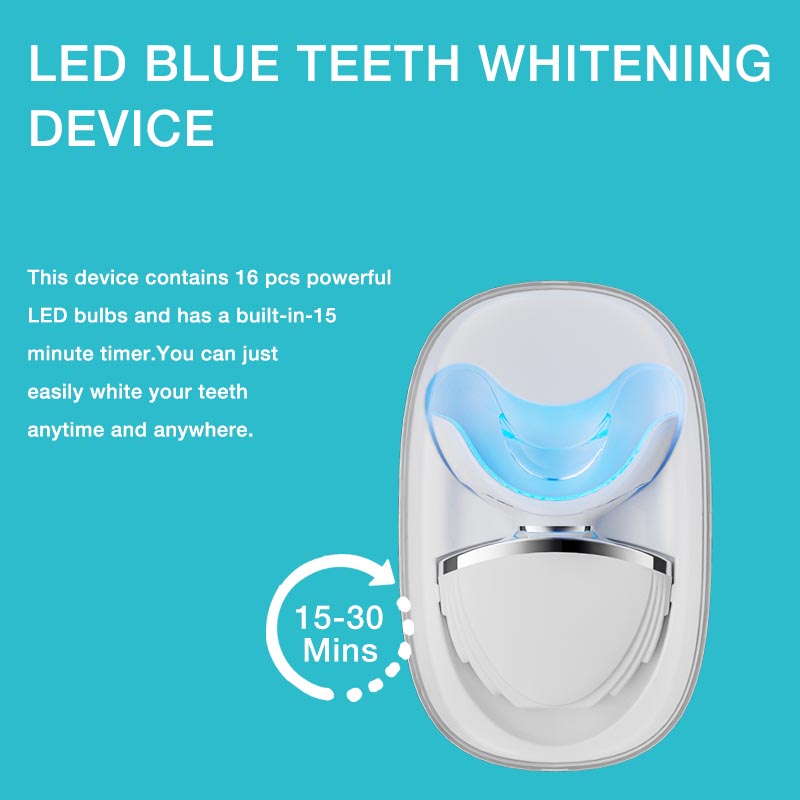
Good habits can whiten teeth that you should know
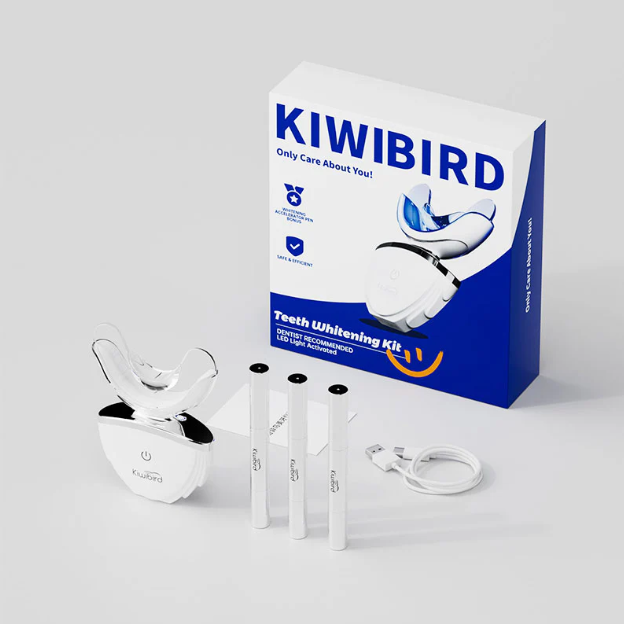
Solutions to Common Problems with Teeth Whitening Devices: How Can Manufacturers Reduce Product Return Rates?
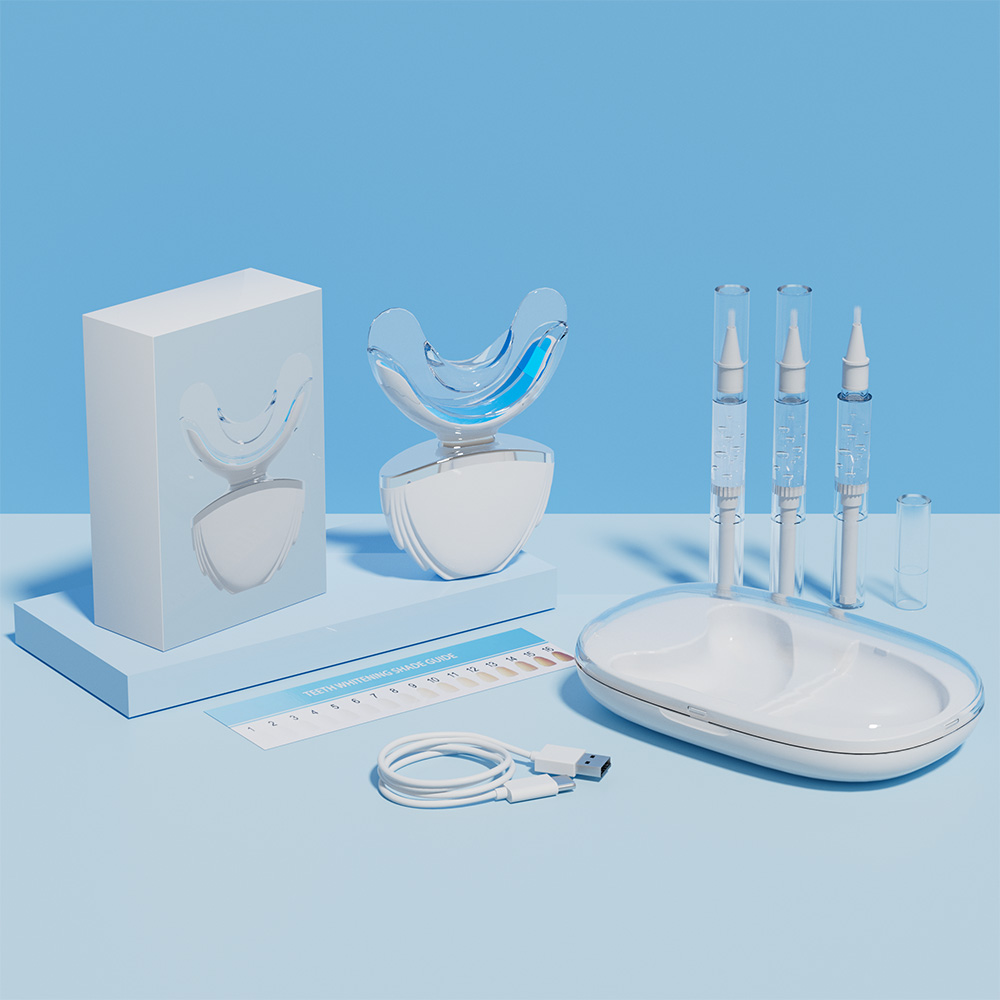
Prospects of Dental Instruments in the Oral Care Industry
IPX8 Waterproof Sonic Toothbrush OEM: Advanced Waterproof Manufacturing
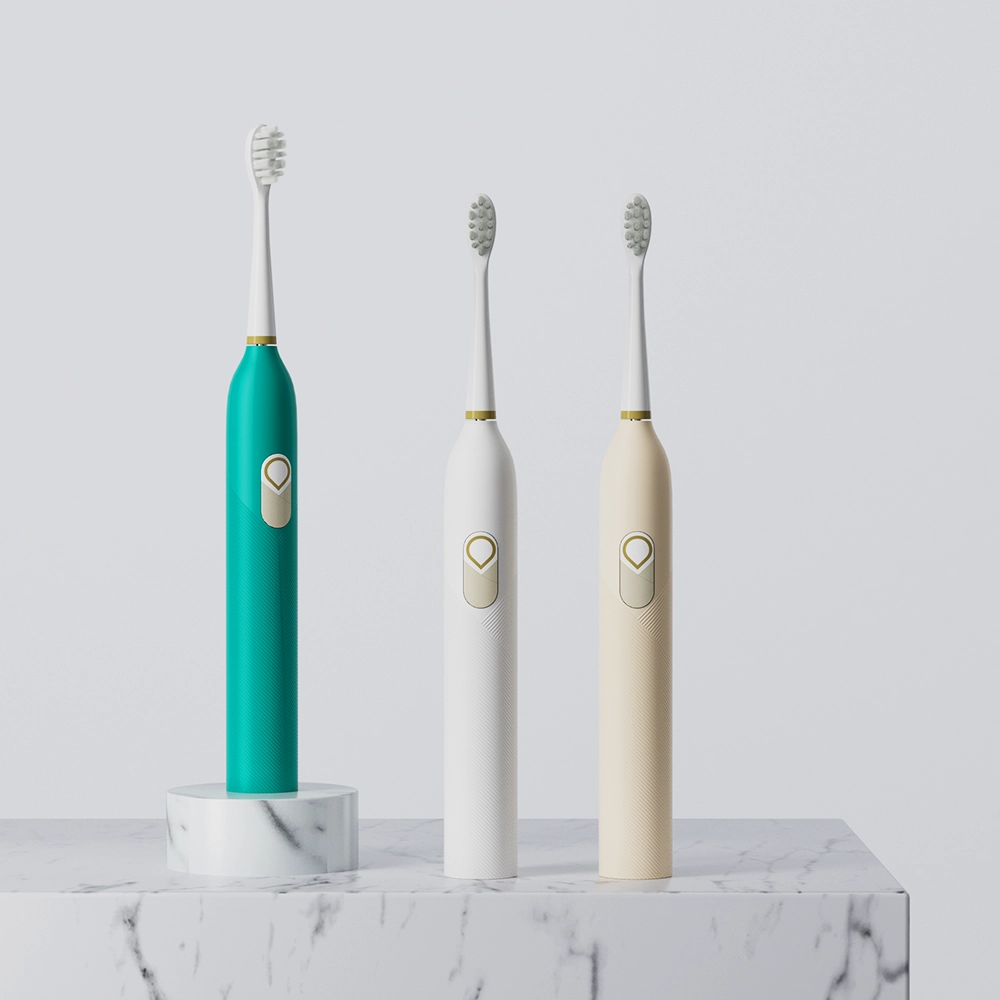
Electric Toothbrush with Bass Brushing Technology – 45-Degree Angle Cleaning
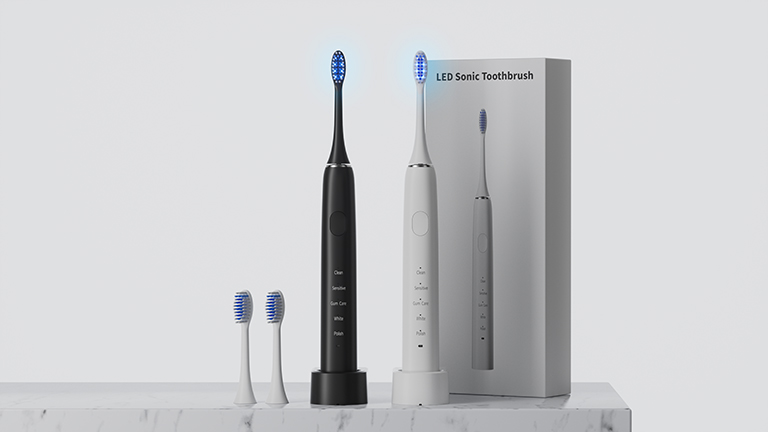
Do Blue Light Toothbrushes Work? A Manufacturer’s Perspective for Smart Brand Choices
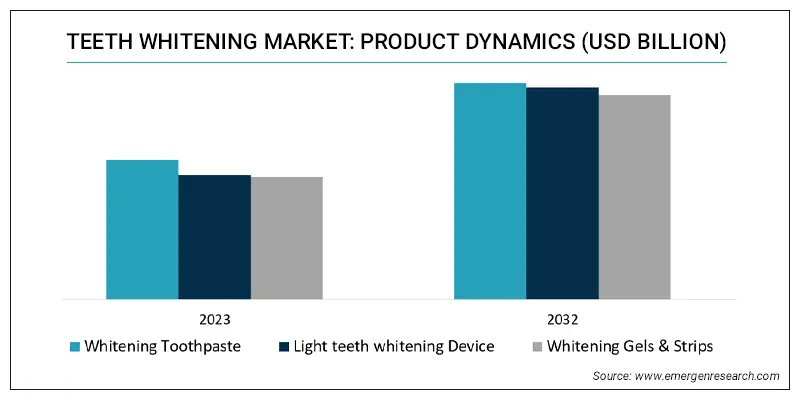
Analysis of Teeth Whitening Device Market Trends: The Functions and Designs That Consumers Will Pay Most Attention to in 2025
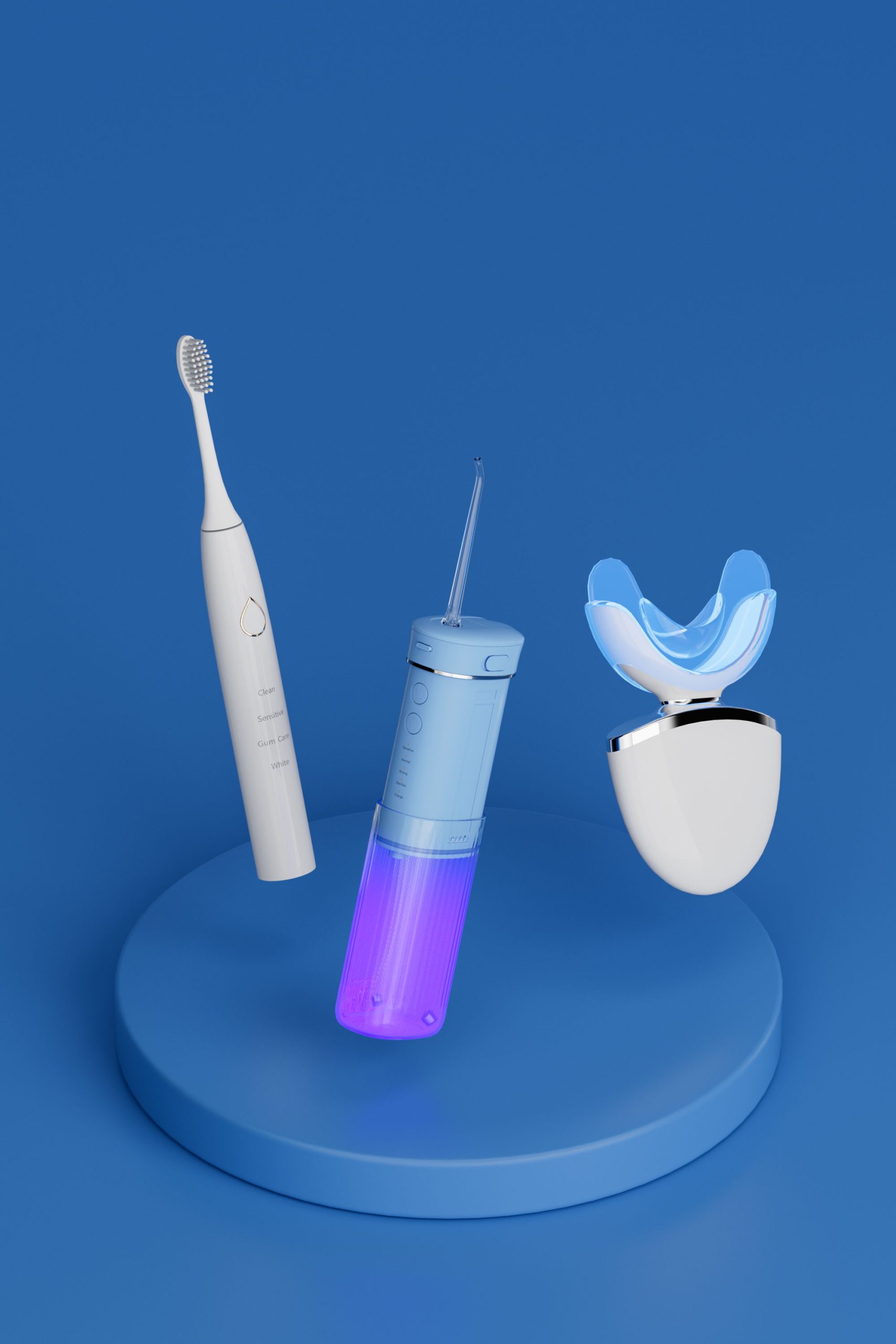
Moldy Water Flosser Tank? It Harms Users and Your Brand Reputation


.jpg)
.jpg)
.jpg)
.jpg)
.jpg)






.jpg)