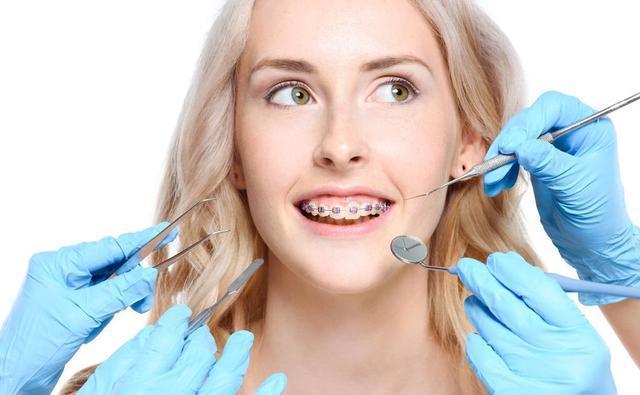
In the quest for improving oral hygiene, accurately measuring Bio-film Removal Efficiency is critical for evaluating the effectiveness of oral-care devices. A Plaque Disclosure Indicator offers a powerful, visual tool for assessing plaque buildup and how well bio-film is removed during brushing. Combining these two technologies allows manufacturers to create more effective and scientifically validated products that help consumers achieve optimal oral health.
Bio-film, commonly known as plaque, is a sticky layer of bacteria that forms on teeth and gums. If not effectively removed, it can lead to cavities, gum disease, and other dental issues. Bio-film Removal Efficiency refers to how well a toothbrush or cleaning device eliminates this plaque during use, which is critical for ensuring long-term oral health.
A Plaque Disclosure Indicator is a coloring agent—often in the form of a gel or rinse—that reacts with plaque on teeth, making it visible. When used in conjunction with brushing, it helps users see areas where plaque has been removed and where it remains. This visual feedback is invaluable for consumers, as it shows the effectiveness of their brushing technique and the toothbrush’s ability to remove plaque.
By using a Plaque Disclosure Indicator, manufacturers can visually measure Bio-film Removal Efficiency in clinical trials and product testing. The amount of remaining plaque after brushing with an indicator highlights the cleaning power of a toothbrush or other oral-care device. This allows for precise assessment of how well the product removes plaque compared to industry standards or competing products.
Incorporating a Plaque Disclosure Indicator into the design and testing phase of oral-care products helps developers refine their brush head design, bristle pattern, and motor performance. By identifying areas that are more prone to plaque accumulation, manufacturers can make targeted improvements, such as adjusting the angle, bristle stiffness, or oscillation patterns for better Bio-film Removal Efficiency.
Using a Plaque Disclosure Indicator offers a measurable and visual way to substantiate marketing claims. For example, manufacturers can demonstrate that their toothbrush model removes up to 99% of plaque within a certain timeframe, based on testing with the indicator. This scientific validation is crucial for differentiating products in a competitive market, providing credibility to the brand and its products.
Integrating a Plaque Disclosure Indicator not only enhances product testing but also offers a unique opportunity for consumer education. By using an indicator with their product, consumers can see firsthand how well their brushing regimen is working. This helps build trust with the brand while encouraging users to improve their brushing technique, ultimately leading to better Bio-film Removal Efficiency and oral health outcomes. Contact us
1-1024x683.jpg)
How Does Water Tank Molding Design Accommodate a Filter Cartridge Supply?
.jpg)
Corporate Wellness Electric Toothbrush Pack | Bulk Oral-Care Gift Supplier
Houston Electric Toothbrush Supplier
Electric Toothbrush Color Customization OEM Service
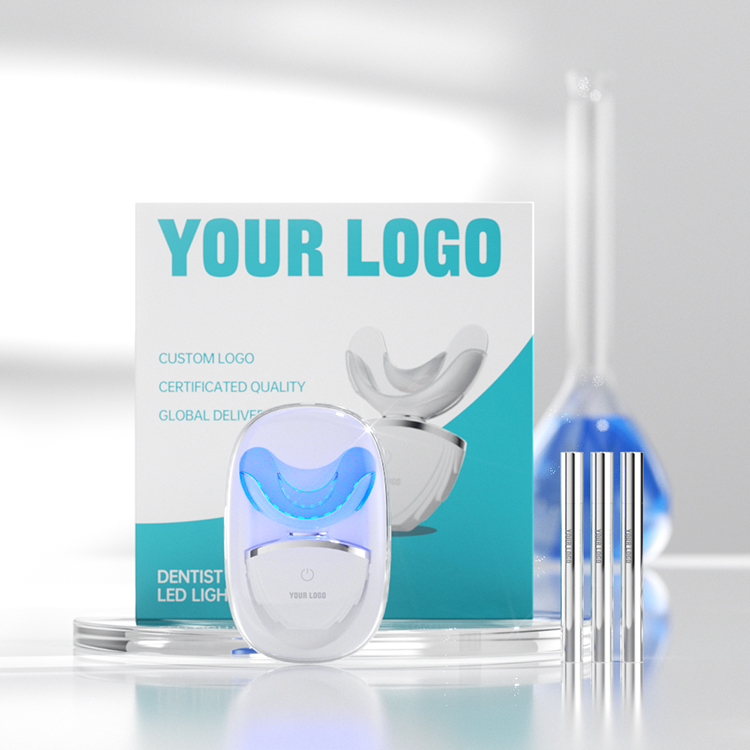
Does Optimal Flow Channel Design Reduce the Load on the Battery Management System?
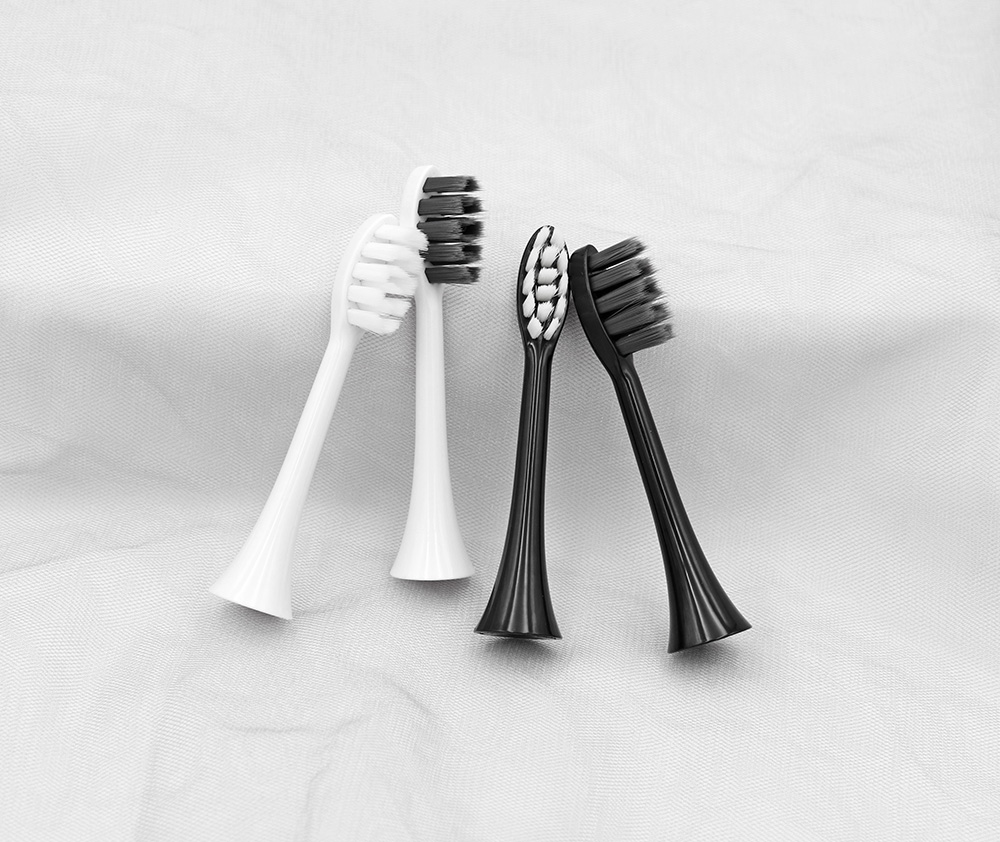
3-Month Brush Head Replacement Reminder: Why It Matters for brand owners
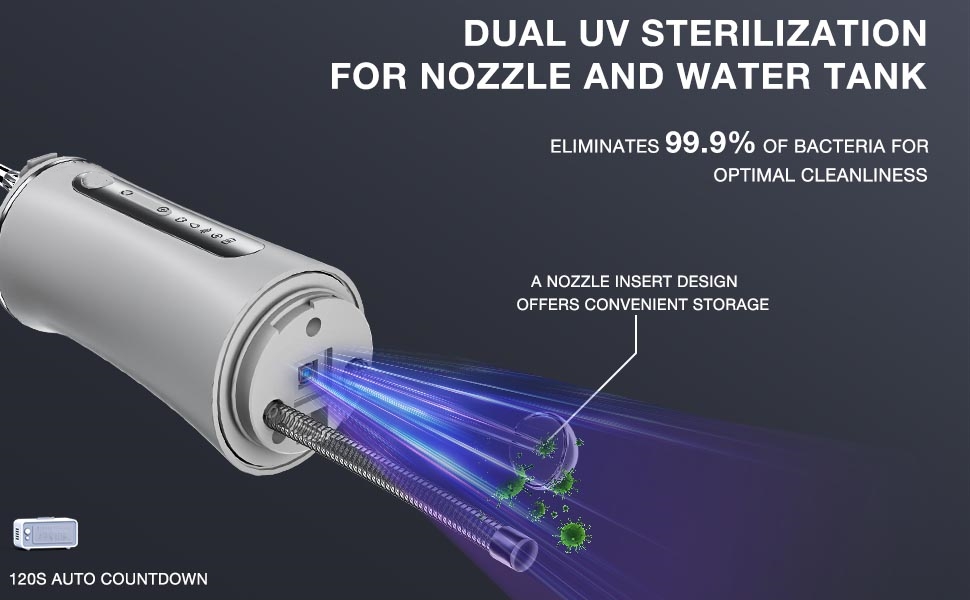
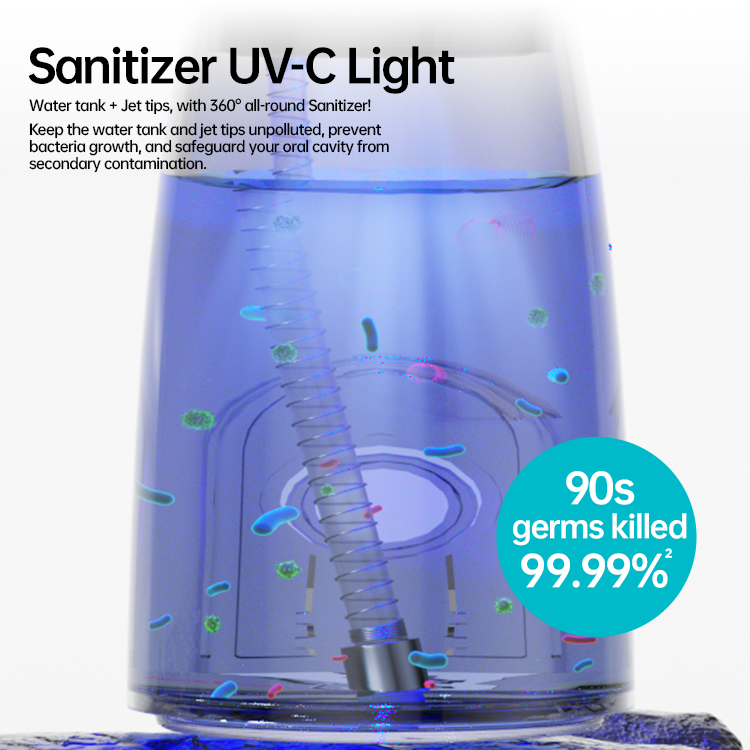
Does UV Sanitizer Compatible Tech Keep Clean Brush Heads Germ-Free?

Should Nozzle Material Always Be Medical-grade Material for Safety?

How Does a Whitening Pen Embody the Ultimate Portable Design for On-the-Go Care?

What Distinguishes Cosmetic Whitening Equipment from a Professional Salon Whitening Device?
Fort Worth Electric Toothbrush Wholesale Buying Guide
OEM Electric Toothbrush Supplier Supporting Small Orders

Why use Medical-grade Material with a Flow Rate Calibration Tool for clinical flossers?
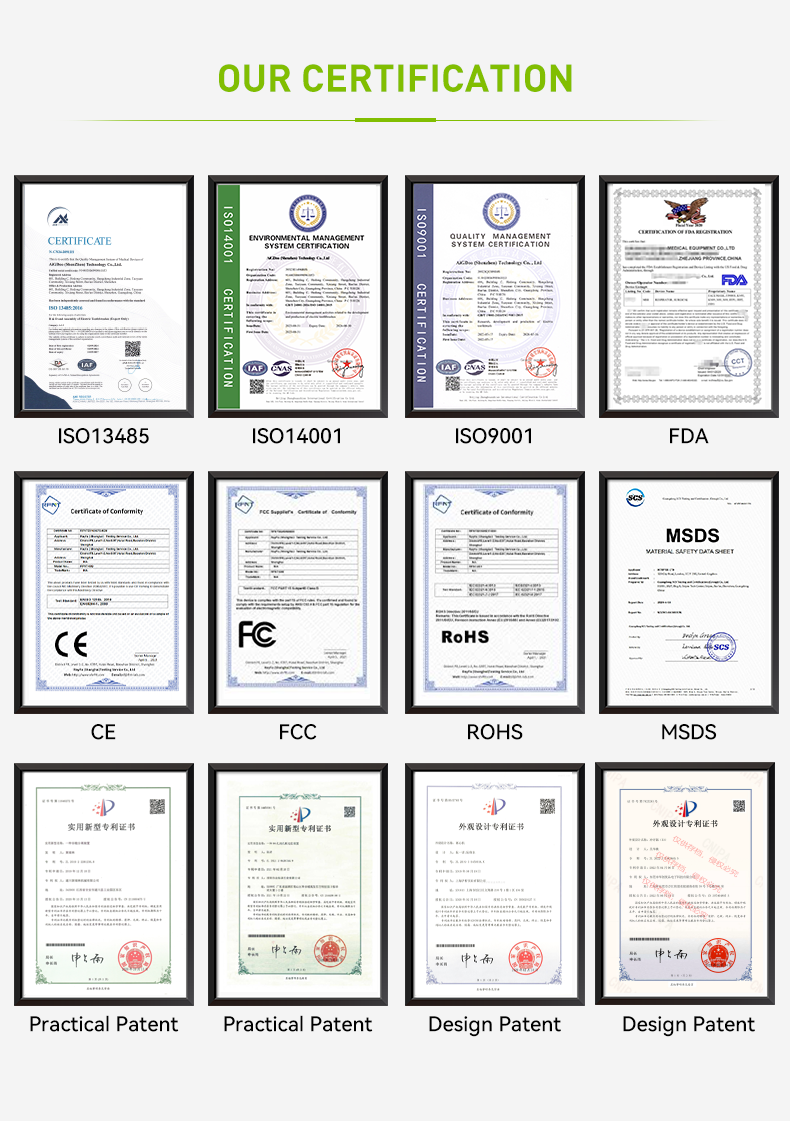
As a Micro Motor Supplier, Do You Guarantee Brush Head Compatibility?
Do Nylon Toothbrush Bristles Release Microplastics? A Manufacturer’s Insight

Brushing Blindly? Smart Dental Coach + Pressure Sensor Tech Reveals Hidden Plaque!


.jpg)
.jpg)
.jpg)
.jpg)
.jpg)






.jpg)