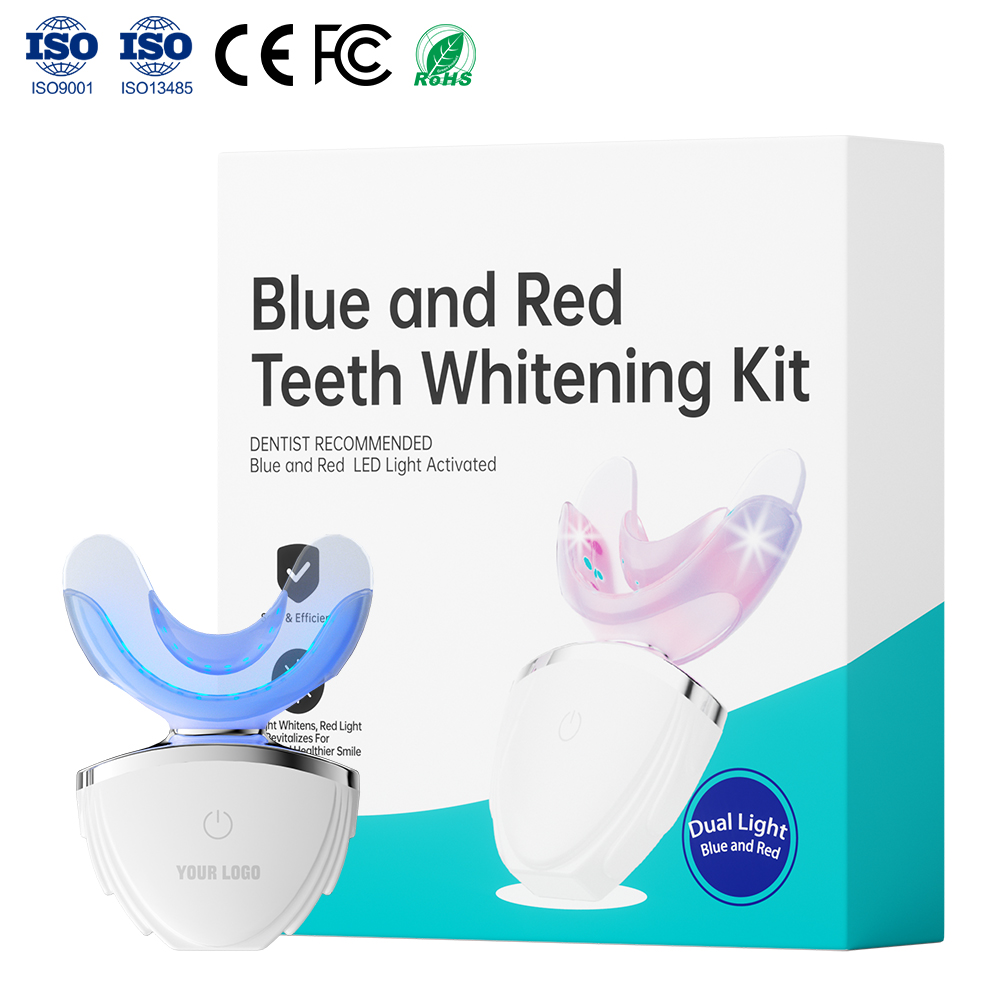
In the development and supply of dental whitening trays and orthodontic appliances, two critical concerns have surfaced repeatedly: tray misalignment and its contribution to jaw pain. These issues not only impact user comfort but can also compromise product performance and brand reputation. As manufacturers, understanding and addressing this correlation is vital to creating superior, market-leading products.
Tray misalignment refers to the improper fitting or positioning of dental trays on the user’s teeth. This can result from:
When trays do not align correctly, they exert uneven pressure on teeth and surrounding jaw muscles, setting the stage for discomfort or more severe complications.
A direct outcome of tray misalignment is the onset or worsening of jaw pain. This happens because misaligned trays can:
For users, this discomfort may manifest as stiffness, soreness, or even headaches. For brands, it results in dissatisfied customers, negative reviews, and potential product liability concerns. Company web:https://www.powsmart.com/product/electric-toothbrush/
Neglecting tray misalignment issues can lead to serious risks:
For B2B manufacturers and OEM/ODM suppliers, addressing this problem in the design and QC phases is no longer optional—it’s a business necessity.
Several proven approaches can minimize or eliminate tray misalignment, including:
By adopting these solutions, manufacturers can ensure a proper fit, reducing stress on the user’s jaw and preventing jaw pain.
To further safeguard against tray misalignment, manufacturers should:
Such measures drastically reduce customer complaints and enhance product credibility in global markets.
Emerging technologies can help manufacturers take a proactive approach:
These innovations represent the next frontier for addressing tray misalignment and preventing jaw pain, offering competitive advantages to forward-looking OEM suppliers.
In conclusion, tray misalignment is not a minor production flaw—it is a direct cause of jaw pain, affecting both user satisfaction and brand reputation. Fortunately, the solution exists through precise design engineering, advanced materials, and rigorous QC protocols. For manufacturers serious about global market leadership, investing in these solutions is the path to safer, more comfortable, and more competitive oral care products.Contact us
.webp)
How Do Electric Toothbrush Market Trends Influence Electric Toothbrush Supplier Certification?
.jpg)
Electric Toothbrush Long Lifespan Motor Solutions for OEM Brands
.jpg)
How Does a UV Sanitizing Component Complement an Anti-bacterial Hose in a Flosser?

Water Flosser Disadvantages: What Your OEM Factory Isn’t Telling You?
The Core Benefits of Brand Owners Promoting Water Flossers and How to Meet Marketing Needs to Increase Sales
Compact Electric Toothbrush OEM Solutions for Space-Efficient Design
How Does Precision Nozzle Manufacturing Impact Your Brush Head Replacement Supply Chain?
Electric Toothbrush Design Customization for OEM and Private Label Brands
Can a Whitening Booster Solution Be Promoted Through an App-connected Toothbrush Developer?
Why is an LED Whitening Lamp Critical for Activating an Accelerated Whitening Solution?
Electric Toothbrush Quality Inspection and OEM Testing Standards
How Can a Reliable Brush Head Supply Chain Support a Subscription Business Model?
FAQ for New Water Flosser Brands: Avoiding Costly OEM Mistakes
Why Include a Teeth Shade Guide with a Professional Salon Whitening Device?
At-Home Teeth Whitening Devices: Your Ultimate Guide for Safe, Effective Results
Teeth Whitening Devices: Safe At-Home Guide for Brighter Smiles


.jpg)
.jpg)
.jpg)
.jpg)
.jpg)