As the demand for high-performance electric toothbrushes continues to rise, unexpected issues such as charging port damage and bristle shedding are becoming more frequently reported. At first glance, these two failures may seem unrelated, affecting different parts of the device. However, are they truly isolated problems—or is there a hidden connection that manufacturers must address to maintain product reliability and user satisfaction?
Charging port damage occurs when the power inlet on an electric toothbrush becomes worn, corroded, or physically compromised. This can result from:
When damaged, the charging port can cause inconsistent power flow, battery instability, or complete device failure.
On the other side of the design spectrum, bristle shedding is usually associated with brush head quality. Causes include:
Shedding bristles reduce cleaning effectiveness and can even pose a choking hazard if dislodged fibers are ingested.
While charging port damage and bristle shedding seem unrelated, they may share an indirect but significant relationship:
Thus, charging port damage may create operational conditions that accelerate physical wear in the brush head—a connection often overlooked in failure analysis.
The hidden relationship between charging port damage and bristle shedding often points to upstream manufacturing and design flaws:
These issues compromise both the electrical and mechanical stability of the product.
To break this failure chain, OEM/ODM manufacturers should:
Such improvements will lower defect rates and extend product lifespan, improving B2B client satisfaction.
Forward-thinking brands are already adopting solutions such as:
These trends offer both performance benefits and reduced warranty risk.
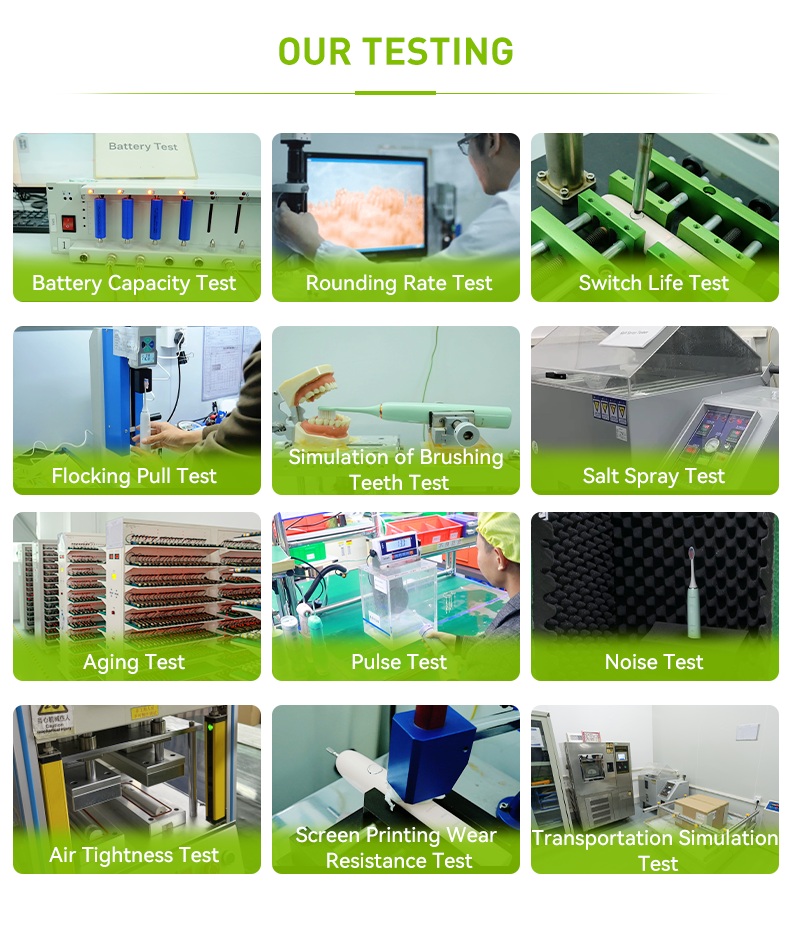
In conclusion, while charging port damage and bristle shedding originate from different parts of an electric toothbrush, their functional interdependence can lead to compounded device failure. Manufacturers aiming for superior quality and brand leadership cannot afford to overlook this connection. By addressing both issues holistically—from materials selection to end-product testing—OEM and ODM suppliers can deliver reliable, long-lasting oral care devices that meet modern consumer expectations. Contact us
.jpg)
.jpg)
.jpg)
Motor Jamming with Overheating Alerts – Linked?
Need Packaging Customization Service for a Complete Private Label Solution?
How Does Custom Handle Design Benefit from Full-scale OEM/ODM Manufacturing Capabilities?
Nozzle Blockage Causing Pressure Loss?
Fort Worth Electric Toothbrush Wholesale
Electric Toothbrush Quality Control Standards for OEM and ODM Manufacturing
How Can Dental Clinic Partnerships Promote Your Professional Whitening Kit?
.jpg)
How Brands Can Achieve Higher Margins with Premium Water Flossers
Weak Vibration Plus Sensor Failure – Double Malfunction?
Competitive Water Flosser Features That Drive Sales
Mucosal Irritation with Chemical Residues – Toxic?
Cavity Risk from Taste Residue?
Electric Toothbrush Motor Supplier for OEM and ODM Manufacturing
Enamel Thinning from Weak Pressure?
Why Combine Quality Certification Support with a Global Logistics Partner for International Markets?
How to Stand Out in Dallas Electric Toothbrush Wholesale Market


.jpg)
.jpg)
.jpg)
.jpg)
.jpg)