
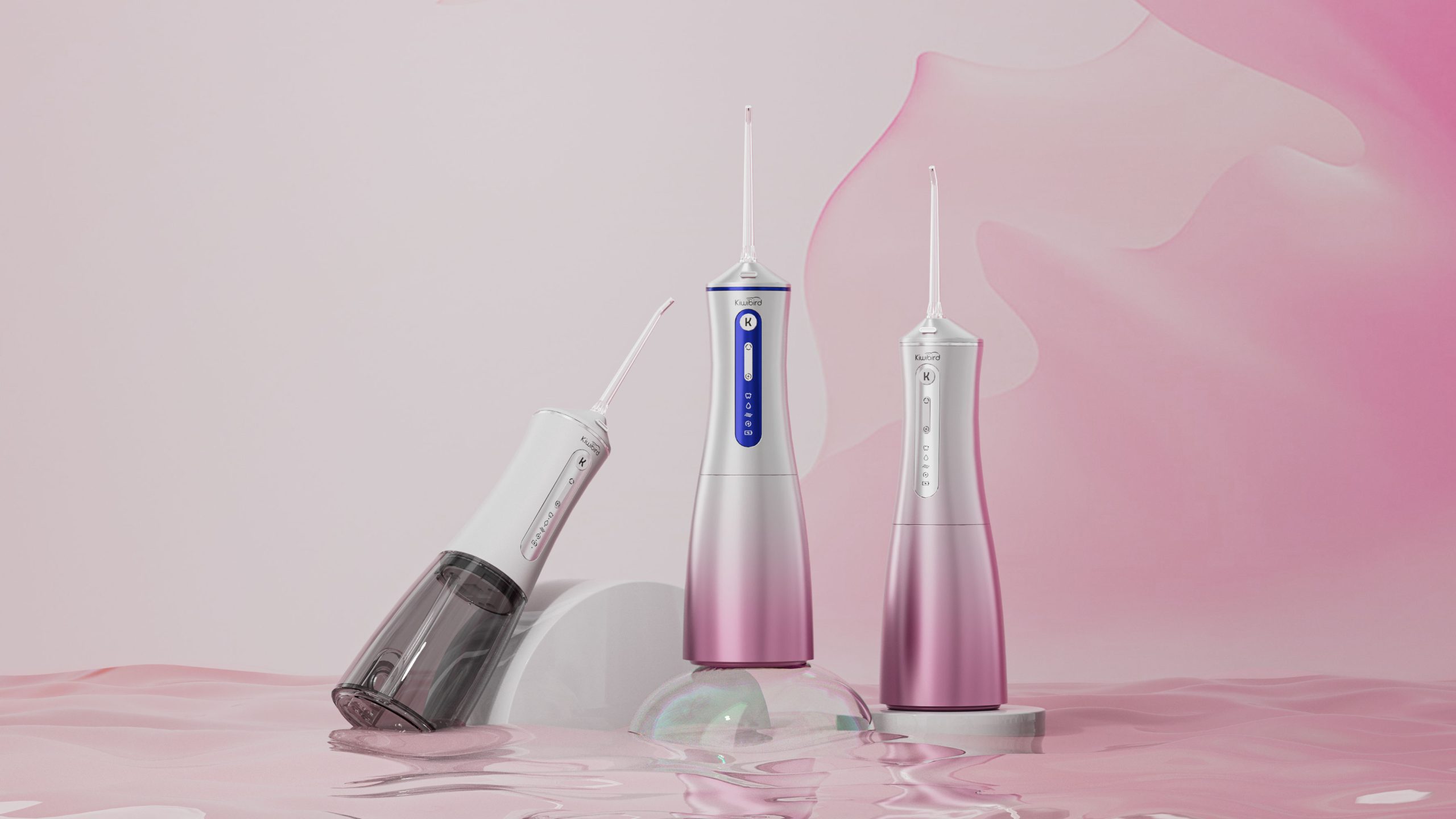
Bad breath, or halitosis, is a common issue that can affect anyone—personally or professionally. For B2B clients in the oral care industry, understanding the root causes and effective treatments is crucial for product development and customer education. Below, we break down the key factors behind bad breath and actionable solutions. 1. Bacteria: The Primary Culprit The mouth is home to millions of bacteria, some of which produce sulfur compounds when breaking down food particles. These compounds are the leading cause of unpleasant odors. Poor oral hygiene allows bacteria to thrive, especially on the tongue and between teeth. Solution: Encourage regular brushing (an electric toothbrush can remove more plaque than manual brushing). Recommend antibacterial mouthwash to reduce bacterial growth. 2. Dry Mouth: A Hidden Factor Saliva helps cleanse the mouth, but conditions like dry mouth (xerostomia) reduce saliva flow, allowing odor-causing bacteria to multiply. Common causes include dehydration, medications, and mouth breathing. Solution: Drink more water throughout the day to stimulate saliva. Suggest sugar-free gum or lozenges to promote moisture. 3. Smoking and Tobacco Use Smoking not only leaves a lingering smell but also dries out the mouth and promotes gum disease—both of which worsen bad breath. Solution: Offer smoking cessation…
.jpg)
In the rapidly evolving personal care and electronic devices market, manufacturers face increasing challenges in ensuring both safety and aesthetic quality. Recently, many have observed that Battery Overheating Risks often coincide with Whitening Tray Warping, leading to product malfunctions and customer dissatisfaction. This article explores the underlying causes, interrelationships, and potential solutions to address these issues comprehensively. Market Demands and Technical Challenges With consumer expectations soaring, product safety and design integrity have become critical. Manufacturers must not only provide high-performance devices but also ensure that their components meet rigorous quality standards. However, the simultaneous occurrence of Battery Overheating Risks and Whitening Tray Warping has emerged as a significant quality concern. These issues can disrupt overall functionality, impair device aesthetics, and ultimately harm brand reputation. Understanding the market demands and technical challenges is the first step towards finding effective solutions. Root Causes of Battery Overheating Risks Battery overheating is a critical safety issue that can lead to reduced performance, potential hazards, and costly recalls. Several factors contribute to Battery Overheating Risks: Material Quality and Manufacturing Tolerances: Inadequate quality control in battery cell materials or assembly processes can cause thermal instability. Inadequate Heat Dissipation: Insufficient cooling designs and poor thermal management within…

In the competitive oral care products market, reducing production lead time is crucial for electric toothbrush brands to stay ahead. Whether you are an OEM or ODM service provider, efficiently managing the electric toothbrush production cycle can significantly impact your ability to meet customer demands, improve cash flow, and strengthen brand competitiveness. This blog will explore strategies to shorten the delivery time, optimize supply chain efficiency, and enhance overall production processes from an electric toothbrush factory's perspective. Key Factors Affecting the Electric Toothbrush Production Cycle Before implementing solutions, it is essential to understand the key factors that influence the electric toothbrush lead time: Raw Material Procurement: Delays in sourcing key components (e.g., motors, batteries, plastic casings) can impact production schedules. Manufacturing Efficiency: Bottlenecks in injection molding, assembly, and quality control can extend production time. Supply Chain Coordination: Poor coordination between suppliers, manufacturers, and logistics partners can lead to inefficiencies. Quality Control Processes: While essential for brand reputation, overly complex quality checks can slow down production. Customization Complexity: ODM & OEM services require flexibility, but excessive customization may extend lead times. Understanding these factors allows manufacturers to implement targeted strategies for shortening the delivery time. Strategies to Shorten the Delivery Time for Electric Toothbrushes 3.1.…
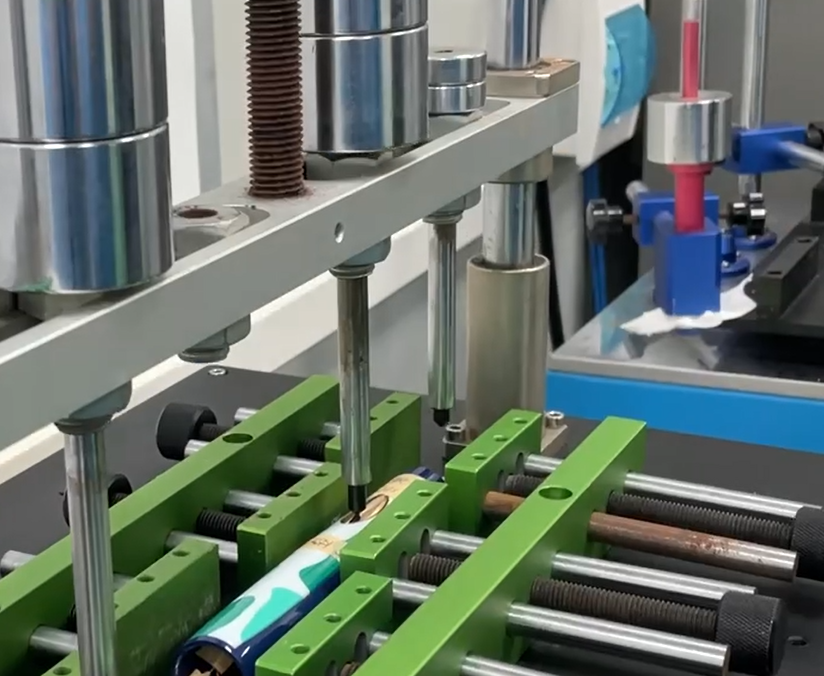
Ensuring high-quality electric toothbrushes is crucial for both manufacturers and consumers. A well-manufactured toothbrush not only enhances the user experience but also plays a vital role in maintaining oral health. For an ISO-certified manufacturer, adhering to strict electric toothbrush quality control processes is essential to meet global safety and performance standards. This blog will explore the manufacturer quality control process and highlight five essential testing standards that every oral care quality control program should follow. Material Safety and Compliance Testing The first step in quality control is ensuring that all materials used in electric toothbrush production are safe, non-toxic, and compliant with international regulations. Key factors include: BPA-Free and FDA-Approved Materials: The plastic components, bristles, and rubber elements must be free from harmful substances. RoHS and REACH Compliance: Ensuring that the product is free from hazardous substances like lead, mercury, and cadmium. ISO 10993 Biocompatibility Testing: This standard ensures that materials in contact with the human body do not cause irritation or allergic reactions. Mechanical Durability and Life Cycle Testing A high-quality electric toothbrush should withstand long-term use without mechanical failure. Manufacturer quality control processes should include: Motor Performance Testing: Verifying that the brush maintains consistent power and vibration levels over its lifespan. Drop…

In recent years, coconut oil has gained popularity as a natural teeth whitening remedy through a practice called oil pulling. But does it really work? Let's examine the science behind coconut oil for oral health and compare it to modern whitening solutions. 1. The Science Behind Coconut Oil's Antibacterial Properties Coconut oil contains lauric acid, which has proven antibacterial properties that can reduce harmful oral bacteria. While this helps maintain overall oral health, the whitening effects are often overstated. The oil's primary benefit lies in its ability to combat bacteria that cause plaque buildup rather than directly whitening teeth. 2. Prevention of Mouth Odour Through Bacterial Reduction One proven benefit of coconut oil pulling is prevention of mouth odour. By reducing bacteria that cause bad breath, coconut oil can leave your mouth feeling fresher. However, this effect is temporary and doesn't replace regular brushing or address deeper discoloration issues. 3. Supporting Gum Health But Limited Whitening Power Regular oil pulling may contribute to prevention of gum disease by reducing inflammation and bacterial load. Healthier gums create a better foundation for white teeth, but coconut oil alone cannot remove deep stains or significantly brighten tooth shade. 4. How Coconut Oil Compares to Teeth Whitening Strips Modern…
One of the most common concerns in electric toothbrush manufacturing is electric toothbrush auto power-on failure—when the device turns on unintentionally due to accidental touches, design flaws, or assembly inconsistencies. For manufacturers, reducing this failure rate is critical to maintaining product reliability, improving customer satisfaction, and reducing warranty claims. This blog explores a 3-fold guarantee that ensures a reliable electric toothbrush from design to assembly, incorporating anti-touch design, rigorous reliability testing, and comprehensive manufacturer's solutions. https://www.powsmart.com/contact-us/ Smart Design: Implementing an Effective Anti-Touch Mechanism An essential step in preventing electric toothbrush auto power-on failure is optimizing the button and sensor design. Manufacturers can integrate: Recessed or shielded power buttons – Reducing accidental activation from storage or handlingTouch-sensitivity calibration – Ensuring the device only responds to intentional user inputMulti-step activation mechanisms – Such as requiring a long press or double-tap to turn on This anti-touch design approach minimizes the risk of accidental activation while maintaining a smooth user experience. Component Selection: Enhancing Switch and Circuit Stability High-quality components ensure long-term reliability. Manufacturers must focus on: Durable switches – Using high-quality mechanical or capacitive buttons with precise activation forceStable PCBA layout – Preventing signal interference that could cause unintended power-on eventsWaterproof and dustproof protection – Shielding circuits from moisture-related malfunctions Careful component…
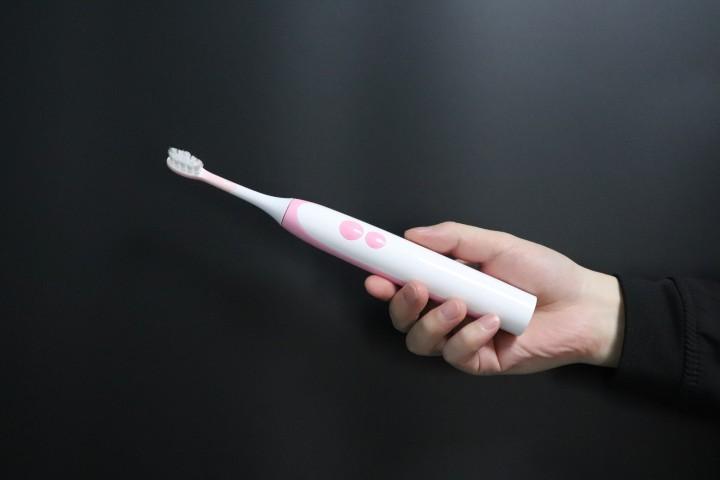
Electric toothbrushes are essential tools for maintaining oral hygiene, but like any electronic device, they can occasionally malfunction. If your electric toothbrush isn’t responding when turned on, several factors could be at play. Below, we explore the common reasons and provide practical solutions to get your electric toothbrush working again. 1. Low Battery – The Most Common Culprit A low battery is the most frequent reason an electric toothbrush fails to turn on. If the device hasn’t been charged in a while, it may simply lack the power to start. Solution: Connect the adapter to charge for at least 2 hours before attempting to use it again. If the toothbrush still doesn’t respond after charging, the battery may be depleted and require replacement. 2. Short Circuit Protection Caused by Static Electricity Some electric toothbrushes have built-in short circuit protection to prevent damage from power surges or static electricity. If the device was exposed to a sudden electrical discharge, it may temporarily shut down. Solution: Disconnect the charger (if plugged in) and wait 10-15 minutes before trying to turn it on again. If the issue persists, reset the toothbrush according to the manufacturer’s instructions. 3. Charging Connection Issues A faulty charging dock or dirty contact points…
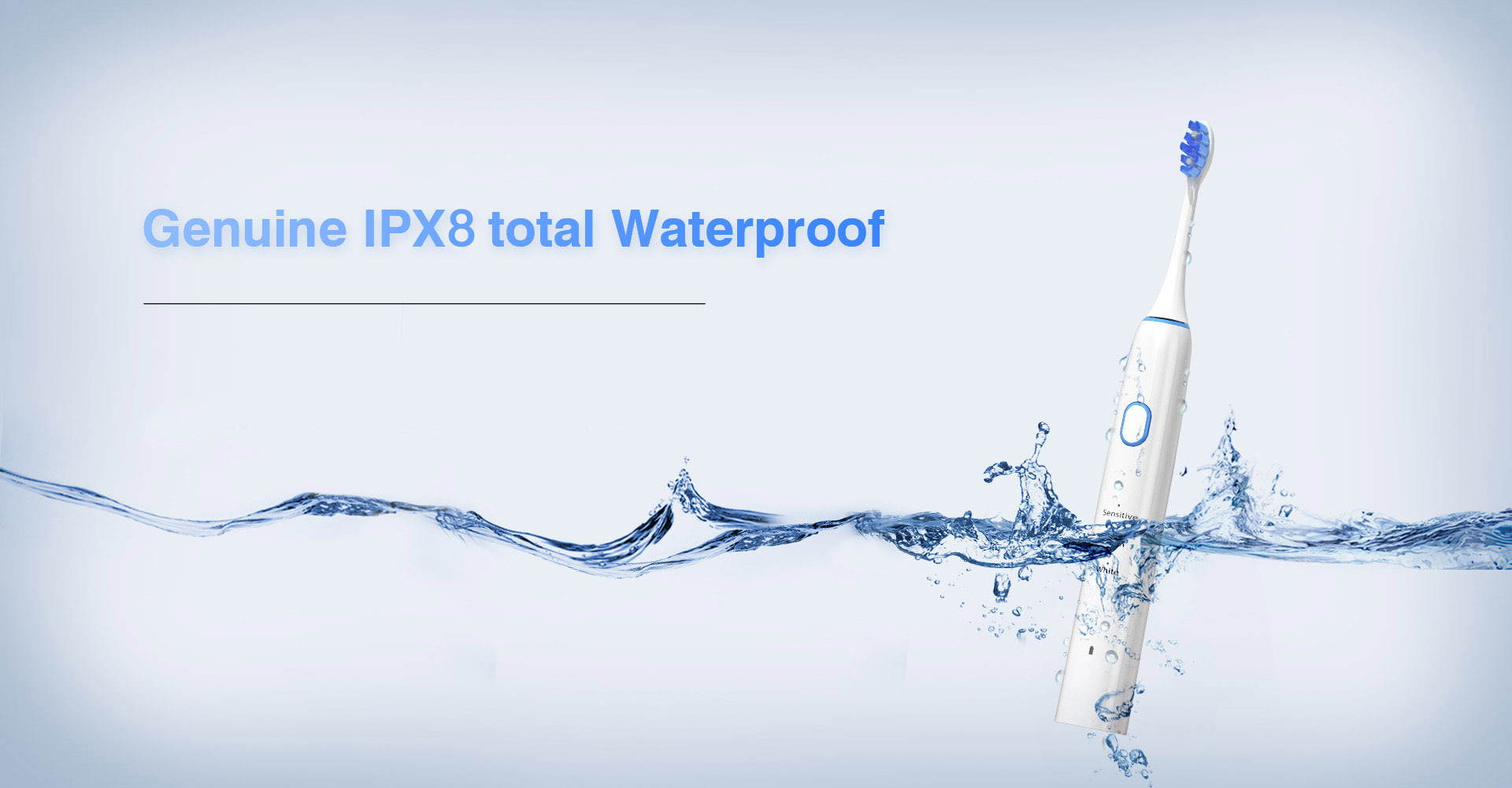
Electric toothbrushes are essential tools for maintaining oral hygiene, but their performance and longevity can be compromised if water enter the handle. Moisture intrusion may lead to malfunctions, reduced battery life, or even permanent damage. To help you avoid prevent water enter the handle, here are some practical tips to keep your electric toothbrush handle dry and functioning optimally. 1. Understand the Fault Manifestation of Water Damage Before diving into prevention methods, it’s important to recognize the signs of water damage in an electric toothbrush. Common fault manifestations include: Reduced vibration or power Intermittent operation Failure to charge Unresponsive buttons Visible condensation inside the handle If you notice any of these issues, moisture may already have entered the handle. Taking preventive measures early can save your device from irreversible damage. 2. Avoid Contact of Hot Water with Electric Toothbrushes Many users rinse their electric toothbrushes under hot water, but this can be harmful. Thermal expansion and contraction caused by hot water may weaken the seals and gaskets designed to keep water out. Over time, repeated exposure to high temperatures can degrade the waterproofing materials, allowing water to penetrate. Instead, use lukewarm or cold water for cleaning. 3. Shake the Handle Dry After Use A…
In today’s fiercely competitive market, deficiencies in product design details and performance stability increasingly impact user experience and brand reputation. In particular, products in high-precision manufacturing or consumer electronics often face significant challenges due to Stream scattering issues and High irritation phenomena, which have become major points of customer complaints. This article explores these problems from six key perspectives and presents solutions to help companies enhance product quality and gain market recognition. Market Environment and User Expectations First, as consumer demands for product functionality and comfort continue to rise, every detail in performance and appearance can become a focal point for users. Nowadays, users expect not only stable device operation but also interference-free usage. However, the phenomena of Stream scattering (inconsistent flow or signal concentration) and High irritation (excessive discomfort caused by materials or design) can seriously undermine the user experience, potentially leading to returns or recalls. Therefore, manufacturers must thoroughly understand market demands and address these issues specifically. Analyzing the Causes of Stream Scattering Secondly, the Stream scattering issue is primarily manifested as uneven dispersion of fluids, airflow, or signals within the device, resulting in energy loss or reduced transmission efficiency. Causes for this phenomenon may include: Structural design…
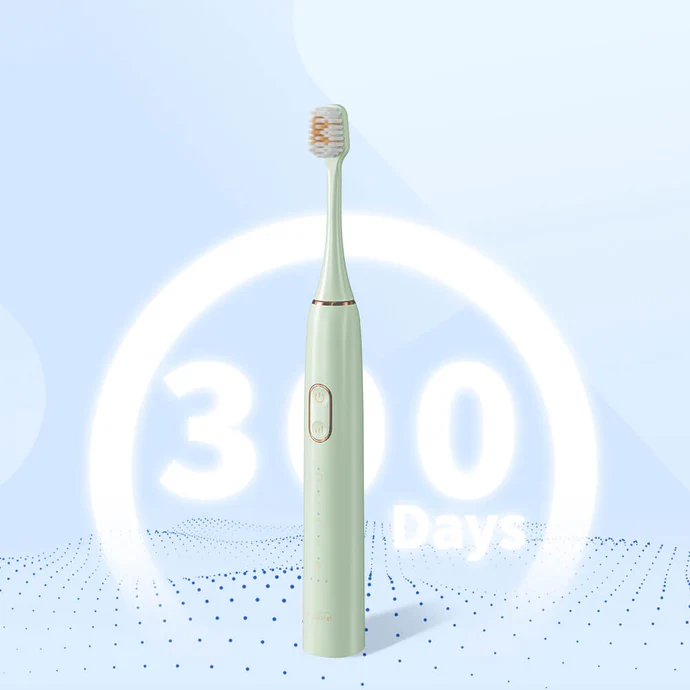
Electric toothbrushes are designed for long-lasting performance, but users occasionally report issues with low battery life or charging problems. If you are experiencing these concerns, here’s a guide to help you troubleshoot and resolve the issue efficiently. 1. Possible Causes of Low Battery Performance Before attempting fixes, it’s important to identify the possible causes behind the battery issue. Common reasons include: The battery itself may be aging or degraded after prolonged use. Battery not charging due to poor contact or charging interruptions. The charging cable or charging dock is damaged and cannot be charged properly. The bottom of the machine is dirty, preventing proper charging contact. Software or firmware glitches affecting power management. Understanding these factors helps in applying the right solution. 2. Try to Eliminate the Method: Basic Troubleshooting If users report a sudden drop in battery life, encourage them to try to eliminate the method with these steps: Restart the toothbrush: Turn it off and on again (if applicable) to reset any temporary issues. Check the charging connection: Ensure the toothbrush is properly seated on the dock. Inspect for visible damage: Look for frayed cables or cracks in the charging base. Clean the charging contacts: Wipe the bottom of the toothbrush and the dock with a dry cloth.…
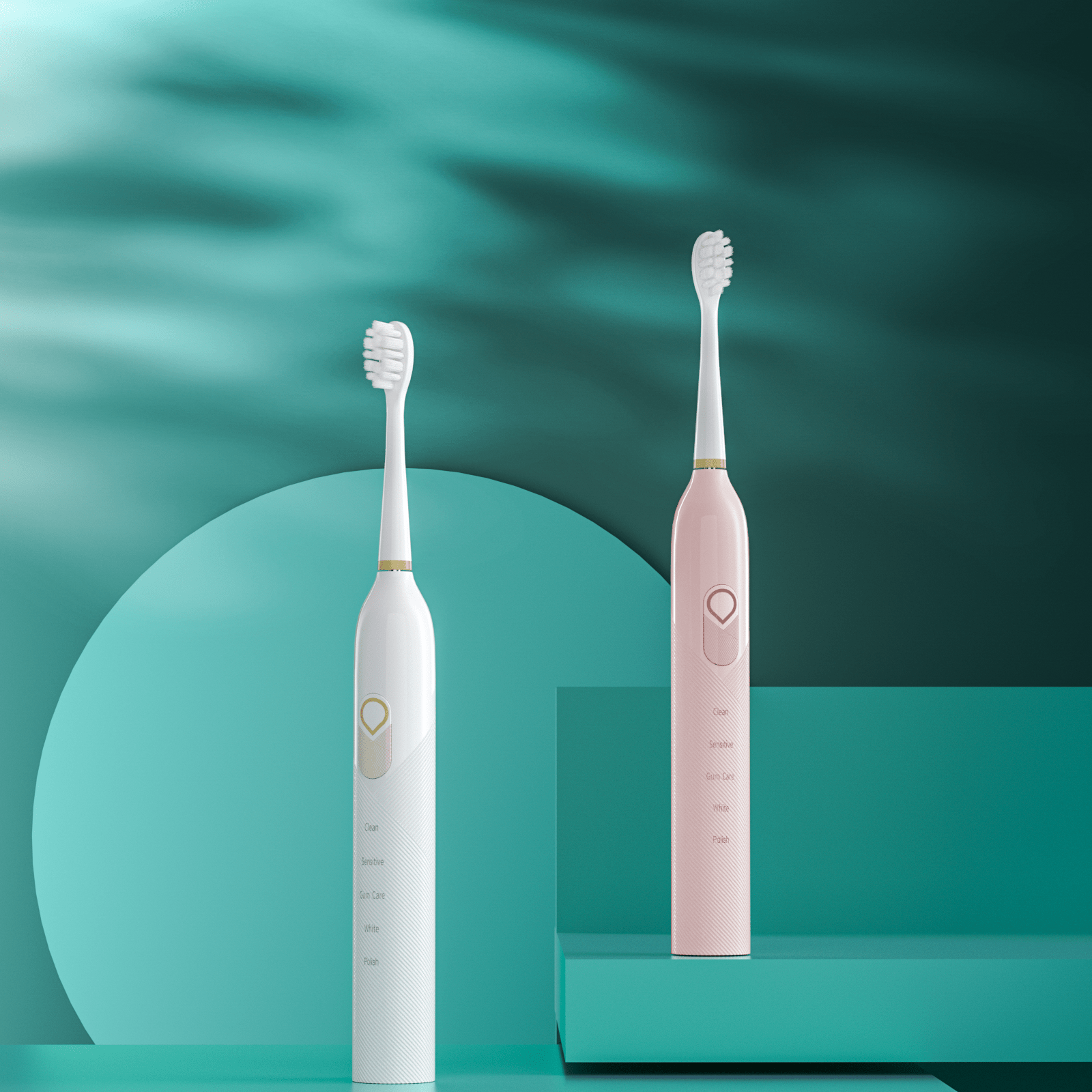
Maintaining optimal oral hygiene requires more than just brushing—it demands the right tools. Sonic electric toothbrushes have revolutionized dental care, offering superior cleaning power and advanced features that manual brushes simply can’t match. In this blog, we’ll explore how these innovative devices contribute to long-term dental care and why they should be a staple in every oral hygiene routine. 1. Deep Cleaning for a Healthier Mouth Unlike manual brushing, which relies on inconsistent motion, sonic electric toothbrushes use high-frequency vibrations (up to 31,000 strokes per minute) to dislodge plaque and debris effectively. This deep cleaning action reaches between teeth and along the gumline, areas often missed by traditional brushing. The result? A cleaner mouth and reduced risk of cavities and gum disease. 2. Enhanced Gum Health with Gentle Yet Effective Cleaning One of the biggest advantages of sonic toothbrushes is their ability to improve gum health. The oscillating bristles stimulate blood flow in the gums while gently removing plaque buildup—a leading cause of gingivitis. Many models include pressure sensors to prevent over-brushing, ensuring a safe and effective clean every time. 3. Customizable Brushing Experience for Personalized Care Not all mouths are the same, and neither should brushing routines be. Modern sonic electric toothbrushes offer a customizable brushing experience with multiple modes (such as…
In the competitive world of consumer electronics, the reliability of every component is crucial. When it comes to electric toothbrushes, even minor issues can lead to significant operational challenges and customer dissatisfaction. In this blog, we explore six key areas to understand and address common problems—specifically Charging failure and Head loosening—that may be undermining your product quality and overall brand reputation. Overview of Common Electric Toothbrush Issues Electric toothbrushes combine advanced technology with everyday functionality. Despite their popularity, manufacturers often encounter two recurring problems: Charging failure and Head loosening. These issues can arise during production, from design shortcomings, or through prolonged use. Understanding these challenges is the first step in formulating an effective strategy to enhance product reliability and customer satisfaction. Delving into Charging Failure: Causes and Impact Charging failure in electric toothbrushes can result from various factors. For instance, suboptimal battery management systems, poor quality charging circuits, or even environmental factors like moisture can contribute to inconsistent power delivery. This problem not only disrupts the user experience by causing unexpected downtimes but also increases service costs and potentially harms the brand’s image. Manufacturers must investigate the root causes—from electrical component selection to circuit board design—to ensure a robust and…
Dental plaque is a common oral health issue that, if not properly managed, can lead to serious conditions such as dental caries, periodontitis, and dental calculus. As a leading B2B manufacturer of dental care products, we understand the importance of effective plaque removal. In this blog, we’ll compare the cleaning power of electric toothbrushes with manual toothbrushes, highlighting how electric toothbrushes can help combat plaque and prevent these oral health problems. 1. The Science Behind Plaque Formation Dental plaque is a sticky biofilm of bacteria that forms on teeth and gums. If not removed regularly, it can harden into dental calculus (tartar), which is much more difficult to eliminate. Plaque is the primary cause of dental caries (tooth decay) and periodontitis (gum disease), cleaning dental plaque a critical part of any oral care routine. Both electric and manual toothbrushes aim to remove plaque, but their effectiveness varies significantly. 2. Electric Toothbrushes: Superior Plaque Removal Electric toothbrushes are designed to provide a deeper and more thorough clean compared to manual toothbrushes. Their advanced motor technology generates thousands of brush strokes per minute, effectively dislodging plaque from the tooth surface and along the gumline. Studies have shown that electric toothbrushes can remove up to 100% more plaque than manual brushes, significantly…
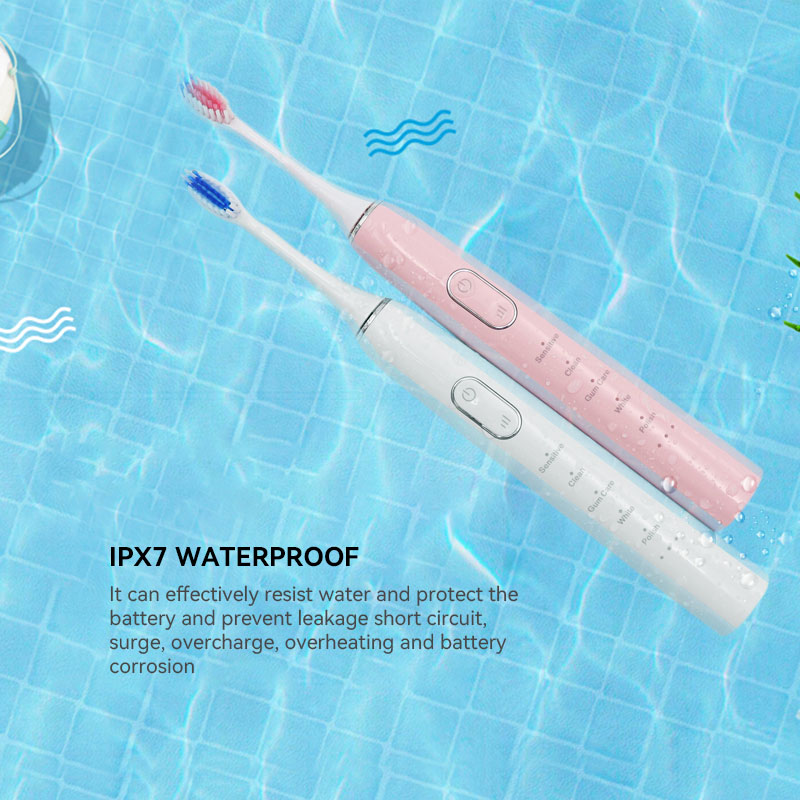
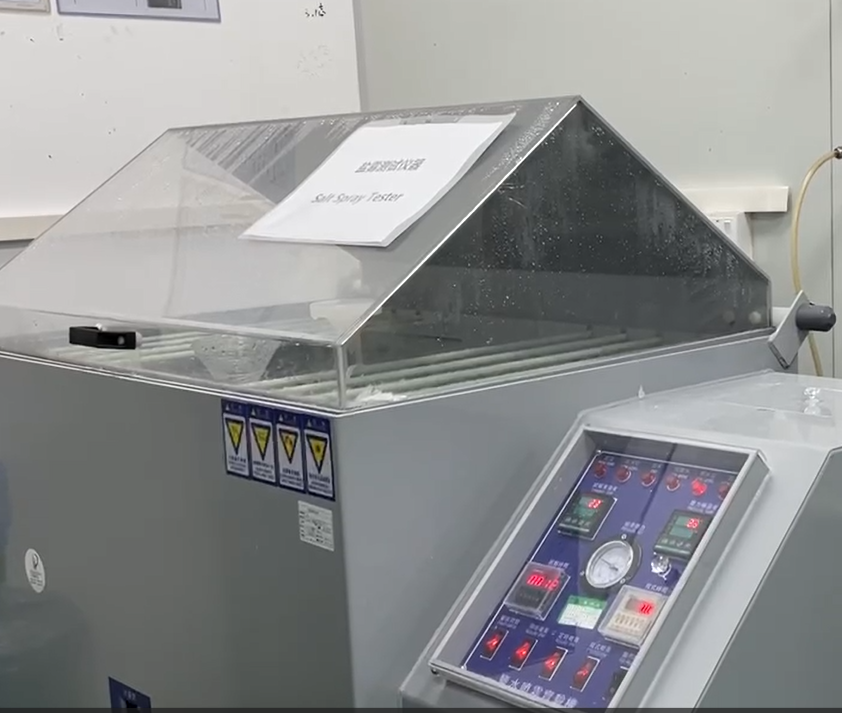
With the increasing popularity of electric toothbrushes, ensuring their durability and longevity has become a key concern for both manufacturers and consumers. One of the most common issues affecting product performance is the water ingress problem in electric toothbrush charging ports. When water seeps into the charging port, it can cause short circuits, corrosion, and device failure. From a manufacturing perspective, preventing water damage requires careful engineering, material selection, and production techniques. In this article, we will analyze the causes of water ingress, explore effective prevention tips for water ingress problems, and discuss advanced solutions to enhance the reliability of charging ports. Understanding the Water Ingress Problem in Charging Ports The charging port of an electric toothbrush is exposed to a high-moisture environment due to regular use in bathrooms. Water ingress can occur due to: Condensation: Steam from hot water can accumulate inside the device. Direct exposure: Splashes from rinsing or accidental submersion in water. Capillary effect: Water creeping into small gaps in the charging port design. If not addressed properly, water ingress can lead to:Electrical failure – Short circuits and malfunctions.Corrosion – Internal components degrade over time.Reduced lifespan – Frequent replacements and increased warranty claims. Common Weaknesses in Charging Port Designs Manufacturers need to be…
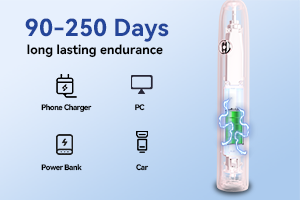
When selecting an electric toothbrush, one often overlooked yet crucial factor is the charging method. Different charging options for electric toothbrushes impact convenience, durability, and overall user experience. The most common types include wireless charging, magnetic charging, and USB charging. Each of these methods has its advantages and potential drawbacks. This blog will provide an in-depth comparison of charging options for electric toothbrushes, helping manufacturers and consumers choose the most suitable option. Different Charging Options for Electric Toothbrushes Wireless Charging Wireless charging uses inductive technology to transfer power from a charging base to the toothbrush without the need for physical connectors. Pros: Convenience: Simply place the toothbrush on the charging dock without plugging in cables. Waterproof Design: Since no ports are needed, it enhances water resistance, reducing the risk of damage. Aesthetic Appeal: A clean, minimalistic look without exposed charging points. Cons: Slower Charging Speed: Compared to wired options, wireless charging may take longer. Requires a Dedicated Charger: Users cannot use a universal charger, limiting portability. Magnetic Charging Magnetic charging involves using a magnetically attached charging cable to transfer power efficiently. It is often used in high-end electric toothbrush models. Pros: Secure and Stable Connection: The magnetic attachment ensures that the charging cable stays in place without easily…
Electric toothbrushes have become increasingly popular in recent years, offering a high-tech alternative to traditional manual brushes. As a leading B2B manufacturer of dental care products, we understand the importance of helping our clients and their customers make informed decisions. In this blog, we’ll explore the advantages and disadvantages of electric toothbrushes, focusing on their cleaning ability, comfortable feeling, ability to reduce damage, and whitening benefits. 1. Superior Cleaning Ability One of the most significant advantages of electric toothbrushes is their cleaning ability. Powered by advanced motor technology, electric toothbrushes generate thousands of brush strokes per minute, ensuring a thorough clean that manual brushes simply cannot match. Studies have shown that electric toothbrushes can remove up to 100% more plaque than manual brushes, making them highly effective at preventing cavities and gum disease. This superior cleaning performance is a major reason why many people switch to electric toothbrushes. 2. Comfortable Feeling During Use Electric toothbrushes are designed to provide a comfortable feeling during use. Their ergonomic handles and automated brushing motions reduce the effort required to clean your teeth, making them ideal for people with limited mobility, such as seniors or those with arthritis. Additionally, many models come with pressure sensors that alert users if they’re brushing too hard, ensuring…
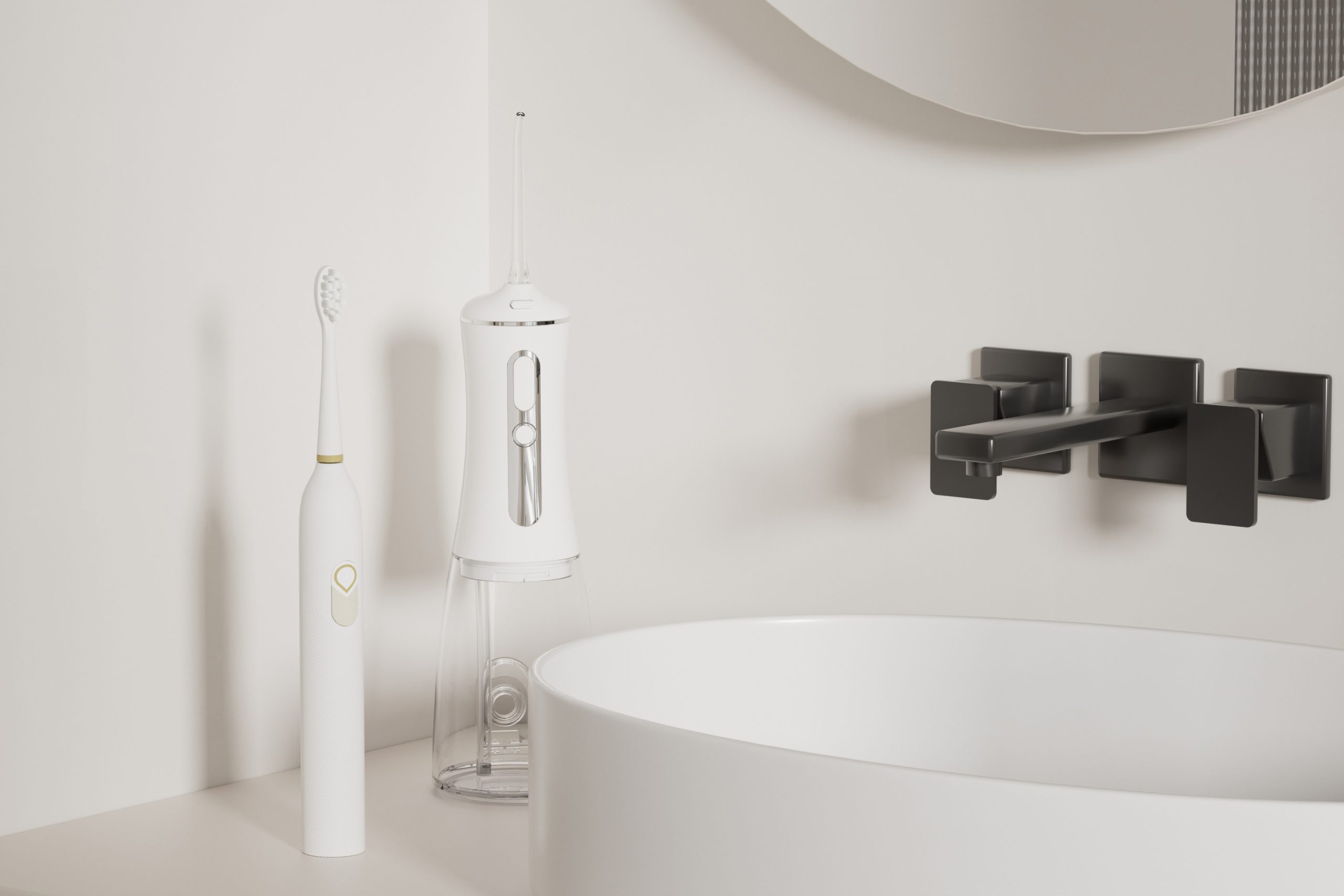
Oral health is no longer just about brushing your teeth. A combination of electric toothbrush and water flosser offers a powerful solution for achieving a comprehensive cleaning effect. The electric toothbrush removes plaque on the tooth surface;The oral irrigator targets the interdental spaces. By integrating both tools into a daily oral care plan, consumers can achieve optimal oral hygiene. This blog will explore how product combination recommendations to offer an all-in-one solution for comprehensive oral care. The Role of Electric Toothbrush in Oral Care The electric toothbrush is the cornerstone of modern oral hygiene. It is designed to remove plaque, reduce gingivitis, and ensure a thorough clean with minimal effort. The main benefits include: Efficient plaque removal: With high-frequency brushing motions, it can reach areas that manual brushing might miss. Improved gum health: Regular use has been shown to reduce gum inflammation and bleeding. Time-saving: Built-in timers ensure users brush for the recommended 2 minutes, improving brushing consistency. However, the electric toothbrush mainly cleans the tooth surfaces, leaving areas like interdental spaces and the gum line less accessible. The Complementary Role of the Oral Irrigator While the electric toothbrush focuses on tooth surfaces. The oral irrigator is designed to clean the areas below…
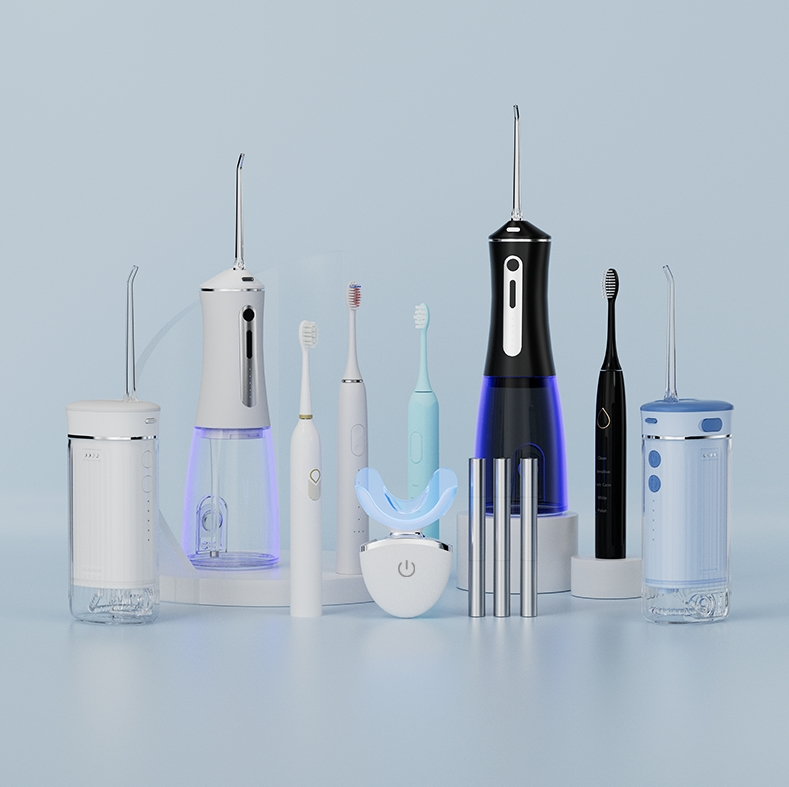
Oral care has come a long way from traditional brushing to incorporating advanced technology into daily routines. The oral care innovative directions indicate that innovation will play a major role in shaping the future of oral hygiene. Electric toothbrushes and oral irrigators are at the forefront of this transformation. Powsmart is an experienced oral care products manufacturer offering OEM/ODM service over 20 years. https://www.powsmart.com/ Rising Demand for Smart Features and Connectivity The integration of smart technology into oral care products is one of the key future trends of oral care products. Some of the product innovation directions in this area include: Bluetooth Connectivity: Electric toothbrushes and water flossers are increasingly being designed to sync with smartphone apps. This feature allows users to track their brushing habits, receive personalized recommendations, and ensure optimal brushing performance. AI Integration: Artificial intelligence will be embedded in these devices to offer real-time feedback on brushing techniques, pressure applied, and coverage. This will help consumers achieve better cleaning results and improve their overall oral health. Smart Sensors: Many devices will be equipped with sensors that monitor and adjust brushing speed, pressure, and mode based on the user's needs. These sensors will help users develop better brushing…
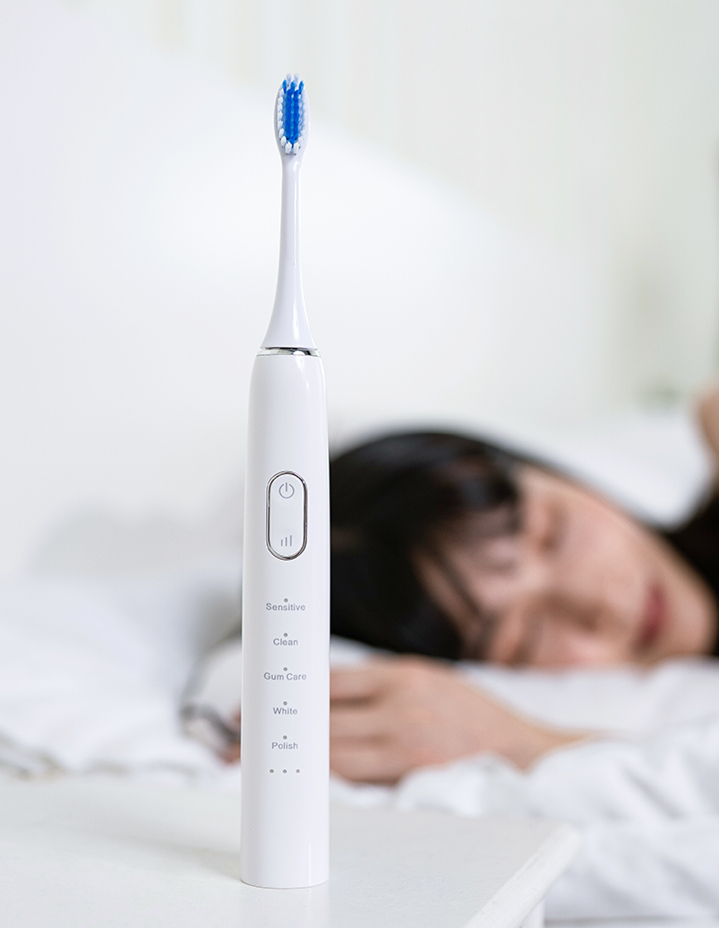
As consumers seek a more comfortable and pleasant brushing experience, reducing the noise of electric toothbrushes has become a key focus for manufacturers. Electric toothbrush Noise reduction technology plays a vital role in enhancing user comfort without compromising cleaning efficiency. This article provides a detailed explanation of noise reduction technology, explores various noise control methods, and discusses how to achieve silent cleaning while maintaining performance. Understanding Noise in Electric Toothbrushes The noise produced by an electric toothbrush primarily comes from: Motor vibrations: High-speed oscillations generate mechanical noise. Gear transmission: Friction between moving parts creates additional sound. Casing resonance: The housing material and design can amplify noise. Airborne noise: Sound waves escaping from the toothbrush contribute to overall noise levels. To achieve silent cleaning, manufacturers must address these sources of noise effectively. Noise Control Methods in Electric Toothbrushes Different noise control methods are implemented to minimize the sound generated during operation. These include: Brushless motors: Reducing friction and vibration compared to traditional brushed motors. Advanced damping materials: Using sound-absorbing materials in the casing to reduce resonance. Precision engineering: Enhancing gear alignment and reducing unnecessary movement to lower noise. Optimized airflow design: Preventing sound waves from escaping by refining the toothbrush structure. Each of…
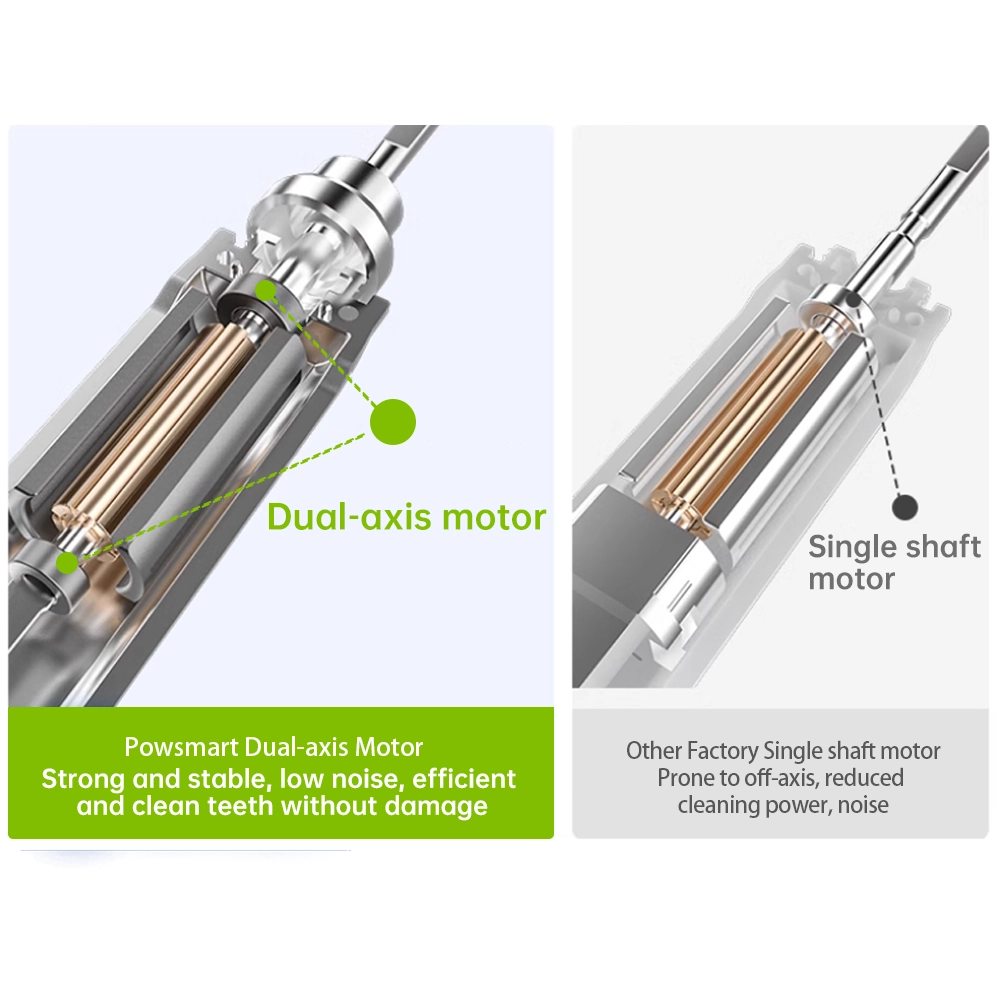
Motor frequency is a key factor influencing the cleanliness of electric toothbrushes. Choosing the right frequency directly impacts cleaning efficiency, user comfort, and overall brushing effectiveness. As an electric toothbrush manufacturer with our own sonic motor production line, Powsmart is going to introduce the importance of motor frequency selection, conduct a comparison of cleaning effects, and examine the relationship between frequency and noise to help optimize the electric toothbrush designs. https://www.powsmart.com/about-powsmart/ Understanding Motor Frequency in Electric Toothbrushes Motor frequency refers to the number of vibrations or rotations per minute (RPM) that an electric toothbrush motor generates. It determines how effectively plaque and debris are removed from teeth and gums. Generally, electric toothbrush motors fall into two categories: Sonic toothbrushes: 24,000 to 48,000 vibrations per minute Rotary toothbrushes: 2,500 to 7,500 oscillations per minute Choosing the optimal motor frequency is crucial for ensuring a balance between deep cleaning and user comfort. Motor Frequency Selection: Key Factors to Consider Selecting the right motor frequency involves considering multiple factors, including: Cleaning performance: Higher frequencies generally enhance plaque removal but may not be suitable for all users. Gum sensitivity: Users with sensitive gums may prefer lower frequencies to reduce irritation. Battery efficiency: Higher frequencies tend…


.jpg)
.jpg)
.jpg)
.jpg)
.jpg)





.jpg)
.jpg)
.jpg)