.jpg)
Aggressive brushing techniques combined with improper Bristle Hardness can contribute to Gum Recession, even when users think they’re improving oral hygiene. In fact, a toothbrush that’s too stiff or poorly designed may abrade the delicate gum margin over time. Consequently, manufacturers must understand the interplay between brush design, materials, and brushing behavior to safeguard patients’ periodontal health. The Growing Demand for Gentle Yet Effective Cleaning First and foremost, today’s dental professionals and end users expect electric toothbrushes to deliver superior plaque removal without harming soft tissues. As gum health gains prominence in preventative care, the market demands brush heads that balance cleaning power with gentleness. Therefore, selecting the correct Bristle Hardness and head pattern is critical to prevent inadvertent abrasion while still achieving clinically proven results. Anatomy of the Gingival Margin and Damage Mechanisms Moreover, the gingival margin—the tiny band of tissue at the tooth‑gum interface—is particularly susceptible to mechanical trauma. Repeated scratching or compression can disrupt the epithelial attachment, leading to Gum Recession. In addition, exposed dentin increases sensitivity and caries risk. Understanding this anatomy helps designers engineer toothbrushes that minimize lateral forces against the sulcus. How Bristle Hardness Influences Gingival Abrasion Furthermore, studies show that medium‑ or hard‑bristled…
In children’s oral care, an excessive noise level can startle little ones, undermine brushing habits, and even pose risks to child safety by affecting delicate hearing. Therefore, as B2B manufacturers, we must understand noise sources, comply with pediatric hearing guidelines, and optimize designs to deliver brushes that are both quiet and safe. Why Noise Control Is Crucial for Kids High noise levels can lead to: Fear and Resistance: Harsh buzzing discourages children from brushing, disrupting healthy routines. Hearing Disturbance: Prolonged exposure to elevated decibels in close proximity may affect a child’s auditory development. Shortened Brushing Time: Kids rush through brushing to escape the noise, compromising cleaning effectiveness. Balancing quiet operation with effective cleaning is key to both user comfort and child safety. Pinpointing Noise Sources: Motor to Housing Major contributors to a noisy kids’ toothbrush include: Drive Motor: Rotor resonance and gear meshing generate mechanical noise. Gears & Bearings: Inexpensive plastic gears or unlubricated bearings amplify squeaks and grinding sounds. Brush Head Vibration: Bristle contact with teeth produces additional sound. Housing Resonance: A thin plastic or metal shell can amplify internal vibrations if not properly damped. Effective noise reduction must address each of these areas.Company web:https://www.powsmart.com/product/electric-toothbrush/ Measuring & Evaluating Decibel…
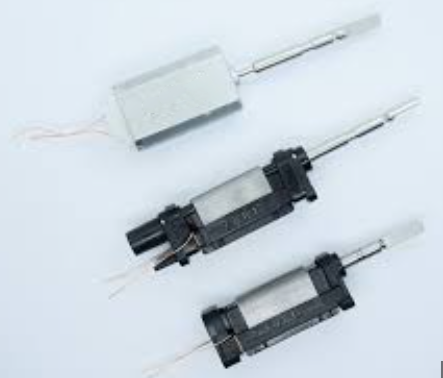
When it comes to the performance of sonic toothbrushes, the motor is arguably the most critical component. The motor determines the brushing efficiency, the feel of the brushing experience, and even the durability of the toothbrush. Among the most common motor technologies used today are Magnetic Levitation Motors and Traditional Motors. This article delves into the key differences between Magnetic Levitation Motors and Traditional Motors, and how they impact the overall performance of electric toothbrushes. https://www.powsmart.com/ Magnetic Levitation Motors: The Future of Sonic Toothbrushes Magnetic Levitation Motors have emerged as a cutting-edge technology in the sonic toothbrush industry, offering several advantages over traditional motor designs: Higher Efficiency: The absence of physical contact between moving parts reduces friction, leading to lower energy consumption and longer battery life. Quieter Operation: Magnetic levitation reduces vibrations, making the motor run more quietly, which is a key feature for consumers who prefer a quieter brushing experience. Increased Durability: With fewer moving parts, magnetic levitation motors are less prone to wear and tear, extending the lifespan of the toothbrush. Smoother Brushing Motion: The levitation effect enables a more consistent and powerful brushing motion, delivering superior plaque removal. As electric toothbrush private label services increasingly focus on innovation and premium performance, integrating…
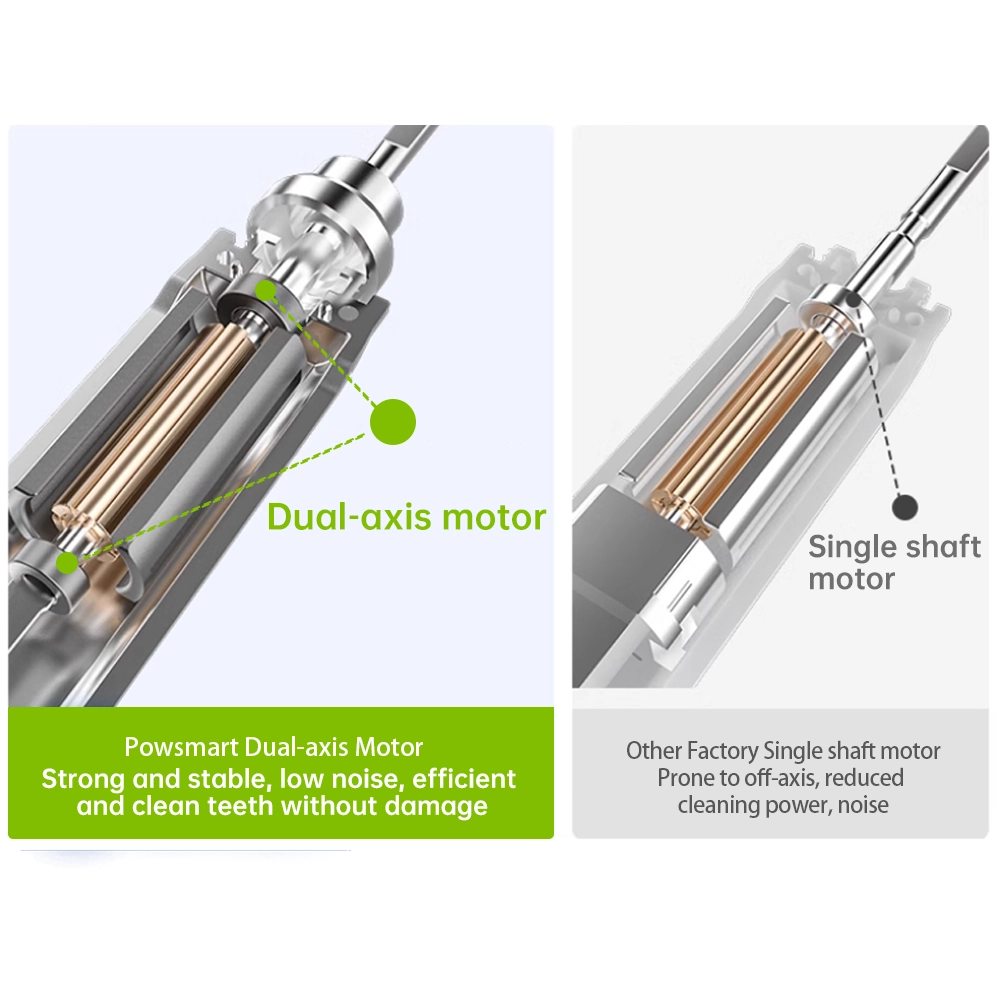
In the world of oral care, sonic toothbrushes have become a game-changer. With their ability to produce between 31,000 and 40,000 vibrations per minute, they promise deeper and more effective cleaning than traditional manual brushing. But what makes these sonic toothbrush motors so powerful? In this blog, we’ll explore the science behind sonic toothbrush vibrations and how they work to improve oral hygiene. The Role of Sonic Toothbrush Motors in Cleaning Effectiveness At the core of any sonic toothbrush is its motor, which drives the high-frequency vibrations essential for deep cleaning. Here’s how the motor functions: Motor Design: The motor inside a sonic toothbrush uses either a magnetic or linear actuator to create rapid back-and-forth motion. Vibration Frequency: Depending on the design, sonic toothbrush motors can produce anywhere from 31,000 to 40,000 vibrations per minute, significantly enhancing cleaning efficiency. Brush Head Movement: This rapid vibration translates into a high-frequency brushing motion that helps disrupt plaque and bacteria on the teeth and gums. The high vibration frequency ensures that the sonic toothbrush vibrations can reach areas traditional brushes can’t, such as between teeth and along the gumline. The Science Behind the High-Frequency Vibrations The effectiveness of sonic toothbrushes lies in the…
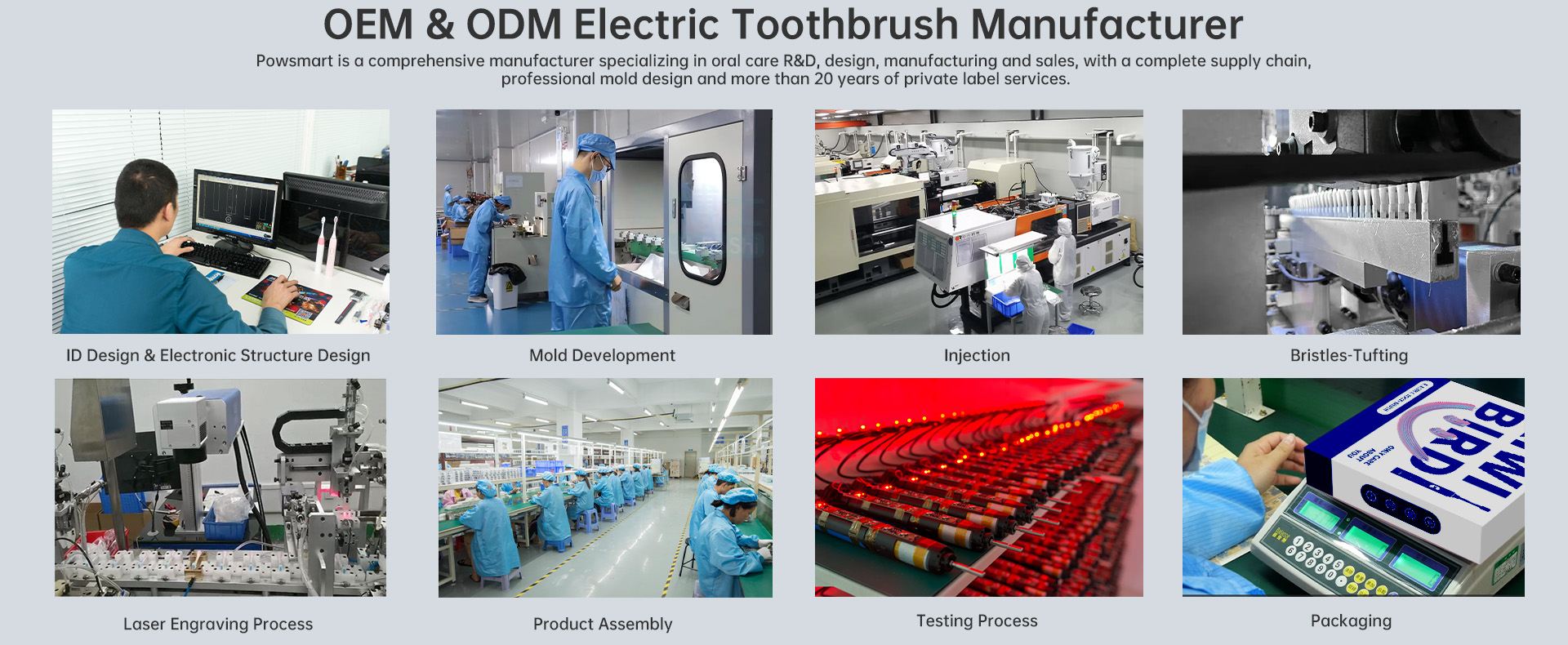
When it comes to choosing an electric toothbrush, consumers prioritize features like cleaning efficiency, comfort, and design. However, one crucial element that often goes overlooked is motor lifespan. The motor lifespan directly influences the overall electric toothbrush durability, making it a vital factor in determining the long-term value of a product. In this blog, we explore why motor lifespan matters so much in premium electric toothbrushes and how manufacturers can ensure superior durability, giving consumers products they can trust for the long haul. The Role of the Motor in Electric Toothbrush Performance The motor in an electric toothbrush is the heart of the device. It drives the oscillation or rotation of the brush head, enabling the brushing action that provides a more effective clean than manual brushing. The durability of this motor is essential for: Continuous performance: A long-lasting motor ensures that the toothbrush can deliver consistent power without degradation. Efficiency: A well-built motor operates at optimal performance throughout its lifespan, maintaining strong brushing power with fewer breakdowns. Ensuring the motor lifespan is extended means that users can rely on their electric toothbrush for years, improving both the user experience and overall satisfaction. Impact of Motor Lifespan on Overall Durability…
In today’s fast-paced electronics market, issues such as Battery Corrosion and Charger Incompatibility are increasingly becoming a critical concern for manufacturers and end users alike. These problems not only compromise device performance but also affect reliability and safety, prompting manufacturers to reexamine their materials and design strategies. In this blog, we explore the causes behind battery corrosion and charger incompatibility, analyze their impact on product lifecycle, and propose actionable strategies to mitigate these challenges. Market Demands and the Challenges of Reliability As consumers demand longer battery life and seamless charging experiences, ensuring reliable performance has never been more important. Modern devices rely on robust battery technology, yet issues like Battery Corrosion can severely impair energy storage capabilities. Simultaneously, Charger Incompatibility—where chargers fail to match the technical specifications of the battery or device—can lead to inefficient charging and potential safety hazards. Together, these challenges threaten not only product efficiency but also brand reputation, urging manufacturers to seek innovative and resilient solutions. Understanding Battery Corrosion: Causes and Consequences Battery Corrosion typically occurs when chemical reactions degrade the battery's internal or external components. Common causes include: Environmental Exposure: Humidity, temperature fluctuations, and exposure to corrosive substances can accelerate corrosion. Electrolyte Leakage: Internal failures,…
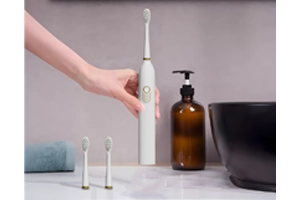
In today’s fast-paced world, maintaining optimal oral health shouldn’t be complicated. That’s where electric toothbrushes come in—offering a whole new level of ease and efficiency compared to manual brushing. If you’re still using a traditional toothbrush, here’s why making the switch could be one of the best decisions for your smile. 1. Superior Cleaning for Healthier Teeth Electric toothbrushes provide superior cleaning by using advanced oscillating or sonic technology to remove plaque more effectively than manual brushing. Studies show they can remove plaque and tartar up to 100% better, reducing the risk of cavities and gum disease. The high-speed bristle movements reach areas that manual brushes often miss, ensuring a deeper clean with every use. 2. Built-In Timers for Perfect Brushing Habits One of the biggest challenges with manual brushing is ensuring you brush long enough. Most electric toothbrushes come with built-in timers that alert you when you’ve brushed for the recommended two minutes. Some even include quadrant timers to ensure equal cleaning time for each section of your mouth, promoting better oral hygiene habits effortlessly. 3. Gentle on Gums, Tough on Plaque If you’ve ever experienced gum irritation from brushing too hard, an electric toothbrush can help. Many models feature pressure sensors that alert you when you’re applying…
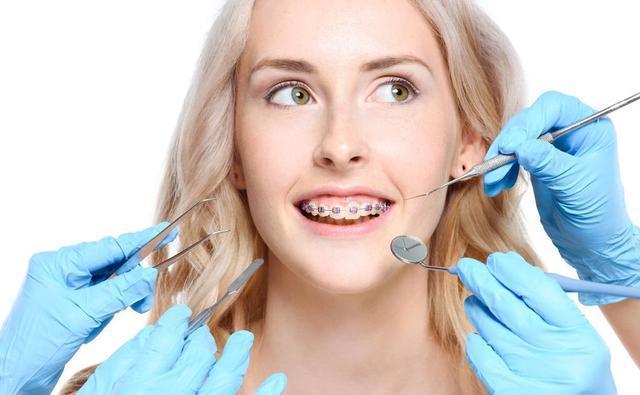
Maintaining excellent oral hygiene is always important, but it becomes absolutely essential when you have braces. Brackets and wires create extra nooks where food particles and plaque can hide, increasing the risk of cavities and gum disease. Here's your comprehensive guide to keeping your teeth sparkling clean throughout your orthodontic treatment. 1. Upgrade Your Cleaning Tools Traditional brushing methods often fall short when dealing with braces. Two game-changing tools can elevate your cleaning routine: Electric toothbrush: The oscillating head provides superior plaque removal around brackets and wires compared to manual brushing. Look for models with orthodontic brush heads specifically designed for braces. Water flosser: This powerful tool uses targeted streams of water to blast away food particles trapped in hard-to-reach areas that regular floss can't access. 2. Master the Braces Brushing Technique With braces, you'll need to modify your brushing approach: Angle your brush at 45 degrees to clean above and below each bracket Use gentle circular motions on each tooth surface Spend extra time on the gum line where plaque accumulates Brush for a full two minutes, twice daily Pro tip: Consider using an electric toothbrush with a built-in timer to ensure you're brushing long enough. 3. Floss Like a Pro…
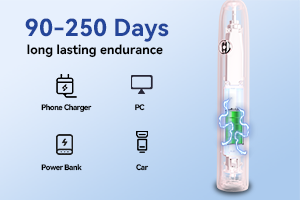
The electric toothbrush market is growing rapidly, with innovations not only in brushing technology but also in charging methods. As manufacturers, understanding the different electric toothbrush charging methods is crucial, particularly the debate between wireless charging vs contact charging. This blog explores the advantages and challenges of both methods, providing insights into which option is best for your OEM electric toothbrush products and how to choose the right charging system for your customer base. Understanding Wireless Charging for Electric Toothbrushes Wireless charging, also known as inductive charging, has become a popular choice in consumer electronics, including electric toothbrushes. This method works by transferring power through an electromagnetic field between the toothbrush and its charging base. Advantages of Wireless Charging Convenience: No need to plug in the toothbrush directly, reducing wear and tear on connectors. Waterproof and Durable: Since there are no exposed charging pins, wireless charging systems are more resistant to water damage, a critical factor for electric toothbrushes. Sleek Design: Wireless chargers allow for cleaner, more minimalist designs, appealing to modern consumers who value aesthetics. Disadvantages of Wireless Charging Longer Charging Times: Compared to contact charging, wireless charging may take longer to fully charge the toothbrush. Higher Cost: The technology behind wireless…
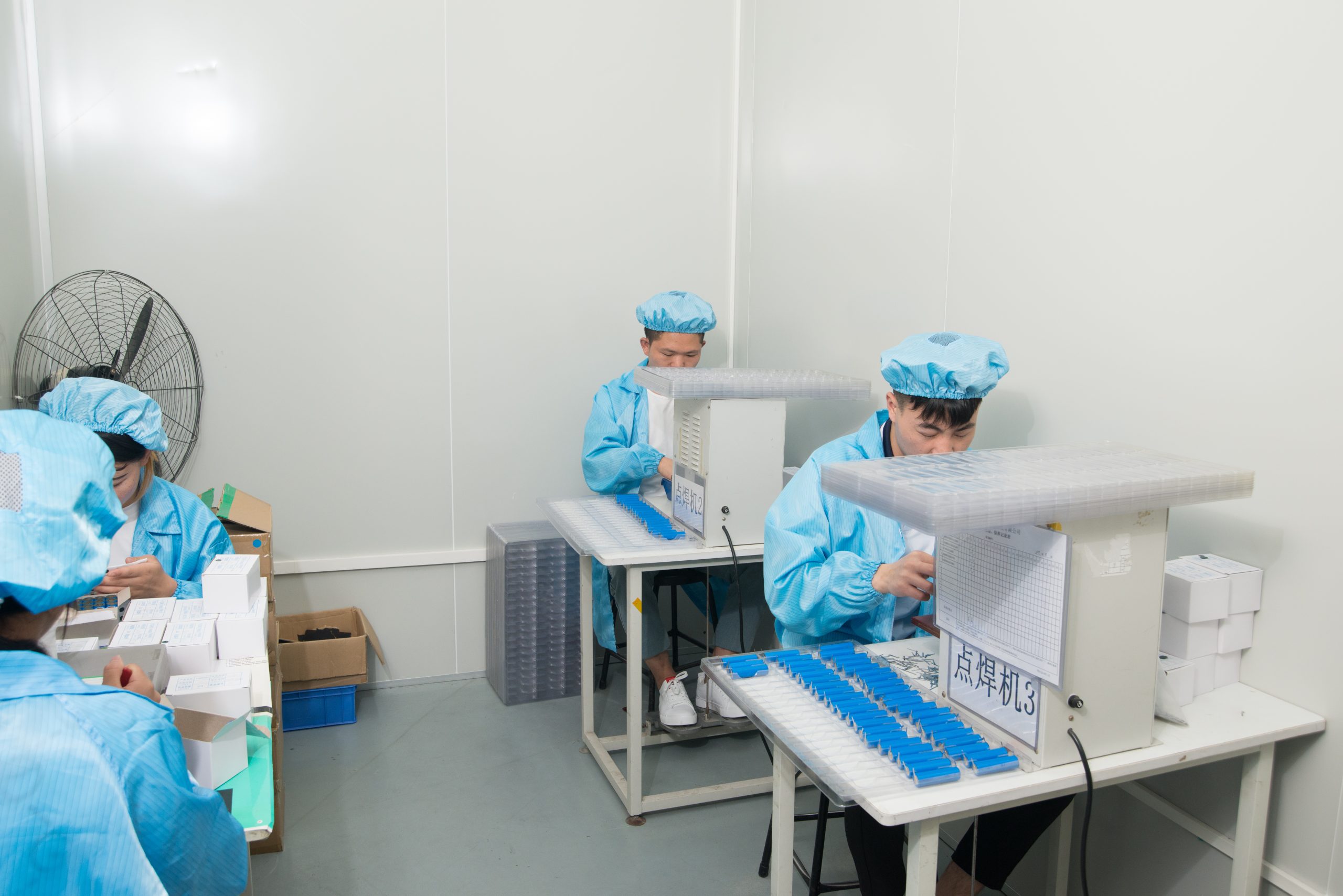
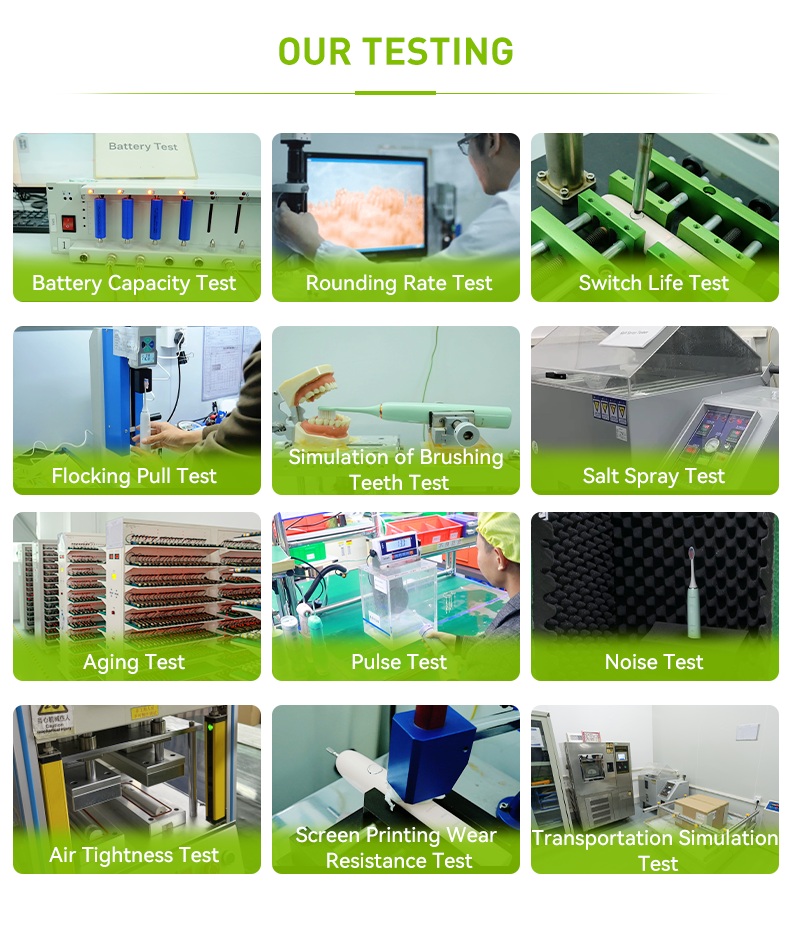
As the global demand for high-quality electric toothbrush continues to grow, brands and distributors are increasingly selective about the manufacturing partners they choose. The quality, reliability, and scalability of your supply chain begins with choosing the right factory. But what truly defines a trustworthy manufacturer in this space? In this blog, we outline the five essential characteristics of a high-quality electric toothbrush factory — the kind of partner that ensures product consistency, innovation, and long-term cooperation. Proven Manufacturing Experience – Over 20 Years in the Industry Experience matters, especially in precision manufacturing. A factory with over 20 years of manufacturing experience has: Refined production workflows Deep understanding of motor control and ultrasonic cleaning technology Proven ability to handle volume orders with consistent quality Such a factory is more than just a supplier — it is a strategic partner who understands market trends, end-user preferences, and regulatory challenges. Strict Quality Control Systems The production of high-quality electric toothbrushes depends on robust quality assurance procedures. Leading factories will have: QC checkpoints across every stage of production Automated testing equipment for vibration, battery life, and waterproofing Final product audits before packaging These practices ensure that every toothbrush delivered meets international standards and brand…
The Motor—The Heart of Every Electric Toothbrush In the rapidly evolving oral care industry, performance and user experience are everything. While brush head design and battery life are essential, it is ultimately the electric toothbrush motor that determines how effective the product truly is.This blog dives deep into the technical aspects of how do motors improve cleaning efficiency, especially the rise of magnetic levitation motors and sonic technology, and explains how these innovations contribute to better cleaning results. We also highlight how OEM customized solutions empower brands to differentiate in a competitive market. Types of Motors Used in Electric Toothbrushes Understanding the different motor types is key to selecting the right technology for your target market: Conventional DC motors: Affordable, widely used in entry-level toothbrushes, but limited in vibration stability and lifespan. Magnetic levitation motors: The new industry standard for premium models. They offer smoother operation, higher vibration frequency, and lower noise. The choice of electric toothbrush motor affects everything from brushing effectiveness to product durability and comfort. Advantages of Magnetic Levitation Motor Technology Magnetic levitation motors use magnetic fields to suspend and move the internal rotor, reducing friction and improving control. Key advantages include: High vibration frequency (up to…
In the rapidly evolving market of personal care devices, manufacturers face numerous challenges in ensuring consistent performance and user satisfaction. One overlooked factor contributing to suboptimal results is Charging Base Instability, which can directly influence device performance and effectiveness. Specifically, Whitening Inefficacy in products like teeth whitening devices can be worsened when the charging base fails to maintain a stable connection. In this blog, we explore the relationship between charging base instability and whitening performance, as well as strategies to address these issues for optimal product efficacy. Understanding the Role of Charging Bases in Device Performance For electric toothbrushes/whitening pens, charging bases ensure full-capacity operation. A stable charging connection powers the battery sufficiently, crucial for high-performance devices to achieve optimal whitening. However, Charging Base Instability—such as loose connections, improper voltage regulation, or wear and tear on charging components—can significantly impact the device’s operation, leading to Whitening Inefficacy. If the device is not charged properly or is constantly losing power, it will fail to deliver the required intensity for effective whitening. The Impact of Charging Base Instability on Whitening Devices Unstable charging base power causes uneven whitening pen light or erratic electric toothbrush motions. These malfunctions can result in the device…
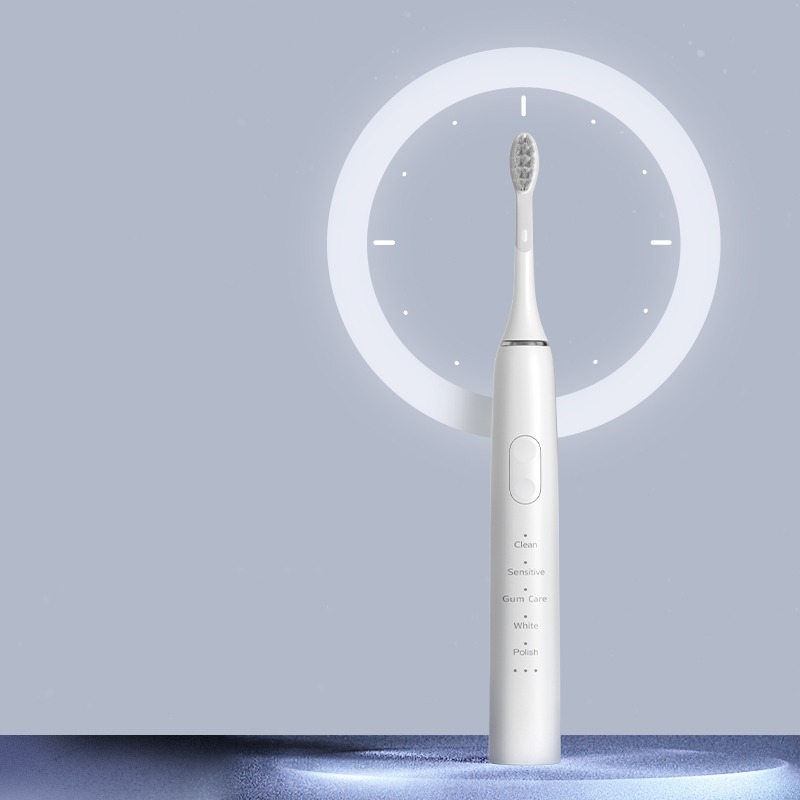
Introduction: The Competitive Edge of Self-Developed Motor Technology In the rapidly evolving oral care market, manufacturers are constantly seeking ways to differentiate their products. One key area of innovation lies in self-developed motor technology, particularly in electric toothbrushes. By designing and producing their own magnetic suspension sonic motors, manufacturers can achieve superior performance, reliability, and cost efficiency—giving them a significant advantage in the B2B marketplace. 1. Enhanced Cleaning Performance with High-Intensity Vibration Frequency A self-developed motor allows manufacturers to fine-tune the high-intensity vibration frequency to optimize cleaning efficiency. Unlike generic motors, custom-engineered solutions can deliver precise oscillations that effectively clean oral food residues and plaque, even in hard-to-reach areas. This level of performance ensures end-users receive a superior brushing experience, fostering brand loyalty. 2. Low Noise Operation for a Premium User Experience Noise levels can make or break a consumer’s perception of an electric toothbrush. With an in-house magnetic suspension sonic motor, manufacturers can minimize mechanical friction, resulting in low noise operation. This refinement enhances user comfort, making the product more appealing in both home and travel settings. 3. Long-Lasting Power for Reliability and Durability Battery life is a critical factor in consumer satisfaction. A self-developed motor can be optimized for energy efficiency, ensuring long-lasting power without compromising performance. This reduces…
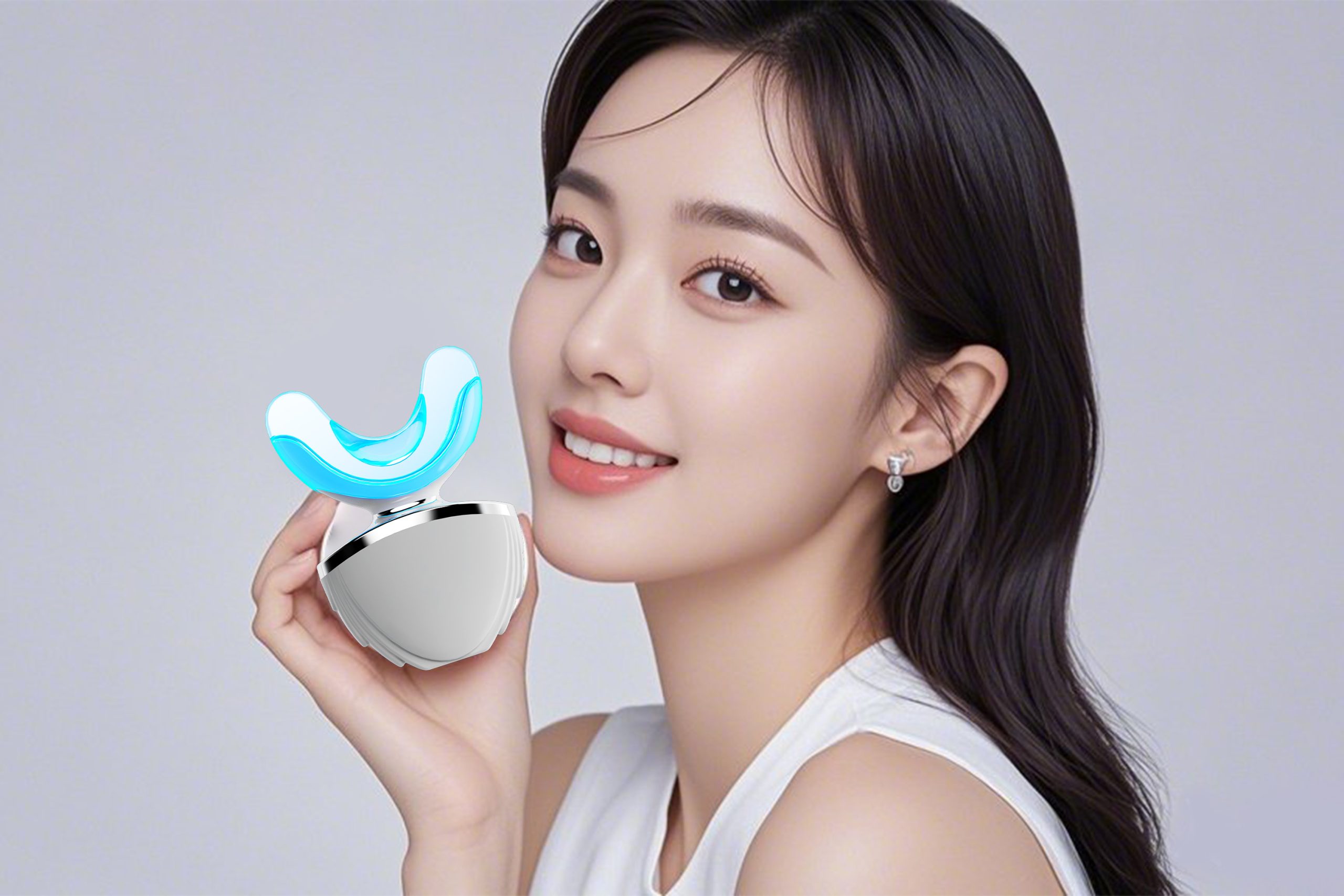
In the competitive electric toothbrush market, battery selection plays a vital role in user experience, product lifespan, and cost control. Whether you're launching an entry-level product or a premium smart toothbrush, understanding different electric toothbrush battery types is essential to align performance with your brand positioning. This blog explores the key differences between lithium battery vs. NiMH battery, the importance of battery life optimization, and how to match the right solution through OEM customization. Overview of Electric Toothbrush Battery Types There are two primary battery technologies used in electric toothbrushes today: Nickel-Metal Hydride (NiMH) Batteries Widely used in mass-market toothbrushes Lower cost, environmentally safer than older NiCd batteries Average cycle life: ~300–500 charges Longer charging times and moderate energy density Lithium-ion (Li-ion) Batteries Common in mid-to-high-end models Higher energy density, lightweight, and fast charging Longer cycle life: ~500–1000 charges Supports modern features like Bluetooth connectivity and smart sensors Understanding the pros and cons of each helps brands make informed decisions based on their market segment and performance goals. Lithium Battery vs. NiMH Battery: Which Is Right for Your Product? Here’s a direct comparison of lithium battery vs. NiMH battery in the context of electric toothbrush applications: FeatureNiMH BatteryLithium BatteryEnergy DensityModerateHighCharging…
In today’s increasingly competitive market, even the smallest changes in product performance—such as Bristle Splaying Rapidly in devices like electric toothbrushes and advanced cleaning tools—can significantly disrupt user experience. Research indicates that bristle instability directly correlates with Uneven Cleaning Patterns, where accelerated splaying reduces surface contact precision, compromising cleaning effectiveness. This phenomenon, observed in clinical trials, demonstrates how structural fatigue in bristle clusters creates fragmented pressure distribution, prioritizing certain zones while neglecting others. Manufacturers now prioritize addressing these dual challenges: mitigating rapid bristle degradation through material innovation and recalibrating brush-head dynamics to counteract pattern irregularity. By integrating biomechanical insights and stress-distribution modeling, next-gen designs aim to harmonize durability with consistent cleaning performance. Market Environment and Customer Expectations As consumers increasingly demand superior cleaning performance and long-lasting product durability, every design detail becomes critical. Customers expect a device to deliver uniform cleaning across all areas. However, when issues like bristle splaying occur, the result is an uneven distribution of cleaning power, resulting in noticeable areas that are either over-cleaned or under-cleaned. This raises concerns over the product’s quality and can negatively impact brand reputation. Understanding these market dynamics is the first step toward finding a lasting solution. Understanding Bristle Splaying Rapidly…
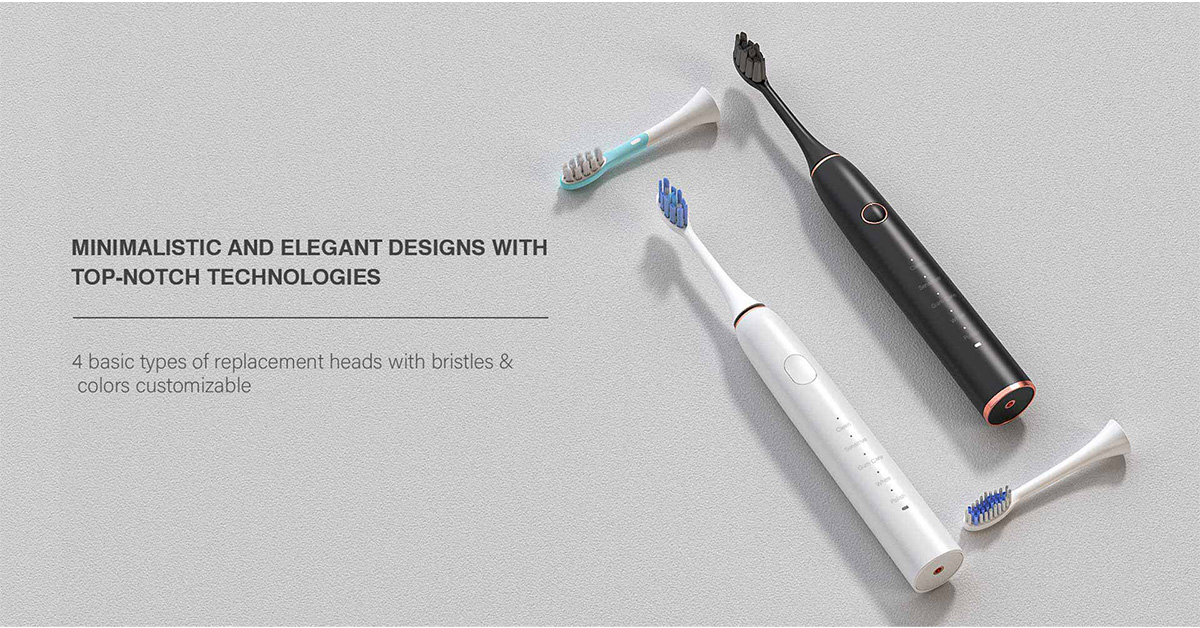
As a B2B electric toothbrush manufacturer, we understand that battery performance is one of the most critical factors affecting product satisfaction. Through extensive testing and customer feedback, we've identified the key factors that impact battery longevity. Let's examine the technical reasons behind poor battery life. 1. Insufficient Battery Capacity The most obvious factor is battery capacity. Many budget models cut costs by using: Lower-grade lithium-ion cells Smaller battery sizes (under 600mAh) Non-branded battery suppliers Solution: Opt for premium 800mAh+ batteries from reputable suppliers. 2. Motherboard Power Management Issues The motherboard plays a crucial role in power efficiency. Common problems include: Poor voltage regulation circuits Inefficient charging ICs Lack of sleep mode optimization Solution: Implement advanced power management chips with: Low quiescent current (<5μA) Smart charging algorithms Over-discharge protection 3. Motor Efficiency Matters The motor accounts for 70% of power consumption. Key considerations: Brushed vs brushless motors (20% efficiency difference) Optimal frequency settings (250-300Hz ideal) Quality of bearings and mechanical parts Pro Tip: Japanese-made brushless motors typically offer best performance. 4. Quality of Charging System Charging components significantly impact battery health: Poor quality charging coils cause energy loss Incorrect charging voltage damages cells Lack of temperature monitoring Recommendation: Use Qi-standard wireless charging with: Foreign object detection…
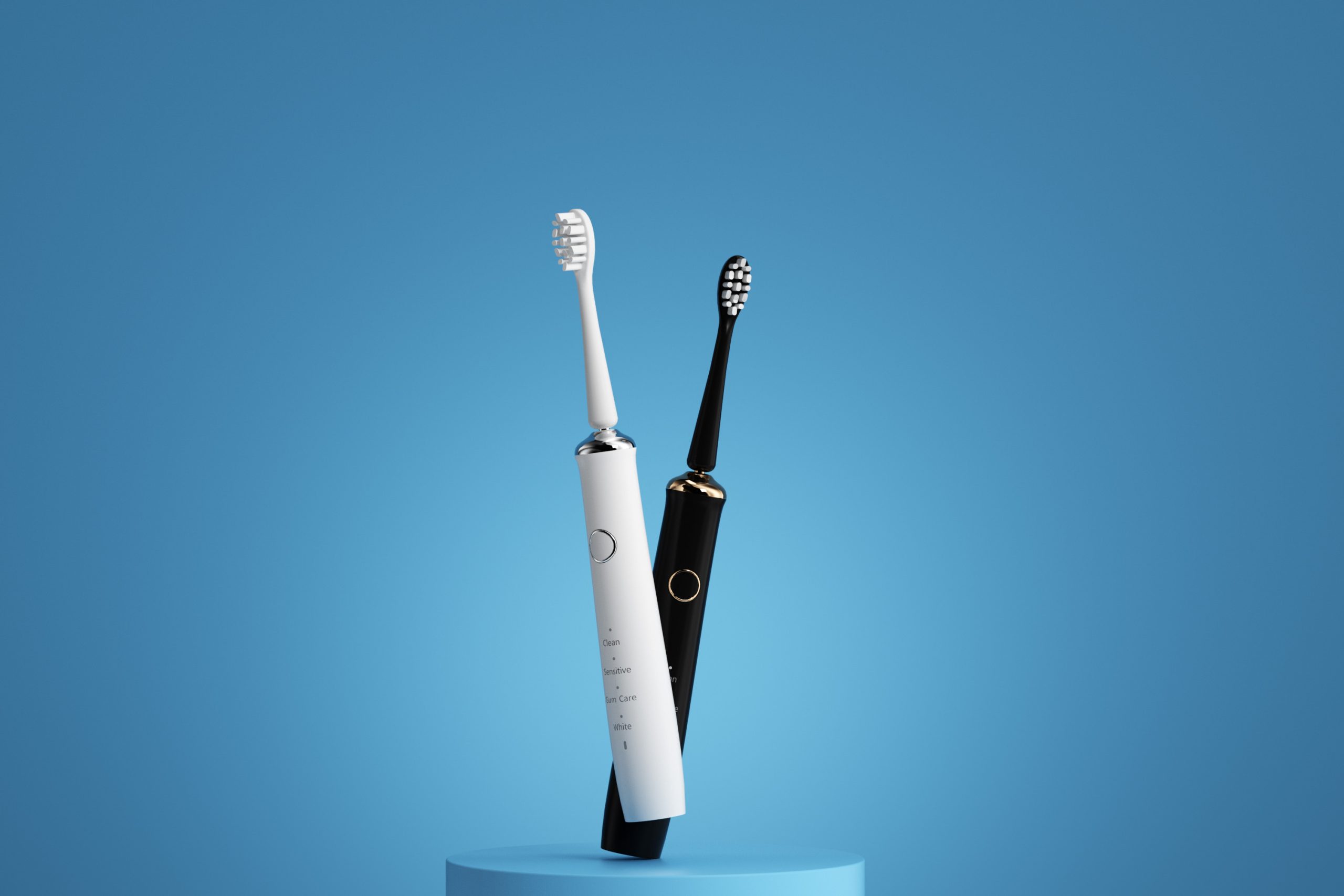
As electric toothbrushes become a standard in personal oral care, consumers are expecting more than just effective cleaning—they demand reliability, safety, and durability. For B2B buyers, this makes electric toothbrush quality control a non-negotiable factor when selecting a manufacturer. In this blog, we walk through the full quality control process, from incoming materials to final product shipment, with a focus on essential checkpoints like waterproof testing, motor reliability, and functional performance. Raw Material Inspection: The First Line of Defense Quality begins at the very beginning. Every batch of components, such as ABS/PP plastics, PCB boards, batteries, and motor parts, undergoes rigorous incoming quality inspection (IQC). Plastic shell parts are checked for uniformity, color consistency, and impact resistance Electronic components are verified against BOM and tested for compliance Motors are pre-tested for torque, speed, and noise before assembly By filtering out defects at the start, we lay a solid foundation for reliable production. In-Process Quality Control (IPQC): Spot Checks During Assembly During assembly, in-process quality control ensures that each production step meets required standards. Our trained QC technicians perform inspections at every major stage: Circuit board mounting Battery welding and installation Motor integration into the toothbrush body Initial functional testing (on/off switch, LED indicators, vibration…
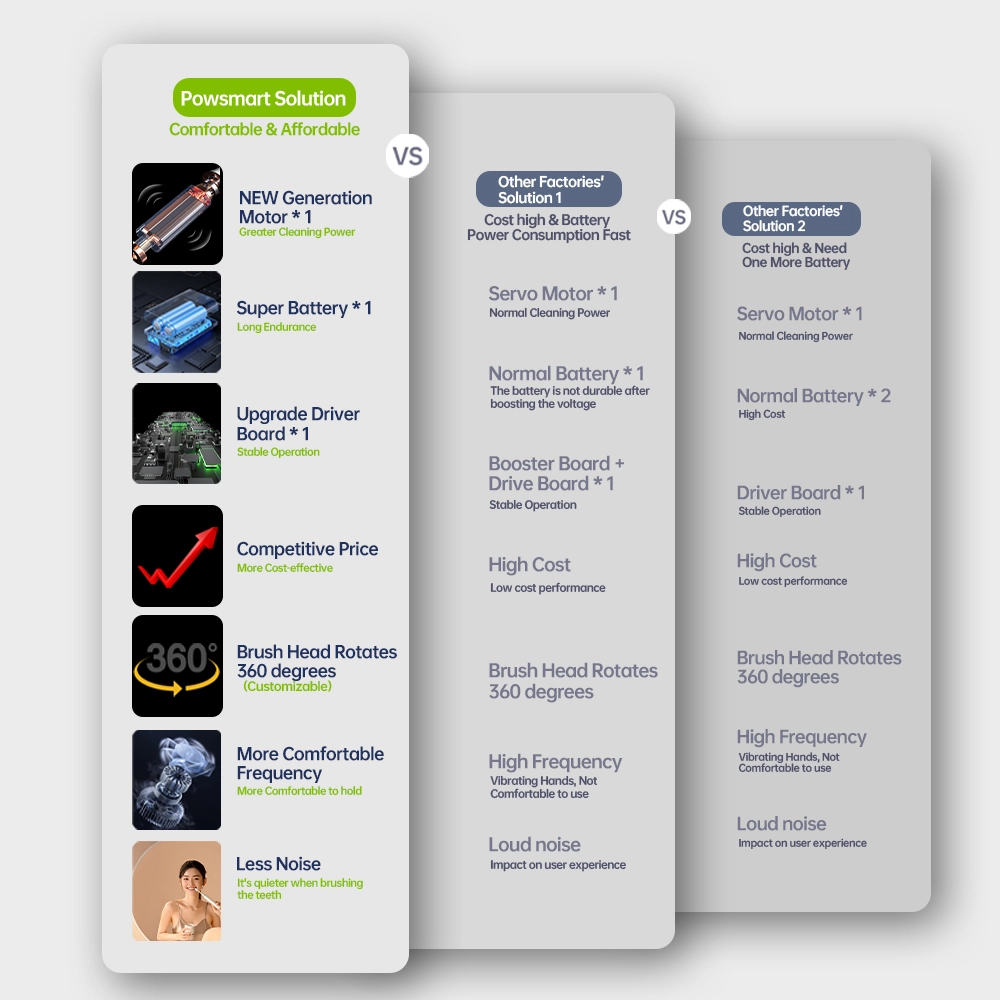
As electric toothbrushes continue to gain popularity, consumers are placing greater emphasis on cleaning power, comfort, and overall user experience. Core components of electric toothbrush — the electric toothbrush motor.This blog explores how high-performance motors, especially magnetic levitation motors powered by sonic technology, significantly enhance brushing efficiency. We’ll also cover how manufacturers can offer OEM customized solutions to help brands tailor performance for different user needs. Understanding the Electric Toothbrush Motor: The Core Driver of Cleaning Action The electric toothbrush motor is the core component of electric toothbrush that drives brush head movement, converting electrical energy into high-frequency mechanical oscillation. Its precision and power directly affect: Brushing speed (vibrations per minute) Stroke amplitude User comfort and noise level A well-designed motor ensures consistent motion and optimized vibration, delivering thorough plaque removal while protecting gum tissue. Magnetic Levitation Motor: Elevating Vibration Efficiency and Stability Among motor types, the magnetic levitation motor stands out due to its efficiency and low noise profile. It suspends the moving parts with magnetic force, reducing mechanical friction. Key benefits include: High-frequency oscillation (up to 42,000 times/min) Minimal energy loss and smoother vibration transfer Quiet operation compared to traditional motors Longer lifespan due to reduced wear For manufacturers, integrating magnetic levitation motors into electric toothbrush designs…
In an era of global supply chain disruptions, parts shortages and OEM liability have emerged as major challenges for manufacturers and suppliers alike. From delayed shipments to increased costs and production halts, these issues are placing immense pressure on businesses striving to maintain efficiency and profitability. This article explores the causes and impacts of these challenges and provides strategic solutions to mitigate risks and enhance supply chain resilience. The Growing Impact of Parts Shortages The global manufacturing sector is grappling with unprecedented parts shortages due to multiple factors. Raw material scarcities, transportation delays, and geopolitical tensions have significantly slowed down the production and distribution of essential components. As a result, manufacturers are forced to delay product launches, scale down production, or even suspend operations altogether. For industries relying on just-in-time (JIT) manufacturing, such disruptions create bottlenecks that are difficult to recover from. To stay competitive, businesses must diversify their sourcing strategies, build stronger supplier relationships, and invest in alternative materials to reduce dependency on a single supply chain. OEM Liability in a Disrupted Market As supply chain disruptions continue, OEM liability is becoming a growing concern. Many OEMs (Original Equipment Manufacturers) face contractual obligations to deliver products on time, but…
In the fast-paced world of global supply chains, efficiency is key to staying competitive. However, data gaps in logistics and customs delays in international shipments are becoming major obstacles, disrupting timelines and increasing costs. Without accurate data and smooth customs clearance, manufacturers and suppliers face production setbacks, delayed deliveries, and dissatisfied customers. This article explores the causes of these challenges and provides actionable solutions to mitigate risks. The Critical Role of Data Accuracy in Supply Chains Accurate and timely data is the backbone of modern logistics. From order placement to final delivery, every step relies on seamless information flow. However, data gaps—missing, incomplete, or outdated information—can lead to: Mislabeled Shipments: Incorrect documentation causes shipments to be flagged for manual review. Production Interruptions: Delays in receiving accurate inventory data result in stock shortages. Missed Compliance Requirements: Outdated regulatory information leads to failed customs inspections. Without a strong data management system, businesses struggle to anticipate delays and optimize inventory levels, causing inefficiencies across the supply chain. Customs Delays: A Growing Concern for Exporters As international trade regulations tighten, customs delays have become a common bottleneck. Factors contributing to these delays include: Incomplete or Inaccurate Documentation: Errors in shipping manifests or invoices trigger…


.jpg)
.jpg)
.jpg)
.jpg)
.jpg)



.jpg)
.jpg)