.jpg)
When child lock failure occurs, unauthorized rapid restarts or incorrect operation not only shorten device lifespan but also can worsen tongue cleaner abrasion. To help B2B manufacturers understand their potential linkage and propose optimizations, we explore this issue across six key areas. Mis-Touch Risks from Child Lock Failure First, an inadequate child-lock design can lead to accidental activation during transport, cleaning, or by curious hands: Continuous No-Load Operation: The device runs at high speed with no load, transmitting full vibration to the tongue cleaner coupling. Frequent Power Cycling: Repeated start/stop cycles accelerate mechanical wear and generate current spikes. Unintended High-Power Modes: Without a lock, users (or children) may switch to intense settings, further wearing the cleaner head. Preventing mis-touch events is the first step toward reducing abrasion. Mechanical Fatigue from Repeated Starts Next, child-lock failure subjects the tongue cleaner head and its shock-absorbing components to abnormal dynamic stresses: Spring Contact Wear: Repeated impacts cause loss of spring elasticity and faster wear. Bearing Friction: Rapid reversals increase friction between bearings and couplings. Coupling Fatigue: Alternating push-pull forces induce microcracks in the gearbox, transferring shocks to the cleaner head. A reliable lock mechanism can dramatically extend head longevity. Company web: https://www.powsmart.com/product/electric-toothbrush/ Abrasion from…
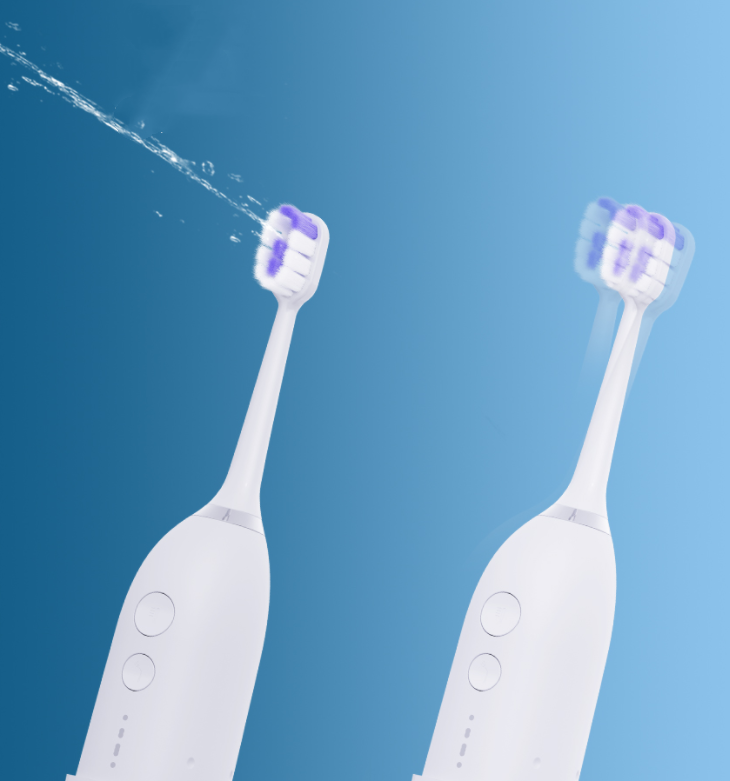
As consumer expectations evolve, the demand for multi-function oral care solutions has surged. Among the most innovative developments are two-in-one electric toothbrushes and oral irrigators—devices that combine brushing and water flossing in one compact unit. But are these hybrid devices truly the best option? In this guide, we provide a balanced analysis of the pros and cons of two-in-one electric toothbrushes and oral irrigators, offering insights for brands and manufacturers considering this category. https://www.powsmart.com/ Market Demand: Why Consumers Love Multi-Function Oral Care The modern consumer seeks efficiency, convenience, and space-saving design. A two-in-one electric toothbrush and oral irrigator caters perfectly to: Urban dwellers with limited bathroom space Travelers seeking compact oral care solutions Users desiring a simplified daily routine without compromising dental hygiene These trends drive growing interest from distributors and OEM partners to expand their product lines with multi-function oral care solutions. Advantages of Two-in-One Devices Let’s break down the key benefits of these hybrid solutions: Space Efficiency Combining two essential devices into one saves counter space and reduces clutter—ideal for modern, minimalist bathrooms. Cost-Effectiveness From a consumer perspective, buying one device instead of two can lower upfront costs. For brands, bundling features into a single SKU simplifies logistics. Travel Convenience Most…
In today’s review-driven marketplace, common negative reviews of electric toothbrushes can directly affect brand reputation and sales performance. For any OEM or ODM electric toothbrush manufacturer, understanding the root causes of customer complaints and proactively solving them is not just important—it's essential. This article explores common quality issues, the most frequent negative feedback from end users, and how suppliers can implement effective solutions to quality issues of electric toothbrushes during product design and manufacturing stages. Weak Battery Life and Charging Failures User Complaint:“Battery dies too quickly” or “Won’t charge after a few weeks.” Common Quality Issue:Low-grade lithium batteries, poor charging port designs, or inadequate battery management systems. Supplier-Side Solution: Use high-quality, certified lithium batteries with tested charge cycles. Integrate intelligent battery management systems to prevent overcharging or deep discharge. Perform aging tests on power units during QC inspections. As a reliable electric toothbrush manufacturer, it’s critical to test battery systems under simulated daily use to avoid early failures. Motor Malfunction or Insufficient Vibration User Complaint:“Motor stopped working” or “Not strong enough to clean properly.” Common Quality Issue:Substandard motor components or poor assembly leading to motor disconnection or weak performance. Supplier-Side Solution: Source high-performance, durable micro motors from trusted suppliers. Reinforce internal motor…
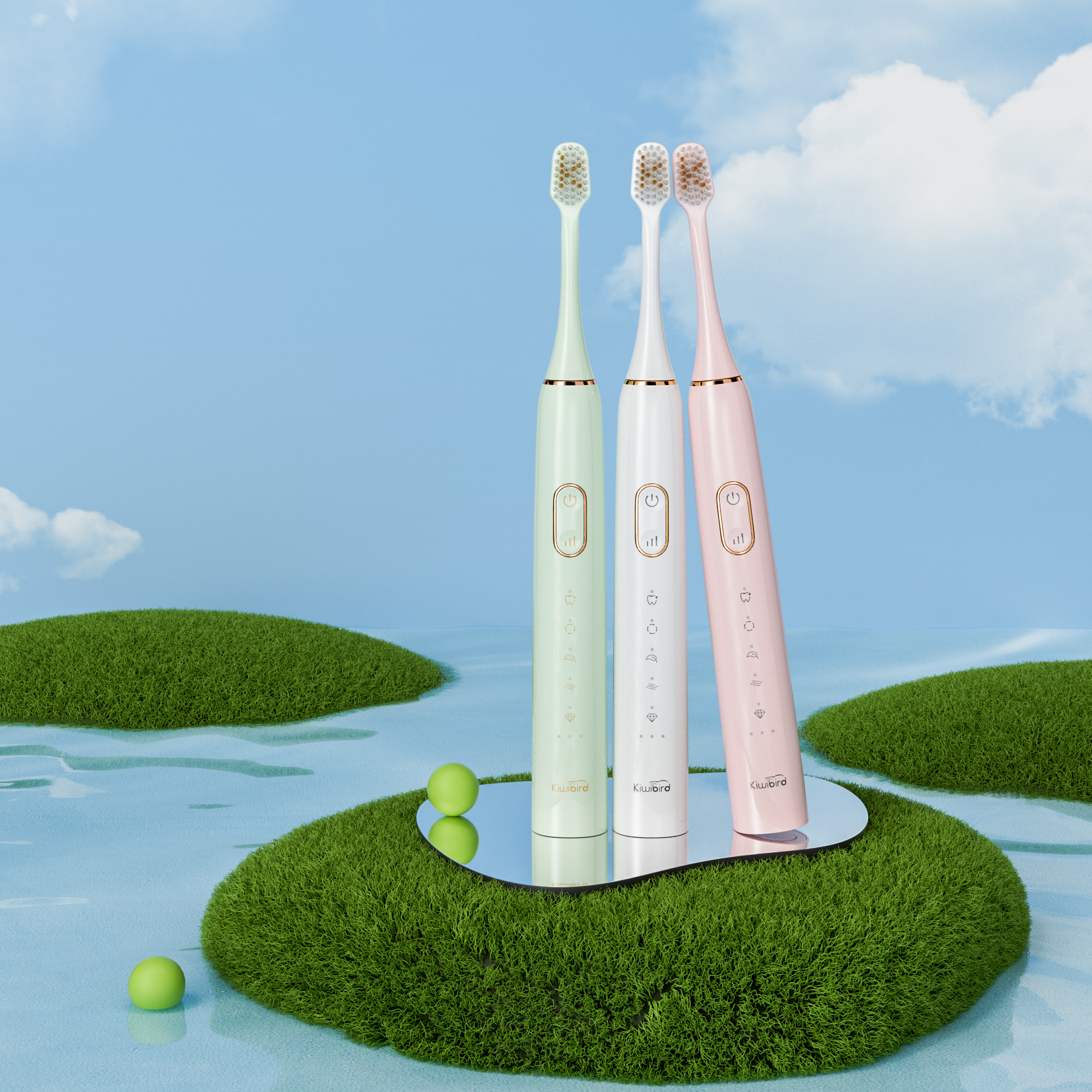
In today’s competitive oral care market, consumers expect more than just effective cleaning from their electric toothbrush—they expect convenience, reliability, and portability. A long endurance electric toothbrush has emerged as a powerful selling point, helping brands differentiate their products in crowded retail and e-commerce spaces. For B2B clients such as retailers, importers, and private label brands, partnering with a forward-thinking electric toothbrush manufacturer that prioritizes battery endurance can result in stronger market appeal and higher customer satisfaction. Consumer Lifestyle Demands: The Need for Less Frequent Charging Modern consumers lead busy, mobile lifestyles. They prefer devices that can keep up with their pace. A long-lasting electric toothbrush typically offers: Up to 30–60 days of use on a single charge Hassle-free morning routines without daily recharging Peace of mind during travel or outdoor use This benefit strongly resonates with end users and increases perceived value, especially in premium and mid-range markets. Lithium Battery Technology: Powering Endurance and Efficiency At the heart of every long-endurance toothbrush is advanced lithium battery technology. Compared to traditional NiMH batteries, lithium batteries offer: Higher energy density Faster charging time Longer lifespan Lightweight design Professional electric toothbrush manufacturers increasingly use lithium-ion or lithium-polymer cells to power high-performance, compact devices that meet today’s…
Many users experience gum bleeding problem during their daily brushing routine, which not only undermines oral‐health confidence but also generates high volumes of customer support inquiries. As a B2B manufacturer, it’s critical to understand the root causes and deliver a comprehensive solution package—helping channel partners offer more professional, reassuring electric toothbrush products and services. Main Triggers of Gum Bleeding First, identify the common factors that lead to gum bleeding: Gingival Inflammation: Plaque accumulation irritates the gums, causing redness, swelling, and bleeding. Abrasive Bristles or Excessive Pressure: Hard bristles or improper technique can damage the delicate gum tissues. Gum Recession: When the gums pull away, the exposed root surfaces become highly sensitive and prone to bleeding. Nutritional Deficiencies: Lack of vitamins C or K impairs tissue repair and makes the gums more fragile. Accurate diagnosis of these triggers guides targeted product enhancements and user guidance. Hardware Design Optimizations To reduce the risk of gum bleeding at its source, electric toothbrushes can incorporate: Ultra-Soft Bristles: High-density filaments ≤0.12 mm in diameter that minimize mechanical stress on the gums. Pressure Sensors: Built-in sensors automatically slow the brush or alert the user when excessive force is detected. Multi-Mode Cleaning: “Sensitive,” “Daily Clean,” and “Deep…
At PowSmart, our dedication to crafting best-in-class Oral Care Products—from advanced electric toothbrush systems to smart water flossers—drives everything we do. By combining rigorous R&D, premium materials, and industry-leading quality controls, we ensure that every device we deliver meets the highest standards of performance, safety, and reliability for our B2B partners. World-Class R&D and Engineering Excellence First and foremost, our innovation begins in the lab: Dedicated Innovation Center: We invest in a state-of-the-art R&D facility staffed with mechanical, electrical, and materials engineers focused exclusively on oral-care technology. User-Centered Design: Through extensive user-profile analysis and human-factors testing, we optimize handle ergonomics, bristle configurations, and interface workflows. Proprietary Drive Algorithms: Our in-house motor control firmware delivers precise oscillation patterns and power management, balancing cleaning efficacy with battery life. These efforts translate into devices that outperform generic offerings and impress end users. Premium Materials and Manufacturing Processes Moreover, quality starts with the right inputs: Medical-Grade Components: All parts in contact with the mouth—bristles, mouthpieces, silicone seals—adhere to FDA and EU food-contact and biocompatibility standards. Automated Precision Assembly: Our ISO 13485-certified factories employ robotics and vision systems to ensure consistent tolerances, perfect seal integrity, and zero human error in critical steps. Lean Production Controls:…
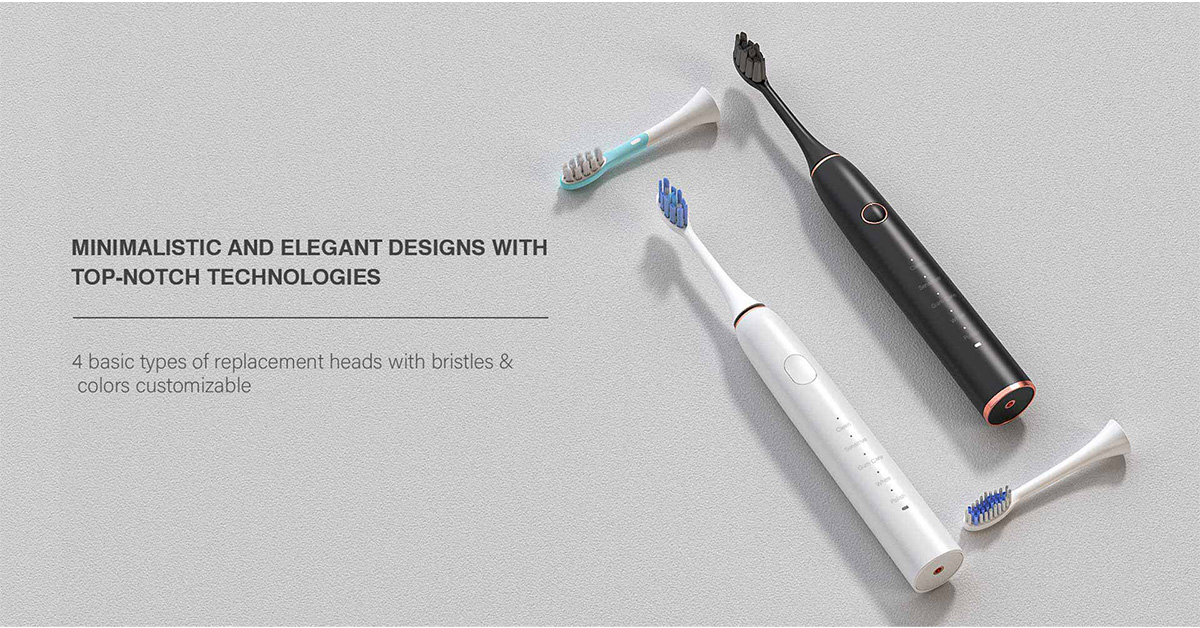
For electric toothbrush brands and OEM partners, improving customer lifetime value is critical. One effective strategy is optimizing the brush head + toothbrush handle adaptation structure to encourage repeat purchases. A smart design approach not only enhances usability and satisfaction, but also opens the door to recurring revenue through replaceable parts, especially brush heads. In this blog, we explore how thoughtful engineering and product planning—aligned with sustainability and market trends—can help electric toothbrush manufacturers increase repurchase rate. The Power of Modular Design: Making Repurchase Easy A modular accessory design that allows users to easily detach and replace the brush head is fundamental. Key considerations include: Universal fit systems across product lines Durable locking mechanisms that are user-friendly Stable electrical connections for sonic or oscillating performance By simplifying replacement, manufacturers lower the barrier for consumers to repurchase brush heads regularly—either individually or through a brush head subscription service. Replaceable Parts = Sustainable Strategy Modern consumers are increasingly eco-conscious. Offering replaceable parts, such as interchangeable brush heads, supports sustainability in product design. Instead of discarding an entire device, users can extend product life by only replacing worn-out components. This approach positions your brand as environmentally responsible, which enhances customer loyalty and aligns with global ESG trends—especially important…
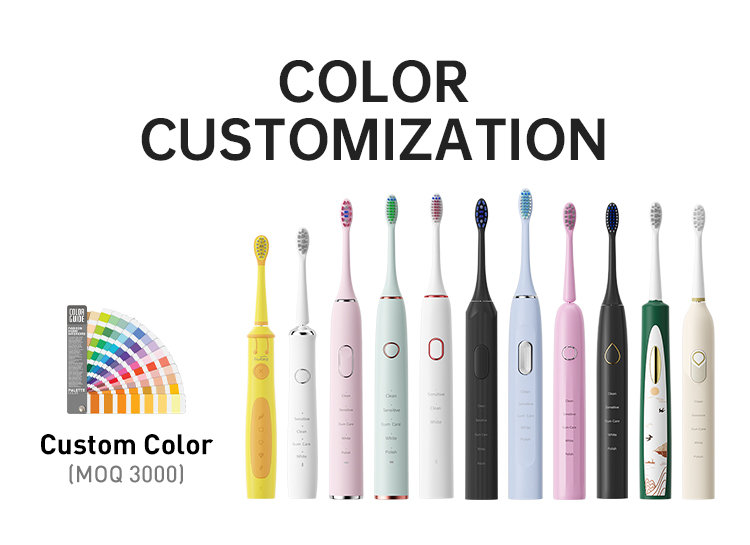
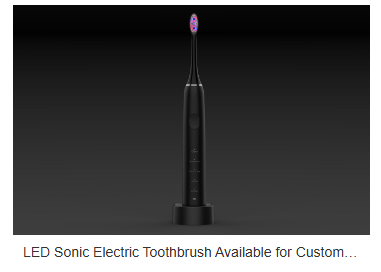
In today's competitive oral care market, product performance is no longer the only driver of consumer preference—appearance now plays a vital role. Consumers are increasingly drawn to products that are not only functional but also visually striking. This is especially true in personal care electronics such as electric toothbrushes. For manufacturers, adopting gradient color technology through injection molding offers a powerful way to improve attractiveness of electric toothbrushes that resonates with modern consumers and stands out on retail shelves. What Is Gradient Color Injection Molding Technology? Gradient color technology is a specialized plastic injection molding process that allows multiple color tones to blend seamlessly into one another on a single molded part. Unlike traditional single-color molding, this technique: Enables smooth color transitions (e.g., blue to white, pink to purple) Creates a premium, dynamic look without painting or secondary processing Offers long-lasting, scratch-resistant finishes directly out of the mold This innovative technology for electric toothbrushes not only enhances aesthetics but also increases manufacturing efficiency. Boosting Product Appeal Through Visual Marketing Visual marketing is a crucial part of selling consumer electronics. In retail environments and online platforms, buyers often make split-second decisions based on product appearance. Gradient color finishes offer several benefits: Striking shelf presence: Unique…
When designing home-use and clinical oral-care devices, selecting food-grade materials is critical to reducing gum irritation. Not only does it prevent chemical residues from damaging mucosal tissue, but it also boosts regulatory compliance and trust across global markets. Below, we explore six ways in which food-grade materials safeguard gum comfort and safety. Understanding the Causes of Gum Irritation First, common sources of gum irritation include: Chemical Leaching: Non-medical plastics can release heavy metals or plasticizers in moist environments, causing mucosal discomfort. Rough Micro-Texture: Excessive surface roughness generates mechanical friction during brushing or irrigation. Allergenic Compounds: Materials like PVC or untreated nylons often contain allergens, triggering localized redness and itching. Eliminating these factors is the first step in preventing gum irritation. Advantages of Food-Grade Materials Next, food-grade materials offer inherent benefits: High Biocompatibility: FDA and EU food-contact certifications guarantee zero toxic migration. Minimal Solubility: They remain inert in high-humidity, body-temperature environments without releasing harmful ions or organics. Natural Antimicrobial Properties: Options like food-grade silicone or plant-fiber composites can inhibit bacterial growth on contact. Together, these characteristics greatly reduce chemical and biological triggers of gum irritation. Material Selection & Testing Standards In product development, manufacturers should adhere to: ISO 10993 Biocompatibility Tests:…
In the fiercely competitive market for electric toothbrushes, mastering self-developed motors technology not only boosts product performance but also significantly reduces procurement costs and supply-chain risks. For B2B manufacturers, in-house motor development represents core differentiation—delivering higher brand value and customer loyalty. Enhanced Performance: Precision Control & Energy Efficiency First, a self-developed motor can be custom-tuned to match brush head design and vibration modes: Amplitude & Frequency Optimization: Tailor winding and magnetic circuit to maximize plaque removal in sonic or oscillation modes. Intelligent Power Management: Built-in drive algorithms maintain cleaning power even at lower RPMs, greatly extending battery life. Noise Reduction: Refine gears and bearings for quieter operation, improving user comfort. These performance gains let manufacturers highlight their motor’s superiority in technical datasheets. Lower Costs: Autonomous, Resilient Supply Chain Next, in-house motors strengthen supply-chain resilience: Localized Components: Produce key parts—magnets, housings, rotors—internally, reducing reliance on imported subassemblies. Economies of Scale: High-volume production drives down per-unit motor cost, boosting overall gross margins. Rapid Iteration: Internal R&D cycles eliminate external lead times, speeding innovations from prototype to market. Cost advantages enable B2B partners to offer more competitive pricing and faster delivery.Company web:https://www.powsmart.com/product/electric-toothbrush/ Quality Assurance: Traceability & Durability Moreover, self-developed motors allow end-to-end quality…
When selecting a high-quality electric toothbrush, the design and performance of the bristles are critical—they directly impact plaque removal and gum health. Below are six key factors for B2B partners to consider when specifying premium bristle solutions. Material Selection: Nylon vs. Advanced Polymer Fibers First, common bristle materials include nylon (e.g., DuPont Tynex™) and emerging polymer composites: Nylon Bristles offer excellent flexibility and abrasion resistance at a controllable cost for mass production. Advanced Polymer Fibers (such as PBT or PLA blends) combine heat resistance, antimicrobial properties, and biodegradability. Recommendation: Offer both options in your product lineup to meet entry-level and premium market needs. Material differentiation empowers B2B manufacturers with versatile customization. Hardness Ratings: Soft, Medium, and Firm Bristles Next, bristle stiffness directly affects comfort and cleaning efficacy: Soft Bristles: Ideal for sensitive gums and post-treatment patients to minimize mechanical irritation. Medium Bristles: The everyday standard—balanced cleaning power and comfort. Firm Bristles: Best for heavy stains, used with low-speed modes and shorter session durations. Recommendation: Provide mixed-stiffness brush heads and synchronize with brush modes for all-in-one versatility. Layered hardness options ensure you cover diverse user requirements.Company web:https://www.powsmart.com/product/electric-toothbrush/ Filament Diameter & Density: Precision Coverage Bristle thickness and density determine how well the…
In practice, a tooth’s enamel vulnerability is closely tied to persistent staining residuals. Meanwhile, smart mode switching—allowing a device to adapt its cleaning stages—can effectively reduce pigment buildup and prevent secondary enamel erosion. In the following six sections, we’ll analyze their interconnection and offer optimization strategies. How Pigment Residues Amplify Enamel Vulnerability First, even minute pigment residues on enamel can: Clog Micro-Porosities: Chromogens from foods and drinks infiltrate micro-pores, forming a stubborn stain layer. Trap Acidic Metabolites: Pigments feed bacteria that produce acids, chemically attacking enamel minerals. Abrade Micro-Cracks: Bristle or polishing head friction against pigmented spots worsens tiny enamel fissures. Thus, residual staining not only mars appearance but undermines enamel strength at the microscopic level. pH Cycling and Enamel Loss Mechanisms Next, pigment residues interact with the mouth’s acid–base balance: Local pH Drops: Stain-laden areas remain more acidic, overwhelming saliva’s buffering capacity and accelerating demineralization. Mineral Leaching: Acidic conditions repeatedly dissolve calcium and phosphate, loosening enamel structure. Uneven Remineralization: Salivary minerals struggle to refill deep pores, creating weak “voids” that heighten enamel vulnerability. Controlling residual stains is therefore critical to preserving intact enamel.Company web:https://www.powsmart.com/product/electric-toothbrush/ Smart Mode Switching Strategies To tailor cleaning intensity and protect enamel, devices should implement smart…
In modern smart oral-care devices, built-in pressure sensors not only monitor brushing force but also provide early alerts for gum recession risk. Yet more sensors and complex upkeep can raise the barrier to use and increase maintenance steps. Below, we explore six facets of how gum recession relates to device maintenance complexity, and offer optimization strategies. Routine Maintenance & Recession Risk Assessment First, regular cleaning and calibration are essential for sensor accuracy: Brush-Head Replacement: Replace heads every three months; worn bristles can splinter, irritating gums. Sensor Calibration: Uncalibrated pressure sensors may misread force and allow excessive pressure, heightening recession risk. Nozzle & Seal Inspection: Blockages or aged seals disrupt fluid flow, leading users to compensate with extra force that can damage tissue. A streamlined maintenance regimen helps keep recession alerts reliable without overburdening users. The Role of Pressure Sensors in Oral Care Moreover, pressure sensors play a pivotal role in preventing gum recession: Real-Time Feedback: Handle vibrations or app notifications warn when brushing force exceeds safe thresholds. Data Logging & Reporting: Longitudinal pressure data guides dental professionals in advising patients on gentler techniques. Adjustable Sensitivity Levels: Different thresholds for “sensitive,” “standard,” or “deep-clean” modes accommodate varied gum health. However, a…
In whitening devices, whitening cycle variations—differences in treatment duration and frequency—directly affect final shade improvement. Meanwhile, frequent low-battery alerts interrupt the process, leading users to question what constitutes an “effective cycle.” The root causes span chemistry, device power, user behavior, and battery management. Sources of Whitening Cycle Variations Whitening cycle variations encompass both single-session length (e.g., 10 vs. 20 minutes) and overall frequency (daily vs. every other day). Manufacturers differ in formula strength, light wavelength, and heat assistance, so claims like “results in 7 days” versus “10 days needed” are common. Interruption by Low-Battery Alerts Devices often trigger low-battery alerts, auto-pausing or throttling power to protect battery life. While this safeguards the battery, it can prevent completion of the intended whitening cycle—undermining results. For B2B partners, balancing fast charging and stable runtime is critical to minimize such disruptions. User Compliance with Cycle Protocols Users frequently restart interrupted treatments, losing adherence to standardized cycles. Both excessively long and overly brief sessions can lead to under-activated formulas or over-oxidation—causing sensitivity or color rebound. Chemistry vs. Exposure Time Trade-Off The relationship between active ingredient concentration and exposure time can be: High Concentration + Short Cycle: Rapid stain breakdown but higher sensitivity risk. Low…
For restricted user groups, avoiding stain residuals is critical—not only because leftover pigments mar appearance, but also because these users often have heightened vulnerability. Meanwhile, optimizing bristle roundness in brush-head design helps ensure gentle yet thorough stain removal. In the following six sections, we explore why stain residues pose special risks, and how to address them safely and effectively. Oral Characteristics of Restricted User Groups Restricted user groups include: Post-operative Patients: Gum and implant sites are still healing and prone to irritation. High-Sensitivity Individuals: Those with thin enamel or dentin hypersensitivity require extra care. Chronic Health Conditions: Diabetics or immunocompromised patients face greater infection risks from residual biofilm. These groups react more strongly to any remaining debris or pigments, making complete stain removal essential. Health Hazards of Stain Residuals Beyond aesthetics, retained pigments can: Promote Bacterial Growth: Chromogens combine with proteins to form biofilms that feed anaerobic pathogens. Cause Chemical Erosion: Some food pigments are mildly acidic and can accelerate enamel micro-abrasion. Trigger Immune Overreactions: Chronic exposure to residual agents can inflame gingival tissues and worsen swelling or pain. For vulnerable users, even trace residues can spark significant oral health issues. Contact us :https://www.powsmart.com/product/electric-toothbrush/ Bristle Roundness and Cleaning Efficiency Effective…
In next-generation portable testing devices, not only must you finely tune the oscillation angle to maximize sample collection, but true travel portability lets testing instruments go wherever they’re needed—closer to users and real-world scenarios. In this article, we examine six ways portability boosts allergen detection, helping B2B partners design solutions that are both flexible and reliable. On-Site Testing for Immediate Decisions First, travel portability frees allergen testers from the lab: Rapid Response: Instantly collect and analyze samples on-site at restaurants, factories, or schools after a suspected allergy incident. Reduced Transport Error: Eliminates cross-contamination or degradation risks from shipping samples to a central lab. Improved Client Experience: B2B customers can offer “on-site testing + immediate reporting” as a one-stop service. Portable devices therefore directly enhance testing speed and decision-making. Optimized Sampling with Tuned Oscillation Angles Next, fine control of the oscillation angle in the sampling module is essential: Directed Vibration: Using ±15°–±30° angles covers varied surface materials, ensuring trace peanut proteins or lactose are dislodged. Deep Extraction: Automatically adjust the angle based on surface roughness to capture representative micro-samples. Minimal Damage: Precise angle control prevents excessive wear on food contact or dental tray surfaces. Hardware-level angle tuning is key to efficient,…
When home‐care devices suffer from battery degradation, users often postpone charging and skip essential upkeep—highlighting how maintenance complexity can cascade into enamel‐wear issues. In this post, we’ll examine six ways that complicated care routines and neglected device upkeep exacerbate enamel vulnerability, and offer practical recommendations for B2B manufacturers. Worn Brush Heads & Uneven Abrasion First, complex replacement procedures lead users to overstay brush‐head lifespans: Frayed Bristles: After three months, bristles splay unevenly, concentrating force on small enamel areas. Micro‐scratches: Hardened or misaligned filaments create microscopic grooves, accelerating demineralization. Variable Contact Pressure: Skipping timely head swaps forces users to press harder for perceived cleaning, increasing enamel stress. Thus, simplifying head‐exchange steps is critical to maintain uniform abrasion and protect enamel integrity. Plaque Buildup from Skipped Cleanings Moreover, when devices require time‐consuming disassembly for deep cleaning, many users defer: Residual Debris: Food particles lodged in nozzles or brush mounts feed acidogenic bacteria. Biofilm Formation: Plaque accumulation lowers oral pH, promoting enamel softening and early caries. Ineffective Rinse Cycles: Clogged channels disrupt spray patterns, leaving untreated zones where enamel degrades. To counteract this, devices should offer self‐cleansing cycles or tool‐less access to minimize deferred cleanings.Company web:https://www.powsmart.com/product/electric-toothbrush/ Reduced Torque due to Battery Degradation Furthermore,…
In the era of intelligent oral care, users expect more than just mechanical brushing—the core measures of a truly smart plaque-fighting brush are Cavity Prevention features and seamless Smart App Integration. In the following six sections, we’ll dive into how an advanced electric toothbrush combines hardware, software, and data to deliver precise, efficient plaque removal. Intelligent Drive: Precision Plaque Removal via Multi-Sensor Feedback Traditional brushing patterns can miss “blind spots,” but an intelligent drive system uses multiple sensors to guide cleaning: Pressure Sensors monitor bristle force against teeth, preventing enamel damage from over-brushing. Angle Sensors detect brush-head tilt to ensure consistent coverage of interdental and posterior surfaces. Acoustic Sensors analyze vibration frequencies and dynamically adjust pulse intensity for more effective plaque disruption. This multi-sensor feedback ensures the brush targets and removes plaque “pinpointedly,” boosting overall cleaning performance. Smart Connectivity: Engaging Users with Smart App Integration Next, Smart App Integration bridges the brush and mobile device for an enhanced experience: Real-Time Brushing Data: Duration, pressure, and coverage metrics are synced to the app in visual reports. Personalized Alerts: If you brush too long in one spot or skip an area, the app issues haptic or audio reminders. Remote Coaching: Dental professionals…
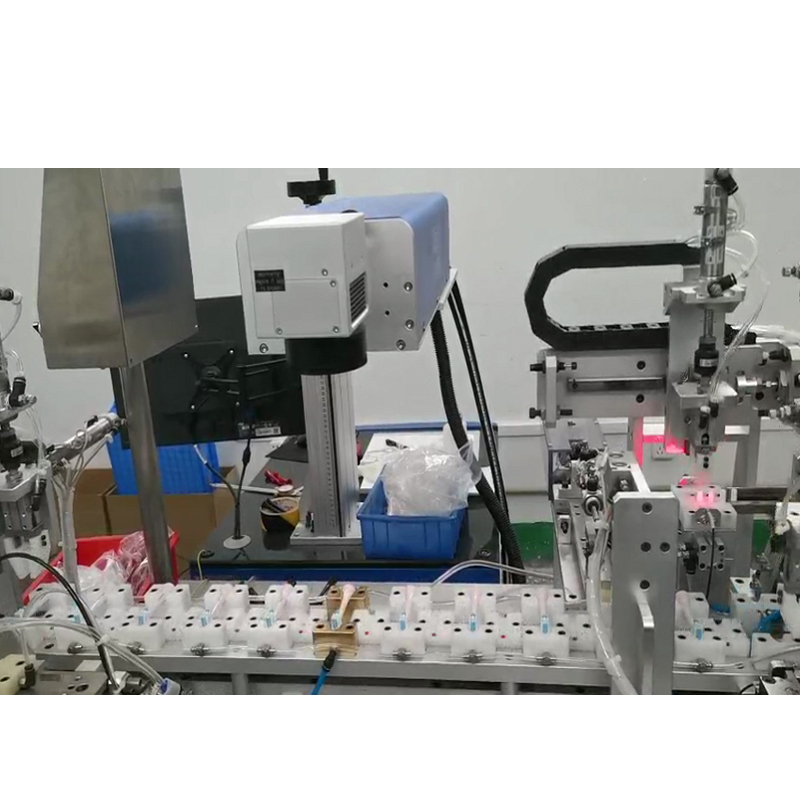
In today’s competitive oral care market, manufacturers must ensure that every electric toothbrush production process is standardized, efficient, and meets high-quality requirements. This article presents a full overview of the production process diagram, from injection molding to final assembly, highlighting injection molding process standards, assembly process specifications, and the key points for quality inspection necessary to guarantee superior product performance. Injection Molding – The Foundation of Precision The first critical step in the electric toothbrush production process is injection molding. High-quality shell and component manufacturing rely on strict injection molding process standards, including: Precise temperature and pressure control to prevent defects like shrinkage or warping Material selection (commonly medical-grade ABS, PP, or TPE) for durability and aesthetics Mold maintenance and polishing to ensure smooth finishes Adhering to consistent injection molding process standards is vital for ensuring a strong and attractive product base. Component Preparation – Quality Starts from Parts After molding, key components including motor units, battery packs, PCBs, and sealing gaskets. Every component must: Pass functional pre-tests (e.g., battery charging cycles, motor rotation tests) Be cleaned and anti-static protected before entering the assembly area Match design tolerances exactly to fit into the production line seamlessly Meticulous preparation at this stage helps maintain consistency throughout…
When toothbrush battery life dwindles, brush performance can become inconsistent—and consequently users may press harder or scrub longer, inadvertently increasing gum recession risk. In this article, we explore how declining battery power affects cleaning efficacy, user behavior, and ultimately soft-tissue health, and we offer actionable recommendations for B2B partners designing the next generation of oral-care devices. Consistent Power and Bristle Amplitude First and foremost, a full battery ensures the motor delivers its rated amplitude and frequency throughout each brushing session. Stable bristle motion is critical to: Effective plaque removal: Sufficient oscillation breaks up biofilm without excessive force. Uniform cleaning: Consistent torque prevents stalling in high-resistance areas (e.g., back molars). User confidence: Knowing the brush will perform at full power encourages proper technique. By contrast, voltage sag towards end-of-charge can reduce bristle amplitude, undermining these benefits. User Compensation and Technique Drift Moreover, when users sense a drop in vibration—due to low battery—they often compensate by increasing pressure or brushing time. This behavior leads to: Excessive force application: To “feel” the brush working, users press harder against their gums. Extended sessions: Trying to make up for weaker scrubbing, users brush longer, fatiguing soft tissue. Irregular motion patterns: Inconsistent feedback can disrupt the…


.jpg)
.jpg)
.jpg)
.jpg)
.jpg)



.jpg)

.jpg)