In the competitive world of consumer electronics, the reliability of every component is crucial. When it comes to electric toothbrushes, even minor issues can lead to significant operational challenges and customer dissatisfaction. In this blog, we explore six key areas to understand and address common problems—specifically Charging failure and Head loosening—that may be undermining your product quality and overall brand reputation.
Electric toothbrushes combine advanced technology with everyday functionality. Despite their popularity, manufacturers often encounter two recurring problems: Charging failure and Head loosening. These issues can arise during production, from design shortcomings, or through prolonged use. Understanding these challenges is the first step in formulating an effective strategy to enhance product reliability and customer satisfaction.
Charging failure in electric toothbrushes can result from various factors. For instance, suboptimal battery management systems, poor quality charging circuits, or even environmental factors like moisture can contribute to inconsistent power delivery. This problem not only disrupts the user experience by causing unexpected downtimes but also increases service costs and potentially harms the brand’s image. Manufacturers must investigate the root causes—from electrical component selection to circuit board design—to ensure a robust and enduring charging solution.
Another significant challenge is Head loosening, where the brush head becomes detached from the body over time. This issue can be traced back to inadequate fastening methods, inferior materials, or design oversights that do not account for the repeated mechanical stress of daily use. As the brush head is crucial for both cleaning efficacy and user safety, even minor looseness can lead to performance degradation and consumer complaints. Addressing head loosening requires a thorough review of assembly processes and materials to secure the connection reliably.
To combat both Charging failure and Head loosening, manufacturers are turning to technical innovations and superior material choices. Advanced battery technologies, improved charging circuits, and moisture-resistant designs can significantly reduce charging issues. Simultaneously, exploring robust fastening methods, such as snap-fit designs or reinforced adhesives, can help prevent head loosening. Integrating these innovations requires collaboration between design engineers, materials scientists, and quality control teams to ensure that each component performs under rigorous conditions.
Implementing rigorous quality control measures is essential to mitigate these challenges. A multi-tiered testing process—from initial component verification to final product stress tests—can identify potential weak points in both charging systems and head attachment mechanisms. Automated diagnostics and real-time monitoring during production also contribute to early detection of anomalies. By investing in comprehensive testing and adopting industry best practices, manufacturers can drastically reduce instances of Charging failure and Head loosening, thereby enhancing product longevity and reliability.
Looking ahead, the path to overcoming these challenges lies in continuous improvement and proactive innovation. As new materials and technologies emerge, manufacturers must be ready to adopt solutions that preemptively address potential issues. For example, integrating IoT-enabled sensors can facilitate real-time monitoring of battery health, while advanced fastening techniques can be continuously refined based on user feedback and performance data. Embracing a culture of innovation and responsiveness will not only mitigate current issues but also position your products as industry leaders in durability and performance.
In conclusion, addressing Charging failure and Head loosening in electric toothbrushes is essential for maintaining high product standards and achieving customer satisfaction. By understanding the underlying causes, employing innovative technical solutions, and optimizing quality control processes, manufacturers can overcome these challenges. Continuous improvement and a proactive approach to design and testing will ensure that your products not only meet but exceed market expectations, securing a competitive advantage in an ever-evolving industry.
https://www.powsmart.com/about-powsmart/
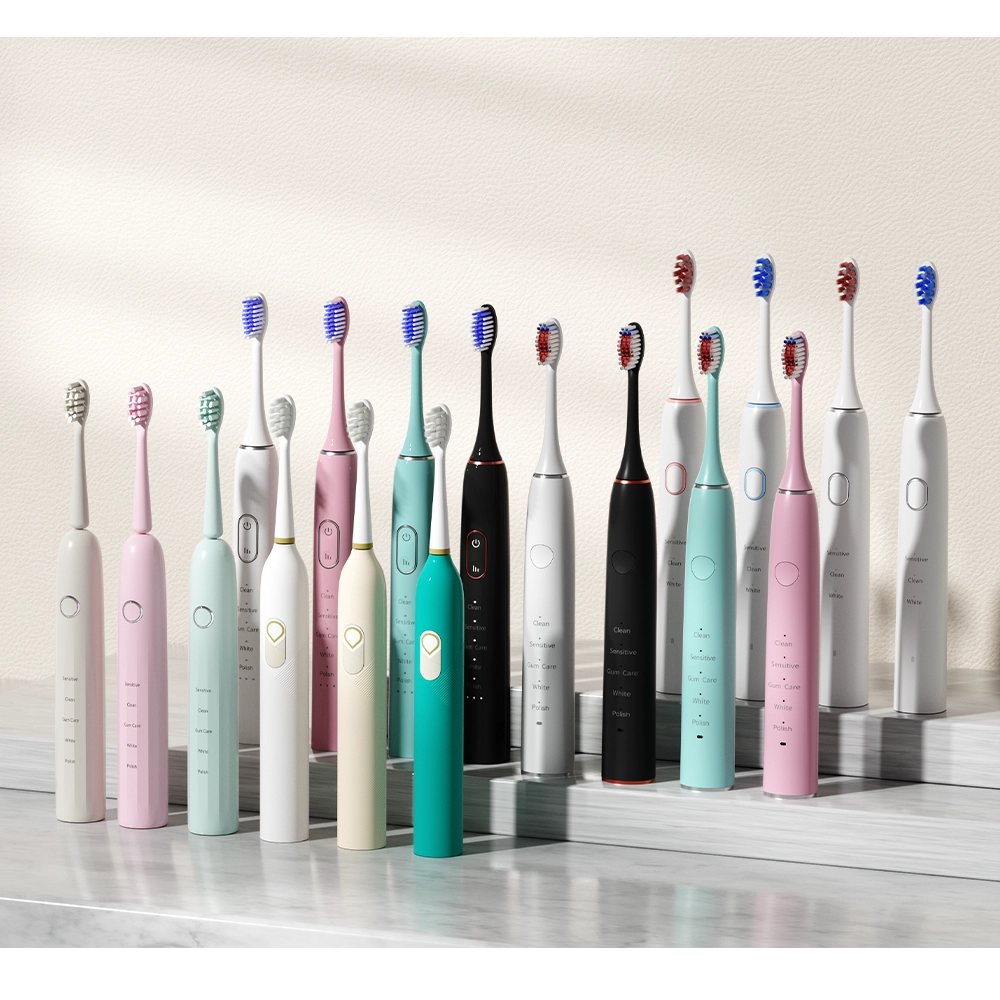
Is Small Batch Customization Feasible? The Minimum Order Quantity and Cost Control of Electric Toothbrush Labeling
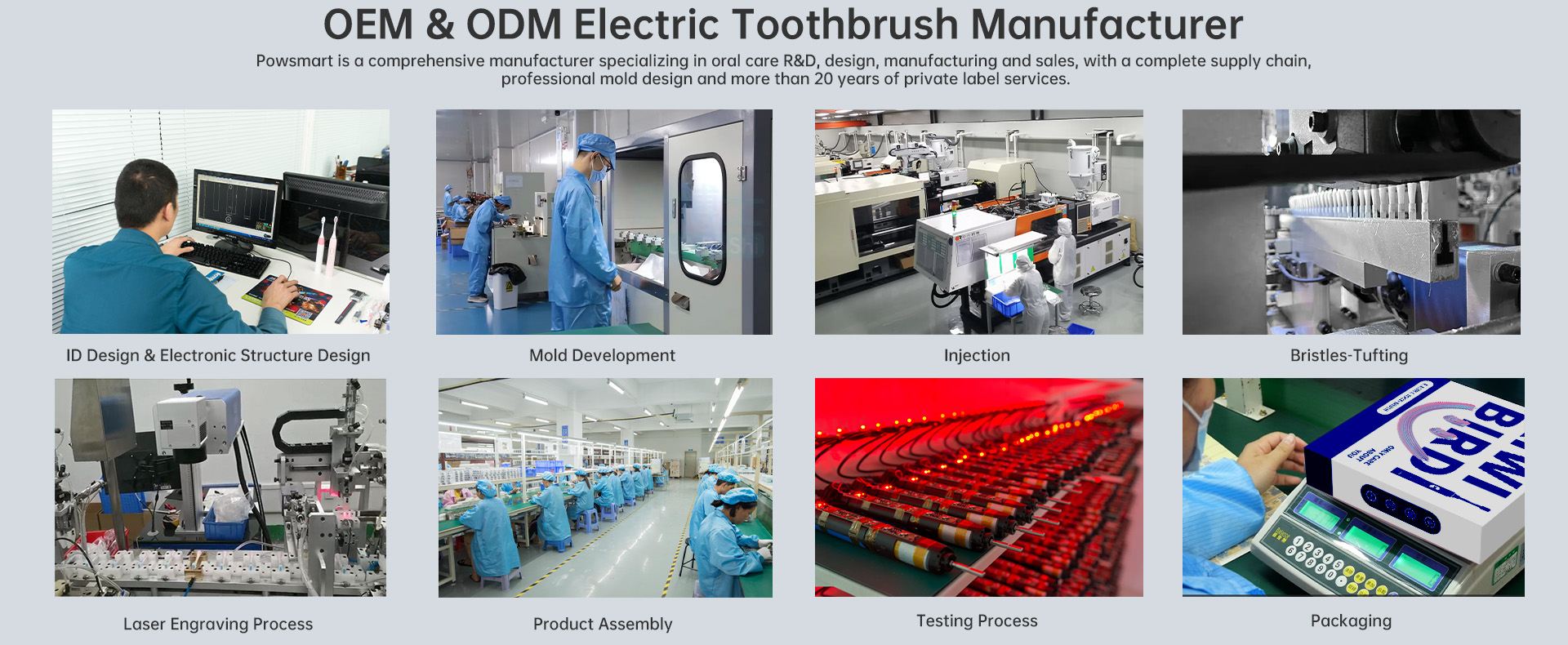
Several production equipment commonly used in electric toothbrush manufacturers
.jpg)
Smart Brush Electrostatic Coating | Electrostatic Spray Coating
Does Teeth Whitening Gel Expire? Answer From Factory

New Trends in the Electric Toothbrush Industry: How Can Intelligent Connectivity Enable Brand Premium?
Facing Brush Head Frying? Can a High Recycled Plastic Ratio Boost Durability and Sustainability?
Could Your Dual Bearing Drive’s Mode Malfunction Be Costing You Efficiency?
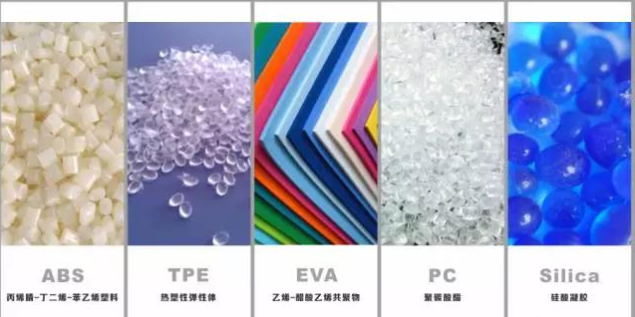
Oral Care Products CPSR Material List: Ensuring Safety and Compliance
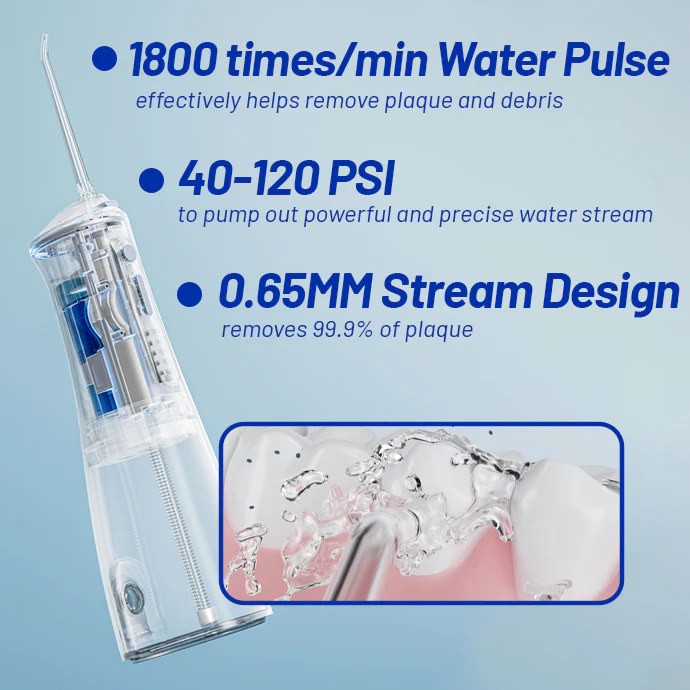
The Competitive Edge: How Water Flosser brands Stay Ahead in the Market

The Secret of Cross-Border Brands: The Global Competitiveness of Chinese Electric Toothbrush Factories
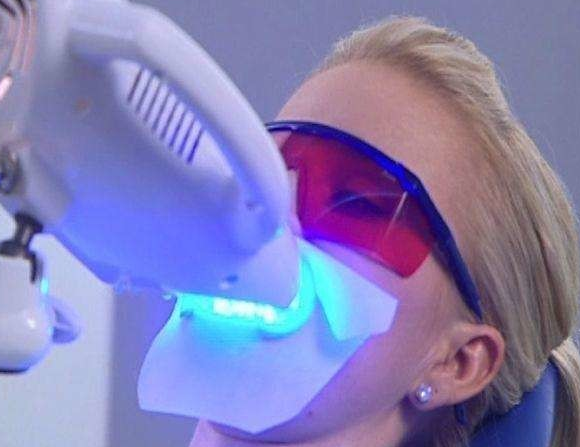
Tips for Maintaining Oral Hygiene While Traveling from an Oral Care Products Factory
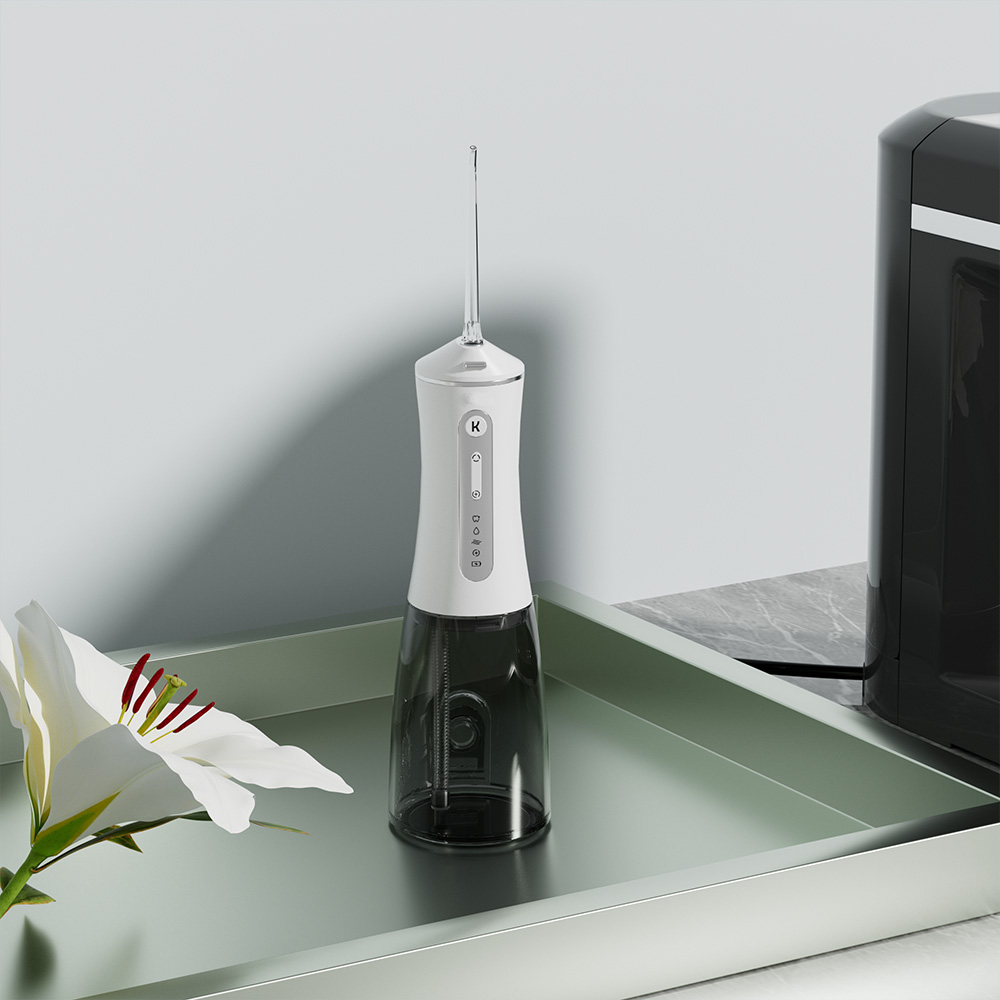
Common Water Flosser Problems and How to Fix Them
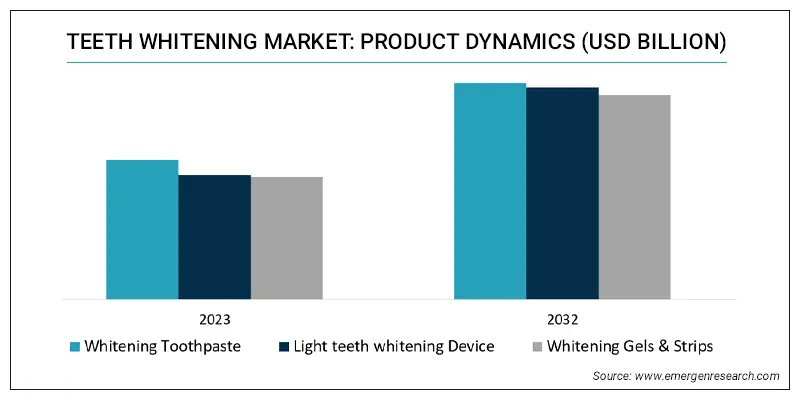
Global Electric Toothbrush Market Report: Portrait of the Fastest Growing Regions and Consumer Groups

New Trends in the Electric Toothbrush Industry: How Can Intelligent Connectivity Enable Brand Premium?
From a Chemical Perspective, Do Teeth Whitening Products Really Work?
Why & How People Start a Teeth Whitening Business (Steps)


.jpg)
.jpg)
.jpg)
.jpg)
.jpg)