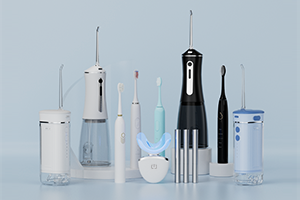
Sonic technology has rapidly become a differentiator in the oral-care category, and for good reason: when thoughtfully implemented in a Kids toothbrush, it improves cleaning performance while enabling safer, more engaging products that drive repeat sales and stronger clinic/retailer relationships. Below we break the case down into three business-focused parts — science & benefit, design & safety, and commercial strategy — and finish with six concrete takeaways your product team can act on today.
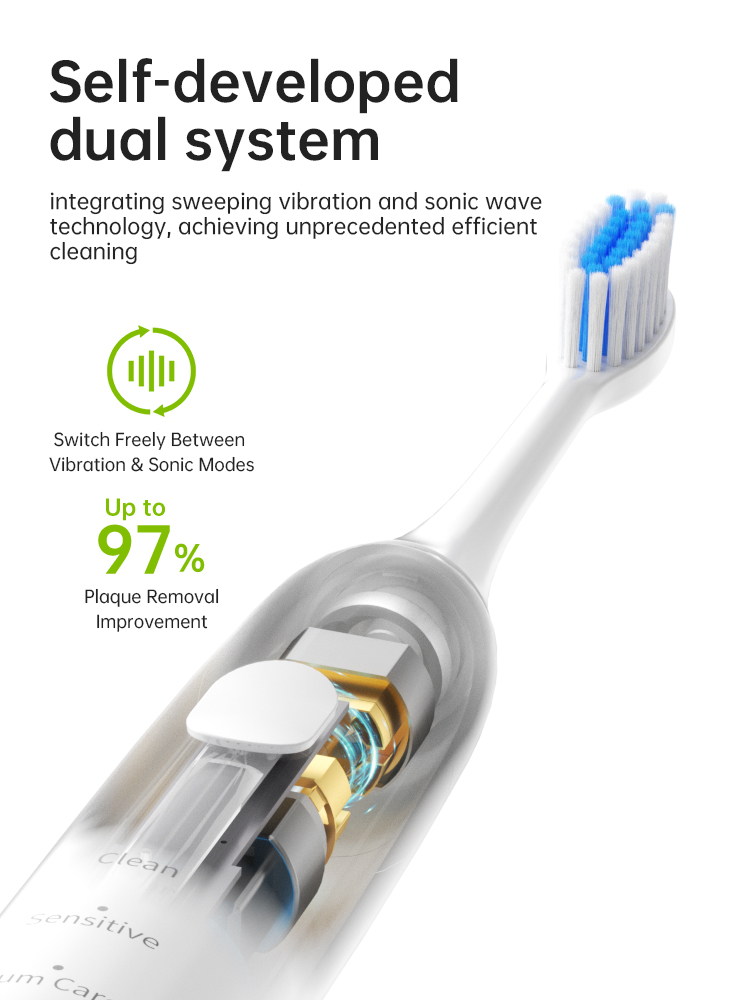
First, the fundamentals. Sonic technology uses high-frequency vibrations to agitate the fluid and plaque matrix around teeth and gums, creating micro-streaming and cavitation effects that reach beyond bristle contact. For children — who typically have inconsistent technique and short attention spans — that means a higher chance of removing plaque from interdental and sub-gingival areas even when mechanical coverage is imperfect.
From a B2B perspective this translates into three measurable advantages:
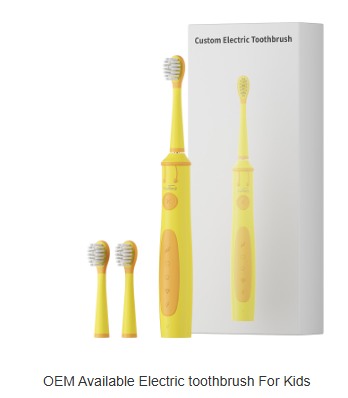
Sonic hardware for children is not a down-scaled adult brush: it must be engineered specifically for small mouths, sensitive gingiva, and caregiver trust. Sonic technology
Key product engineering considerations:
Moreover, sonic implementation must pass rigorous durability tests (motor lifespan, head retention, seal integrity) because kids subject devices to drops, chewing, and rough handling — realities that affect warranty rates and lifecycle costs for B2B customers.
Sonic kids brushes succeed only when product teams align specs with go-to-market tactics.
B2B recommendations:
In short, sonic technology is not a gimmick for the kids category — when engineered and marketed correctly it is a performance and safety upgrade that buyers (parents, clinicians, retailers) can understand and value. For manufacturers and ODMs, the opportunity is twofold: deliver kid-specific sonic hardware that reduces friction and risk, and back it up with clinic partnerships, consumable economics, and evidence that converts skeptical buyers into loyal customers.
If you’d like, I can convert these takeaways into a one-page spec checklist for your R&D team (motor amplitude targets, IP spec, head dimensions, and safety test list) or draft a pilot retail bundle for targeting pediatric clinics and family retailers. Which would you prefer? Contact Powsmart
.jpg)
-1024x1024.jpg)
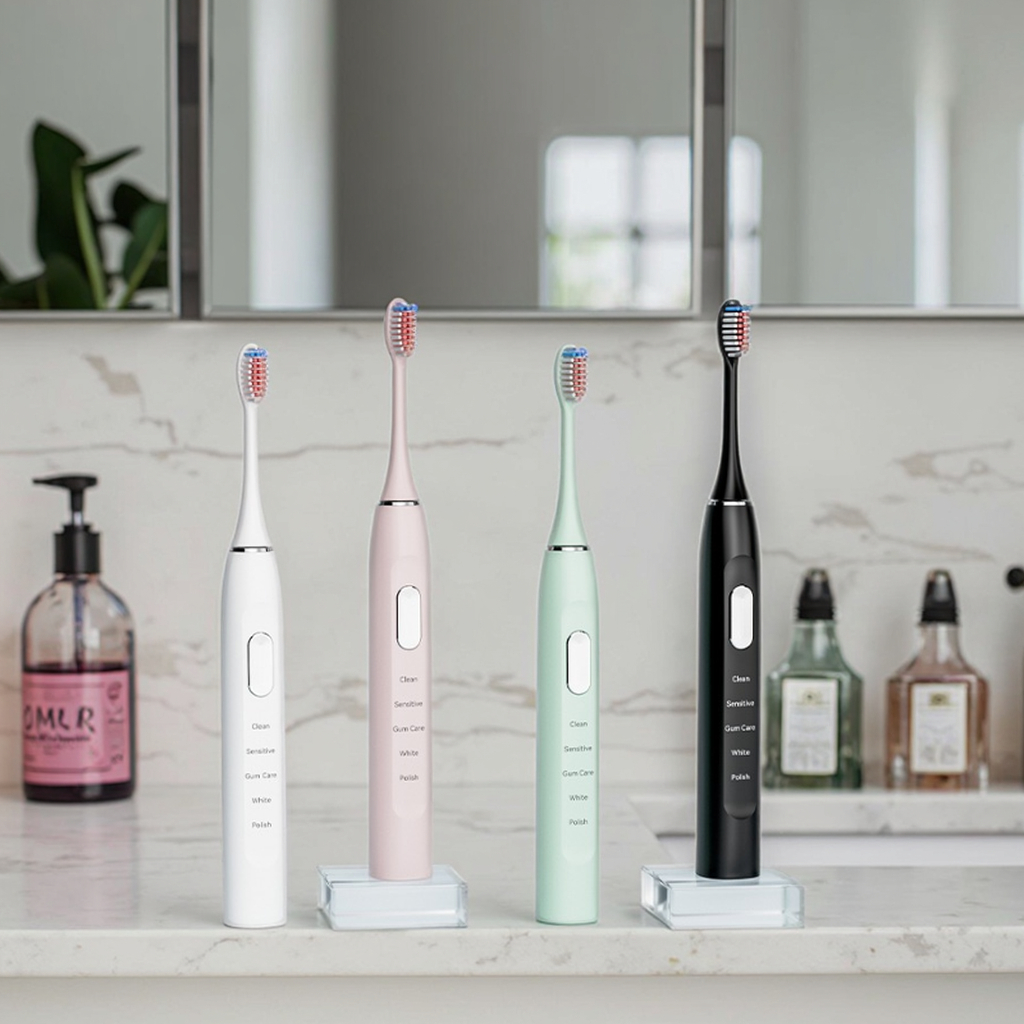
Brushing 3 Times a Day? How Brands & OEMs Can Educate for Better Oral Health
.jpg)
Confused by dental insurance? Which coverage plans include implants?
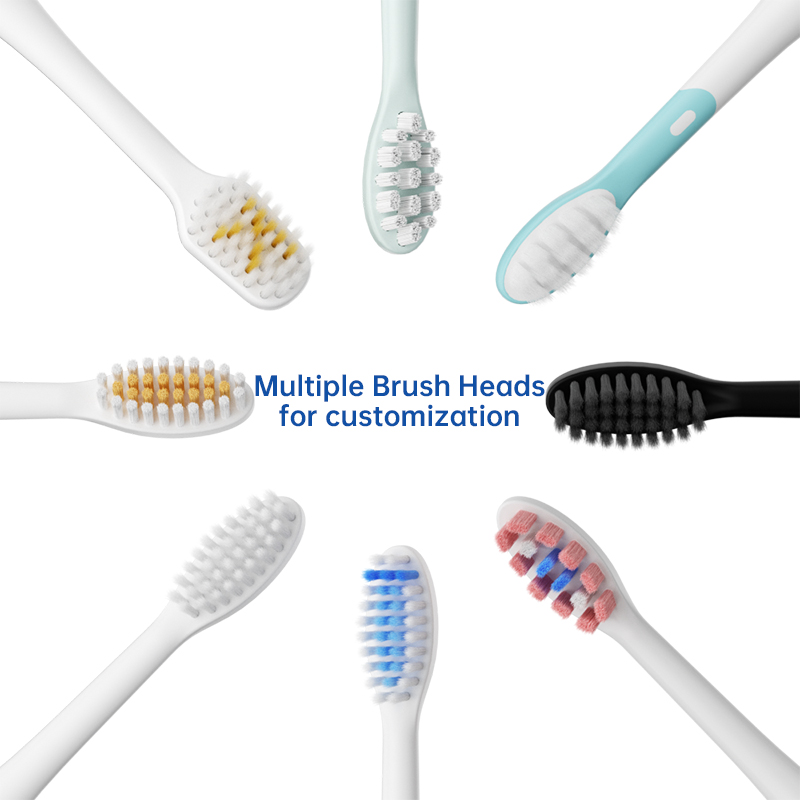
Subscription Model for Oral Care: OEM Strategies for Brush Head Replacement
.jpg)
Multi-Mode Sonic Toothbrush for OEM Buyers | Advanced Cleaning Modes & Customizable Designs
Hotel Amenity Electric Toothbrush Supplier
How Does Electric Toothbrush PCB Assembly Integrate with a UV Toothbrush Sanitizer Manufacturer for Smart Hygiene?
Orthodontic Care Electric Toothbrush OEM
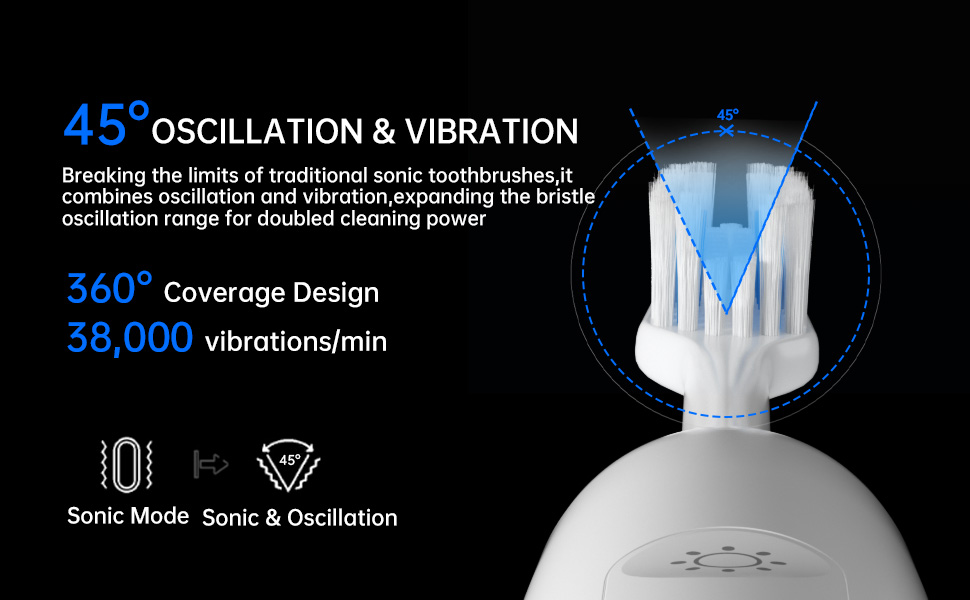
Defining the Best AI Toothbrush: Sensor Technology and OEM Manufacturing Solutions
Toothbrush Head Replacement Bulk Supplier
Quality Control Standards in Electric Toothbrush OEM Production
Horizontal vs Vertical Brushing: How Smart Toothbrush Design Guides Proper Technique

Voice-Activated and AI-Driven Toothbrushes – The Next OEM Frontier
Where to Source Dental Lab Supplies?
Cracked a crown? Tacoma repair services for dental crowns — fast?
How Do I Know When My Toothbrush Is Fully Charged? OEM Solutions for Clear Indicators
Silent Electric Toothbrush for Hotels


.jpg)
.jpg)
.jpg)
.jpg)
.jpg)



.jpg)
.jpg)

.jpg)