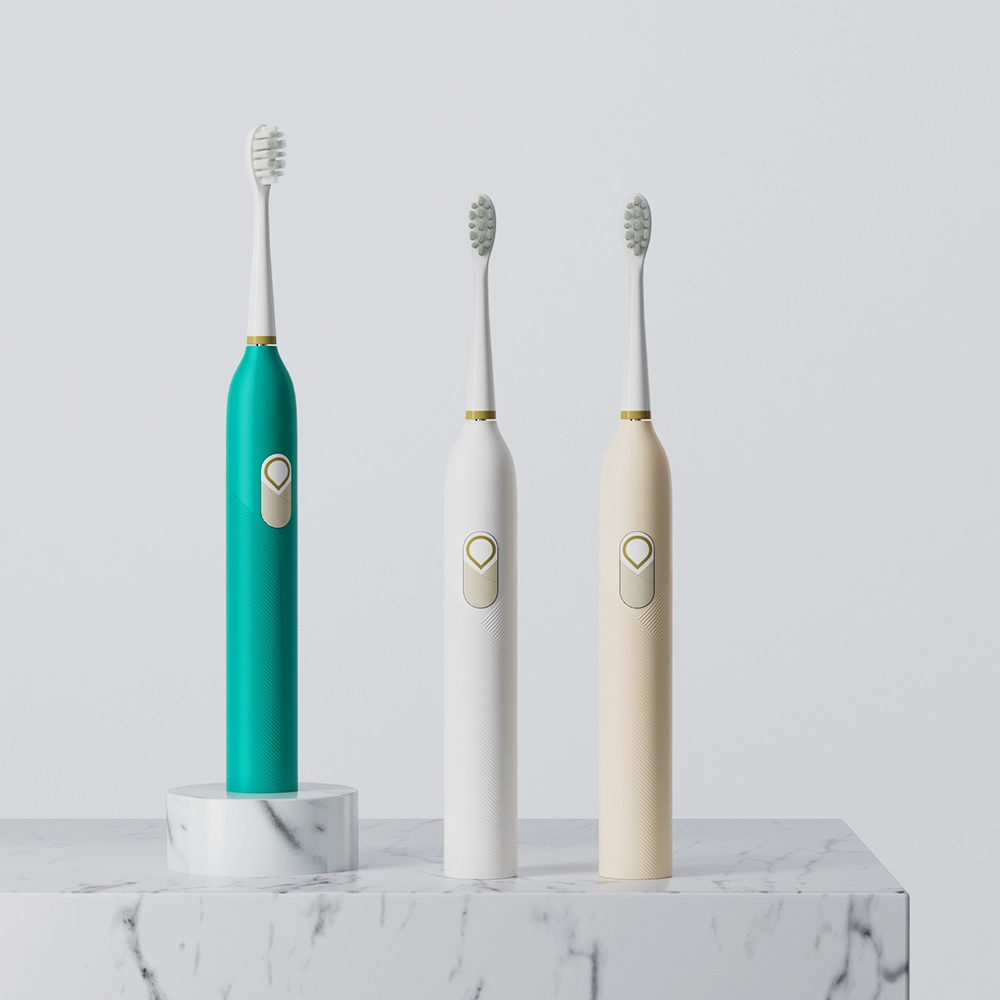
Introduction As an essential part of modern oral hygiene, electric toothbrushes have revolutionized the way people maintain their dental health. But have you ever wondered about the lifecycle of electric toothbrushes? From manufacturing to disposal, every stage plays a role in shaping user experience, environmental impact, and innovation. In this blog, we will explore the key phases in an electric toothbrush’s lifecycle, its essential components, and the role of an electric toothbrush manufacturer in ensuring quality and sustainability. Design and Development The lifecycle of electric toothbrushes begin with its design and engineering. Manufacturers conduct extensive research to enhance brushing efficiency, user comfort, and sustainability. Product designers focus on factors like ergonomic handle design, battery efficiency, and the effectiveness of bristle movement. Cutting-edge technologies, such as smart sensors and AI integration, are also incorporated to optimize user experience. Manufacturing Process The production of an electric toothbrush involves multiple steps, including component assembly, quality control, and packaging. An electric toothbrush manufacturer sources high-quality materials for different parts, such as: Handle and motor: The motor generates vibrations or oscillations to power the bristles. Rechargeable battery: Lithium-ion batteries are commonly used for long-lasting power. Circuit board and sensors: These control speed settings, pressure sensors, and smart…
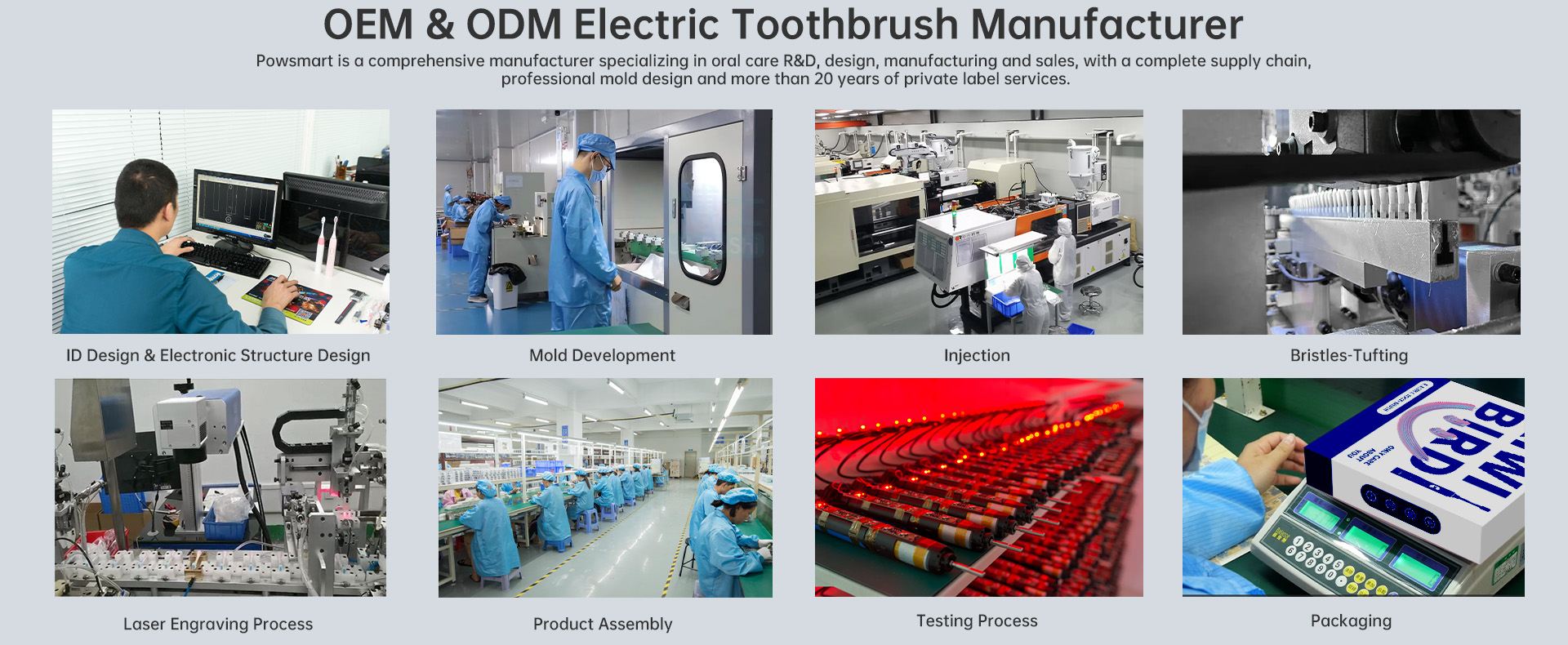
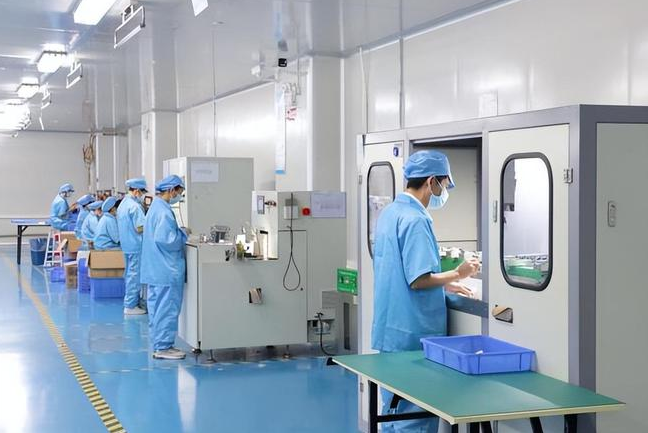
Usually, As electric toothbrush manufacturers, we need the following production equipment, as follows: Brush head production related equipment Hair transplanting machine Used to implant bristles into the holes of the brush head shell. It can accurately implant bristles according to the preset density, angle and arrangement. For example, when producing some electric toothbrush heads with special bristle arrangements (such as cross arrangement or wavy arrangement), the hair transplanting machine can accurately complete the task. The bristles are fixed by a mechanical arm or a clamp. And then accurately inserted into the corresponding holes of the brush head shell. Some hair transplanting machines also have an automatic hair supply system to ensure the continuity of the bristle supply. Brush head shell molding equipment If we produce the brush head shell by injection molding, we need an injection molding machine. The injection molding machine can heat and melt the plastic particles. Inject them into a specific mold to form the shape of the brush head shell. The injection molding machine is mainly composed of an injection system, a mold clamping system, a hydraulic transmission system, an electrical control system, etc. The injection system heats the plastic raw material and injects the molten…
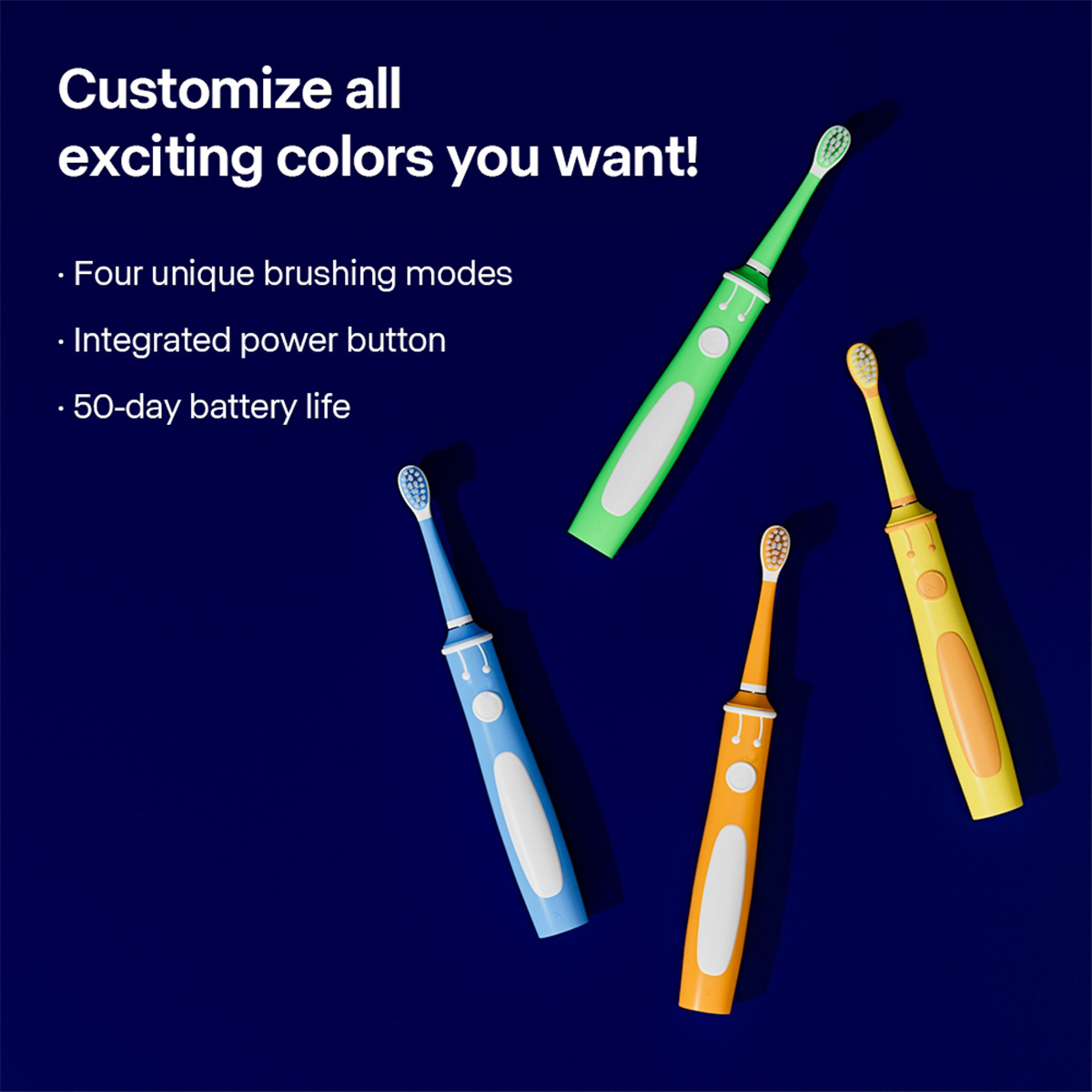
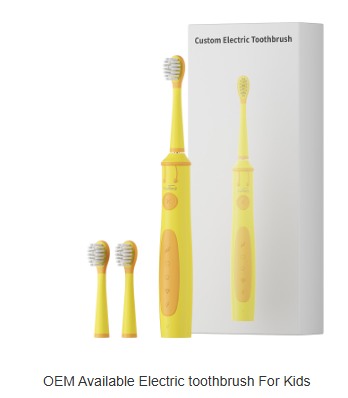
Children electric toothbrushes have gained immense popularity among parents looking to ensure their kids maintain good oral hygiene from an early age. However, not all products on the market meet the necessary quality and safety standards. Unqualified children electric toothbrush can pose significant risks, from battery leakage to structural defects. In this blog, we will explore the most common issues found in substandard children electric toothbrushes and what to look for when selecting a reliable product from a professional electric toothbrush manufacturer. Battery Leakage: A Safety Hazard One of the most concerning issues with unqualified children electric toothbrushes is battery leakage. Low-quality batteries and poor sealing mechanisms can cause electrolyte leakage, which may lead to skin irritation, corrosion of internal components, or even fire hazards. A reputable electric toothbrush manufacturer ensures that all battery compartments are well-sealed and that high-quality, leak-proof batteries are used. Shell Peeling Off: A Choking Risk Another frequent problem is the peeling or breaking of the toothbrush shell. Poor-quality plastic materials and weak adhesives can result in the outer shell peeling off after a short period of use. This not only affects the durability of the toothbrush but also poses a choking risk for young children.…
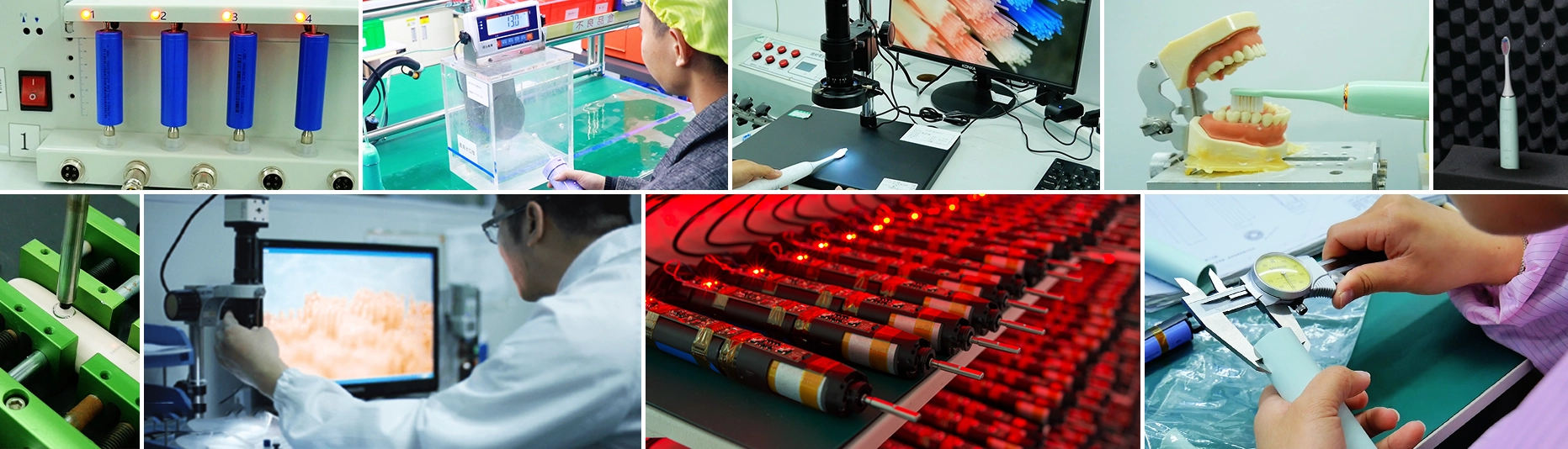
Electric toothbrushes have revolutionized our oral hygiene routines, offering efficiency and effectiveness unmatched by manual brushing. However, some users report a peculiar issue: toothbrushes turning on automatically at night. This puzzling phenomenon raises questions about its causes, implications, and solutions. As a factory specializing in the production of electric toothbrushes, let us explain why this happens and what you can do about it. Why Do Electric Toothbrushes Turn On Automatically at Night? Modern electric toothbrushes are powered by sophisticated electronics, including batteries, circuits, and sensors. However, certain factors can lead to accidental activation: Battery Malfunctions: Overcharged or aging batteries can trigger unexpected operations. Moisture and Residue: Water or toothpaste residue inside the device might short-circuit the internal components. Software Glitches: A rare software error in smart toothbrushes can occasionally cause erratic behavior. Does This Happen Frequently? No, this issue is rare and usually results from specific conditions like improper storage or prolonged usage without maintenance. Reputable manufacturers conduct rigorous testing to minimize such risks. Is It Harmful? While it can be alarming, a toothbrush turning on automatically at night is unlikely to cause harm. However, the repeated activation might drain the battery or wear out the motor prematurely. Addressing the problem promptly is…
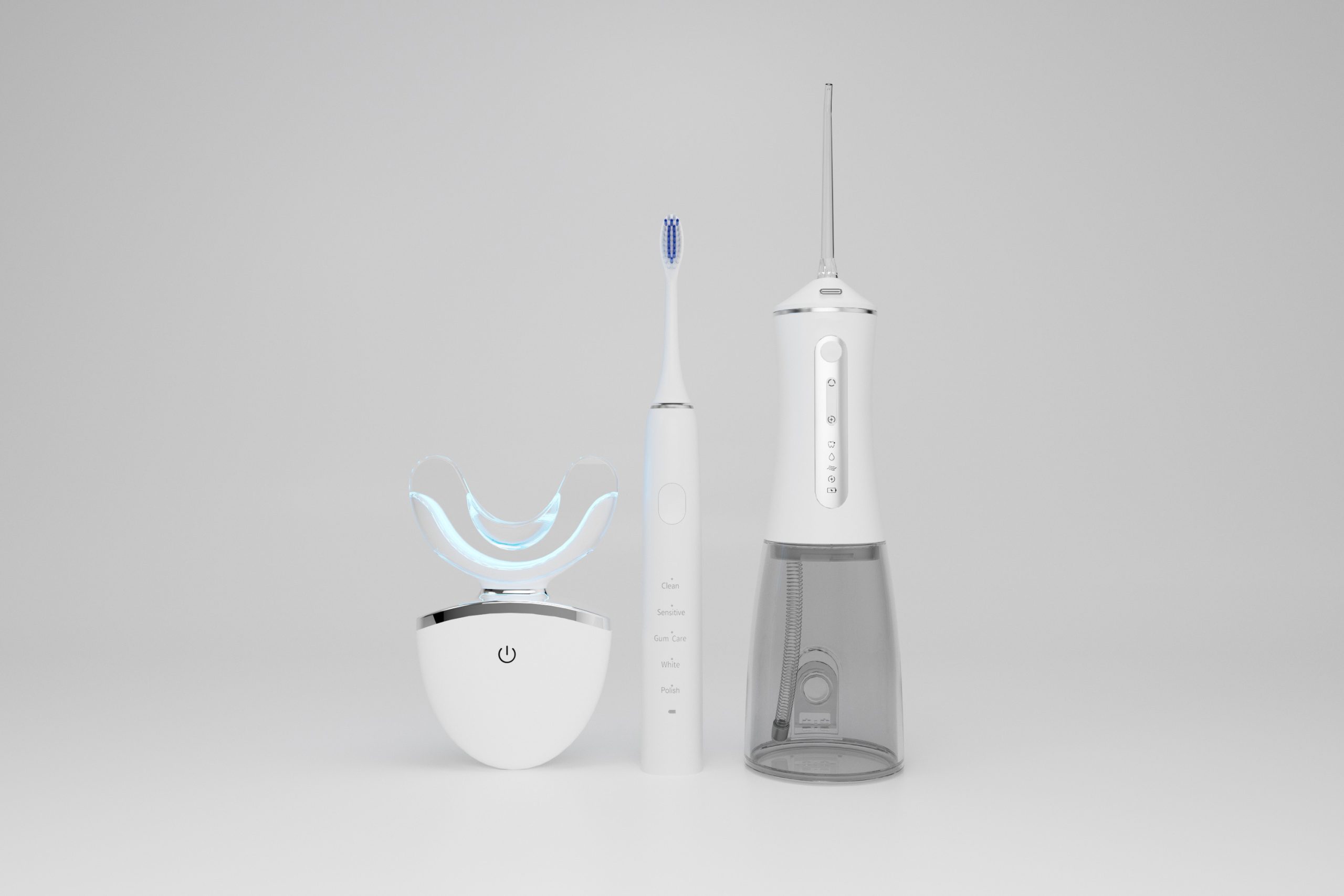
If you’ve recently invested in a dental irrigator for your oral care routine, you might be wondering: is it normal for it to make a lot of noise? Dental irrigators are highly effective tools for cleaning between teeth and along the gumline, but their operation can sometimes raise concerns. Let’s explore why these devices make noise, what’s normal, and how to minimize it. Understanding the Source of the Noise Dental irrigators, often referred to as water flossers, rely on powerful pumps to generate water pressure. This pressure is what allows the device to dislodge food particles and plaque effectively. The noise you hear comes primarily from the motor and pump working together. Depending on the model and brand, the sound level can vary, but a moderate humming or buzzing is generally considered normal. The pump of Powsmart's water flosser is designed and developed by ourselves. It can not only make cleaning more efficient and gentle, but also its noise during operation is also acceptable. Comparing Different Models Not all dental irrigators are created equal when it comes to noise levels. Compact, travel-sized models tend to be quieter due to their smaller motors, while countertop versions with more powerful pumps may…
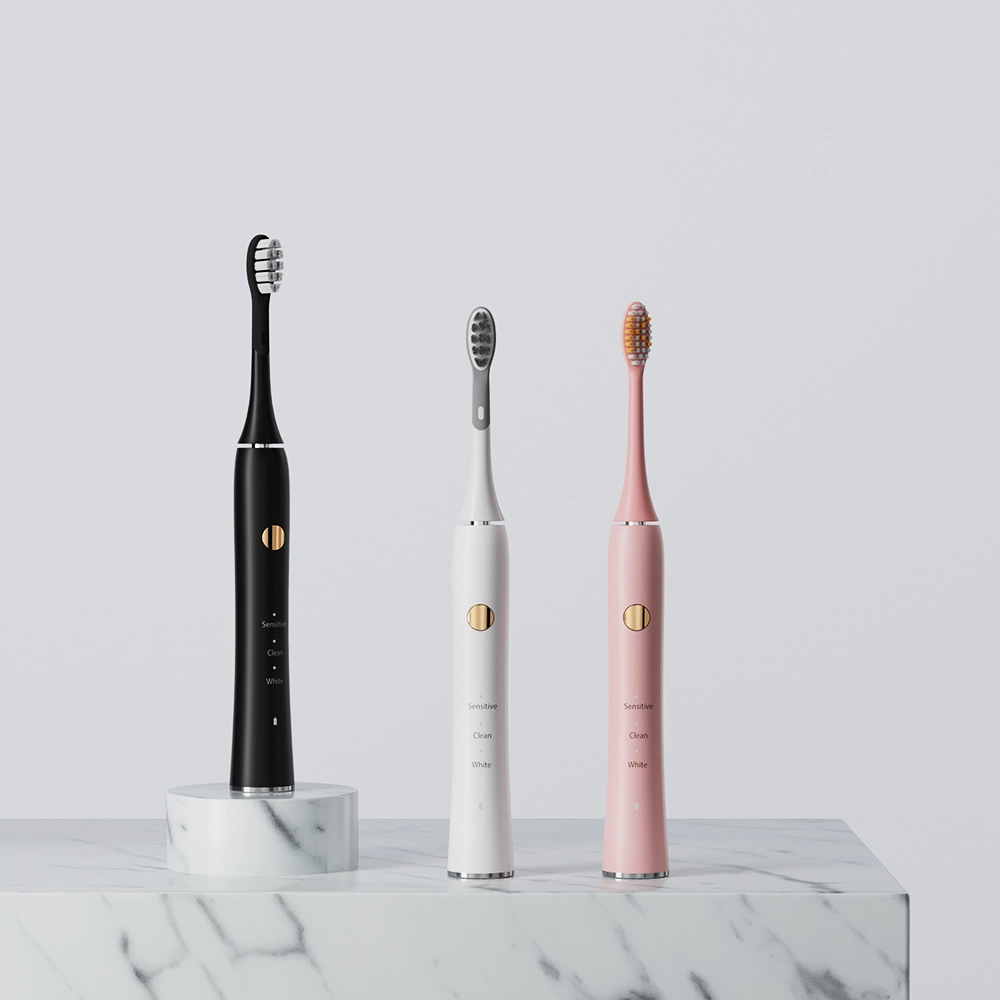
When traveling, maintaining good oral hygiene is just as important as enjoying your journey. Travel size electric toothbrushes have become a favorite for frequent flyers and adventurers alike, thanks to their compact design and convenience. However, like any product, they come with their own set of pros and cons. This article delves into the advantages and disadvantages of these handy dental tools to help you make an informed choice. Pros of Travel Size Electric Toothbrushes Portability One of the most significant advantages of travel size electric toothbrushes is their compact design. They are lightweight and easy to pack, fitting seamlessly into your luggage or carry-on bag without taking up much space. This portability makes them perfect for short trips or long vacations. Powsmart is also offering different types of light weight models for travel size electric toothbrush option. Below S1 model is one of the popular travel-size model, which is available for private labeling. Effective Cleaning Despite their smaller size, travel size electric toothbrushes often deliver powerful cleaning. Many models use oscillating or sonic technology to remove plaque effectively, ensuring you maintain optimal oral hygiene even on the go. Built-In Convenience Many travel toothbrushes come with built-in features like timers,…
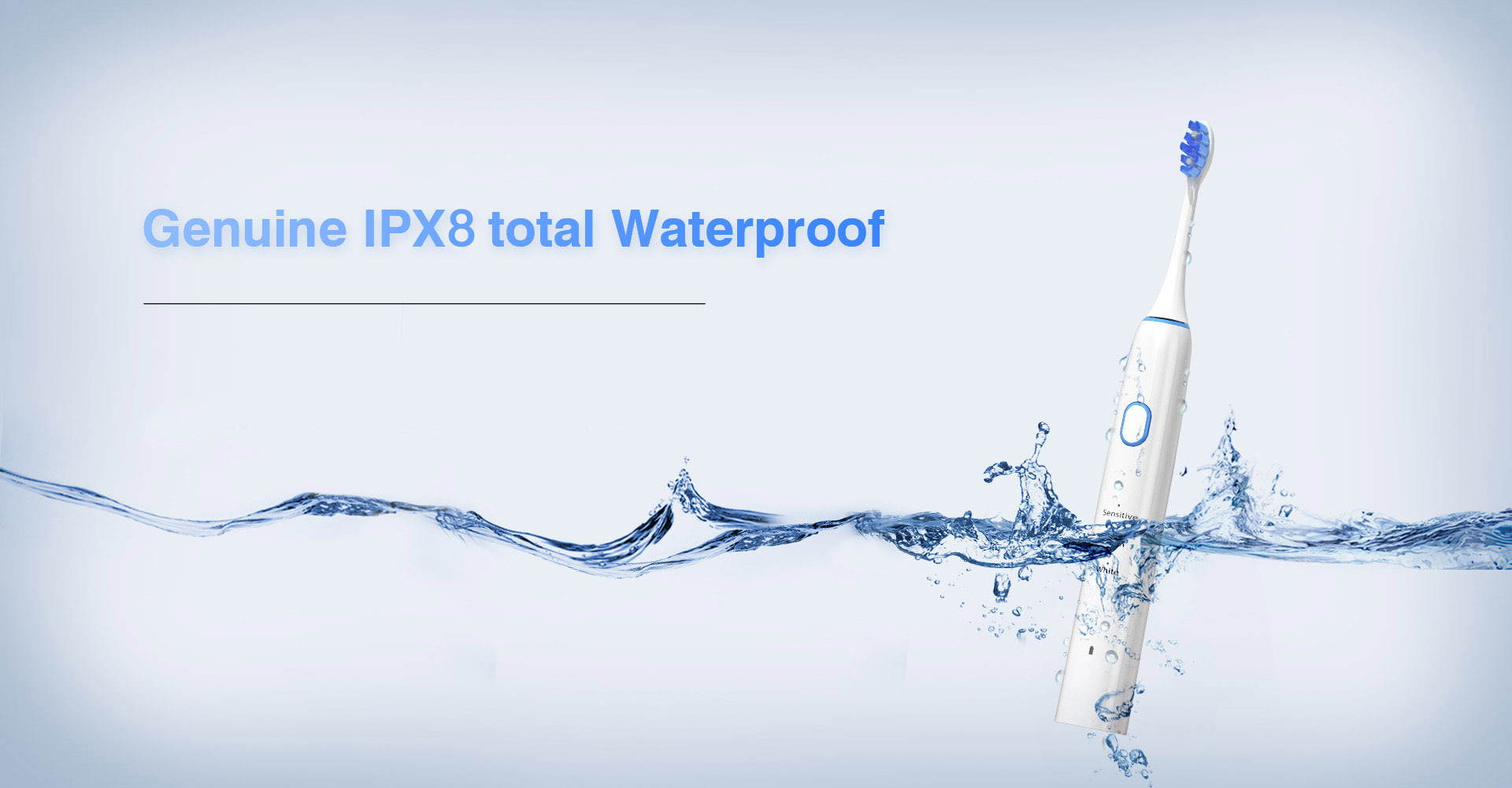
Electric toothbrushes have become an integral part of our daily oral hygiene routines, offering convenience and effective cleaning. However, one common issue that arises with prolonged use or improper handling is water ingress. This problem can lead to unexpected automatic booting of the device and other related electric toothbrush quality issues. In this blog, we will delve into the specific performances after water ingress and how they can impact the functionality of an electric toothbrush. Unexpected Activation of the Automatic Boot Feature Water ingress is a leading cause of unintended activation, where the electric toothbrush automatically boots without user input. This issue is not only inconvenient but can also drain the battery prematurely, leaving the toothbrush unusable when it’s needed most. Such behavior compromises the reliability of the device and underscores the need for robust waterproofing measures. Erratic Motor Performance When water penetrates the internal circuits, it can disrupt the motor’s operation. Specific performances after water ingress like intermittent vibrations or reduced brushing power are common signs of this issue. These erratic behaviors affect the effectiveness of cleaning and diminish the user experience. Shortened Battery Life One of the most noticeable electric toothbrush quality issues caused by water ingress is…
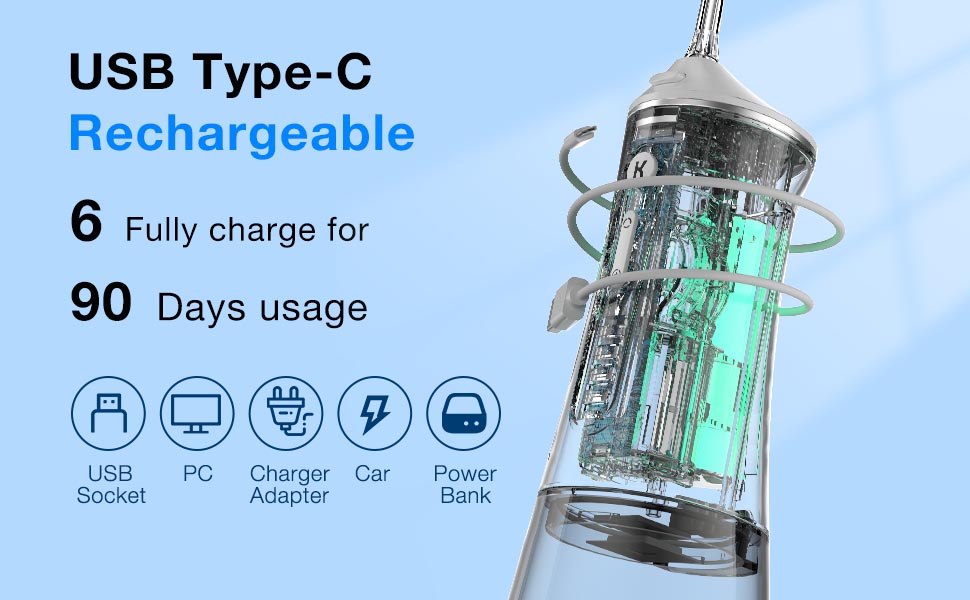
Like any electronic device,water flossers can sometimes encounter issues. One of the most common problems users report is when their water flosser can't be charged. If you’re facing this issue, don’t worry! Below, Powsmart will explore the possible causes and guide you on how to fix charging problems effectively from the perspective of manufacturer. Check the Power Source The first step in diagnosing charging issues is ensuring the power source is working correctly. Plug another device into the same outlet to confirm it’s functioning. If you’re using a USB adapter, try switching to a different one or plugging it directly into a computer’s USB port. Inspect the Charging Cable and Adapter A faulty or damaged charging cable is a common reason why a water flosser cannot be charged. Carefully examine the cable for signs of wear, fraying, or bent connectors. If the cable or adapter appears damaged, replace it with a compatible and certified alternative. Similarly, inspect the adapter for any visible issues. Some water flossers do not support fast charging, you’d better check it with the after sales or the manufacturer first and then using the adapter with correct specifications . Clean the Charging Port Debris, dust, or moisture can accumulate in the charging port,…
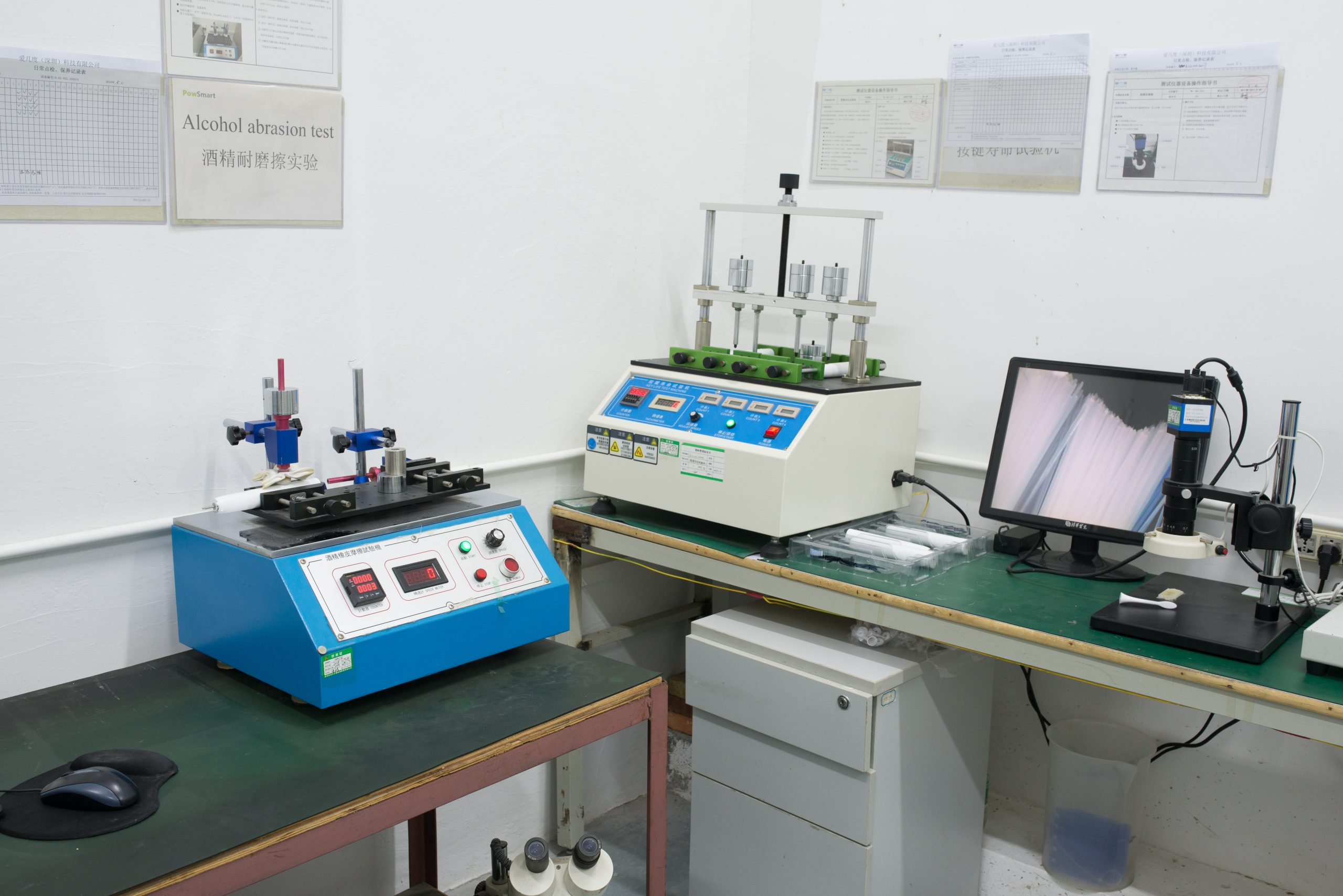
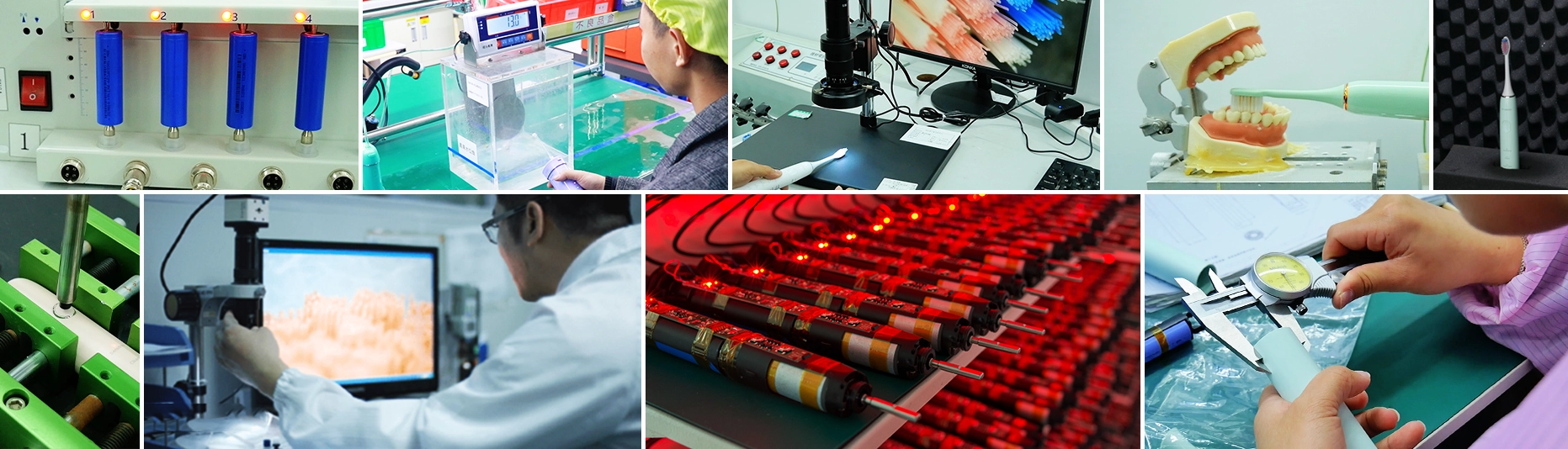
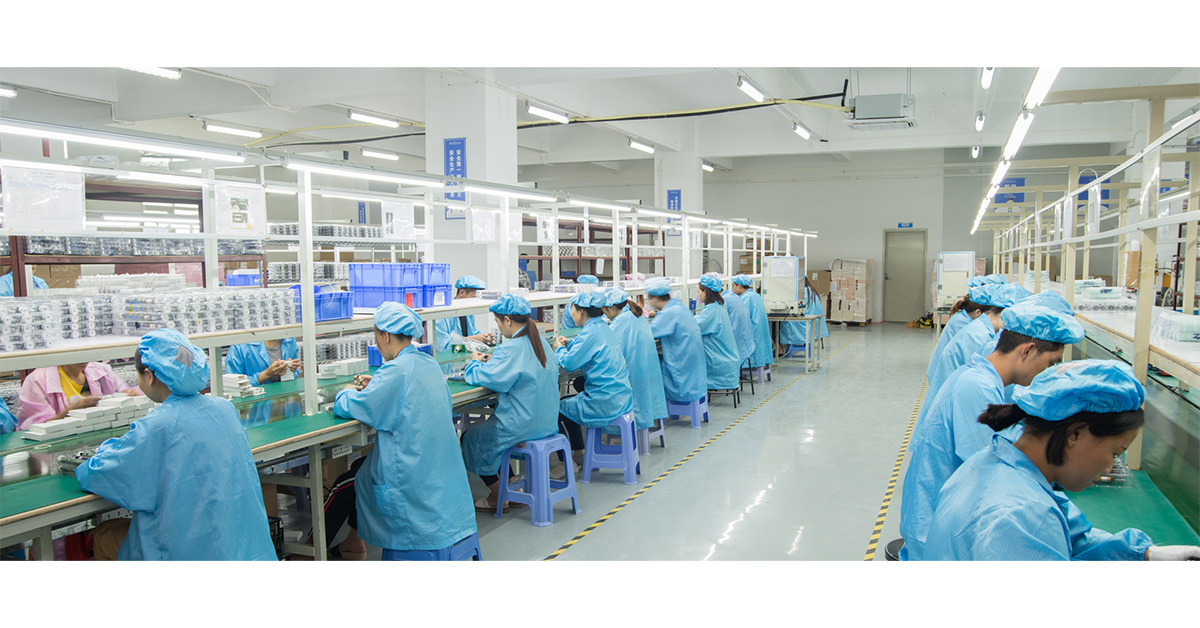
Manufacture electric toothbrush equires precision, efficiency, and advanced technology. One of the most critical steps in this process is inserting bristles into the brush head, which is handled by a bristle tufting machine. In this blog, Powsmart will explore the manufacturing process for electric toothbrushes, highlight the role of tufting machines, and discuss how an electric toothbrush factory operates efficiently to meet market demands. The Electric Toothbrush Manufacturing Process The process to manufacture electric toothbrush involves several key steps: Design and Material Selection: Factories start by finalizing the ergonomic design and selecting safe, durable materials for the brush body and bristles. Injection Molding: The toothbrush body and head are using precision molds to ensure consistency. Bristle Tufting: Using a bristle tufting machine, bristles are inserted into the brush head, ensuring uniform placement for effective cleaning. Assembly and Quality Control: Components like motors, batteries, and circuit boards are added, followed by thorough quality checks to ensure the brush meets performance standards. Packaging and Shipping: Finished toothbrushes are packed and distributed worldwide. This streamlined process ensures that every electric toothbrush meets consumer expectations for durability and functionality. Importance of Bristle Tufting Machines The bristle tufting machine is at the heart of toothbrush production. It automates the…
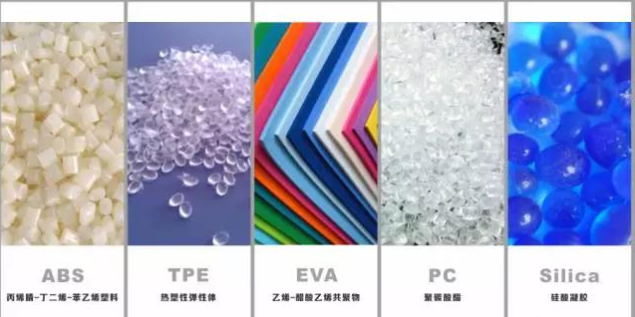
Electric toothbrushes have become a staple in oral care routines worldwide, thanks to their superior cleaning capabilities and advanced features. However, few consumers understand what goes into the making of these devices. By exploring the materials and processes used in electric toothbrush manufacturing, we can gain insight into how these essential tools combine durability, safety, and efficiency. Key Materials Used in Electric Toothbrushes a. Plastics for Housing and DesignThe outer casing of an electric toothbrush is typically made from durable and lightweight plastics such as ABS (Acrylonitrile Butadiene Styrene) or polycarbonate. These materials ensure the toothbrush is water-resistant and safe for prolonged use. High-quality plastics also provide a sleek finish, enhancing the aesthetic appeal of the toothbrush. b. Metals for Motors and ComponentsElectric toothbrushes rely on small, precision-engineered motors, which are often made of stainless steel or other robust metals. These materials are essential for creating the vibrations or rotations needed for effective cleaning, a hallmark of the electric toothbrush manufacturing process. c. Soft Nylon for BristlesSoft nylon to ensure effective cleaning without damaging enamel or gums. In many cases, manufacturers use different grades of nylon for varied cleaning modes, such as sensitive or deep-cleaning options. The Role of Advanced Materials…
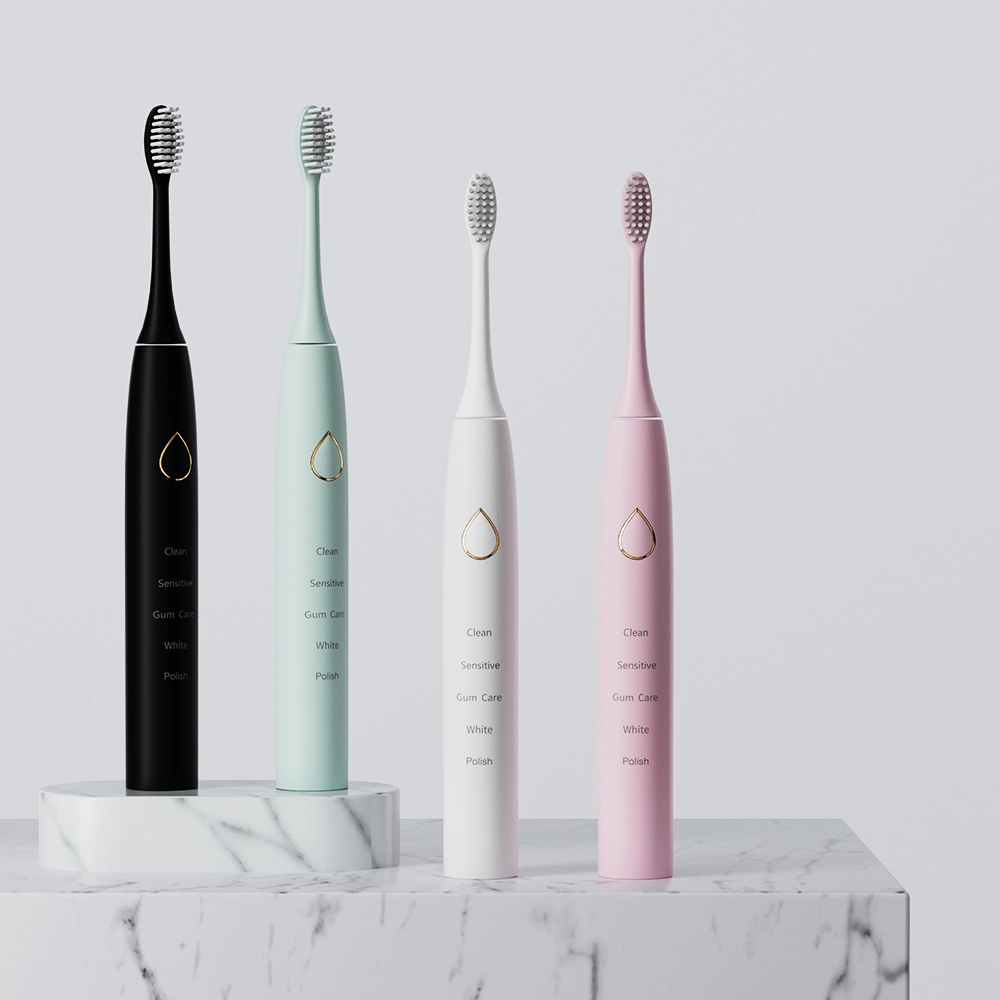
The electric toothbrush industry has undergone a significant transformation in recent years, with advancements in manufacturing processes driving efficiency, innovation, and quality. In this blog, we explore the revolution in electric toothbrush manufacturing and its impact on the industry, shedding light on new technologies, streamlined production, and sustainable practices shaping the future of oral care products. Smart Automation in Electric Toothbrush Manufacturing Automation has been a game-changer in the production of electric toothbrushes. From precision assembly lines to robotic quality control, smart technologies have enhanced efficiency while minimizing human error. Manufacturers now employ advanced machines capable of handling intricate components such as motor assemblies and bristle configurations, accelerating production rates and ensuring consistent quality. This technological leap exemplifies how electric toothbrush manufacturing continues to evolve. Integration of Sustainable Practices Sustainability is becoming a core focus in the industry. Companies are exploring eco-friendly materials, such as biodegradable plastics, and energy-efficient manufacturing methods to reduce carbon footprints. For example, some manufacturers have adopted closed-loop systems to recycle water and energy during production, aligning with global efforts toward environmental responsibility. This shift underscores how the revolution in electric toothbrush manufacturing is addressing modern sustainability challenges. Customized Production and Private Labeling Another hallmark of this manufacturing revolution is…
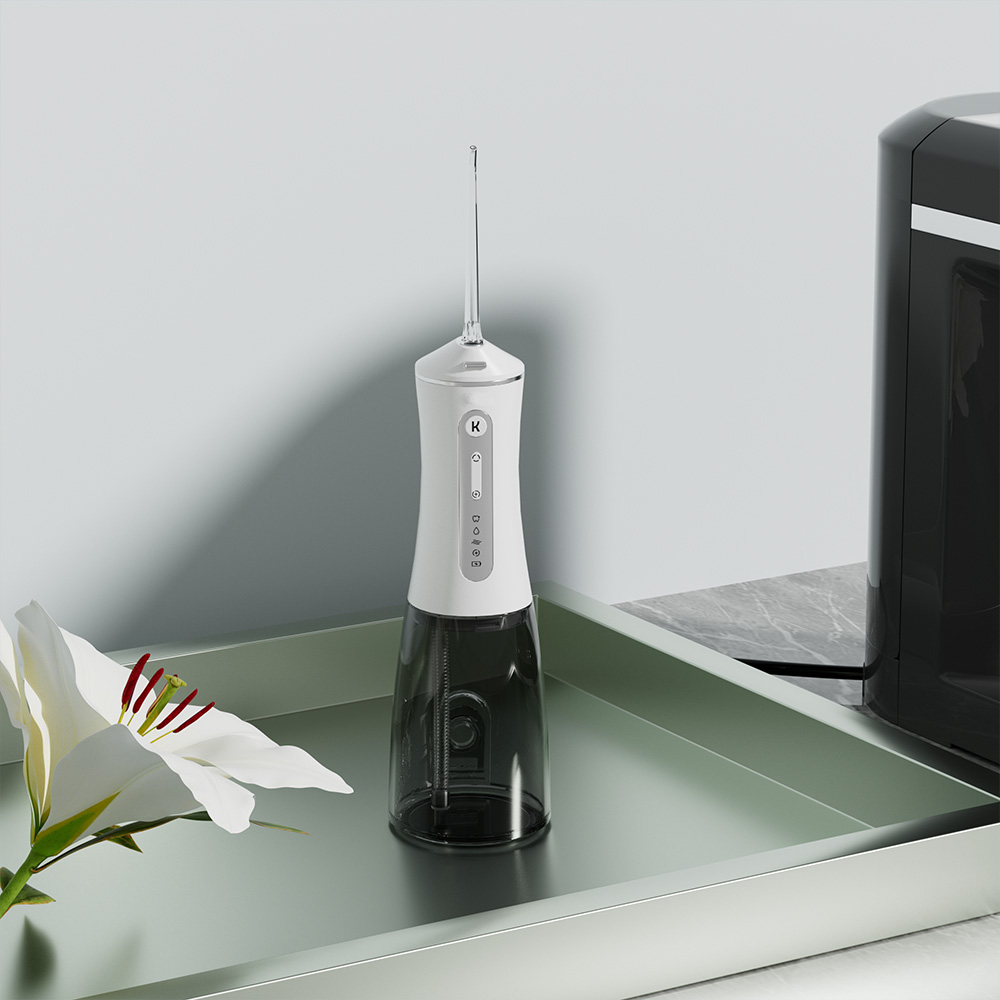
Bleeding gums can be a concerning sign, often hinting at underlying oral health issues such as gingivitis or improper dental care. However, addressing this problem doesn’t have to be intimidating. Water flossing, a revolutionary approach to oral hygiene, offers a gentle yet effective solution to improve gum health and prevent bleeding. Let’s dive into the benefits of water flossing and why it’s a game-changer for your dental care routine. What Causes Bleeding Gums? Before exploring solutions, it’s essential to understand the root causes of bleeding gums. Poor oral hygiene often leads to plaque buildup, which irritates gum tissue and causes inflammation, also known as gingivitis. Other factors such as using hard-bristled toothbrushes, improper flossing techniques, or underlying health conditions can exacerbate the problem. Identifying these triggers is the first step toward healthier gums. The Drawbacks of Traditional Flossing While traditional string flossing is effective, many individuals find it challenging or uncomfortable. Missteps in flossing technique can aggravate sensitive gums and even contribute to bleeding. This is where water flossing provides a modern alternative that’s not only easier to use but also more comfortable for people with gum sensitivity. What Is Water Flossing? Water flossing uses a handheld device that directs…
One key feature often discussed is the frequency of electric toothbrush—how many strokes or vibrations it produces per minute. But does a higher frequency always mean better cleaning ability? Let’s explore this topic in-depth to understand the relationship between frequency and cleaning performance. Understanding the Frequency of the Electric Toothbrush Frequency refers to the speed at which an electric toothbrush vibrates or oscillates. High-frequency toothbrushes can generate tens of thousands of strokes per minute, far surpassing what is achievable with manual brushing. For example, sonic toothbrushes typically operate at 30,000 to 40,000 strokes per minute, providing users with a more efficient cleaning process. But what does this mean for actual plaque removal and oral hygiene? How Frequency Affects Cleaning Ability The cleaning ability of toothbrushes depends on several factors, including frequency. Here’s how frequency contributes: Increased Plaque Removal: High-frequency vibrations help dislodge plaque and food particles from hard-to-reach areas. Fluid Dynamics: Sonic toothbrushes create dynamic fluid motion, propelling water and toothpaste between teeth and along the gum line for a deeper clean. Gentle on Gums: While high-frequency brushes are effective, their movements are designed to be gentle, reducing the risk of gum damage compared to aggressive manual brushing. However, frequency alone doesn’t guarantee better…
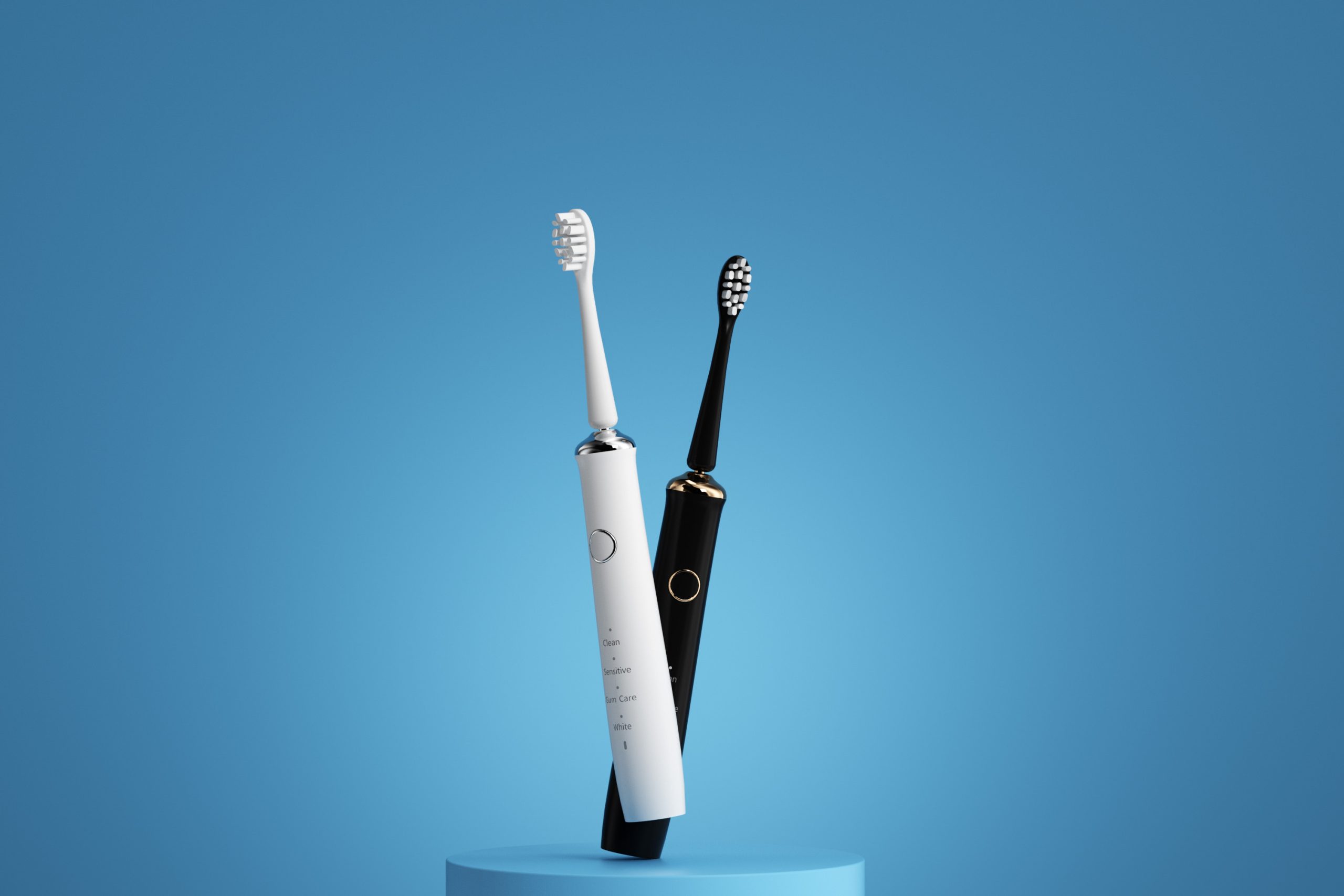
The battery life of an electric toothbrush is a crucial factor for consumers, especially for those who travel frequently or use their toothbrush multiple times daily. With advancements in technology, the battery life of electric toothbrushes has significantly improved, but there are still notable differences across different electric toothbrush manufacturers. In this blog, we will explore the average battery life, factors that contribute to variations, and how to choose a toothbrush that best meets consumer needs. Average Battery Life of Electric Toothbrushes Most electric toothbrushes on the market offer a battery life ranging from 7 days to 6 weeks on a single charge, depending on the model and usage patterns. Basic models typically last around 7–14 days, while premium models with advanced features can last up to 9 weeks. Powsmart, as a high-end electric toothbrush factory with lithium-ion batteries built-in the electric toothbrush tend to perform better in terms of longevity compared to those using nickel-metal hydride (NiMH) batteries. Factors Influencing Battery Life Differences The electric toothbrush battery life difference can be attributed to several factors: Battery Type: Lithium-ion batteries, commonly used in modern toothbrushes, are lighter, more efficient, and last longer than NiMH batteries. Most of the time, the battery type is also a key factor…
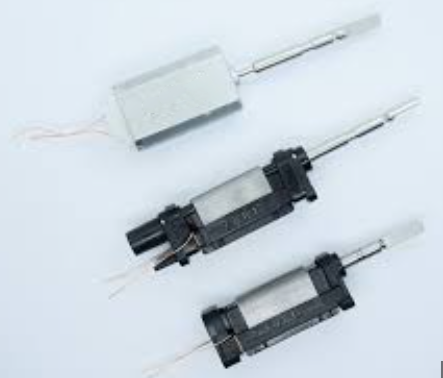
Electric toothbrushes have become a staple in oral hygiene, and the motor is the heart of their functionality. However, the difference between different manufacturers of electric toothbrush motors can significantly impact the toothbrush’s performance, durability, and cost. This blog explores how electric toothbrush manufacturers vary in technology, quality, and innovation, helping B2B buyers make informed decisions. Motor Technology and Performance One key difference between different manufacturers of electric toothbrush motors lies in the motor technology they use. High-end manufacturers often employ advanced sonic or oscillating motors, offering superior cleaning efficiency. In contrast, budget-friendly manufacturers might use basic rotary motors that are less powerful but more affordable. For instance, different electric toothbrush manufacturers targeting premium markets prioritize vibration frequency and noise reduction, while others focus on cost-efficiency for mass production. Quality and Material Standards Another factor that differentiates manufacturers is their commitment to quality and material standards. High-quality motors ensure longevity and consistent performance. Manufacturers who source robust materials and implement stringent quality control processes are often more reliable. On the other hand, some low-cost manufacturers might compromise on motor durability to reduce production costs, which can lead to a higher rate of product failure. Understanding this difference between different manufacturers of electric toothbrush…
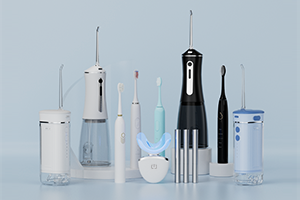
Electric toothbrushes have become an essential tool in modern oral care, offering various options tailored to different user needs. Among the most popular choices are the dry battery toothbrush, sonic electric toothbrush, and rotary toothbrush. This blog explores their differences, key features, and suitability for different users, helping businesses and consumers make informed decisions. Dry Battery Toothbrush: Simple and Affordable Key Features:The dry battery toothbrush is a basic electric toothbrush powered by replaceable batteries, typically AA or AAA. Its simple design and affordability make it a popular choice for budget-conscious users. Advantages: Portability and ease of use, especially during travel. Low initial investment, appealing to first-time electric toothbrush users. Minimal maintenance cost, as only batteries need replacement. Limitations:However, dry battery toothbrushes generally have less power and fewer advanced features, making them less effective in thorough cleaning compared to their sonic or rotary counterparts. Sonic Electric Toothbrush: Advanced and Effective Key Features:The sonic electric toothbrush operates using high-frequency vibrations (typically 30,000–40,000 strokes per minute). These vibrations create a dynamic cleaning action that pushes fluid between teeth and along the gumline. Advantages: Superior cleaning performance, suitable for sensitive gums and hard-to-reach areas. Often comes with additional features like timers, pressure sensors, and multiple brushing…
Brushing your teeth efficiently is essential for maintaining good oral hygiene, especially in today’s fast-paced lifestyle. With the help of an electric toothbrush, it’s possible to clean your teeth thoroughly in less time. In this blog, as an experienced sonic electric toothbrush manufacturer, Powsmart is going to share expert usage tips of electric toothbrushes to help you master the art of brushing your teeth quickly and cleanly. Choose the Right Electric Toothbrush The first step to effective brushing is selecting an electric toothbrush that meets your needs. Look for models with features like built-in timers, pressure sensors, and multiple brushing modes. These can help ensure that you brush efficiently without compromising on thoroughness. Sonic models, for example, are highly effective in removing plaque while being gentle on gums. Powsmart’s E series electric toothbrushes not only have 5 brushing modes, but also can offer three different power levels for options. Use the Two-Minute Timer Most electric toothbrushes come equipped with a timer to guide you through the recommended two-minute brushing routine. Divide your mouth into four quadrants and spend 30 seconds on each. This is one of the simplest ways to ensure you're brushing your teeth quickly and cleanly while covering all surfaces. 2 Mins brushing…
Understanding the technical core of an electric toothbrush has become crucial for businesses looking to succeed in the oral care industry. For any electric toothbrush manufacturer, mastering the core technologies ensures competitive, high-performance products that meet market demands. In this blog, we’ll explore the key components that form the technical foundation of an electric toothbrush from an electric toothbrush manufacturer. Motor Technology: The Heart of an Electric Toothbrush At the center of an electric toothbrush lies its motor, which determines the brushing power and motion. Modern motors can be categorized into two types: Rotational Motors: These create circular motions for effective plaque removal. Sonic Motors: Deliver high-frequency vibrations, typically between 20,000 and 40,000 strokes per minute, ensuring deep and thorough cleaning. For any electric toothbrush manufacturer, using a high-quality motor ensures both durability and cleaning efficiency, directly impacting the product’s market competitiveness. Battery and Power Management The battery is another key aspect of the technical core of an electric toothbrush. Most electric toothbrushes today rely on rechargeable lithium-ion batteries due to their longevity and quick-charging capabilities. Power management systems optimize battery life while maintaining consistent brushing performance. As one of the leading sonic electric toothbrush manufactures in China, Powsmart offer toothbrushes that can…
When selecting an electric toothbrush, many consumers assume that the power for an electric toothbrush directly determines its effectiveness. But is a stronger power always better? In this blog, as a direct factory of electric toothbrush, we’ll explore how Electric toothbrush power impacts performance, what factors to consider, and why balance is key to achieving optimal oral care. Understanding Electric Toothbrush Power The power is typically measured by its motor speed or oscillations per minute. While high-powered brushes can deliver faster cleaning motions, the effectiveness depends not only on speed but also on the design of the brush head, the angle of bristles, and the brushing technique. Overemphasizing Electric toothbrush power without considering these aspects might not lead to better results. Powsmart’s sonic motor designed, developed and produced by ourselves, which gives excellent cleaning ability, quite brushing and durability. Is Stronger Power Better? While higher power can help remove plaque more efficiently, excessive force or speed can harm sensitive gums and enamel. Studies show that ultra-powerful brushes without adjustable settings can cause gum recession or enamel wear over time, especially for individuals with sensitive teeth. Thus, the power for an electric toothbrush should be strong enough for effective cleaning but gentle enough to maintain oral…
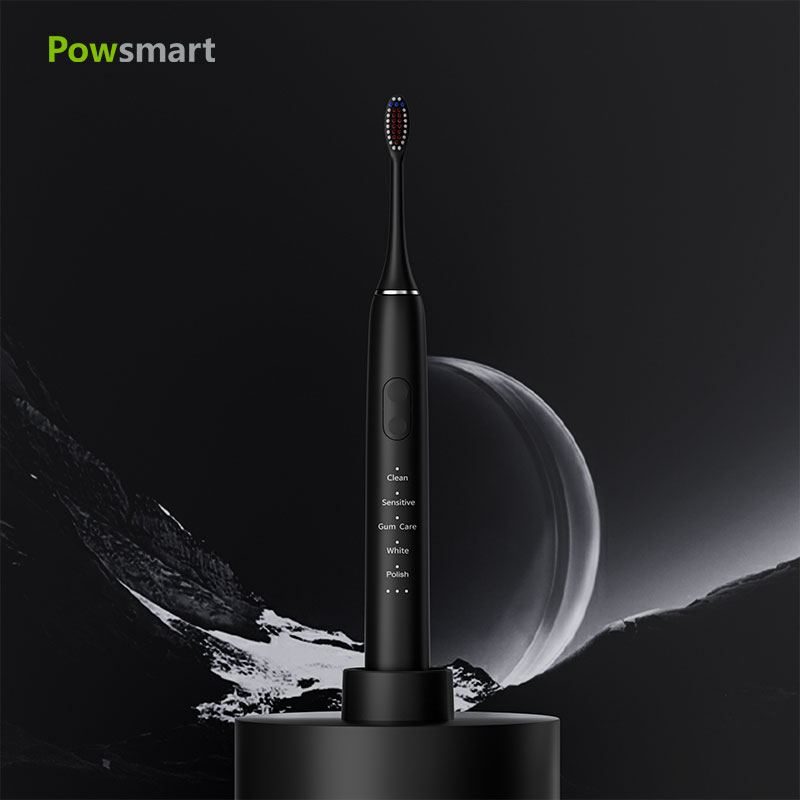
The Debate Between Electric and Regular Toothbrushes The long-standing debate over whether electric toothbrushes or regular toothbrushes are better often divides opinions. While both have their merits, understanding the key factors that determine effective oral care—such as technique and consistency—can help clear the confusion. This blog will examine the differences between the two, highlight their advantages, and explain why both options can be equally effective when used correctly. Electric Toothbrush: High-Tech Benefits for Modern Oral Care Electric toothbrushes have gained significant popularity in recent years due to their advanced features and convenience. Equipped with oscillating, rotating, or sonic technology, these brushes can remove plaque more effectively than manual brushes when used properly. Advantages of Electric Toothbrush:Built-in timers ensure the recommended two-minute brushing duration.Vibration technology provides consistent cleaning pressure, reducing gum damage risks. Ideal for users with limited dexterity, such as children or seniors. Studies suggest that individuals who switch to sonic toothbrushes often experience improved oral health outcomes, including reduced gingivitis and plaque levels. Powsmart is one of the experienced electric toothbrush manufacturer in Shenzhen, which offers one-stop private label and OEM/ODM service. Regular Toothbrushes: Reliable, Affordable, and Effective Despite the advanced technology of sonic toothbrushes, regular toothbrushes remain a staple for many. Their…


.jpg)
.jpg)
.jpg)
.jpg)
.jpg)



.jpg)