In professional teeth whitening and dental appliance manufacturing, the success of a Custom Tray Mold is directly influenced by the choice of Dental Tray Material. Material properties determine not only the molding process parameters but also the final tray’s comfort, durability, flexibility, and clinical performance. For OEM/ODM manufacturers, aligning mold engineering with material characteristics is essential to achieving precision fit, production efficiency, and consistent product quality.
Different Dental Tray Material options—such as EVA, TPU, or medical-grade silicone—have unique shrinkage rates during thermoforming or injection molding. When designing a Custom Tray Mold, engineers must account for these dimensional changes.
This ensures:
Ignoring material shrinkage can lead to poor tray adaptation and wasted tooling investment.
The elasticity of Dental Tray Material determines how the tray adapts to teeth contours. A flexible material requires specific wall thickness and mold cavity adjustments during Custom Tray Mold creation.
Key considerations include:
Material elasticity directly influences mold cavity design parameters.
Many whitening trays are produced through thermoforming processes. The selected Dental Tray Material must withstand heating and forming without distortion or bubble formation.
During Custom Tray Mold development, manufacturers must evaluate:
Material thermal properties define mold processing conditions.
High-quality trays require smooth internal surfaces to ensure user comfort and even gel distribution. The interaction between Dental Tray Material and mold surface finish determines how accurately fine details are replicated.
Proper Custom Tray Mold finishing enables:
Material flow characteristics affect the level of detail precision.
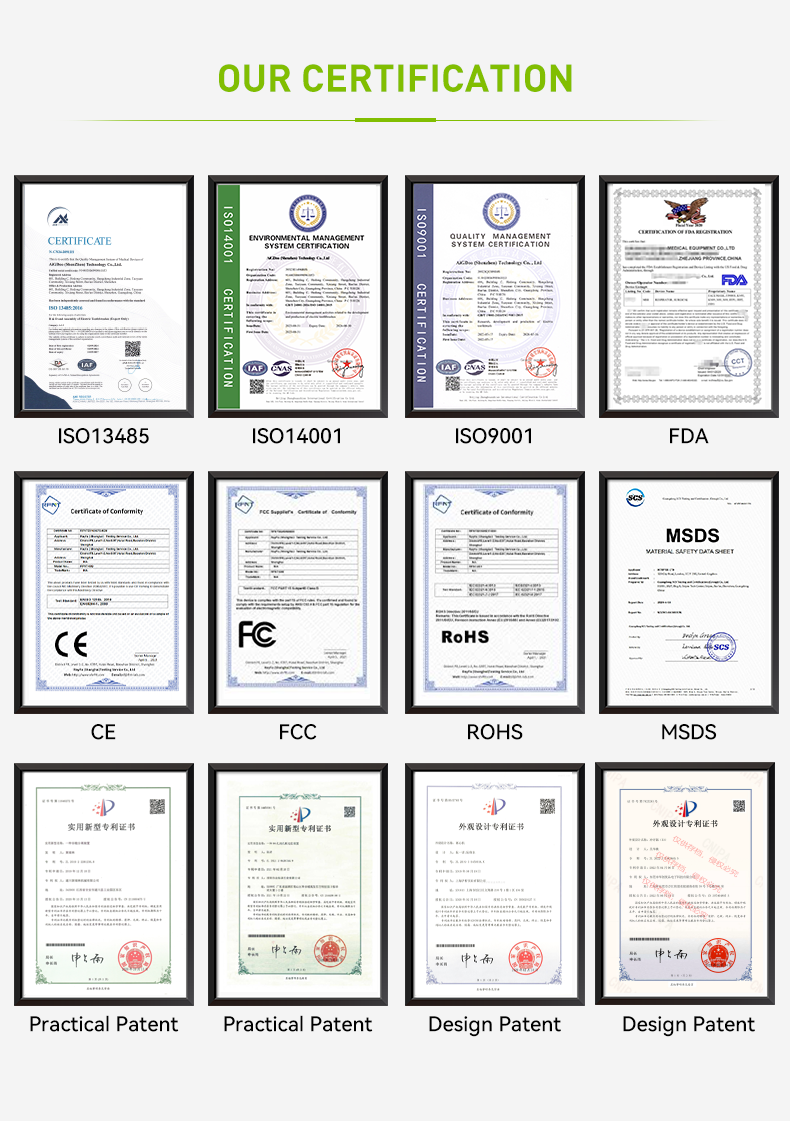
Dental appliances must meet strict safety standards. The chosen Dental Tray Material must comply with FDA or CE biocompatibility requirements, which influences mold design validation and production controls.
Compliance-related factors include:
Regulatory expectations impact mold validation procedures.
The longevity of a whitening tray depends heavily on material resilience. Some Dental Tray Material types resist tearing and deformation better than others. Custom Tray Mold engineering must adapt to material stress tolerance.
Durability considerations include:
Material strength ensures consistent tray functionality over time.
The creation of a high-precision Custom Tray Mold is fundamentally dependent on careful Dental Tray Material selection. From shrinkage control and flexibility to thermal compatibility and regulatory compliance, material characteristics define mold design strategy and production efficiency. Contact us
Why Is Whitening Kit Compliance Critical When Choosing a Cosmetic Device Manufacturer?
.jpg)
Electric Toothbrush Vibration Performance OEM: Engineering & Optimization
Rotation vs. Oscillation vs. Sonic Electric Toothbrush Head Comparison
Can a Digital Twin Optimization Platform Be Accessed Through a Unified Remote Diagnostics Interface?
Interchangeable Brush Head Toothbrush Factory
Can Diamond-Like Carbon Coating Protect an Optical Encoder for Positioning?
Sonic Toothbrush Motor Performance OEM
What Are the Advantages of Cooperating with FDA certificated factories?
High Frequency Sonic Toothbrush Technology

Do You Offer Modular Toothbrush Design Service and High-Volume Flosser Production Capabilities?

Prospects of Dental Instruments in the Oral Care Industry
Cleaning Residue Causing Tongue Irritation?
Deep Cleaning Sonic Electric Toothbrush OEM Manufacturer
lichen planus water flosser care: gentle cleaning
Need a Reliable B2B Electric Toothbrush Distributor with Global Oral Care Sourcing Capabilities?
Could a Negotiation AI Agent Finalize Terms for Smart Contract Procurement Autonomously?


.jpg)
.jpg)
.jpg)
.jpg)
.jpg)