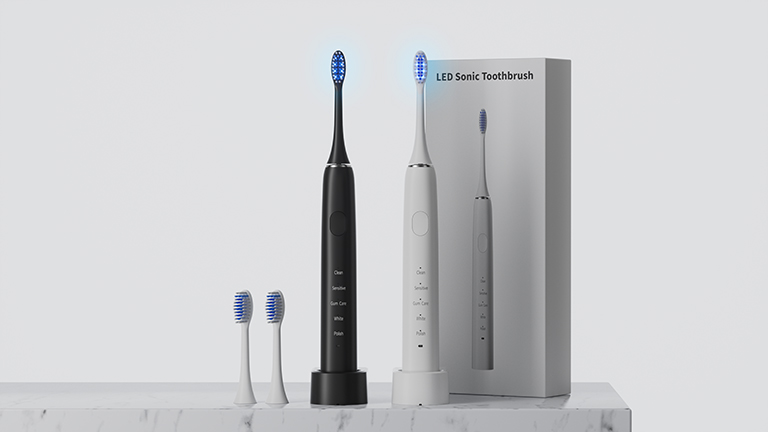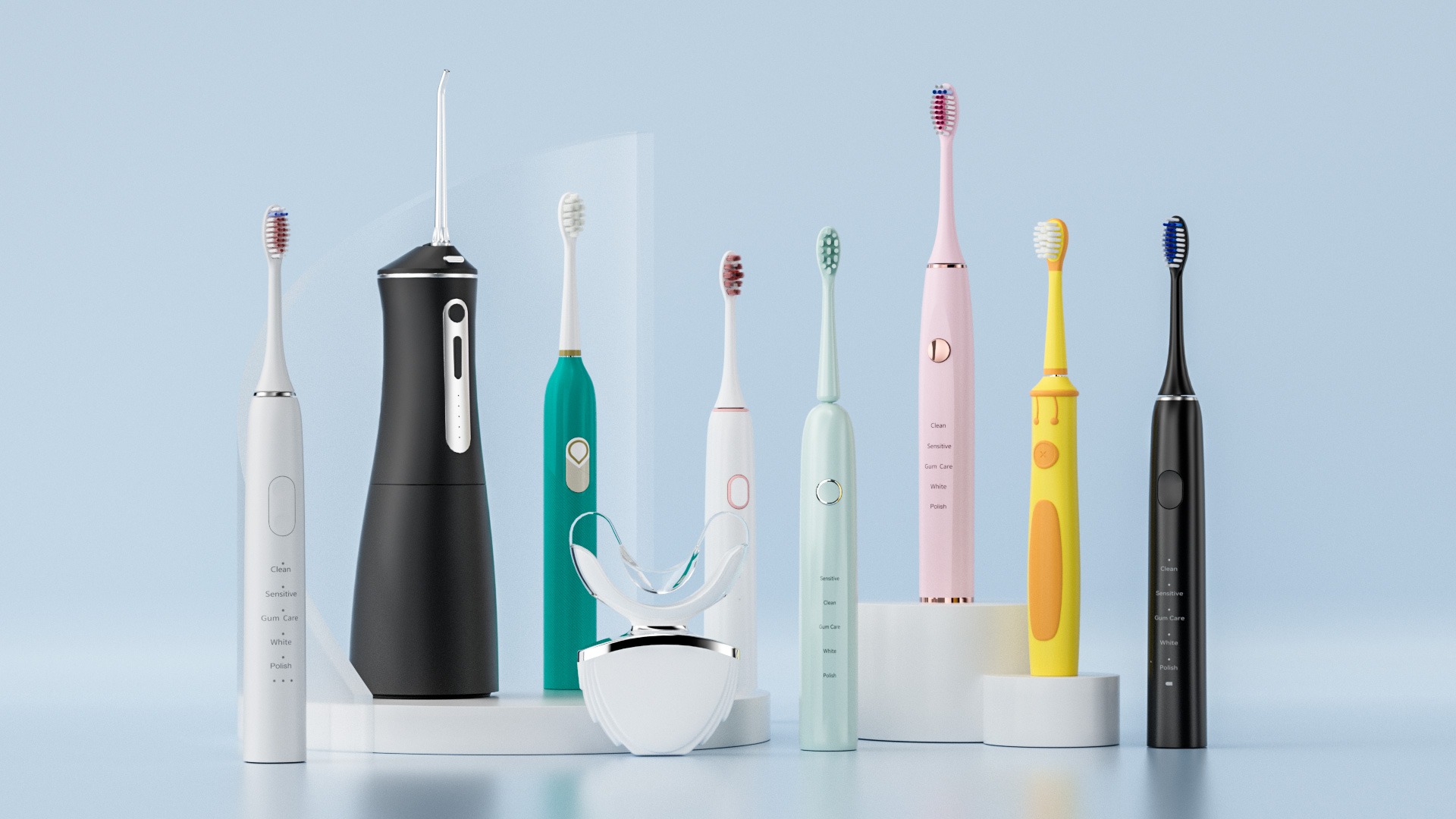
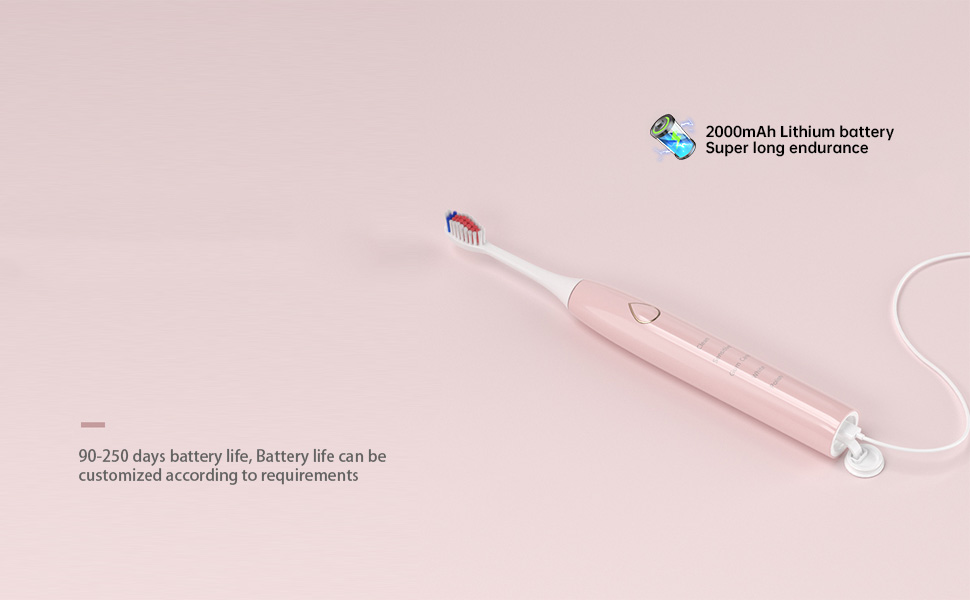
Good oral hygiene is essential for overall health, and selecting the best tool for cleaning your mouth can make all the difference. Among the various methods of cleaning your mouth, the electric toothbrush and water flosser stand out as top contenders. Each has unique benefits, and knowing which one suits your needs best is key. Electric Toothbrush: Deep Cleaning Made Simple An electric toothbrush is a powerful upgrade from traditional manual brushing. It uses oscillating or sonic movements to remove plaque more effectively. Studies show that electric toothbrushes can reduce plaque buildup by up to 21% compared to manual brushes. Key benefits include: Efficiency: Removes debris even in hard-to-reach areas. Smart Features: Many models offer timers, pressure sensors, and app integration to enhance brushing techniques. Accessibility: Gentle modes for sensitive teeth make it suitable for everyone. Leading oral care products manufacturers have been focusing on designing brushes with long battery life and customizable features, catering to diverse consumer needs. Powsmart's sonic electric toothrbushes could last for over 90 days and offering excellent cleaning performance. Freely send inquiries to us if you want to know more about the OEM service. Water Flosser: A New Level of Gum Care A water flosser uses pressurized water…
When choosing an electric toothbrush, the charging method is a critical consideration, with options like Type-C , wireless or magnetic charging, each method offers unique benefits and potential drawbacks. As an experienced OEM electric toothbrush manufacture, Powsmart will help you evaluate which charging type best suits your needs or aligns with your business objectives. Type-C Charging: Efficiency and Universality Type-C charging has become a popular choice due to its speed, reliability, and universal compatibility. Many modern devices use Type-C, making it convenient for users who prefer a single cable for multiple gadgets. For electric toothbrushes, Type-C charging ensures rapid power delivery and efficient energy usage. Advantages: Fast charging: Type-C connections allow for higher power input, reducing the charging time. Versatility: Users can use their existing cables, minimizing the need for specialized chargers. Durability: Type-C ports are designed for frequent plugging and unplugging, making them robust for long-term use. However, the reliance on physical ports can make this method vulnerable to wear and tear, especially in humid bathroom environments. Wireless Charging: Convenience and Innovation Wireless charging has revolutionized how users interact with electric toothbrushes. By simply placing the toothbrush on a charging base, users can avoid the hassle of cables entirely. This option is particularly appealing for…
Electric toothbrushes are more than just a modern upgrade to traditional brushing tools—they are a game-changer in oral hygiene. Understanding the benefits of using an electric toothbrush highlights why this product is becoming a staple in households worldwide. In this blog, we’ll explore the lasting advantages, backed by insights into the electric toothbrush business. Superior Cleaning Performance One of the standout electric toothbrush benefits is its ability to deliver superior cleaning. Powered by advanced technology, electric toothbrushes can remove up to 70% more plaque compared to manual brushing. Features like oscillating and sonic motions ensure thorough cleaning, even in hard-to-reach areas. Studies have shown that consistent use can significantly reduce gum inflammation and cavities over time, making it an essential tool for long-term oral health. The cleaning ability of Powsmart’s sonic electric toothbrushes is comparable with Phil**s, which is supported by UL lab test data. Encouraging Better Brushing Habits Electric toothbrushes are designed to make brushing easier and more efficient, which encourages users to maintain better habits. Built-in timers and pressure sensors guide users to brush for the recommended two minutes and avoid damaging enamel or gums. These functionalities not only enhance oral hygiene but also offer a key selling point for…
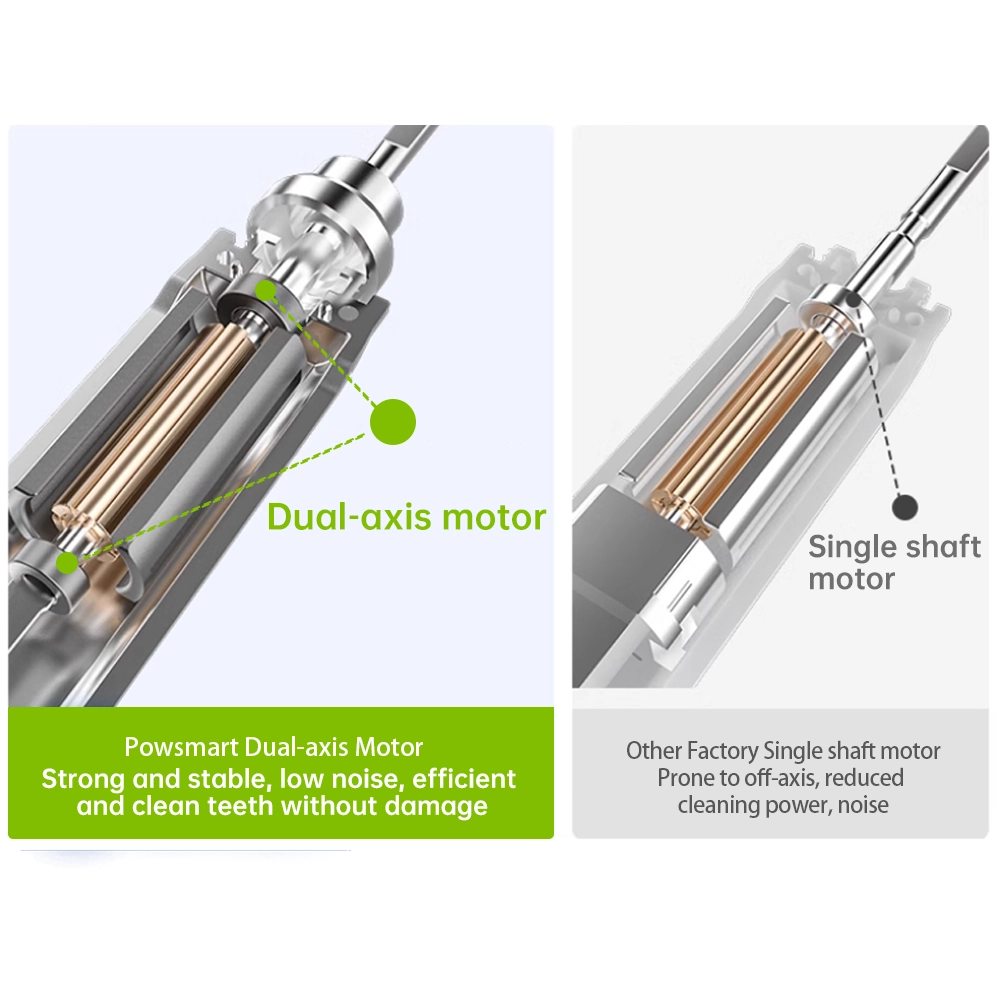
The motor is the heart of an electric toothbrush, powering its cleaning capabilities and defining its performance. Despite its small size, the motor in an electric toothbrush involves precise engineering and advanced technology. As an experienced electric toothbrush manufacturer with our own motor production line, we’ll explore the fascinating motor science in electric toothbrushes, delve into the specifics of electric toothbrush motors, and share essential motor knowledge in this blog. The Role of the Motor in Electric Toothbrushes An electric toothbrush motor is responsible for converting electrical energy into mechanical motion, creating the oscillations or vibrations that clean teeth. There are two main types of motors used: Oscillating motors: These provide back-and-forth movements to dislodge plaque effectively. Sonic motors: Operating at high frequencies, these create vibrations that generate fluid dynamics to clean areas beyond direct brush contact. This motor science in electric toothbrushes ensures thorough cleaning that outperforms manual brushing. Types of Motors and Their Technologies DC Motors: Common in budget-friendly models, these motors offer reliable performance but may lack the finesse of advanced counterparts. Brushless Motors: Found in premium toothbrushes, these motors are more durable, efficient, and quieter, offering consistent power delivery over time. As Powsmart also produce the electric toothbrush…
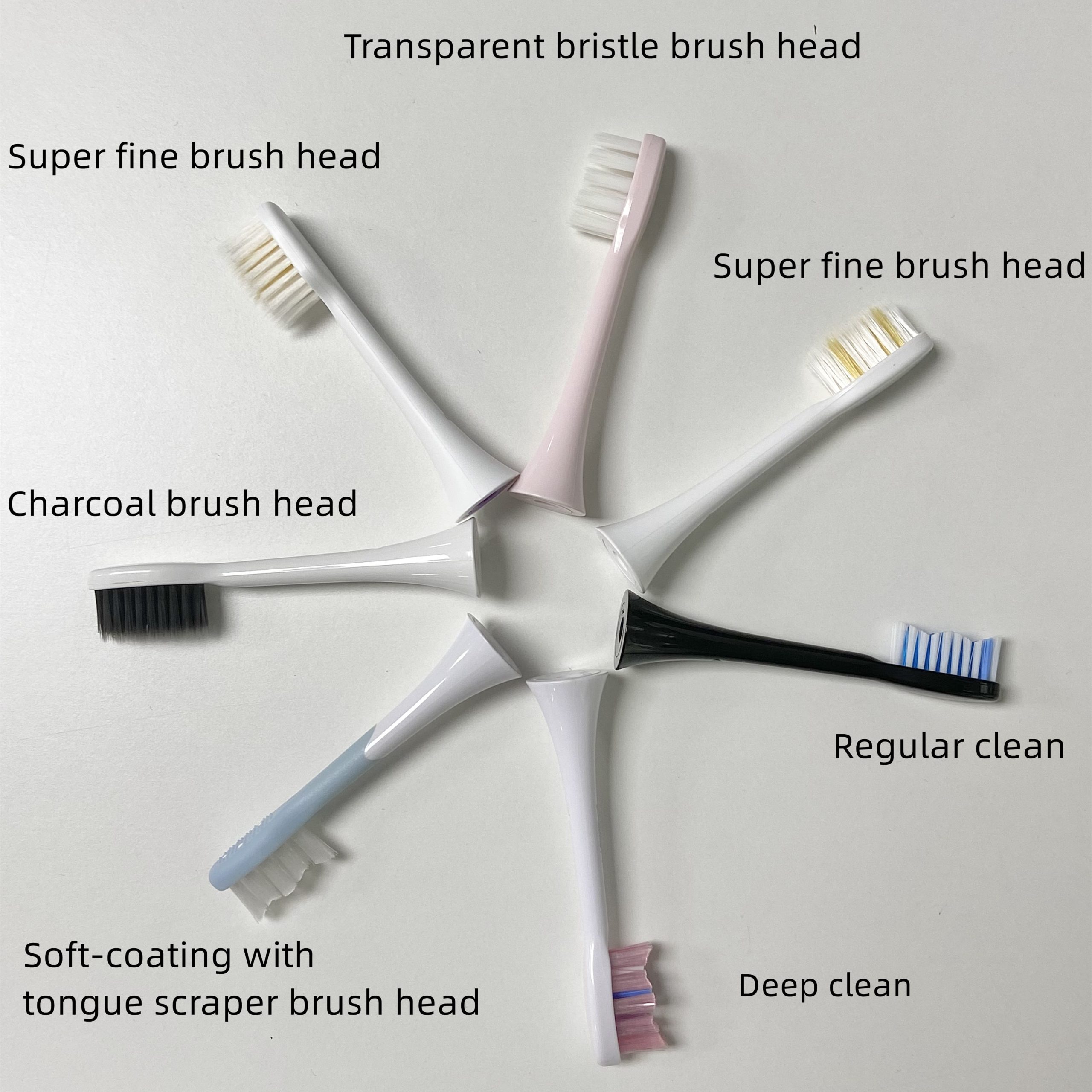
Replace the brush head of an electric toothbrush is often recommended every three months, but is this practice essential? Understanding the reasons behind this timeline can help both consumers and businesses, such as those in the electric toothbrush factory industry, ensure effective oral hygiene and product longevity. Why Replace the Brush Head Every 3 Months? The recommendation to have brush heads replaced in 3 months stems from several factors: Bristle Wear: Over time, bristles lose their shape and stiffness, reducing their cleaning efficiency. Bacteria Accumulation: Extended use can lead to the buildup of harmful bacteria, which can compromise oral health. Performance Degradation: Regular replacement ensures that the electric toothbrush continues to deliver optimal cleaning power. Research shows that worn-out bristles are 30% less effective in removing plaque compared to newer ones. The Impact on Oral Health Failing to replace the brush head of the electric toothbrush can have direct consequences for oral health. For instance: Gum Sensitivity: Worn bristles can irritate the gums rather than clean them effectively. Increased Risk of Cavities: Inefficient cleaning allows plaque and food particles to remain, leading to tooth decay. A study by the American Dental Association highlights that replacing brush heads regularly reduces the risk of gum disease by 25%. Insights from Electric…
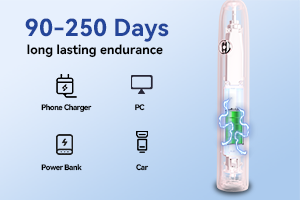
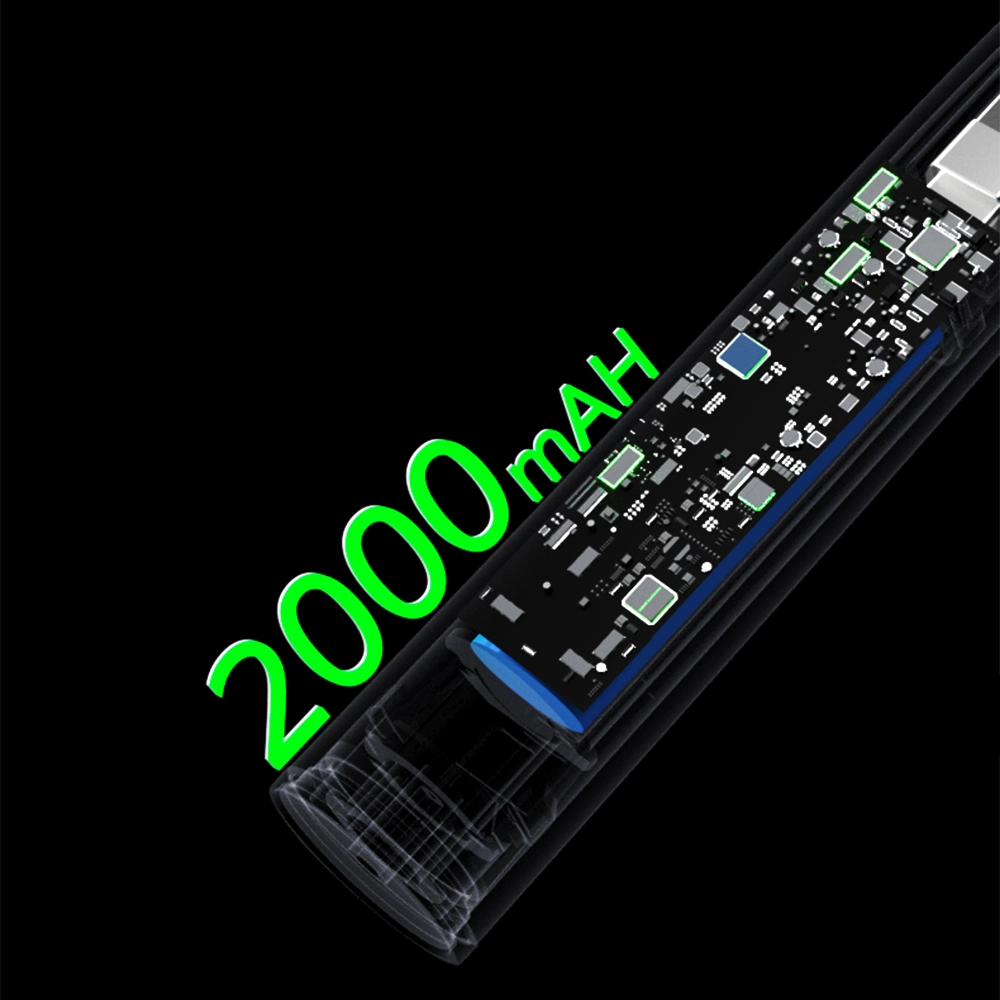
Battery performance is a crucial aspect of ensuring the efficient use of electric toothbrush. Poor battery maintenance can lead to reduced brushing efficiency and product lifespan, causing customer dissatisfaction. Common Battery Problems in Electric Toothbrushes During the use of electric toothbrush, users often encounter issues such as rapid battery drain, difficulty charging, or failure to power on. These problems typically arise from: Overcharging or incomplete charging cycles. Exposure to moisture in non-waterproof designs. Use of low-quality batteries. Powsmart is an electric toothbrush factory that prioritizes high-quality lithium-ion batteries with protective circuitry can mitigate these issues, ensuring optimal performance. Effective Battery Maintenance Tips To extend the lifespan of an electric toothbrush, users could adopt the following battery maintenance practices: Avoid Overcharging: Unplug the device once fully charged to prevent overheating, which can degrade battery cells. Use Regularly: Batteries perform better with consistent use. If stored for long periods, ensure the toothbrush is partially charged. Keep Dry: Ensure charging ports and other components remain dry to avoid short circuits. Follow Manufacturer Guidelines: Each electric toothbrush factory provides specific instructions for charging and usage, tailored to their battery design. How Electric Toothbrush Factories Enhance Battery Durability Reputable manufacturers like Powsmart implement rigorous testing and safety standards to produce durable batteries. For instance, Use advanced lithium-ion…
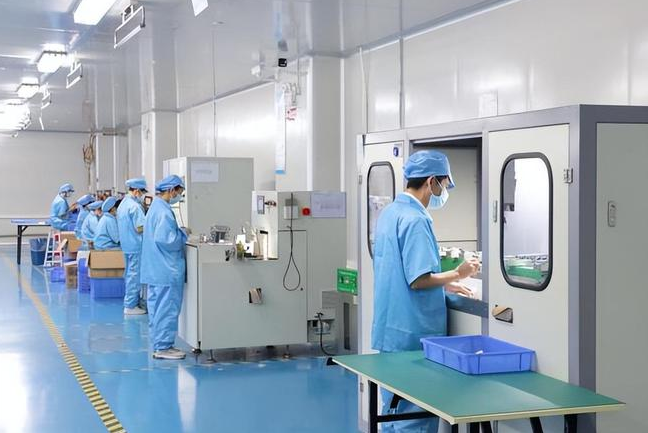
Electric toothbrushes have become an essential tool for maintaining oral hygiene, but like any electronic device, they occasionally experience problems. One common concern is when an electric toothbrush suddenly stop working. In this blog, we’ll explore the potential reasons behind this issue, discuss common electric toothbrush quality issues and solutions, and provide insights into how working with a reliable electric toothbrush factory can ensure long-lasting performance. Powsmart is an ISO certicated and FDA approved direct electric toothbrush factory with all complete certificates, Covering 3000㎡ workshop and carry R&D by itself. Common Reasons Why Electric Toothbrush suddenly Stop Working Battery Issues:Over time, rechargeable batteries in electric toothbrushes may lose their ability to hold a charge, leading to sudden stoppages. Faulty charging stations or incorrect charging habits can also contribute to this problem. Motor Malfunctions:The motor that powers the toothbrush head may wear out due to regular use or manufacturing defects. A failing motor often causes inconsistent vibrations or complete shutdown. Water Damage:While most electric toothbrushes are water-resistant, prolonged exposure to water or improper sealing can lead to internal component failures. User Handling Issues:Dropping the toothbrush or using excessive force during brushing can damage internal components, causing the toothbrush to stop working. Electric…

Electric toothbrushes plan an important role in modern oral care, but occasional issues like the electric toothbrush automatically starts up can be both puzzling and inconvenient. Understanding the root cause of this problem is essential, whether it stems from user error or an electric toothbrush quality problem. We'll explore practical solutions, the importance of quality manufacturing, and how working with a reliable electric toothbrush factory can prevent such issues. Common Causes of Automatic Start-Up An electric toothbrush automatically starting up can arise from several factors: Battery Malfunction: A faulty or overcharged battery may cause random activation. Defective Circuit Board: Internal circuitry errors are a leading cause of unintended start-ups. Water Damage: Inadequate waterproofing can allow moisture to seep into the device, disrupting its functionality. By identifying these root causes, users can better determine whether the issue is due to usage or an electric toothbrush quality problem. Immediate Solutions to Fix the Problem When faced with an electric toothbrush that automatically starts up, try these steps: Reset the Device: Hold down the power button for a few seconds to reset the internal programming. Inspect the Charging Port: Ensure no foreign objects or moisture are present. Dry and Clean: Thoroughly dry the toothbrush,…
.jpg)
With advances in technology, the electric toothbrush industry has seen innovative features such as the smart screen. Many electric toothbrushes now come with screens that provide real-time brushing feedback, timers, and reminders. In this article, Powsmart, we will explore the “Pros and Cons of the smart screen” and its impact on the user experience, along with insights from an experienced electric toothbrush manufacturer. Pros of the Electric Toothbrush Smart Screen Enhanced User Guidance: The “electric toothbrush smart screen” displays real-time feedback, including brushing pressure, duration, and coverage. This feedback can help users maintain proper brushing technique, ensuring they brush for the recommended time and avoid excessive pressure. Personalized Settings: Many smart screens allow users to choose personalized brushing modes based on their specific needs (e.g., sensitive teeth or gum care). These settings help deliver a more comfortable and effective brushing experience. Improved User Engagement: A smart screen adds an element of interactivity that makes brushing more engaging, especially for children and users who may be less motivated to brush effectively. Studies show that users who receive visual feedback on their brushing habits are 40% more likely to improve their dental hygiene routines. Cons of the Smart Screen Function Increased Cost:…

As more parents consider advanced options for their children’s oral hygiene, Kids Electric Toothbrush products have become increasingly popular. But one common question remains: at what age is it appropriate for children to start using an electric toothbrush? In this blog, we’ll explore expert recommendations, the types of electric toothbrushes available, and how to select the best option for different age groups. Recommended Age for Kids to Start Using Electric Toothbrushes Most dental experts agree that children can start using an electric toothbrush around the age of three. This age allows for better hand coordination, making it safer and easier for kids to manage a powered toothbrush. However, supervision remains essential, especially with younger children. Starting at this age with a gentle Kids Electric Toothbrush helps children become accustomed to proper brushing techniques and establishes good oral care habits early on. Choosing the Right Electric Toothbrush for Different Ages For younger children, it’s important to choose a toothbrush with soft bristles and a gentle, oscillating motion. Many Kids sonic toothbrush options are specifically designed for children’s delicate gums and emerging teeth. Sonic technology provides thorough cleaning while keeping the vibrations gentle enough to avoid discomfort. For older children, models with built-in timers or…
Electric toothbrushes have revolutionized oral care with their convenience and efficiency. However, many users face charging problems of electric toothbrushes that can disrupt their experience. From failing to charge properly to shortened battery life, these issues can often be frustrating. In this blog, Powsmart will explore common charging problems and provide professional solutions for charging problems from a leading electric toothbrush factory. Common Charging Problems A. Toothbrush Not ChargingOne of the most frequent complaints is when the toothbrush doesn’t charge at all. This could be due to a faulty charging dock, power source issues, or internal battery failure. B. Charging Takes Too LongSometimes, users notice that their toothbrush takes unusually long to charge. This can stem from an underperforming battery or damaged charging coils. C. Battery Drains Too QuicklyA toothbrush that drains power quickly may indicate battery degradation or electronic component failure. D. Charging Indicator Not WorkingThe charging light not turning on can cause confusion, leaving users unsure if their toothbrush is actually charging. Solutions for Charging Problems A. Regular MaintenanceTo prevent electric toothbrush charging problems, users should clean their charging docks and toothbrush bases regularly. Accumulated dust or water can hinder the charging process. B. Check for Compatible Power SourcesUsing non-compatible…
Have you ever encountered the frustrating situation where your electric toothbrush refuses to charge with your adapter? Understanding the compatibility between an electric toothbrush adapter and your toothbrush is crucial for ensuring seamless functionality. This blog will explore the potential reasons, provide solutions, and offer tips for selecting the right toothbrush power adapter. Powsmart is an experienced electric toothbrush manufacturer offering OEM/ODM and customization service for over 20 years. Incompatible Voltage or Current One common reason your electric toothbrush adapter may not work is a mismatch in voltage or current. Electric toothbrushes typically require specific voltage and amperage to charge efficiently. For example, if your toothbrush needs a 5V/1A adapter, but you’re using one with higher or lower ratings, the toothbrush may not charge or could be damaged over time. Always check the adapter specifications to ensure compatibility. Non-Compatible Connector Types Not all electric toothbrushes use the same charging port or pin configuration. Some popular models have proprietary connectors, while others might use standard USB-C or micro-USB inputs. If the toothbrush power adapter does not match the required connector type, charging will not occur. This issue is especially common with universal adapters that lack the specific pins needed for certain toothbrush brands. Damaged Charging…
Sonic electric toothbrushes are renowned for their superior cleaning power and ability to deliver a deep clean while being gentle on your gums. However, to ensure the longevity and efficiency of your device, proper cleaning and maintenance are essential. In this blog, we’ll provide key electric toothbrush maintenance tips to help you maintain your electric toothbrush in top condition. Regular Cleaning of the Toothbrush Head The toothbrush head is the most important part of your sonic electric toothbrush, and it needs regular cleaning. After each use, rinse the brush head thoroughly with water to remove any toothpaste or debris. Periodically, use a soft cloth or brush to clean the bristles and the neck of the brush to prevent any buildup of toothpaste or bacteria. Maintaining your electric toothbrush in this manner will ensure that the bristles remain effective and the cleaning process stays hygienic. Most electric toothbrush factories recommend changing the toothbrush head every 3 months to ensure optimal performance. Clean the Handle Properly The handle of your sonic electric toothbrush also requires care. Wipe down the handle with a damp cloth after every use to remove any toothpaste residue or water spots. Avoid immersing the handle in hot water as it contains…
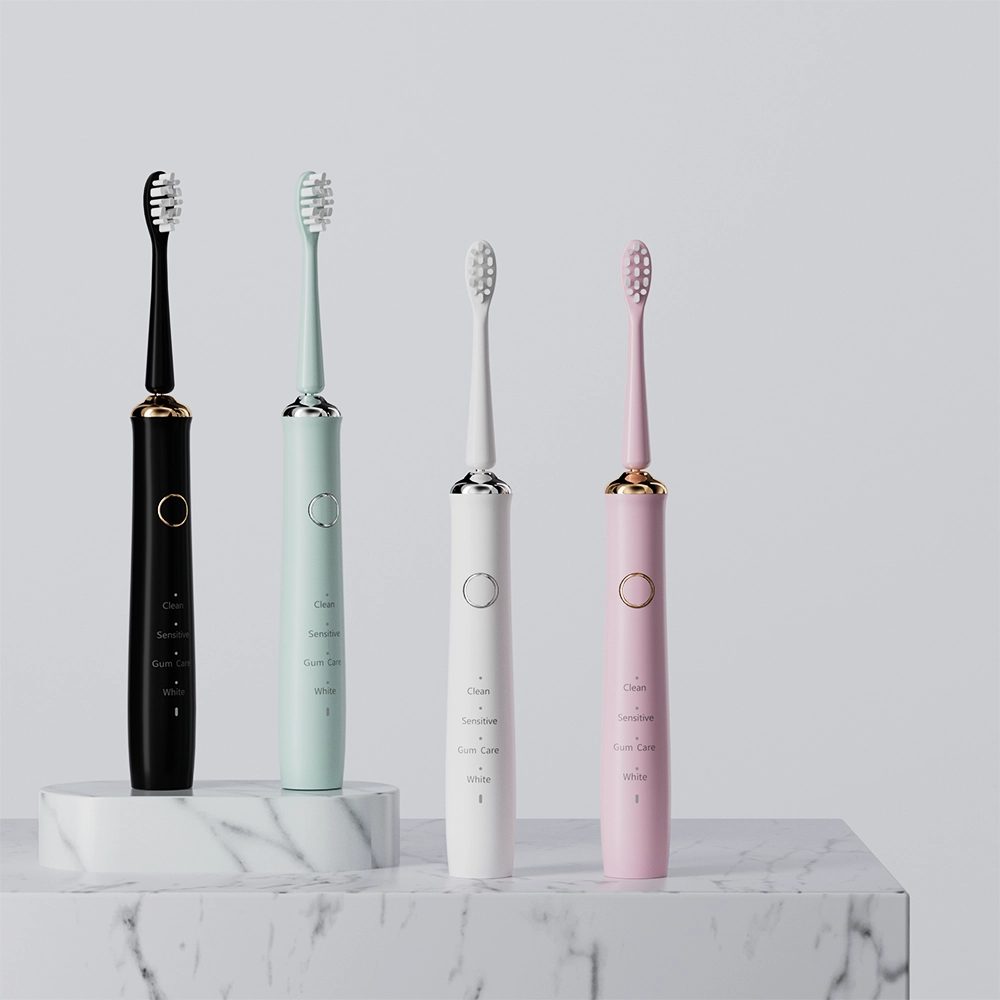
No one doesn't like to travel and with the improvement of people's consumption level, the demand for compact, portable products has surged. Among these, the travel-size toothbrush has become a must-have for frequent travelers. Whether for business trips, vacations, or short getaways, a travel-size toothbrush offers convenience and practicality, especially when it comes to maintaining oral hygiene on the go. In this blog, we’ll explore the key advantages of travel-size electric toothbrushes and why they’re a game-changer for your oral care routine. Compact and Convenient for Travel One of the primary advantages of travel-size toothbrushes is their compact design. Travel-size toothbrushes are lightweight and smaller in size, making them easy to fit into any luggage or carry-on bag without taking up much space. For business travelers or vacationers who need to pack light, this convenience is a huge plus. The ability to carry an electric toothbrush that’s small enough to fit into a toiletry bag allows for effortless packing, enabling you to maintain your dental hygiene while on the move. High Performance in a Small Package Don’t be fooled by the small size—travel-size electric toothbrushes pack just as much cleaning power as their full-sized counterparts. Most electric toothbrush factories are now designing travel-friendly versions of their popular models…
The electric toothbrush industry has seen remarkable advancements over the past few years, with innovation of electric toothbrush technology driving the market forward. From smart features to enhanced brushing techniques, these innovations are not only improving user experience but also reshaping the entire oral care sector. In this blog, we will explore the impact of innovation on the electric toothbrush market, highlighting key trends, the role of electric toothbrush factories, and how factory's innovation ideas are pushing the boundaries of what electric toothbrushes can do. Technological Advancements and Market Demand One of the main drivers behind the innovation of electric toothbrush technology is the growing demand for more efficient, user-friendly, and personalized oral care solutions. Consumers are increasingly looking for products that offer convenience, customization, and improved performance. Recent innovations like pressure sensors, smart timers, and mobile app connectivity have made electric toothbrushes more intelligent and adaptable to individual needs. The integration of AI-powered features that track brushing habits and provide feedback is an example of how innovation is enhancing the consumer experience. As a result, the market for electric toothbrushes continues to expand, with innovations leading to higher consumer satisfaction and brand loyalty. The Role of Electric Toothbrush Factories in Driving Innovation…
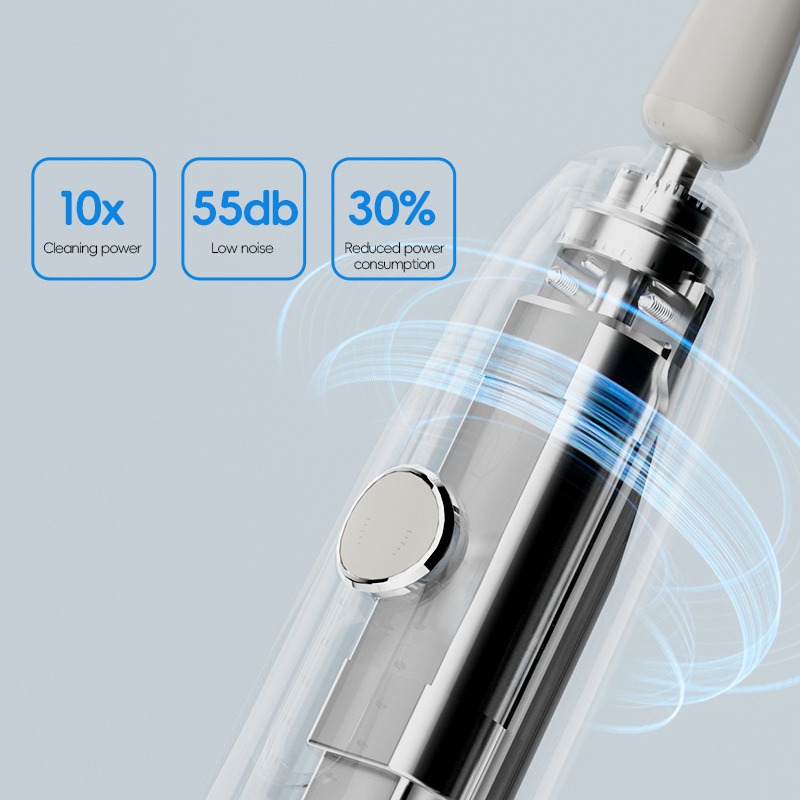
Electric toothbrushes are widely popular for their efficient cleaning ability, but some users may find that their toothbrushes make unusually loud noises when using them. As a professional electric toothbrush manufacturer, we will discuss the causes of electric toothbrush noise from the perspective of the manufacturer and how to determine whether it is an electric toothbrush failure. Normal range of noise Under normal use, electric toothbrushes will make a certain amount of working noise. According to user feedback, the normal range of electric toothbrush noise is between 50 and 70 decibels. However, if the noise exceeds this range, we need further check the causes. Powsmart conducts noise tests during the production process of electric toothbrushes. We use independently developed and patented motor, which has strong cleaning power and low noise. Therefore, the noise of our electric toothbrush is less than 58db.https://www.powsmart.com/about-powsmart/ Causes of electric toothbrush noise Motor operation: The motor inside the electric toothbrush naturally makes noise when it is working, and this noise is usually normal. Loose brush head: If the brush head is not installed correctly, it may cause additional vibration and noise. Internal fault: In some cases, the internal components of the electric toothbrush may fail, such…
The variety of brush head types available in the market today means there is an option for almost every need, from sensitive gums to deep cleaning. Choosing the right brush head for your electric toothbrush can make a significant difference in your oral care routine. In this blog, we will explore the different types of brush heads, their benefits, and how to choose the one best suited to your dental needs. Understanding Different Types of Brush Heads The first step in choosing the right brush head is understanding the different types of brush heads available. Broadly, these can be categorized into: Standard Brush Heads: These are the most commonly used, designed for everyday brushing. They provide a balanced cleaning experience suitable for most users. Compact Brush Heads: These heads are smaller, which makes them easier to maneuver, especially for users with braces or those who need precision. Interdental Brush Heads: Designed to clean between teeth, these brush heads often feature bristles arranged in a V-shape to help remove plaque from tight spaces. Deep Cleaning Brush Heads: These typically have extra-long bristles that penetrate deeper into the gum line, providing a more thorough clean. Sensitive Brush Heads: With extra-soft bristles, these brush heads…
The internal structure of an electric toothbrush mainly includes electric motors, batteries, circuit boards, and brush heads. Among all the components of an electric toothbrush, the SONIC motor is considered to be one of its core components. This article will explore the importance of the electric motor, compare different motor types, and conduct a detailed analysis based on data and related information. Working Principle of the Motor The electric motor is characterized by its high-frequency vibration technology, which can produce tens of thousands of brush head movements per minute. When the switch of the electric toothbrush is pressed, the battery will supply power to the electric motor, which drives the motor to rotate. When the motor rotates, it will drive the brush head to vibrate at a high frequency, so that the toothpaste and foam quickly penetrate into the gaps between the teeth and remove dirt and bacteria on the surface of the teeth. According to research, the vibration frequency of the SONIC motor is usually between 20,000 and 40,000 times. This high-speed vibration can effectively remove plaque and food residues on the surface of the teeth and improve the cleaning effect. Compared with traditional manual toothbrushes, electric toothbrushes using…
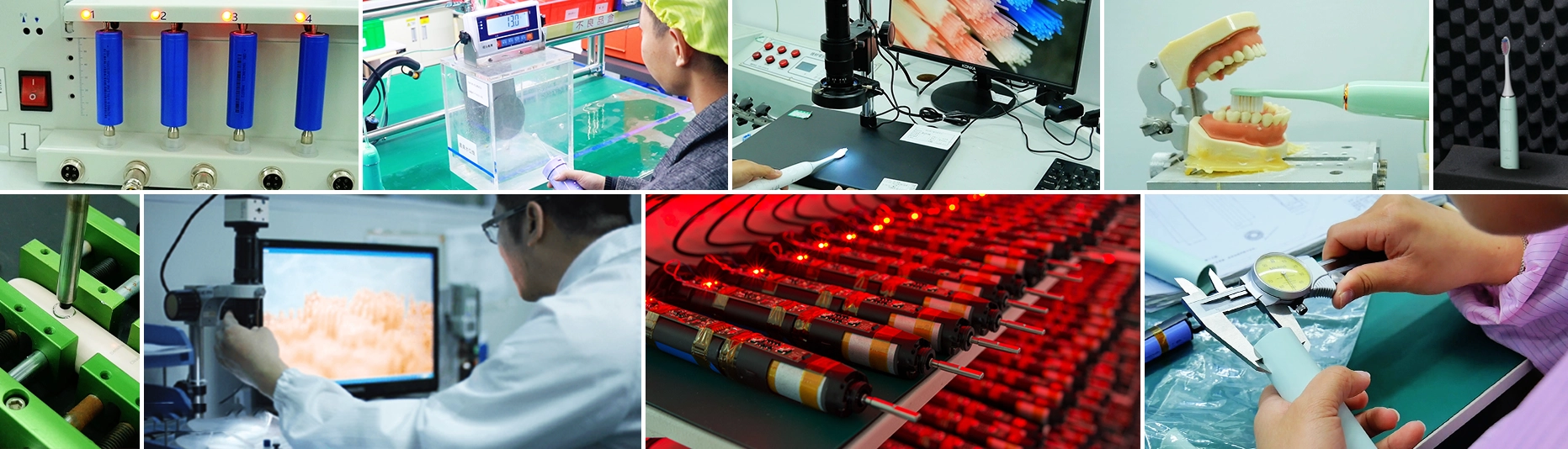
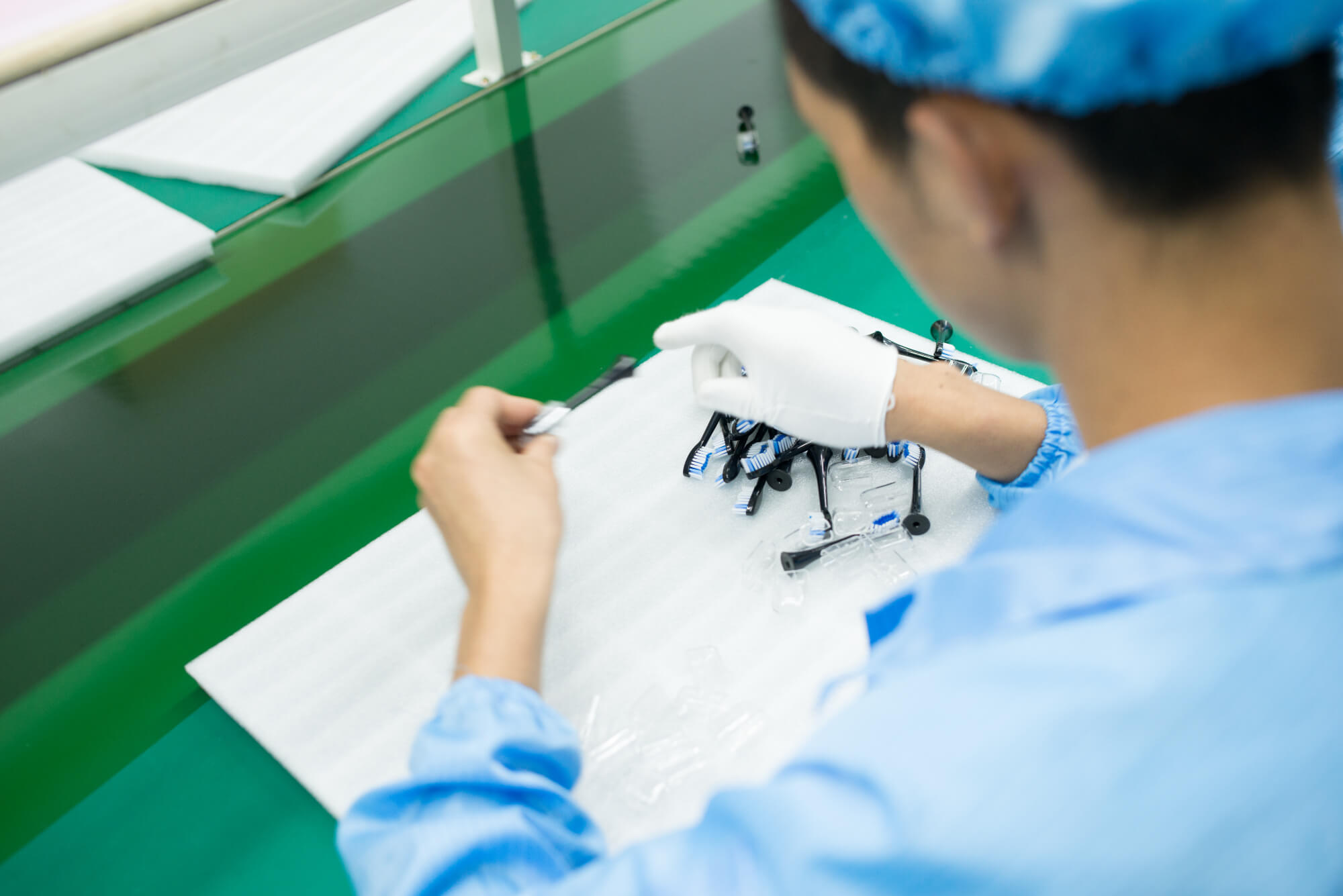
Electric toothbrushes have become an important tool for modern oral care, and their convenience and efficiency are deeply loved by consumers. From raw materials to finished products, how are electric toothbrushes made? Today, let us walk into the Powsmart electric toothbrush factory and unveil the mystery of high-quality electric toothbrush production. Market research and demand analysis At the R&D center of the Powsmart electric toothbrush factory, everything starts with in-depth market research and demand analysis. Powsmart's R&D team pays attention to global oral health trends, consumer feedback, and competitor products. For example, they will find that consumers' requirements for electric toothbrushes' cleaning effects, comfort, battery life, etc. are constantly increasing. At the same time, consumers in different regions also have special needs. For example, Asian consumers may pay more attention to the compact design of the brush head to better clean the inside of the mouth, while European and American consumers may have more demands for powerful cleaning modes. Raw material procurement and inspection 1.Bristle procurement The production of high-quality electric toothbrushes is inseparable from high-quality raw materials, so the Powsmart electric toothbrush factory is very strict in the raw material procurement process. For the bristles of the brush heads,…

In the electric toothbrush market, the electric toothbrush cost difference vary significantly from different factories, and there are many complex factors behind this. Understanding the difference in the cost of electric toothbrushes and the factors that affect them can help brands make more informed decisions when choosing suppliers. Raw material cost The raw material cost of electric toothbrushes is an important factor affecting the overall production cost. The price of high-quality batteries, motors, plastic casings and other materials will directly affect the cost of electric toothbrushes. 1)Battery cost difference Common battery types are: alkaline batteries, nickel metal hydride batteries (NiMH) and lithium-ion batteries. Alkaline batteries Alkaline batteries are non-rechargeable batteries, but they have extremely low self-discharge rates and costs. NiMH batteries or lithium-ion batteries are rechargeable batteries. NiMH batteries cost less than lithium-ion batteries. Electric toothbrushes using lithium-ion batteries usually have higher raw material costs than products using nickel metal hydride batteries. Not only that, the design of portable devices like electric toothbrushes depends largely on the performance of the battery. The key indicator of the battery is of course the battery life. A good electric toothbrush does not need to replace the battery frequently, nor does it need to…


.jpg)
.jpg)
.jpg)
.jpg)
.jpg)
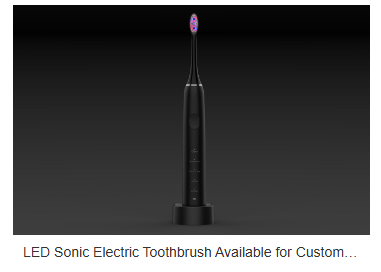
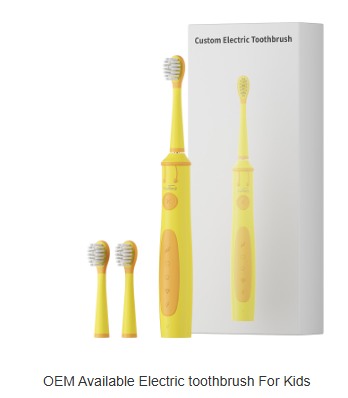



.jpg)
.jpg)