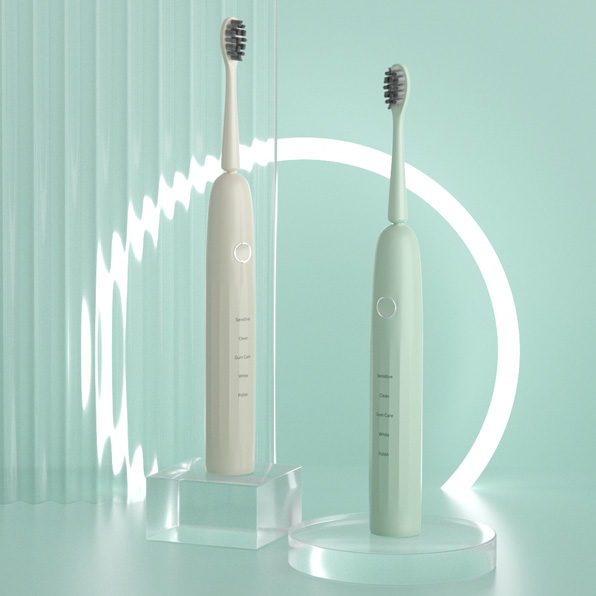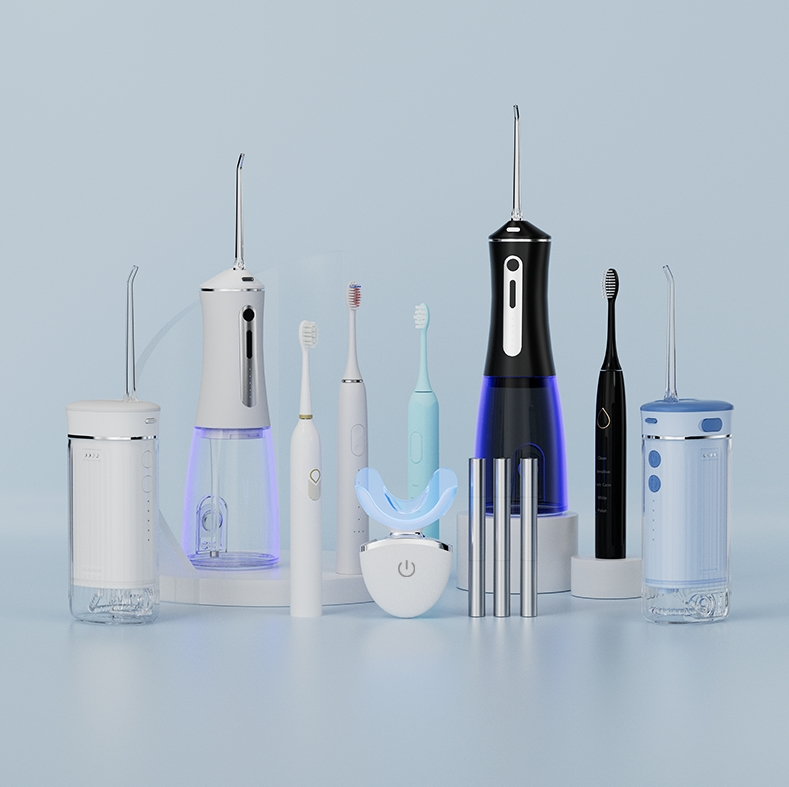
As consumers become increasingly health-conscious and tech-savvy, the demand for high-performance oral care solutions like smart sonic toothbrushes has surged. For dental care brands, entering or expanding in this competitive market requires speed, reliability, and innovation. That’s where working with a trusted sonic toothbrush private label manufacturer comes in. This article explores how brand owners can benefit from complete OEM services, including custom design, manufacturing, and packaging, to successfully launch or scale their smart sonic brush OEM business. Why Choose a Sonic Toothbrush Private Label Partner? Launching your own oral care products OEM line doesn’t mean you have to start from scratch. A reliable private label partner enables you to bring a premium product to market faster, without the complexity of R&D or in-house production. Benefits of partnering with a private label OEM manufacturer include: Fast time-to-market with ready-made or customizable sonic brush models Cost-effective production without compromising on quality Access to the latest custom dental tech innovations Branding freedom with packaging, design, and user experience What to Expect from Complete OEM Services When we talk about complete OEM services, we mean end-to-end support that covers every step from product concept to delivery. A professional sonic toothbrush OEM partner offers: Product Development & Customization: From…
Introduction: Addressing Power Concerns in Long-Lasting Travel Toothbrushes With increasing demand for portable, durable oral care products, the Long-Lasting Travel Toothbrush has emerged as a preferred solution for consumers on the go. However, some concerns have been raised by technical buyers and OEM partners: Could the extended battery life or fast-charging feature potentially trigger a power surge during use or charging? In this blog, we delve into the electrical architecture, safety mechanisms, and real-world risks associated with this category of toothbrushes. What Defines a Long-Lasting Travel Toothbrush? Long-lasting travel toothbrushes typically refer to models that boast: High-capacity lithium-ion or lithium-polymer batteries Up to 30–90 days of usage on a single charge USB Type-C or magnetic fast charging Auto-sleep or low-power standby features These toothbrushes are designed to minimize recharging frequency while providing consistent performance for mobile users. Understanding Power Surge: What Is It and Why Does It Matter? A power surge is a sudden spike in electrical voltage that can potentially damage internal circuits or connected devices. In the context of a Long-Lasting Travel Toothbrush, possible sources include: Irregular power from USB ports (especially on airplanes or hotels) Overcurrent during fast charging if power management isn’t properly configured Electrostatic discharge…
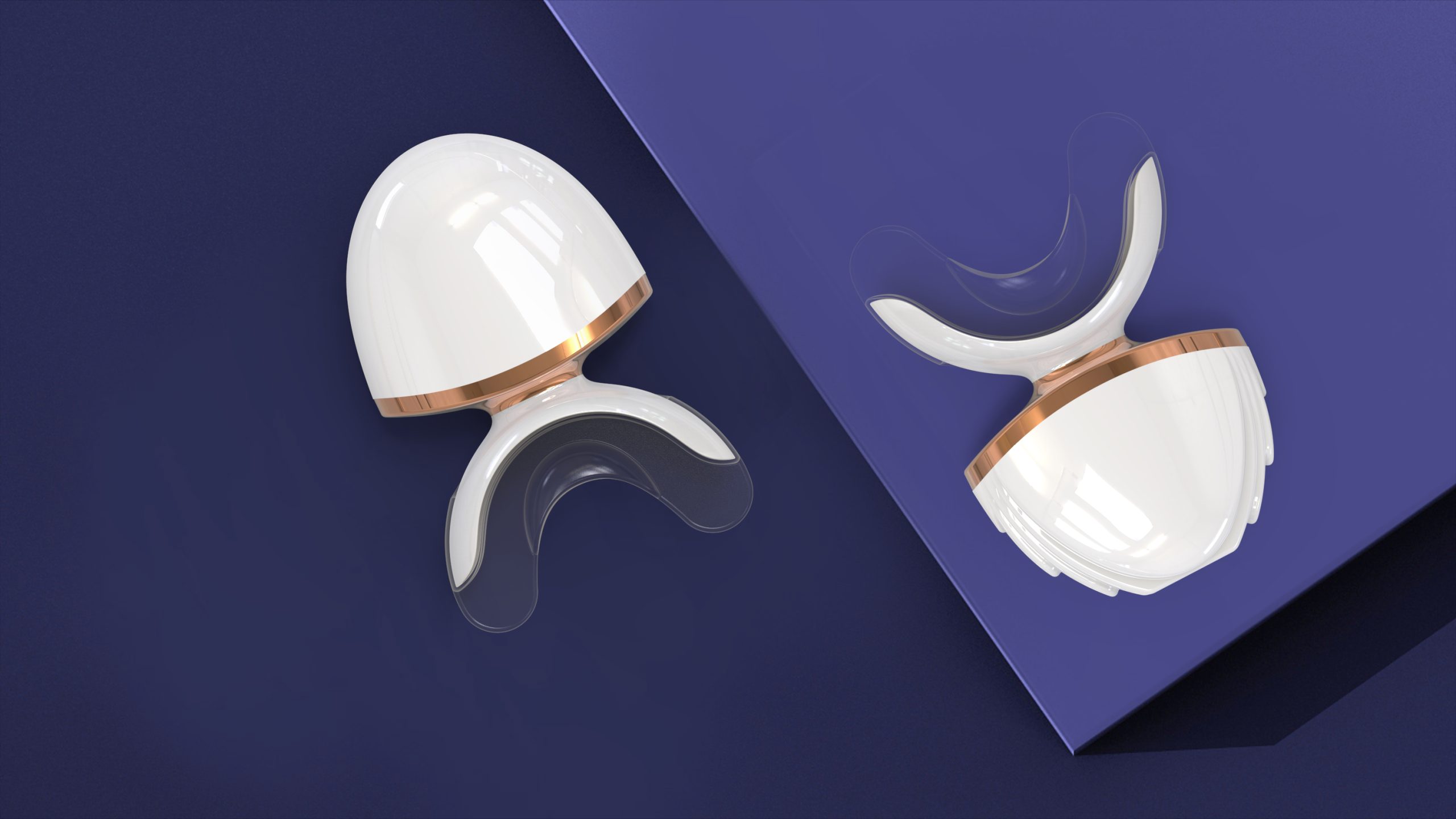
Introduction: Compact Design, Compromised Performance? With consumer preference leaning toward minimalist countertop appliances, the Space-Saving Flosser Combo has gained significant popularity. However, a recurring concern among OEM/ODM buyers and engineering partners revolves around pulse inconsistency—a fluctuation in water jet rhythm that can affect cleaning performance and user satisfaction. In this article, we investigate whether the compact nature of these combo devices inherently leads to this performance defect, or whether design refinements can ensure stable output. What Is a Space-Saving Flosser Combo? A Space-Saving Flosser Combo typically integrates a water flosser with a toothbrush base or multifunctional charging dock. Its core appeal lies in: Reduced countertop footprint Consolidated charging system for multiple oral devices Ideal portability for travel or small living spaces Aesthetic minimalism aligned with modern bathroom trends However, compressing multiple functions into one body often means sacrificing internal reservoir capacity, pump isolation, or tubing clearance—factors that may impact pulsation. Understanding Pulse Inconsistency and Its Impact Pulse inconsistency refers to irregular water flow patterns—either fluctuating pressure or uneven timing intervals. This issue can manifest as: Weak or stuttering water jets during flossing Delayed pulse reaction when changing modes Unstable cleaning rhythm affecting gum stimulation efficacy From a technical standpoint, this…
.jpg)
Introduction: Can Rotational Precision Clash with Fluid Consistency? As oral care devices evolve, the POWSMART Rotating Oscillating Toothbrush has earned a reputation for precision plaque removal and gum-friendly cleaning. However, some industry professionals and procurement teams have raised concerns about water pressure instability—especially when these brushes are used with built-in or connected water-flushing modules. Does this indicate a design flaw, or is it an integration challenge between mechanical and hydraulic systems? Understanding the Rotating Oscillating Mechanism The POWSMART Rotating Oscillating Toothbrush operates by spinning and pulsing the brush head alternately, often at 7,600 to 8,800 RPM. This motion enhances surface coverage and dislodges debris with less user effort. However, when this mechanical motion is integrated with water flushing functionality—such as in hybrid electric toothbrush-flosser designs—it introduces additional complexity to water pressure management. What Is Water Pressure Instability in This Context? Water pressure instability refers to fluctuations or sudden drops/spikes in water delivery, which can lead to: Inconsistent cleaning experience User discomfort (especially around sensitive gums) Malfunction of internal pump systems Increased wear on O-rings and sealing components For ODM/OEM buyers, this instability can lead to customer dissatisfaction and potential product returns. Causes Behind Pressure Instability in Hybrid Toothbrushes In the…

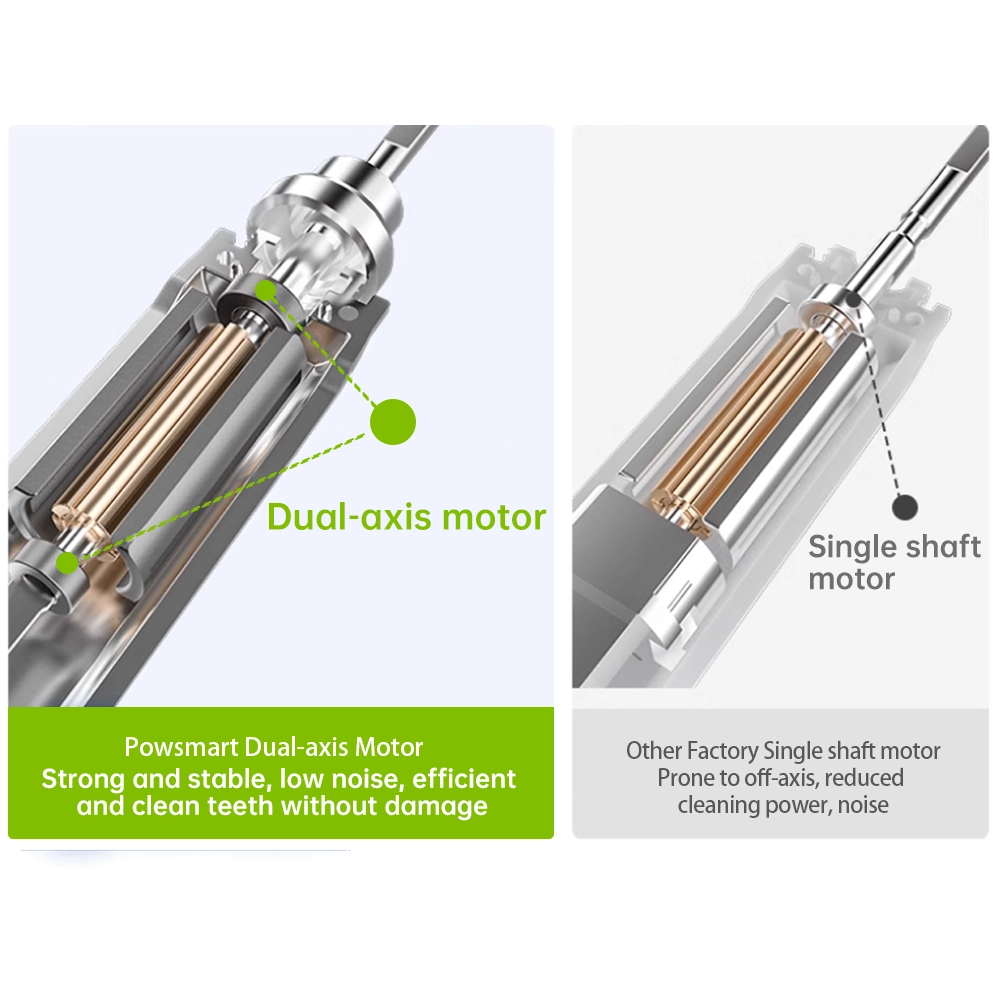
In the highly competitive oral care market, choosing a reliable electric toothbrush manufacturer & supplier is a critical step for brand success. Whether you're launching a new smart toothbrush line or scaling up your current product range, working with an experienced and innovation-driven supplier can make all the difference. This is where Powsmart, a trusted electric toothbrush factory based in China, stands out as a strategic partner for global oral care brands. About Powsmart: Professionalism in Every Detail As a leading dental OEM China supplier, Powsmart specializes in the design, development, and production of high-quality electric toothbrushes and related oral care products. With a focus on smart technology integration, our team combines engineering expertise, strong R&D capabilities, and modern manufacturing systems to deliver customized solutions that meet the highest international standards. Key highlights include: Over 20 years of electric toothbrush production experience Full-stack OEM/ODM services for global clients In-house R&D and industrial design team Certified quality management systems (ISO, CE, FDA compliance) Electric Toothbrush Quality Manufacturing: Our Commitment to Excellence At Powsmart, electric toothbrush quality manufacturing is not just a promise — it’s our foundation. We follow strict quality control protocols from raw material sourcing to final assembly, ensuring every brush meets our clients’ technical…
.jpg)
In the sensitive recovery phase following dental surgery, the choice of hygiene tools becomes critical. One product that has gained increasing attention is the Post-Surgery Oral Care Brush—a device designed specifically for gentle gum handling. However, an ongoing debate questions whether even these soft-bristled brushes might unintentionally contribute to gum recession, especially with prolonged or incorrect use. For OEMs, ODMs, and private-label buyers, understanding the risks and design safeguards is essential. Understanding Post-Surgical Gum Vulnerability After procedures such as scaling, flap surgery, or implant placement, the gingival tissue is especially vulnerable to external trauma. During this stage, even slight overpressure or friction can impact healing. While Post-Surgery Oral Care Brushes are marketed for their softness, the material quality and bristle density vary significantly across manufacturers, affecting real-world safety performance. How Improper Brush Design Can Exacerbate Gum Recession Gum recession can result from: Excessive brushing force Poorly rounded bristle tips Inadequate flexibility of the neck Lack of tapered filament ends If a brush lacks sufficient softness or ergonomic design, it can cause repetitive micro-trauma to the gingival margin, slowing tissue regeneration and triggering recession over time. For B2B buyers, these factors should be part of QA and procurement checklists. Role of…
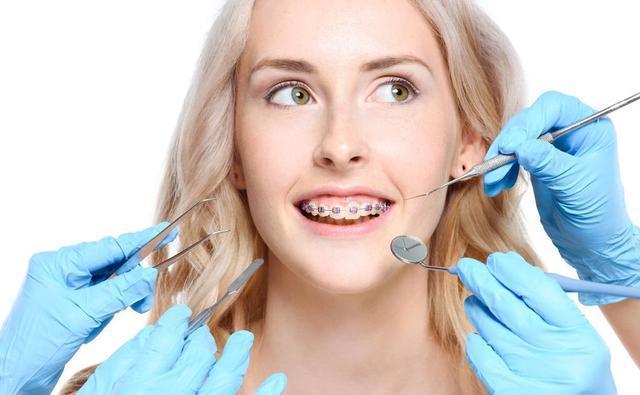
Introduction: Smart Design or Sensor Vulnerability? The rise in popularity of the Braces Cleaning Electric Toothbrush reflects a growing demand for intelligent, orthodontic-friendly oral care. These devices often come equipped with pressure sensors, smart timers, and AI-assisted tracking systems. However, with this advancement comes a pressing question from both users and distributors: Is the interaction between braces and brush triggering unexpected sensor failure? This blog takes a deep dive into the engineering concerns behind the functionality of braces-oriented brushes, and whether design choices are inadvertently compromising sensor integrity. Understanding the Braces Cleaning Electric Toothbrush To meet the unique challenges of orthodontic hygiene, the Braces Cleaning Electric Toothbrush is designed with: Slim, angled brush heads High-frequency oscillation for dislodging food particles Pressure sensors to prevent over-brushing AI-integrated motion tracking (in premium models) These features are invaluable for wearers of braces, where plaque buildup and gingival irritation are common concerns. Yet, this same intricate interaction between hardware and braces metalwork can sometimes result in performance irregularities. How Does Sensor Failure Manifest in These Devices? When sensor failure occurs, users may experience: Inaccurate pressure detection, leading to frequent false alarms or complete inactivity Interrupted operation cycles due to overload misreadings Inconsistent app feedback…
.jpg)
In recent years, the oral care market has shifted rapidly toward digital health and personal wellness. Smart toothbrushes—equipped with Bluetooth, sensors, app integration, and brushing analytics—have become one of the fastest-growing product categories in personal care. For brand owners, private label retailers, and e-commerce sellers, finding the right wholesale smart toothbrushes provider is essential to staying competitive. This blog will guide you through the process of sourcing bulk electric toothbrushes from trusted B2B suppliers, ensuring you get top-tier products at the best price—and customized to suit your brand. Benefits of Buying Smart Toothbrushes in Bulk Purchasing bulk electric toothbrushes offers multiple advantages for retailers and oral care brands: Cost Efficiency: Wholesale pricing significantly lowers the per-unit cost, increasing your profit margins. Consistent Quality: Buying in bulk from a qualified B2B supplier ensures product consistency and fewer defects. Faster Fulfillment: Partnering with an experienced manufacturer often means access to better logistics and inventory management. For retailers planning to scale or launch a new product line, bulk ordering is not just economical—it's essential. What Makes a High-Quality Smart Toothbrush? As demand grows, so does competition. To stand out, your product needs to offer advanced features and long-term reliability. Look for these features in high-quality smart toothbrushes:…
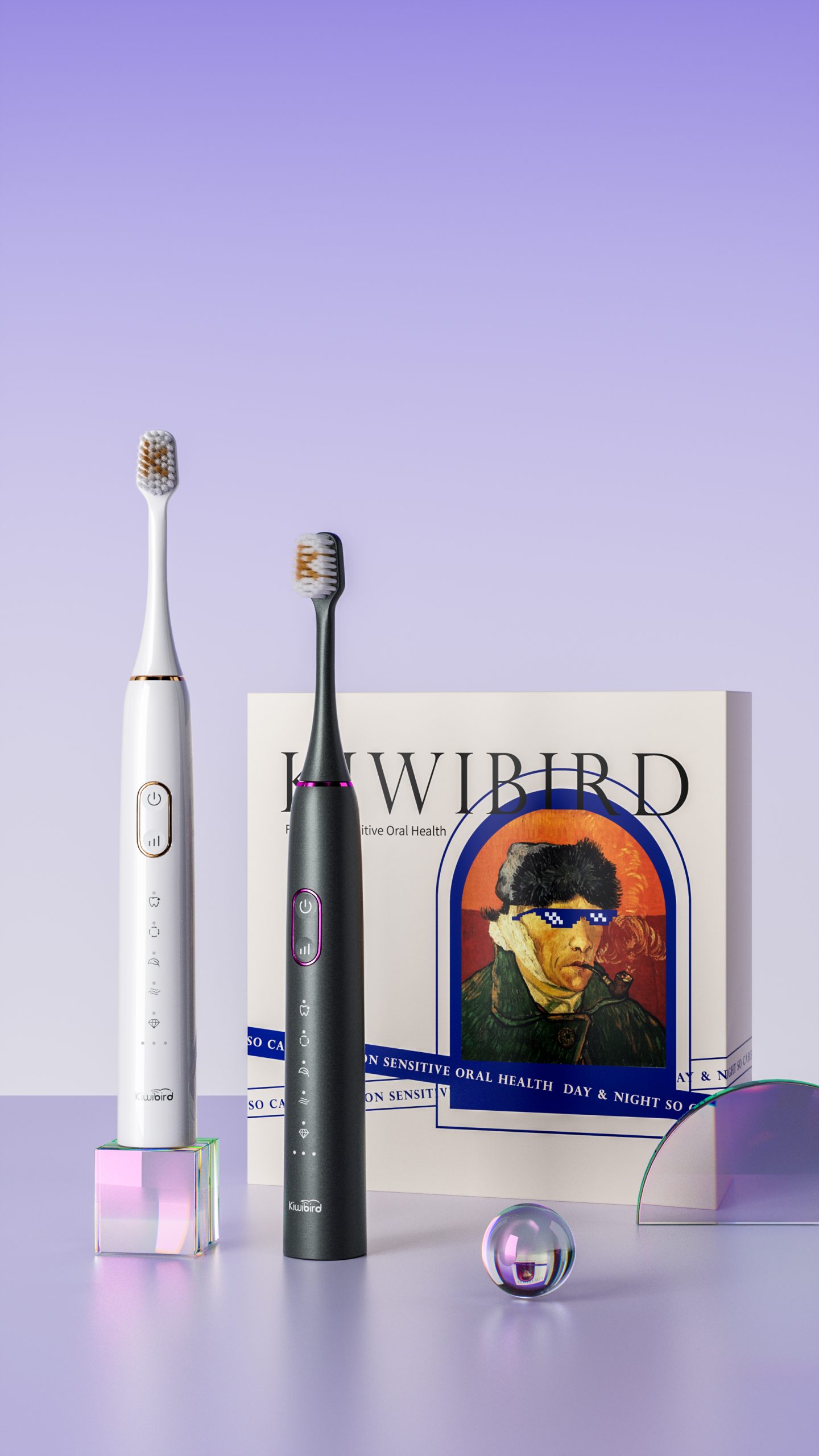
In recent years, consumers have increasingly gravitated toward sleek, modern personal care products. In the oral care space, this trend has given rise to a new standard: minimalist design oral care products. Among these, the matte black electric toothbrush and white smart toothbrush have emerged as the go-to choices for style-conscious users. For brand owners and distributors, this presents a clear opportunity. bulk ordering smart toothbrushes with minimalist design elements can help meet current market demands while differentiating your product line. Why Black & White Smart Toothbrushes Are Winning the Market Today’s consumers prefer functionally advanced devices that also fit into their aesthetic lifestyle. The white smart toothbrush represents cleanliness, modern tech, and compatibility with luxury bathroom decor. While the matte black electric toothbrush conveys a bold, premium, and gender-neutral appeal. Both align perfectly with the broader trend toward minimalist dental tech. These color options are not just about looks. They signal product quality and refined design, making them a popular option for private label brands, e-commerce sellers, and boutique dental retailers looking to expand their offerings. Design Meets Function: Features That Matter Minimalism doesn’t mean sacrificing performance. On the contrary, the best minimalist design oral care products combine elegance with innovation.…
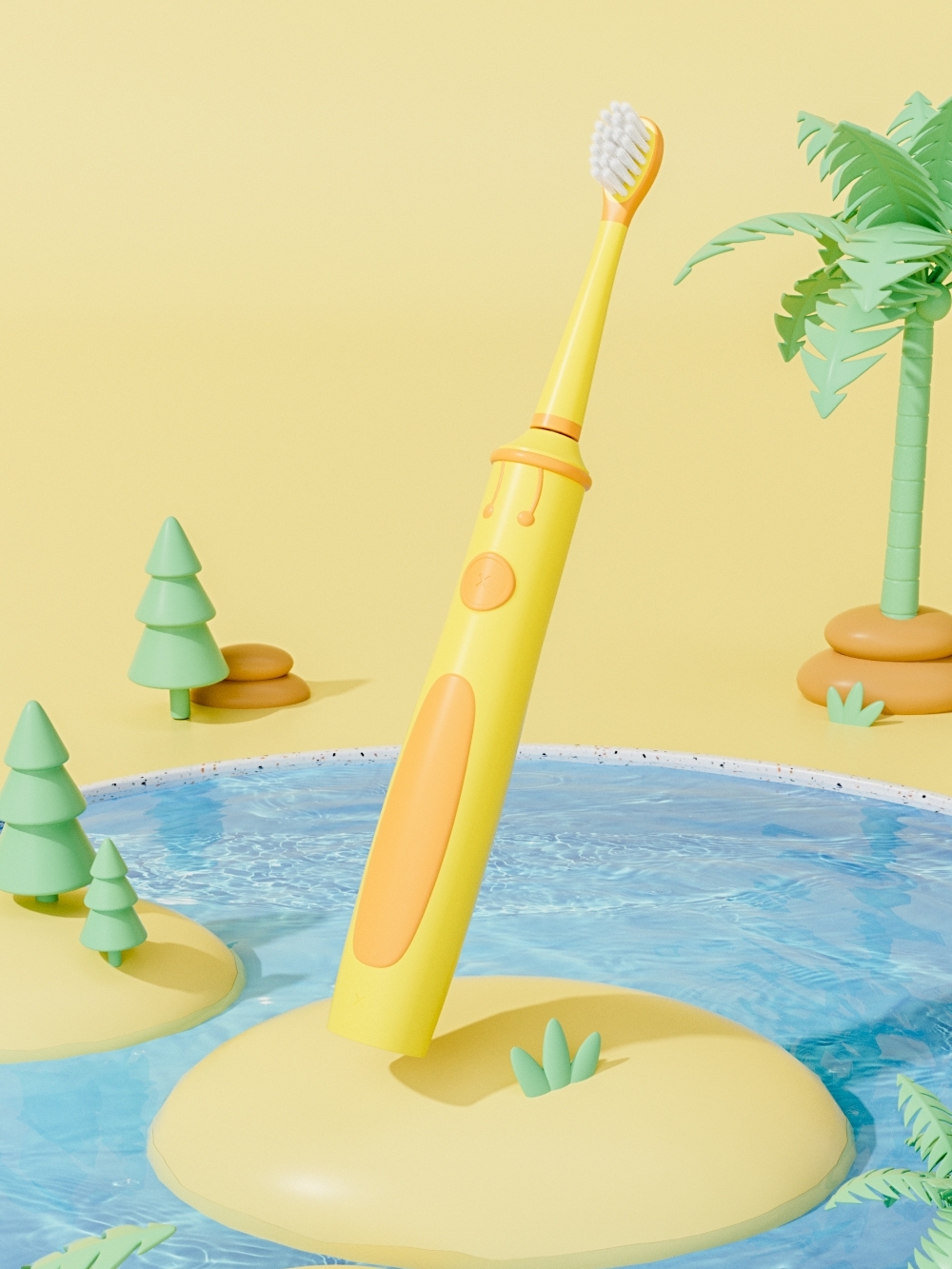
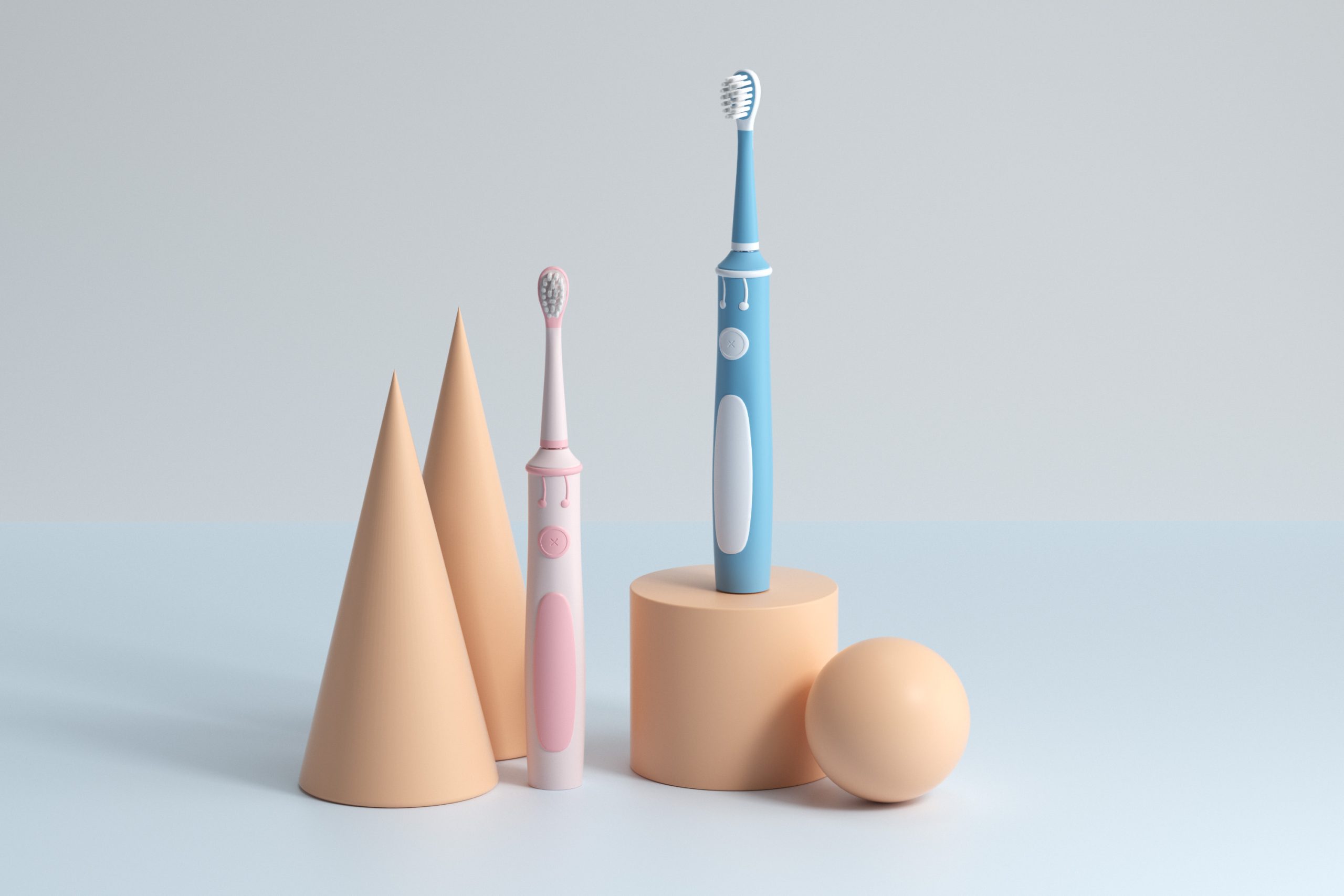
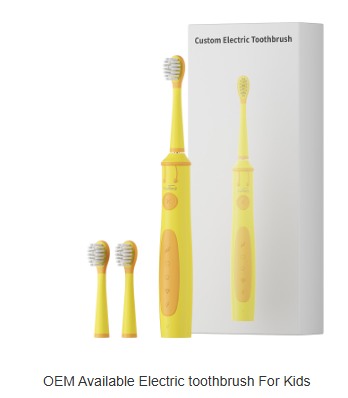
In today’s oral care market, children's hygiene routines are no longer just about function—they're about engagement, safety, and personalization. As demand rises for children’s smart toothbrush solutions that combine effective cleaning with interactive features, retailers and brand owners must explore how to offer custom kid-friendly smart toothbrushes. This blog explores the latest trends and manufacturing possibilities in Kids’ Smart Toothbrush Customization, offering insights for electric toothbrush retailers & distributors looking to partner with the right suppliers. Why Kids Need Smart Toothbrushes: Safety Meets Engagement Children require specialized brushing tools not just in size but in function and experience. A children’s smart toothbrush must balance three core needs: Gentle but effective cleaning for developing teeth and gums Fun, game-like experiences to encourage brushing routines Built-in safety features such as pressure sensors and timers Fun & Safe Brushing Solutions have become a critical selling point for parents, making product differentiation essential for brands. The Rise of Custom Kid-Friendly Smart Toothbrushes As smart technologies evolve, brands now have the opportunity to offer custom kid-friendly smart toothbrushes with tailored designs. Customization options include: App integration with brushing games or reward systems Animated LED displays, music playback, and storytelling modes Soft brush heads, ergonomic grips, and silicone-based safety coatings Brand-specific…
In the evolving personal care market, travel-friendly smart toothbrushes are gaining traction among global consumers—particularly travelers, professionals, and digital nomads. These sleek, compact, and intelligent devices are not just about brushing on the go; they combine portability, smart features, and design-forward aesthetics. For oral care brands aiming to capture this growing segment, partnering with the right OEM supplier becomes crucial. This article explores why portable smart toothbrushes are a rising trend and how to seize the opportunity through optimized electric toothbrush manufacturing strategies. Market Demand for Compact & Rechargeable Options Modern consumers prioritize convenience, especially when traveling. Compact & rechargeable options offer key advantages: Portability: Slim profiles and lightweight materials make these toothbrushes easy to carry in handbags or travel kits. Long-lasting battery: USB-C or wireless charging options with extended battery life (7–30 days) meet the needs of frequent travelers. Smart features: Bluetooth connectivity, travel lock, and app-based brushing reports elevate user experience. This surge in demand presents an opportunity for brands to innovate and fill the market gap with high-performance, travel-ready designs. What Makes a Portable Smart Toothbrush Truly Travel-Friendly? To qualify as a travel-friendly smart toothbrush, a product should meet the following criteria: Compact design: Foldable handles, detachable heads, or slim cylindrical cases.…
.jpg)
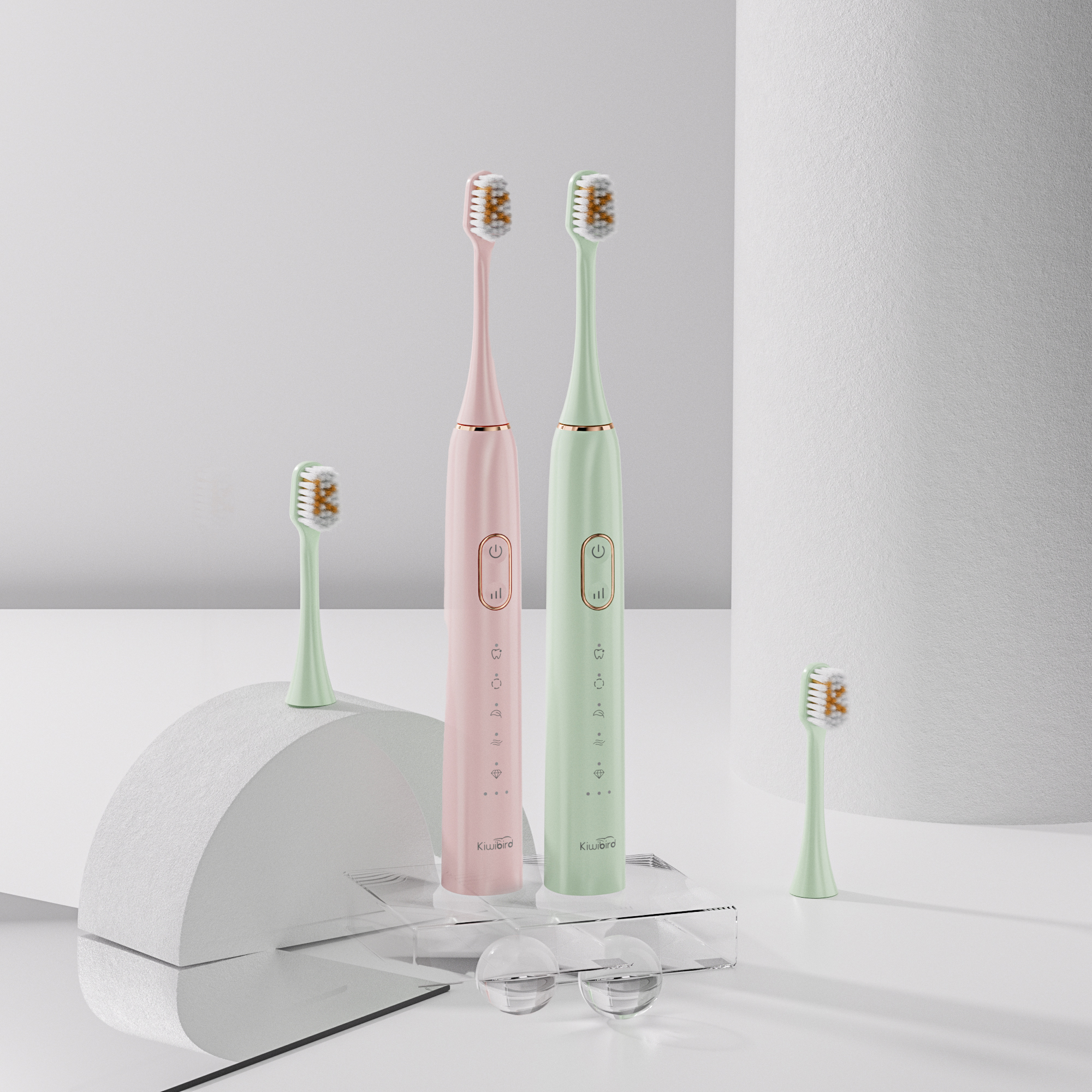
As consumers increasingly value both functionality and aesthetics in their personal care routines, Luxury Dental Care Products have emerged as a growing trend. Among them, the rose gold electric toothbrush stands out as a symbol of elegance, performance, and brand distinction. For oral care brands looking to elevate their product lines, investing in Electric Toothbrush Customization—especially in premium finishes like rose gold—offers an opportunity to tap into the high-end market. Why Rose Gold? The Appeal of Color and Design Color psychology and design play a significant role in purchasing behavior. Rose gold, associated with sophistication and modern luxury, has become a popular choice across beauty and wellness sectors. When applied to oral care, a rose gold electric toothbrush instantly communicates exclusivity, making it more than a hygiene tool—it becomes a statement piece. This color not only enhances shelf appeal but also supports brand positioning in the premium oral care segment. Product Differentiation Through Customization For brands, standing out in the crowded oral care market is critical. One of the most effective strategies is through Electric Toothbrush Customization. OEM manufacturers can offer:\n- Custom color options (including rose gold variants)\n- Logo and packaging design\n- Unique brush head shapes or materials\n- Smart features (Bluetooth, timers, sensors)\n- UV…
Introduction: Powerful Mode, Unexpected Flaws? As electric toothbrush technology evolves, manufacturers now offer multiple brushing modes to accommodate user preferences and oral care needs. One such mode—Deep Clean Toothbrush Mode—is designed to deliver intensified brushing power for more effective plaque removal. However, concerns have emerged within the OEM/ODM sector regarding whether this high-power mode contributes to timer malfunction over time. Could a mode meant to enhance hygiene be subtly undermining device performance? In this article, we explore the interplay between brushing mode intensity, circuit timing functions, and long-term reliability from a B2B manufacturer’s perspective. What Is Deep Clean Toothbrush Mode? Deep Clean Mode, often labeled as “Pro Clean” or “Intense Mode,” operates at higher vibration frequencies or pulse amplitudes—typically above 40,000 strokes per minute. This mode is favored for: Removing stubborn buildup in hard-to-reach areas Enhancing gum stimulation Providing a more “thorough” brushing experience, particularly for users with orthodontic appliances or stain-prone teeth However, its high-output design places additional strain on the internal motor driver and power delivery systems, potentially influencing other electronic modules like the integrated brushing timer. Understanding Timer Function in Smart Toothbrushes Modern electric toothbrushes—especially those manufactured under intelligent product lines—incorporate timers to guide users toward optimal…
Introduction: Performance vs. Heat—A Critical OEM Question As the demand for high-frequency sonic toothbrushes continues to rise, many private-label brands turn to OEM manufacturers like POWSMART for scalable, customized solutions. While these POWSMART Sonic Brush OEM units are known for power and precision, questions are emerging about their long-term thermal stability. Are overheating risks something buyers and brands should be concerned about? This blog explores the factors that can lead to heat-related issues and how proper OEM design eliminates such concerns. Understanding Heat Generation in Sonic Brushes Sonic toothbrushes typically operate at high vibration rates—often exceeding 30,000 to 40,000 strokes per minute. This performance is made possible by compact magnetic motors, lithium batteries, and high-frequency PCB drivers. Naturally, these components generate heat. When properly managed, this is harmless. But when engineering tolerances are low, or material quality is compromised, overheating risks can lead to: Battery swelling or failure Degraded bristle head plastics Reduced motor efficiency User discomfort or safety concerns Manufacturers must especially prioritize this critical aspect when designing ODM/OEM models for global markets with varying power standards and user behavior. Key OEM Design Challenges Behind Overheating Several engineering decisions within the OEM manufacturing process can directly influence thermal stability:…
Introduction: Wholesale Volume vs Long-Term Integrity With increasing demand for scalable oral care solutions, the POWSMART Toothbrush Wholesale model has gained popularity among distributors, retailers, and institutional buyers. However, a critical concern has emerged in recent client feedback: does large-scale procurement increase the risk of material degradation over time? In this blog, we explore how bulk ordering interacts with material integrity, what risk factors contribute to performance decline, and how B2B buyers can safeguard their investment in quality electric toothbrushes. Understanding the Supply Chain of POWSMART Toothbrush Wholesale The POWSMART Toothbrush Wholesale model is designed to accommodate customized bulk production—ranging from 5,000 to 100,000 units per batch—with options for: OEM/ODM branding Variable bristle hardness and materials Battery type and waterproofing grade Packaging configurations With this high-volume production model, consistent quality across batches becomes a core concern, especially when toothbrushes are shipped globally and stored under varying conditions before reaching end users. What Is Material Degradation in Oral Care Products? Material degradation refers to the physical or chemical deterioration of product components over time or under stress. In the context of electric toothbrushes, this may involve: Bristle fatigue – fraying or stiffening due to subpar filament quality or aging Plastic yellowing…
Introduction: Quiet Operation Meets Unexpected Maintenance Issues The growing popularity of the Quiet Toothbrush for Office use is easy to understand — professionals appreciate silent, discreet oral care tools they can use between meetings or during travel. However, a hidden concern has begun to emerge among users and suppliers alike: nozzle clogging. While noise control is prioritized in brush design, has this focus inadvertently opened the door to fluid buildup, toothpaste residue, and nozzle inefficiency? In this blog, we examine how noise-optimized models are managing internal hygiene, and whether nozzle clogging is an overlooked issue for B2B buyers. Why Office-Friendly Quiet Toothbrushes Are Gaining Popularity Compact, nearly-silent electric toothbrushes are ideal for: Professionals working in quiet environments Users needing midday freshening without loud buzzing Open-plan or shared-office hygiene kits The Quiet Toothbrush for Office often features noise-dampening motor assemblies, soft-pulse brushing modes, and water-conserving designs. But the very engineering that dampens vibration and sound can reduce fluid flow efficiency, which in turn impacts internal rinsing and self-cleaning. Company web: https://www.powsmart.com/product/electric-toothbrush/ What Is Nozzle Clogging and Why Does It Matter? Nozzle clogging occurs when: Toothpaste residue hardens within narrow internal passages Saliva and water mix stagnates due to poor ejection force…
.jpg)
The demand for smart personal care products is booming — and oral care is no exception. With consumers increasingly seeking high-tech solutions for everyday hygiene, launching a smart toothbrush private label is a strategic opportunity for beauty, wellness, and health brands. For companies looking to enter this fast-growing market, working with an experienced OEM/ODM electric toothbrush manufacturer is the most efficient way to build your brand with OEM support and ensure a strong foundation in terms of quality, compliance, and design innovation. Why Smart Toothbrushes Are Dominating the Oral Care Market Smart toothbrushes offer features like app connectivity, brushing feedback, pressure sensors, and customized cleaning modes. These benefits are reshaping the consumer experience, offering: Personalized oral care routines Real-time brushing data Enhanced gum health and plaque control For emerging brands, this presents a high-value product segment with strong consumer appeal. But success depends on more than just great marketing — it starts with electric toothbrush quality manufacturing. The Benefits of Private Labeling Smart Toothbrushes Launching a smart toothbrush private label allows brands to bring high-end technology to their customers without the cost or time investment of in-house product development. Key advantages include: Speed to market: Leverage pre-developed, tested hardware and software platforms. Lower R&D…
Introduction: The “Non-Toxic” Label and the Real Question of Child Safety For brands and buyers seeking to expand in the children’s oral care segment, sourcing a Non-Toxic Kids Brush OEM partner seems like a logical and safe starting point. After all, when products are labeled “non-toxic,” it should automatically imply they’re safe for children, right? However, beneath the marketing label lies a more complex reality — one that raises important questions about child safety beyond just material claims. In this article, we explore how “non-toxic” is defined, whether OEM claims are truly validated, and how manufacturers can go further to genuinely ensure child safety in every brush produced. Understanding the Meaning of “Non-Toxic” in OEM Terms In the B2B manufacturing landscape, “non-toxic” is not a universally regulated term. While many Non-Toxic Kids Brush OEM suppliers claim compliance with safety standards, the depth of testing and the breadth of materials involved vary widely: Material declarations may cover only visible plastics and omit internal adhesives or coatings Some certifications (like BPA-free) do not ensure the absence of other harmful agents such as phthalates or lead-based pigments “Non-toxic” might refer solely to ingestion safety, without addressing allergenic or skin contact reactions Thus, OEM…


.jpg)
.jpg)
.jpg)
.jpg)
.jpg)




.jpg)