In New York’s premium oral-care market, being flagged as “NY dental recommended” increasingly correlates with adopting intelligent force control—most notably, toothbrushes built around “NYC pressure sensor” technology. From boutique DTC labels to national retail lines that pilot in the five boroughs first, pressure-aware brushing has become a shorthand for safer, more consistent outcomes and fewer customer service headaches. Here’s how the tech translates into clinical credibility, product reliability, and B2B margin.
Dental professionals in NY see a high volume of patients with sensitivity, recession, and post-procedural care needs. As a result, they tend to recommend devices that actively prevent overbrushing. Brands that can show force-limiting intelligence and clear user feedback (haptics/LED/app prompts) are simply easier to champion chairside—turning NY dental recommended from a marketing claim into a measurable product capability.
While “pressure sensor” is a broad term, the standout NYC design approach pairs three elements:
This stack doesn’t just stop force spikes—it creates a repeatable brushing envelope that clinicians can trust and users can actually follow.
Pressure intelligence succeeds or fails in the integration layer. NYC teams tend to:
Done right, you get fewer RMAs for “random shutoffs,” less mode confusion, and a path to premium pricing without runaway costs.
Force data is only useful if it changes behavior. Best-in-class implementations:
The net: users brush within safe limits more often, and clinicians see objective progress rather than anecdotes.
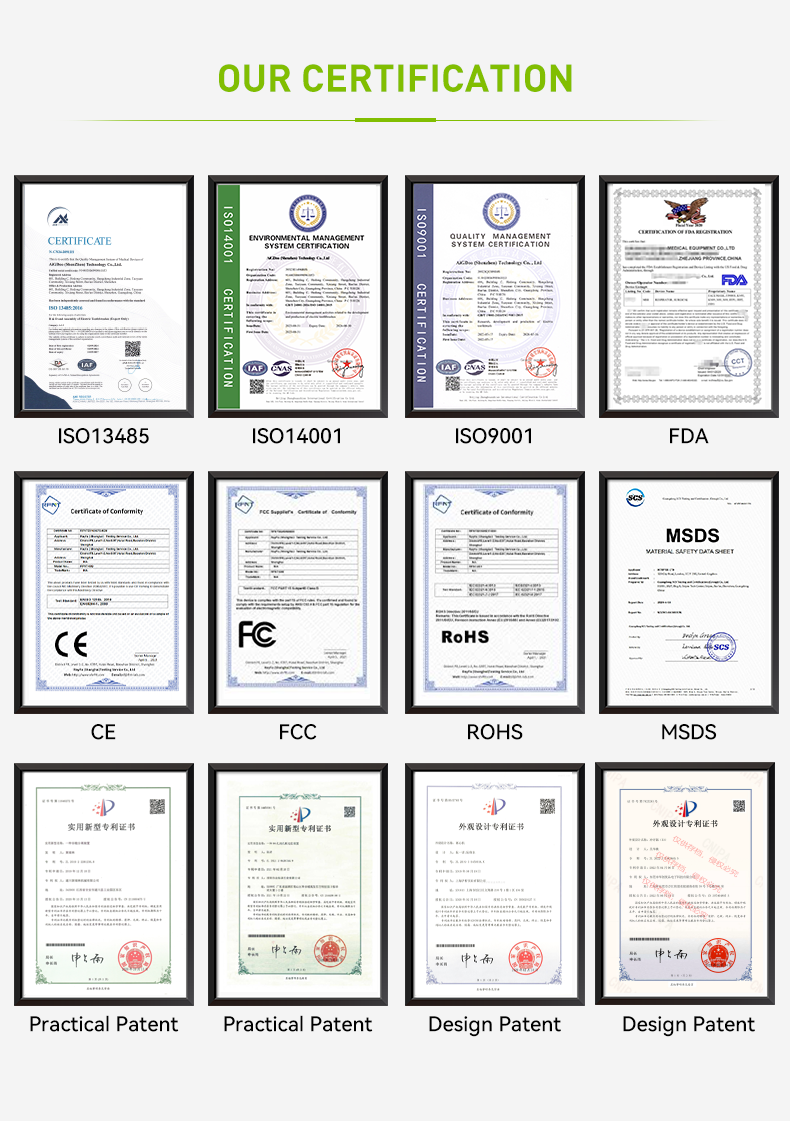
For B2B buyers, the fast track to an NY dental recommended placement is documentation:
These artifacts shorten retail onboarding and de-risk clinical partnerships.
Brushes with robust NYC pressure sensor control see fewer reports of gum soreness, reduced head splay, and less motor strain—cutting warranty costs. At the same time, force-coached users replace heads on schedule and engage more with refills, lifting lifetime value. That combination is why retailers prioritize inventory and why practitioners choose to recommend.
If “NY dental recommended” is your target badge, build around NYC pressure sensor principles: accurate sensing, adaptive control, tight sealing, and on-device coaching. You’ll safeguard gums, simplify endorsements, and create a defensible premium tier.
Need a jump-start? We can share a reference design (sensor stack + firmware flow), a validation test plan, and a clinician-ready one-pager template. Say the word, and we’ll tailor them to your SKU and channel mix. Contact us
-300x300.jpg)
-300x300.jpg)
.jpg)
adult electric toothbrush OEM China | Custom Adult Sonic Toothbrush Manufacturing
Smart Toothbrush India | Modern Oral Care Solutions
Smart Sonic Electric Toothbrushes: Family-Friendly, App-Connected for US & Canada Markets
4 Common Electric Toothbrush Mistakes and the OEM Features That Fix Them
Affordable Electric Toothbrush with LED Whitening Technology: OEM Solutions
Seal Degradation Causing Tissue Trauma?
Post-Surgery Risks Worsened by Jaw Discomfort?
Depression Oral Care Tips | Low-Effort Routine
Wireless Teeth Whitening Kit | Cord-Free LED Oral Beauty System for modern beauty and oral-care OEM brands.
Enamel Erosion with Cavity Acceleration – Vicious Cycle?
Gift for Software Engineer Electric Toothbrush Bangalore
Electric Toothbrush Customization Service for B2B Oral Care Brands

Enter the Oral Irrigator Factory: Discover the Production Process and Technology Behind Water Flossers
How Does Strategic Sourcing Advisory Evolve into Antifragile Supply Chain Design?
What’s the Difference Between a Pulsation Driver Chip and a Multi-jet Chipset for Flossers?
Wireless Charging Teeth Whitening Kit OEM | Cordless LED Whitening Factory


.jpg)
.jpg)
.jpg)
.jpg)
.jpg)