.jpg)
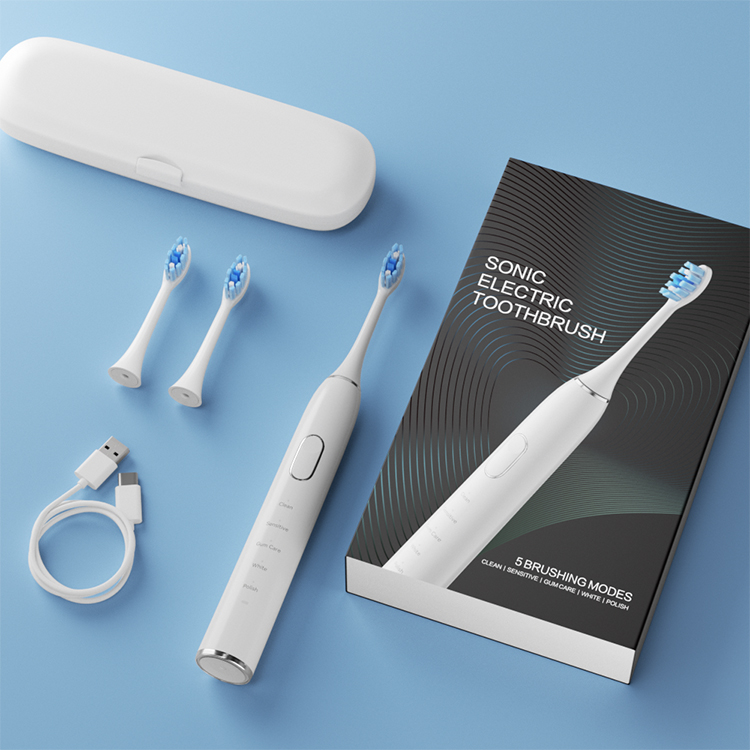
As global demand for smart personal care products rises, electric toothbrush distribution is becoming one of the most profitable segments in the oral hygiene market. For distributors and wholesalers, selecting the right product can significantly impact revenue, brand reputation, and customer retention. This guide is designed to help distributors identify high-profit electric toothbrush, evaluate wholesale purchasing strategies, and confidently enter or expand their electric toothbrush offerings. Understand the Market: Why Electric Toothbrushes Are Booming Electric toothbrushes are no longer a luxury item—they’re a daily essential for millions. According to market research, the global electric toothbrush market is expected to exceed USD 7 billion by 2027. The surge is driven by: Consumer awareness of oral health A rise in smart healthcare devices Growing demand in emerging markets For distributors, this trend presents a unique opportunity to capitalize on high-margin oral products that combine innovation with consumer demand. Key Features to Look For in a High-Profit Electric Toothbrush Not all electric toothbrushes are created equal. High-profit products typically include: Multi-mode functionality (clean, sensitive, gum care, etc.) Rechargeable lithium batteries for long-term use Smart features like timers, pressure sensors, or app connectivity Ergonomic and aesthetic design to attract end-users These features allow for premium pricing and improve your margin…
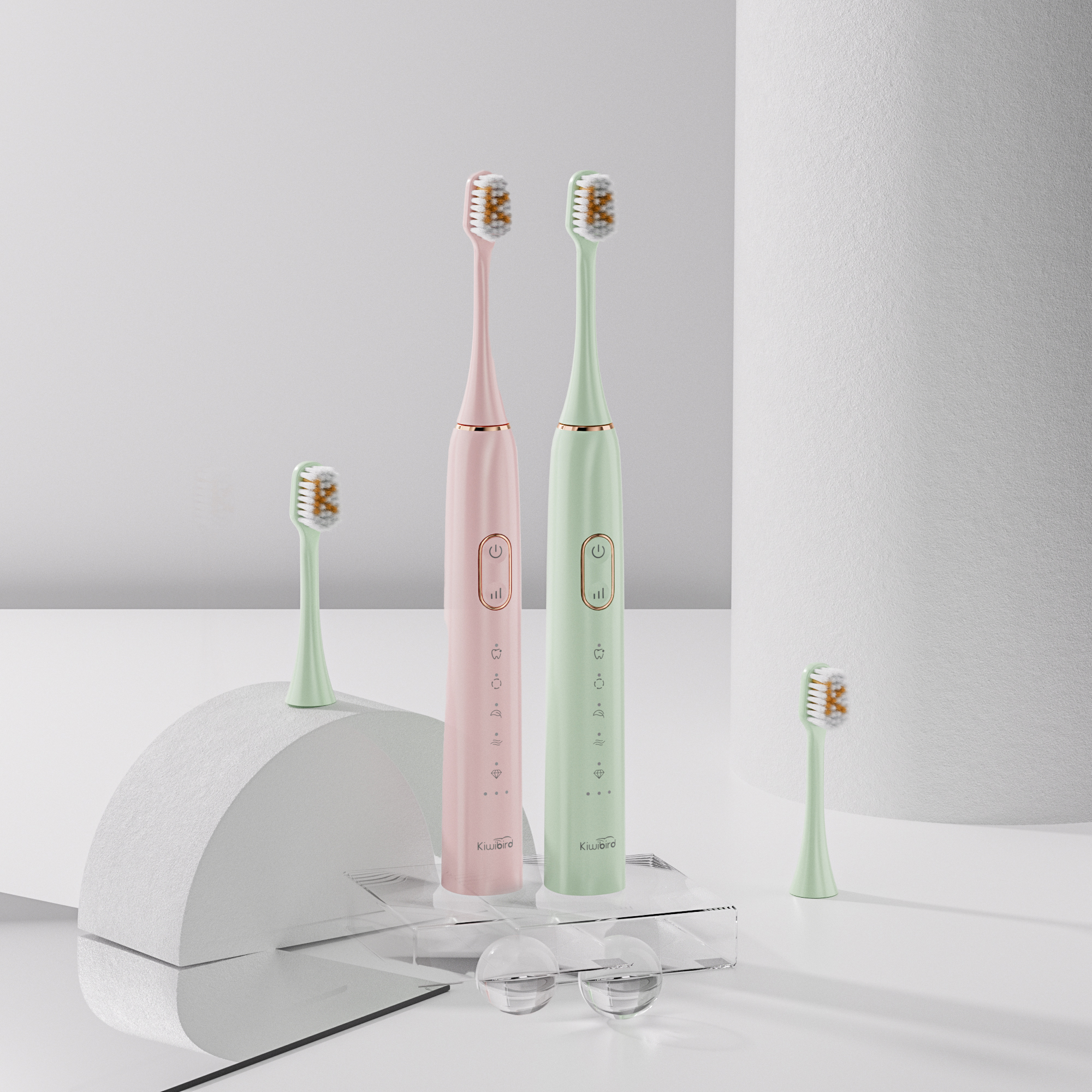
In today’s fast-evolving personal care market, managing stock effectively is a major challenge for electric toothbrush distributors. With rising product diversity, seasonal demand fluctuations, and rapidly changing consumer preferences, how can distributors reduce inventory risk has become a critical component of a successful electric toothbrush distribution strategy. This blog outlines key approaches to effective inventory management, highlighting how distributors can optimize their operations, improve cash flow, and reduce procurement risks while meeting market demands. Understand Market Demand Through Data Analytics Accurate forecasting is the first step toward reducing inventory risk. Distributors should utilize sales data, market trends, and seasonality to predict demand accurately. Use historical sales data for trend analysis Monitor emerging preferences (e.g. smart toothbrushes, sustainable materials) Adjust stock levels dynamically based on demand signals This data-driven approach allows distributors to align stock quantities with real-time market needs, reducing the chances of overstocking or understocking. Keywords integrated: Inventory management, Electric toothbrush distribution strategy Adopt a Just-in-Time (JIT) Inventory Model The Just-in-Time model minimizes inventory holding costs by aligning procurement with actual demand. This strategy is particularly effective for high-value, fast-evolving products like electric toothbrushes. Reduces warehouse costs and excess inventory Lowers capital tied up in unsold goods Enhances flexibility to respond to new…
.jpg)
Designing a smart toothbrush Austin SKU for this market — or for retailers who sell into Austin’s tech-savvy channels — means combining robust hardware, thoughtful software, and local-market positioning. Below are six manufacturer-focused areas to get right so your product reads as genuine Austin tech brush innovation to distributors, clinics and retail partners. Product architecture — sensors, motor and modular head design First, start with a scalable hardware platform. A credible Austin tech brush should include: High-resolution motion sensors (3-axis accelerometer + gyroscope) to detect orientation and brushing patterns. A reliable sonic/oscillating motor tuned for effective plaque removal while preserving battery life. Modular brush-head compatibility so one handle can serve mass-market, sensitive, orthodontic and whitening heads. Consequently, this modular approach reduces SKU complexity for your channel partners and lowers end-user Replacement Cost objections. App connectivity & analytics — turning brushing into actionable insight Next, prioritize seamless App Connectivity. For a true smart toothbrush Austin proposition, implement: Stable BLE pairing and drop-in reconnection flows for iOS/Android. Real-time brushing feedback, quadrant timers, and post-brush summaries that translate sensor data into simple coaching tips. Cloud analytics (anonymous, aggregated) for B2B reporting: refill cadence, feature usage, and cohort health insights that retail or clinic…

In Austin’s thriving tech scene, innovation extends beyond software and hardware—it’s also influencing wellness and lifestyle products. As companies seek unique corporate branding solutions, one surprising trend is emerging: Custom Logo Smart Toothbrush. For tech-savvy organizations, these devices combine health, design, and connectivity, making them an ideal branded oral care solution. Why Austin Tech Companies Are Exploring Smart Toothbrush OEM The competition for talent in Austin’s booming tech hub is fierce. Employers are looking for creative ways to build loyalty and stand out. A Smart Toothbrush OEM for Austin Tech Companies offers a practical yet futuristic gift—one that aligns with the city’s culture of innovation while promoting health and wellness. Branded Oral Care as a Corporate Differentiator Traditional branded swag often ends up forgotten in drawers. By contrast, branded oral care products like smart toothbrushes are both functional and memorable. Every time employees or clients brush their teeth, they are reminded of your company’s commitment to innovation, wellness, and smart living. The Appeal of Custom Logo Smart Toothbrushes A custom logo smart toothbrush seamlessly blends personal health tech with corporate identity. Whether it’s laser engraving logos, branded packaging, or integrated app design, these products ensure your brand message is literally in the…
.jpg)
Corporate gifting in Austin has evolved beyond logo pens and plaques — increasingly, HR and people teams want gifts that show care and actually improve daily life. An electric Austin corporate gift that’s designed for oral health can be a high-impact way to promote employee wellness: it’s useful, visible, and encourages a healthy habit every single day. Below are six manufacturer-focused angles that explain why electric toothbrushes work as corporate wellness gifts and how to design, produce and pitch them to B2B customers. Strategic alignment — wellness, retention and brand warmth First, employers are buying into wellness as a retention and engagement tool. Consequently, an Austin corporate gift that supports oral hygiene sends a health-positive message and reinforces employer investment in staff. For manufacturers, this means positioning electric toothbrush SKUs not just as promo items but as wellness assets that HR departments can include in benefit programs, onboarding kits, and employee appreciation events. Feature set that truly supports employee wellness Moreover, features matter. To make a meaningful wellness gift, your electric toothbrush should include: a 2-minute timer (with Quadpacer), a pressure sensor to protect gums, a sensitive mode for comfort, quiet operation for open-plan offices, USB-C fast charging or long…
.jpg)
Sonic Electric Toothbrush Manufacturing Excellence in Austin: POWSMART Leads the Way When it comes to sourcing high-quality sonic electric toothbrush products, discerning brands and retailers seek out reliable Austin factory and manufacturer partners who combine innovation with rigorous quality control. POWSMART, based in Austin, stands at the forefront of this industry, offering exceptional OEM and ODM services for the global oral care market. Why Choose an Austin-Based Sonic Electric Toothbrush Manufacturer? Austin, Texas, has emerged as a hub for technology and advanced manufacturing. Partnering with an Austin manufacturer for your sonic electric toothbrush production offers distinct advantages: Proximity to North American Markets: Faster shipping times, reduced logistics costs, and easier communication for US-based brands. High-Tech Ecosystem: Access to cutting-edge technology, engineering talent, and innovative materials inherent to the Austin region. Stringent Quality Standards: US-based manufacturers often adhere to rigorous quality assurance protocols, ensuring product safety and reliability. POWSMART: Your Trusted Sonic Electric Toothbrush Factory and Supplier At POWSMART (www.powsmart.com), we specialize in the design, development, and manufacturing of premium sonic electric toothbrushes. As a leading supplier and factory, we provide end-to-end solutions for brands looking to make their mark in the competitive oral care industry. Our Manufacturing Capabilities Our state-of-the-art factory is equipped with advanced machinery and staffed by a team of experienced engineers and technicians. We control the entire…
.jpg)
Source Custom Logo Smart Toothbrushes for Austin Tech Companies from China’s Powsmart Factory Austin’s tech scene is booming, and companies are constantly seeking innovative ways to promote their brand, enhance employee wellness, and create memorable corporate gifts. Custom logo smart toothbrushes represent the perfect intersection of technology, health, and branding. For Austin-based tech firms looking to source these high-demand products, Powsmart stands as a premier manufacturer and factory from China, supplying the global market with top-tier oral care technology. This article outlines why Powsmart is the ideal Chinese supplier and factory for your branded smart toothbrush needs in Austin. Why Custom Smart Toothbrushes are a Perfect Fit for Austin’s Market Austin, known as the "Silicon Hills," is home to a dense population of tech-savvy professionals. These individuals appreciate cutting-edge gadgets that integrate seamlessly into their lifestyles. A custom smart toothbrush is more than a gift; it's a statement. High-Tech Brand Alignment: Gifting a smart toothbrush reinforces a company's identity as innovative and forward-thinking. Employee Retention & Wellness: Offering a premium health tech product as an employee benefit supports wellness initiatives, a major trend in the competitive Austin tech job market. Powerful Corporate Swag: At tech conferences, corporate events, or client meetings, a branded smart toothbrush is…
In recent years, Austin has emerged as a vibrant center for sustainable manufacturing. Known for its progressive business community and eco-friendly mindset, the city attracts innovators who care about reducing environmental impact. This makes it an ideal place for Environmentally-conscious electric toothbrush production — a sector that combines advanced technology with sustainable materials. The Rise of Eco-Friendly Electric Toothbrush Manufacturers Consumers are increasingly demanding products that align with their values. Eco-Friendly Electric Toothbrush Manufacturers in Austin are responding by adopting renewable energy sources, minimizing plastic use, and embracing circular economy principles. These companies are proving that performance and environmental responsibility can go hand in hand. Biodegradable Brush OEM Opportunities For oral care brands looking to partner with manufacturers, Austin offers strong biodegradable brush OEM options. These Original Equipment Manufacturers use plant-based materials for brush heads, compostable packaging, and low-emission production processes. This not only reduces waste but also helps brands meet strict sustainability standards in global markets. Green Oral Care Suppliers and Local Collaboration Many Green Oral Care Suppliers in Austin are part of an interconnected local network, making it easier for brands to source components responsibly. From bamboo brush handles to rechargeable battery solutions with minimal environmental impact, Austin suppliers are pushing innovation…
.jpg)
For brands targeting eco-conscious consumers in Austin, the question often arises: can an Austin eco toothbrush also serve as an effective Austin whitening brush without compromising sustainability claims or product safety? In short, yes — but only when design, materials and validation are intentionally aligned. This article breaks down the engineering trade-offs, material choices, testing protocols and commercial strategies B2B buyers should consider when packaging a dual-purpose eco + whitening SKU for the Austin market. Market opportunity and buyer expectations First, understand the opportunity: Austin shoppers favor sustainable products, yet many still want visible whitening results. Therefore, a dual-positioned product must meet two expectations at once: Credible sustainability credentials (recyclable or bio-based materials, minimal plastic waste). Measurable cosmetic whitening (surface stain reduction) without harming enamel. Consequently, your product messaging should balance “eco” and “cosmetic” claims and prepare distributors for questions from both green-minded retailers and beauty-focused channels. Material science: reconciling eco materials with whitening performance Material selection is the pivot point for a successful Austin eco toothbrush that can be marketed as an Austin whitening brush: Handle materials: Use recycled PC/ABS blends, bio-polymers (PLA blends where appropriate), or post-consumer recycled plastics with UV stabilizers to avoid yellowing. Bristle options: High-performance,…
1-scaled.jpg)
In the B2B personal-care market, product fit is everything. For manufacturers, designing a toothbrush that truly suits Texas sensitive gums while meeting the sustainability expectations of the Austin market (think the Austin eco toothbrush) creates a valuable niche: scientifically sound oral care that also aligns with local values. Below are six focused dimensions — market insight, design, materials, ergonomics, testing, and commercialization — to help OEMs/ODMs turn the idea into a producible and profitable product line. Market insight & buyer motivation First, understand the user profile. Customers with Texas sensitive gums prioritize gentle cleaning, reduced abrasion, and reassurance from credible endorsements. Simultaneously, Austin buyers care about environmental impact. Therefore, positioning a product as an Austin eco toothbrush that is specifically tuned for sensitivity gives retailers and distributors a clear value proposition: combining oral-health efficacy with sustainability credentials. Transitioning from insight to product means mapping sensitivity drivers (e.g., gum recession, enamel exposure, aggressive brushing) to tangible design responses (softer bristles, tapered filament tips, lower vibration amplitude). Bristle & head design — low-abrasion cleaning Next, the heart of sensitivity-focused design is the brush head. For users with Texas sensitive gums, the brush should: Use soft to ultra-soft filaments with end-rounded or tapered…
The city of Austin is known for its technology-driven lifestyle. Naturally, the smart toothbrush Austin professionals and families use reflects the same values: innovation, efficiency, and personalization. Why Austin Chooses Smart Oral Care Smart toothbrushes connect to mobile apps, track brushing habits, and provide real-time feedback. For Austin’s tech-savvy community, these features align with a lifestyle centered around data, personalization, and modern wellness. Features of Smart Toothbrushes Smart models include pressure sensors, AI-powered brushing guidance, and multiple cleaning modes. For families, they even include gamified brushing apps for kids. Explore advanced models at Powsmart.com to see how smart oral care fits into daily life. Benefits for Busy Professionals Austin’s workforce—software engineers, healthcare providers, and entrepreneurs—value tools that save time while improving health. A smart toothbrush ensures proper brushing technique, reduces the risk of cavities, and supports gum health. Backed by Research The American Dental Association (ADA) confirms that consistent brushing with powered toothbrushes can significantly reduce plaque and gingivitis (source). Smart devices build on this with advanced tracking features. Austin Lifestyle and Oral Care From downtown apartments to family homes in suburbs, residents are increasingly looking for products that combine sustainability with innovation. Rechargeable smart toothbrushes align perfectly with Austin’s…
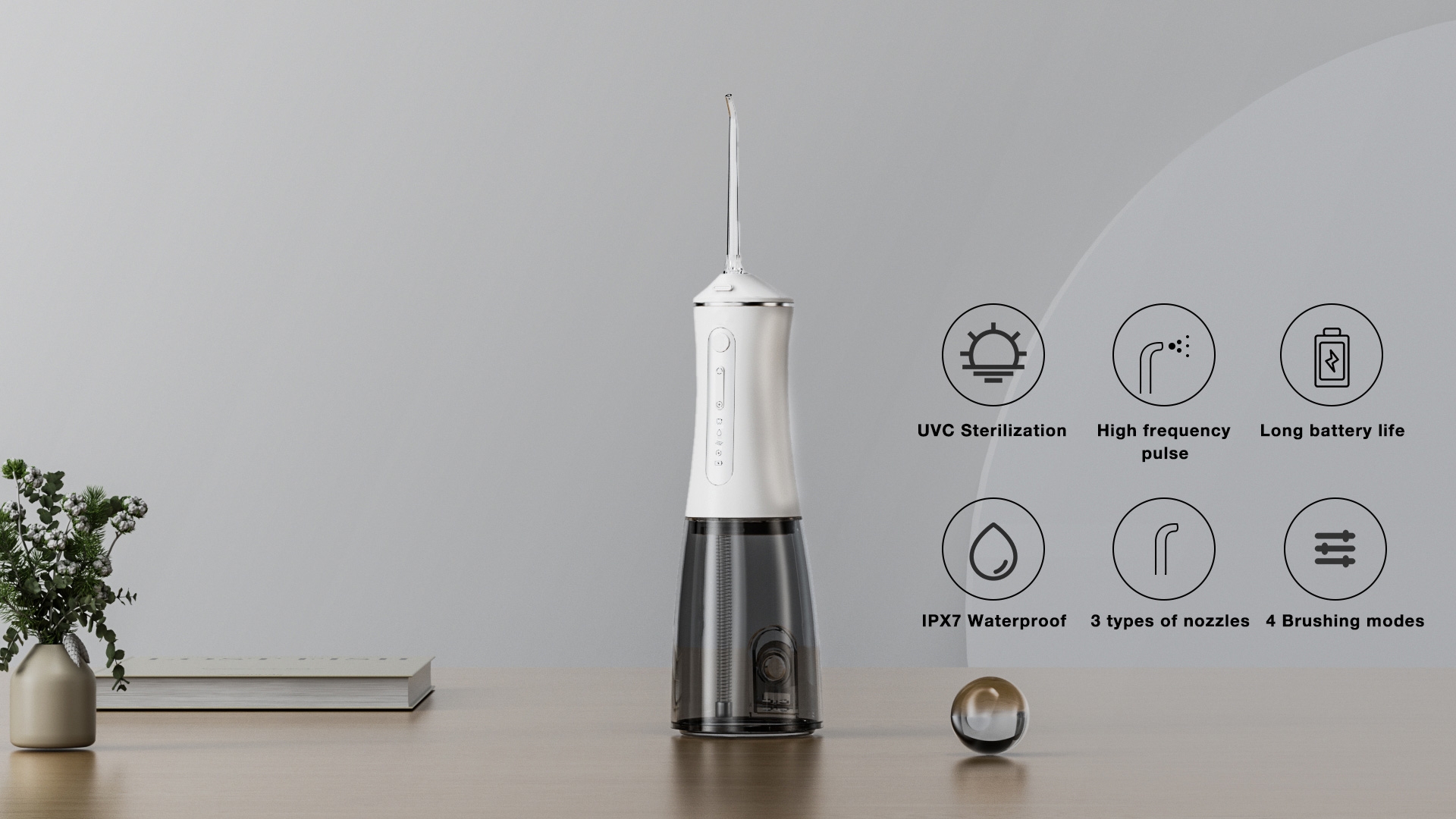
In the fast-paced world of e-commerce, global opportunities are evolving rapidly. One of the sectors seeing significant growth is the oral care industry, with products like water flossers gaining traction worldwide. The global demand for innovative and effective oral care solutions has opened doors for manufacturers to tap into cross-border e-commerce. But how can brands leverage these opportunities? And what operational strategies should be considered to successfully market water flossers globally? In this blog, we explore the strategies and challenges associated with sell the water flosser to the world, as well as the key operational advice for oral care brands. Understanding the Growing Demand for Oral Care Products The global demand for oral care products is increasing as more consumers recognize the importance of maintaining good oral hygiene. Water flossers, which use a stream of pulsating water to clean between teeth, are quickly becoming a preferred option for many users. Unlike traditional flossing methods, water flossers offer a gentle yet effective cleaning process, making them popular with individuals seeking an alternative to manual flossing or those with dental issues that require extra care. With the global focus on health and wellness, people are investing more in products that support their…
.jpg)
When dental clinics and distributor partners source clinic-grade tools, reliability, regulatory compliance, and after-sales support matter as much as product specs. For practices near Puget Sound or for regional buyers evaluating new vendors, dental equipment suppliers in Lakebay WA offer several tangible advantages — especially when the purchase includes high-performance electric toothbrush systems and their clinical accessories. Below we outline six clear reasons why Lakebay-based suppliers make a smart choice for clinics and channel partners. Proximity brings faster service and easier demos First, local proximity to a supplier shortens lead times and simplifies product trials. Clinics can arrange hands-on demos of clinic-grade electric toothbrush models, compare brush heads, test charging docks, and evaluate hygiene stations in person. As a result, buyers gain confidence in performance before committing to bulk orders. Regional knowledge of regulation and compliance Moreover, experienced dental equipment suppliers in Lakebay WA understand state and federal medical device regulations, including labeling, electrical safety, and infection-control expectations. Consequently, they can help clinics choose electric toothbrushes and accessories that meet clinic-grade standards and simplify documentation for procurement and audits. Tailored clinic solutions — from electric toothbrush fleets to replacement logistics In addition, Lakebay suppliers typically offer B2B services beyond single…

Dealing with a toothache can be excruciating, and while seeing a dentist is the best long-term solution, you may need quick relief before your appointment. Whether it’s due to a cavity, gum irritation, or sensitivity, these toothache remedies can help alleviate discomfort fast. 1. Salt Water Rinse – A Natural Disinfectant A salt water rinse is one of the simplest and most effective ways to reduce inflammation and kill bacteria. Mix half a teaspoon of salt in a glass of warm water and swish it around your mouth for 30 seconds before spitting it out. This helps cleanse the affected area and promotes healing. 2. Cold Compress – Reduce Swelling & Numb Pain If your toothache is accompanied by swelling, applying a cold compress to the outside of your cheek can help. The cold constricts blood vessels, reducing inflammation and temporarily numbing the pain. Wrap an ice pack in a cloth and hold it against the sore area for 15-minute intervals. 3. Hydrogen Peroxide Rinse – Fight Bacterial Infection A diluted hydrogen peroxide rinse (equal parts 3% hydrogen peroxide and water) can disinfect the mouth and relieve pain caused by infections. Swish the solution for about 30 seconds, then rinse thoroughly with water. Avoid swallowing it, as hydrogen…
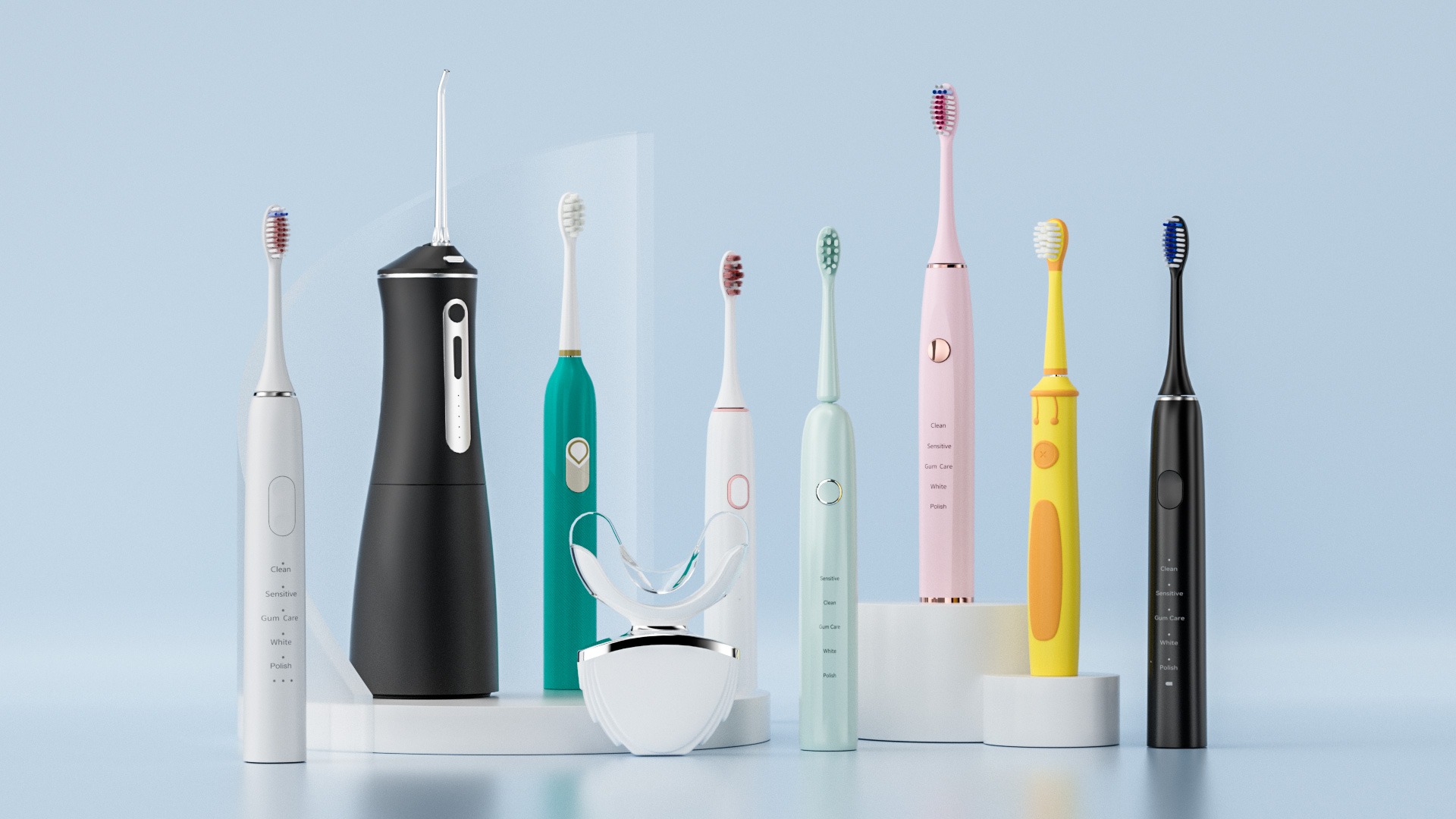
As the old saying goes, "an ounce of prevention is better than a pound of cure"—and this couldn't be truer when it comes to toothache. Toothaches are often the result of neglected oral care, but with the right habits, you can avoid pain before it starts. Here are six key strategies to keep toothaches at bay. 1. Master the Basics: Brushing Your Teeth Properly The foundation of dental health starts with brushing your teeth at least twice daily. Use a soft-bristled brush and fluoride toothpaste, gently cleaning all surfaces of your teeth for two minutes each session. Pay special attention to the gumline, where plaque tends to accumulate. 2. Upgrade to an Electric Toothbrush for Superior Cleaning Studies show that electric toothbrushes remove more plaque than manual brushes, thanks to their oscillating or sonic technology. They provide consistent brushing pressure and often include timers to ensure you clean your teeth thoroughly. Investing in one can significantly reduce your risk of cavities and gum disease. 3. Don’t Skip Flossing—Your Teeth’s Best Friend Flossing your teeth daily is just as important as brushing. It removes food particles and plaque between teeth—areas your toothbrush can’t reach. If traditional floss is tricky, try water flossers or interdental brushes for an…
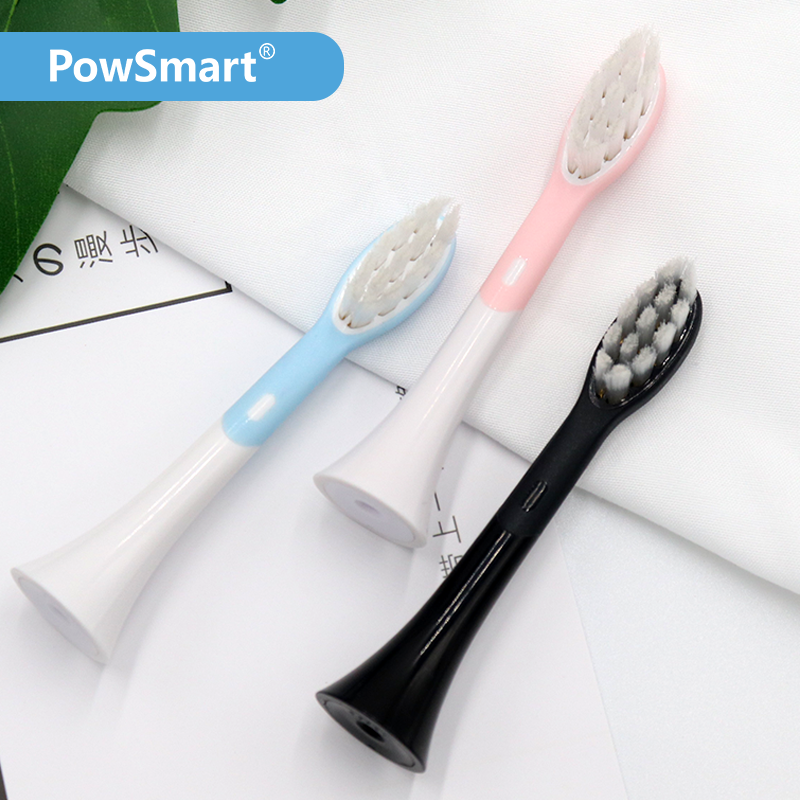
Maintaining oral hygiene with orthodontic appliances requires precision, patience, and the right tools. The clean braces technique—a structured approach to keeping teeth and gums healthy during orthodontic treatment—has gained popularity among dental professionals. At the center of this technique is the Powsmart ortho head, a brush head designed to solve the unique cleaning challenges faced by individuals with braces. The Hygiene Challenges of Orthodontic Braces Braces introduce a complex environment in the oral cavity: brackets, wires, ligatures, and limited space create ample opportunity for plaque buildup and food retention. Without proper tools, users often fail to reach behind wires and around brackets, leading to: Gingivitis and gum inflammation Decalcification and white spot lesions Bad breath and oral discomfort This is where the clean braces technique comes into play—with the Powsmart ortho head playing a vital role. What Sets the Powsmart Ortho Head Apart? The Powsmart ortho head is engineered with a V-shaped bristle pattern, specifically contoured to clean around orthodontic fixtures. Unlike flat or dome-shaped heads, it is tailored to: Reach both above and below the bracket with one pass Glide along the gum line without causing irritation Provide controlled contact to prevent enamel abrasion Its slim profile also improves…
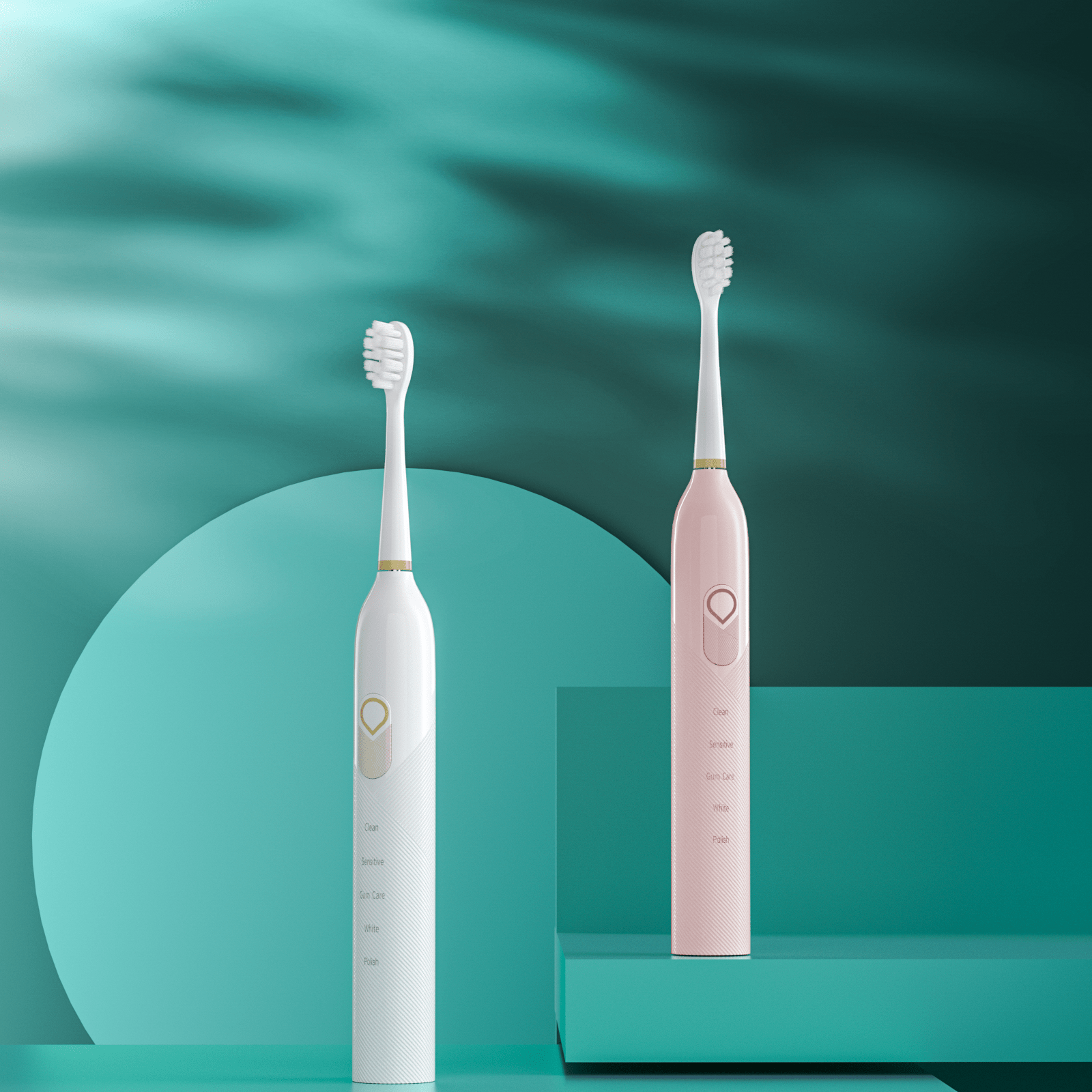
The Powsmart kids toothbrush has redefined the way children engage with oral hygiene by incorporating interactive game-based features. At the heart of this innovation lies the fun timer toothbrush, a concept that merges digital play with effective brushing routines. But how exactly does this playful approach enhance compliance, encourage consistency, and support parental goals in oral care? Bridging Brushing and Playtime: The Concept Behind Gamified Brushing Children are naturally drawn to games, and the Powsmart kids toothbrush leverages this behavioral tendency through a smart brushing app embedded with game logic. The fun timer toothbrush integrates: Visually engaging brushing animations Characters that evolve as brushing progresses Rewards and level-ups based on brushing time consistency Motivational sounds and lights encouraging continued engagement This combination transforms brushing into a challenge children look forward to, rather than resist. How the Fun Timer Toothbrush Works Technically The fun timer toothbrush uses a time-tracking module synchronized with an app or built-in screen. Its system includes: A two-minute countdown timer, segmented into quadrants (30 seconds each for mouth zones) Haptic feedback or lights signaling transitions App sync via Bluetooth for real-time performance tracking Internal memory logging brush durations if offline This structured process ensures children meet recommended…

In recent years, safety has become the foremost priority in toddler toothbrush design, particularly with growing concerns from pediatricians regarding oral tool ingestion risks. One standout innovation is the anti-swallow structure featured in the Powsmart toddler toothbrush design, which has gained notable endorsement from pediatric professionals worldwide. But what makes this safety mechanism so essential—and why is it increasingly recommended across child oral care markets? Understanding the Risks: Why Anti-Swallow Measures Matter Toddlers are still developing oral coordination, which makes them more prone to chewing or accidentally swallowing objects. In the context of oral care, traditional brush designs often fail to consider these physiological limitations. The anti-swallow structure in Powsmart’s design is a direct response to: Ingestion or choking hazards from small parts Excessive gum penetration during unsupervised brushing The need for supervised brushing tools that assist without risk Pediatricians emphasize these risks as preventable through smarter structural design. Key Features of the Anti-Swallow Structure The Powsmart toddler toothbrush design integrates multiple engineering elements that contribute to its anti-swallow effectiveness: Widened protective base: Prevents deep oral insertion Flexible neck: Reduces risk of mouth injury from accidental force Non-detachable brush head: Ensures small parts do not loosen over time Ergonomic ring…
.jpg)
As the oral care market continues to shift toward digital and health-tech integration, smart toothbrushes are becoming a must-have in premium oral hygiene lines. For oral care brands, retailers, or distributors planning large-volume purchases, understanding the best smart toothbrush features is essential for product positioning, customer satisfaction, and long-term market success. This bulk order guide offers key insights into what features to prioritize, with B2B supplier tips and advice on how to find a reliable electric toothbrushes manufacturer. Market Demand for Smart Toothbrushes Is Growing Smart toothbrushes are no longer niche products. Consumers now expect devices that go beyond basic brushing. From Bluetooth connectivity to app integration, the right features can elevate a product’s value—and its price point. Bulk buyers should align their purchase decisions with current and future consumer expectations. Investing in smart features not only makes the product more attractive but also helps brands stay competitive in a fast-evolving market. Top Smart Features to Look for in Bulk Orders When planning to source or develop smart electric toothbrushes, the following features are essential: a. Bluetooth Connectivity & Mobile App Integration Allows users to track brushing habits, set goals, and get performance feedback. A must-have for tech-savvy consumers. b. Pressure Sensor Warns users if…
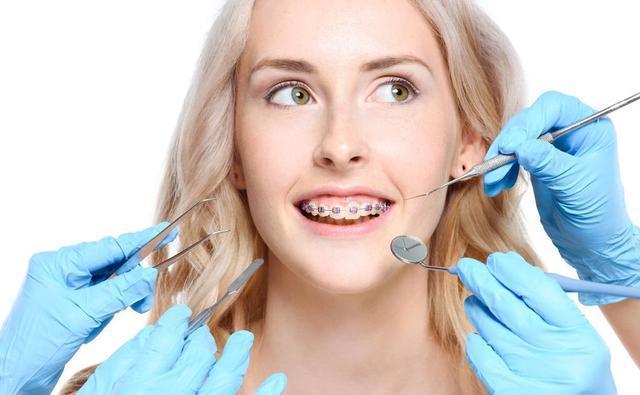
Introduction: Smart Design or Sensor Vulnerability? The rise in popularity of the Braces Cleaning Electric Toothbrush reflects a growing demand for intelligent, orthodontic-friendly oral care. These devices often come equipped with pressure sensors, smart timers, and AI-assisted tracking systems. However, with this advancement comes a pressing question from both users and distributors: Is the interaction between braces and brush triggering unexpected sensor failure? This blog takes a deep dive into the engineering concerns behind the functionality of braces-oriented brushes, and whether design choices are inadvertently compromising sensor integrity. Understanding the Braces Cleaning Electric Toothbrush To meet the unique challenges of orthodontic hygiene, the Braces Cleaning Electric Toothbrush is designed with: Slim, angled brush heads High-frequency oscillation for dislodging food particles Pressure sensors to prevent over-brushing AI-integrated motion tracking (in premium models) These features are invaluable for wearers of braces, where plaque buildup and gingival irritation are common concerns. Yet, this same intricate interaction between hardware and braces metalwork can sometimes result in performance irregularities. How Does Sensor Failure Manifest in These Devices? When sensor failure occurs, users may experience: Inaccurate pressure detection, leading to frequent false alarms or complete inactivity Interrupted operation cycles due to overload misreadings Inconsistent app feedback…


.jpg)
.jpg)
.jpg)
.jpg)
.jpg)



.jpg)
.webp)
.jpg)