In the competitive landscape of oral care and personal devices, mode confusion coupled with runtime shortening is more than an inconvenience—it’s a product performance issue that can damage brand trust. When customers find themselves struggling to select the correct mode while battery life drains faster than expected, the result is frustration and diminished perceived value. This article unpacks why these two problems often occur together, what risks they pose, and how manufacturers can effectively resolve them.
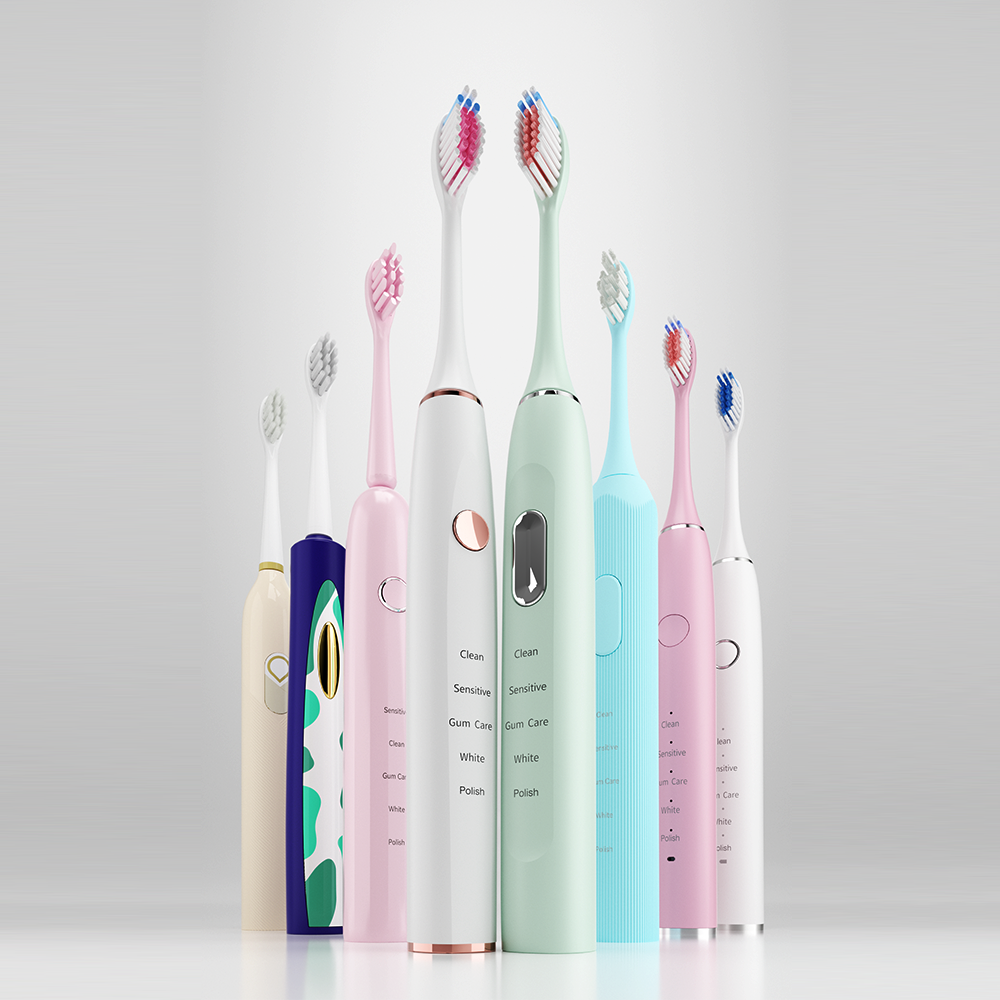
Mode confusion arises when users are unable to clearly distinguish or select the intended operating mode of a device. Typical causes include:
When users accidentally activate higher power settings, the device consumes more energy, which directly contributes to runtime shortening.
Runtime shortening refers to the battery depleting faster than advertised or expected. Beyond natural battery degradation, this can occur due to:
The result is shorter operational intervals between charges, reducing user satisfaction. Company web: https://www.powsmart.com/product/electric-toothbrush/
Although they may appear unrelated at first glance, mode confusion and runtime shortening are frequently intertwined:
This link can turn occasional inconvenience into a persistent complaint.
For B2B customers—distributors, OEM partners, or institutional buyers—devices exhibiting mode confusion and runtime shortening are red flags. Consequences may include:
Therefore, resolving these flaws is not just a quality assurance task but a strategic imperative.
To effectively address this double challenge, manufacturers can deploy several strategies:
These improvements not only extend battery life but also create a more intuitive experience for end users.
When manufacturers address mode confusion and runtime shortening proactively, they can reposition the issue as an opportunity to exceed expectations:
This strategy strengthens brand credibility and demonstrates a commitment to continuous improvement.
In today’s crowded marketplace, no brand can afford to overlook the combined impact of mode confusion and runtime shortening. Fortunately, these issues are highly fixable through thoughtful design, robust testing, and customer education. For manufacturers willing to invest in solving them, the reward is not only higher product reliability but also enduring customer trust. Contact us
.jpg)
.jpg)

Why Build a Pressure Control System with Medical-grade Material for Professional Flossers?
How Does a Modern Touch Interface Design Integrate with an LED Display Module for User Feedback?
.jpg)
electric toothbrush small batch OEM | Low MOQ Sonic Toothbrush Manufacturer
Orthodontic Electric Toothbrush for Braces – Deep Cleaning Bristle Design
Battery Overheating Inducing Ear Discomfort – Dangerous?
Can a Leak-proof Valve Ensure the Simplicity of a Gravity Feed System?
Sourcing Wireless Charging Coils? Need a Reliable Global Logistics Partner for Delivery?
Building Winning Oral Care Brands in Competitive Markets
Is Whitening Possible for Sensitive Teeth?
Powsmart-Soft Bristle Electric Toothbrush OEM Manufacturer for Sensitive Care

Can a Water Pump OEM Ensure Consistency Without a Flow Rate Calibration Tool?
Water Flosser for Braces Supplier for Orthodontic Care Markets
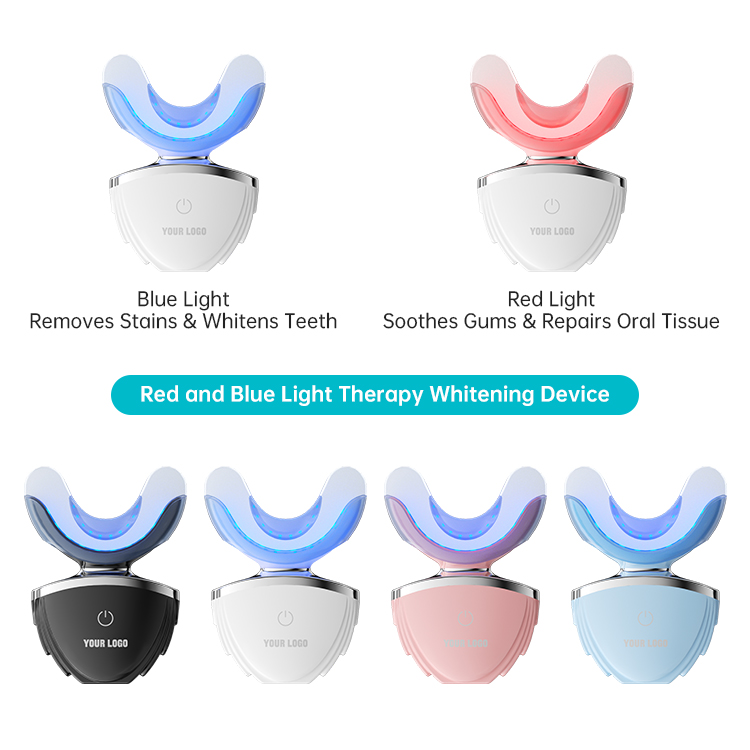
Why Is Aesthetic Device Compliance Important When Including a Teeth Shade Guide?
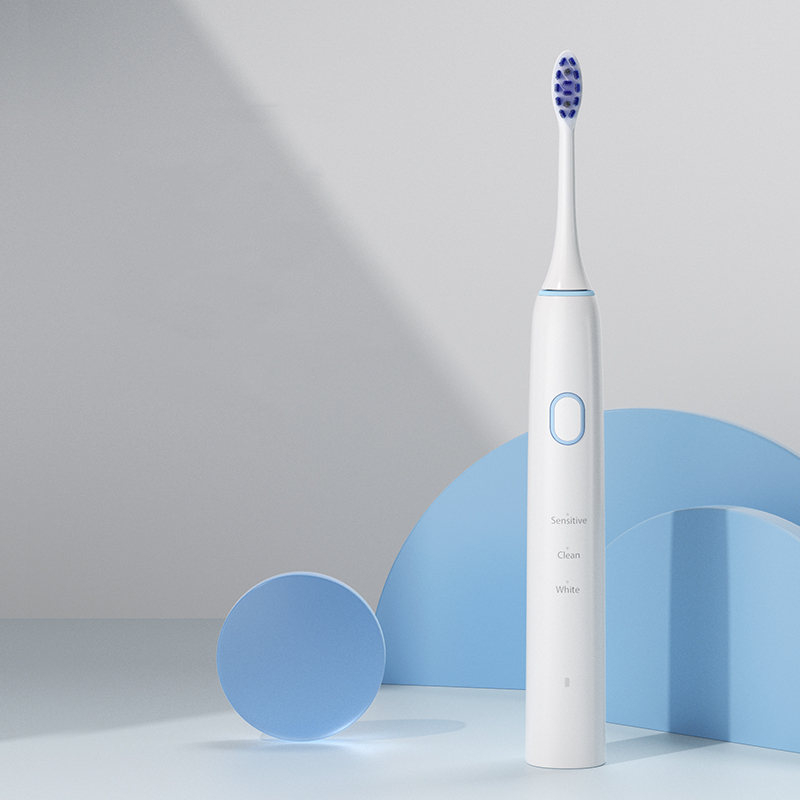
Low noise sonic technology for quiet electric toothbrush manufacturing
sonic electric toothbrush San Diego
Electric Toothbrush OEM Packaging Customization Solutions


.jpg)
.jpg)
.jpg)
.jpg)
.jpg)