In today’s increasingly scrutinized oral care market, few issues generate more alarm than chemical residues left behind on products. When these residues lead to throat irritation, manufacturers and distributors are right to question: Are we dealing with a minor nuisance or a serious toxicological hazard? In this article, we will explore how chemical remnants build up, why they provoke throat discomfort, and what proactive measures can safeguard both user health and your brand reputation.
Chemical residues refer to trace amounts of solvents, detergents, or production byproducts that remain on the surface of a product after manufacturing. Typical sources include:
While often invisible, these residues can interact with mucosal tissues upon use, especially in devices like toothbrushes, trays, and irrigators that spend prolonged time in the mouth.
Throat irritation occurs when chemical traces dissolve into saliva and migrate to the back of the throat, where delicate mucosal linings are highly sensitive. Over time, this can lead to:
For B2B customers, repeated complaints of throat discomfort can quickly erode product confidence and trigger returns. Company web: https://www.powsmart.com/product/electric-toothbrush/
This is the critical question. Not all throat irritation signifies toxicity, but repeated exposure to chemical residues can be harmful. Several factors determine the risk:
If left unaddressed, what starts as irritation could escalate to chronic inflammation or secondary infections.
Differentiating normal sensitivity from a contamination problem requires careful observation. Look for patterns such as:
In such cases, lab analysis of swab samples can pinpoint which chemical residues are responsible.
Preventing throat irritation requires a combination of engineering controls and process improvements:
These investments demonstrate your commitment to user safety and regulatory compliance.
Beyond process improvements, effective communication is critical. Consider providing:
Empowering your partners with knowledge ensures faster resolution of concerns and reinforces trust.
While chemical residues and throat irritation may not always signal severe toxicity, ignoring these complaints is a recipe for regulatory and reputational damage. By implementing robust quality controls and transparent communication, manufacturers can confidently deliver safe, reliable oral care products—without hidden risks. Contact us
No Wonder Your Electric Toothbrush Burned Out When Charged Like This!
.jpg)
Factory Supplier for Waterproof Sonic Toothbrushes
How Does Jet Stream Technology Function Efficiently in a Simple Gravity Feed System?
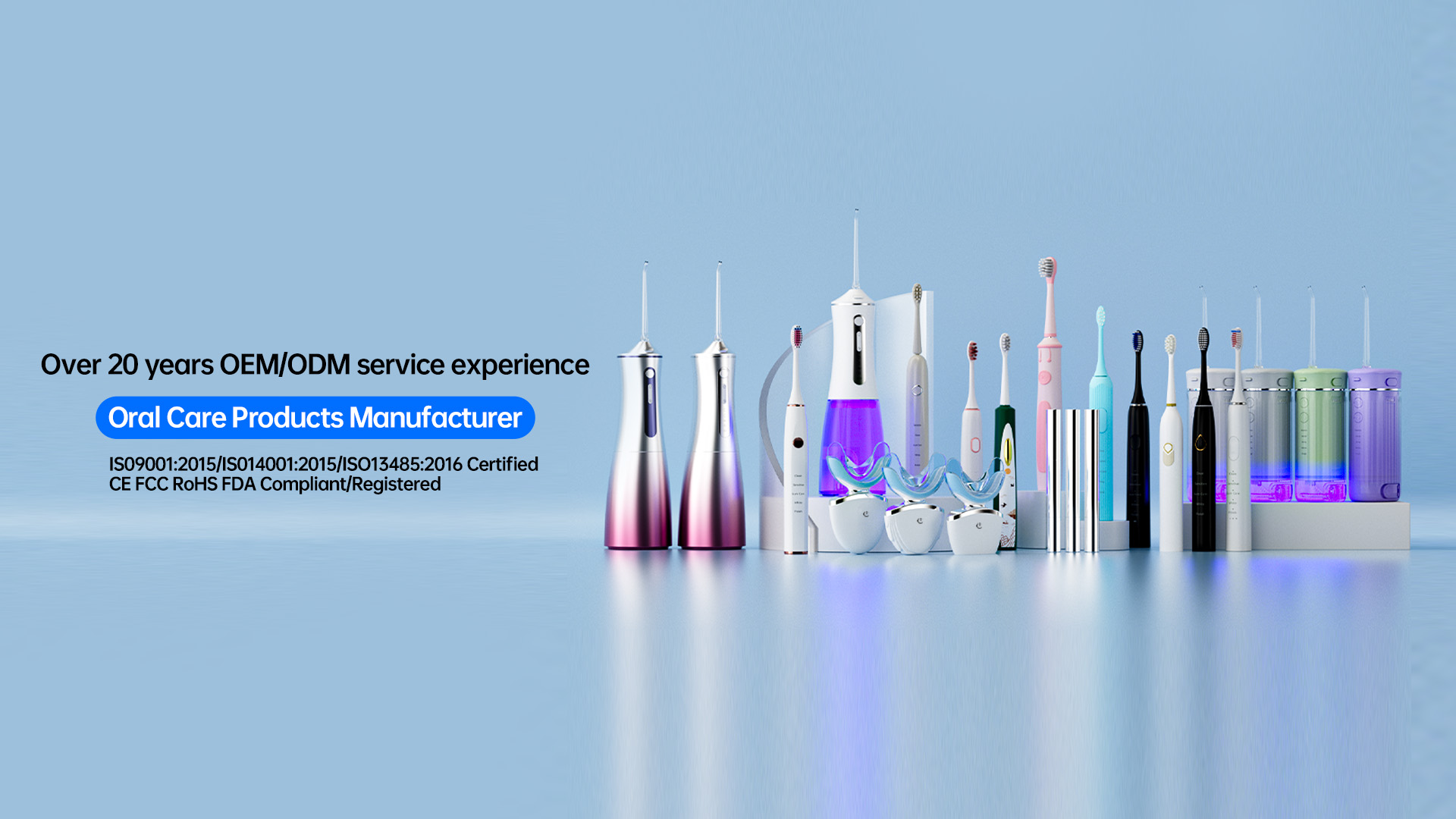
Building Winning Oral Care Brands in Competitive Markets
.jpg)
Toothbrush Molding Factory China for OEM & Private Label Projects

How Does Water Tank Molding Precision Affect Precision Nozzle Manufacturing Output?

Seeking Custom Handle Design Services Within Your OEM/ODM Manufacturing Partnership?
Adult Sonic Toothbrush Wholesale Supplier for Global Distributors
Cleaning Residue Plus Bristle Hardening – Double Trouble?

Can a Rechargeable Battery Solution Efficiently Power an LED Display Module?
Taste Loss After Mucosal Burns – Whitening’s Cost?
How Does a Modern Touch Interface Design Integrate with an LED Display Module for User Feedback?
.jpg)
Waterproof Sonic Toothbrush Supplier
Charging Corrosion Causing Motor Burnout?
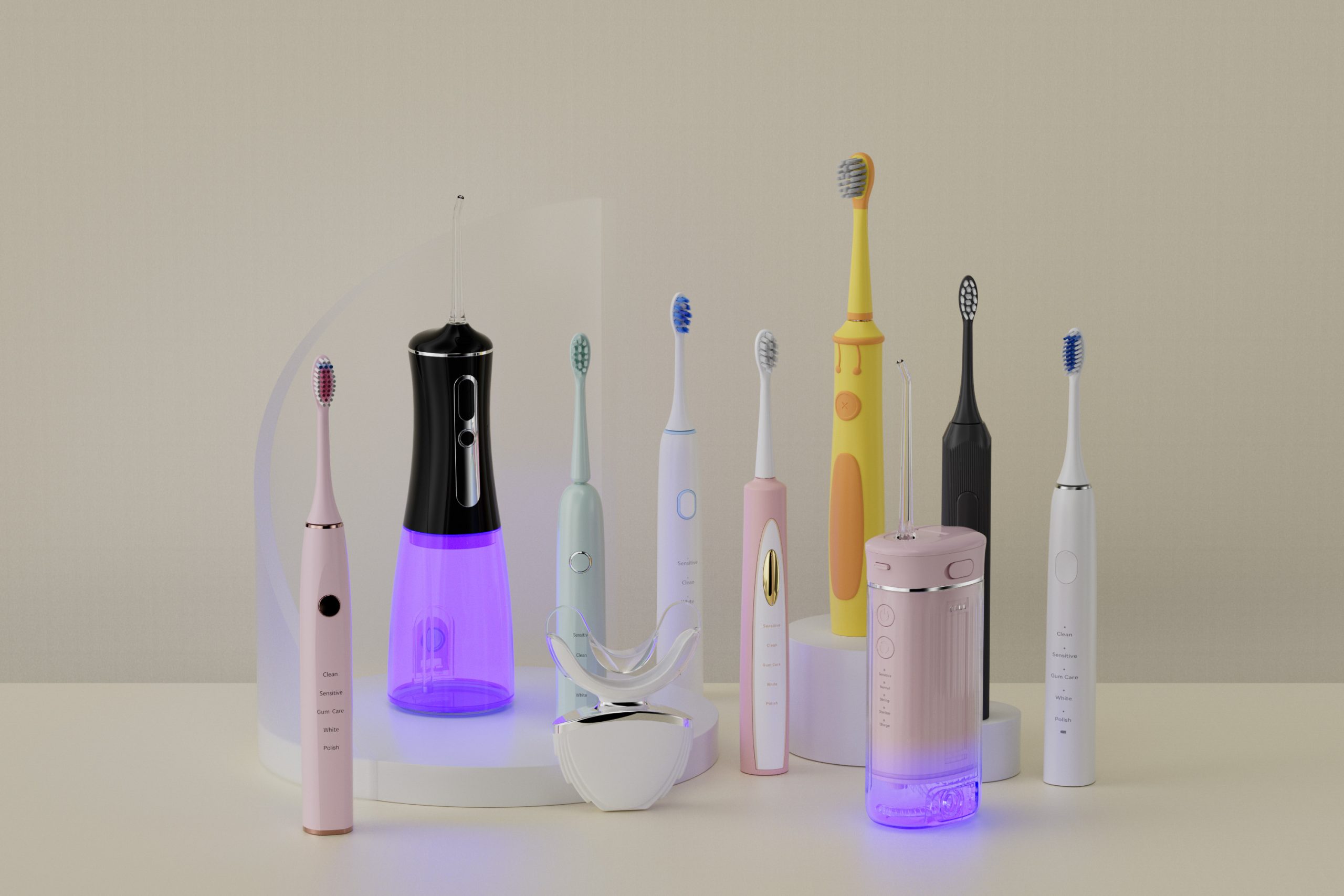
Premium Oral Care Product Selection Strategies in the Consumer Upgrade Era
What Are the Benefits of a Lithium Battery Pack in a Home Use Whitening System?


.jpg)
.jpg)
.jpg)
.jpg)
.jpg)