In the realm of whitening devices and light-assisted oral care, light decay is often considered a mere performance issue. However, recent research indicates that this subtle degradation in light output may be a silent threat, contributing to tooth demineralization. Could weakened light systems be directly harming enamel integrity? This article explores the underlying mechanisms and offers prevention strategies for manufacturers.
Light decay refers to the gradual reduction in output intensity of LED or laser modules used in teeth whitening and oral care devices. This reduction can stem from:
While reduced light output seems to affect only whitening efficacy, its impact on enamel health is often overlooked.
Tooth demineralization is the process of calcium and phosphate loss from enamel, weakening the tooth’s protective layer. In whitening treatments:
If whitening chemistry is not carefully balanced with controlled light activation, long-term enamel weakening occurs. Company web:https://www.powsmart.com/product/electric-toothbrush/
Here’s the hidden mechanism:
Paradoxically, weakened light modules prolong chemical activity, harming enamel more than properly functioning devices.
Key contributors to premature light decay include:
Failure to control these factors exposes devices to rapid optical degradation and hidden enamel risks.
To mitigate light decay and protect enamel health:
By maintaining consistent light energy delivery, manufacturers protect both whitening results and enamel safety.
For B2B buyers and distributors, addressing light decay proactively offers:
In an increasingly regulated market, safety-focused design becomes a key sales driver.
Is light decay silently causing tooth demineralization? Evidence suggests that it can, making it a hidden but preventable threat in light-assisted oral care devices. By engineering for sustained light performance and incorporating proactive monitoring systems, manufacturers can ensure both whitening efficacy and long-term enamel health. Contact us
.jpg)
Low Noise Sonic Toothbrush Manufacturer: Quiet Performance OEM Solutions
How Does a Modern Touch Interface Design Integrate with an LED Display Module for User Feedback?
.jpg)
Does POWSMART Kids Electric Toothbrush Contain Material Toxicity?
Is the cowboy style brush the ultimate symbol of Texas pride brush?
High Frequency Sonic Toothbrush Manufacturer: Technology & OEM Solutions
coffee breath whitening fix: brighten and freshen
Innovation and environmentally friendly production practices in electric toothbrush factories
Inflamed Gums Water Flosser Relief: Soothe Gingivitis Effectively
Can a Periodontal Probe Attachment Enable Cephalometric Analysis Integration?
infant reflux oral care guide | Baby Teeth Care
.jpg)
How to Evaluate a Toothbrush Manufacturer Catalog for Toothbrush Quality?
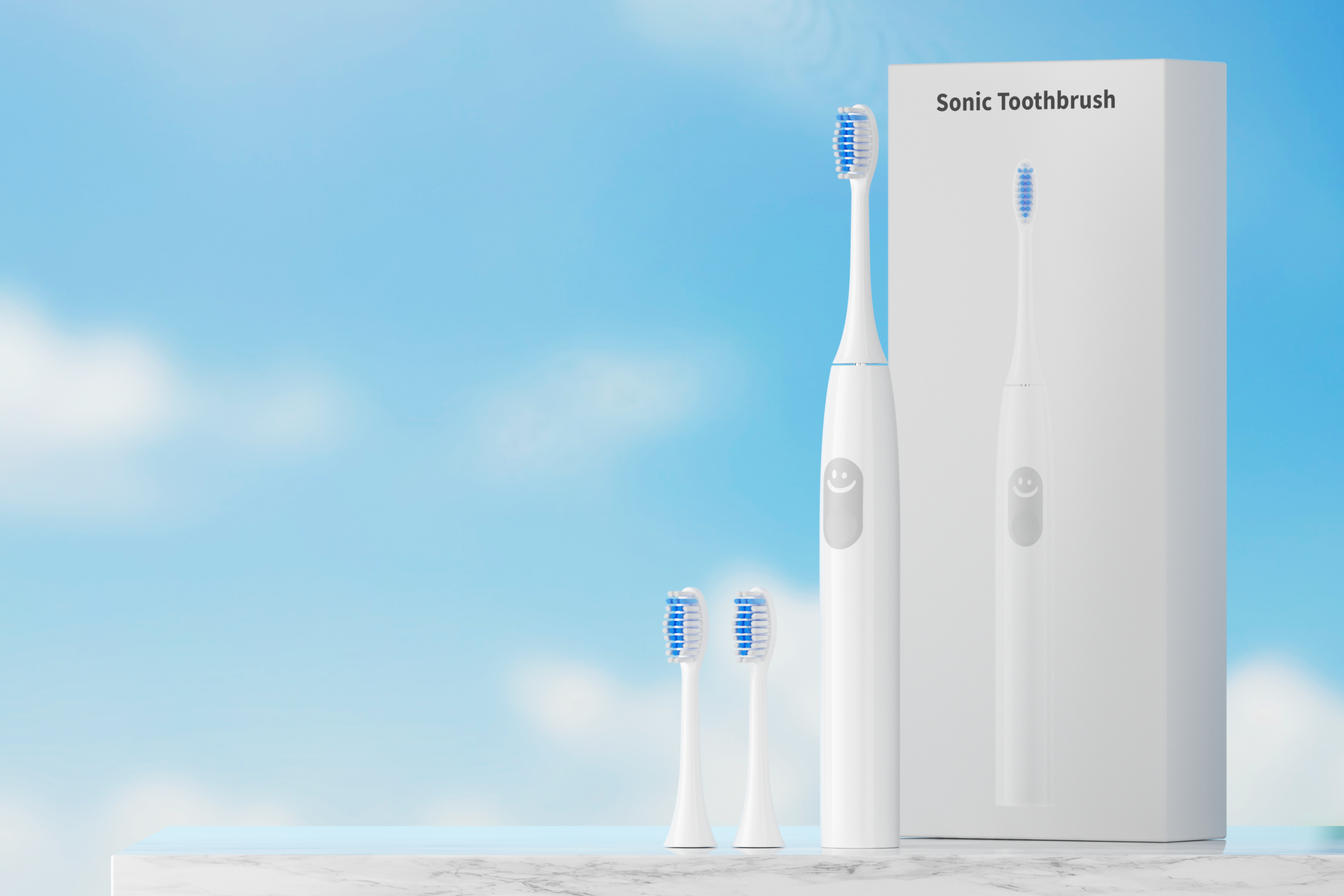
Environmentally friendly Electric Toothbrush OEM: Sustainable Oral Care
Toddler Water Flosser Introduction | Guide for Kids’ First Teeth
Water Flosser Nozzle Replacement Frequency: How Often to Change Flosser Tips
Can Chemical Burns from Whitening Kits Cause Crown Discoloration?
High Vibration Toothbrush Factory: OEM Manufacturing & Performance Guide


.jpg)
.jpg)
.jpg)
.jpg)
.jpg)