Tooth microfractures and mucosal abrasions may sound like isolated inconveniences, but when they appear together, they often signal deeper structural and safety concerns that can quickly escalate without intervention. For manufacturers, distributors, and professional buyers, understanding this combination is essential to ensure product safety, avoid liability, and protect brand reputation.
Tooth microfractures are tiny cracks in the enamel or dentin layers. Common triggers include:
Left unaddressed, microfractures can gradually propagate, leading to tooth chipping, sensitivity, or even structural failure.
Mucosal abrasions are shallow injuries to the soft tissues lining the cheeks, lips, and gums. They often result from:
While minor abrasions typically heal in days, repeated trauma increases the risk of infection and chronic discomfort. Company web:https://www.powsmart.com/product/electric-toothbrush/
When tooth microfractures coincide with mucosal abrasions, the risk to users compounds significantly:
This feedback loop often escalates from mild irritation to more serious oral health complications.
In many cases, yes.
Unlike superficial staining or cosmetic imperfections, microfractures weaken the tooth’s structural integrity, while mucosal abrasions compromise tissue resilience. If your product line is generating frequent complaints about both issues, it is critical to:
Ignoring this combination increases the chance of customer injury, reputational damage, and regulatory scrutiny.
Manufacturers and suppliers can adopt multiple safeguards:
These measures can significantly reduce incident rates and enhance end-user trust.
B2B brands should also:
A proactive support strategy helps distributors and professional customers manage risks confidently.
Conclusion
The appearance of tooth microfractures together with mucosal abrasions is rarely coincidental—and it is never trivial. Prompt identification, clear communication, and robust design improvements are essential to protect both user health and brand credibility. If you need help auditing your devices for these risks, our engineering team can provide tailored assessments and recommendations. Contact us

Why Is Flow Rate Calibration Critical for a Precise Pressure Control System?

How to Ensure That a Factory’s Quality Control Process is Strict and Standardized
Gentle Yet Effective Cleaning: Sonic Toothbrush for Receding Gums
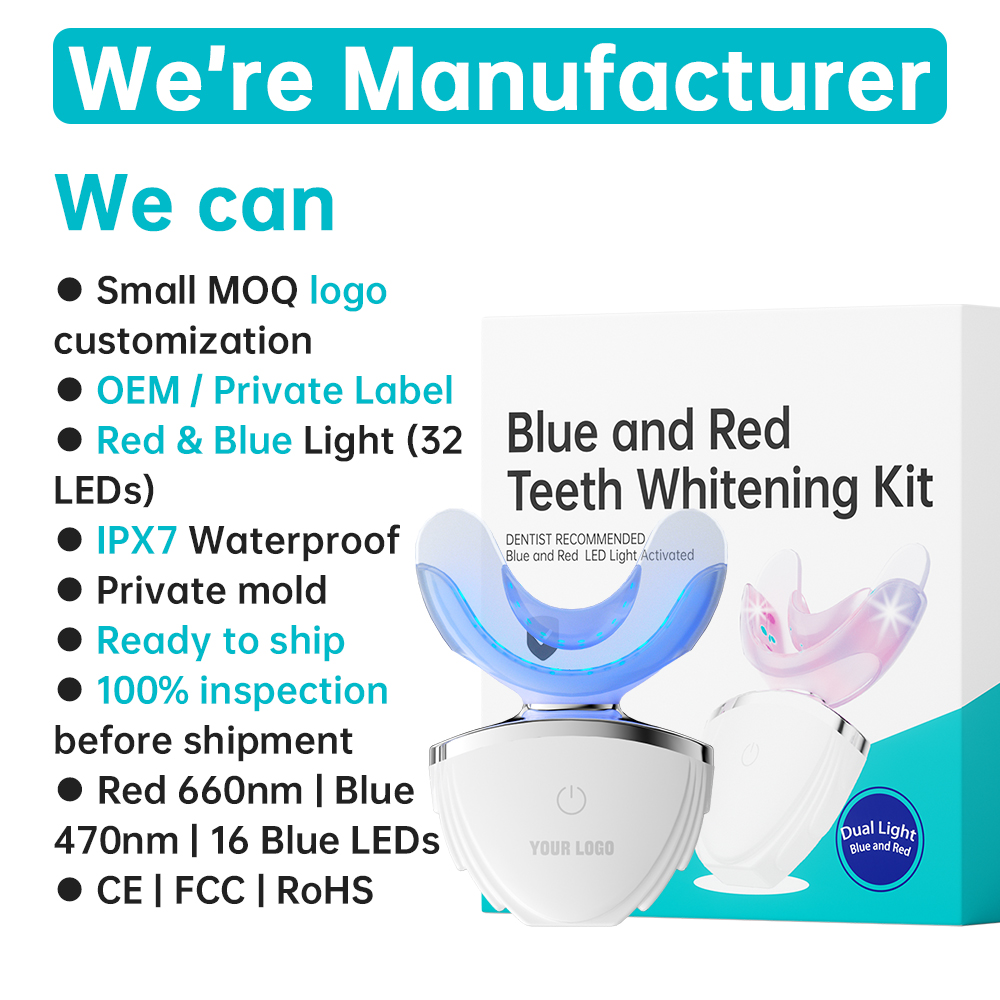
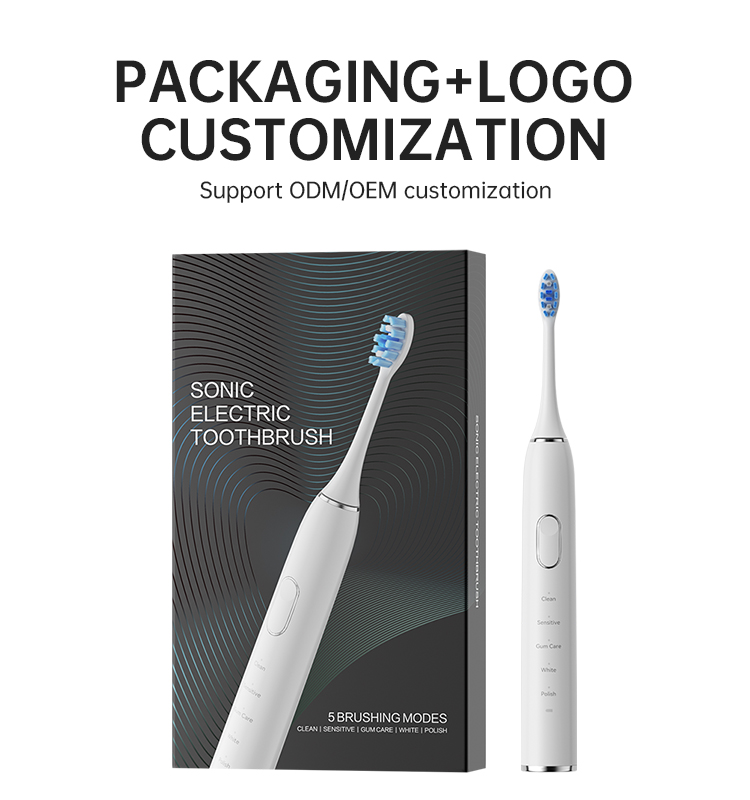
How Does Packaging Customization Service Assist with Aesthetic Device Compliance?
.jpg)
How to Evaluate a Toothbrush Manufacturer Catalog for Toothbrush Quality?
Is an IPX8 Waterproof Rating Essential for Durable Brush Heads?
Precautions during the use of household teeth whitening devices
.jpg)
Electric Toothbrush Battery Safety OEM
Can a Wearable Whitening Strip Be Part of a Home Use Whitening System?
Electric Toothbrush RoHS Compliance Factory: Material Standards, Testing, and OEM Manufacturing Guide
Sonic Electric Toothbrush Wholesale Solutions for Global B2B Buyers
Why Does Waterproof Failure Cause Pressure Fluctuation in Water Flossers?
Bulk Smart Toothbrushes for Dental Giveaway Programs in Washington
How Does Precision Nozzle Manufacturing Affect Jet Stream Technology Efficiency?
Is It Necessary to Replace the Brush Head of the Electric Toothbrush in 3 Months?
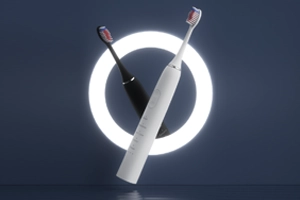
Black & White Smart Toothbrushes: Minimalist Design for Bulk Orders


.jpg)
.jpg)
.jpg)
.jpg)
.jpg)