
When customers report battery overheating during operation and mention experiencing ear discomfort, it often raises concerns about whether these symptoms are merely a nuisance or an early warning of something more hazardous. While these issues may appear isolated, manufacturers should recognize how thermal problems can lead to unintended user discomfort—and, in some cases, escalate to safety risks if left unaddressed.
This article unpacks why battery overheating is more than a technical fault, how it can cause ear discomfort, and what proactive measures B2B brands can take to prevent incidents before they compromise user trust.
Battery overheating typically develops due to a combination of:
Once the battery begins to overheat, the excess temperature can radiate throughout the device housing, including areas that come into contact with the face or ear.
At first glance, it might seem unlikely that battery heat could result in ear discomfort. But there are several plausible pathways:
Over time, these factors compound, turning a minor annoyance into a frequent source of discomfort and user complaints. Company web: https://www.powsmart.com/product/electric-toothbrush/
Beyond customer inconvenience, ignoring battery overheating poses multiple risks:
Given these stakes, no manufacturer can afford to treat overheating as a trivial flaw.
Leading brands integrate thermal safety at every step:
By embedding thermal management in design and manufacturing, brands can substantially reduce both overheating events and downstream issues like ear discomfort.
When B2B clients report cases of ear discomfort linked to battery overheating, manufacturers should:
Such proactive support demonstrates a commitment to safety and reinforces long-term client confidence.
As devices become more powerful and compact, battery performance challenges will only grow. Manufacturers should:
By staying ahead of thermal issues, brands can deliver products that exceed expectations in both performance and safety.
While it may sound surprising, battery overheating and ear discomfort are often two sides of the same coin—a sign of inadequate thermal control. Proactive engineering, vigilant monitoring, and responsive customer support are the most effective strategies to safeguard user experience and uphold product reliability.
If your teams are exploring ways to strengthen battery safety and thermal performance, our engineering experts are ready to help you design solutions that stand up to real-world demands. Contact us

Can a Water Pump OEM Ensure Consistency Without a Flow Rate Calibration Tool?
.jpg)
Gentle Sonic Vibrations Electric Toothbrush for Sensitive Teeth
Is Whitening Possible for Sensitive Teeth?
Is It Because Water Ingressed That the Water Flosser Can’t Be Charged?

Should a Custom Whitening Tray Include a Professional Teeth Shade Guide?
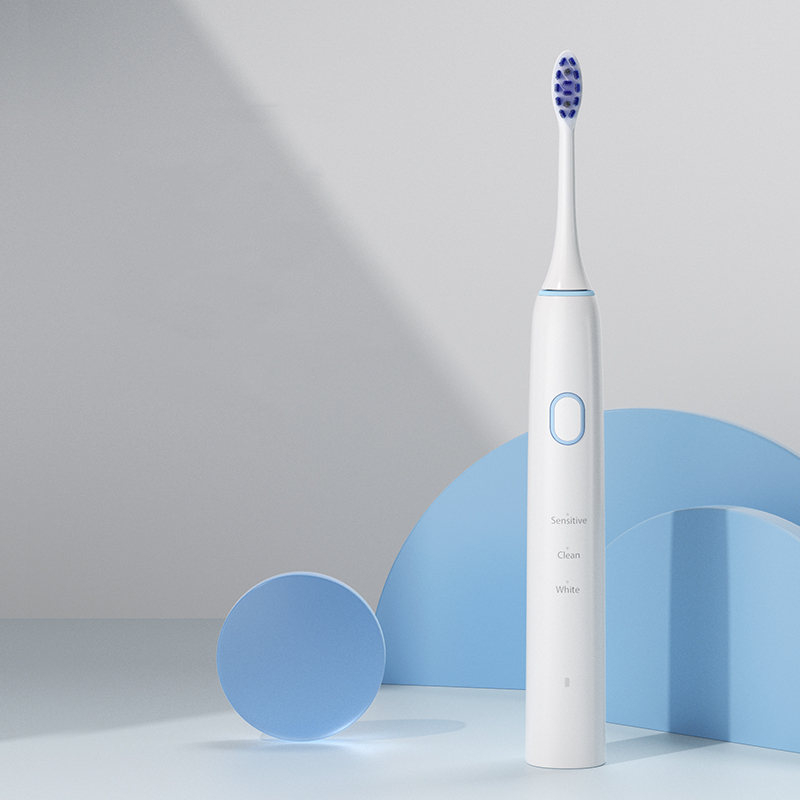
Low noise sonic technology for quiet electric toothbrush manufacturing
.jpg)
Low MOQ Electric Toothbrush Manufacturer for Startup and Growing Brands
.jpg)
Waterproof Sonic Toothbrush Supplier
Adult Sonic Toothbrush Wholesale Supplier for Global Distributors
.jpg)
Waterproof Electric Toothbrush Factory Supplier

How Does Supply Chain Logistics Affect the Integration of a Battery Management System?
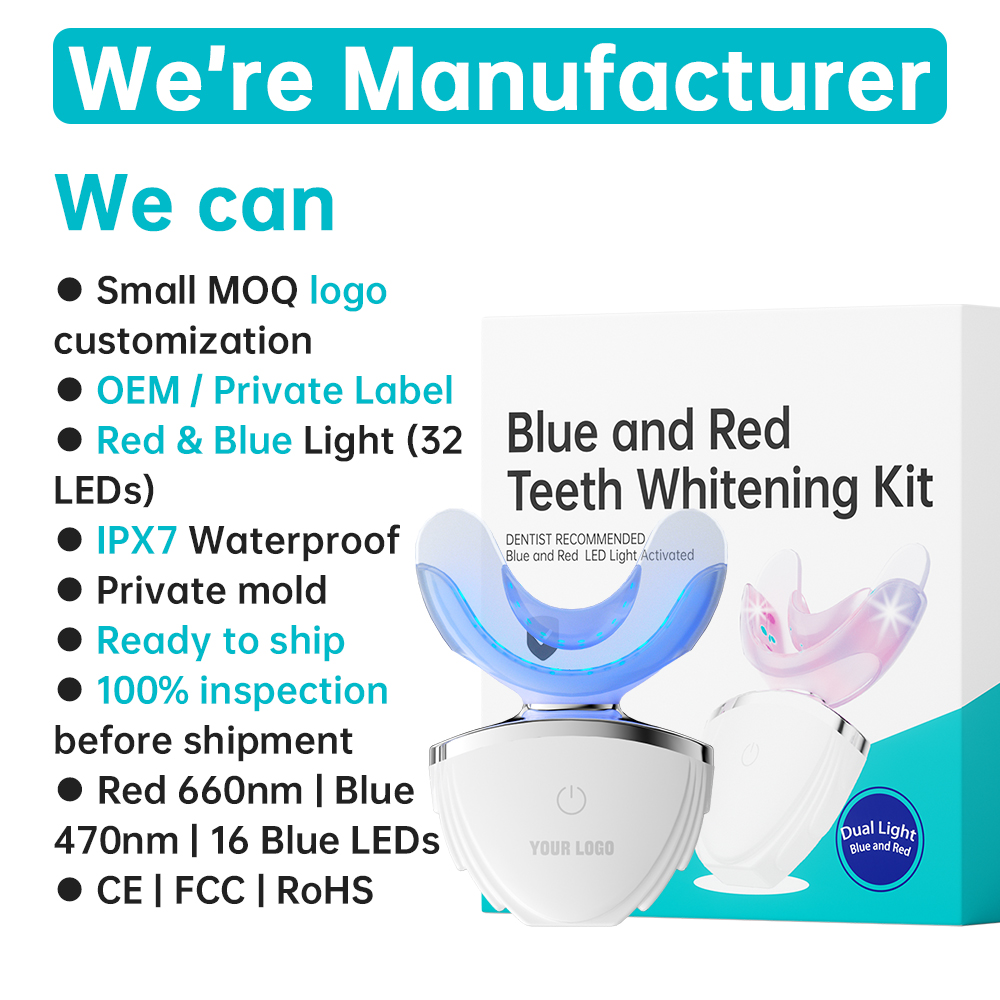
How Does Packaging Customization Service Assist with Aesthetic Device Compliance?
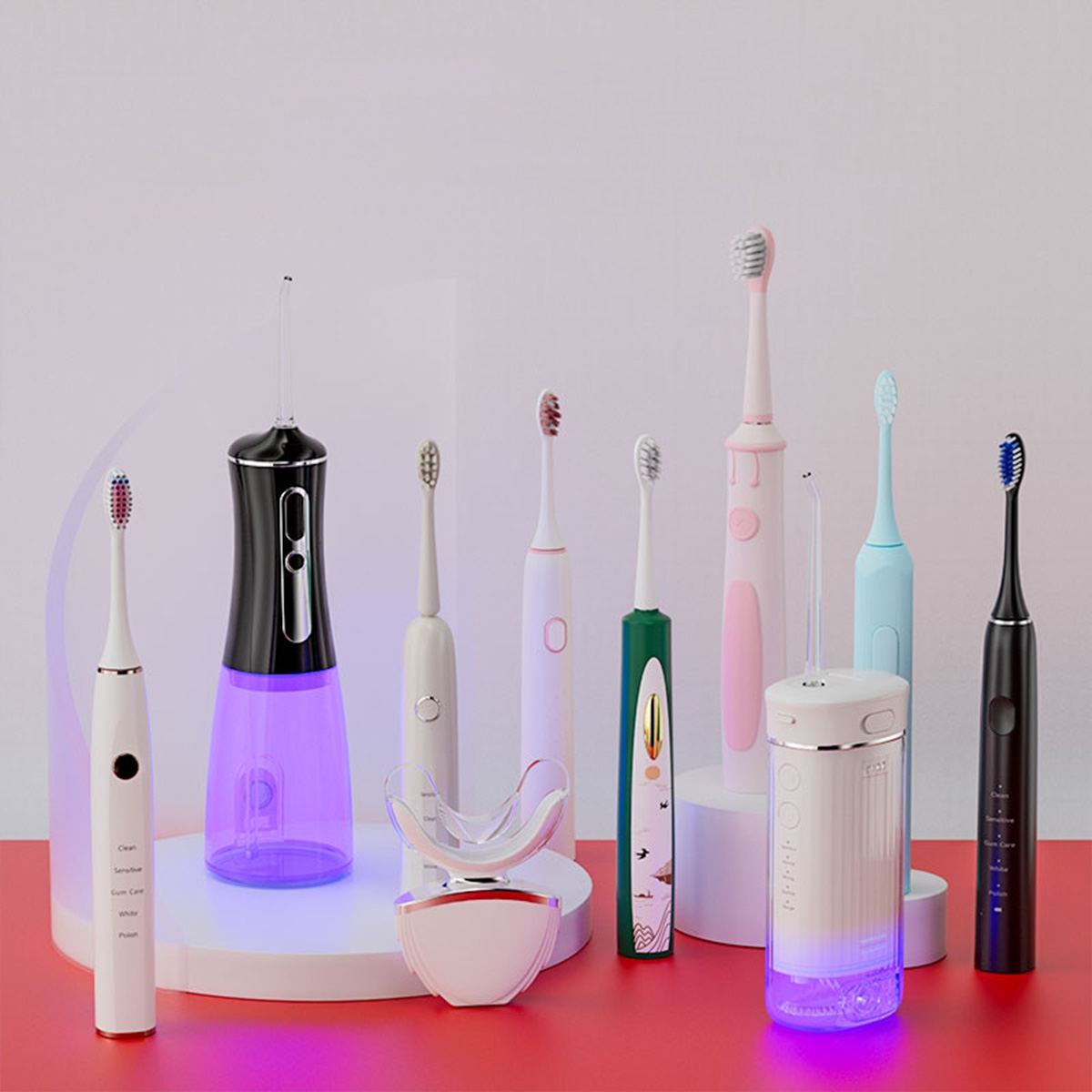
comprehensive oral care solutions: Why Consumers Prefer Them
Pressure Overkill Leading Sensitivity Spikes – Painful?
.jpg)
Travel electric toothbrush factory

Seeking Custom Handle Design Services Within Your OEM/ODM Manufacturing Partnership?


.jpg)
.jpg)
.jpg)
.jpg)
.jpg)






.jpg)

.jpg)

.jpg)