.jpg)
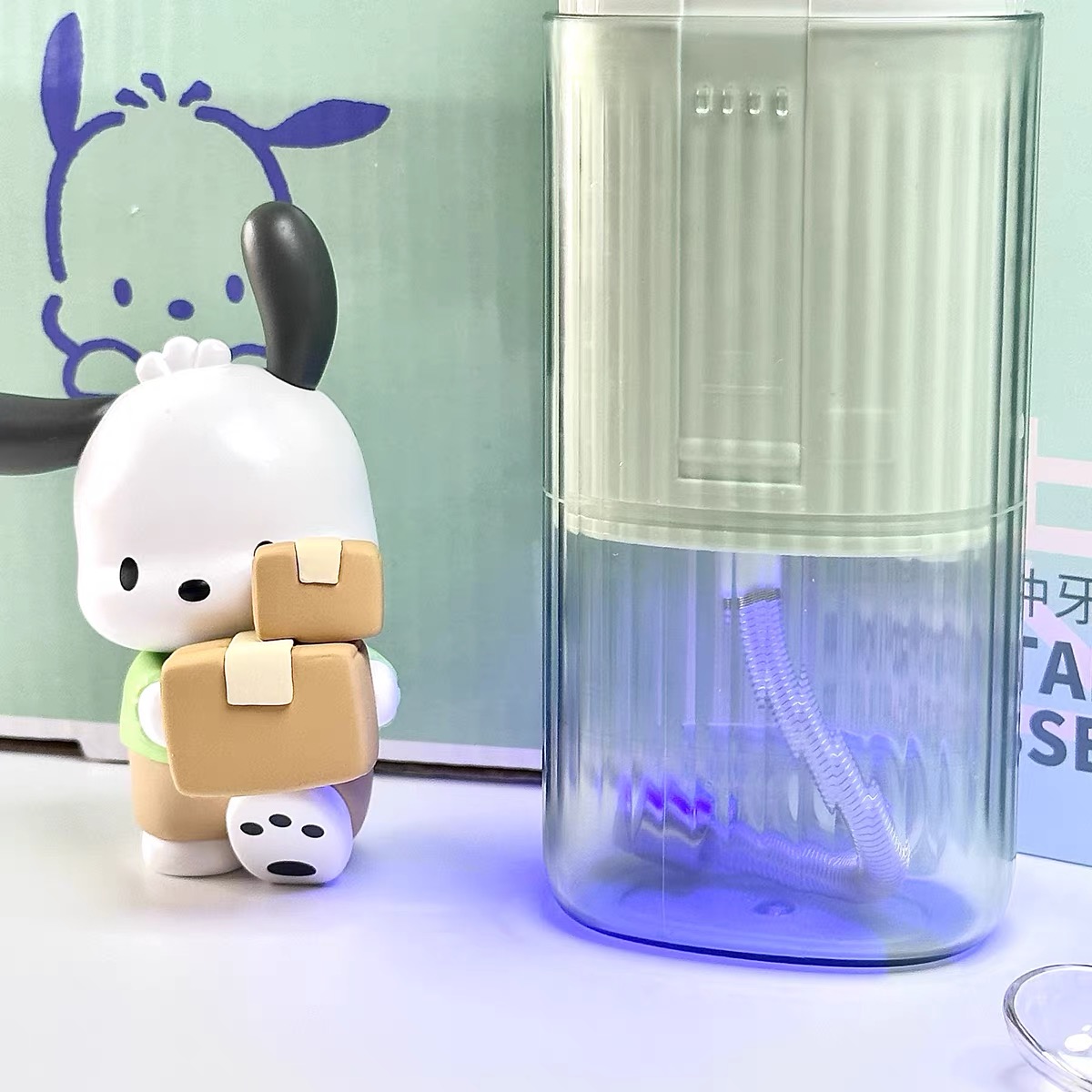
As B2B manufacturers and distributors in the oral care industry, ensuring the reliability and hygiene of water flossers is a top priority. A growing concern among users—and a crucial quality control point for suppliers—is reservoir mold growth and its potential to cause nozzle clogging. These issues not only impact user satisfaction but can lead to product returns, brand damage, and even health risks. In this blog, we explore the root causes, consequences, and solutions related to mold buildup in water flosser tanks and its impact on spray performance. How Does Mold Form in Water Flosser Reservoirs? The reservoir of a water flosser is a moist, enclosed environment—ideal conditions for microbial growth. When users fail to regularly clean and dry the tank, residual water combined with oral debris creates a perfect breeding ground for reservoir mold. Over time, fungal growth adheres to the inner walls and base of the tank, especially in hard-to-reach crevices, leading to hygiene hazards and operational issues. The Direct Link Between Reservoir Mold and Nozzle Clogging Mold growth doesn’t just affect the tank's cleanliness—it poses a mechanical risk. Once fungal spores or biofilm fragments break free, they travel with the water through the flosser’s internal tubing and…
When it comes to child safety, the materials used in kids' electric toothbrushes play a critical role. With increasing concern around material toxicity, parents are more cautious than ever, and brands that manufacture or supply children's oral care products must meet rising standards. For B2B buyers—whether you're sourcing for retail, OEM, or private label—understanding the safety implications of materials is no longer optional, it's essential. Why Child-Specific Material Standards Matter Children’s oral tissues are more sensitive, and their immune systems less developed than adults'. A brush head made from substandard plastic or pigment may leach harmful chemicals into the mouth during brushing. This is especially risky for children who tend to chew on brush heads. That’s why child safety begins with choosing certified, non-toxic, BPA-free, and phthalate-free materials that are compliant with FDA, LFGB, or EU EN71 standards. Common Risks: What Does “Material Toxicity” Really Mean? The term material toxicity refers to the potential for a material to release harmful substances under normal or stressed use. In kids' toothbrushes, this can involve: Plasticizers like DEHP used in flexible components Heavy metals in colored plastics or paint Low-grade adhesives that release formaldehyde Flavored coatings that don’t meet food-grade standards These substances…
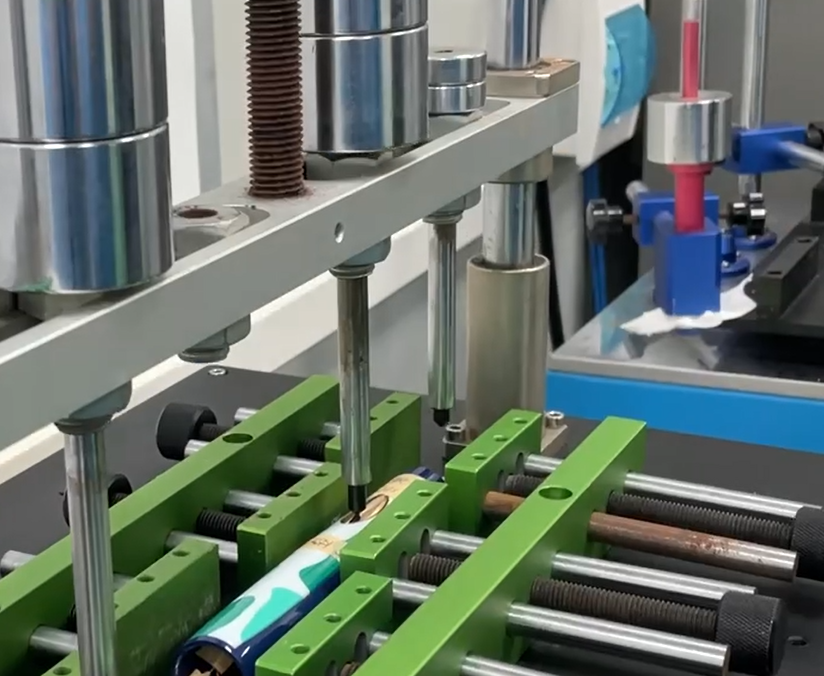
In the highly competitive electric toothbrush market, product aesthetics, functionality, and safety play an increasingly critical role. A high-quality surface finish not only enhances the user experience but also reinforces the brand image. Two of the most widely used surface finishing techniques in the industry are toothbrush UV spraying and PU coating process. But how do they compare in terms of matte finish, anti-slip properties, and environmental safety? This blog presents a detailed comparison to help sourcing managers and product developers make informed decisions. Understanding the Two Coating Methods What is Toothbrush UV Spraying? UV spraying involves applying a specialized UV-curable coating to the toothbrush handle, followed by exposure to ultraviolet light to harden the coating. This method offers excellent scratch resistance, a sleek appearance, and faster production cycles. It is commonly used in modern electric toothbrush factories looking for efficiency and a high-gloss or matte finish. What is PU Coating Process? The PU coating process involves the application of polyurethane layers, which are air-cured or heat-cured. PU coatings are valued for their soft-touch feel, durability, and versatility. They are particularly effective when used for matte anti-slip treatment, making them ideal for handheld devices that are frequently exposed to water. Matte Finish…
In the increasingly competitive oral care market, electric toothbrush brands must go beyond traditional marketing to capture consumer attention. Social media has become a powerful tool for connecting directly with target users, building trust, and driving conversions. Through effective social media to increase sales, brands can unlock new opportunities to expand their reach and grow sales.This blog outlines a 6-step strategy for manufacturers and brands, integrating oral care KOL cooperation, creative content, and a data-driven brand promotion strategy. Identify Target Audiences and Platform Preferences Before launching any campaign, brands need to define their ideal customer profiles—are they health-conscious millennials, parents buying for their children, or tech enthusiasts seeking the latest oral care innovation? Once personas are clear, choose the right platforms: Instagram & TikTok for visual storytelling and product demos YouTube for in-depth reviews and tutorials Facebook for community engagement and paid promotions Successful electric toothbrush social media marketing begins with meeting your audience where they spend their time. Leverage Oral Care KOL Cooperation Collaborating with oral care KOLs (Key Opinion Leaders) and influencers is one of the most effective tactics to build trust and generate authentic buzz. These influencers already have the audience—and the credibility—to recommend your brand. Types of collaborations include: Unboxing and…
.jpg)
As global demand for smart personal care products rises, electric toothbrush distribution is becoming one of the most profitable segments in the oral hygiene market. For distributors and wholesalers, selecting the right product can significantly impact revenue, brand reputation, and customer retention. This guide is designed to help distributors identify high-profit electric toothbrush, evaluate wholesale purchasing strategies, and confidently enter or expand their electric toothbrush offerings. Understand the Market: Why Electric Toothbrushes Are Booming Electric toothbrushes are no longer a luxury item—they’re a daily essential for millions. According to market research, the global electric toothbrush market is expected to exceed USD 7 billion by 2027. The surge is driven by: Consumer awareness of oral health A rise in smart healthcare devices Growing demand in emerging markets For distributors, this trend presents a unique opportunity to capitalize on high-margin oral products that combine innovation with consumer demand. Key Features to Look For in a High-Profit Electric Toothbrush Not all electric toothbrushes are created equal. High-profit products typically include: Multi-mode functionality (clean, sensitive, gum care, etc.) Rechargeable lithium batteries for long-term use Smart features like timers, pressure sensors, or app connectivity Ergonomic and aesthetic design to attract end-users These features allow for premium pricing and improve your margin…
With the rapid development of oral care e-commerce, oral care product distributors face both unprecedented opportunities and fierce competition. To stand out in the digital marketplace, distributors must go beyond just listing products—they must present them strategically. A well-optimized product listing can significantly enhance visibility, improve conversion rates, and strengthen customer trust. In this blog, we’ll explore practical distributor growth strategies and offer actionable product link details optimization suggestions that help boost online performance and drive higher sales. High-Quality Product Images: The First Impression Matters In e-commerce, the product image is often the first interaction between a brand and a customer. For oral care items like electric toothbrushes, flossers, and toothpaste: Use high-resolution photos with multiple angles. Include close-ups of key features, such as brush head texture or ergonomic handle. Show the product in use to highlight benefits visually. Optimizing visual presentation is a key part of the product link details optimization suggestions that leads to more engagement and trust. Compelling and Informative Product Descriptions An effective product description educates, persuades, and sells. Distributors should: Clearly explain key features and functions. Highlight unique selling points, such as battery life, water-resistance, or specialized modes for sensitive gums. Use bullet points for readability and SEO-relevant keywords to…
When child lock failure occurs, unauthorized rapid restarts or incorrect operation not only shorten device lifespan but also can worsen tongue cleaner abrasion. To help B2B manufacturers understand their potential linkage and propose optimizations, we explore this issue across six key areas. Mis-Touch Risks from Child Lock Failure First, an inadequate child-lock design can lead to accidental activation during transport, cleaning, or by curious hands: Continuous No-Load Operation: The device runs at high speed with no load, transmitting full vibration to the tongue cleaner coupling. Frequent Power Cycling: Repeated start/stop cycles accelerate mechanical wear and generate current spikes. Unintended High-Power Modes: Without a lock, users (or children) may switch to intense settings, further wearing the cleaner head. Preventing mis-touch events is the first step toward reducing abrasion. Mechanical Fatigue from Repeated Starts Next, child-lock failure subjects the tongue cleaner head and its shock-absorbing components to abnormal dynamic stresses: Spring Contact Wear: Repeated impacts cause loss of spring elasticity and faster wear. Bearing Friction: Rapid reversals increase friction between bearings and couplings. Coupling Fatigue: Alternating push-pull forces induce microcracks in the gearbox, transferring shocks to the cleaner head. A reliable lock mechanism can dramatically extend head longevity. Company web: https://www.powsmart.com/product/electric-toothbrush/ Abrasion from…
When designing child-specific oral-care and whitening devices, selecting the right cold light wavelength is crucial—not only to match the sensitivity of young gums and enamel but also to integrate safely with brush head sterilization procedures. Only with both light-source safety and device disinfection can parents and clinicians confidently allow children to use these products. company web:https://www.powsmart.com/product/electric-toothbrush/ Pediatric Oral Tissue Light Tolerance Children’s oral tissues are thinner and more delicate than adults’: Wavelength Selection: The 400–420 nm range (near-UVC edge) effectively activates whitening agents while filtering out shorter UV wavelengths that could burn soft tissue. Intensity Limits: Maintain irradiance at ≤ 20 mW/cm² to avoid over-sensitivity during the transition from primary to permanent teeth. Exposure Duration: Limit sessions to under five minutes, with built-in rest periods allowing gum and mucosa recovery. Cellular Safety Across Wavelengths Different wavelengths affect cells and microbes in distinct ways: Photochemical Activation: The 430–450 nm band optimally excites peroxide breakdown, generating radicals that remove stains with minimal soft-tissue impact. Thermal Control: Filter out wavelengths above 450 nm that carry excess heat, and use onboard temperature sensors to monitor oral-surface temperatures in real time. Safety Standards: Adhere to ANSI Z136.1 thresholds to ensure irradiance stays below mucosal and…
In devices designed for children’s oral care, not only must you leverage the low vibration and quiet operation of a coreless motor, but you also need clear pediatric warnings about bleach residuals. Children’s enamel is thinner and their swallowing reflexes are immature—any leftover bleaching agent can harm oral tissues or be ingested. Below, we explore six reasons why pediatric instructions must emphasize thorough rinsing of all bleach residues. Unique Pediatric Oral Physiology Children’s mouths differ markedly from adults’: Thinner Enamel: Pediatric enamel is roughly half as thick, making it more prone to chemical erosion. Immature Swallow Reflex: Young children may accidentally ingest residual bleach, causing gastrointestinal distress. Microbiome Sensitivity: Residual oxidizers can disrupt beneficial oral flora, raising caries risk. These factors make residual removal essential in pediatric guidelines. Dangers of Bleach Residuals Even trace bleach left behind can cause: Chemical Irritation: Contact with gums or mucosa can produce burning sensations or mild inflammation. Inhibited Remineralization: Ongoing peroxide decomposition can slow enamel repair, increasing sensitivity. Taste and Microbial Imbalance: Residual chemicals alter saliva chemistry, affecting taste perception and microbiome health. Children’s developing mouths are particularly vulnerable to these effects. Key Elements of Pediatric Warnings Product labeling and instructions for children should…
As oral‐care devices evolve, ensuring child compatibility while addressing cold light sensitivity poses a unique challenge: devices must be gentle enough for young users yet powerful enough for effective phototherapy without triggering discomfort or tissue irritation. In this post, we’ll explore six key factors that B2B partners should consider when designing child-friendly, cold-light-based oral-care solutions. Special Considerations for Child Compatibility Children’s teeth and gums are still developing and therefore require extra protection: Reduced Power & Duration: Pediatric modes should operate at lower light intensity and shorter exposure times than adult settings. Choking & Ingestion Safeguards: Nozzle and applicator dimensions must meet child-safety standards to prevent accidental swallowing. Biocompatible Materials: All parts contacting the mouth must use FDA- or ISO 10993-certified, non-toxic materials free of harmful additives. Child compatibility is not just a feature—it’s a safety imperative. Cold Light Technology & Sensitivity Risks Cold light (typically 400–420 nm) is effective for whitening and disinfection but can cause cold light sensitivity if misapplied: Soft-Tissue Irritation: Blue light can provoke burning or redness on delicate pediatric gingiva. Photochemical By-Products: High-intensity exposure may generate free radicals that weaken enamel surface. Thermal Accumulation: Even “cold” LEDs can raise local temperature over prolonged use, aggravating sensitivity.…
As demand for personalized oral care grows, toothbrush devices must offer highly programmable pulse frequency control and sensitivity adaptation to accommodate multiple modes and user profiles. Only by combining a range of settings with real-time feedback can a single device truly meet the needs of all ages, oral conditions, and use-case scenarios. Segmenting Users and Their Diverse Needs First, B2B manufacturers should consider the full spectrum of end users: Children and Teens: Require low-frequency, gentle pulses to protect developing gums. Everyday Adults: Need mid-range frequency and strength in a standard cleaning mode that balances efficiency with comfort. Sensitive Users: Benefit from precise sensitivity adaptation, ensuring effective cleaning without irritation. Orthodontic and Restorative Cases: Demand specialized nozzles or brush heads to navigate braces, implants, and other hardware. Clear user personas are essential to define the must-have features for a “one-size-fits-all” device. Multi-Mode Design: From Basic to Professional Next, the device should support multiple cleaning modes for different scenarios: Standard Cleaning: Ideal for daily plaque removal. Whitening/Polish: Uses high pulse frequency and specialized brush heads for surface brightening. Gum Massage: Low-frequency pulses gently stimulate gum circulation. Orthodontic Mode: Works with dedicated nozzles or heads to flush around brackets and wires. Deep-Clean Therapy:…
In children’s oral care, an excessive noise level can startle little ones, undermine brushing habits, and even pose risks to child safety by affecting delicate hearing. Therefore, as B2B manufacturers, we must understand noise sources, comply with pediatric hearing guidelines, and optimize designs to deliver brushes that are both quiet and safe. Why Noise Control Is Crucial for Kids High noise levels can lead to: Fear and Resistance: Harsh buzzing discourages children from brushing, disrupting healthy routines. Hearing Disturbance: Prolonged exposure to elevated decibels in close proximity may affect a child’s auditory development. Shortened Brushing Time: Kids rush through brushing to escape the noise, compromising cleaning effectiveness. Balancing quiet operation with effective cleaning is key to both user comfort and child safety. Pinpointing Noise Sources: Motor to Housing Major contributors to a noisy kids’ toothbrush include: Drive Motor: Rotor resonance and gear meshing generate mechanical noise. Gears & Bearings: Inexpensive plastic gears or unlubricated bearings amplify squeaks and grinding sounds. Brush Head Vibration: Bristle contact with teeth produces additional sound. Housing Resonance: A thin plastic or metal shell can amplify internal vibrations if not properly damped. Effective noise reduction must address each of these areas.Company web:https://www.powsmart.com/product/electric-toothbrush/ Measuring & Evaluating Decibel…
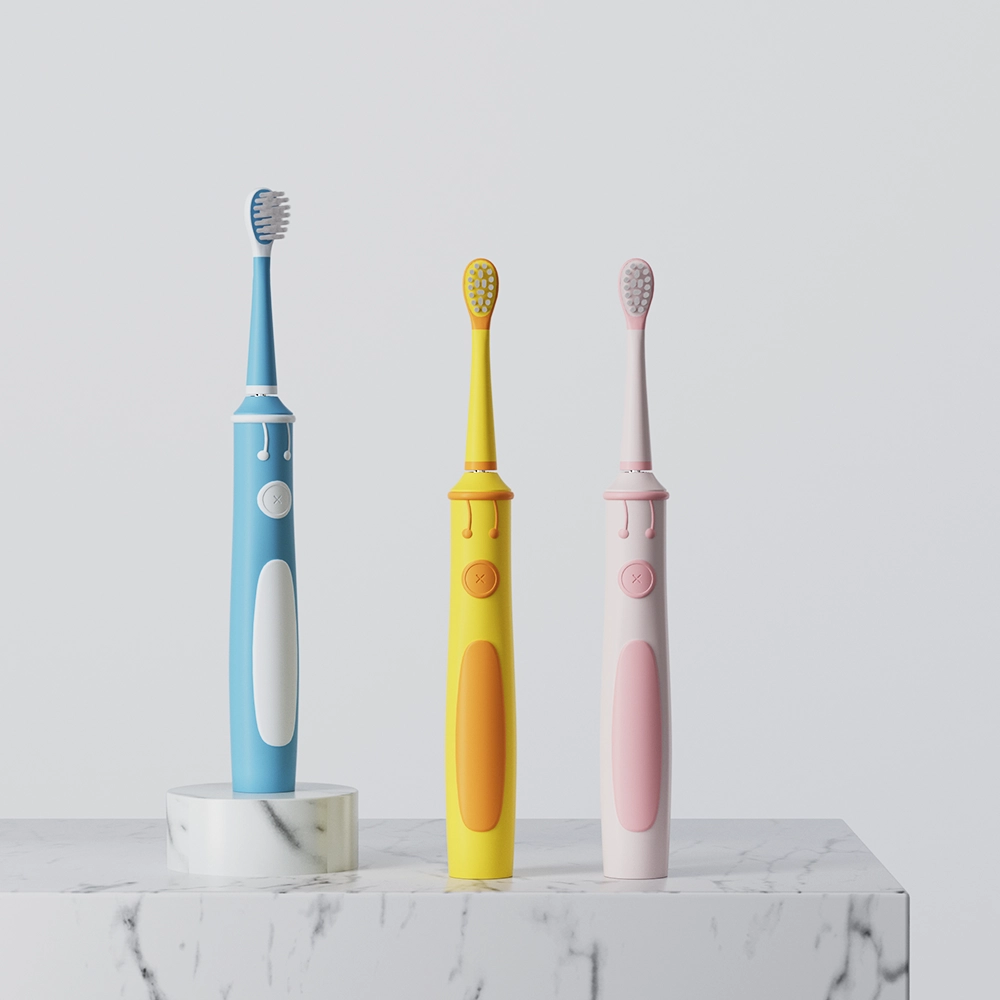
As parents become increasingly aware of the importance of oral health for their children, the demand for kids' electric toothbrushes continues to rise. It not only for effective cleaning but also for making brushing more fun and engaging for children. However, an often overlooked feature in the design of these devices is the use of antibacterial materials. In this blog, we will explore why incorporating antibacterial materials into kids' electric toothbrushes is essential for their hygiene, safety, and durability.https://www.powsmart.com/ Why Antibacterial Materials Are Crucial for Kids' Electric Toothbrushes Children's toothbrushes are subject to frequent contamination, especially in a shared bathroom environment where germs and bacteria can easily transfer. The inclusion of antibacterial materials in kids' electric toothbrushes offers several key benefits: Preventing Bacterial Growth: Kids are more likely to forget to clean their toothbrushes properly, and an antibacterial material can help inhibit the growth of bacteria and mold on the toothbrush handle and bristles. Reducing the Risk of Illness: Antibacterial properties help prevent the buildup of harmful bacteria, which is especially important for children who have weaker immune systems. Maintaining Hygiene: As kids often leave their toothbrushes wet or stored improperly, antibacterial materials help ensure that their toothbrush remains hygienic…
Introduction: The Critical Role of Bristle in Oral Care When sourcing electric toothbrush, manufacturers must pay close attention to bristle quality—a key factor that determines cleaning effectiveness and user satisfaction. The right bristle design can enhance plaque removal, gum protection, and overall brushing performance. In this guide, we’ll explore how to select the best brush filaments for optimal dual-effect cleaning and long-term oral health. 1. The Importance of Bristle Material and Durability High-quality brush filaments should be made from soft yet durable nylon to ensure they don’t fray quickly while remaining gentle on gums. Inferior bristles may harden over time, causing gum irritation. Manufacturers should prioritize FDA-approved materials that resist bacterial growth and maintain elasticity after prolonged use. 2. Dual-Layer Bristles for Dual-Effect Cleaning A smart bristle configuration is the double-layer bristles design, combining 0.01mm long and thin bristles with 0.15mm short and tough bristles. The long, thin bristles (0.01mm) reach deep between teeth and along the gumline to remove hidden plaque. The short, tough bristles (0.15mm) provide strong scrubbing power for surface stains and food debris.This dual-effect cleaning ensures comprehensive oral hygiene, making the toothbrush more appealing to end-users. 3. Bristle Shape and Arrangement Matter Beyond material, bristle shape and density impact cleaning efficiency: Tapered bristles enhance flexibility for gentle gum care. Crisscross patterns improve interdental cleaning. High-density clusters ensure consistent coverage with each stroke.Manufacturers should…

Electric toothbrushes are widely praised for their superior cleaning performance, but when it comes to children, parents often wonder: Are electric toothbrushes harmful to children? As a leading B2B manufacturer of dental care products, we believe it’s important to address this concern by analyzing potential risks and disadvantages. In this blog, we’ll explore three major hazards—aggravates existing dental problems, chronic tooth damage, and tooth enamel wear—while also discussing issues like lack of age-specific design, improper brushing method, low oral tolerance, and the risks of choosing low-priced and low-quality goods. 1. Aggravates Existing Dental Problems One potential risk of electric toothbrushes for children is that they may aggravate existing dental problems. For example, children with sensitive teeth, gum disease, or orthodontic appliances like braces may find the vibrations of an electric toothbrush too intense. Without proper guidance or a gentle mode, the high-speed movements could irritate sensitive areas or worsen existing conditions. It’s crucial to consult a dentist before introducing an electric toothbrush to a child with known dental issues. 2. Risk of Chronic Tooth Damage Another concern is the possibility of chronic tooth damage caused by improper use. Children who apply too much pressure or use an electric toothbrush incorrectly may experience long-term damage to their teeth and gums. Over time,…
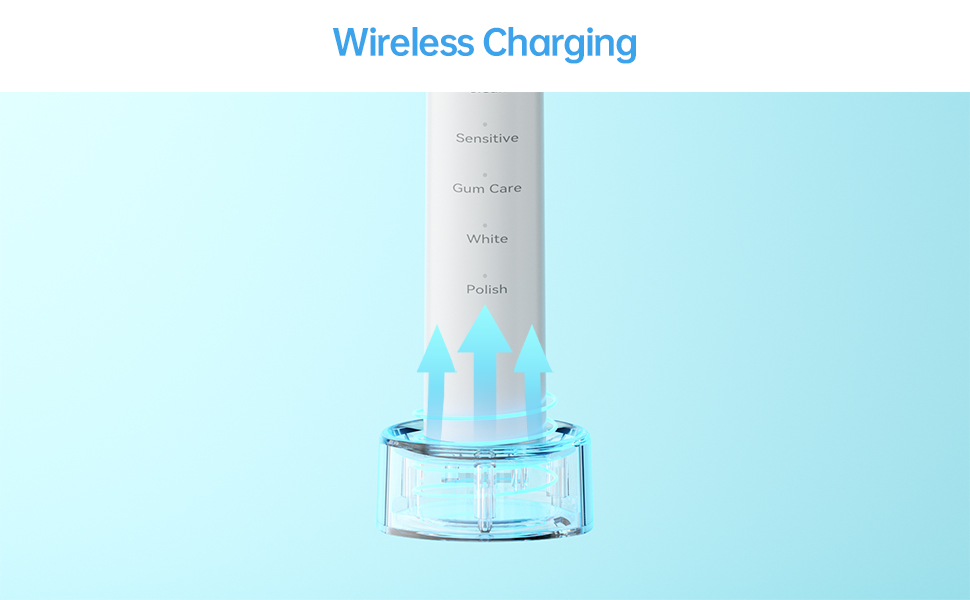
To maximize electric toothbrush benefits, it’s essential to use them correctly and follow proper precautions. As a leading B2B manufacturer of dental care products, we’re here to guide you on how to use electric toothbrushes effectively, covering key points like correct installation, charging according to the instructions, brushing at a 45-degree angle, keeping it clean, and replacing brush heads regularly 1. Correct Installation of the Brush Head The first step in using an electric toothbrush is ensuring correct installation of the brush head. Most electric toothbrushes have a simple click-on mechanism for attaching the brush head. Make sure it is securely fastened to avoid any wobbling or detachment during use. A properly installed brush head ensures optimal performance and prevents potential damage to the toothbrush or your teeth. 2. Charge According to the Instructions To keep your electric toothbrush functioning at its best, always charge it according to the instructions provided by the manufacturer. Overcharging or using incompatible chargers can reduce battery life and affect performance. Most electric toothbrushes come with a charging base and indicator lights to show the charging status. Ensure the toothbrush is fully charged before first use and recharge it as needed to maintain consistent performance. 3. Brush Your Teeth at a 45-Degree…
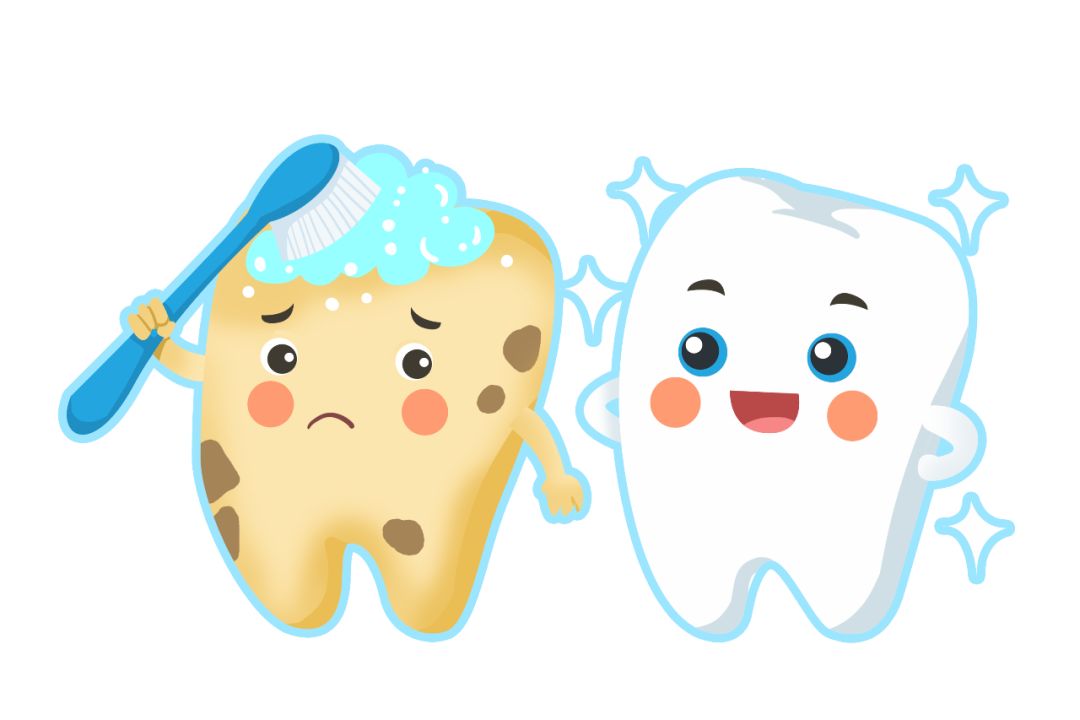
Choose the right electric toothbrush for your children is an important decision that can impact their oral health and brushing habits. With so many options available, it’s essential to consider factors like age and stage, gentle vibration, and whether the brush head is small and moderate in design. As a trusted B2B manufacturer of dental care products, we’re here to guide you through the process of choose the perfect electric toothbrush for your children. 1. Consider the Child’s Age and Stage When choose an electric toothbrush for your children, the first factor to consider is their age and stage. Electric toothbrushes are generally recommended for ages 3 and up, as younger children may not have the motor skills to use them effectively. For toddlers, look for models specifically designed for their age group, with features like smaller brush heads and softer bristles. Older children can use more advanced models with additional features, such as timers and multiple brushing modes. 2. Opt for Gentle Vibration Children’s teeth and gums are more sensitive than adults’, so it’s important to choose an electric toothbrush with gentle vibration. Many electric toothbrushes for kids come with adjustable speed settings or specialized modes for sensitive teeth.…
With the growing popularity of electric toothbrushes, many parents wonder: can children use electric toothbrush? As a trusted B2B manufacturer of dental care products, we’re here to provide clarity on this topic. In this blog, we’ll explore whether electric toothbrushes are suitable for children, focusing on concerns like toothbrushing control is not very flexible, their effectiveness in plaque removal, and why they are recommended for ages 3 and up when the enamel is basically fully developed. 1. Toothbrushing Control Is Not Very Flexible in Children One common concern about children using electric toothbrushes is that their toothbrushing control is not very flexible. Young children may struggle to maneuver the brush properly or apply too much pressure, which could lead to gum irritation or enamel wear. However, many electric toothbrushes designed for kids come with smaller brush heads and softer bristles, making them easier to handle. Additionally, parental supervision can help children learn the correct technique and ensure safe use. 2. Superior Plaque Removal for Kids Electric toothbrushes are highly effective at plaque removal, even for children. Their rapid brush strokes can clean teeth more thoroughly than manual brushing, reaching areas that kids often miss. This is especially important for children, as they are still developing their brushing habits and…
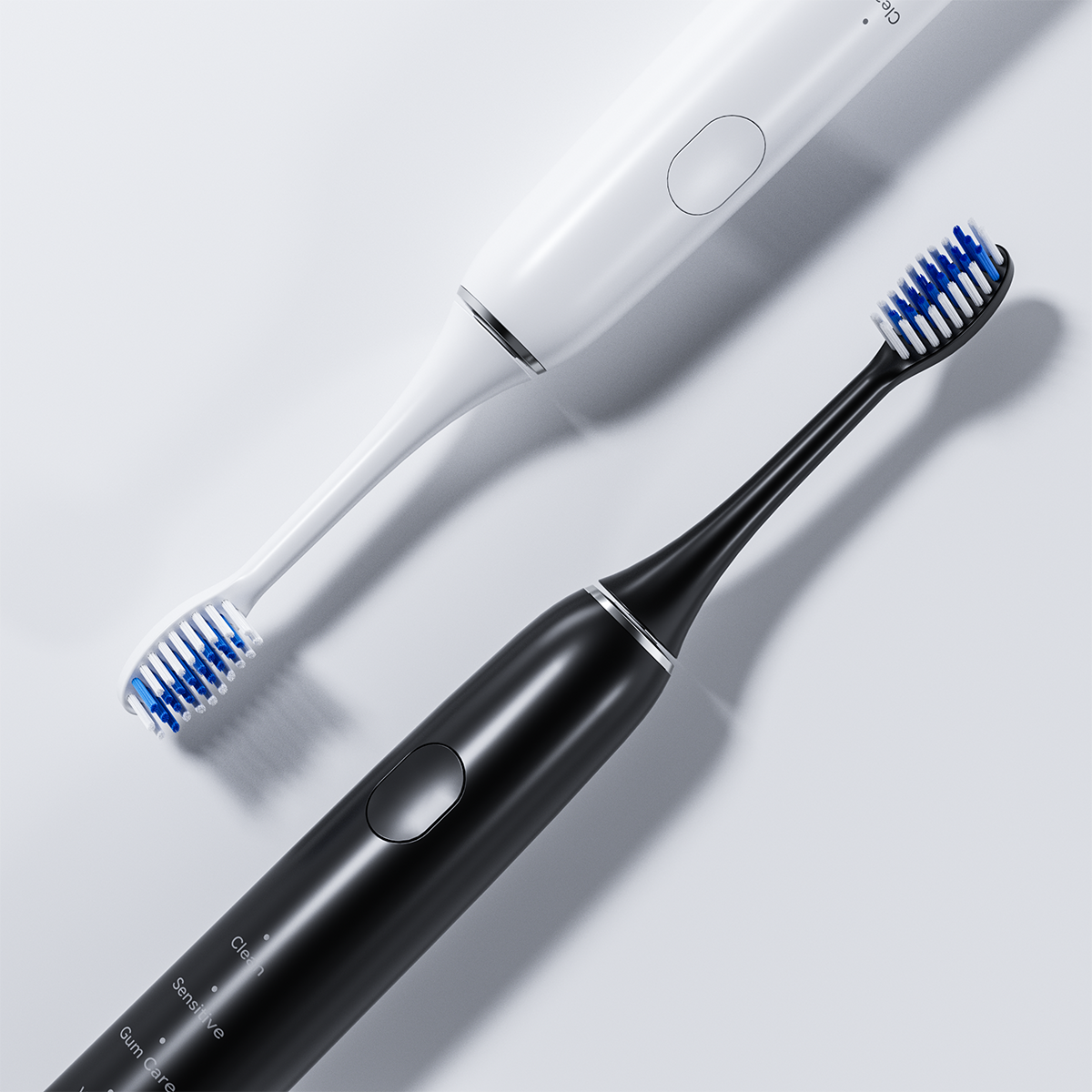
Choosing the right toothbrush is essential for maintaining optimal oral care. While manual toothbrushes have been the go-to option for decades, electric toothbrushes are increasingly becoming the preferred choice for many. But when is it better to choose an electric toothbrush? As a leading B2B manufacturer of dental care products, we’ll explore the scenarios where an electric toothbrush can make a significant difference, especially for those who do not pay enough attention to their brushing technique or struggle with the Bass brushing method. 1. When Manual Brushing Techniques Fall Short Many people do not pay enough attention to their brushing technique, leading to ineffective cleaning. The Bass brushing method, which involves holding the brush at a 45-degree angle and using gentle, circular motions, is recommended by dentists but can be difficult to master. Electric toothbrushes simplify this process by automating the correct movements, ensuring a thorough clean even for those who struggle with manual techniques. 2. For Those Who Brush Their Teeth Too Vigorously Some individuals tend to brush their teeth vigorously, thinking that more pressure equals a cleaner mouth. However, this can damage enamel and irritate gums. Electric toothbrushes are designed to improve efficiency and strength without requiring excessive force. Many models come with pressure sensors that alert…
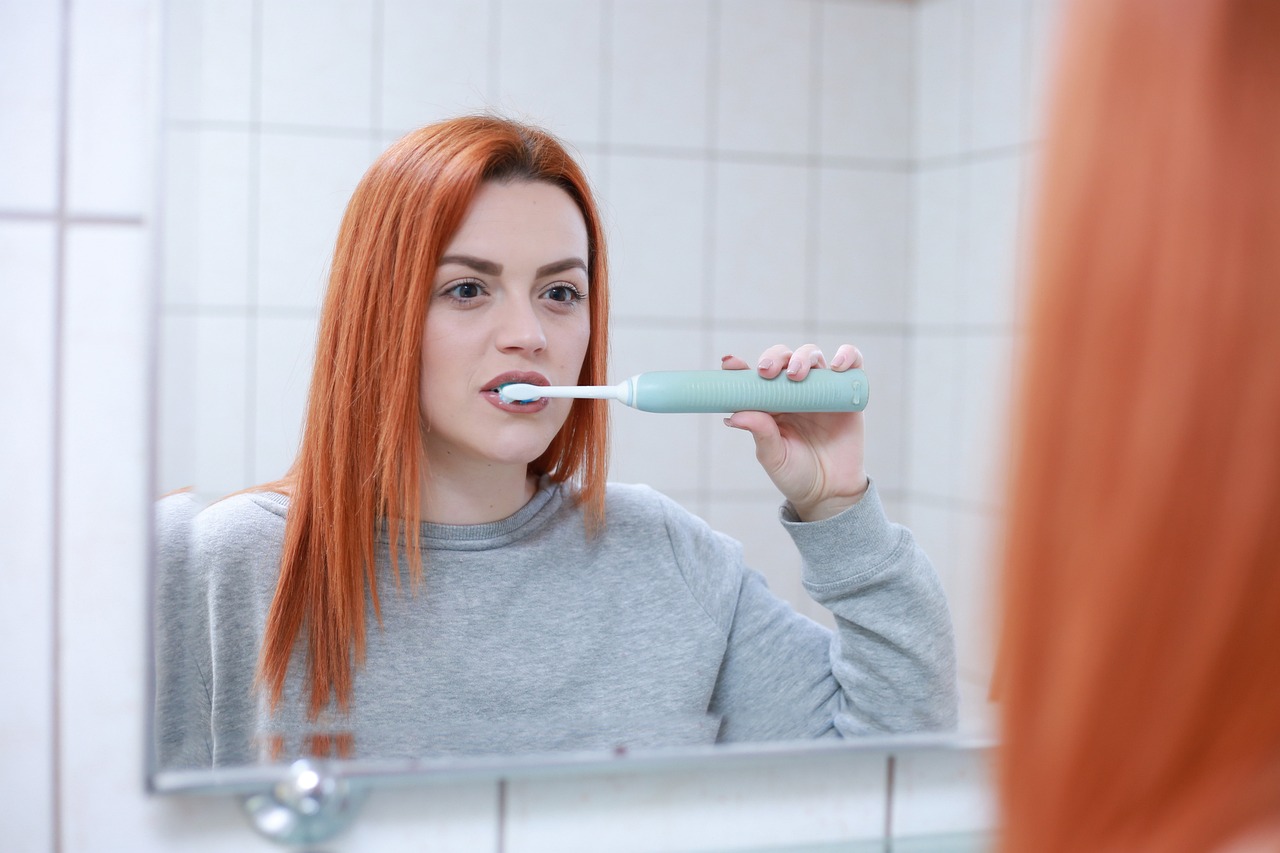
Electric toothbrushes have revolutionized oral care, offering a level of cleaning efficiency that manual brushes simply cannot match. As a leading manufacturer in the dental care industry, we have conducted extensive research and analysis to understand the advantages of electric toothbrushes and their growing role in modern oral hygiene. In this blog, we’ll explore why electric toothbrushes have become an essential part of your daily routine. And how they outperform traditional brushing methods. 1. Superior Cleaning efficiency: Clean Teeth and Gums Effectively One of the advantages of electric toothbrushes is their ability to clean teeth and gums more effectively than manual brushes. Presently Studies have shown that electric toothbrushes can remove up to 100% more plaque compared to manual brushing. This is due to bristle movements operate at thousands of revolutions per minute, ensuring a thorough clean even in hard-to-reach areas. So the oscillating, rotating, or sonic technology used in electric toothbrushes disrupts and removes plaque buildup, reducing the risk of cavities and gum disease. 2. Enhanced Plaque Removal Plaque is a sticky film of bacteria that forms on teeth and gums, leading to oral health issues if not properly removed. Electric toothbrushes are specifically designed to tackle plaque more cleaning efficiency. Their high-speed movements and…


.jpg)
.jpg)
.jpg)
.jpg)
.jpg)




.jpg)
.jpg)

.jpg)